

How to Prevent Contemporary Urban Streetwear Brand Design Fatigue?
For over 15 years immersed in the raw, ever-evolving landscape of streetwear, I've witnessed firsthand the meteoric rise and, often, the silent fade of countless brands. The initial spark of innovation, the undeniable hype, the queues around the block – only to see them succumb to a subtle, insidious ailment: design fatigue.
This isn't just about a bad season; it's a deeper malaise where a brand's once-distinct voice becomes an echo, its designs predictable, and its connection with its tribe weakens. The relentless pace of trends, the pressure to constantly deliver 'new,' and the sheer volume of competition can drain even the most passionate creative teams, leaving brands struggling to differentiate in a saturated market.
In this definitive guide, I'll share actionable frameworks and expert insights forged from years in the trenches. We'll explore not just how to identify the symptoms of design fatigue, but more importantly, how to prevent it from ever setting in, ensuring your brand maintains its edge, authenticity, and enduring relevance in the dynamic world of contemporary urban fashion.
Understanding the Roots of Streetwear Design Fatigue
Before we can prevent design fatigue, we must first understand its genesis. It’s rarely a sudden collapse but rather a gradual erosion of originality, often masked by short-term wins. The very elements that fuel streetwear's success—trend responsiveness, cultural immersion, and rapid cycles—can also become its greatest vulnerabilities.
The Paradox of Trends: Chasing vs. Creating
Streetwear thrives on trends, yet slavishly following them is a direct path to fatigue. Brands often fall into the trap of reacting to what's 'hot' rather than defining what's next. This reactive approach leads to a homogenization of aesthetics, where every brand starts to look and feel the same, diluting individual identity and making it impossible for consumers to discern genuine innovation from mere imitation.
In my experience, the brands that endure are those that understand trends as currents to navigate, not mandates to obey. They absorb influences, filter them through their unique brand lens, and then re-emerge with something distinct. This requires a deep understanding of their core audience and an unwavering commitment to their unique narrative, rather than simply replicating what sold well last quarter.
The Echo Chamber Effect: Losing Touch with the Streets
Another significant contributor to design fatigue is the 'echo chamber effect.' As brands grow, their design teams can become increasingly insulated from the very streets and subcultures that initially inspired them. They might rely on mood boards sourced from other fashion publications, trade shows, or even their own past successes, rather than engaging directly with the raw, evolving energy of urban youth culture.
This detachment leads to a sterile, manufactured aesthetic that lacks the visceral authenticity and cultural resonance essential for streetwear. The designs might be technically proficient, but they fail to speak to the lived experiences and aspirations of the target audience, feeling disconnected and inauthentic. As marketing guru Seth Godin often says, "The market isn't a monolith; it's a collection of tribes." Losing touch with your tribe is a death knell.
"True innovation in streetwear doesn't come from looking at what everyone else is doing; it comes from looking at what no one else has seen, deeply understanding a cultural need, and then translating it into a tangible, wearable statement."
The challenge, therefore, is to maintain a peripheral vision, constantly scanning the horizon for nascent movements, new sounds, and emerging forms of self-expression, without losing sight of the brand's foundational principles. This balance is critical for sustained creativity.
Strategy 1: Re-Engage with Subculture & Authenticity
Authenticity is the bedrock of streetwear. When a brand begins to feel manufactured or uninspired, it's often a sign that it has drifted too far from its roots. Reconnecting with the pulse of urban subcultures isn't just about market research; it's about reigniting the passion and understanding what genuinely moves your audience.
Deep Dive into Niche Communities
The sprawling tapestry of urban culture is constantly weaving new threads. Instead of broad strokes, focus on the intricate patterns of niche communities. These are the incubators of future trends, the spaces where genuine style evolves organically. This isn't about appropriation; it's about genuine engagement and understanding.
- Skate Culture: Beyond the board, explore the art, music, and DIY ethos that defines it.
- Music Scenes: From underground hip-hop and electronic music to punk and alternative, each genre has its distinct visual language.
- Art & Graffiti: Observe how artists are using public spaces and new mediums to express themselves.
- Gaming & Digital Subcultures: The metaverse and gaming communities are increasingly influencing physical fashion.
- Local Activism & Social Movements: These often generate powerful visual symbols and messages that resonate deeply.
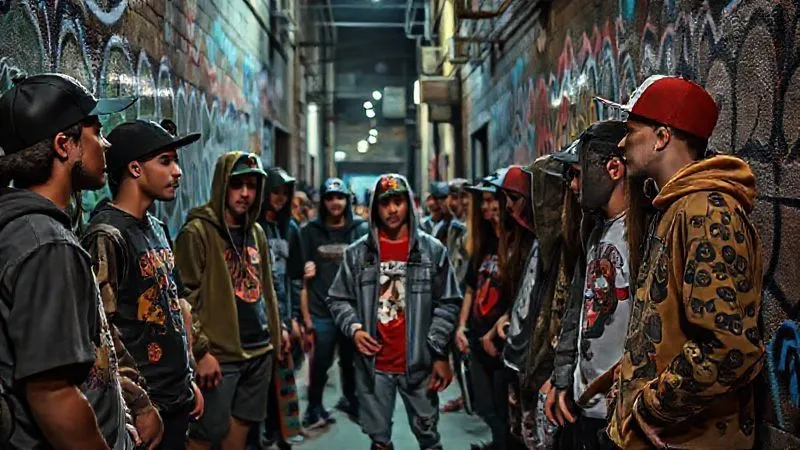
Send your design teams, or even better, go yourself, to local events, underground shows, pop-up markets, and community gatherings. Observe, listen, and understand the nuances. What are people wearing? How are they customizing? What are their aspirations and frustrations? This boots-on-the-ground research provides invaluable, unfiltered insights that no trend report can replicate.
Collaborate with Emerging Artists & Influencers
One of the most potent ways to inject fresh perspectives and maintain authenticity is through strategic collaborations. Don't just chase the biggest names; seek out emerging artists, local talents, and micro-influencers who genuinely embody the spirit of your brand and whose creative vision aligns with yours. These individuals are often on the cusp of defining the next wave of cultural relevance.
- Identify Aligned Talent: Look for artists (graphic designers, illustrators, photographers, musicians) or community figures whose work resonates with your brand's ethos and target audience, even if they aren't widely known yet.
- Foster Genuine Relationships: Approach collaborations as partnerships, not just transactions. Give them creative freedom and ensure mutual benefit.
- Co-Create Limited Editions: Launch small, exclusive capsule collections or one-off pieces that showcase the collaborative effort. This generates hype and allows for experimentation without overcommitting.
- Amplify Their Voice: Use your brand's platform to tell their story, giving them exposure and reinforcing your commitment to the culture.
- Measure Impact Beyond Sales: Look at engagement, brand sentiment, and cultural resonance, not just immediate revenue.
A well-executed collaboration can introduce your brand to new audiences, refresh your aesthetic, and signal your ongoing commitment to the cultural conversation, effectively preventing the staleness of design fatigue.
Strategy 2: Embrace Iterative Design & Micro-Collections
The traditional fashion calendar of two to four major collections per year can be a straitjacket for streetwear brands. The speed at which urban culture evolves demands a more agile, responsive approach. This is where iterative design and micro-collections become invaluable tools for preventing fatigue.
Moving Beyond Seasonal Drops: The Power of Agility
Instead of massive, all-encompassing seasonal drops, consider a strategy of continuous, smaller releases. This allows for constant experimentation, quicker feedback loops, and the ability to pivot rapidly based on cultural shifts and consumer response. It keeps the brand feeling fresh and dynamic, always offering something new to anticipate.
"In the fast-paced world of streetwear, agility isn't a luxury; it's a necessity. Brands that can iterate quickly, learn from their releases, and adapt their designs will always outmaneuver those stuck in rigid seasonal cycles."
This approach also reduces the pressure on individual collections to be 'everything,' allowing designers more freedom to explore specific themes, materials, or graphic ideas without the burden of filling an entire seasonal catalog. It's about a steady drip of innovation rather than an overwhelming flood.
Mini Case Study: "The Catalyst Collection"
Consider 'Urban Threads Co.', a mid-sized streetwear brand that, despite initial success, began noticing a dip in engagement and increasing comments about their designs feeling "samey." Their traditional two-season drop model was proving too slow to capture fleeting trends and maintain excitement. They decided to shift to a micro-collection strategy, launching a series called "The Catalyst Collection."
Instead of 30-piece seasonal lines, they released 5-7 piece capsule collections every 6-8 weeks, each centered around a very specific, emerging urban theme (e.g., "Neo-Graffiti," "Tech-Utility," "Vintage Skate Reimagined"). These smaller drops allowed their designers to be hyper-focused, experiment with unique fabrics or graphic techniques, and react almost immediately to cultural shifts. Their first "Catalyst" drop, a series of upcycled denim pieces with bespoke embroidery, sold out in 48 hours. Within a year, their engagement rates soared by 40%, and customer feedback consistently praised their renewed sense of innovation and relevance.
| Aspect | Traditional Model | Micro-Collection Model |
|---|---|---|
| Design Agility | Slow, reactive to past trends | Fast, proactive, trend-setting |
| Experimentation | High risk, limited scope | Low risk, broad scope for new ideas |
| Consumer Engagement | Peaks seasonally, then dips | Sustained excitement, frequent touchpoints |
| Inventory Management | Large, often discounted stock | Smaller runs, higher sell-through, less waste |
This model fosters a culture of continuous creativity and allows your brand to stay perpetually interesting, preventing the lulls that contribute to design fatigue.
Strategy 3: Innovate Materials, Techniques, and Sustainability
Design isn't just about aesthetics; it's also about the tactile experience, the functionality, and the story behind the garment. Leaning into material innovation, exploring new production techniques, and integrating sustainability can unlock entirely new avenues for creative expression and brand differentiation.
The Power of Textile Innovation: Beyond Cotton and Polyester
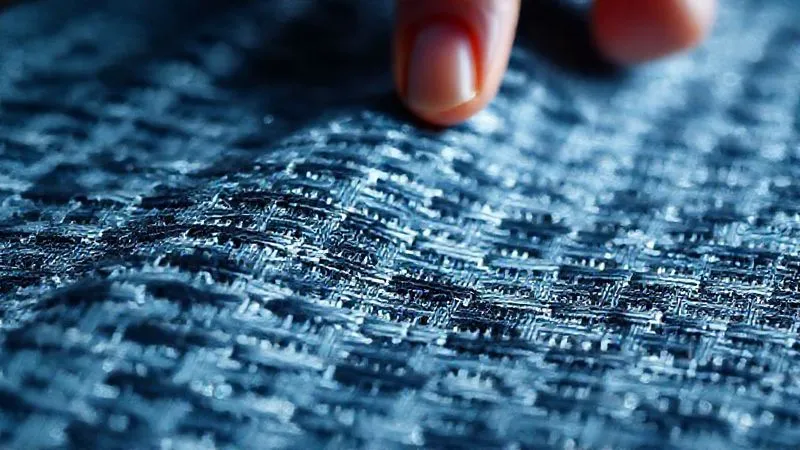
The streetwear consumer is increasingly sophisticated, not just in style but also in their awareness of product quality and impact. Experimenting with advanced textiles can elevate your designs beyond mere graphics and silhouettes. Think about fabrics that offer unique textures, enhanced performance (breathability, water resistance), or innovative properties.
- Sustainable Fabrics: Explore organic cotton, recycled polyester, hemp, Tencel, bamboo, or even innovative materials derived from mushrooms or algae. Common Objective's material library offers excellent resources.
- Technical Textiles: Integrate materials with features like reflective properties, thermal regulation, or unique stretch capabilities. This blurs the lines between fashion and performance wear, a growing trend in urban environments.
- Smart Fabrics: Consider textiles with embedded technology for features like temperature control or biometric tracking, even if in experimental, conceptual pieces.
By focusing on what a garment feels like and does, you add layers of value and storytelling that transcend fleeting visual trends. It shows a commitment to innovation that resonates with a discerning audience.
Exploring New Production Methods and Craftsmanship
Beyond materials, the way garments are constructed can be a source of immense creative novelty. Investigate techniques that push boundaries or revive traditional craftsmanship with a modern twist.
- Upcycling and Repurposing: Take existing garments or deadstock fabrics and transform them into unique, one-of-a-kind pieces. This is inherently sustainable and offers endless creative possibilities.
- Advanced Digital Printing & Embroidery: Explore high-definition printing, 3D embroidery, or innovative dye techniques that create unique visual effects and textures.
- Modular Design: Create garments with interchangeable components (sleeves, hoods, pockets) that allow the wearer to customize and extend the life of the piece.
- Local Artisanal Craft: Partner with local craftspeople for specialized details like hand-dyeing, intricate weaving, or unique embellishments. This adds a human touch and supports local economies.
By innovating at the foundational level of materials and production, your brand can consistently offer fresh perspectives that go beyond surface-level design, making it much harder to fall into the trap of design fatigue.
Strategy 4: Leverage Data-Driven Creativity & Consumer Insights
While streetwear is inherently creative, ignoring data in today's market is a recipe for stagnation. Data doesn't stifle creativity; it informs and empowers it. By understanding what resonates, what sells, and more importantly, *why*, brands can make more impactful design decisions and avoid repetitive missteps.
Beyond Basic Analytics: Understanding Sentiment and Behavior
It's not enough to know which items sold best. Delve deeper into the 'why.' Utilize tools for sentiment analysis, social listening, and detailed website analytics to understand consumer preferences, pain points, and emerging interests. Look at:
- Social Media Engagement: Which posts, styles, or narratives generate the most likes, comments, and shares? What specific details are people commenting on?
- Website Heatmaps & User Journeys: How do customers navigate your site? What products do they linger on? What prevents them from converting?
- Customer Reviews & Feedback: Actively solicit and analyze reviews. Look for recurring themes regarding fit, fabric, durability, or style.
- Competitor Analysis: What are your successful competitors doing? What are their customers saying? Don't copy, but learn from their wins and losses.
- Search Trend Data: Use tools like Google Trends to identify rising fashion terms, colors, or garment types within your niche.
According to a study published in Harvard Business Review, companies that effectively integrate data into their creative processes see significantly higher rates of successful innovation. This doesn't mean letting algorithms design your clothes, but rather using data as a compass to guide your creative explorations.
Feedback Loops and Co-Creation
Involve your most loyal customers in the design process. This can take many forms, from simple surveys to exclusive focus groups or even beta-testing new products with a select community. This not only provides invaluable feedback but also deepens customer loyalty and makes them feel invested in the brand's journey.
Consider running polls on social media for colorways, graphic options, or even naming conventions for upcoming drops. This level of interaction makes your audience feel heard and valued, transforming them from passive consumers into active participants. This co-creation model ensures that your designs remain relevant and exciting because they are, in part, a reflection of your community's desires.
Strategy 5: Cultivate a Strong Brand Narrative & Evolving Identity
Ultimately, what prevents design fatigue isn't just a series of tactical maneuvers; it's a deeply ingrained understanding of your brand's purpose and story. A strong narrative provides a consistent framework within which creative exploration can flourish without losing direction.
Storytelling as a Differentiator: More Than Just Clothes
Your brand isn't just selling garments; it's selling a lifestyle, a philosophy, a point of view. What story are you telling with each collection? Is there a consistent thread that connects your past, present, and future designs? This narrative acts as your brand's North Star, guiding aesthetic choices and ensuring coherence even as styles evolve.
"Brands that transcend trends are those that master the art of storytelling. They weave a narrative so compelling that their products become artifacts of a larger cultural movement, rather than just items of clothing."
This story can be rooted in the brand's origin, a specific cultural movement, a social cause, or a unique artistic vision. Whatever it is, it needs to be authentic, consistently communicated across all touchpoints, and genuinely resonate with your target audience. When the narrative is strong, even a seemingly simple graphic tee can carry profound meaning.
Adapting Without Losing Core Identity: The Brand DNA
The fear of losing identity often paralyzes brands, making them hesitant to innovate. However, a strong brand identity isn't rigid; it's a living entity that evolves. Think of your brand's DNA: certain core elements (values, aesthetic principles, target audience) remain constant, while others (specific styles, seasonal colors, graphic motifs) can and should change.
- Define Your Core Values: What does your brand stand for? What message do you want to convey? These should be immutable.
- Identify Signature Elements: Are there specific design details, fits, or graphic styles that are distinctly 'yours'? These can be reinterpreted in new ways.
- Embrace Iterative Evolution: Understand that evolution is natural. Your brand today should not look exactly like it did five years ago, but the essence should be unmistakable.
- Communicate the Evolution: When you make significant shifts, explain the 'why' to your audience. Bring them along on the journey.
By cultivating a powerful, adaptable narrative, your brand can navigate the ever-changing tides of streetwear without succumbing to design fatigue, always offering something fresh while remaining undeniably 'you'.
Building an Internal Culture of Creative Resilience
Preventing design fatigue isn't solely about external strategies; it's deeply rooted in the internal culture of your brand. A creative team that feels supported, challenged, and inspired is far less likely to fall into repetitive patterns. Cultivating an environment that champions creative resilience is paramount.
Fostering a 'Test & Learn' Environment
Fear of failure can be the biggest killer of innovation. Encourage a culture where experimentation is celebrated, and 'failures' are viewed as valuable learning opportunities, not setbacks. This means:
- Allocating 'Play' Time: Dedicate a portion of design time to pure experimentation, without the immediate pressure of commercial viability.
- Rapid Prototyping: Encourage quick, low-fidelity prototyping to test ideas swiftly.
- Open Feedback Channels: Create a safe space for designers to share incomplete ideas and receive constructive criticism.
- Celebrating Small Wins: Acknowledge and celebrate successful experiments, even if they don't lead to a full collection.
According to research highlighted by Forbes, psychological safety is a critical predictor of team innovation and performance. When designers feel safe to take risks, they are more likely to push boundaries and generate novel concepts, directly combating the onset of fatigue.
Investing in Creative Development and Inspiration
Creative talent needs nourishment. Don't view professional development as an expense, but as an investment in your brand's future design prowess. This includes:
- Exposure to Diverse Influences: Fund trips to art exhibitions, cultural festivals, international cities, or industry conferences that are outside the immediate streetwear bubble.
- Workshops & Skill Development: Offer opportunities for designers to learn new software, production techniques, or even non-design skills that can spark cross-pollination of ideas.
- Guest Speakers & Mentorship: Bring in external experts, artists, or even academics to share new perspectives and challenge existing paradigms.
- Time for Reflection: Ensure designers have dedicated time away from production deadlines to simply think, research, and recharge their creative batteries.
| Investment Area | Benefit for Design Team | Impact on Brand Fatigue |
|---|---|---|
| External Exposure | Broadens perspective, introduces new cultural contexts | Prevents insularity, sparks novel ideas |
| Skill Enhancement | Empowers with new tools, boosts confidence | Enables execution of complex, fresh designs |
| Creative Recharge | Reduces burnout, fosters mental agility | Maintains sustained creativity and enthusiasm |
By actively investing in your creative team and fostering an environment of continuous learning and psychological safety, you build an internal engine that can consistently generate fresh ideas, making design fatigue a distant concern.
Frequently Asked Questions (FAQ)
Q: How can smaller streetwear brands compete with larger brands that have bigger budgets for innovation? A: Smaller brands actually have an advantage in agility and authenticity. Focus on deep niche engagement, rapid micro-collections, and hyper-local collaborations. Your strength lies in being closer to the ground, quicker to adapt, and more authentic in your connections. Leverage social media organically and build a strong community around your unique narrative, which costs far less than mass marketing.
Q: What's the biggest mistake brands make when trying to prevent design fatigue? A: The biggest mistake is reacting to fatigue by simply copying popular trends without understanding their underlying cultural significance or filtering them through their own brand identity. This leads to generic designs and further dilutes the brand's unique voice, accelerating the fatigue rather than preventing it. It’s a short-term fix that creates long-term damage.
Q: How often should a streetwear brand release new designs or collections to stay fresh? A: There's no fixed rule, but moving towards a more iterative, continuous release model (e.g., small capsule drops every 4-8 weeks) is generally more effective than rigid seasonal calendars. The goal is to maintain a consistent flow of fresh content and conversation, keeping your audience engaged and anticipating the next drop, rather than waiting months for a large collection.
Q: Is it possible to be both authentic and data-driven in streetwear? A: Absolutely. Data should inform, not dictate. It helps you understand your audience's preferences and reactions, allowing you to refine your creative output to be more impactful. For example, data might reveal a demand for sustainable materials, which then informs your design team's authentic exploration into eco-friendly fabrics, rather than designing something purely for sales. It's about finding the intersection where creativity meets audience desire.
Q: How do you balance staying true to your brand's heritage while evolving designs? A: This is about understanding your brand's 'DNA' – its core values, foundational aesthetic principles, and the essence of its narrative. These elements should remain constant. Evolution comes from reinterpreting these core elements through new lenses: experimenting with contemporary silhouettes, innovative materials, or fresh graphic treatments. The key is to ensure that even with newness, the 'soul' of the brand is still recognizable and resonant.
Key Takeaways and Final Thoughts
Navigating the dynamic currents of contemporary urban streetwear demands more than just creative talent; it requires strategic foresight and a deep commitment to cultural relevance. Design fatigue is a real threat, but it's entirely preventable when approached with intention and an understanding of its underlying causes.
- Re-engage with subcultures: Stay connected to the streets and the communities that inspire your brand.
- Embrace agility: Shift to iterative design and micro-collections for continuous freshness.
- Innovate beyond aesthetics: Explore new materials, techniques, and sustainable practices.
- Leverage data wisely: Use consumer insights to inform and empower creativity, not stifle it.
- Cultivate a strong narrative: Build an evolving brand identity rooted in authentic storytelling.
- Invest in your creative culture: Foster an environment of experimentation and continuous learning.
The brands that will thrive in the long run are those that view innovation as a continuous journey, not a destination. By embedding these strategies into the very fabric of your brand, you won't just prevent design fatigue; you'll build a resilient, perpetually inspiring force in the world of urban fashion. Keep pushing boundaries, stay true to your roots, and let your brand's story unfold with unwavering authenticity.
Recommended Reading
- 7 Proven Strategies: Beat Fashion Styling Creative Block Fast
- 7 Strategies to Slash Biodegradable Fabric Scaling Costs & Boost Innovation
- 7 Data-Driven Strategies: Prevent Major Losses in Sneaker Trend Misjudgments
- 5-Step Emergency: Conceal Breakouts Before Your Job Interview
- 7 Smart Steps: Elevate Executive Menswear with Current Trends

Your email address will not be published. Required fields are marked *