

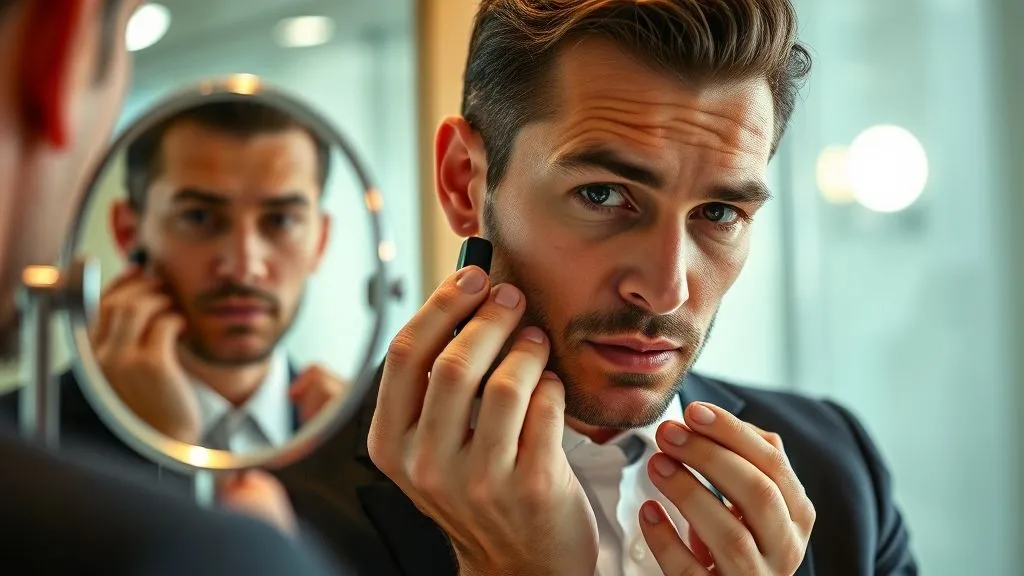
Urgent: how to conceal a breakout before a big job interview?
For over two decades in the dynamic world of menswear, I've had the privilege of advising countless men on how to present their best selves. From bespoke tailoring to the nuances of a perfectly tied knot, I've seen firsthand how attention to detail can make or break an impression. Yet, perhaps the most common, and often most silently agonizing, last-minute crisis I've encountered isn't a wrinkled shirt or a forgotten tie, but the sudden, unwelcome appearance of a breakout right before a pivotal moment – like a big job interview.
A sudden breakout isn't just a physical inconvenience; it's a confidence killer. It can hijack your focus, making you self-conscious when you should be entirely present, articulate, and poised. That little red spot can feel like a glaring spotlight, diminishing your sense of self-assurance and potentially, your performance. The stakes are high, and the clock is ticking, leaving many men feeling helpless and unprepared.
This guide isn't about miracles, but it is about practical, immediate, and highly effective action. I'm going to walk you through a veteran expert's emergency strategy – a definitive, step-by-step approach to not just conceal that breakout, but to do so with such finesse that you'll walk into that interview feeling composed, confident, and ready to impress. We'll cover everything from rapid redness reduction to flawless, undetectable concealment, ensuring your focus remains squarely on showcasing your skills, not your skin.
The Psychology of First Impressions: Why This Matters More Than You Think
In any high-stakes scenario, particularly a job interview, the first impression is paramount. It's often formed within the first few seconds, and it significantly influences how everything else you say and do is perceived. As a menswear specialist, I've always emphasized that your presentation isn't just about looking good; it's about communicating respect, professionalism, and self-care.
A visible breakout, if left unaddressed, can subtly undermine this perception. While logically, it has no bearing on your qualifications, human psychology is rarely purely logical. Studies, like those often cited by career coaches, suggest that a polished appearance contributes to an interviewee being perceived as more competent, organized, and attentive to detail. A Harvard Business Review article on executive presence, for instance, highlights how visual cues play a significant role in projecting confidence and capability. If you're constantly worried about a blemish, your non-verbal cues – eye contact, posture, gestures – can inadvertently betray that anxiety, regardless of how well you're answering questions.
"Confidence is not 'they will like me.' Confidence is 'I'll be fine if they don't.' But in an interview, confidence is also 'I've done everything in my power to present my best self.' Addressing a breakout is a tactical move in that strategy."
My goal here is to equip you with the tools to eliminate that distraction, both for yourself and for your interviewer. By taking proactive steps to conceal a breakout, you're not just covering a spot; you're safeguarding your mental composure and ensuring your outward presentation aligns with the capable professional you are.
Immediate Action Plan: Calming the Storm (First 60 Minutes)
When you discover a breakout on interview day, panic is a natural first reaction. However, controlled, swift action is your best ally. Think of this as a rapid response protocol. The first hour is critical for reducing inflammation and preparing the skin for concealment.
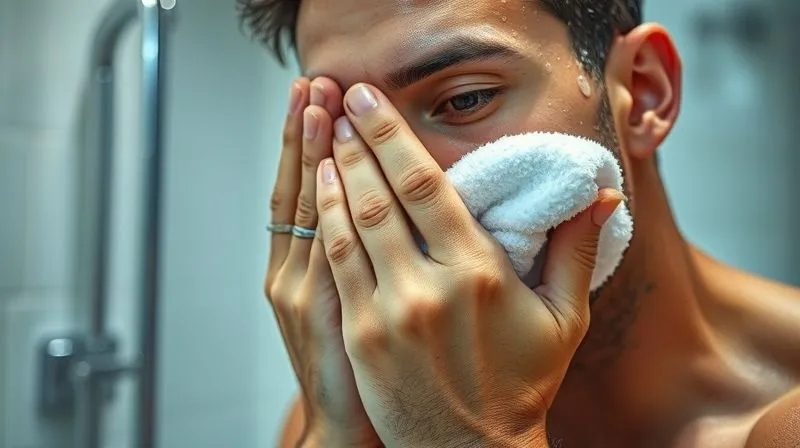
Step 1: Gentle Cleansing & Prep
Aggressive scrubbing will only worsen the situation. The key is gentle, effective cleansing.
- Wash Your Hands Thoroughly: Before touching your face, ensure your hands are impeccably clean to avoid introducing more bacteria.
- Gentle Cleanser: Use a mild, pH-balanced facial cleanser. Lather a small amount in your hands and gently massage it onto your face, focusing on the breakout area. Do not scrub or pick.
- Rinse with Lukewarm Water: Cold water can be too shocking, hot water can exacerbate redness. Lukewarm is ideal.
- Pat Dry: Use a clean, soft towel and gently pat your face dry. Do not rub.
Step 2: Reducing Redness & Swelling
This is where we actively work to diminish the visual impact of the breakout before any concealment products are applied.
- Cold Compress: Wrap an ice cube in a thin cloth or paper towel. Gently hold it over the breakout for 30-60 seconds. Remove for 30 seconds, then repeat 2-3 times. The cold constricts blood vessels, reducing redness and swelling.
- Targeted Treatment (If Available): If you have a spot treatment containing salicylic acid or benzoyl peroxide, apply a tiny dab directly onto the breakout. These ingredients help to dry out the spot and reduce inflammation. Give it a few minutes to absorb.
- Soothing Serum (Optional, but Recommended): If you have a soothing serum with ingredients like niacinamide or centella asiatica, apply a thin layer to the entire face, avoiding the breakout if you've applied a potent spot treatment. This helps calm the skin and provides a smooth base.
- Moisturize: Apply a lightweight, non-comedogenic moisturizer to your entire face. Hydrated skin is essential for smooth concealer application and prevents flakiness that can highlight a breakout. Let it fully absorb for 5-10 minutes.
The Art of Camouflage: Expert Concealment Techniques for Men
This is where the real transformation happens. Concealing a breakout effectively isn't about painting over it; it's about blending it seamlessly into your natural skin tone. This requires the right tools and a precise technique.
Choosing the Right Tools & Products
Many men are hesitant about using 'makeup,' but think of concealer as a targeted grooming tool. It's no different than using a hair product or shaving cream – it's about enhancing your presentation.
| Product Type | Best For | Key Benefit |
|---|---|---|
| Cream Concealer | Larger, inflamed breakouts | High coverage, good for redness |
| Liquid Concealer | Smaller spots, under-eye area | Natural finish, buildable coverage |
| Color Corrector (Green) | Very red breakouts | Neutralizes redness before concealer |
| Setting Powder (Translucent) | All skin types after concealer | Sets concealer, reduces shine, increases longevity |
Concealer Shade Selection: This is crucial. For breakouts, you want a concealer that matches your skin tone *exactly*. If it's too light, it will highlight the area. If it's too dark, it will look like a shadow. Test shades on your jawline in natural light.
Color Correction (Optional but Effective): If your breakout is particularly red, a tiny dab of a green color corrector can work wonders. Green neutralizes red. Apply a minimal amount *before* your skin-toned concealer, then blend very lightly.
Application Technique: Less Is More
The biggest mistake men make is applying too much product. This creates a cakey, obvious look. We're aiming for undetectable perfection.
- Dot, Don't Swipe: Using a clean fingertip (your ring finger is often best as it applies less pressure) or a small, clean concealer brush, pick up a tiny amount of concealer. Gently dot it directly onto the center of the breakout. Avoid smearing.
- Blend the Edges: This is the most critical step. With your clean ring finger or brush, gently tap and feather the edges of the concealer into the surrounding skin. The goal is to blend the product seamlessly so there's no visible line where the concealer stops and your skin begins. Do not rub the product off the breakout itself; keep the coverage concentrated there.
- Layer if Necessary: If the first layer isn't enough, wait 30 seconds for it to set slightly, then apply another *tiny* dot and blend the edges again. Build coverage slowly.
- Check in Different Lighting: Step away from the mirror and check your work in natural light if possible, or under different indoor lighting conditions. This helps identify any unblended edges or areas where coverage is insufficient.
Setting it Right: Longevity and Natural Finish
You've done the hard work of concealing; now it's time to ensure it lasts through the entire interview without fading, creasing, or becoming noticeable.
Powder Power: Securing Your Work
Setting powder is your secret weapon for making your concealment last and look natural. Always opt for a translucent, finely milled powder.
- Minimal Application: Using a small, fluffy brush or a clean powder puff, pick up a tiny amount of translucent setting powder.
- Gentle Press: Lightly press (don't swipe!) the powder over the concealed area. This 'sets' the liquid or cream concealer, preventing it from moving or creasing.
- Blot, Don't Rub: If you tend to get oily, you can lightly blot your T-zone with the same powder, but remember, the goal is to look natural, not matte and flat.
The 'No Makeup' Makeup Look: Ensuring Authenticity
The objective is to look like you have great skin, not like you're wearing makeup. This philosophy guides every step.
Avoid the 'cakey' look by always using the absolute minimum amount of product required. If you're using a full-face foundation, ensure it's a very sheer, lightweight formula applied sparingly, or better yet, skip it entirely for an emergency breakout and stick to targeted concealer. Throughout the day, if you feel oil building up, gently blot with a tissue or blotting paper rather than adding more powder. The goal is an authentic, confident appearance, not a mask.
Beyond Concealment: Pre-Interview Confidence Boosters
While concealing the breakout is physically addressing the problem, your mental state is equally important. A confident demeanor can overshadow any minor imperfection.
Mental Prep & Relaxation
Even with a perfectly concealed breakout, lingering anxiety can be detrimental. Take a few moments for mental preparation:
- Deep Breathing: Practice a few cycles of deep, diaphragmatic breathing. Inhale slowly for four counts, hold for four, exhale for six. This calms the nervous system.
- Power Posing: Stand tall, shoulders back, hands on hips (like a superhero) for two minutes. Amy Cuddy's research on power posing suggests it can genuinely boost feelings of confidence.
- Positive Affirmations: Remind yourself of your qualifications and why you're a great candidate. Focus on your strengths.
Wardrobe & Grooming Synergy
Your overall presentation can create a cohesive, polished image that draws attention to your strengths, not perceived flaws.
- Sharp Outfit: Wear a well-fitting, clean, and pressed outfit. A sharp suit or smart casual attire (depending on the company culture) projects professionalism.
- Impeccable Hair: Ensure your hair is neatly styled and groomed. A great haircut and well-maintained facial hair (if applicable) frame your face positively.
- Subtle Fragrance: A light, clean scent can add to a positive impression, but avoid anything overpowering.
By ensuring every other aspect of your grooming and attire is on point, you create a powerful holistic impression. For more insights on interview attire, I often refer clients to resources like GQ's guide on what to wear to a job interview.
Case Study: Mark's Interview Triumph
Let me tell you about Mark, a talented young professional I mentored. He landed an interview for his dream role in finance, but the morning of, a rather prominent breakout appeared on his chin. He was distraught, convinced it would distract the interviewers and undermine his confidence. He called me in a panic.
Following the exact steps I've outlined here – gentle cleansing, a quick cold compress, careful application of a shade-matched liquid concealer, and a light dusting of translucent powder – Mark was able to effectively minimize the breakout's visibility. More importantly, the act of taking control and proactively addressing the issue significantly boosted his mental state. He walked into that interview not feeling like 'the guy with the pimple,' but like a prepared, confident candidate.
He later told me that during the interview, he completely forgot about the breakout. His focus was entirely on answering questions and engaging with the panel. He secured the job, and when we discussed it months later, he admitted the emergency grooming routine was a crucial part of his pre-interview ritual, not just for the physical concealment, but for the psychological edge it provided. This story underscores the power of preparation, even for the smallest details.
Long-Term Strategies: Preventing Future Breakouts
While emergency concealment is vital, a proactive approach to skin health can significantly reduce the likelihood of future breakouts. This isn't just about looking good; it's about overall well-being.
Daily Skincare Fundamentals
Consistency is key for healthy skin:
- Cleanse Twice Daily: Use a gentle cleanser morning and night to remove dirt, oil, and impurities.
- Moisturize: Even oily skin needs moisture. A lightweight, non-comedogenic moisturizer keeps your skin barrier healthy and prevents overproduction of oil.
- Sunscreen: Apply a broad-spectrum SPF 30+ daily. Sun exposure can worsen post-inflammatory hyperpigmentation (the dark marks left after a breakout).
- Exfoliate (2-3 times/week): Incorporate a chemical exfoliant (like a BHA toner) to keep pores clear and prevent congestion.
Lifestyle & Diet Considerations
What you put into your body and how you live your life significantly impacts your skin.
- Hydration: Drink plenty of water throughout the day. Dehydrated skin can look dull and be more prone to issues.
- Balanced Diet: Limit processed foods, excessive sugar, and dairy if you notice they trigger breakouts. Focus on whole foods, fruits, and vegetables.
- Quality Sleep: Aim for 7-9 hours of quality sleep. Your skin repairs itself overnight.
- Stress Management: Chronic stress can trigger hormonal fluctuations that lead to breakouts. Incorporate stress-reducing activities like exercise, meditation, or hobbies.
- Cleanliness: Regularly change your pillowcases, clean your phone screen, and wash your hands before touching your face.
For more in-depth advice on managing skin health and preventing acne, I highly recommend consulting reputable dermatological resources, such as those provided by the American Academy of Dermatology.
Frequently Asked Questions (FAQ)
Question: Can I use my partner's makeup if I don't have any men's specific products? Detailed answer: While dedicated men's grooming products are formulated with masculine skin tones and textures in mind, in an urgent situation, you absolutely can use your partner's concealer or foundation if it's the right shade match. The key is the color and consistency, not the gender it's marketed for. Ensure it's a clean product and apply it sparingly. However, for long-term use, consider investing in a product suited for your skin.
Question: What if I don't have time to buy specific products before the interview? Detailed answer: If you're truly in a pinch, focus on the redness reduction steps. A cold compress is highly effective. For concealment, if you have absolutely no concealer, a tiny amount of your partner's foundation (if it matches perfectly) or even a dab of a very matte, skin-toned powder can offer minimal coverage. The most important thing is to avoid picking or irritating the breakout further. Focus on your confidence and presentation in other areas.
Question: Will it look obvious that I've applied something to my face? Detailed answer: If you follow the 'less is more' approach and focus on meticulous blending, the concealment should be virtually undetectable. The goal is to make the breakout disappear into your skin, not to create a visible patch of product. Checking your work in different lighting conditions is crucial to ensure a natural finish. Most people are far more critical of their own perceived flaws than others are.
Question: Should I mention the breakout to the interviewer as an apology or explanation? Detailed answer: Absolutely not. Drawing attention to it will only make it more noticeable. The interviewer is focused on your qualifications and what you bring to the role, not your skin. If you've concealed it effectively, there's no need to mention it. Maintain strong eye contact and project confidence; your self-consciousness will be far more apparent than any minor blemish.
Question: How do I properly remove the concealer after the interview without irritating the breakout further? Detailed answer: Use a gentle facial cleanser and lukewarm water. Massage the cleanser in soft, circular motions, paying attention to the concealed area. You can use a soft washcloth or your fingertips. Rinse thoroughly and pat your face dry with a clean towel. Follow up with your regular moisturizer. Avoid harsh scrubbing or picking, as this can exacerbate the breakout.
Key Takeaways and Final Thoughts
- Act Fast, Stay Calm: Immediate, gentle action is crucial for reducing inflammation and preparing the skin.
- Precision is Power: Less product, meticulous blending, and a perfect shade match are the hallmarks of undetectable concealment.
- Set for Success: Translucent powder is your ally for long-lasting, natural-looking coverage.
- Confidence is Your Best Accessory: While physical concealment helps, true confidence stems from mental preparedness and a holistic approach to presenting your best self.
- Proactive Care Pays Off: A consistent skincare routine and healthy lifestyle are your best defense against future breakouts.
Walking into a job interview is about presenting your best self – your skills, your experience, and your potential. A sudden breakout can feel like a major setback, but with the right knowledge and a calm approach, it doesn't have to derail your confidence or your chances. Remember, this isn't about vanity; it's about strategic self-presentation and ensuring nothing distracts from the capable professional you are. Go in there, own your presence, and let your talent shine. You've prepared for this, and now you're ready to conquer it.
Recommended Reading
- Boost VTO Accuracy: 7 Steps to Slash Fashion Returns by 30%+
- 7 Steps to Ensure Structural Integrity for Large-Scale Wearable Art Jewelry
- 7 Steps: Forecast Hair Accessory Trends Before Retail Competitors
- Find Your Perfect Look: Which Iconic Eyeglass Frames Suit My Face Shape?
- Unlock the Future: Do Self-Cleaning Clothes Truly Eliminate Laundry?





Your email address will not be published. Required fields are marked *