


How to Forecast Hair Accessory Trends Before Competitors for Retail?
For over 15 years in the dynamic world of fashion accessories, I've witnessed countless retailers make a critical mistake: waiting for a trend to hit mainstream before reacting. In the fast-paced hair accessory market, this reactive approach is a guaranteed path to missed opportunities, accumulating dead stock, and ultimately, losing your competitive edge to those who dared to look ahead.
The pain point is palpable: you invest in what you *think* is the next big thing, only to find your competitors launched similar, or even better, products months ago, leaving you playing catch-up. This isn't just about sales; it's about reputation, brand relevance, and the immense pressure of managing inventory in an unpredictable landscape.
In this definitive guide, I will share my expert frameworks, actionable strategies, and real-world insights to transform your approach. You'll learn not just *what* to look for, but *how* to build a robust trend forecasting system that positions you several steps ahead of the competition, ensuring your retail offerings are always fresh, desirable, and profitable.
The Pitfalls of Reactive Trend Following in Hair Accessories
Relying on what's already popular is a dangerous game in retail, especially for a niche as volatile as hair accessories. By the time a trend is widely recognized, it’s often already on its downward slope, or worse, saturated. This leads to markdowns, reduced profit margins, and a perception of being perpetually behind.
“The best way to predict the future is to create it.” – Peter Drucker. In retail, this means actively shaping your inventory based on anticipated demand, not just responding to current demand.
I've seen many businesses fall into this trap, scrambling to order large quantities of an item once they see it flying off shelves elsewhere. The result? Overstocking just as the trend fades, or receiving goods too late to capitalize on peak demand. This reactive cycle is financially draining and stifles innovation within your own brand.
Building Your Trend Intelligence Network: Beyond Social Media
True forecasting goes far beyond scrolling through Instagram. While social media is a vital pulse point, it's merely one layer of a multi-faceted intelligence network. To genuinely forecast hair accessory trends, you need to cultivate a diverse array of information sources.
1. Global Fashion Weeks & Runway Analysis
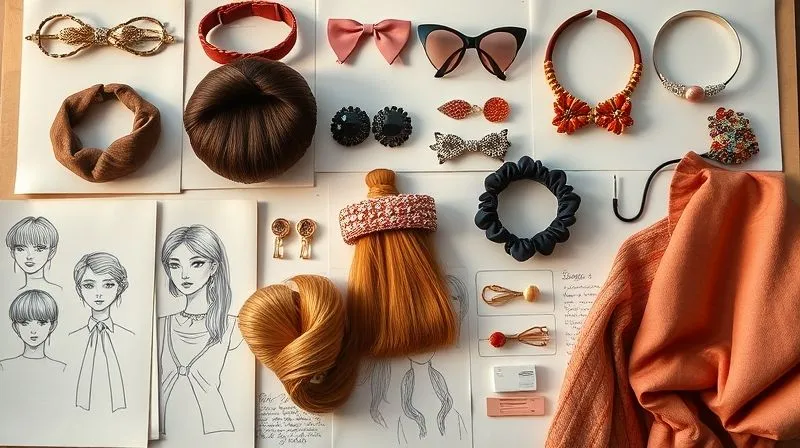
- High Fashion Observation: Attend or meticulously review collections from major fashion weeks (Paris, Milan, New York, London). Hair accessories often play a crucial role in completing a designer’s vision, signaling upcoming silhouettes, textures, and moods.
- Identify Key Themes: Look for recurring motifs, materials, colors, and styling techniques. Is there a resurgence of minimalist barrettes, maximalist headbands, or intricate hair jewelry?
- Translate & Adapt: Understand that runway looks are often avant-garde. Your task is to interpret these into commercially viable, retail-friendly versions.
This early exposure gives you a significant lead time, often 6-12 months before these trends trickle down to mass-market retail. It requires a keen eye for detail and an understanding of fashion's cyclical nature.
2. Cultural & Socio-Economic Shifts
Hair accessory trends are rarely isolated. They often reflect broader cultural shifts, economic conditions, and evolving lifestyles. For instance, the rise of athleisure wear fueled demand for functional yet stylish hair ties and headbands.
- Sustainability: A growing consumer demand for eco-friendly products means sustainable materials (recycled plastics, organic cotton, upcycled fabrics) in hair accessories will continue to gain traction.
- Nostalgia & Retro Revivals: Keep an eye on popular culture – TV shows, movies, and music. The Y2K revival, for example, brought back claw clips and butterfly clips with a vengeance.
- Work-from-Home & Comfort: The pandemic shifted focus towards comfort and ease, impacting the types of accessories people sought for daily wear.
Understanding these macro-trends helps you anticipate underlying demand for certain product categories or material innovations. According to a Deloitte study on consumer products, values-driven purchasing is a significant and growing force.
Decoding Micro-Trends: The Art of Early Signal Detection
While macro-trends provide direction, micro-trends are the immediate opportunities. These are smaller, often localized, movements that can quickly escalate. Detecting them early is where your competitive advantage truly lies.
1. Niche Communities & Subcultures
Look beyond mainstream influencers. Explore platforms like TikTok, Pinterest, and even Reddit for emerging aesthetics within specific subcultures (e.g., cottagecore, dark academia, e-girl, clean girl aesthetic). These often incubate trends before they go viral.
- Identify Innovators: Who are the early adopters and taste-makers in these niche communities? What are they wearing, and how are they styling their hair?
- Analyze User-Generated Content: Pay attention to comments, shares, and re-creations of looks. High engagement often signals a burgeoning trend.
- Cross-Reference: See if similar styles are appearing across multiple, seemingly unrelated, niche groups. This indicates broader appeal.
2. Supplier & Manufacturer Insights
Your manufacturing partners are often privy to early demand signals. They see what brands are ordering, what materials are in high demand, and what new production techniques are being requested. Foster strong relationships and engage in open dialogue.
“Your suppliers aren't just vendors; they're an extension of your market intelligence team. Leverage their unique vantage point.”
Ask about their most requested materials, upcoming innovations, and any unusual bulk orders they've received. This can provide invaluable, pre-market insights into what's gaining traction.
Leveraging Data Analytics for Predictive Insights
Gut feeling is important, but data provides validation and precision. Implementing robust data analytics can transform your trend forecasting from an art to a science.
1. Sales Data & SKU Performance Analysis
Dive deep into your own historical sales data. Identify patterns in product lifecycle, seasonality, and how certain styles perform in conjunction with others. Look for anomalies – unexpected spikes in sales for a particular item.
| Metric | Description | Actionable Insight |
|---|---|---|
| SKU Velocity | Rate at which a product sells over a period. | High velocity indicates strong current demand; monitor for early signs of decline. |
| Sales Spikes | Sudden, significant increases in sales for a specific item. | Investigate external factors (influencer mention, media coverage) that triggered the spike. Is it sustainable? |
| Return Rate | Percentage of products returned. | High return rates might indicate a quality issue or a trend that didn't resonate as expected. |
Case Study: Ribbon Hair Ties & The 'Clean Girl' Aesthetic
Case Study: How 'Chic Clips Co.' Identified a Ribbon Hair Tie Resurgence
Chic Clips Co., a mid-sized hair accessory retailer, noticed an unusual spike in sales for simple, fabric ribbon hair ties in muted colors. Historically, these were slow movers. By cross-referencing this internal sales data with social media listening tools, they quickly identified a rising 'clean girl' aesthetic trend on TikTok, where these understated accessories were key. Instead of waiting, they proactively increased orders, diversified ribbon materials (silk, velvet), and launched targeted campaigns. This resulted in a 40% increase in ribbon hair tie sales, capturing market share before larger competitors even recognized the trend's potential. They leveraged their own data as an early warning system.
2. Web Analytics & Search Trends
Tools like Google Trends, Semrush, or Ahrefs can reveal what consumers are actively searching for. Look for rising search queries related to hair accessories, specific styles, materials, or even hair problems that accessories might solve.
- Keyword Volume Spikes: Monitor keywords like 'silk scrunchies,' 'pearl hair clips,' or 'claw clip hairstyles.' A sudden increase in search volume is a strong indicator of growing interest.
- Related Searches: These often point to adjacent trends or consumer needs you might not have considered.
- Geographic Trends: See if certain trends are emerging regionally before spreading nationally.
This data gives you a direct line to consumer intent, allowing you to validate emerging trends and prioritize your product development.
From Runway to Retail: Translating High Fashion into Commercial Success
The biggest challenge isn't just spotting a trend, but making it accessible and desirable for your target retail demographic. What works on a catwalk might not sell in your store.
1. Adaptability & Commercial Viability
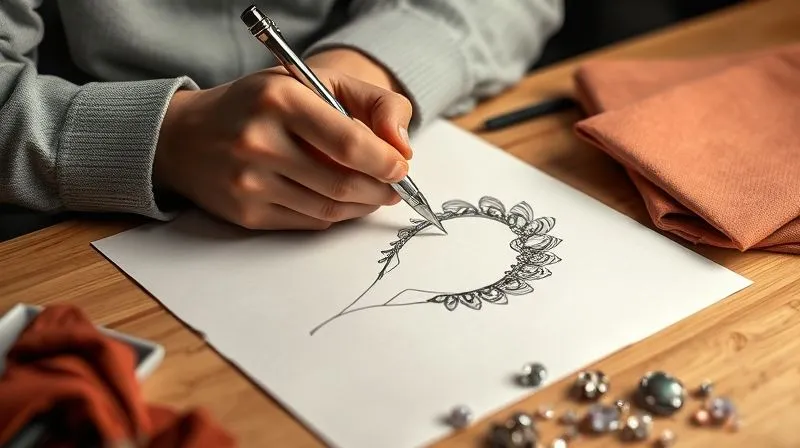
Take the essence of a high-fashion trend and distill it. For example, a dramatic, oversized floral hairpiece on the runway might become a more delicate, wearable floral clip for everyday retail. Consider materials, price points, and practicality.
2. Storytelling & Marketing
Once you've identified and adapted a trend, articulate its story. Why is this accessory relevant now? How does it fit into your customers' lives? Effective marketing campaigns can accelerate trend adoption and position your brand as a leader.
- Visual Merchandising: Create compelling displays that showcase the accessories in a styled context.
- Influencer Collaborations: Partner with micro-influencers whose aesthetic aligns with the trend to create authentic content.
- Educational Content: Offer tutorials on how to style new accessories, building confidence and demand.
Strategic Sourcing and Agile Inventory Management
Forecasting is only half the battle; the other half is operationalizing those insights. Speed to market and flexible inventory are paramount.
1. Cultivate Diverse Supplier Relationships
Don't rely on a single manufacturer. Having a network of suppliers, both domestic and international, allows you to pivot quickly. Some for fast, small-batch orders; others for larger, more cost-effective production once a trend solidifies.
“Agility in sourcing is your greatest asset against trend volatility. Build relationships that allow for rapid response and flexible minimum order quantities.”
2. Implement Test & Learn Strategies
Before committing to huge orders, test emerging trends with small batches. Introduce a limited quantity, gather customer feedback, and analyze initial sales data. This minimizes risk and allows you to scale up confidently if the product resonates.
| Phase | Action | Risk Mitigation |
|---|---|---|
| Trend Identification | Analyze diverse data sources (runway, social, search trends) | Broaden perspective, avoid echo chambers |
| Product Development | Adapt high-fashion to commercial, small-batch prototyping | Test market, gather early feedback |
| Launch & Scale | Initial limited release, monitor sales/social sentiment | Scale based on data, not speculation |
The Power of Collaboration: Influencers, Designers, and Your Team
No one forecasts in a vacuum. Building a collaborative ecosystem amplifies your trend-spotting capabilities.
1. Engage with Hair Stylists & Industry Professionals
These individuals are on the front lines, seeing what clients are requesting, what products are performing, and what new techniques are emerging. Their insights are invaluable. Attend industry events, host workshops, and build relationships.
As marketing guru Seth Godin often says, "People like us do things like this." Identifying the 'people like us' who are shaping hair trends means connecting directly with the stylists and creators.
2. Foster an Internal Culture of Trend Awareness
Encourage your entire team – from sales associates to buyers – to be trend scouts. Provide them with tools and incentives to share observations from their daily interactions and personal social media use. A collective intelligence approach is far more powerful than relying on a single individual.
Mitigating Risk and Adapting to Shifting Consumer Tastes
Even the best forecasts can be disrupted. Building resilience into your strategy is key to long-term success.
1. Diversify Your Product Assortment
While focusing on emerging trends, ensure you maintain a strong core of evergreen, classic hair accessories. These provide stability and a safety net when new trends don't pan out as expected.
2. Be Ready to Pivot
The market is constantly evolving. Don't be afraid to cut losses on underperforming products or quickly shift focus when new, stronger signals emerge. Rigidity is the enemy of innovation in fast fashion.

Remember, the goal isn't 100% accuracy, which is impossible. The goal is to consistently be *more accurate* and *faster to market* than your competitors. This systematic approach to how to forecast hair accessory trends before competitors for retail is your blueprint.
For further reading on strategic foresight, consider resources from reputable business publications like Harvard Business Review, which often covers broader trend analysis methodologies applicable to various industries.
Frequently Asked Questions (FAQ)
Q: How often should I be actively forecasting hair accessory trends? A: Trend forecasting should be an ongoing, continuous process, not a quarterly or annual event. Micro-trends can emerge and fade within weeks. I recommend dedicated daily or weekly checks on your intelligence network, with deeper dives monthly or bi-monthly. Your buying cycles should then be informed by these continuous updates.
Q: What's the biggest mistake retailers make when trying to forecast trends? A: The single biggest mistake is relying too heavily on a single source of information, usually social media, and then acting reactively. True forecasting requires a multi-layered approach, combining quantitative data with qualitative insights from various sources, and then having the agility to act on those insights quickly and strategically.
Q: How can a small independent retailer compete with larger brands in trend forecasting? A: Small retailers actually have an advantage in agility! While they might lack large data teams, they can be closer to their customers, build stronger community connections, and pivot inventory much faster. Focus on niche communities, direct customer feedback, and cultivating strong, flexible supplier relationships. Speed and personalized curation are your superpowers.
Q: Is it better to be an early adopter or a fast follower in the hair accessory market? A: For hair accessories, being an early adopter often yields the highest rewards. The market is driven by novelty and viral moments. However, this comes with higher risk. A sophisticated strategy combines both: be an early adopter for high-potential, low-risk items (e.g., small batches for testing) and a fast follower with robust scaling for trends that show clear signs of mainstream adoption, leveraging your test-and-learn insights.
Q: How do I avoid overstocking on a trend that fades quickly? A: This is where agile inventory management is crucial. Start with small, test-market orders. Utilize dropshipping or pre-order models where feasible. Diversify your supplier base to allow for quick reorders rather than large initial commitments. Continuously monitor sales velocity and social sentiment; be prepared to markdown or liquidate quickly if a trend shows signs of decline, rather than holding out hope.
Key Takeaways and Final Thoughts
- Proactive is Profitable: Shift from reactive buying to proactive forecasting to secure a competitive edge.
- Diversify Your Intelligence: Integrate runway insights, cultural shifts, niche communities, supplier feedback, and robust data analytics.
- Translate & Adapt: Successfully convert high-fashion concepts into commercially viable products for your target market.
- Agility is Key: Build flexible sourcing and inventory strategies to respond rapidly to emerging trends and mitigate risk.
- Collaborate & Learn: Leverage your team, industry professionals, and even your customers as part of your trend intelligence network.
Mastering how to forecast hair accessory trends before competitors for retail isn't about having a crystal ball; it's about building a systematic, data-informed, and agile framework. By implementing these strategies, you'll not only anticipate the next big thing but also position your brand as an innovative leader, consistently offering fresh, desirable products that resonate with your customers. The future of hair accessories is yours to shape, not just observe.
Recommended Reading
- Find Your Perfect Look: Which Iconic Eyeglass Frames Suit My Face Shape?
- Beyond the Shine: How to Identify Truly Sustainable Jewelry Brands Now
- 7 Proven Strategies: Minimize Dead Stock in Kids' Seasonal Apparel Lines
- Why Advanced Skincare Fails? 5 Secrets to Unlock Lasting Radiance
- Style a Pearl Necklace Everyday? The Ultimate Style Guide!



Your email address will not be published. Required fields are marked *