

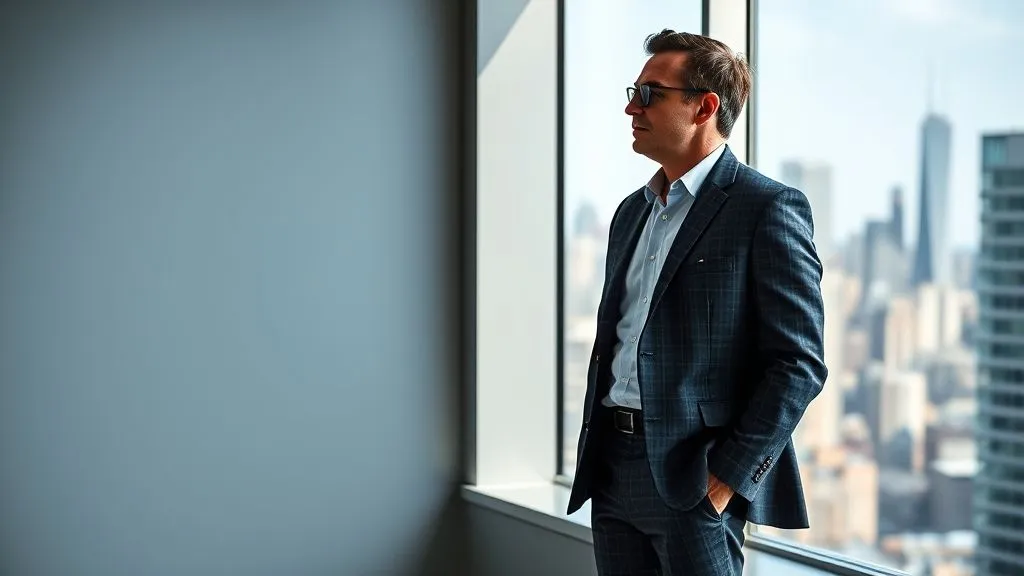
How to Update Executive Menswear with Current Trends Smartly?
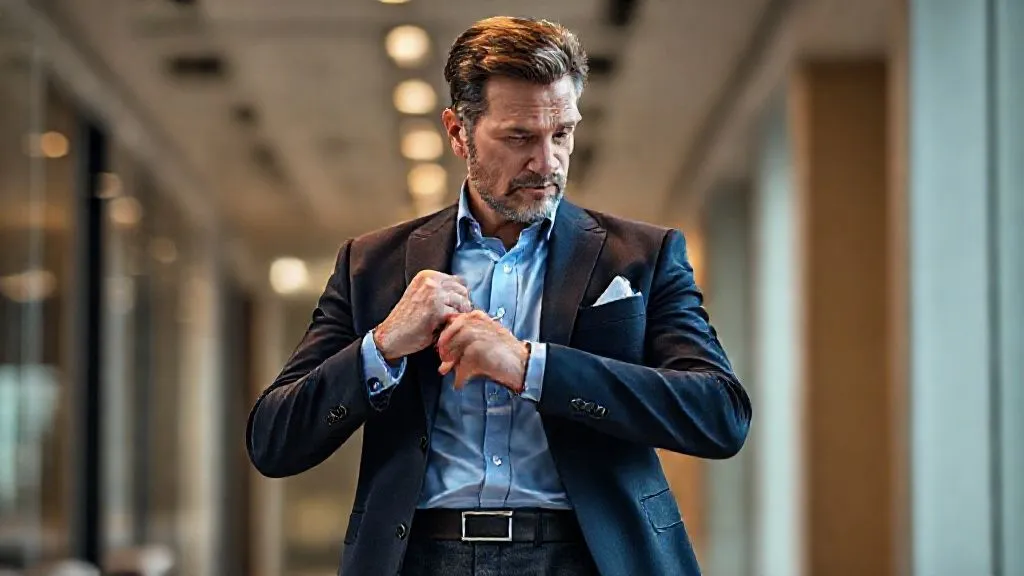
For over two decades in the fashion industry, particularly within the nuanced world of menswear, I've observed a subtle yet critical challenge facing many executives. It's the delicate dance between maintaining an image of established authority and projecting contemporary relevance. The boardroom and C-suite demand gravitas, but the world outside is constantly evolving, and so too should your sartorial presence.
The modern executive often finds themselves at a crossroads: how to maintain an image of authority and gravitas without appearing dated or out of touch? The fear of appearing too trendy or, conversely, too traditional, can lead to a stagnant wardrobe that undermines their dynamic professional capabilities. This isn't just about clothes; it's about personal branding, influence, and signaling adaptability in a fast-paced corporate environment.
This comprehensive guide will equip you with actionable frameworks, case studies, and expert insights to smartly update executive menswear with current trends, ensuring your professional image is both commanding and contemporary. We'll explore how to integrate modern elements without sacrificing the timeless elegance that defines true executive style, helping you project confidence and competence in every setting.
The Evolving Landscape of Executive Menswear: Why It Matters Now More Than Ever
The days of rigid, one-size-fits-all corporate dress codes are largely behind us. While professionalism remains paramount, there's been a significant shift towards more personalized, flexible, and authentic expressions of executive style. This evolution isn't just a whim; it reflects broader changes in corporate culture, technology, and global connectivity.
In today's competitive landscape, your personal brand is an extension of your professional capabilities. How you present yourself visually can significantly impact first impressions, perceived competence, and even career progression. As Harvard Business Review often highlights, non-verbal cues, including attire, play a crucial role in communication and influence.
In my experience, an executive's wardrobe isn't merely a collection of garments; it's a strategic tool. It communicates your attention to detail, your understanding of cultural shifts, and your readiness to lead in a modern era. Neglecting this aspect is akin to underinvesting in your professional development.
The smart executive understands that updating their menswear isn't about chasing fleeting fads but about intelligently integrating current trends to enhance their established image. It’s about projecting an image that is both grounded in tradition and forward-looking, signaling adaptability and innovation.
Building a Modern Foundation: The Timeless Pieces Reimagined
Before diving into specific trends, it's crucial to ensure your core executive wardrobe is solid, yet subtly updated. Think of it as refining your canvas before applying new strokes of color. The secret lies in focusing on fit, fabric, and contemporary silhouettes.
The Suit: Beyond Navy and Grey Monotony
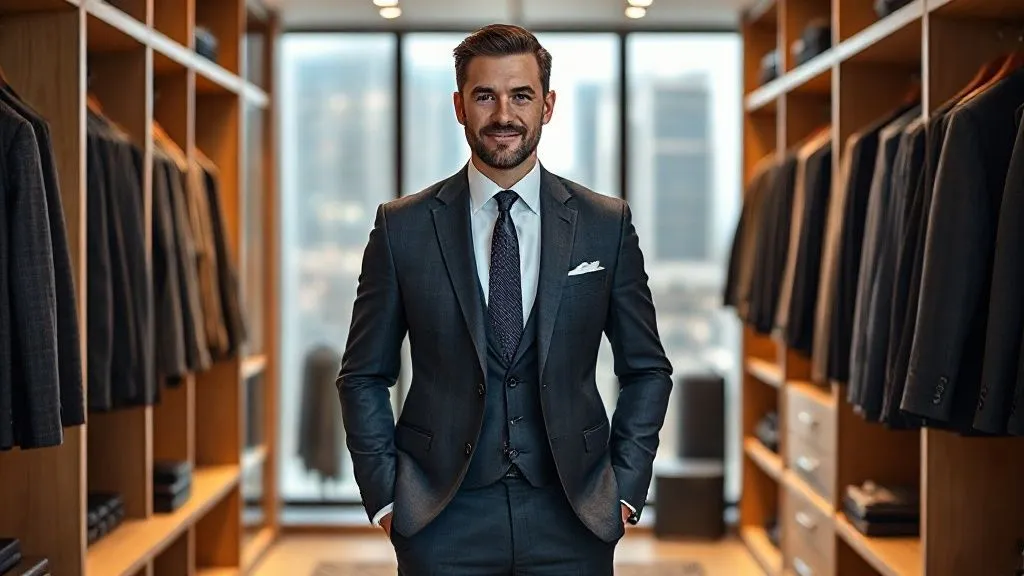
While navy and charcoal grey suits remain indispensable, their execution has evolved. I've seen countless executives cling to outdated cuts that add bulk and age. The modern executive suit features a slightly slimmer, yet comfortable, silhouette. Look for natural shoulders, a jacket that skims the body without pulling, and trousers with a clean break.
- Fabric Innovations: Explore performance wools that resist wrinkles, or subtle textures like bird's eye, sharkskin, or a fine sharkskin. These add depth without being overtly flashy.
- Color Expansion: Beyond the staples, consider deep forest green, rich burgundy, or even a sophisticated brown for less formal corporate settings. Subtle checks or windowpanes can add personality.
- Versatility: A well-chosen suit can often be broken down, with the blazer paired with odd trousers or chinos, extending its utility.
For an in-depth understanding of modern suit fit, I often recommend resources like GQ's comprehensive guide to suit fit, which provides excellent visual and practical advice.
Shirts and Knitwear: Texture, Collar, and Comfort
Your choice of shirts and knitwear offers significant opportunities to introduce modernity. Move beyond the basic broadcloth in plain white or blue.
- Shirts: Experiment with different collar styles like the cutaway or spread collar for a more contemporary look, especially when wearing a tie. Fabrics like pinpoint oxford, fine twill, or even a subtle chambray can add texture. Consider patterns like fine stripes, subtle checks, or micro-ginghams.
- Knitwear: Fine-gauge merino wool or cashmere crewnecks and V-necks are essential for layering. They offer warmth and sophistication without bulk. For smart casual, a high-quality polo shirt in a luxurious fabric (like mercerized cotton or silk blend) can replace a traditional button-down.
Footwear: The Grounding Element of Modernity
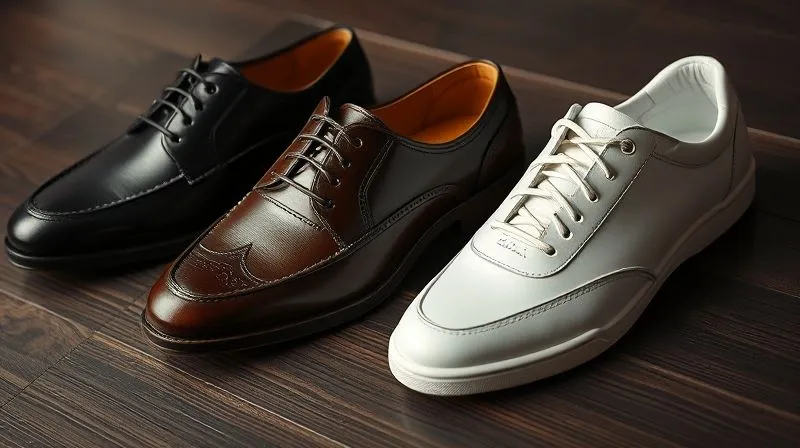
Footwear is often overlooked but can instantly date or modernize an outfit. Heavy, clunky shoes are out. Sleek, refined options are in.
- Classic Refinement: Polished Oxfords and Derbies remain critical for formal settings. Ensure they are well-maintained and have a modern, slightly elongated toe.
- Contemporary Comfort: Loafers (penny or tassel) in high-quality leather or suede offer a sophisticated alternative for business casual.
- Strategic Sneakers: For truly smart-casual environments or creative industries, a minimalist, pristine leather sneaker can be acceptable. The key is extreme cleanliness and simplicity.
Integrating Current Trends: The 'Smart' Approach to Staying Relevant
Integrating trends isn't about adopting every fleeting fad; it's about discerning which elements align with your executive persona and subtly enhancing your style. I always advise my clients to be strategic, not impulsive, when it comes to trends.
Color Palettes and Textures: Strategic Infusion
Current trends often manifest in evolving color palettes and a renewed appreciation for tactile fabrics. Instead of overhauling your wardrobe, strategically introduce these elements.
- Seasonal Hues: Pay attention to seasonal fashion reports. Often, muted earth tones (deep olive, terracotta, rich browns) or deeper jewel tones (emerald green, sapphire blue) can be incorporated through accessories, knitwear, or a single statement piece like a blazer.
- Textural Play: Consider fabrics like fine corduroy (for a smart casual blazer or trousers), brushed cottons, or subtle tweed for a sophisticated, layered look. These add visual interest without being distracting.
- Monochromatic Dressing: A popular trend involves dressing in varying shades of a single color (e.g., different tones of grey or blue). This creates a cohesive, powerful, and very modern aesthetic.
The Rise of Smart Casual and Deconstructed Tailoring
The lines between formal and casual have blurred, giving rise to sophisticated smart casual. Deconstructed tailoring – blazers with minimal padding and lining – offers a relaxed yet refined silhouette.
- Blazer & Trousers Combinations: Pairing a well-fitted blazer with tailored chinos, wool trousers, or even premium dark wash jeans (in appropriate settings) is a staple. Ensure the fabrics and colors complement each other.
- Layering: A thin-gauge turtleneck under a blazer, or a crisp button-down worn open over a quality t-shirt, are modern layering techniques that elevate casual pieces.
For more on mastering the nuances of modern professional dress, Forbes offers valuable insights on business casual that align with executive expectations.
Accessorizing with Intent: The Details That Define
Accessories are your secret weapon for integrating trends and expressing personal style without significant investment. They are the punctuation marks of your outfit.
- Pocket Squares: A silk or linen pocket square in a contemporary pattern or color can instantly update a suit or blazer.
- Watches: A classic timepiece is always in style. However, the trend leans towards sleeker, perhaps minimalist designs, or even a sophisticated smart watch for tech-savvy executives.
- Bags: Replace bulky briefcases with modern leather portfolios, slim messenger bags, or sophisticated leather backpacks for a more agile look.
- Eyewear: Contemporary frame styles can dramatically alter your appearance, making you look more current and sharp.
I've always believed that true executive style is defined by the subtle details. Accessories are not just add-ons; they are extensions of your personal brand, capable of elevating an otherwise standard outfit into something truly memorable and modern.
| Trend Element | Executive Application | Impact on Image |
|---|---|---|
| Subtle Texture | Bird's eye suit, corduroy blazer, fine-gauge knitwear | Adds depth, sophistication, modern touch |
| Monochromatic Dressing | Various shades of navy or charcoal in one outfit | Sleek, powerful, cohesive, contemporary |
| Deconstructed Tailoring | Unstructured blazer with tailored chinos | Relaxed authority, approachable, modern |
| Minimalist Accessories | Sleek watch, leather portfolio, modern eyewear | Refined, sharp, forward-thinking |
Crafting Your Executive Capsule Wardrobe: Efficiency Meets Elegance
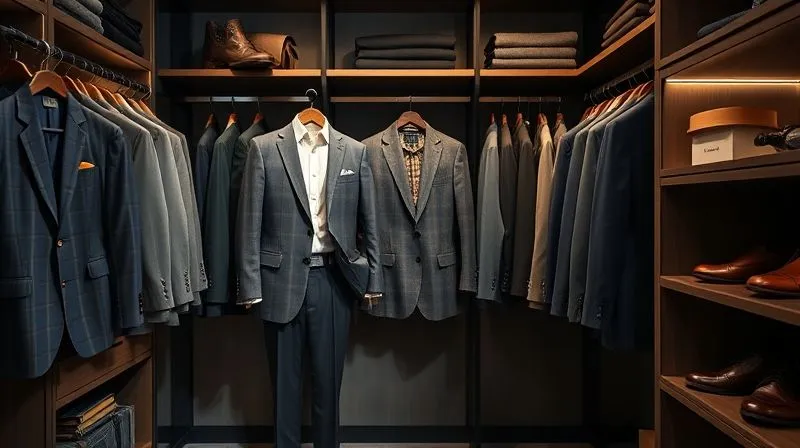
The concept of a capsule wardrobe is particularly potent for busy executives. It’s about curating a collection of versatile, high-quality pieces that can be mixed and matched to create numerous outfits, minimizing decision fatigue while maximizing style and efficiency. This approach is key to smartly updating executive menswear.
- Assess Your Current Needs & Lifestyle: Start by taking stock of your existing wardrobe and honestly evaluate your daily professional requirements. Are you primarily in a boardroom, client-facing, or do you have more flexible office environments? What colors and styles truly make you feel confident?
- Define Your Personal Executive Style: While trends are important, your personal style should remain at the core. Are you more traditional, modern, minimalist, or do you prefer a touch of sartorial flair? Identifying this helps you filter trends effectively.
- Invest in Core Foundation Pieces: Prioritize high-quality, timeless items that form the backbone of your wardrobe. These include 2-3 well-fitting suits, 5-7 versatile shirts, 2-3 premium knitwear pieces, and 2-3 pairs of classic shoes. These should be in neutral, complementary colors.
- Integrate Versatile Trend Items: Once your foundation is solid, strategically add 3-5 trend-forward pieces each season. This could be a subtly patterned blazer, a richly textured knit, a pair of modern loafers, or a collection of contemporary pocket squares. These are your style refreshers.
- Focus on Maintenance and Fit: A capsule wardrobe thrives on pristine condition and perfect fit. Regular dry cleaning, proper storage, and professional tailoring are non-negotiable to ensure every piece looks its best and serves its purpose.
| Item Category | Quantity (Modern Executive) | Key Features |
|---|---|---|
| Suits | 2-3 | Performance wool, contemporary cut, navy/charcoal/mid-grey |
| Blazers | 2-3 | Unstructured, textured (e.g., hopsack, flannel), versatile colors |
| Dress Shirts | 5-7 | Fine twill/pinpoint, spread/cutaway collars, subtle patterns |
| Knitwear | 3-4 | Fine-gauge merino/cashmere, crew/V-neck, neutral/seasonal color |
| Trousers (Odd) | 3-4 | Wool, tailored chinos, subtle checks, flat front |
| Footwear | 3-4 | Oxfords, loafers, sleek derbies, minimalist sneakers (contextual) |
Case Study: Modernizing a Seasoned Leader's Image
Case Study: How Mr. Davies Realigned His C-Suite Presence
I recall working with Mr. Davies, a highly respected Chief Operating Officer in his late 50s, who had achieved tremendous success through sheer competence and experience. However, his wardrobe, while always 'correct,' had become a relic of a bygone era. His suits were boxy, his shirts standard, and his overall look lacked the dynamism of his leadership style. He approached me because he felt a disconnect between his innovative thinking and his somewhat dated visual presentation, especially when interacting with younger tech partners and potential hires.
The challenge wasn't to transform him into a fashion plate, but to smartly update executive menswear with current trends while honoring his established gravitas. We started with his suits. Instead of replacing them all, we had his existing suits expertly tailored to a more contemporary, flattering silhouette – a crucial first step. We then introduced one new suit in a subtle bird's eye fabric, cut with a slightly softer shoulder. For shirts, we swapped out some of his traditional point collars for elegant spread collars in fine twill, and introduced a few in muted, sophisticated patterns.
The most impactful change often isn't a radical overhaul, but a series of precise, intelligent adjustments. For Mr. Davies, it was about refining the fit, introducing modern textures, and carefully selecting accessories that spoke to his current status. This subtle evolution made a profound difference in how he perceived himself and how others perceived him.
We integrated premium fine-gauge merino wool turtlenecks and crewnecks for layering under his blazers, providing warmth and a sleek, contemporary alternative to a shirt and tie for less formal meetings. His clunky, square-toed shoes were replaced with sleek, polished loafers and a pair of modern, minimalist dark brown Derbies. Finally, a slim leather portfolio replaced his worn briefcase, and a modern, understated watch completed his transformation.
The result was remarkable. Mr. Davies reported feeling more confident and energized. His team noticed a renewed vigor, and external partners commented on his 'sharp' and 'approachable' new look. He hadn't changed who he was; he had simply updated his visual language to match his current leadership. This wasn't about vanity; it was about aligning his external presence with his internal power and projecting a future-forward image.
The Power of Fit and Tailoring: Your Secret Weapon
I cannot stress this enough: the single most important factor in elevating executive menswear, regardless of trends or brand names, is an impeccable fit. A perfectly tailored off-the-rack suit will always look better than an ill-fitting designer piece. This is where the 'smartly' in 'How to update executive menswear with current trends smartly?' truly comes into play.
Understanding Key Alterations for an Executive Silhouette
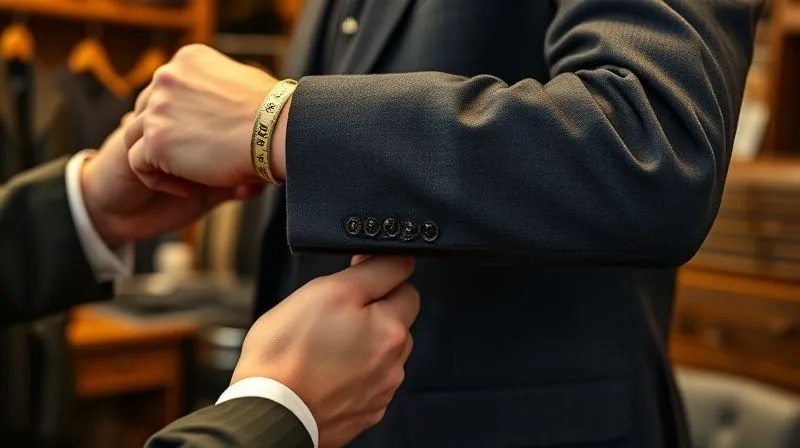
Even if you buy a high-end suit, chances are it won't fit perfectly off the rack. A good tailor can transform a garment, making it look custom-made for you. Here are the critical areas:
- Jacket Sleeves: Should expose about a quarter to a half-inch of your shirt cuff.
- Jacket Length: Should cover your seat and end around the top of your thumb knuckle when your arms are relaxed.
- Jacket Waist: Should gently hug your torso, allowing for comfortable movement but eliminating excess fabric.
- Trouser Break: Modern executive style favors a minimal or no break, where the trouser hem just grazes the top of your shoe without bunching.
- Trouser Waist: Should fit comfortably without a belt, though a belt is often worn for aesthetic reasons.
A great tailor is not just a service provider; they are a craftsman who understands the nuances of the human form and how fabric should drape. Investing in their expertise is an investment in your entire wardrobe's perceived value.
Finding a skilled tailor is paramount. Look for one with a strong reputation, who understands modern silhouettes, and who takes the time to discuss your preferences. Resources like The Art of Manliness' guide to finding a good tailor can offer excellent starting points.
Navigating Dress Codes: From Boardroom to Business Casual Events
Understanding the nuances of various dress codes is a hallmark of a truly polished executive. The ability to seamlessly transition from ultra-formal to elegantly casual, all while maintaining an air of authority, is a critical skill in today's diverse business environments.
Decoding "Business Formal" in the Modern Age
Business formal is still relevant for high-stakes meetings, traditional corporate settings, or formal events. However, even here, there's a modern interpretation. It still means a suit and tie, but the fit is contemporary, and the accessories are refined. A crisp white or light blue shirt, a silk tie (perhaps with a subtle pattern), and polished leather Oxfords or Derbies are the standard. The distinction lies in the quality of the fabric and the precision of the tailoring.
Mastering "Business Casual" with Authority
This is where many executives stumble, often leaning too far into either "business" or "casual." For the modern executive, business casual means tailored trousers (wool or high-quality chinos), a blazer (structured or unstructured), a dress shirt (open collar or with a tie), or a fine-gauge knit sweater. Polished loafers, dress boots, or very clean, minimalist sneakers can complete the look. The key is maintaining a sense of intentionality and polish, even without a full suit.
Elevating "Smart Casual" for Executive Networking
Smart casual is often the trickiest, typically reserved for informal networking events, creative industry settings, or after-hours social engagements with colleagues. Here, you have more freedom, but still need to project executive presence. Think tailored dark-wash jeans or premium chinos, a quality polo shirt or a well-fitting t-shirt under an unstructured blazer, paired with stylish minimalist sneakers or suede loafers. The fabric quality and fit are paramount to prevent looking underdressed.
Leveraging Digital Resources & Personal Style Advisors
In our interconnected world, staying informed about current trends and refining your personal style has never been easier. However, the sheer volume of information can be overwhelming. Knowing where to look and when to seek professional guidance is part of being a smart executive.
I regularly recommend that my clients explore reputable menswear blogs and online style publications. Sites like The Gentleman's Journal or even the menswear sections of major fashion magazines offer valuable insights into emerging trends, fabric innovations, and styling tips that can help you smartly update executive menswear. Instagram can also be a powerful visual tool if you follow curated accounts of respected stylists or brands.
For busy executives, the most efficient path to a modern, refined image is often through a personal style advisor or image consultant. I've seen firsthand how a professional eye can save countless hours of shopping and decision-making, providing tailored advice that perfectly aligns with your career goals and personal preferences. They can conduct wardrobe audits, suggest specific pieces, and even assist with shopping, ensuring every purchase is a strategic investment in your personal brand.

Frequently Asked Questions (FAQ)
How often should an executive update their wardrobe to stay current? I recommend a seasonal review, with a more significant update every 1-2 years. This doesn't mean a complete overhaul, but rather strategically adding 3-5 trend-forward pieces each season and replacing worn-out staples. The goal is evolution, not revolution, ensuring you always look current without being a slave to fashion.
What's the biggest mistake executives make when trying to be trendy? The most common mistake I've observed is chasing fleeting fads or adopting trends that don't align with their age, industry, or personal brand. This often results in looking like they're trying too hard or appearing inauthentic. Smart updating is about integrating subtle elements that enhance, not overpower, your established executive presence.
Can I really wear sneakers in an executive setting? Yes, but with significant caveats. For specific industries (tech, creative) or very smart-casual internal meetings, a pristine, minimalist leather sneaker can be acceptable. They must be impeccably clean, simple in design (no prominent logos or bold colors), and paired with tailored trousers or premium dark jeans, never with a traditional suit. Always err on the side of caution for client-facing or formal events.
How do I find a good tailor who understands modern executive menswear? Start by asking for recommendations from well-dressed colleagues or high-end menswear boutiques. Look for tailors who specialize in custom garments or high-quality alterations. During your first visit, bring a simple item (like a blazer) and explain your desired modern fit. A good tailor will ask detailed questions and offer expert advice, demonstrating their understanding of contemporary silhouettes.
What's the one "must-have" item for a modern executive wardrobe update? If I had to pick just one, it would be a versatile, unstructured blazer in a contemporary fabric like hopsack wool or a fine-gauge blend. It bridges the gap between formal and casual, can be dressed up or down, and instantly elevates almost any outfit, making it a cornerstone for smartly updating executive menswear.
Key Takeaways and Final Thoughts
Navigating the evolving landscape of executive menswear doesn't have to be a daunting task. As a seasoned industry specialist, I've seen firsthand that the most successful leaders understand the power of a well-curated image – one that respects tradition while embracing modernity. The key isn't to chase every trend, but to integrate relevant elements strategically and intelligently.
- Prioritize Fit Above All Else: Even the most expensive garment looks cheap if it doesn't fit. Invest in a good tailor.
- Build a Strong, Modern Foundation: Update your core suits, shirts, and shoes with contemporary cuts, fabrics, and colors.
- Integrate Trends Thoughtfully: Use accessories, knitwear, and seasonal palettes to inject modernity without overhauling your style.
- Embrace Smart Casual with Authority: Learn to dress down without losing your executive gravitas, focusing on quality and intentionality.
- Leverage Expert Guidance: Don't hesitate to consult digital resources or a personal stylist to refine your image efficiently.
Your professional image is a powerful asset, reflecting your competence, adaptability, and forward-thinking leadership. By understanding how to update executive menswear with current trends smartly, you're not just enhancing your wardrobe; you're reinforcing your personal brand and signaling your readiness to lead in any modern environment. Step forward with confidence, knowing your style speaks volumes about your executive prowess. For further insights into personal branding and leadership, consider resources like Inc.com's articles on personal branding.
Recommended Reading
- Mastering Professional & Trendy Glasses: Your 7-Step Style Guide
- Unveiling the Secret: Why Choose Organic Cotton for Your Baby's Clothing?
- 7 Pillars: How to Design Luxury Watches for Guaranteed Resale Value
- The Ultimate Guide: How to Preserve Haute Couture Runway Masterpieces Forever
- Scaling Textile Recycling: 7 Strategies for Circular Fashion Profit



Your email address will not be published. Required fields are marked *