

How to Design Luxury Watches That Guarantee Future Resale Value?
For over two decades immersed in the intricate world of luxury watchmaking and design, I've observed a fascinating paradox: some exquisite timepieces, initially celebrated, languish on the secondary market, while others, sometimes less ostentatious, command astronomical prices years later. This isn't merely about brand prestige; it's a testament to a deeper, more deliberate design philosophy.
The challenge for designers today isn't just to create beauty or technical marvels, but to imbue a watch with an intrinsic value that transcends its initial retail price. Many aspiring brands and even established houses struggle with this, focusing solely on immediate appeal without considering the long-term investment potential that discerning collectors now demand. The pain point is clear: how do you future-proof a luxury watch design against the fickle tides of fashion and market speculation?
In this definitive guide, I will share the actionable frameworks and expert insights I've gathered from years at the forefront of luxury horology. We'll delve into the strategic pillars that not only elevate a watch's aesthetic and technical merit but also cement its desirability and, crucially, its future resale value. Prepare to learn how to design luxury watches that guarantee future resale value, transforming them from mere objects into appreciating assets and enduring legacies.
The Immutable Foundations: Brand Heritage & Authenticity
The journey to creating a collectible watch begins long before the first sketch is drawn; it starts with the brand itself. A strong, authentic brand narrative is the bedrock upon which future value is built. Collectors aren't just buying a watch; they are investing in a story, a legacy, and a piece of history. Without a compelling heritage or a clearly defined, consistent brand identity, even the most technically impressive watch can struggle to gain traction in the secondary market.
Crafting a Narrative of Distinction
Authenticity in brand heritage is paramount. It's about genuine storytelling, not fabricated myths. Has your brand a rich history of innovation, a unique connection to a specific craft, or a compelling founding vision? These elements, when consistently communicated, foster a deep emotional connection with potential collectors. Think of brands like Patek Philippe or Rolex; their stories of pioneering movements, enduring quality, and association with significant historical moments are integral to their market dominance and unwavering resale values.
It's crucial to ensure that every design element, from the case shape to the dial typography, subtly reinforces this narrative. This isn't about being overtly nostalgic, but about weaving historical cues into contemporary designs in a way that feels both fresh and familiar. This consistency builds trust and recognition, making the watch instantly identifiable and desirable.
The Power of Provenance and Scarcity
Beyond the brand story, the individual watch's provenance can significantly impact its future value. A well-documented history, clear ownership lineage, and verifiable authenticity are golden tickets in the resale market. For new designs, this means establishing robust certification processes from day one.
Here are actionable steps to build provenance and manage scarcity effectively:
- Detailed Documentation: Issue a comprehensive certificate of authenticity with each watch, detailing its serial number, movement specifications, materials, and original date of sale.
- Owner Registry: Establish an exclusive, opt-in owner registry. This allows for easier authentication and tracking, adding a layer of security and value for subsequent owners.
- Limited Editions with Integrity: If creating limited editions, ensure the numbers are genuinely scarce and transparently communicated. Avoid 'limited' editions that are too numerous to be truly exclusive.
- Unique Identifiers: Incorporate subtle, unique identifiers on movements or cases that are difficult to counterfeit, further securing the watch's originality.
As marketing guru Seth Godin often says, 'Scarcity creates demand.' But for luxury watches, it's not just about limiting numbers; it's about making each piece feel uniquely special and ensuring its authenticity can be verified throughout its lifecycle. This is a critical component of how to design luxury watches that guarantee future resale value.
Mastering Materiality: Beyond Mere Opulence
In the realm of luxury watches, materials are not just about expense; they are about perceived value, durability, and the story they tell. While gold, platinum, and diamonds are standard bearers, the strategic choice of materials goes far deeper, influencing longevity, aesthetic appeal, and ultimately, resale potential. It's about selecting materials that resonate with collectors and stand the test of time, both physically and aesthetically.
The Strategic Selection of Precious Metals & Gemstones
While 18k gold and platinum are classic choices, their specific alloys and finishes can differentiate a watch. Rose gold, for instance, has seen fluctuating popularity, whereas traditional yellow gold and platinum often hold their value more consistently. The quality and setting of any gemstones are equally vital. Flawless diamonds, responsibly sourced, add undeniable intrinsic value. However, an over-reliance on 'bling' without harmonious design can detract from long-term appeal. It's about judicious application, where gemstones enhance rather than overpower the horological artistry.
Consider the long-term impact of material choices on maintenance and wear. Platinum, while denser and more scratch-resistant than gold, is also harder to work with and repair. Stainless steel, when executed with exceptional finishing, can command significant resale value, especially for tool watches or iconic designs, proving that intrinsic material cost isn't the sole determinant of future worth.
| Material Type | Resale Value Impact | Design Considerations | |
|---|---|---|---|
| Platinum | High, due to rarity and density | Heavy, hypoallergenic, challenging to machine, subtle luster. | |
| 18k Gold (Yellow/White) | Moderate to High, classic appeal | Malleable, iconic, diverse alloy options, prone to scratches. | |
| Stainless Steel (High-Grade) | Varies, high for iconic designs | Durable, versatile, modern appeal, excellent finishing crucial. | |
| Titanium | Moderate, niche appeal for lightness | Lightweight, strong, often matte finish, challenging to polish. | |
| Ceramic/Carbon Fiber | Niche, high for innovation | Scratch-resistant, unique aesthetics, complex manufacturing, brittle. | Often used in combination with metals. |
Innovations in Durability and Aesthetics
Beyond traditional precious materials, the luxury watch industry is increasingly embracing innovative materials that offer superior durability, unique aesthetics, or enhanced performance. Think of advanced ceramics, high-tech carbon composites, or proprietary alloys. These materials, when integrated thoughtfully, can add a layer of future-proofing by reducing wear and tear and offering a distinctive look that sets the watch apart.
However, the adoption of novel materials must be strategic. They should either solve a practical problem (e.g., scratch resistance) or contribute meaningfully to the watch's aesthetic identity without appearing gimmicky. The goal is to blend innovation with timeless appeal, ensuring that the material choice enhances the watch's perceived value and its ability to age gracefully. A watch designed with materials that resist the ravages of time and use will naturally appeal more to future collectors, thus contributing significantly to how to design luxury watches that guarantee future resale value.
The Heartbeat: Movement & Horological Excellence
At the very core of any luxury watch lies its movement – the intricate mechanism that powers it. For collectors, the caliber is often the soul of the watch, representing the pinnacle of horological engineering and craftsmanship. The choice of movement, its complexity, finishing, and provenance, are critical determinants of a watch's long-term desirability and value.
In-House Calibers vs. Sourced Movements
There's a significant distinction in the luxury market between brands that develop and produce their movements (in-house calibers) and those that source movements from external suppliers (e.g., ETA, Sellita). While a high-quality sourced movement can certainly power an excellent watch, an in-house caliber often carries greater prestige and contributes more significantly to resale value. It demonstrates a brand's true horological expertise, independence, and commitment to innovation.
"An in-house movement signifies not just technical capability, but a brand's soul. It's the ultimate expression of horological independence and a powerful magnet for serious collectors." - Industry Veteran's Insight
For brands looking to maximize future resale value, investing in proprietary movement development, even if initially costly, pays dividends in brand equity and collector appeal. It signals a dedication to the craft that resonates deeply with enthusiasts and investors alike. However, if an in-house movement isn't feasible, collaborating with a highly respected movement manufacturer and thoroughly customizing their base calibers can also be a viable strategy, provided the modifications are substantial and unique.
Finishing, Complications, and Craftsmanship
Beyond the origin of the movement, its finishing and the complications it offers are paramount. Even the most basic in-house caliber should exhibit exquisite hand-finishing: Geneva stripes, perlage, anglage, polished screws, and heat-blued components. These details, often visible through a sapphire case back, speak volumes about the brand's commitment to traditional craftsmanship and meticulous attention to detail.
Complications – such as chronographs, perpetual calendars, tourbillons, or minute repeaters – elevate a watch from a time-telling device to a mechanical marvel. However, not all complications are created equal. A well-executed, historically significant, or innovative complication will always command more respect and value than a superfluous one. The rarity and complexity of these mechanisms directly contribute to the watch's desirability on the secondary market. According to a Deloitte Luxury Goods report, consumers increasingly value unique craftsmanship and technical prowess in their luxury purchases.
Ensuring that the movement is not just technically sound but also aesthetically pleasing and reflective of the brand's heritage is key to its long-term investment potential. This is a non-negotiable aspect of how to design luxury watches that guarantee future resale value.
Aesthetic Longevity: Design that Transcends Trends
Fashions come and go, but true style endures. This maxim holds particularly true for luxury watches aiming for sustained resale value. A design that panders to fleeting trends might enjoy momentary success, but it will inevitably look dated and undesirable within a few years. The goal is to create a design language that feels fresh yet timeless, appealing across generations of collectors.
Timeless Elegance vs. Fleeting Fads
Achieving aesthetic longevity requires a deep understanding of design principles: balance, proportion, symmetry, and clarity. Iconic watches often share these characteristics. They feature clean lines, legible dials, and ergonomic cases that prioritize function alongside form. Avoid overly ornate designs, experimental color palettes, or unusually sized cases that might seem avant-garde today but prove impractical or visually jarring tomorrow.
Consider the enduring appeal of models like the Cartier Tank, the Jaeger-LeCoultre Reverso, or the Omega Speedmaster. Their designs have remained largely unchanged for decades, proving that a well-conceived original design can become an icon. This doesn't mean shying away from innovation, but rather integrating it within a framework of classical design principles. Slight refinements over time, rather than radical departures, tend to preserve and enhance a model's long-term desirability.
Case Study: The Enduring Appeal of the 'Heritage Chrono'
Case Study: How 'The Heritage Chrono' Secured Its Resale Value
A few years ago, a nascent independent brand, 'Artisan Horlogerie,' launched 'The Heritage Chrono.' Initially, some critics found its design 'too classic' or 'not daring enough.' However, the brand had a clear strategy: to create a modern interpretation of a 1940s pilot's chronograph, focusing on perfect proportions, a highly legible dial, and a robust, in-house manual-wind movement with a unique column-wheel mechanism.
They deliberately chose a restrained 39mm stainless steel case, a 'panda' dial layout, and subtle vintage-inspired lume. They avoided any overt branding or trendy color accents. The initial sales were steady but not explosive. Fast forward five years, and 'The Heritage Chrono' became one of the most sought-after independent chronographs on the secondary market, consistently selling for 150-200% above its original retail price. This was largely due to its timeless aesthetic, impeccable build quality, and the decision to prioritize enduring elegance over fleeting fads, proving the power of a long-term design vision in guaranteeing future resale value.
Strategic Scarcity & Edition Management
Scarcity is a potent driver of demand in the luxury market, but it's a double-edged sword. When managed correctly, it can significantly boost a watch's future resale value. When mismanaged, it can dilute brand equity and frustrate collectors. The key lies in strategic, transparent, and justified limited editions, coupled with meticulous distribution control.
Limited Editions: Art or Marketing Gimmick?
Limited editions, when executed thoughtfully, can become highly coveted collector's items. However, the market is saturated with 'limited' editions that are anything but rare, leading to collector fatigue and diminished value. To ensure a limited edition contributes positively to resale value, it must be genuinely special and scarce.
Consider these actionable steps for effective limited edition management:
- Justify the Limitation: Is it a tribute to a historical event? Does it feature a rare material or a unique complication? The 'why' behind the limitation must be compelling.
- True Scarcity: Numbers should be genuinely low (e.g., 25, 50, 100 pieces globally). Avoid 'limited' editions of 1,000 or more, as these rarely achieve significant secondary market premiums unless tied to an exceptionally strong brand or an extremely desirable model.
- Unique Features: The limited edition should offer something truly unique – a dial color not available in the regular production, a special case back engraving, or a unique movement finish.
- Transparent Communication: Be absolutely clear about the total number of pieces and how they are distributed. Ambiguity breeds distrust.
A well-conceived limited edition is not merely a marketing ploy; it's a piece of art that celebrates a particular moment, material, or technical achievement, designed to be cherished and appreciated over time.
Controlling Distribution & Maintaining Exclusivity
Beyond the number of pieces, how a watch is distributed plays a critical role in maintaining its exclusivity and perceived value. Over-distribution, or making a luxury watch too readily available, can dilute its allure. Strategic partnerships with highly reputable authorized dealers, or exclusive direct-to-consumer channels, are vital.
Monitoring the grey market is also essential. Brands that allow their products to flood unauthorized channels at discounted prices quickly erode their value proposition. Strict control over supply chains, consistent pricing policies, and proactive measures against unauthorized sales are necessary to protect the brand's integrity and ensure that the watches hold their value. This rigorous management of both scarcity and distribution is a cornerstone of how to design luxury watches that guarantee future resale value. For deeper insights into luxury market dynamics, consult reports from leading consultancies like Bain & Company on the global luxury market.
Building a Collector Ecosystem: Beyond the Sale
The relationship with a luxury watch and its owner doesn't end at the point of sale. For a watch to truly appreciate in value, it needs a robust ecosystem that supports its longevity, authenticity, and desirability throughout its lifecycle. This includes exemplary after-sales service, transparent authentication processes, and active community engagement.
The Role of After-Sales Service and Authentication
A luxury watch is a complex piece of micro-engineering that requires regular maintenance. Brands that offer accessible, high-quality, and reasonably priced after-sales service significantly enhance the long-term ownership experience. This includes readily available spare parts, skilled watchmakers, and clear service intervals. A watch that is difficult or expensive to service can quickly lose its appeal on the secondary market, regardless of its initial design.
Furthermore, an ironclad authentication process is crucial. As the market for pre-owned luxury watches grows, so does the risk of counterfeits. Brands that provide official authentication services, perhaps even a digital ledger of ownership or service history, add immense value and peace of mind for collectors and future buyers. This transparency builds trust, which is a cornerstone of sustained value.
| Service Aspect | Impact on Resale | Recommendation | |
|---|---|---|---|
| Availability of Spare Parts | High. Essential for long-term maintenance and authenticity. | Maintain a robust inventory, especially for discontinued models. | |
| Service Center Network | High. Ease of access for maintenance and repairs. | Establish certified service centers globally or offer reliable mail-in services. | |
| Authentication Process | Critical. Verifies originality, combats counterfeits. | Offer official authentication, potentially with digital certificates or blockchain. | |
| Warranty & Support | Moderate to High. Demonstrates brand confidence and reduces buyer risk. | Offer competitive warranties and responsive customer support. | Excellent service enhances overall brand perception. |
Community Engagement and Brand Advocacy
Cultivating a vibrant community around your brand and specific watch models is a powerful way to foster loyalty and maintain interest. This can involve organizing exclusive collector events, engaging actively on social media, or supporting enthusiast forums. When owners feel part of an exclusive club, their passion for the brand deepens, and they become powerful advocates.
Brand advocacy, driven by satisfied and engaged collectors, is organic marketing that money can't buy. These advocates share their experiences, showcase their watches, and influence new buyers, creating a positive feedback loop that reinforces desirability and, consequently, resale value. This holistic approach, extending far beyond the initial transaction, is fundamental to how to design luxury watches that guarantee future resale value.
For more on building brand communities, consider insights from experts in brand loyalty and engagement, often found in publications like the Harvard Business Review.
Market Intelligence & Future-Proofing Your Designs
Designing for future resale value isn't just about what's happening now; it's about anticipating what will be valued tomorrow. This requires a keen eye on market trends, an understanding of collector psychology, and a willingness to adapt without compromising core brand values. Market intelligence is not about chasing every fad, but about understanding the underlying currents that shape long-term demand.
Understanding the Secondary Market Dynamics
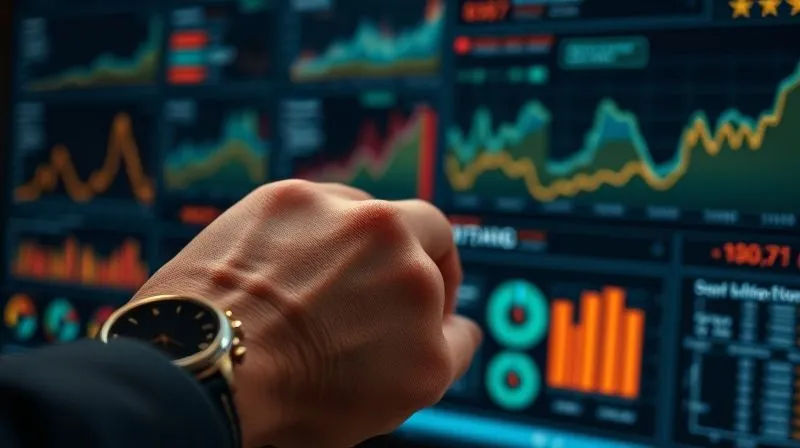
The secondary watch market is a complex ecosystem driven by supply, demand, brand reputation, and collector sentiment. Regularly analyzing auction results, pre-owned dealer prices, and online marketplace trends provides invaluable data. Which models consistently appreciate? Which brands maintain strong price points? What features or complications are gaining traction among serious collectors?
Factors such as production numbers, historical significance, celebrity endorsement (when organic), and even media coverage can influence secondary market performance. Brands must view the secondary market not as a competitor, but as a barometer of their designs' enduring appeal and investment potential. Neglecting this crucial feedback loop means designing in a vacuum, with little guarantee of future value.
Anticipating Collector Demands and Investment Trends
Future-proofing your designs involves a delicate balance of innovation and tradition. While respecting brand DNA, designers must also subtly push boundaries and introduce elements that will appeal to the next generation of collectors. This might involve sustainable sourcing practices, integrating smart technology in a non-intrusive way, or exploring new artistic crafts.
As the world shifts, so do collector priorities. Younger collectors might value transparency, sustainability, and digital integration more than traditionalists. Understanding these evolving demographics and their values allows designers to subtly weave in elements that will resonate without alienating existing clientele. This strategic foresight is paramount to designing luxury watches that guarantee future resale value, ensuring your creations remain relevant and desirable for decades to come. For an authoritative perspective on the watch industry's future, consider reports from the Federation of the Swiss Watch Industry FH.
Frequently Asked Questions (FAQ)
What is the most critical factor for a luxury watch's future resale value? While many factors contribute, an authentic and strong brand heritage combined with impeccable, timeless design is arguably the most critical. Without a compelling brand story and aesthetic longevity, other elements like materials or complications will struggle to maintain long-term desirability and value.
Do limited editions always guarantee higher resale value? No, not necessarily. While true scarcity can drive value, poorly conceived or overly numerous 'limited' editions can actually harm brand perception and dilute value. The limitation must be justified, genuinely scarce, and offer unique features that distinguish it meaningfully from regular production models.
How important is the movement's origin (in-house vs. sourced) for resale value? For serious collectors and for maximizing resale value, an in-house movement generally carries significantly greater prestige and contributes more to value. It signifies a brand's true horological expertise and independence. However, a highly modified and expertly finished sourced movement from a reputable supplier can still result in a desirable watch, though often with less intrinsic collector appeal than a proprietary caliber.
Can innovative materials like ceramic or titanium contribute to resale value, or is it only traditional precious metals? Innovative materials can absolutely contribute to resale value, especially if they offer superior durability, unique aesthetics, or represent a significant technical achievement. However, their impact is often more niche and depends on the specific design, brand, and collector segment. Traditional precious metals generally offer a more universally understood and stable store of value, but innovative materials can create highly sought-after pieces within specific collector circles.
What role does after-sales service play in a watch's future resale value? A crucial one. A watch is a mechanical device requiring maintenance. Brands with excellent, accessible, and transparent after-sales service (including spare parts availability and skilled technicians) enhance the long-term ownership experience. This makes the watch more attractive to future buyers, as they are assured of its continued functionality and authenticity, thereby supporting its resale value.
Key Takeaways and Final Thoughts
Designing luxury watches that guarantee future resale value is an intricate art, blending horological prowess with strategic market understanding and a deep respect for brand legacy. It's not about creating the most expensive watch, but the most enduring and desirable one.
- Build on Heritage: Cultivate an authentic brand narrative and ensure every design element reinforces it.
- Master Materiality: Choose materials not just for opulence, but for their durability, aesthetic longevity, and perceived value.
- Prioritize Horological Excellence: Invest in superior movements, whether in-house or expertly customized, with impeccable finishing and meaningful complications.
- Embrace Timeless Design: Opt for classic aesthetics that transcend trends, focusing on balance, proportion, and clarity.
- Manage Scarcity Strategically: Implement genuinely limited editions with clear justifications and maintain strict distribution control.
- Foster a Collector Ecosystem: Provide exceptional after-sales service, robust authentication, and engage actively with your community.
- Leverage Market Intelligence: Continuously analyze secondary market trends and anticipate evolving collector demands to future-proof your designs.
As I've seen throughout my career, the brands that consistently achieve high resale values are those that view their creations not just as products, but as investments in heritage, craftsmanship, and enduring beauty. By meticulously applying these principles, you can design luxury watches that not only captivate today's connoisseurs but also become coveted treasures for generations to come, truly guaranteeing future resale value.
Recommended Reading
- Unlock the Past: How to Construct a Historically Accurate Corset Pattern?
- Unlock Your Worth: The Ultimate Guide to Negotiating Rates for Fashion Blog Collaborations
- Unleash Your Potential: How Compression Clothing Enhances Athletic Performance
- 7 Proven Strategies: Liquidating Designer Eyewear Without Brand Devaluation
- Unpacking Cultural Appropriation in Streetwear: Your Essential Ethical Guide

Your email address will not be published. Required fields are marked *