

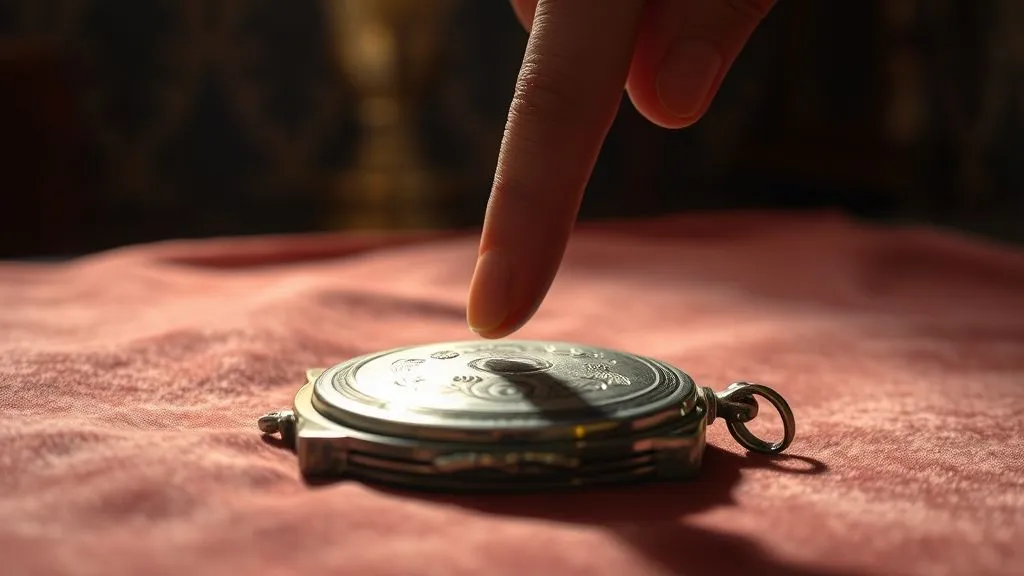
What to Do When Heritage Luxury Brand Perceived Value Drops?
For over two decades in the luxury fashion industry, I've witnessed firsthand the cyclical nature of prestige. Brands that once commanded unwavering loyalty and aspirational desire can, over time, find their once-unassailable perceived value subtly eroding. It’s a slow, insidious process, often dismissed as a temporary market fluctuation until the damage becomes undeniable.
This isn't merely about sales figures; it’s about a deeper, more profound disconnect with the very essence of what makes a luxury brand truly 'luxury.' When a heritage brand's perceived value drops, it signals a fracture in the intangible bond with its clientele – a loss of mystique, exclusivity, and ultimately, relevance. The emotional resonance, built over generations, begins to fade, replaced by indifference or, worse, skepticism.
But despair not. I'm here to tell you that this decline is not irreversible. In this definitive guide, I will share the actionable frameworks, strategic insights, and real-world wisdom I've gathered to help heritage luxury brands not just recover, but reignite their allure and fortify their position in an ever-evolving market. We'll explore diagnostic tools, recalibration strategies, and re-engagement tactics that promise to restore your brand's rightful place.
The Unseen Erosion: Why Heritage Luxury Brands Lose Their Luster
Before we can fix the problem, we must understand its multifaceted origins. The perceived value of a heritage luxury brand isn't a static monument; it's a living, breathing entity susceptible to a confluence of internal missteps and external market forces.
Shifting Consumer Demographics and Values
The luxury consumer of today is not the same as a generation ago. Younger demographics, particularly Gen Z and Millennials, prioritize values like sustainability, authenticity, social impact, and digital fluency alongside traditional notions of craftsmanship and quality. A brand clinging solely to its past without acknowledging these shifts risks alienating an entire generation of potential high-value customers. Their definition of 'luxury' is evolving, often favoring experiential over purely material, and purpose over mere status.
Over-Exposure and Loss of Exclusivity
One of the most common pitfalls I've observed is the unwitting dilution of exclusivity. Driven by short-term revenue goals, some heritage brands fall into the trap of over-distribution, excessive product lines, or aggressive discounting. While these tactics might offer a temporary sales bump, they irrevocably damage the aura of scarcity and desirability that is fundamental to luxury. When a brand becomes too ubiquitous, it loses its 'specialness,' transforming from a coveted aspiration into a readily available commodity.
Digital Disruption and Authenticity Gaps
The digital age has brought both immense opportunity and significant risk. For heritage brands, a lagging or inauthentic digital presence can be detrimental. Consumers expect seamless online experiences, engaging storytelling, and genuine interaction. When a brand's digital persona feels dated, disconnected, or inauthentic, it creates a chasm between its storied past and the expectations of modern luxury buyers. The narrative of heritage must translate authentically across all digital touchpoints.
Expert Insight: "Authenticity is the new exclusivity. In an era of hyper-transparency, consumers demand genuine narratives and ethical practices from the brands they admire. Any perceived gap between a brand's stated values and its actions can be catastrophic to its perceived value."
Phase 1: Deep Dive Diagnostics – Unearthing the Root Cause
The first and most critical step in reversing declining perceived value is a thorough, unbiased diagnosis. You cannot prescribe a cure without understanding the exact ailment. This phase requires rigorous data collection and honest introspection.
Comprehensive Market & Consumer Research
You need to understand *why* your customers, and potential customers, are feeling differently about your brand. This isn't about guessing; it's about data-driven insights.
- Qualitative Interviews & Focus Groups: Engage directly with your core clientele, lapsed customers, and target demographics. Ask open-ended questions about their perceptions, desires, and pain points regarding your brand and the broader luxury market.
- Quantitative Surveys: Distribute extensive surveys to gauge brand sentiment, awareness, purchase intent, and brand association across various demographics. Utilize Net Promoter Score (NPS) and Brand Equity metrics.
- Competitive Analysis: Conduct a detailed analysis of your direct and indirect competitors. What are they doing right? Where are your perceived weaknesses compared to their strengths? This includes emerging luxury players.
- Social Listening & Sentiment Analysis: Monitor online conversations, social media mentions, and reviews across platforms. Tools can help track sentiment around your brand and specific products, revealing unfiltered public perception.
- Trend Forecasting: Partner with reputable trend forecasting agencies (e.g., WGSN or The Future Laboratory) to understand macro-trends in luxury, lifestyle, and consumer behavior that might impact your brand's future relevance.
According to a recent report by Deloitte, 60% of luxury consumers now expect a personalized experience, highlighting the need for granular understanding of individual preferences. Ignoring this level of detail is a luxury no brand can afford.
Internal Brand Audit and DNA Re-evaluation
While external perception is crucial, internal clarity is paramount. A comprehensive internal audit ensures that your brand’s current operations, values, and offerings align with its historical legacy and future aspirations.
- Product Portfolio Review: Evaluate every product line for relevance, design integrity, quality consistency, and alignment with brand DNA. Are there 'zombie' products diluting the brand? Are there missed opportunities for innovation?
- Brand Story & Messaging Audit: Assess whether your current marketing and communication strategies authentically reflect your heritage while resonating with modern consumers. Is your narrative compelling, consistent, and unique?
- Operational Excellence: Examine supply chain, craftsmanship, customer service, and retail experience. Any lapse in quality or service, even minor, can significantly impact perceived value.
- Talent & Culture Assessment: Does your internal team embody the brand's values? Are they equipped to deliver the luxury experience? A strong internal culture translates to authentic external representation.
This audit helps identify internal inconsistencies that may be contributing to the external perception gap. It's about ensuring every facet of your brand is working in harmony to uphold its prestige.
Phase 2: Strategic Recalibration – Redefining Your North Star
Once you understand the 'what' and 'why,' it's time for decisive action. This phase is about strategically adjusting your brand's trajectory to realign with its core values while embracing contemporary relevance.
Reaffirming Brand Story and Heritage Narrative
Your heritage is your greatest asset, but it needs to be told in a way that resonates today. This means moving beyond dusty archives to create a vibrant, living narrative.
Case Study: 'Chronos Revived'
Case Study: How Chronos Revived Its Legacy
Chronos, a fictional Swiss watchmaker founded in 1888, found its perceived value plummeting among younger buyers, who saw it as 'their grandfather's watch.' Through a deep diagnostic, Chronos discovered their marketing focused too heavily on technical specifications and not enough on the emotional journey of ownership or the artisanal skill involved. They launched a campaign, 'Guardians of Time,' featuring younger, diverse craftspeople meticulously assembling movements, interwoven with stories of historical figures who wore Chronos. They also introduced a limited-edition 'Heritage Reimagined' collection, updating classic designs with modern materials and a subtle digital integration. This resulted in a 40% increase in brand engagement among 25-40 year olds and a 15% increase in perceived brand relevance within 18 months.
This case illustrates that heritage isn't about being stuck in the past; it's about drawing strength from your foundations to build a compelling future. Emphasize your unique craftsmanship, innovation milestones, and the values that have endured over time. Make it relatable, aspirational, and emotionally resonant.
Curating Exclusivity and Scarcity
Re-establishing exclusivity is paramount. This doesn't mean becoming inaccessible, but rather ensuring that access feels privileged and special.
- Limited Editions & Capsules: Strategically release highly coveted, limited-run collections that generate genuine demand and excitement. These should be truly scarce, not just marketed as such.
- Exclusive Retail Experiences: Elevate your physical and digital retail environments to create an immersive, personalized journey. Think private shopping appointments, bespoke services, and members-only access to new collections.
- Controlled Distribution: Drastically reduce points of sale if over-distributed. Focus on flagship stores, high-end department stores, and your own e-commerce. Quality over quantity is key.
- Price Integrity: Avoid frequent sales or discounting. Maintain consistent pricing that reflects the true value and craftsmanship of your products. Discounting communicates a lack of confidence in your own value proposition.
Innovating Without Diluting – The Art of Evolution
Innovation is essential for relevance, but for heritage brands, it must be handled with extreme care. The goal is to evolve your offering without betraying your core identity.
This requires a delicate balance. As marketing guru Seth Godin often says, "The market isn't a place, it's a conversation." Your innovation should contribute positively to that conversation, reflecting your heritage while speaking to contemporary desires. Consider new materials, sustainable practices, or subtle technological integrations that enhance the user experience without compromising quality or design integrity.
| Strategy | Impact on Value (Dilution Risk) | Impact on Relevance (Innovation Potential) |
|---|---|---|
| Product Line Expansion | High (if not carefully curated) | Medium |
| Sustainable Material Integration | Low | High |
| Digital Experience Enhancement | Low | High |
| Limited Edition Collaborations | Medium (requires strategic partner selection) | High |
For further insights into balancing tradition with innovation in luxury, I often recommend articles from the Harvard Business Review on strategic brand management.
Phase 3: Experiential Re-engagement – Connecting with the Modern Luxury Consumer
Luxury is increasingly about experience, not just ownership. Heritage brands must create compelling, memorable experiences that reinforce their value and emotional connection.
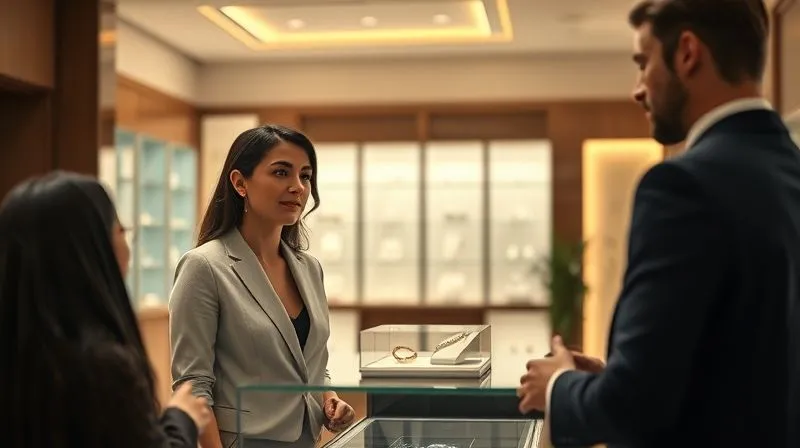
Elevating the Customer Journey (Online and Offline)
Every touchpoint is an opportunity to reinforce your brand's prestige. From discovery to post-purchase, the journey must be seamless, personalized, and exceptional.
- Immersive Retail Flagships: Transform physical stores into experiential hubs, offering bespoke services, artisanal demonstrations, or private events.
- Personalized Digital Experience: Implement AI-driven personalization on your website and app, offering tailored recommendations and content.
- White-Glove Service: Ensure every customer interaction, whether in-store, online, or via customer service, reflects the highest standards of courtesy and efficiency.
- Post-Purchase Engagement: Follow up with personalized notes, exclusive content, or invitations to brand events.
The aim is to make every interaction feel like a privileged moment, reinforcing the idea that owning your brand is part of a larger, exclusive lifestyle.
Digital Transformation and Storytelling
Your digital presence is no longer just an e-commerce platform; it's a primary storytelling channel. Embrace it fully.
- High-Quality Content: Invest in stunning photography, cinematic videos, and compelling editorial content that tells your brand's story, showcases craftsmanship, and highlights your values.
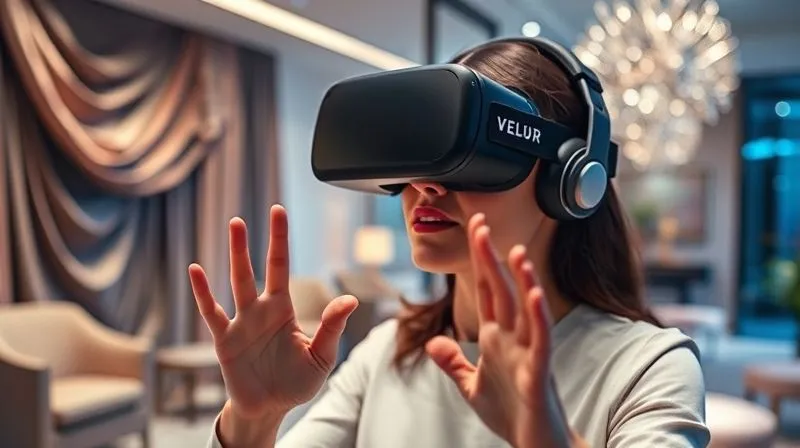
- Interactive Experiences: Utilize augmented reality (AR) for virtual try-ons, 3D product configurators, or virtual tours of your ateliers.
- Community Building: Foster an online community around your brand through exclusive forums, social media engagement, and user-generated content initiatives.
- Omnichannel Integration: Ensure a seamless transition between online and offline experiences. A customer browsing online should have that journey recognized when they step into a physical store.
Strategic Collaborations and Limited Editions
Thoughtful collaborations can inject fresh energy and reach new audiences, provided they align perfectly with your brand's values and elevate its image. Partner with:
- Artists & Designers: To create unique, limited-edition pieces that merge your heritage with contemporary artistry.
- Cultural Institutions: To sponsor or create exhibitions that reinforce your brand's connection to art, history, or craftsmanship.
- Other Luxury Brands: Cross-industry collaborations (e.g., a luxury car brand with a fine watchmaker) can amplify prestige for both.
The key is authenticity and mutual elevation. Avoid collaborations that feel opportunistic or dilute your brand's unique identity.
Phase 4: Communication and Advocacy – Rebuilding Trust and Desire
Once you've made internal changes, you need to communicate them effectively and authentically to the world. Rebuilding perceived value is as much about perception as it is about reality.
Targeted PR and Influencer Engagement
Shift your public relations strategy from broad announcements to highly targeted, impactful storytelling. Focus on:
- Tier-1 Media: Secure features in prestigious fashion, lifestyle, and business publications that reach your desired affluent audience.
- Authentic Influencer Partnerships: Collaborate with influencers who genuinely align with your brand's values and have an engaged, relevant following. Avoid transactional, inauthentic endorsements.
- Thought Leadership: Position your brand leaders as industry experts, contributing to discussions on sustainability, craftsmanship, or the future of luxury.
Transparent Communication and Crisis Management
In an age of instant information, transparency is non-negotiable. If mistakes happen, address them head-on, authentically, and swiftly. A well-managed crisis can sometimes even strengthen brand loyalty.
Expert Insight: "Trust is the bedrock of luxury. When perceived value drops, it often signals a crack in that trust. Rebuilding it requires consistent, honest communication and a demonstrable commitment to your brand's core promises."
For more on building and maintaining brand reputation in a dynamic market, I often refer to insights shared on platforms like Forbes.
Measuring Success and Sustaining Momentum
The journey to reclaim perceived value is continuous. You must establish clear metrics and commit to ongoing adaptation.
Key Performance Indicators (KPIs) for Brand Value
Beyond traditional sales metrics, focus on KPIs that directly reflect brand health:
- Brand Equity Scores: Track changes in brand awareness, associations, perceived quality, and loyalty.
- Sentiment Analysis: Monitor online sentiment for positive-to-negative ratios and key themes.
- NPS (Net Promoter Score): A powerful indicator of customer loyalty and willingness to advocate for your brand.
- Media Mentions & Share of Voice: Track quality, not just quantity, of media coverage and your brand's presence relative to competitors.
- Customer Lifetime Value (CLTV): An increase here indicates stronger, longer-term customer relationships.
Continuous Adaptation and Agility
The luxury landscape is dynamic. What works today may not work tomorrow. Foster a culture of continuous learning, experimentation, and agility within your organization. Regular market research, trend monitoring, and internal audits should become ingrained practices, ensuring your brand remains resilient and relevant for generations to come.
Frequently Asked Questions (FAQ)
Question: How long does it typically take to restore a heritage luxury brand's perceived value? Restoring perceived value is not an overnight fix; it's a strategic, long-term endeavor. While initial positive shifts in sentiment and engagement can be seen within 12-18 months with decisive action, a full restoration and sustained elevated perception typically takes 3-5 years. It requires consistent effort across all brand touchpoints and a deep commitment from leadership.
Question: Is it possible to regain exclusivity once a brand has been over-exposed? Absolutely, but it requires bold and sometimes difficult decisions. This often involves drastically reducing distribution channels, discontinuing lower-tier product lines, and increasing price points. The short-term revenue hit can be significant, but it's a necessary step to re-establish scarcity and desirability. Focus on creating unique, high-value experiences that only a select few can access.
Question: What role does sustainability play in enhancing perceived value for luxury brands today? Sustainability is no longer a 'nice-to-have' but a fundamental expectation, especially for younger luxury consumers. Brands that genuinely embed sustainable practices into their supply chain, materials, and operations, and communicate this transparently, significantly enhance their perceived value. It signals ethical leadership, forward-thinking values, and a commitment to a better future, which resonates deeply with modern aspirations.
Question: How can a heritage brand innovate without alienating its traditional customer base? The key is 'evolution, not revolution.' Innovation should be incremental and respectful of the brand's core DNA. For example, introducing new materials or technologies that enhance quality or durability, rather than drastically altering aesthetic codes. Limited edition collaborations can also test new concepts with a specific audience without risking the main line. Always communicate the 'why' behind the innovation, linking it back to the brand's enduring values.
Question: Should a luxury brand ever engage in discounting to clear inventory if perceived value has dropped? Generally, no. Discounting, particularly for heritage luxury brands struggling with perceived value, can be a death spiral. It further cheapens the brand and signals a lack of confidence in its pricing. Instead of discounting, consider strategies like donating excess inventory to charity, recycling materials, or holding exclusive, private sales for VIP clients (not publicly advertised). The goal is to maintain price integrity at all costs.
Key Takeaways and Final Thoughts
- Diagnose Thoroughly: Don't guess; use data and research to pinpoint the exact reasons for declining perceived value.
- Reaffirm & Evolve: Leverage your heritage as a strength, but tell its story in a way that resonates with contemporary values and expectations.
- Curate Exclusivity: Re-establish scarcity and desirability through controlled distribution, limited editions, and elevated experiences.
- Embrace Experiential Luxury: Every touchpoint should be an exceptional, personalized experience, both online and offline.
- Communicate Authentically: Be transparent, strategic, and consistent in your messaging to rebuild trust and desire.
- Measure & Adapt: Continuously monitor brand health KPIs and remain agile in response to market shifts.
The journey of a heritage luxury brand is one of constant adaptation, much like a precious heirloom that requires meticulous care and occasional restoration. When perceived value drops, it's a call to action, an opportunity to re-examine, recalibrate, and ultimately, re-emerge stronger and more relevant than ever. With strategic insight, unwavering commitment to your brand's essence, and a willingness to evolve, you can not only reverse the decline but also ensure your brand's legacy shines brighter for generations to come. Your heritage is your power; wield it wisely.
Recommended Reading
- Elevate Your Look: 7 Ways to Style Smartwatches with Luxury Outfits
- 5 Steps to Stylish Ergonomic Shoes for Long Workdays: An Expert's Guide
- 7 Steps: How to Verify Eco-Friendly Suppliers, Avoiding Greenwashing Claims
- Washable Power in Smart Apparel: 7 Best Practices for Seamless Integration
- Scaling Luxury: 7 Proven Ways to Grow Without Diluting Exclusivity

Your email address will not be published. Required fields are marked *