

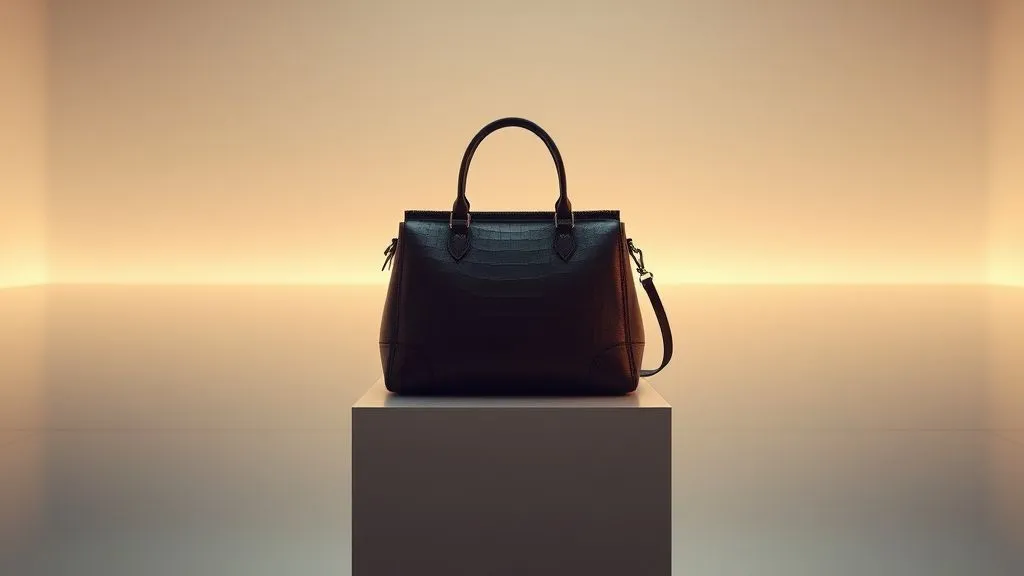
How to scale luxury fashion without diluting brand exclusivity?
For over two decades in the luxury fashion industry, I've witnessed a recurring paradox: the relentless pursuit of growth often collides head-on with the delicate essence of exclusivity. Brands, in their quest for market share, sometimes inadvertently dismantle the very foundation that makes them luxurious. It's like trying to expand a rare orchid garden by planting common weeds – the sheer volume might increase, but the unique value diminishes.
The pain point is palpable for many luxury brand leaders. How do you meet shareholder demands for growth and reach new markets without sacrificing the rarity, the bespoke feel, and the aspirational allure that defines true luxury? The fear of 'going mainstream' is a constant shadow, threatening to erode decades of carefully built heritage and perceived value.
In this definitive guide, I will share the frameworks and strategies I've seen implemented by the most successful luxury houses – those who have mastered the art of expansion without compromise. You'll gain actionable insights, learn from real-world (albeit fictionalized) case studies, and discover how to navigate this intricate balance, ensuring your brand's growth only amplifies its exclusive appeal.
Understanding the DNA of Luxury Exclusivity
Before we discuss scaling, it's crucial to dissect what truly constitutes 'exclusivity' in luxury fashion. It's not merely about high prices or limited stock; it's a multi-faceted construct built on heritage, craftsmanship, scarcity, aspirational storytelling, and a deep, emotional connection with the discerning client. Without a clear understanding of your brand's unique DNA, any scaling effort risks misdirection.
In my experience, brands often confuse 'mass appeal' with 'broader reach'. The goal isn't to make your brand accessible to everyone, but to make it desirable to a wider, carefully selected audience. This requires a profound introspection into what makes your brand irreplaceable.
Key Insight: True luxury exclusivity isn't about shutting people out; it's about inviting the right people in and making them feel part of something truly special and rare.
Elements of Enduring Luxury Exclusivity:
- Heritage & Storytelling: The narrative of creation, the founder's vision, the brand's journey.
- Uncompromising Craftsmanship: Attention to detail, quality of materials, artisanal skill.
- Perceived Scarcity: Limited editions, bespoke services, controlled distribution.
- Exceptional Service: Personalization, discretion, anticipating client needs.
- Aesthetic & Design Integrity: A distinct, recognizable, and timeless brand aesthetic.
Understanding these elements allows you to identify which levers to pull for growth, and which to guard fiercely.
Strategic Market Expansion: Quality Over Quantity
Scaling doesn't always mean opening hundreds of new stores. For luxury, it's about strategic, thoughtful expansion into markets that resonate with your brand's ethos and target demographic. This often involves a deep dive into psychographic segmentation, not just demographic data.
I've seen brands make the mistake of rushing into new territories without adequate research, only to find their message lost in translation or their product misaligned with local tastes. The luxury consumer, particularly internationally, is highly sophisticated and expects a seamless brand experience.

Actionable Steps for Strategic Market Entry:
- Identify Niche, High-Value Markets: Look beyond the obvious. Where do your existing high-value clients travel or reside? Consider emerging luxury hubs in Asia, the Middle East, or specific European cities.
- Localize with Authenticity: While maintaining global brand identity, adapt certain aspects (e.g., event themes, limited edition colors) to local cultural nuances. This shows respect and deep understanding.
- Partnerships with Local Experts: Collaborate with established local luxury retailers or cultural institutions who understand the market's intricacies.
- Controlled Distribution Channels: Prioritize direct-to-consumer (DTC) channels (flagship stores, e-boutiques) and highly curated multi-brand luxury retailers. Avoid mass department stores or discount channels at all costs.
Case Study: 'Elysian Timepieces' Enters the GCC Market
Elysian Timepieces, a fictional Swiss watchmaker renowned for its intricate movements and limited production, sought to expand its reach without compromising its ultra-exclusive image. Instead of opening multiple boutiques, they partnered with a single, highly respected luxury conglomerate in the Gulf Cooperation Council (GCC) region. This partner had deep ties with ultra-high-net-worth individuals and understood the local appreciation for heritage and bespoke craftsmanship.
Elysian launched with exclusive private viewings, tailored client experiences, and a limited-edition series inspired by regional motifs, crafted in collaboration with a local artisan. This resulted in a 40% increase in regional sales within 18 months, with zero dilution of its global exclusivity, as it maintained strict control over pricing and distribution, leveraging the partner's network rather than its physical footprint.
Curating Exclusive Experiences and Services
In the modern luxury landscape, products are just one facet of the brand experience. True exclusivity often resides in the intangible: the personalized service, the access to unique events, and the feeling of being part of an inner circle. Scaling in this context means replicating and enhancing these experiences, not just selling more items.
I often advise brands to think of themselves as curators of a lifestyle, not just manufacturers of goods. This shift in mindset is critical for sustained growth without dilution.
Key Insight: When everyone can buy a product, the differentiator becomes the experience surrounding its acquisition and ownership. Elevate the journey, not just the destination.
Strategies for Elevated Experiences:
- Bespoke Personalization: Offer customization services, made-to-measure options, or personal styling sessions.
- Private Client Services: Dedicated sales associates, concierge services, and exclusive previews of new collections.
- Invitational Events: Host intimate dinners, atelier visits, fashion shows, or cultural events for top-tier clients.
- Loyalty Programs Redefined: Instead of discounts, offer access to unique experiences, early product access, or charitable initiatives aligned with client values.
- After-Sales Excellence: Impeccable repair services, product care advice, and even heritage preservation services for older pieces.
These services not only justify premium pricing but also foster deep brand loyalty, transforming customers into brand advocates. According to a study by Deloitte, 70% of consumers who feel a sense of personal connection to a brand spend more with that brand.
Leveraging Digital, Intelligently
The digital realm presents both the greatest opportunity and the greatest risk for luxury brands seeking to scale. While it offers unparalleled global reach, it also carries the danger of commoditization if not handled with extreme care. The key is to leverage digital platforms to amplify exclusivity, not diminish it.
Forget blanket social media campaigns or mass email blasts. Luxury digital strategy is about precision, storytelling, and creating digital experiences that mirror the physical world's exclusivity.

Digital Strategies for Undiluted Growth:
- Immersive E-commerce Experiences: Invest in high-fidelity visuals, virtual try-on technology, and personalized digital stylists. Make the online journey as luxurious as an in-store visit.
- Exclusive Online Drops: Release highly limited collections or collaborations exclusively through your website or a private members-only section.
- Curated Social Media Presence: Focus on platforms where your target audience congregates. Use high-quality visuals, behind-the-scenes content showcasing craftsmanship, and aspirational storytelling. Avoid overly promotional or 'hard-sell' content.
- Personalized Digital Communication: Segment your email lists rigorously. Send highly tailored content, early access invitations, or bespoke product recommendations based on purchase history and expressed preferences.
- Augmented Reality (AR) & Virtual Reality (VR): Explore AR filters for social media that allow users to 'try on' products, or VR experiences that offer virtual tours of ateliers or private fashion shows.
Digital Engagement Metrics for Luxury Brands:
| Metric | Benchmark | Focus |
|---|---|---|
| Website Conversion Rate (Luxury) | 0.5% - 1.5% | Quality leads, high average order value |
| Email Open Rate (Luxury) | 25% - 40% | Personalization, exclusive content |
| Social Media Engagement Rate (Luxury) | 1% - 5% | Authentic connection, brand storytelling |
| Customer Lifetime Value (CLV) | High, continuous growth | Retention, repeat purchases, brand advocacy |
These metrics, unlike mass-market ones, prioritize depth of engagement and value over sheer volume. For more on this, I highly recommend exploring insights from leading digital luxury agencies like Gartner L2.
Collaborations That Elevate, Not Dilute
Collaborations are a double-edged sword in luxury. When done correctly, they can introduce your brand to new, relevant audiences and inject fresh creativity, thereby scaling reach without diluting core values. When executed poorly, they can quickly devalue your brand.
The key is to seek out partners whose values, craftsmanship, and target audience align perfectly with your own, or who offer a truly complementary expertise that enhances your brand's narrative.
Key Insight: A successful luxury collaboration should feel like a natural extension of both brands, creating something genuinely unique and more valuable than the sum of its parts. It should be a cultural moment, not just a marketing stunt.
Principles for High-Value Collaborations:
- Shared Brand Values: Partner with brands or artists who embody similar principles of quality, artistry, and vision.
- Limited & Exclusive Runs: Ensure collaborative pieces are produced in very limited quantities, enhancing their desirability and collectibility.
- Narrative Cohesion: The story behind the collaboration must be compelling and make sense for both brands. It shouldn't feel forced.
- Complementary Expertise: Seek partners who bring a unique skill, material, or perspective that your brand doesn't possess, resulting in an innovative product.
- Target Audience Overlap (or Strategic Expansion): The collaboration should either deepen engagement with your existing audience or introduce you to a precisely defined, aspirational new segment.
For example, a high-fashion house collaborating with a renowned artisan chocolatier for a unique gift set for VIP clients, or a luxury watchmaker partnering with an avant-garde architect for a limited-edition watch design. These are not about mass market access, but about enriching the luxury experience.
The Art of Limited Editions and Bespoke Offerings
Perhaps the most direct answer to 'How to scale luxury fashion without diluting brand exclusivity?' lies in the strategic deployment of scarcity and personalization. Limited editions and bespoke services are not just marketing tactics; they are fundamental pillars of luxury that allow for growth in demand without an exponential increase in supply.
I've observed that the anticipation and challenge of acquiring a truly rare item often amplify its desirability far more than ubiquitous availability ever could. This is the essence of luxury psychology.
Strategies for Controlled Scarcity and Personalization:
- Numbered Limited Editions: Clearly state the production run (e.g., '1 of 500'). This creates urgency and collectibility.
- Seasonal Capsule Collections: Offer small, highly curated collections for a specific season or event, available for a very short window.
- Made-to-Order & Bespoke Services: For your most discerning clients, offer items crafted specifically to their specifications, often involving direct interaction with artisans or designers.
- Exclusive Pre-Orders: Allow VIP clients or loyalty program members to pre-order new collections before general release.
- Archival Reissues: Occasionally re-release iconic pieces from your brand's history in very limited quantities, tapping into nostalgia and heritage.
These methods create a controlled form of growth. Demand scales, but supply remains exclusive, fueling aspiration. As Harvard Business Review often highlights, brand management in luxury is about managing perception as much as managing product.
Mastering Supply Chain and Craftsmanship
At the heart of any luxury brand is its product's intrinsic value, which stems directly from its craftsmanship and the quality of its materials. Scaling luxury fashion without diluting brand exclusivity means meticulously maintaining, and even elevating, these standards as you grow. Any compromise here is a direct assault on exclusivity.
From my vantage point, the greatest luxury brands are those that treat their supply chain not as a cost center, but as an extension of their atelier – a network of trusted partners committed to unparalleled quality.

Ensuring Uncompromised Quality at Scale:
- Invest in Artisanal Skills: Continuously train existing artisans and invest in programs to cultivate new talent. Preserve traditional crafts and techniques.
- Ethical Sourcing & Transparency: Partner with suppliers who adhere to the highest ethical and sustainability standards. Communicate this commitment to your clients.
- Rigorous Quality Control: Implement multi-stage quality checks at every point in the production process, from raw material selection to final packaging.
- Limited Production Capacity: Understand and respect the natural limits of artisanal production. Don't over-promise or push for quantities that compromise quality.
- Vertical Integration (Strategic): Consider acquiring key suppliers or manufacturing facilities to gain greater control over quality and intellectual property.
Quality Assurance Checklist for Scaling Luxury:
| Stage | Checklist Item |
|---|---|
| Raw Material Sourcing | Verified origin, ethical certifications, purity tests |
| Design & Prototyping | Functionality, durability, aesthetic alignment with brand DNA |
| Manufacturing/Craftsmanship | Skilled artisan verification, multi-stage inspection, zero defect tolerance |
| Finishing & Packaging | Precision detailing, luxury packaging materials, unboxing experience quality |
| Post-Sale Support | Repair services, product care guidance, client feedback loop |
This meticulous approach ensures that as your brand grows, its foundation of quality only strengthens, further cementing its exclusive appeal.
Cultivating a Global Brand Narrative
Finally, scaling luxury without diluting brand exclusivity hinges on your ability to cultivate a powerful, consistent, and aspirational global brand narrative. This narrative isn't just about what you sell, but what you stand for – your values, your vision, and the lifestyle you represent. It's the intangible thread that connects every touchpoint, from an Instagram post to a flagship store opening.
As a seasoned expert, I've learned that a compelling narrative transcends geographical boundaries and cultural differences, allowing a brand to resonate deeply with discerning clients worldwide.
Key Insight: Your brand's story is its most valuable asset. Protect it, enrich it, and ensure every expansion effort contributes positively to its ongoing legend.
Building a Resilient Global Narrative:
- Universal Aspiration: Craft a narrative that taps into universal human desires: beauty, craftsmanship, heritage, self-expression, status, and excellence.
- Consistent Brand Voice: Ensure your brand's tone, messaging, and visual identity are consistent across all global markets and platforms. This builds familiarity and trust.
- Cultural Sensitivity: While the core narrative remains global, be mindful of how it's presented in different cultures. Avoid anything that could be misinterpreted or offensive.
- Thought Leadership: Position your brand as a thought leader in relevant areas – art, design, sustainability, innovation. This elevates your brand beyond mere commerce.
- Amplify Client Stories: Showcase how your products integrate into the lives of your discerning clientele, using authentic storytelling (with permission, of course). This builds a community around your narrative.
Remember, the goal is not to be everywhere, but to be everywhere that matters to your target audience, telling a story that captivates and endures. The luxury market is increasingly driven by stories that connect on an emotional level. You can read more about the power of storytelling in branding from experts like Seth Godin.
Frequently Asked Questions (FAQ)
How do luxury brands balance increased production with maintaining scarcity? Luxury brands manage this by focusing on 'perceived scarcity' rather than absolute scarcity. This involves strategies like limited edition drops, bespoke services, and controlled distribution. They invest in highly efficient artisanal production methods to meet demand without compromising quality, while carefully segmenting their product lines to offer both exclusive, very limited items and slightly more accessible (but still premium) core collections, all while maintaining strict quality control and brand messaging.
What role does technology play in scaling luxury without dilution? Technology is crucial for intelligent scaling. It enables personalized digital experiences (e-commerce, AR/VR), highly targeted marketing, efficient supply chain management, and enhanced customer service (CRM systems). The key is using technology to amplify exclusivity and personalization, not to mass-market. For instance, blockchain can verify authenticity and provenance, adding another layer of luxury value.
Is expanding into new product categories a good strategy for scaling luxury? Yes, but with extreme caution. New product categories must be a natural, authentic extension of the brand's core DNA and values. They should enhance the brand's lifestyle offering, not dilute its focus. For example, a luxury fashion house launching a haute parfumerie line makes sense, but venturing into mass-market electronics might not. Thorough market research and ensuring the same level of craftsmanship and exclusivity are paramount.
How important is sustainability in scaling luxury fashion today? Sustainability is no longer optional; it's a critical component of modern luxury. Discerning consumers, particularly younger generations, demand ethical sourcing, transparent supply chains, and environmentally responsible practices. Brands that can demonstrate a genuine commitment to sustainability not only avoid dilution but can actually enhance their exclusive appeal by aligning with the values of their sophisticated clientele. It becomes part of the luxury narrative and a mark of responsible leadership.
What are the biggest pitfalls to avoid when trying to scale a luxury brand? The biggest pitfalls include: compromising on quality or craftsmanship to increase volume, entering mass-market distribution channels, diluting brand messaging with generic marketing, failing to understand and respect new cultural markets, and over-licensing the brand to unrelated categories. Essentially, any action that sacrifices the core tenets of exclusivity, quality, and aspirational value for short-term revenue gains.
Recommended Reading
- Unlock the Secret to Sustainable Vintage Clothing Care: A Definitive Guide
- Mastering Menswear: 7 Ways to Blend Classic Style & Modern Trends
- Unlock Your Star Style: How to Choose Celebrity Eyewear for Your Face Shape
- Haute Couture: 7 Strategies to Preserve Exclusivity for Growth
- Unlock Your Radiance: Discovering Your Unique Personalized Beauty Needs
Main Points and Final Considerations
Navigating the intricate path of scaling luxury fashion without diluting brand exclusivity requires a delicate balance of ambition and restraint, innovation and tradition. As I've shared throughout my career, it's a marathon, not a sprint, demanding strategic foresight and an unwavering commitment to your brand's core values.
- Know Your DNA: Understand what truly makes your brand exclusive before attempting to grow.
- Strategic Expansion: Prioritize quality over quantity in market entry and distribution.
- Experience is King: Elevate the client experience, making it as exclusive as the product itself.
- Intelligent Digital: Use technology to amplify exclusivity and personalization, not mass appeal.
- Curated Collaborations: Partner with brands that genuinely elevate your narrative and reach.
- Scarcity & Bespoke: Leverage limited editions and custom offerings to fuel aspiration.
- Uncompromising Quality: Maintain meticulous craftsmanship and ethical sourcing at every stage.
- Consistent Narrative: Cultivate a global story that resonates universally while respecting local nuances.
The future of luxury belongs to those who can master this paradox – those who see growth not as a compromise, but as an opportunity to further refine, enrich, and expand the legend of their brand, inviting more discerning individuals into its exclusive world. Embrace the challenge, stay true to your essence, and your brand's legacy will not only endure but flourish.

Your email address will not be published. Required fields are marked *