

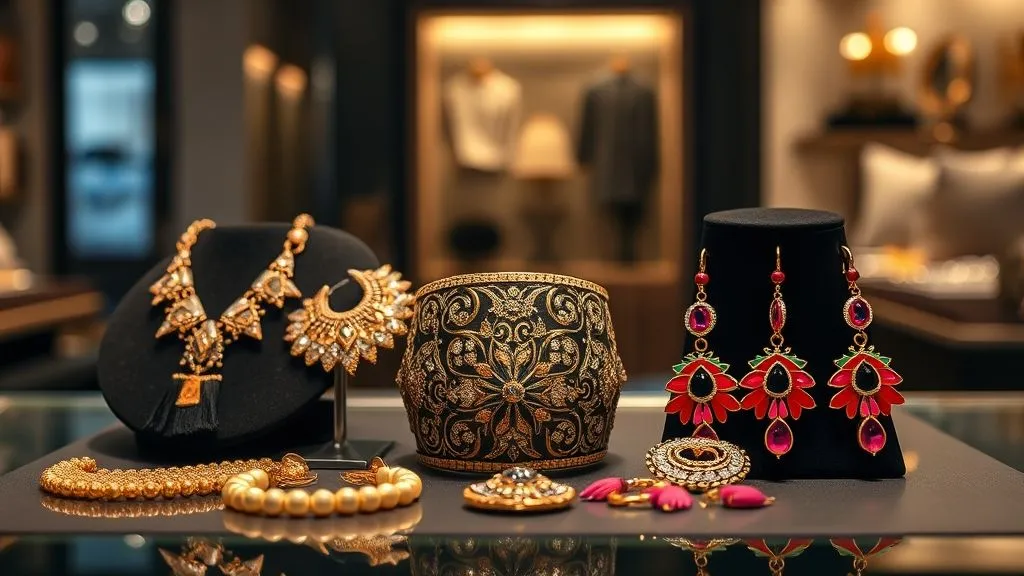
How to curate a unique statement accessory collection that sells?
For over two decades in the dynamic world of fashion accessories, I've observed countless brands launch with immense passion, only to falter. The mistake I've seen most frequently isn't a lack of creativity, but rather a misunderstanding of how to bridge that creativity with strategic market appeal and authentic connection. It’s not enough to simply make beautiful things; you must understand how to make beautiful things that resonate, that tell a story, and crucially, that sell.
The challenge today is amplified by a saturated market. Every day, new designers emerge, each vying for attention. Without a clear strategy for curation, branding, and sales, even the most exquisite statement pieces can get lost in the noise. Many entrepreneurs struggle with defining their unique selling proposition, identifying their ideal customer, and building a collection that feels cohesive yet distinctive.
This comprehensive guide is designed to equip you with the actionable frameworks, real-world insights, and expert strategies I've honed over my career. We’ll delve deep into the art and science of how to curate a unique statement accessory collection that sells, ensuring your passion translates into a profitable and sustainable venture. Get ready to transform your vision into a captivating collection that not only turns heads but also turns a profit.
Understanding the 'Statement' in Statement Accessories
Before we can curate a collection, we must first truly grasp what makes an accessory a 'statement piece.' In my experience, it's far more than just size or sparkle. A true statement accessory is an extension of personal style, a conversation starter, and often, a piece with inherent narrative. It’s something that transcends mere adornment to become an integral part of an outfit’s identity.
Defining Your Niche and Aesthetic Identity
The first step in learning how to curate a unique statement accessory collection that sells is to define your brand's unique aesthetic identity. What story do you want your accessories to tell? Are you minimalist chic, bohemian eclectic, avant-garde futuristic, or classic timeless? Your niche isn't just a category; it's a philosophy, a visual language that speaks directly to your target audience. I've often advised clients that trying to appeal to everyone means appealing to no one. Focus is paramount.
The most successful statement accessory collections are those born from an authentic, clearly defined aesthetic. This authenticity is your competitive edge.
Consider the core elements that define a statement piece within your chosen niche:
- Boldness: Does it command attention through size, color, or unusual form?
- Originality: Is it distinctive, offering something not readily found elsewhere?
- Craftsmanship: Does the quality and detail elevate it beyond mass-produced items?
- Narrative: Does it evoke a story, a culture, an emotion, or a particular design inspiration?
- Versatility (within its niche): Can it be styled in multiple ways by your target customer, enhancing its perceived value?
Market Research: Unearthing Trends and Untapped Demand
Even the most unique vision needs to be grounded in market reality. I've seen brilliant designs fail simply because there wasn't a receptive audience or a clear understanding of current demand. Effective market research isn't about chasing every fleeting trend; it’s about identifying enduring shifts, understanding consumer behavior, and pinpointing gaps in the market where your unique offering can thrive.
Analyzing Current Fashion Cycles and Consumer Psychology
To truly understand how to curate a unique statement accessory collection that sells, you must become a student of the market. This involves looking beyond surface-level trends to the underlying psychological drivers that influence purchasing decisions. Why are certain aesthetics gaining traction? What values are consumers prioritizing today? According to a recent consumer behavior report by Deloitte, consumers are increasingly valuing sustainability, authenticity, and personalized experiences, which presents a significant opportunity for unique, story-driven statement pieces.
Here’s how to conduct impactful market research:
- Trend Forecasting Services: Invest in or follow reputable trend forecasting agencies (e.g., WGSN, Fashion Snoops) to get a macro view of upcoming colors, materials, and themes.
- Social Media Listening: Monitor platforms like Instagram, Pinterest, and TikTok. Pay attention to what influencers in your niche are wearing, what types of pieces are generating engagement, and what conversations are happening around accessories.
- Competitor Analysis: Identify direct and indirect competitors. What are they doing well? Where are their weaknesses? What price points are they hitting? How are they marketing their collections?
- Customer Surveys & Interviews: If you have an existing audience, ask them directly what they're looking for, what they love, and what they find missing in the current market.
- Retail Visits: Physically visit high-end boutiques and department stores to observe merchandising, best-selling items, and overall store aesthetic.
This systematic approach allows you to identify not just what’s popular, but what’s *missing* — the white space where your unique collection can truly shine.

Sourcing & Design: The Art of Originality and Quality
The foundation of any successful statement accessory collection lies in its inherent originality and uncompromising quality. These aren't just buzzwords; they are the pillars upon which trust and perceived value are built. In my career, I've seen that even the most innovative designs fall flat if the materials are subpar or the craftsmanship is lacking. This is particularly true for statement pieces, which are often investments for the wearer.
Ethical Sourcing and Craftsmanship Standards
To truly learn how to curate a unique statement accessory collection that sells, you must imbue every piece with integrity. Ethical sourcing is no longer a niche concern; it's a mainstream expectation. Consumers are increasingly discerning, wanting to know the origin of materials and the conditions under which their accessories are made. Transparency in your supply chain can be a significant differentiator and a powerful part of your brand story.
Quality is not an act, it is a habit. For statement accessories, it’s the non-negotiable bedrock of your brand’s reputation.
When it comes to design, think about creating pieces that are both visually striking and structurally sound. Work with skilled artisans or develop your own technical expertise to ensure durability and comfort. A beautiful necklace that breaks easily or earrings that are too heavy to wear won't lead to repeat customers or positive word-of-mouth.
Case Study: 'The Artisan's Touch' Boutique
The Artisan's Touch, a small online boutique specializing in handcrafted statement jewelry, struggled initially with inconsistent sales despite unique designs. Their founder, Elara, realized her designs were beautiful but lacked a compelling backstory and consistent quality control. By focusing on transparent sourcing of ethically mined gemstones from small, independent miners and partnering with local artisans for unique, limited-edition pieces, she cultivated a loyal customer base. Elara implemented rigorous quality checks at every stage, from material selection to final polish. Their detailed storytelling about each piece's origin and creator, shared on social media and product pages, resonated deeply with consumers seeking conscious luxury. Within 18 months, their average order value increased by 40%, and their customer retention rate improved by 25%, proving that authenticity, quality, and story can be powerful sales drivers.
Consider these sourcing and design aspects:
| Aspect | Consideration | Impact on Sales |
|---|---|---|
| Material Selection | Durability, ethical origin, unique texture/color, allergy-friendly options. | Enhances perceived value, broadens customer base, supports brand narrative. |
| Craftsmanship | Handmade vs. machine-made, attention to detail, structural integrity, artisan skill level. | Justifies higher price points, ensures longevity, builds trust and reputation. |
| Originality of Design | Avoiding imitation, developing signature motifs, innovative use of materials. | Creates brand distinction, attracts trendsetters, fosters exclusivity. |
| Ethical Practices | Fair labor, sustainable materials, transparent supply chain, minimal environmental impact. | Appeals to conscious consumers, strengthens brand loyalty, provides compelling marketing angles. |
Crafting Your Collection Narrative: Storytelling as a Sales Tool
In a world awash with products, what truly differentiates a statement accessory collection is its story. This is where your brand transcends mere transactions and builds emotional connections. As marketing guru Seth Godin often emphasizes, people don't buy what you do; they buy why you do it. Your collection narrative is the 'why' behind every piece.
Building Brand Identity and Emotional Connection
Your narrative should weave through every aspect of your brand — from your website's 'About Us' page to your product descriptions, social media posts, and even your packaging. It’s about creating an immersive experience for the customer. This narrative helps them understand the inspiration, the craftsmanship, and the journey of each piece, making it feel more personal and valuable.
Think about:
- The Inspiration: What sparked the idea for this collection? Is it a journey, a historical period, an artistic movement, or a personal experience?
- The Maker's Story: If handcrafted, who are the artisans? What is their skill, their tradition?
- The Materials' Journey: Where do your unique stones, metals, or textiles come from? What makes them special?
- The Emotional Resonance: How do you want people to feel when they wear your pieces? Empowered, elegant, adventurous?
- The Collection's Theme: Does each piece contribute to a larger, cohesive theme that defines the collection?
A compelling narrative doesn't just describe; it evokes. It transforms a beautiful object into a cherished possession, making it easier for you to curate a unique statement accessory collection that sells.
Photography & Presentation: Visual Merchandising for the Digital Age
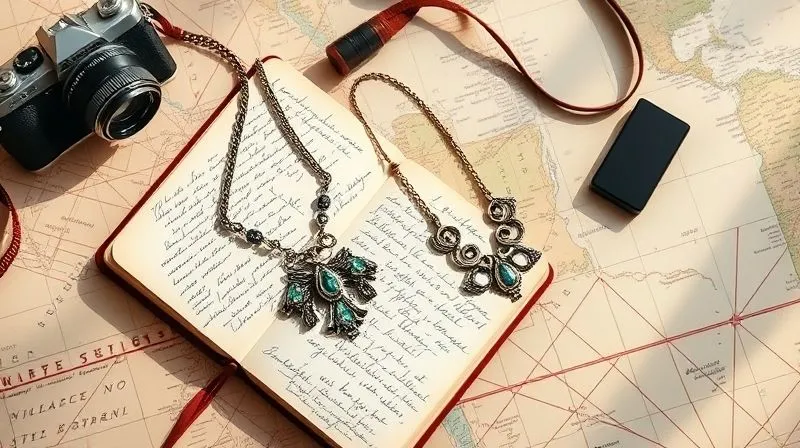
In the digital marketplace, your product photography is your storefront, your salesperson, and your brand ambassador all rolled into one. For statement accessories, which are inherently visual, high-quality imagery is non-negotiable. Poor photos can instantly undermine the perceived value of even the most exquisite piece. This is a critical component of how to curate a unique statement accessory collection that sells effectively online.
High-Quality Imagery and Product Descriptions That Convert
Your goal is to make the customer feel as though they can reach out and touch the piece, to understand its scale, texture, and how it might look when worn. This requires a multi-faceted approach to visual presentation.
Consider these photography and presentation tips:
- Professional Photography: Invest in professional product photography. This isn't an area to cut corners. High-resolution, well-lit images are crucial.
- Multiple Angles: Show the piece from various angles — front, back, side, and close-ups of unique details or craftsmanship.
- Scale Reference: Always include at least one image of the accessory being worn by a model or on a mannequin. This helps customers visualize its size and how it drapes or sits on the body.
- Lifestyle Shots: Integrate lifestyle photos that show the accessory in context, complementing an outfit or in a relevant setting. This helps customers imagine themselves wearing it.
- Consistent Aesthetic: Maintain a consistent visual style across all your product photography to reinforce your brand identity.
- Detailed Descriptions: Beyond images, your product descriptions must be rich and evocative. Describe the materials, dimensions, weight, and the story behind the piece. Use sensory language that paints a vivid picture.
- Video Content: Short videos showcasing the accessory from different angles, how it moves, or how it's worn can significantly boost engagement and conversion rates.
In the realm of statement accessories, a picture is worth a thousand words, and a compelling video is worth a thousand pictures. Invest in visuals that captivate and convert.
Strategic Pricing & Inventory Management
Pricing your statement accessory collection is a delicate balance between perceived value, profit margins, and market positioning. Price too low, and you might devalue your unique craftsmanship; price too high, and you could alienate your target audience. Effective inventory management, meanwhile, ensures you can meet demand without overstocking, which ties up capital.
Balancing Perceived Value, Profit Margins, and Exclusivity
Your pricing strategy should reflect the quality of materials, the intricacy of design, the labor involved, and your brand's positioning. For unique statement pieces, scarcity and exclusivity can often justify a higher price point. Consider a tiered pricing structure that allows for different entry points into your brand, while ensuring your hero pieces maintain their premium status.
| Tier | Price Range | Characteristics | Strategic Goal | |
|---|---|---|---|---|
| Entry-Level Statement | $50-$150 | Smaller scale, simpler designs, accessible materials, introduces brand aesthetic. | Wider audience reach, brand introduction, potential upsell. | |
| Mid-Range Signature | $150-$500 | More intricate, higher-quality materials, distinct brand motifs, limited editions. | Core collection sales, builds brand loyalty, strong profit margins. | |
| Luxury/Heirloom | $500+ | Exceptional materials (e.g., precious metals/stones), bespoke options, highest craftsmanship, highly exclusive. | Brand prestige, caters to discerning collectors, maximizes per-unit profit. | These pieces often become the 'face' of your brand, attracting media attention. |
Inventory management for statement accessories often leans towards a 'less is more' approach, especially for truly unique or handcrafted items. This minimizes risk and enhances the perception of exclusivity. For more insight into effective inventory strategies, consider resources from e-commerce platforms like Shopify's guide on inventory management.
Key inventory considerations:
- Limited Editions: Offer certain statement pieces as limited editions to create urgency and exclusivity.
- Made-to-Order: For very high-value or complex pieces, consider a made-to-order model to reduce inventory risk.
- Seasonal Releases: Align your collection drops with fashion seasons or key gifting periods.
- Data-Driven Decisions: Use sales data to inform future production — which styles sell fastest, which materials are most popular.
Marketing & Sales: Reaching Your Ideal Customer
Even the most stunning collection won't sell itself. Effective marketing and sales strategies are crucial to connect your unique statement accessory collection with its discerning audience. This involves understanding where your ideal customer spends their time, what influences their purchasing decisions, and how to communicate your brand's unique value proposition compellingly.
Leveraging Social Media, Collaborations, and PR
My experience has shown that a multi-channel approach is most effective. You need to be visible, engaging, and consistent in your messaging across platforms. For unique accessories, visual platforms are paramount.
Effective marketing channels and strategies:
- Instagram & Pinterest: These are visual powerhouses. Utilize high-quality imagery, engaging Reels, and curated boards. Show pieces styled in different ways, behind-the-scenes glimpses of craftsmanship, and customer testimonials.
- Blogger & Influencer Collaborations: Partner with micro-influencers or fashion bloggers whose aesthetic aligns with your brand. Authentic endorsements from trusted voices can be incredibly powerful.
- Public Relations (PR): Target fashion editors and stylists at reputable publications. A feature in a major fashion magazine or online platform can provide significant exposure and credibility.
- Email Marketing: Build an email list and use it to announce new collections, offer exclusive previews, and share your brand story. This is one of the most direct and effective ways to communicate with your most engaged customers.
- Pop-up Shops & Trunk Shows: For a truly unique collection, providing an in-person experience can be invaluable. It allows customers to touch, feel, and try on pieces, fostering a deeper connection.
- Paid Advertising: Consider targeted ads on social media platforms to reach specific demographics who are likely to appreciate your niche aesthetic.
Remember, the goal is not just to sell a piece, but to invite customers into your brand's world. For further insights on building a strong brand narrative, I often refer to articles like Harvard Business Review's insights on brand storytelling.
Cultivating Community & Customer Loyalty
The journey doesn't end with a sale; in fact, that's often where the most meaningful part of the relationship begins. Building a loyal community around your brand is perhaps the most powerful strategy for long-term success when you curate a unique statement accessory collection that sells. Repeat customers are your most valuable asset, not just for recurring revenue, but for their advocacy and genuine enthusiasm.
Beyond the Transaction: Building Relationships That Last
Statement accessories are often deeply personal items, chosen to express individuality. This inherent personal connection provides a fertile ground for building strong customer relationships. When customers feel seen, understood, and valued, they become ambassadors for your brand.
Loyalty is earned through consistent value, exceptional experience, and a genuine connection that extends far beyond the product itself.
Strategies for cultivating loyalty:
- Exceptional Customer Service: Be responsive, helpful, and go the extra mile. A positive experience, even with a return or exchange, can turn a one-time buyer into a lifelong fan.
- Personalized Communication: Acknowledge birthdays, anniversaries, or significant purchases. Offer exclusive previews or early access to new collections to your most loyal customers.
- Engage on Social Media: Respond to comments, share user-generated content, and foster a sense of belonging. Run polls or ask for feedback on potential new designs.
- Loyalty Programs: Implement a points-based system, tiered rewards, or exclusive access for returning customers.
- Thoughtful Packaging: The unboxing experience can be a powerful moment. Make it memorable with branded tissue paper, a handwritten note, or a small, unexpected gift.
- Host Events: Online or in-person events (virtual styling sessions, artisan Q&As) can deepen engagement and foster a sense of community.
- Solicit and Act on Feedback: Show your customers that their opinions matter. This builds trust and helps you refine your offerings.
By focusing on building a relationship rather than just making a sale, you create a dedicated following that not only purchases your unique statement accessories but also passionately advocates for your brand, driving organic growth and sustained success.
Frequently Asked Questions (FAQ)
How do I ensure my collection remains unique in a crowded market? Maintaining uniqueness requires continuous innovation and a strong adherence to your core brand identity. Regularly revisit your inspiration, experiment with new materials or techniques, and listen to your customers while resisting the urge to chase every fleeting trend. Focus on developing signature design elements that become instantly recognizable as yours. Authenticity and a compelling brand story are your strongest shields against commoditization.
What's the best way to price statement accessories to reflect their value without deterring buyers? Pricing should be a thoughtful calculation that considers material costs, labor (your time or artisan fees), overheads, marketing expenses, and your desired profit margin. However, for statement pieces, perceived value is equally important. Research competitor pricing, but don't undervalue your unique craftsmanship. Use your brand story and high-quality photography to justify premium pricing. Consider offering a range of price points within your collection to appeal to different segments of your target audience, while ensuring even your most accessible pieces retain your brand's quality and aesthetic.
How important is ethical sourcing for statement pieces, and how can I communicate it effectively? Ethical sourcing is critically important and increasingly expected by today's conscious consumer. It builds trust, enhances brand reputation, and can be a powerful differentiator. Be transparent about your sourcing practices — share stories about your suppliers, artisans, and the journey of your materials. Use your website, product descriptions, and social media to highlight your commitment to ethical and sustainable practices. This not only appeals to a growing market segment but also adds depth and integrity to your brand narrative.
What marketing channels are most effective for unique accessories that need to tell a story? Visual platforms are paramount. Instagram and Pinterest are excellent for showcasing your aesthetics and storytelling through imagery and short videos. Collaborations with micro-influencers or fashion stylists who genuinely align with your brand can provide authentic reach. Email marketing is essential for nurturing leads and communicating directly with your most engaged customers. Don't underestimate the power of public relations — features in relevant fashion publications can lend significant credibility and exposure. Finally, consider pop-up shops or trunk shows for an immersive, in-person experience.
How do I handle limited edition vs. continuous stock for my statement accessory collection? A strategic mix often works best. Limited edition pieces create urgency, exclusivity, and excitement, making them ideal for high-value or highly artistic statement items. They can also generate buzz and become collector's items. For your core, best-selling statement pieces, maintaining continuous stock is important to meet ongoing demand and provide brand consistency. Use sales data to identify which pieces fall into each category, and communicate clearly to your customers whether an item is a permanent fixture or a rare, fleeting opportunity.
Key Takeaways and Final Thoughts
Curating a unique statement accessory collection that sells is an intricate dance between passion, precision, and profound understanding of your market and your customer. It’s a journey that demands authenticity, relentless attention to detail, and a commitment to storytelling that elevates your creations beyond mere objects.
- Define Your Identity: Understand your unique aesthetic and niche deeply.
- Research Intelligently: Ground your creativity in market demand and consumer insights.
- Prioritize Quality & Ethics: Uncompromising craftsmanship and transparent sourcing build trust.
- Master Storytelling: Weave a compelling narrative that connects emotionally with your audience.
- Perfect Your Presentation: High-quality visuals are your digital storefront.
- Strategize Pricing & Inventory: Balance value, profit, and exclusivity.
- Market with Purpose: Reach your ideal customer through targeted, engaging channels.
- Cultivate Community: Build lasting relationships that foster loyalty and advocacy.
Remember, your statement accessories are not just products; they are expressions of art, individuality, and aspiration. By meticulously applying these strategies, you're not just building a collection; you're crafting a legacy, one captivating piece at a time. Trust your vision, put in the strategic work, and watch your unique collection not only sell but thrive, leaving an indelible mark on the world of fashion.
Recommended Reading
- Unlock the Future: 7 Steps to Sustainable, High-Performance Functional Textiles
- Beyond Sponsored Posts: 7 Proven Streams for Fashion Blog Income?
- 7 Master Steps: Invisibly Repairing Haute Couture Hand-Sewn Details
- The Secret to Soothing Comfort: How to Choose Newborn Clothes for Sensitive Skin
- Unlocking the Past: How to Tell if Vintage Jewelry is Truly Valuable



Your email address will not be published. Required fields are marked *