

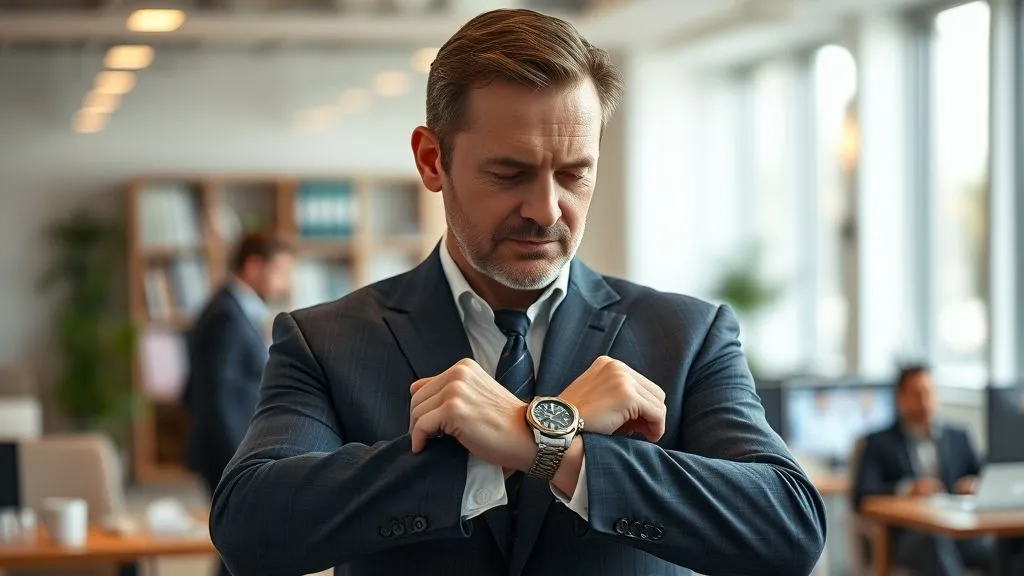
How to look authoritative in a business casual office?
For over 15 years in the dynamic world of menswear, I've witnessed a recurring challenge: many talented professionals inadvertently undermine their own authority through their business casual attire. It's a subtle but powerful misstep. They often default to what feels 'comfortable' or 'easy,' missing the crucial opportunity to visually communicate competence and leadership.
The problem with 'business casual' is its inherent ambiguity. It's a spectrum, not a fixed point. Without clear guidelines, it's easy to drift too far into 'casual' territory, losing the gravitas and executive presence essential for commanding respect. This isn't about rigid suits; it's about intentionality. The wrong choices can make you appear less serious, less detail-oriented, or even less capable than you truly are, regardless of your actual skills and experience.
This guide isn't just a list of fashion tips; it's a strategic framework. I'll share the actionable pillars I've developed and refined over years, helping countless men elevate their professional image. You’ll learn how to master fabric, fit, layering, and the often-overlooked details that collectively answer the critical question: how to look authoritative in a business casual office. Prepare to transform your presence and unlock the visual signals of leadership.
The Unspoken Language of Business Casual: Decoding Authority
In my experience, many view business casual as simply 'no tie.' This couldn't be further from the truth. True business casual, when executed with authority, is a sophisticated and intentional dress code that signals respect for your environment and your role. It’s a nuanced interplay of comfort and professionalism, designed to project confidence without the formality of a full suit.
Authority in the workplace isn't solely about your words or actions; it's profoundly influenced by perception. Your attire is the very first signal you send. It communicates your attention to detail, your self-respect, and your understanding of professional decorum. When you dress with purpose, you project an image of someone who is in control, capable, and ready to lead.
Distinguishing authoritative business casual from mere 'smart casual' or 'casual Friday' is key. Smart casual might permit stylish sneakers and more relaxed denim; authoritative business casual demands polished footwear, structured garments, and a cohesive, elevated aesthetic. It’s about dressing for the job you want, not just the one you have, and subtly influencing how others perceive your leadership potential.
"Your personal brand is a promise of value. How you present yourself visually is a critical component of that promise. Intentional dressing in a business casual environment isn't superficial; it's strategic."
According to research highlighted in the Harvard Business Review, executive presence is a combination of gravitas, communication, and appearance. Mastering your business casual look directly impacts the 'appearance' component, which in turn amplifies your perceived gravitas and the impact of your communication. It’s a holistic approach to leadership.
The Imperative of Impeccable Fit: Your First Impression
If there's one foundational rule I preach in menswear, it's this: fit is king. You could wear the most expensive designer clothes, but if they don't fit well, they will diminish your authority, not enhance it. Baggy garments look sloppy and uncaring, while overly tight clothes appear uncomfortable and unprofessional. A perfect fit, however, communicates precision, attention to detail, and a polished personal brand.
I've seen countless men transform their entire professional aura simply by investing in proper tailoring. It's not about being a specific size; it's about how the garment sits on *your* body. The key areas to focus on are the shoulders, sleeves, torso, and trousers.
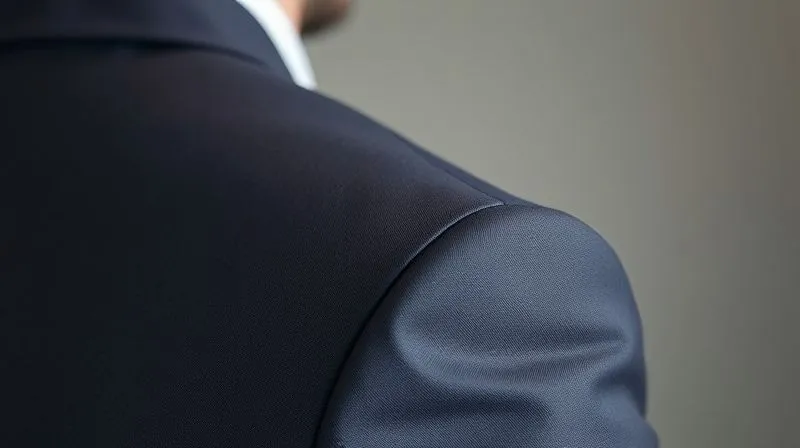
- Shoulder Seams: For blazers, jackets, and even shirts, the shoulder seam should align precisely with the end of your natural shoulder bone. If it extends past, the garment is too big; if it pulls inwards, it's too small.
- Sleeve Length: When wearing a blazer or jacket, your shirt cuff should extend approximately half an inch beyond the jacket cuff. For shirts worn without a jacket, the cuff should end precisely at your wrist bone, allowing for a slight break when your arm is bent.
- Torso Fit: Your shirts and blazers should follow the natural lines of your body without being restrictive. There should be no excessive fabric bunching at the waist or chest, nor should buttons pull tightly. A good tailor can easily take in the sides of a shirt or jacket.
- Trousers: The length of your trousers is critical. For an authoritative business casual look, aim for a 'no break' or 'slight break' over your shoes. This means the hem of your trousers should just skim the top of your shoes, creating a clean, elongated line. Avoid excessive fabric pooling around your ankles.
Remember, tailoring is an investment in your professional image, not an expense. A well-fitting garment, even if it's moderately priced, will always look more authoritative than an ill-fitting, high-end piece. It shows you care about how you present yourself, a trait universally associated with leadership.
Fabric & Texture: Elevating Beyond the Ordinary
Once you've mastered fit, the next frontier in projecting authority is your choice of fabric and texture. This is where subtle luxury and discernment truly shine. Cheap or inappropriate fabrics can instantly undermine even the best-fitting garment, signaling a lack of attention to quality and detail. For an authoritative business casual look, you must move beyond the common and embrace materials that speak to quality and sophistication.
I always advise my clients to steer clear of anything overly synthetic, shiny, or excessively casual. Think about how fabrics drape, how they feel, and how they resist wrinkles. These characteristics contribute significantly to your perceived polish and professionalism. Your goal is to choose materials that convey substance and refinement.
- Wool: A cornerstone of authoritative menswear. Worsted wool for trousers and blazers offers excellent drape, wrinkle resistance, and a sophisticated finish. Hopsack or fresco weaves provide texture and breathability, perfect for blazers.
- High-Quality Cotton: For shirts, look for crisp poplin, refined twill, or a classic Oxford cloth. For chinos, opt for a substantial, finely woven cotton that holds its shape well. Avoid thin, flimsy cottons that wrinkle easily or look cheap.
- Cashmere/Merino Wool: For sweaters and cardigans, these natural fibers are unparalleled. They offer warmth, luxurious softness, and a fine gauge that layers beautifully without bulk. They instantly elevate an outfit, signaling an appreciation for quality.
- Linen Blends: While pure linen can wrinkle excessively, a linen blend (especially with cotton or wool) can offer breathability and a relaxed elegance suitable for warmer climates, provided the garment is structured and well-maintained.
The interplay of textures also adds depth and interest to your outfit. Imagine a fine-gauge merino wool sweater under a textured hopsack blazer, paired with smooth worsted wool trousers. This creates visual richness that is both subtle and powerful. It demonstrates a sophisticated understanding of style that goes beyond basic color matching.
Understanding fabric composition and its impact on your image is crucial. For further insights into sustainable and high-quality fabric choices, I often refer to resources like Common Objective's material guides, which delve into the characteristics and impact of various textiles.
| Fabric Type | Authority Score | Key Benefits |
|---|---|---|
| Worsted Wool (Blazers, Trousers) | High | Excellent drape, wrinkle-resistant, sophisticated finish, versatile |
| High-Quality Cotton (Shirts, Chinos) | Medium-High | Crisp, breathable, holds shape well, professional base layer |
| Cashmere/Merino Wool (Sweaters, Cardigans) | High (for knitwear) | Luxurious, soft, warm, fine gauge, signals quality |
| Hopsack/Fresco Wool (Blazers) | High | Textured, breathable, adds visual interest, smart casual elegance |
| Linen Blend (Structured Jackets/Trousers) | Medium (seasonal) | Breathable, relaxed elegance, requires careful styling, prone to creasing |
| Polyester/Synthetics (Low Quality) | Low | Looks cheap, poor drape, less breathable, often shiny, lacks natural feel |
Strategic Layering: The Power of the Third Piece
In my years of advising professionals, I've found that the 'third piece' is arguably the most impactful element in transforming a basic shirt-and-trousers combination into an authoritative business casual ensemble. This third piece—typically a blazer, a cardigan, or a vest—instantly elevates your look, adding structure, depth, and a clear signal of intentional dressing.
Think of it as the visual equivalent of putting a frame around a painting. It completes the picture, lending polish and gravitas. Without it, even a well-fitted shirt and quality trousers can feel incomplete or overly casual. The third piece acts as a subtle armor, enhancing your silhouette and projecting a more commanding presence.
Blazers: The Ultimate Authority Amplifier
A well-chosen blazer is your secret weapon. For business casual, you have more flexibility than with a suit jacket. Unstructured blazers, often in wool, cotton, or linen blends, offer comfort without sacrificing polish. Colors beyond the traditional navy and charcoal can be incredibly effective: think muted plaids, subtle checks, olive green, or even a rich burgundy. Ensure the fit is impeccable, as discussed earlier.
Cardigans and Vests: Refined Alternatives
For a slightly softer, yet still authoritative, approach, a fine-gauge merino wool or cashmere cardigan can be an excellent choice. Worn over a collared shirt (button-down or spread collar), it provides warmth and a sophisticated layer. Vests, especially wool or tweed options, also add a distinguished touch, creating a more formal silhouette without the full commitment of a jacket.
"Layering isn't just about warmth; it's about adding dimension, structure, and visual complexity to your outfit. The third piece acts as a sartorial exclamation point, reinforcing your professional image."
Case Study: How Alex Transformed His Presence
Alex, a mid-level manager at a marketing agency, felt overlooked despite his strong performance. His wardrobe consisted mainly of dress shirts and chinos, lacking gravitas. After a consultation, he began incorporating well-fitted, unstructured blazers in navy, charcoal, and even a subtle plaid, along with fine-gauge merino wool cardigans. The immediate feedback was noticeable: colleagues and clients perceived him as more senior and attentive. His team started seeking his advice more frequently, and within six months, he was promoted to a director role, directly attributing part of his success to his refined visual authority. This resulted in a significant boost in his career trajectory and a renewed sense of confidence in his professional image.

Footwear & Accessories: The Details That Define
It's often said that you can judge a man by his shoes, and in a business casual setting, this couldn't be more true. Footwear and accessories are not mere afterthoughts; they are critical indicators of your attention to detail, your personal standards, and ultimately, your perceived authority. These are the elements that can elevate a good outfit to a great, authoritative one.
Footwear: Your Foundation of Authority
For an authoritative business casual look, your shoes must be polished, well-maintained, and appropriate. Avoid athletic sneakers, overly casual canvas shoes, or anything scuffed and worn. Instead, opt for classic leather styles:
- Oxfords or Derbies: While traditionally formal, plain-toe or cap-toe leather Oxfords or Derbies in brown, black, or even a deep burgundy can anchor an authoritative business casual outfit beautifully.
- Loafers: Penny loafers or tassel loafers in polished leather or suede offer a sophisticated yet comfortable option.
- Chukka Boots: A well-maintained pair of leather or suede chukka boots can provide a rugged elegance that works exceptionally well with tailored chinos or wool trousers.
- Monk Straps: Single or double monk strap shoes exude a confident, stylish authority.
The cardinal rule: your shoes must always be clean and in excellent condition. A worn-out heel or scuffed toe can negate all the effort you put into the rest of your outfit.
Belts: The Connecting Piece
Your belt should always match your shoes in color and ideally in material (leather to leather, suede to suede). Choose a simple, elegant buckle—nothing overly large or flashy. A well-chosen belt creates a seamless line and shows consistency in your styling.
Watches: A Timeless Statement
A classic, understated wristwatch is a powerful accessory. It conveys reliability, precision, and an appreciation for quality. Avoid overly sporty, bulky, or excessively flashy watches. A simple leather strap or a refined metal bracelet on a clean-faced watch is ideal for projecting authority. It's a subtle nod to tradition and professionalism.
Eyewear: Framing Your Intellect
If you wear glasses, your frames are a significant part of your facial presentation. Choose frames that complement your face shape and project a professional, intelligent persona. Modern, clean lines in classic colors (tortoiseshell, black, dark metal) are generally excellent choices. Avoid overly trendy or brightly colored frames.
Briefcase/Bag: Your Professional Carry
Ditch the backpack for important meetings or daily office use. A structured leather briefcase, messenger bag, or a sleek leather folio instantly upgrades your professional image. It signals that you are organized, prepared, and serious about your work.
As Forbes often highlights, accessories are not just embellishments; they are strategic elements that can significantly impact your perceived professionalism and attention to detail.
| Accessory | Impact on Authority | Key Considerations |
|---|---|---|
| Footwear (Polished Leather Oxfords/Derbies/Loafers) | High | Impeccably clean, well-maintained, classic styles, appropriate color |
| Belt (Matching Shoes) | Medium | Matches shoe color/material, simple buckle, correct size |
| Watch (Classic, Understated) | High | Clean lines, appropriate size, functional elegance, no flashy elements |
| Briefcase/Messenger Bag (Structured Leather) | High | Well-maintained, professional aesthetic, avoids overly casual styles |
| Eyewear (Sophisticated Frames) | Medium | Complements face shape, modern but not trendy, clean and professional |
| Pocket Square (Subtle) | Medium (if worn with blazer) | Adds polish, subtle pattern/color, not overly flamboyant |
Grooming & Personal Presence: Your Non-Verbal Power Play
Even the most perfectly tailored outfit and exquisite accessories can be undermined by poor grooming or a lack of self-assured presence. In my experience, these non-verbal cues are just as, if not more, powerful than your clothing choices when it comes to projecting authority. They speak volumes about your self-discipline, your attention to detail, and your overall respect for yourself and others.
Think of your grooming as the final layer of polish. It's about presenting a refined and well-maintained version of yourself, signaling that you are meticulous in all aspects of your life, including your professional responsibilities. This is a crucial aspect of how to look authoritative in a business casual office, extending beyond mere garments.
Hair: Neatness and Style
Your haircut should be clean, well-styled, and appropriate for a professional environment. Avoid overly trendy, messy, or unkempt styles. Whether short, medium, or long, ensure it's always neat and tidy. Regular trims are essential to maintain shape and polish.
Facial Hair: Precision is Key
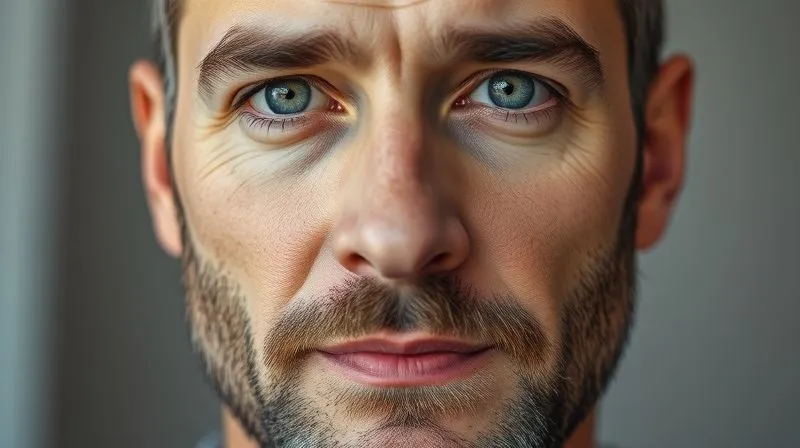
If you have facial hair, it must be meticulously trimmed and sculpted. A scruffy beard or unkempt stubble can instantly detract from your authority. If you prefer to be clean-shaven, ensure your shave is close and free of nicks or irritation. Precision in facial hair reflects precision in thought and action.
Hands and Nails: The Overlooked Detail
Your hands are constantly visible, especially when gesturing or shaking hands. Ensure your nails are clean, neatly trimmed, and free of hangnails. This small detail speaks volumes about your overall hygiene and attention to personal care.
Fragrance: Subtle Sophistication
If you choose to wear cologne, it should be subtle and sophisticated, never overpowering. A light application of a classic, understated scent can add to your polished persona. The goal is for it to be discovered, not announced.
Posture and Body Language: The Unspoken Confidence
This is perhaps the most critical non-verbal cue. Stand tall with your shoulders back and your head held high. A confident posture exudes self-assurance and competence. Maintain appropriate eye contact during conversations, and use open, confident gestures. Avoid slouching, fidgeting, or crossing your arms defensively. Your body language should communicate approachability combined with an unwavering sense of authority.
- Regular Haircuts: Maintain a clean, professional style.
- Manicured Facial Hair: Keep beards and mustaches trimmed; clean-shaven if preferred.
- Clean Nails: Neatly trimmed and well-kept hands.
- Subtle Fragrance: A light, professional scent.
- Confident Posture: Stand tall, make eye contact, use open body language.
- Good Hygiene: Fresh breath, clean teeth, overall neatness.
Cultivating a Signature Style: Authenticity as Your Ultimate Authority
While adhering to guidelines on fit, fabric, and accessories is crucial, true authority in business casual extends beyond mere compliance. In my experience, the most authoritative individuals possess a distinct and authentic signature style. This isn't about being flashy or trendy; it's about developing a consistent, refined aesthetic that genuinely reflects who you are as a professional and a leader. It's the final piece of the puzzle on how to look authoritative in a business casual office.
Your signature style becomes a visual extension of your personal brand. When your outward presentation is consistent and authentic, it builds trust and recognition. People come to associate that polished, authoritative look with your competence and reliability. This consistency is a powerful, yet often overlooked, component of executive presence.
To cultivate your signature style, I encourage a process of self-reflection and experimentation. What colors do you feel most confident in? What textures resonate with your personality? Do you prefer a slightly more traditional aesthetic, or a modern, minimalist approach? Within the boundaries of professionalism, there's ample room for personal expression.
"Authenticity is the bedrock of lasting authority. When your style is a genuine reflection of your best professional self, it resonates deeply and establishes an undeniable presence."
Consider creating a 'personal uniform'—a set of go-to combinations that you know work well and make you feel powerful. This streamlines your morning routine and ensures you always look your best. Perhaps it's a perfectly fitted navy blazer, a crisp white or light blue shirt, tailored grey trousers, and polished brown loafers. Or maybe it's a charcoal merino wool cardigan over a patterned button-down, paired with dark chinos.
Remember that developing a signature style is an ongoing journey. It evolves as you grow in your career and as your personal tastes refine. The key is to be intentional, consistent, and always strive for that elevated, authoritative look that truly represents your leadership potential. For more on how personal branding intersects with style, I often recommend exploring resources like articles from the Harvard Business Review on personal branding, which underscore the importance of aligning your image with your professional aspirations.
Frequently Asked Questions (FAQ)
Can I wear jeans in a business casual office and still look authoritative? Generally, no, if your primary goal is to look authoritative. While some progressive offices might allow dark, well-fitting, unripped denim on certain days, it's safer to reserve jeans for smart casual or true casual settings. For an authoritative look, tailored chinos, wool trousers, or even well-cut cords are superior choices. Jeans inherently carry a more relaxed connotation that can undermine perceived authority.
What's the biggest mistake men make with business casual? In my experience, the biggest mistake is a lack of intentionality, leading to outfits that are either too casual or ill-fitting. Many men simply throw on a collared shirt and some khakis without considering fit, fabric quality, or the 'third piece' rule. This results in a bland, uninspired look that fails to project any real authority. The casual interpretation of business casual is its downfall.
How much should I invest in a business casual wardrobe? Investment should be in quality over quantity, and it varies. Focus on foundational pieces: 2-3 well-fitted blazers, 5-7 quality shirts, 3-4 pairs of tailored trousers/chinos, and 2-3 pairs of polished leather shoes. You don't need to spend a fortune, but prioritize tailoring and durable natural fabrics. A good tailor is your best investment. Start with core pieces and build slowly.
Are sneakers ever acceptable for an authoritative business casual look? While stylish, minimalist leather sneakers have gained traction in some creative industries, they generally detract from an authoritative business casual look. Authority is often associated with tradition and formality. Stick to polished leather dress shoes (Oxfords, Derbies, loafers, chukka boots) to maintain a consistently authoritative presence. If your office culture is extremely relaxed, a very clean, minimalist leather sneaker might pass, but it's a risk.
How do I balance comfort with authority in business casual? The key is choosing the right fabrics and fit. Natural fibers like merino wool, high-quality cotton, and linen blends are breathable and comfortable while looking luxurious. An unstructured blazer offers more comfort than a traditional suit jacket. Ensure everything is tailored to your body so it moves with you, rather than restricting you. Comfort doesn't have to mean sloppy; it can be elegant.
Key Takeaways and Final Thoughts
Mastering the art of how to look authoritative in a business casual office is a strategic endeavor, not a superficial one. It’s about leveraging your personal presentation to amplify your professional impact and command the respect you deserve. From my years in menswear, I've seen firsthand the transformative power of intentional dressing. It's a silent language that speaks volumes about your competence, confidence, and leadership potential.
- Fit is Non-Negotiable: Invest in tailoring. Clothes that fit perfectly instantly elevate your presence.
- Prioritize Quality Fabrics: Choose natural fibers like wool, high-quality cotton, and cashmere for their drape, texture, and sophisticated feel.
- Embrace the Third Piece: A well-fitted blazer, cardigan, or vest adds structure, depth, and immediate authority.
- Details Define You: Polished footwear, a classic watch, and a structured bag are not minor details; they are critical indicators of your meticulousness.
- Grooming and Posture are Paramount: Your hair, facial hair, hands, and body language are powerful non-verbal cues that reinforce your authority.
- Cultivate Authenticity: Develop a consistent signature style that genuinely reflects your professional brand.
Start small, focus on one area at a time, and observe the subtle shifts in how you are perceived. This isn't about conforming to a rigid uniform, but about empowering yourself through thoughtful choices. When you look authoritative, you feel authoritative, and that confidence will permeate every aspect of your professional life. Go forth, dress with purpose, and command the presence you’ve earned.
Recommended Reading
- 7 Steps to Ethically Source Sustainable Fabrics Without Greenwashing
- 5 Steps: Choose a Luxury Watch That Elevates Your Executive Presence
- Menswear Style Tips for Short Men: Look Taller Instantly!
- 7 Steps: Quickly Authenticate Vintage Hermès Birkin Hardware
- The Ultimate Guide: How to Ensure Perfect Custom Bridal Gown Fit for Your Big Day



Your email address will not be published. Required fields are marked *