


How to Ethically Source Sustainable Fabrics Without Risking Greenwashing?
For over two decades in the sustainable fashion trenches, I've witnessed the industry's struggle – a genuine desire for positive impact often entangled with the murky waters of greenwashing. It's a path fraught with good intentions, but also potential pitfalls that can erode consumer trust faster than a fast-fashion trend fades. My journey has taken me from remote textile mills to global fashion weeks, always with a critical eye on the true origins and impact of our materials.
The challenge isn't just finding 'eco-friendly' fabrics; it's navigating the labyrinth of certifications, supply chain complexities, and marketing hype to ensure your claims are genuinely impactful and verifiable. Many brands, both emerging and established, grapple with the fear of being accused of greenwashing, leading to paralysis or, worse, unintended misrepresentation. This apprehension is valid, as consumers are increasingly savvy and quick to call out performative sustainability.
In this definitive guide, I'll share the frameworks, practical steps, and expert insights I've developed over years, helping you build a robust, transparent, and truly ethical sourcing strategy. We'll uncover how to identify genuine sustainability, verify claims, and communicate your efforts with integrity, ensuring your brand stands as a beacon of responsible fashion. My goal is to equip you with the knowledge and confidence to make choices that truly matter, fostering a legacy of integrity and positive change.
Deconstructing Greenwashing: Understanding the Pitfalls
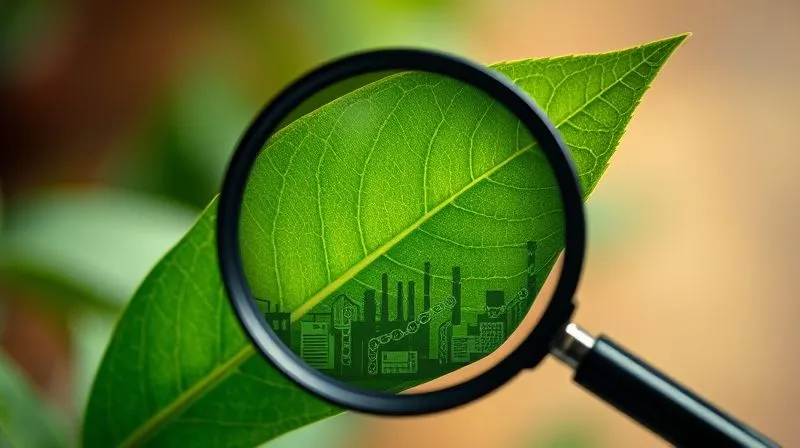
Before we can build a truly ethical sourcing strategy, we must first understand the enemy of integrity: greenwashing. This insidious practice involves making unsubstantiated or misleading claims about the environmental or social benefits of a product, service, or company. It's not always malicious; sometimes it stems from a lack of understanding or an overzealous marketing department. However, the impact on consumer trust and the broader sustainable movement is undeniably damaging.
The Seven Sins of Greenwashing
In my experience, greenwashing often manifests in predictable patterns. Environmental marketing firm TerraChoice identified "The Seven Sins of Greenwashing," which serve as an excellent framework for vigilance:
- The Sin of Hidden Trade-Off: A product is declared "green" based on a narrow set of attributes without attention to other important environmental issues. For instance, organic cotton grown with vast amounts of water in a drought-stricken region.
- The Sin of No Proof: Environmental claims that cannot be substantiated by easily accessible supporting information or by a reliable third-party certification. You see "all-natural" but no details.
- The Sin of Vagueness: A claim that is so broad or poorly defined that its true meaning is likely to be misunderstood by the consumer. "Eco-friendly" is a prime example without further explanation.
- The Sin of Irrelevance: An environmental claim that may be true but is unimportant or unhelpful for consumers seeking genuinely green products. Like "CFC-free" when CFCs are banned by law.
- The Sin of Lesser of Two Evils: A claim that may be true within the product category, but distracts the consumer from the greater environmental impacts of the category as a whole. "Organic cigarettes" still harm health.
- The Sin of Fibbing: Environmental claims that are simply false. Thankfully, this is less common but still occurs.
- The Sin of Worshiping False Labels: A product that, through words or images, gives the impression of third-party endorsement where no such endorsement exists.
Understanding these "sins" is your first line of defense. When evaluating a potential fabric supplier, apply this critical lens. Ask yourself: Is this claim specific? Is it verifiable? Does it tell the whole story, or just a convenient part of it?
"True sustainability isn't about perfection; it's about transparency, continuous improvement, and a relentless commitment to honesty. Anything less risks the consumer trust that takes years to build and moments to shatter."
Navigating the complex world of ethical sourcing requires vigilance. It’s not enough to take a supplier’s word at face value; you must become an expert in asking the right questions and demanding the right evidence. This due diligence is precisely what differentiates a truly sustainable brand from one merely performing green. This proactive approach ensures you can confidently talk about your materials.
Laying the Foundation: Defining Your Ethical & Sustainable Principles
Before you even begin to look at fabric swatches or engage with suppliers, your brand needs a clear, unwavering definition of what "ethical" and "sustainable" means to *you*. This isn't just a marketing exercise; it's the bedrock of your entire sourcing strategy. Without this internal compass, you'll be adrift in a sea of certifications and claims, unable to make truly aligned decisions.
In my work consulting with numerous brands, I always start here. It's about introspection and setting non-negotiable standards. What environmental impacts are you most concerned about? What social issues are paramount? How do these align with your brand's core identity and mission?
- Identify Core Values: Begin by brainstorming the non-negotiable principles that will guide your sourcing. Do you prioritize circularity, aiming for zero waste? Is fair labor and living wages for garment workers your top concern? Perhaps it's water conservation, biodiversity protection, or a commitment to regenerative agriculture. Be specific.
- Establish Clear Key Performance Indicators (KPIs): Once values are defined, translate them into measurable KPIs. For example, if water conservation is a value, a KPI might be "reduce water usage in fabric production by 50% by 20XX" or "source 80% of fabrics from suppliers with closed-loop water systems." These metrics provide tangible goals and allow for progress tracking.
- Educate Your Team: Your sourcing principles must permeate every level of your organization. From design to marketing, everyone needs to understand *why* certain choices are made. Regular training and open communication foster a shared commitment and empower your team to be ambassadors of your brand's values.
Beyond Certifications: A Holistic Approach
While certifications are invaluable tools (and we'll delve into them shortly), they are not a substitute for a holistic, internally driven ethical framework. A certification might cover specific environmental aspects, but it might not encompass your unique vision for social equity or circular design. Your internal principles act as the overarching philosophy, guiding your interpretation and selection of certifications.
As the UN Global Compact emphasizes, businesses have a fundamental responsibility to respect human rights and environmental standards. Your internal framework should reflect this broader commitment, pushing beyond mere compliance to genuine impact. This proactive approach not only mitigates greenwashing risks but also builds a resilient and respected brand.
Transparency & Traceability: The Cornerstone of Ethical Sourcing
In the world of sustainable fashion, transparency isn't just a buzzword; it's the bedrock upon which all credible claims are built. Without knowing where your materials come from, who made them, and under what conditions, any sustainability claim you make is, at best, an educated guess, and at worst, a form of greenwashing. My years in the field have taught me that true impact comes from true visibility.
Mapping Your Supply Chain
The first, and often most challenging, step towards transparency is mapping your entire supply chain. This means going beyond your immediate Tier 1 suppliers (the factories that cut and sew your garments) to Tier 2 (fabric mills), Tier 3 (yarn spinners), and even Tier 4 (raw material producers like cotton farms or forestry operations). This multi-tiered approach provides the granular detail needed for genuine ethical sourcing.
- Identify All Tiers of Suppliers: Start with your current Tier 1 suppliers. Ask them for their suppliers' details. This can be a slow, iterative process, but persistence is key. Many suppliers are initially hesitant due to proprietary concerns, but explaining your commitment to transparency and ethical practices can build trust.
- Gather Documentation: Request comprehensive documentation at each stage. This includes invoices, shipping records, certifications, audit reports, and any environmental impact assessments. The more data you collect, the clearer the picture of your supply chain becomes.
- Conduct Site Visits (If Possible): Where feasible, nothing beats an in-person visit. Seeing facilities firsthand, speaking with workers, and observing operations provides invaluable insights that documents alone cannot. This demonstrates serious commitment and builds stronger relationships.
"Radical transparency is no longer a niche ideal; it's a strategic imperative. Brands that embrace it not only avoid greenwashing but also foster deeper consumer trust and unlock opportunities for systemic improvement."
This process of mapping is not a one-time task; it's an ongoing commitment. Supply chains are dynamic, with changes in suppliers, processes, and even raw material sources. Regular reviews and updates are essential to maintain accurate and verifiable information. This level of detail empowers you to confidently communicate your product's journey to your customers.
| Supply Chain Tier | Key Data Points to Collect |
|---|---|
| Tier 1: Cut & Sew | Factory name, location, audit reports (social & environmental), worker numbers, certifications (e.g., Fair Trade Finished Product) |
| Tier 2: Fabric Mill | Mill name, location, water/energy usage data, wastewater treatment, chemical management policies, fabric certifications (e.g., GOTS, Oeko-Tex) |
| Tier 3: Yarn Spinner | Spinner name, location, raw material source, energy consumption, fiber certifications (e.g., GOTS for yarn) |
| Tier 4: Raw Material (e.g., Farm) | Farm name, location, organic certification, regenerative practices, water source, social impact on local communities |
Verifying Fabric Claims: Certifications and Beyond
Once you have a clearer picture of your supply chain, the next critical step in ethical sourcing is rigorously verifying the sustainability claims made by your potential fabric suppliers. This is where certifications become powerful allies, but it's crucial to understand their scope and limitations to avoid falling into the "certification trap" – believing a label alone guarantees full sustainability.
Key Certifications to Look For
While no single certification covers every aspect of sustainability, several reputable standards provide robust third-party verification for specific environmental and social criteria. Prioritize those that align with your brand's core values:
- Global Organic Textile Standard (GOTS): This is the gold standard for organic fibers, covering the entire textile supply chain from harvesting of raw materials, environmentally and socially responsible manufacturing, to labeling. It ensures textiles are truly organic and produced ethically. You can learn more directly from the GOTS website.
- Oeko-Tex Standard 100: Focuses on human ecological safety, certifying that textiles and fabrics are free from harmful substances. It doesn't certify organic production or social aspects, but it's crucial for consumer health and safety.
- Global Recycled Standard (GRS): Verifies recycled content in products (both pre-consumer and post-consumer) and addresses social, environmental, and chemical practices in production. Essential for brands utilizing recycled polyester or cotton.
- Fair Trade Certified: Primarily focuses on social justice, ensuring fair wages, safe working conditions, and community development for farmers and factory workers. Often applied to cotton, but also to finished products.
- Bluesign: A holistic system that works to eliminate harmful substances from the very beginning of the manufacturing process, setting standards for environmentally friendly production at every stage.
Remember, a certification is a snapshot of compliance with a specific standard. It doesn't necessarily mean the entire company is perfectly sustainable, nor does it always cover every possible environmental or social impact. Always look for multiple, complementary certifications if possible.
Due Diligence: What to Ask Your Suppliers
Beyond checking for certifications, proactive due diligence involves asking targeted, probing questions. Your suppliers are your partners in sustainability, and their willingness to provide detailed answers and evidence is a strong indicator of their own commitment.
- Proof of Origin: Can they trace the raw material back to its source? For organic cotton, this means identifying the farm. For recycled materials, this means understanding the waste stream source.
- Environmental Policies & Practices: Ask about their water management (e.g., closed-loop systems, wastewater treatment), energy sources (renewables?), chemical management (MSDS sheets, restricted substance lists), and waste reduction programs.
- Social Compliance Audits: Request recent social audit reports (e.g., from BSCI, SEDEX, WRAP). Review findings and corrective action plans. Inquire about worker wages, working hours, freedom of association, and grievance mechanisms.
- Waste Management: How do they handle textile waste, both pre-consumer and post-consumer? Do they have initiatives for recycling or upcycling their own waste?
This level of inquiry helps you go beyond surface-level claims and delve into the actual practices. It’s about building a relationship based on mutual accountability and a shared vision for a more responsible industry.
Innovating with Sustainable Materials: A Deep Dive into Eco-Fibers
The landscape of sustainable fabrics is constantly evolving, with incredible innovations emerging to address the fashion industry's environmental footprint. As an expert, I've seen firsthand how material science is revolutionizing what's possible. To ethically source sustainable fabrics without risking greenwashing, you must understand the diverse categories of eco-fibers and their unique attributes.
Natural & Regenerative Fibers
These fibers are derived from natural sources, often with a focus on cultivation practices that minimize environmental harm or even actively regenerate ecosystems.
- Organic Cotton: Grown without synthetic pesticides, herbicides, or GMOs. GOTS certification is crucial here, ensuring ethical processing throughout the supply chain. It addresses soil health and farmer welfare.
- Hemp: A remarkably versatile and resilient crop that requires minimal water and no pesticides. It improves soil health and yields strong, durable fibers. Its growth cycle is rapid, making it a highly regenerative option.
- Linen (Flax): Similar to hemp, flax requires little water and few chemicals. It's naturally biodegradable and durable. European linen often boasts a low environmental impact.
- Tencel™ Lyocell/Modal: Made from sustainably sourced wood pulp (eucalyptus, beech, spruce) in a closed-loop system where solvents are recycled. Known for its softness, drape, and excellent moisture-wicking properties.
- Regenerative Wool: Sourced from farms practicing regenerative agriculture, focusing on improving soil health, biodiversity, and carbon sequestration. This goes beyond organic to actively heal the land.
Recycled & Upcycled Materials
These materials divert waste from landfills and reduce the demand for virgin resources, playing a critical role in circular fashion.
- Recycled Polyester (rPET): Made from post-consumer plastic bottles or pre-consumer waste. While it reduces plastic waste and energy consumption compared to virgin polyester, concerns about microplastic shedding and end-of-life recyclability remain. Look for GRS certification.
- Recycled Cotton: Made from pre-consumer (factory scraps) or post-consumer (used garments) cotton waste. Reduces water, energy, and pesticide use associated with virgin cotton. Often blended with other fibers to maintain strength.
- Upcycled Materials: Utilizing existing materials or garments in a new way, without breaking them down to their fiber level. This could be cutting old denim into new designs or using industrial waste fabrics.
Emerging Innovations
The future of sustainable textiles is bright, with groundbreaking materials pushing the boundaries of what's possible.
- Mycelium Leather: Grown from fungi, offering a biodegradable, animal-free alternative to traditional leather with a significantly lower environmental footprint.
- Piñatex: An innovative leather alternative made from pineapple leaf fibers, a byproduct of existing agriculture. It provides income for farming communities and repurposes waste.
- Bio-based Synthetics: Materials like bio-nylon or bio-spandex, derived from plant-based sources rather than fossil fuels, aiming to reduce reliance on petroleum.
"The most sustainable fabric is often the one already in existence, but true innovation lies in creating materials that actively heal our planet, not just minimize harm. Embrace the cutting edge, but always with critical scrutiny."
When selecting these materials, always consider their entire lifecycle. What are the inputs? What are the outputs? How will the garment be disposed of at the end of its life? This holistic perspective is crucial for genuinely ethical sourcing. Always ask suppliers for their lifecycle assessment (LCA) data to compare different material options effectively.

Building Long-Term Supplier Relationships: A Partnership Approach
Ethical sourcing is fundamentally about relationships. It’s not a transactional process where you simply order fabrics; it’s about forging genuine partnerships with suppliers who share your values and commitment to sustainability. My experience has shown that the most resilient and truly sustainable supply chains are built on trust, mutual respect, and long-term collaboration.
Case Study: Eco-Chic Collective's Journey to True Sustainability
Eco-Chic Collective, a mid-sized fashion brand specializing in minimalist designs, faced a significant challenge. Their marketing department was eager to highlight their "eco-friendly" status, but their internal sourcing team admitted they lacked deep transparency beyond their Tier 1 garment manufacturers. They feared being accused of greenwashing due to vague claims about their fabric origins.
By implementing a partnership-focused approach, they transformed their supply chain. Instead of simply demanding certifications, they engaged their primary fabric mill, 'GreenWeave Textiles,' in a series of collaborative workshops. Eco-Chic shared their long-term vision for circularity and fair labor, and GreenWeave, in turn, opened up about their challenges and opportunities.
Together, they developed a joint action plan: GreenWeave committed to GOTS certification for their organic cotton line (which required investment and process changes), and Eco-Chic agreed to provide a guaranteed minimum order quantity for three years, giving GreenWeave the security to invest. Eco-Chic also co-funded a social impact audit at GreenWeave’s spinning mill (Tier 3), uncovering areas for improvement in worker training and benefits. This resulted in GreenWeave achieving full GOTS certification and a 15% improvement in worker satisfaction scores within 18 months. Eco-Chic, in turn, gained verifiable claims, strengthened their brand integrity, and saw a 20% increase in customer loyalty directly attributed to their transparent storytelling. This illustrates that true partnership yields tangible, ethical results.
This case study highlights that genuine collaboration can transform a compliance-driven relationship into a shared mission. Here's how to foster such partnerships:
- Communicate Your Values Clearly: From the very first interaction, make your ethical and sustainable principles explicit. Share your supplier code of conduct and explain *why* these values are important to your brand. This helps attract like-minded partners.
- Invest in Joint Audits and Training: Don't just demand audit reports; sometimes, investing in joint audits or offering to support training for your suppliers on new sustainability practices can be incredibly impactful. This shows you're committed to their growth, not just their compliance.
- Offer Fair Pricing and Long-Term Contracts: Sustainable production often incurs higher costs. Be prepared to pay a fair price that reflects these investments. Long-term contracts provide suppliers with stability, enabling them to invest in sustainable infrastructure and practices without fear of losing your business.
- Provide Feedback and Support: Regular, constructive feedback is vital. Celebrate successes, but also openly discuss areas for improvement. Offer support and resources to help them address challenges, whether it's connecting them with experts or sharing best practices.
As a Harvard Business Review article on sustainable supply chains points out, building resilience often means building deeper, more collaborative relationships rather than relying on transactional ones. This approach not only secures your ethical sourcing but also creates a more robust and responsive supply chain.
Measuring Impact & Communicating with Integrity
Sourcing ethically is only half the battle; the other half is accurately measuring the impact of your efforts and communicating them to your audience with unwavering integrity. This is where many brands stumble, either failing to track meaningful data or overstating their achievements, leading directly to greenwashing accusations. As an expert, I advocate for a "show, don't just tell" approach.
Key Performance Indicators (KPIs) for Sustainability
To genuinely assess your impact, you need concrete data. Establish clear KPIs that directly relate to your ethical and sustainable sourcing goals. These should be measurable, verifiable, and regularly tracked:
- Water Usage: Track the amount of water consumed per kg of fabric produced or per garment. Look for reductions over time, or the percentage of water recycled in production.
- Energy Consumption & Source: Monitor energy usage in mills and factories. What percentage comes from renewable sources (solar, wind)? Aim for reductions in overall energy intensity.
- Waste Diversion Rate: Calculate the percentage of textile waste (both pre- and post-consumer) that is diverted from landfills through recycling, upcycling, or composting.
- Carbon Footprint: Measure Scope 1, 2, and 3 emissions related to your supply chain (from raw material extraction to manufacturing). This is complex but crucial for understanding climate impact.
- Worker Wages & Benefits: Beyond minimum wage, track the percentage of workers earning a living wage in your supply chain. Monitor health and safety incidents and access to benefits.
These KPIs provide the quantitative evidence needed to back up your claims. They allow you to benchmark your progress, identify areas for improvement, and demonstrate tangible results to your stakeholders and customers.
Transparent Communication: Avoiding the Greenwashing Trap
Once you have the data, the way you communicate it is paramount. Honesty and transparency are your best defenses against greenwashing. Think of yourself as an educator, not just a marketer.
- Be Specific and Accurate: Instead of "eco-friendly," say "Our organic cotton is GOTS certified, reducing water use by 70% compared to conventional cotton." Provide exact numbers, not vague statements.
- Provide Evidence: Always be prepared to back up your claims with data, certifications, and audit reports. Link to these on your website or in your impact reports. Don't just say it; prove it.
- Acknowledge Limitations: No brand is 100% sustainable. Be honest about your challenges and the areas where you are still working to improve. This builds trust and shows authenticity. For example, "While our recycled polyester reduces plastic waste, we are actively researching solutions for microplastic shedding."
- Educate Your Audience: Use your platform to inform consumers about what sustainable fashion truly means. Explain complex concepts like circularity or regenerative agriculture in an accessible way. Empower them to make informed choices.
"Authenticity in sustainability communication isn't about having all the answers, but about being honest about the journey, transparent about the challenges, and committed to continuous progress. Your customers crave that genuine narrative."
By measuring rigorously and communicating transparently, you transform your sustainability efforts from mere claims into a verifiable, compelling narrative. This builds an unshakeable foundation of trust with your audience, positioning your brand as a leader in responsible fashion.
The Future of Ethical Sourcing: Circularity and Regeneration
As an industry specialist, I've seen the conversation around sustainable fashion evolve dramatically. While minimizing harm remains crucial, the leading edge of ethical sourcing is now firmly focused on moving beyond "less bad" to genuinely "doing good." This means embracing principles of circularity and regenerative practices that aim to restore and replenish our planet's resources.
Embracing Circular Design Principles
The linear "take-make-dispose" model of fashion is inherently unsustainable. Circularity offers a radical alternative, designing products to be kept in use for as long as possible, then effectively recycled or composted, eliminating waste and pollution.
For ethical sourcing, this means:
- Design for Longevity: Source durable, high-quality fabrics that can withstand years of wear and washing. This reduces the need for frequent replacements.
- Design for Repairability: Choose fabrics and constructions that allow for easy repair, extending the garment's life.
- Design for Recyclability: Prioritize mono-material fabrics (e.g., 100% cotton, 100% polyester) or easily separable blends to facilitate end-of-life recycling. Avoid complex blends that are difficult to separate.
- Design for Biodegradability: For natural fibers, ensure they are free from harmful chemicals and can safely return to the earth as compost at the end of their life.
As the Ellen MacArthur Foundation champions, a circular economy for fashion is not just aspirational; it's achievable through collaborative effort and innovative design. Your sourcing choices are fundamental to realizing this vision.
Regenerative Agriculture in Textiles
Beyond organic, regenerative agriculture is gaining traction as a truly transformative approach to raw material production. It's a system of farming practices that increases biodiversity, enriches soils, improves watersheds, and enhances ecosystem services. For textile fibers like cotton, wool, and linen, this means:
- Soil Health: Practices like no-till farming, cover cropping, and diverse crop rotations build healthy soil, which sequesters carbon and retains water more effectively.
- Biodiversity: Encouraging a wide range of plant and animal life on farms creates resilient ecosystems and reduces the need for synthetic inputs.
- Water Resilience: Healthy soils act like sponges, absorbing and holding more water, reducing runoff and improving drought resistance.
- Animal Welfare: Often integrated with holistic grazing practices for wool and leather, ensuring animals are managed in a way that benefits both their welfare and the land.
Sourcing from regenerative farms is a powerful way to ensure your fabrics aren't just "less bad" for the environment, but actively contribute to its healing. It's an investment in the long-term health of our planet and the communities that depend on it. Ask your suppliers about their agricultural practices and look for certifications or initiatives that support regenerative farming.
Frequently Asked Questions (FAQ)
Is it possible for small brands to achieve full supply chain transparency? Absolutely. While it might seem daunting, small brands often have an advantage due to their smaller scale and direct relationships. Start by focusing on your Tier 1 and Tier 2 suppliers, building trust and requesting documentation. Utilize digital tools and platforms designed for supply chain mapping. Transparency is a journey, not a destination, so start where you are and commit to continuous improvement.
How do I choose between different sustainable fabric certifications? The choice depends on your brand's specific priorities. If organic content and comprehensive environmental/social criteria are paramount, GOTS is excellent. For chemical safety, Oeko-Tex Standard 100 is key. If you're using recycled materials, GRS is essential. For fair labor practices, Fair Trade certification is strong. Often, a combination of certifications provides the most robust assurance. Research each standard's scope to see which aligns best with your core values.
What if my suppliers are unwilling to share detailed information? This is a red flag. A lack of transparency from a supplier suggests they may have something to hide, or simply don't understand the importance of your ethical commitment. Start by clearly communicating your brand's values and your need for data, explaining the benefits of transparency for both parties. Offer support or incentives. If a supplier remains resistant after genuine efforts, it may be time to seek alternative partners who are aligned with your ethical vision.
Can recycled synthetic fabrics truly be considered sustainable? Yes, but with important caveats. Recycled synthetics like rPET significantly reduce reliance on virgin fossil fuels and divert plastic waste from landfills, which is a major environmental benefit. However, they still contribute to microplastic shedding during washing and their recyclability at end-of-life remains a challenge for many current systems. Consider them a valuable transitional material, while also investing in research for closed-loop recycling solutions and advocating for better washing machine filters.
How much more expensive is ethical sourcing compared to conventional sourcing? Ethical sourcing often comes with a higher upfront cost due to factors like fair wages, sustainable agricultural practices, and advanced environmental technologies. However, it's crucial to view this as an investment, not just an expense. The long-term benefits include enhanced brand reputation, increased consumer loyalty, reduced regulatory risks, improved product quality, and the ability to attract top talent. The true cost of "cheap" conventional sourcing is often hidden in environmental degradation and social exploitation, which eventually incurs far greater costs to society and the planet.
Key Takeaways and Final Thoughts
The journey to ethically source sustainable fabrics without risking greenwashing is complex, but it is also one of the most rewarding endeavors a fashion brand can undertake. It demands diligence, integrity, and a steadfast commitment to continuous improvement. As we've explored, success in this arena hinges on a multi-faceted approach:
- Understand Greenwashing: Equip yourself with the knowledge to identify misleading claims and avoid falling into common pitfalls.
- Define Your Principles: Establish clear, measurable ethical and sustainable values that guide every sourcing decision.
- Embrace Transparency: Map your entire supply chain, from fiber to finished garment, demanding verifiable data at every tier.
- Verify Rigorously: Utilize credible certifications as tools, but always combine them with your own thorough due diligence.
- Innovate with Materials: Explore the exciting world of eco-fibers, understanding their unique impacts and benefits.
- Build Partnerships: Foster long-term, collaborative relationships with suppliers based on mutual trust and shared goals.
- Measure & Communicate Honestly: Track your impact with clear KPIs and share your journey—including challenges—with authenticity and evidence.
- Look to the Future: Integrate circular design principles and support regenerative agricultural practices to create positive impact.
The fashion industry stands at a pivotal moment. Consumers are demanding change, and brands have an unprecedented opportunity to lead with purpose. By embracing these principles, you're not just sourcing fabrics; you're weaving a future where fashion genuinely contributes to a healthier planet and a more equitable society. I encourage you to take these steps, build your legacy of integrity, and inspire others to follow suit. Your customers, your team, and the planet, will undoubtedly thank you for your unwavering commitment to a truly sustainable path.
Recommended Reading
- The Ultimate Guide: Why Do Your Belts Keep Cracking and How to Prevent It?
- Unveiling the Past: How to Achieve Historical Accuracy in 18th-Century Fashion
- Eco-Kids Apparel: 5 Steps to Green Marketing Without Accusations
- Safeguarding Rare Vintage Textiles: 7 Strategies to Halt Irreversible Display Damage
- 7 Steps to Ensure Structural Integrity for Large-Scale Wearable Art Jewelry




Your email address will not be published. Required fields are marked *