

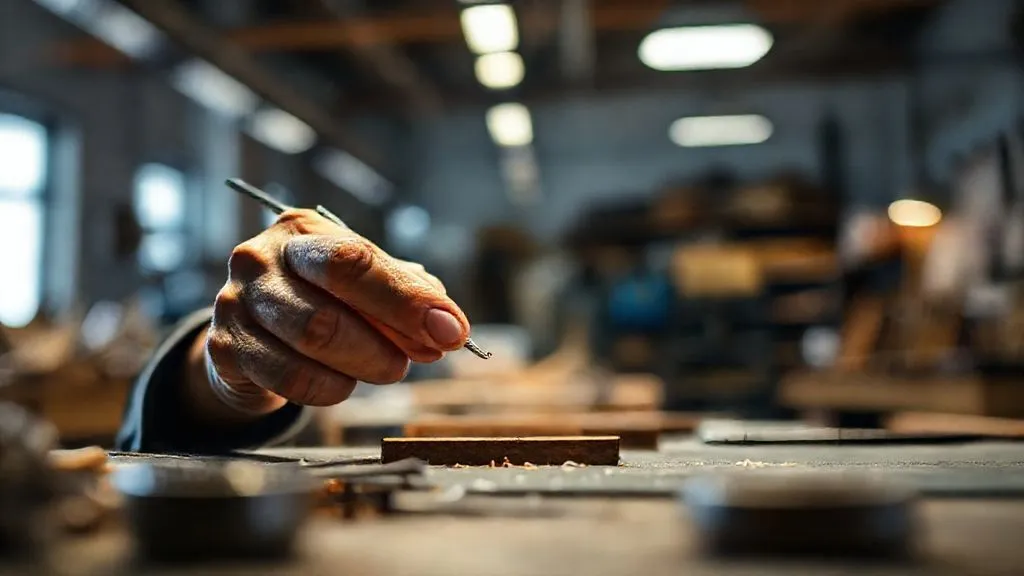
Scaling Artisan Luxury: How to Maintain Quality During Expansion?
For over two decades in the rarefied air of luxury fashion, I've witnessed countless artisan brands grapple with a profound dilemma: the irresistible allure of growth versus the sacred duty to preserve their craft's soul. Many believe scaling inherently means compromise – a dilution of the very essence that made them exceptional. I've seen promising brands falter not from lack of demand, but from a failure to navigate this treacherous expansion.
The challenge is real. How do you increase production without losing the distinctive human touch? How do you standardize processes without stifling the creativity that defines bespoke luxury? The pain points are familiar: inconsistent quality, stretched resources, a disconnect from the brand's original narrative, and ultimately, a loss of the discerning customer's trust.
In this definitive guide, I will share the frameworks and expert insights I've developed and observed in the most successful luxury houses. We'll delve into actionable strategies, real-world analogies, and a practical roadmap for
The Artisan Paradox: Why Scale Threatens Craft (and How to Conquer It)
The core of artisan luxury lies in its inherent scarcity, its provenance, and the story woven into every stitch, carve, or polish by skilled hands. This is the 'soul' of the brand. When a brand considers expansion, the immediate threat is the perceived need to industrialize, to speed up, to cut corners – all antithetical to the very definition of artisan.
This is the artisan paradox: the very success that demands growth can, if mishandled, destroy the unique qualities that created that success. The market values exclusivity, the human touch, and the narrative of dedication. Mass production, by its nature, often seeks efficiency over individuality. The key is to understand that scaling isn't about becoming mass-market; it's about intelligently expanding the capacity to deliver exceptional, handcrafted quality to a broader, yet still discerning, audience.
“True luxury is not about price; it’s about scarcity, quality, and the story it tells. Scaling must amplify, not dilute, this narrative.” – Industry Veteran's Insight
Pillar 1: Preserving the Craft – The Master-Apprentice Model Reimagined
Strategic Knowledge Transfer & Training
The most critical asset of any artisan luxury brand is the skill residing in its craftspeople. As you scale, this knowledge must be transferred and replicated without loss. I advocate for a modernized master-apprentice model, where experienced artisans become mentors, and new talent is rigorously trained.
- Identify Master Craftspeople: Pinpoint your most skilled artisans who embody the brand's quality standards.
- Document Core Techniques: Work with masters to meticulously document their processes, not as rigid rules, but as 'artisan blueprints' – capturing nuances, not just steps.
- Structured Apprenticeship Programs: Implement formal, paid apprenticeship programs that last for years, not months. This signals commitment to quality and attracts serious talent.
- Cross-Training Initiatives: Encourage artisans to learn multiple facets of the production process, fostering a holistic understanding of the product.
- Continuous Learning & Refinement: Establish regular workshops and forums where artisans can share best practices and collectively refine techniques.
This structured approach ensures that the unique skills and tacit knowledge are passed down, creating a consistent benchmark for quality across an expanding workforce.
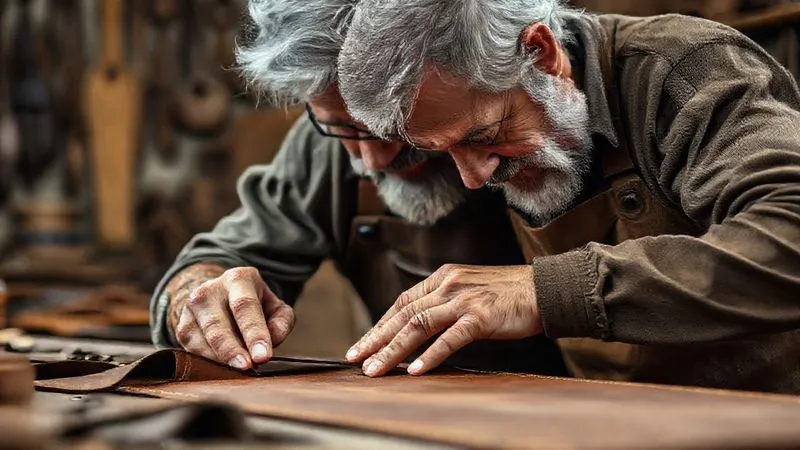
Material Sourcing & Integrity
The foundation of luxury is uncompromising material quality. As production increases, the temptation to source cheaper alternatives can be immense. Resist it. Your reputation is built on the integrity of your materials.
- Long-Term Supplier Partnerships: Cultivate deep, trust-based relationships with a select few suppliers. This ensures consistent quality and often better terms.
- Rigorous Vetting Process: Implement a strict vetting process for new suppliers, including site visits, quality checks, and ethical audits.
- Specification & Testing: Define precise material specifications and establish internal testing protocols to ensure every batch meets your high standards.
- Traceability: Demand full traceability of materials, not just for ethical reasons, but to ensure authenticity and consistent quality. According to a Deloitte report on luxury consumers, traceability and sustainability are increasingly vital to brand perception.
Pillar 2: Operational Excellence – Standardizing Without Sacrificing Soul
Crafting Detailed Process Documentation
Standardization in luxury craftsmanship isn't about creating robots; it's about establishing a baseline of excellence and consistency. This means documenting processes, but with a nuanced understanding of where creative freedom is essential and where precision is paramount.
- Identify Core Processes: Map out every step of your production, from design inception to final packaging.
- Differentiate 'Artistic Freedom' from 'Technical Precision': Clearly define which steps allow for individual artisan expression (e.g., hand-finishing details) and which require exact adherence to specifications (e.g., structural integrity, measurements).
- Visual & Textual Guides: Develop comprehensive guides that combine detailed text with high-quality images and videos. This caters to different learning styles and reduces ambiguity.
- Iterative Documentation: Treat documentation as a living process. Encourage artisans to provide feedback and suggest improvements, fostering ownership.
Quality Control at Every Stage
A reactive quality control (QC) system, where defects are caught only at the end, is inefficient and costly. A proactive, integrated QC approach is essential for
Implement a multi-stage QC system that empowers artisans to self-inspect and flag issues early.
| Stage | Checkpoints | Responsible |
|---|---|---|
| Material In-take | Supplier verification, visual inspection, batch testing | QC Team/Materials Lead |
| Component Preparation | Dimension accuracy, surface finish, defect identification | Artisan/Team Lead |
| Assembly/Construction | Joint integrity, alignment, functional testing | Artisan/QC Specialist |
| Finishing & Detailing | Aesthetic perfection, hand-applied details, branding accuracy | Senior Artisan/QC Specialist |
| Final Inspection & Packaging | Overall product review, packaging quality, documentation | Dedicated QC Manager |
This distributed responsibility ensures quality is built in, not merely inspected out. Regular audits by a dedicated QC manager ensure adherence to these standards.
Pillar 3: Human Capital – Nurturing the Artisanal Workforce
Empowering Artisans, Not Just Employing Them
Your artisans are not cogs in a machine; they are the heart of your brand. As you scale, it's crucial to maintain a culture that values their contribution, fosters their growth, and recognizes their expertise.
- Fair Compensation & Benefits: Ensure competitive salaries, comprehensive benefits, and a safe working environment. This reduces turnover and attracts top talent.
- Creative Input & Ownership: Where appropriate, involve artisans in design discussions or process improvements. Giving them a voice fosters a sense of ownership and pride.
- Professional Development: Offer opportunities for advanced training, attendance at industry events, or even exchanges with other luxury houses.
- Recognition Programs: Publicly acknowledge outstanding craftsmanship and dedication. Acknowledgment can be a powerful motivator.

Building a Culture of Excellence & Pride
A strong company culture is the invisible glue that holds a growing artisan brand together. It defines how people work, interact, and uphold quality standards. As Seth Godin often says, "People do not buy goods and services. They buy relations, stories, and magic." Your internal culture creates that magic.
Case Study: Atelier Lumière's Growth Journey
Atelier Lumière, a fictional high-end leather goods brand, faced immense pressure to scale after a successful pop-up series. Their initial growth strategy focused purely on increasing headcount, leading to inconsistent product finishes and rising customer complaints. Recognizing the problem, their founder, Elena, implemented a 'Craftsmanship Covenant'. This involved: 1) establishing a formal 2-year apprenticeship program, 2) introducing a peer-review system where artisans critiqued and learned from each other's work, and 3) creating a 'Master's Council' that had direct input into product development and quality standards. This shift, while initially slower, resulted in a highly skilled, engaged workforce. Customer satisfaction surged, and their brand's reputation for impeccable quality remained intact, proving that thoughtful investment in human capital is vital for
Pillar 4: Brand Storytelling & Authenticity – Communicating Value at Scale
Maintaining Narrative Consistency
As you expand, your brand's story must evolve, but its core message of authenticity and craftsmanship must remain unwavering. This is how you differentiate yourself in a crowded market.
- Define Your Core Narrative: Revisit and solidify the foundational story of your brand – its origins, values, and the unique skills of its artisans.
- Empower Storytellers: Train your marketing, sales, and even production teams to articulate this narrative authentically. Every touchpoint should reinforce your brand's commitment to craft.
- Show, Don't Just Tell: Use high-quality visuals and videos to show the hands-on process, the materials, and the people behind your products.
- Transparency in Growth: Be honest about your growth journey. Customers appreciate knowing how you're expanding while maintaining your values.
Transparency in Production
Modern luxury consumers are increasingly conscious of ethical and sustainable practices. Transparency about your production methods, sourcing, and labor practices isn't just good ethics; it's a powerful marketing tool that reinforces authenticity.
- Showcase Your Workshop: Offer virtual tours or open house events (where feasible) to demystify the production process and highlight the artisan's skill.
- Artisan Spotlights: Feature individual artisans on your website and social media, sharing their stories and expertise.
- Certifications & Audits: If applicable, pursue and proudly display certifications related to ethical sourcing, sustainable practices, or fair labor. This builds immense trust. For more on ethical luxury, consider resources like Forbes' insights on conscious consumerism.
Pillar 5: Technological Integration: Enhancing, Not Replacing, the Human Touch
Smart Tools for Inventory & Supply Chain Management
Technology should serve to enhance artisan production, not replace it. For
- Advanced Inventory Systems: Implement systems that provide real-time visibility into raw material stock and finished goods, preventing shortages or overproduction.
- Supply Chain Optimization Software: Use technology to track materials from source to workshop, ensuring timely delivery and maintaining quality control throughout the chain.
- Digital Production Planning: Tools that help schedule production batches, allocate resources efficiently, and track progress without micromanaging artisans.
Data-Driven Insights for Demand Forecasting
Guesswork leads to either unmet demand or excess inventory. Data analytics can help predict demand more accurately, allowing for thoughtful, measured production increases.
By understanding market signals, you can scale production intelligently, avoiding the pressure to rush or compromise quality. This proactive approach ensures that every piece created is destined for a customer who values its unique craftsmanship.
Pillar 6: Navigating Global Markets: Strategic Expansion Without Dilution
Identifying Niche Markets
Global expansion for artisan luxury isn't about carpet-bombing every major city. It's about strategic, targeted penetration into markets that genuinely appreciate and can afford your distinctive offerings.
- Market Research: Conduct thorough research to identify regions with a strong appreciation for craftsmanship, luxury goods, and a cultural affinity for your brand's aesthetic.
- Partnerships with Local Experts: Collaborate with local luxury retailers, cultural institutions, or brand ambassadors who understand the nuances of the market.
- Pilot Programs: Instead of full-scale launches, consider limited-edition collaborations or pop-up stores to test market reception and gather feedback.
Localizing Craft, Globalizing Vision
While your core brand identity must remain consistent, successful global expansion often involves a degree of localization. This doesn't mean compromising quality, but rather adapting your offerings and narrative to resonate with local tastes and traditions.
- Cultural Sensitivity in Design: Explore subtle adaptations in color palettes, materials, or motifs that resonate with local aesthetics, without sacrificing your brand's signature style.
- Tailored Storytelling: Adapt your brand narrative to highlight aspects that appeal most to a specific culture, emphasizing shared values or historical connections.
- Logistics & Customer Service: Ensure your global supply chain can maintain product integrity and that your customer service is equipped to handle international inquiries and after-sales support seamlessly.
Frequently Asked Questions (FAQ)
How do you define 'artisan luxury' in a scalable context? Artisan luxury, when scaled, refers to the ability to consistently produce high-quality, handcrafted goods that retain their unique character, human touch, and brand story, even with increased output. It's about expanding capacity without compromising the meticulous attention to detail, the use of premium materials, and the skilled labor that defines true luxury, rather than becoming mass-produced. The 'scalable context' means having robust systems for training, quality control, and supply chain management that support growth while preserving the core artisan values.
What's the biggest mistake brands make when trying to scale artisan luxury? The biggest mistake is the premature or poorly planned rush to increase volume without first solidifying the foundational pillars of quality control, knowledge transfer, and cultural preservation. Many brands compromise on material sourcing, dilute their training programs, or, worst of all, pressure artisans to work faster at the expense of meticulousness. This leads to inconsistent products, damaged brand reputation, and ultimately, a loss of the unique 'soul' that attracted customers in the first place. It's a short-term gain for a long-term loss of integrity.
Can AI or automation ever truly replace artisan skill in luxury? No, not truly. While AI and automation can be invaluable tools for streamlining logistics, improving precision in certain repeatable tasks, managing inventory, or even assisting in design iterations, they cannot replicate the nuanced judgment, the intuitive touch, or the creative problem-solving inherent in true artisan skill. In luxury, the human touch, the slight imperfections that tell a story, and the emotional connection to a handcrafted item are paramount. Technology should be seen as an enabler and enhancer for artisans, freeing them from mundane tasks to focus on the higher-value, creative aspects of their craft, rather than a replacement.
How do you measure 'quality' in a subjective artisanal product during expansion? Measuring quality in artisan products requires a blend of objective and subjective metrics. Objectively, you measure against documented technical specifications (e.g., stitch count, material strength, dimensions). Subjectively, it involves establishing a 'master standard' by which all output is compared, often involving senior artisans in peer reviews. Regular blind quality audits, customer feedback analysis, and even ethnographic studies of how products are used and perceived by discerning clients are crucial. The goal is to define and consistently meet a 'quality benchmark' that embodies the brand's unique aesthetic and functional excellence, ensuring that the subjective 'feel' of luxury remains consistent.
What’s the role of sustainability in scaling artisan luxury? Sustainability is increasingly integral to scaling artisan luxury. Discerning consumers expect transparency and ethical practices. For artisan brands, this means responsible sourcing of materials (e.g., traceable leather, recycled metals), minimizing waste in production, fair labor practices for artisans, and designing for longevity and repairability. Scaling sustainably involves not just reducing environmental impact but also ensuring the long-term viability of traditional crafts and the communities that support them. It's about growing in a way that respects both people and planet, adding another layer of value and trust to the brand's narrative.
Key Takeaways and Final Thoughts
- Embrace the Master-Apprentice Model: Invest in structured knowledge transfer and continuous training to preserve generational skills.
- Operationalize Excellence: Develop nuanced process documentation and implement multi-stage quality control that empowers artisans.
- Nurture Human Capital: Prioritize artisan empowerment, fair compensation, and a culture of pride and ownership.
- Authentic Storytelling: Maintain a consistent, transparent brand narrative that highlights craftsmanship and values.
- Strategic Tech Integration: Use technology as an enhancer for efficiency, not a replacement for human skill.
- Targeted Global Expansion: Identify niche markets and localize offerings without diluting your core brand identity.
- Sustainability as a Core Value: Integrate ethical sourcing and practices into every aspect of growth.
Scaling artisan luxury isn't a linear process; it's a delicate dance between tradition and innovation, craft and commerce. By thoughtfully implementing these pillars, you can expand your brand's reach and impact without ever compromising the artistry, integrity, and soul that make it truly exceptional. The future of luxury belongs to those who can grow with purpose, maintaining quality while elevating the very definition of craftsmanship for a new generation of discerning patrons. Your brand's legacy depends on it.
Recommended Reading
- 5 Expert Strategies: Fixing Irreparable Seam Puckering on Haute Couture Silk
- 5 Strategies: How Heritage Luxury Brands Captivate Younger Buyers
- The Ultimate Guide: How to Wear Sheer Clothing Modestly and Stylishly?
- 5 Power Frames: Elevate Your Executive Presence with Strategic Eyewear
- Boost Fashion Blog SEO: 7 Steps to Optimize Images for Speed & Rank




Your email address will not be published. Required fields are marked *