

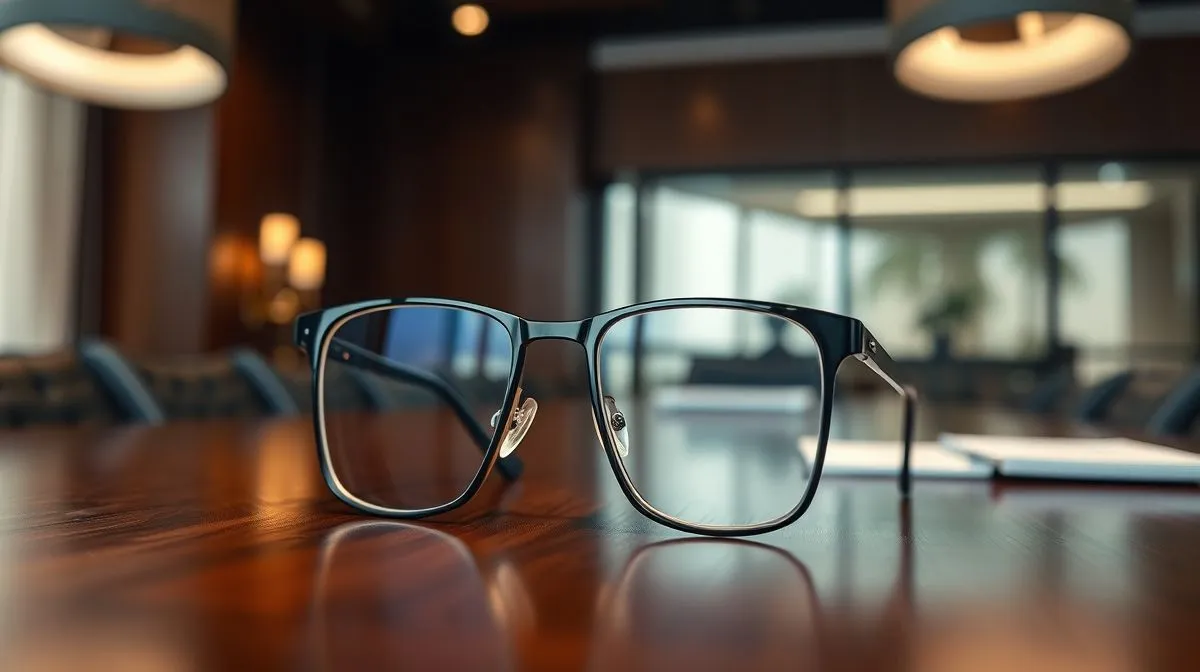
How to choose eyewear that enhances my executive presence?
For over two decades in the luxury eyewear and personal branding space, I've had the privilege of advising countless executives, from aspiring managers to seasoned CEOs. What I've consistently observed is that while a sharp suit and a confident handshake are vital, there's one often-overlooked accessory that can profoundly amplify or subtly diminish your professional gravitas: your eyewear.
Many professionals, despite investing heavily in their wardrobe, treat their glasses as a mere medical necessity. This oversight is a significant missed opportunity. Your eyewear isn't just about clearer vision; it's a powerful non-verbal cue, a silent statement about your attention to detail, your personal brand, and ultimately, your executive presence.
In this definitive guide, I will share the distilled wisdom from my years of experience, providing you with actionable frameworks, strategic insights, and practical steps on how to choose eyewear that enhances your executive presence. We'll move beyond superficial trends to explore the psychology, aesthetics, and practicalities that define truly impactful professional eyewear.
Understanding the Psychology of Eyewear and Perception
Before we dive into specific styles, it's crucial to grasp the profound psychological impact your eyewear has on how others perceive you. In my experience, a well-chosen pair of glasses can instantly convey intelligence, trustworthiness, creativity, or authority. Conversely, ill-fitting or outdated frames can inadvertently send messages of carelessness or a lack of modern awareness.
The first impression is often formed within milliseconds, and every visual cue contributes to that snap judgment. Your eyewear is front and center. It’s not just an accessory; it’s an extension of your professional identity.
Research consistently highlights the significant role of appearance in professional settings. A study published in the Journal of Applied Psychology, for instance, indicated that individuals wearing glasses were often perceived as more intelligent, reliable, and industrious. However, this positive bias is highly dependent on the style and fit of the frames. It’s not just about wearing glasses; it’s about wearing the *right* glasses.
Think about iconic figures in leadership – many have a signature eyewear style that becomes synonymous with their brand. This isn't accidental; it's a deliberate choice. Your frames frame your face, literally, and draw attention to your eyes, which are critical for communication and connection. They can subtly reinforce your message, whether it’s one of innovation, steadfastness, or approachable leadership.
The Halo Effect of Thoughtful Eyewear
The 'halo effect' suggests that positive impressions in one area (like well-chosen eyewear) can influence overall positive perceptions. When you walk into a boardroom or a client meeting with frames that perfectly complement your face, resonate with your professional persona, and exude quality, you're not just looking good; you're projecting competence and meticulousness. This attention to detail implies a similar level of rigor in your work.
Conversely, a pair of bent, scratched, or unflattering glasses can trigger a 'horn effect,' where a single negative trait spills over to color overall perceptions of your capabilities. I've seen executives inadvertently undermine their own credibility by overlooking this crucial element of their personal brand.
Face Shape First: The Foundation of Flattering Frames
The single most critical factor in choosing eyewear that enhances your executive presence is understanding your face shape. My golden rule: frames should provide a contrast to your natural facial contours, balancing your features rather than mimicking them. This creates visual harmony and draws positive attention to your eyes.
Identifying Your Face Shape:
Stand in front of a mirror and trace your face outline with a washable marker or lipstick. Step back and observe the shape. The common categories are:
- Oval: Balanced proportions, high cheekbones, slightly narrower jaw than forehead.
- Round: Full cheeks, curved lines, equal width and length.
- Square: Strong, angular jawline, broad forehead, equal width and length.
- Heart: Wide forehead, high cheekbones, narrow chin.
- Diamond: Narrow forehead and jawline, wide cheekbones.
- Oblong/Rectangle: Long and narrow face, sometimes with a longer nose.
Strategic Frame Selection for Each Face Shape:
- Oval Face: You are fortunate! Almost any frame shape works well. Aim for frames that are as wide as the broadest part of your face. Bold shapes, geometric designs, or classic aviators can all enhance your balanced features.
- Round Face: To add definition and length, choose angular, narrow frames. Rectangular, square, or strong cat-eye shapes will add contrast and make your face appear longer and thinner. Avoid round or small frames that emphasize the roundness.
- Square Face: Soften strong angles with round, oval, or cat-eye frames. Thin, slightly wider frames can also help to balance the jawline. Rimless or semi-rimless styles can also be very flattering.
- Heart Face: Balance a wider forehead and narrow chin with frames that are wider at the bottom or have delicate detailing on the lower rim. Oval, round, or subtle cat-eye frames work well. Aviators can also be a good choice.
- Diamond Face: Highlight your eyes and soften cheekbones with frames that have a strong brow line, like cat-eye or oval frames. Rimless or semi-rimless styles can also be effective.
- Oblong/Rectangle Face: To make your face appear shorter and wider, opt for frames that have more depth than width. Round or square frames with a strong horizontal element, or decorative temples, can add width.
Color and Material: Communicating Authority and Sophistication
Once you've nailed the shape, the next critical layers are color and material. These elements aren't just about aesthetics; they convey subtle messages about your personality, your industry, and your approach to leadership.
Strategic Color Choices:
The right color can illuminate your face, complement your skin tone, and reinforce your professional image. I generally advise executives to lean towards classic, sophisticated palettes, but with an eye for subtle distinction.
- Timeless Neutrals: Black, dark brown, charcoal grey, and tortoise shell are always safe bets. They convey professionalism, seriousness, and timeless elegance. A rich tortoise can add warmth and intellectual appeal.
- Deep Hues: For a touch of personality without being distracting, consider deep blues, forest greens, or burgundy. These colors offer a subtle pop that can make you more memorable, particularly if they align with your brand colors or eye color.
- Metallic Tones: Gold, silver, and gunmetal convey precision, modernity, and a sleek, minimalist approach. These are excellent for industries valuing innovation and efficiency.
- Avoiding Distraction: Generally, bright, neon, or overly trendy colors should be avoided in a corporate setting, as they can detract from your message and diminish perceived authority.
Material Impact:
The material of your frames speaks volumes about quality and style. Each material offers a different balance of weight, durability, and aesthetic.
- Acetate: A versatile and popular choice, acetate allows for rich colors, intricate patterns (like tortoise), and a substantial feel. It conveys confidence and a classic, yet contemporary, style. It's often my go-to for executives seeking a statement piece that isn't ostentatious.
- Titanium: Incredibly lightweight, durable, and hypoallergenic, titanium frames are the epitome of understated luxury. They convey efficiency, modernity, and a focus on performance. Ideal for those who prefer a minimalist, high-tech aesthetic.
- Stainless Steel: Similar to titanium but often more affordable, stainless steel offers a sleek, modern look. It’s durable and comes in various finishes.
- Rimless/Semi-Rimless: These styles offer a minimalist, almost invisible look. They convey intelligence, subtlety, and a focus on the individual rather than the accessory. Excellent for those who want their ideas, not their frames, to be the focal point.
Expert Tip: Consider your industry. A creative director in advertising might pull off a bolder acetate frame than a financial advisor, who might lean towards sleek titanium. Always align your choice with the expectations of your professional environment and your personal brand objectives.
The Fit Factor: Comfort, Confidence, and Professionalism
Even the most expensive, stylish frames will undermine your executive presence if they don't fit correctly. A constant need to push your glasses up your nose, an uneven tilt, or marks on your temples scream discomfort and distraction, both for you and for those observing you. A perfect fit is paramount for projecting confidence and professionalism.
How to Ensure a Perfect Fit:
- Bridge Fit: The bridge of the glasses should sit snugly and comfortably on your nose, without slipping down or leaving red marks. If there are nose pads, ensure they rest evenly and don't pinch. A poorly fitting bridge is the most common culprit for slipping frames.
- Temple Length: The temples (arms) of the glasses should extend straight back to your ears and curve gently downwards, holding the frames securely without digging in behind your ears or extending too far. They shouldn't press too tightly against your head.
- Lens Size and Eye Position: Your eyes should be centered horizontally within the lenses, and vertically, they should be slightly above the center. Lenses that are too wide or too narrow for your face can distort your features or look disproportionate.
- Weight Distribution: The weight of the frames should be evenly distributed across your nose and behind your ears. Heavy frames that constantly slide down are a major distraction.
- Overall Balance: When you tilt your head slightly, your glasses should remain straight and centered. They shouldn't tilt to one side or rest unevenly on your face.
Actionable Step: Always purchase your eyewear from a reputable optician or eyewear professional. They have the expertise and tools to adjust frames to your unique facial contours, ensuring optimal comfort and a flawless appearance. Online purchases, while convenient, often miss this crucial fitting step.
Lens Technology: Beyond Vision Correction to Enhanced Image
While often overlooked in the aesthetic discussion, the quality and type of your lenses play a significant role in your overall professional image. Blurred vision, glare, or visible smudges can instantly detract from an otherwise polished look. Modern lens technologies offer benefits far beyond simple vision correction.
- Anti-Reflective (AR) Coating: This is non-negotiable for executives. AR coating eliminates distracting reflections on your lenses, allowing people to see your eyes clearly. This is vital for making eye contact, conveying sincerity, and enhancing communication. Without it, glare can create a barrier between you and your audience.
- Blue Light Filter: With increasing screen time, blue light filtering lenses are becoming essential. They reduce eye strain and fatigue, which is crucial for maintaining focus and alertness during long meetings or work sessions. Healthy, rested eyes contribute to a more energetic and capable appearance.
- Progressive Lenses (for multifocal needs): If you require different prescriptions for distance and reading, progressive lenses offer a seamless transition without the visible lines of bifocals. This maintains a more youthful and sophisticated aesthetic, avoiding the 'grandparent' look sometimes associated with traditional bifocals.
- High-Index Lenses: For stronger prescriptions, high-index lenses are thinner and lighter than standard lenses, reducing the 'coke bottle' effect that can make eyes appear smaller or distorted. A thinner lens contributes to a sleeker, more professional profile.
According to a report by The Vision Council, digital eye strain is a growing concern among professionals, with symptoms including dry eyes, headaches, and blurred vision. Investing in lenses that mitigate these issues not only protects your eye health but also ensures you always look and feel your best, ready to command the room.
Style Archetypes: Matching Eyewear to Your Leadership Persona
Your executive presence isn't monolithic; it's a nuanced blend of your personality, leadership style, and industry. Your eyewear should subtly reinforce this persona. I've identified a few common executive archetypes and the eyewear styles that align beautifully with them.
1. The Visionary Leader:
You're innovative, forward-thinking, and often challenge the status quo. You need frames that reflect creativity and modern sophistication without being overly trendy. Think:
- Styles: Sleek, minimalist designs in titanium or stainless steel; unique geometric shapes; subtly colored acetates in deep blues or greens.
- Examples: Thin, rectangular frames with sharp corners; modern aviators; understated, refined cat-eye shapes.
2. The Authoritative Strategist:
You're analytical, decisive, and command respect through sheer competence. Your eyewear should project gravitas and intellectual rigor.
- Styles: Classic, strong shapes; thick-rimmed acetate frames in dark, solid colors like black, dark brown, or tortoise.
- Examples: Bold, rectangular frames; classic D-frame shapes; frames with a strong brow line.
3. The Approachable Mentor:
You lead with empathy, foster collaboration, and are seen as a trusted guide. Your eyewear should be inviting yet professional.
- Styles: Softer, rounded shapes; warmer, inviting colors; frames with subtle detailing.
- Examples: Round or oval frames; keyhole bridge designs; frames in a rich, warm tortoise or a gentle metallic finish.
4. The Dynamic Innovator:
You're energetic, adaptable, and thrive on change. Your eyewear should convey a contemporary edge and a hint of dynamism.
- Styles: Modern, slightly oversized frames; frames with interesting texture or dual materials; contemporary takes on classic designs.
- Examples: Large, square frames; hybrid metal-acetate frames; frames with unique temple designs.
Case Study: How CEO Sarah M. Transformed Her Boardroom Presence
Sarah M., CEO of a burgeoning tech startup, approached me feeling that her existing rimless glasses, while practical, weren't projecting the authority she needed in investor meetings. She was perceived as intelligent but perhaps a little too 'soft' for the cutthroat tech investment world. After assessing her oval face shape and her desire to project more decisive leadership, I recommended a pair of robust, dark charcoal grey acetate frames with a slightly squared-off D-frame shape. This provided a stronger outline to her face and eyes, instantly adding gravitas. Within weeks, Sarah reported a noticeable shift in how her ideas were received. Investors, she felt, listened with more attentiveness, and her internal team responded with increased respect for her directives. The new frames didn't change her intelligence, but they certainly changed its perception, allowing her true executive presence to shine through.
Avoiding Common Pitfalls: What Not to Do
Just as there are best practices, there are common mistakes I've observed that can derail your efforts to choose eyewear that enhances your executive presence. Avoiding these pitfalls is as crucial as embracing the right strategies.
- Overly Trendy or Fashion-Forward Frames: While keeping up with current styles is good, highly trendy frames can quickly become dated and distract from your core message. Executive eyewear should be classic with a modern edge, not a fleeting fashion statement.
- Frames That Are Too Small or Too Large: Disproportionate frames can make your face look unbalanced. Too small can make your head appear large; too large can overwhelm your features and slip constantly.
- Damaged or Poorly Maintained Eyewear: Scratched lenses, bent frames, loose screws, or smudged lenses are immediate red flags. They suggest a lack of attention to detail and can detract significantly from your polished image. Regular cleaning and maintenance are non-negotiable.
- Uncomfortable Frames: If your glasses pinch, slip, or cause discomfort, it will show in your body language. You'll fidget, adjust, and appear distracted, undermining your confidence and focus.
- Ignoring Your Personal Brand: While certain styles are inherently 'executive,' your eyewear must still feel authentic to you. Don't choose a style that feels forced or unnatural, as this will only lead to discomfort and a lack of confidence.
Remember, the goal is enhancement, not costume. Your eyewear should complement, not compete with, your professional persona.
The Investment Mindset: Quality Over Quantity
I often tell my clients that their eyewear is an investment, not an expense. When considering how to choose eyewear that enhances your executive presence, think about it in the same way you would a high-quality suit, a professional watch, or premium leather shoes. These are pieces that signify value, durability, and a discerning taste.
High-quality frames are typically made from superior materials (like premium acetate, titanium, or high-grade stainless steel), with meticulous craftsmanship. This translates to:
- Durability: They withstand daily wear and tear better, maintaining their shape and finish.
- Comfort: Better materials and precise engineering lead to a more comfortable fit over long periods.
- Aesthetics: The finish, the hinge quality, and the overall feel of a premium frame are discernible. They simply look more refined and substantial.
- Longevity: While trends evolve, classic, well-made frames will remain stylish and functional for years, offering excellent return on investment.
As Harvard Business Review often emphasizes, executive presence is about projecting confidence, credibility, and authority. Investing in quality eyewear is a tangible way to demonstrate that you value these attributes, not just in your work, but in your personal presentation. It’s a subtle signal that you pay attention to detail and understand the importance of your image in the professional arena.
Think of it as a strategic asset. Just as you invest in professional development and networking, allocate resources to your visual branding. The perceived value of your eyewear directly contributes to the perceived value of you as a professional.
Frequently Asked Questions (FAQ)
Question: How often should I update my executive eyewear? The lifespan of executive eyewear depends on quality and wear, but generally, I recommend evaluating your frames every 2-3 years. Trends evolve, and your personal brand may too. More importantly, check for signs of wear like scratches, fading, or a loose fit. A fresh, updated pair ensures you consistently project a modern, sharp image.
Question: Can I wear contact lenses and still benefit from strategic eyewear choices? Absolutely! Many executives wear contacts for daily comfort. However, having a strategic pair of glasses for specific situations – like important presentations, virtual meetings, or when you want to project a particular gravitas – is highly beneficial. It offers versatility and another tool in your executive presence arsenal. Some leaders even choose to wear non-prescription glasses purely for the image they convey.
Question: Are branded luxury frames necessary for executive presence? Not necessarily. While luxury brands often offer superior quality and design, the brand name itself isn't the primary factor. What matters most is the fit, the style's alignment with your face and persona, the quality of craftsmanship, and the overall impression it creates. Focus on impeccable design and fit over a logo.
Question: How do I ensure my glasses don't steam up during crucial moments like presentations? This is a common frustration! Ensure your frames fit well and aren't too close to your face, allowing for airflow. Invest in anti-fog lens coatings or anti-fog sprays/wipes, especially if you move between different temperature environments or wear a mask frequently. Practice good ventilation during presentations.
Question: What about frames for virtual meetings? Does the same advice apply? Even more so! In virtual meetings, your face is often the primary focus. Glare from screens or room lighting can be highly distracting without anti-reflective coatings. Ensure your frames are clean, well-fitting, and flattering, as they are a prominent feature on screen. The principles of face shape, color, and fit are amplified in the digital realm.
Recommended Reading
- Best Leggings for Sweaty Workouts: Ultimate Comfort & Performance
- Unlock Profit: 7 Strategies for Niche Outdoor Wear Brands
- Sportswear Streetwear Style Mix: The Ultimate Fashion Fusion?
- Unlock the Future: Can Robots Slash Waste in Fashion Manufacturing?
- Unlock Savings: Do Grow With Me Clothes Truly Save Parents Money?
Key Takeaways and Final Thoughts
- Your eyewear is a powerful, often underestimated, tool for enhancing your executive presence.
- Prioritize understanding your face shape to choose frames that provide balance and contrast.
- Select colors and materials that align with your industry, personal brand, and desired message of authority and sophistication.
- A perfect fit is non-negotiable for comfort, confidence, and a polished appearance.
- Invest in quality lens technology, especially anti-reflective coatings, to ensure clear communication and reduced eye strain.
- Match your eyewear style to your unique leadership archetype for a cohesive professional image.
- Avoid common pitfalls like overly trendy or poorly maintained frames that can detract from your gravitas.
In a world where every detail contributes to your personal brand, overlooking your eyewear is a strategic misstep. By applying the principles I've outlined, you're not just choosing a pair of glasses; you're crafting a visual statement that reinforces your competence, confidence, and leadership potential. Embrace your eyewear as a key element of your executive toolkit, and watch as it subtly but powerfully elevates your presence in every professional setting. The clarity you gain won't just be in your vision, but in the perception of your leadership.



Your email address will not be published. Required fields are marked *