

How to Update Heritage Luxury Brand Image for Younger Buyers?
For over two decades in the luxury fashion industry, I've witnessed countless heritage brands grapple with a profound challenge: how to honor their illustrious past while simultaneously captivating a new generation of consumers. It's a delicate dance, often leading to missteps if not executed with precision and a deep understanding of evolving market dynamics. The allure of a storied legacy is powerful, but today's younger buyers demand more than just history; they seek relevance, authenticity, and alignment with their values.
The pain point is palpable: a fear of alienating long-standing loyalists by modernizing too aggressively, juxtaposed with the existential threat of becoming irrelevant to the demographic that will define the future of luxury. Younger buyers – Gen Z and younger Millennials – aren't just consumers; they are cultural arbiters, digitally fluent, and fiercely value-driven. They question everything, from sourcing to representation, and expect brands to reflect their worldviews, not just their parents'.
This article isn't just a discussion; it's a strategic roadmap. Drawing from my extensive experience, I will provide actionable frameworks, real-world insights, and concrete strategies on how to update heritage luxury brand image for younger buyers. We'll explore how to authentically bridge the generational gap, ensuring your brand's legacy continues to thrive, not just survive, in the dynamic landscape of modern luxury.
Understanding the New Luxury Consumer: Gen Z and Millennials
Before we can update, we must first understand. The younger luxury consumer is a fundamentally different beast than their predecessors. They are not merely inheriting tastes; they are forging new ones, often driven by a set of values that were less prominent in previous generations. Ignoring these shifts is akin to navigating without a compass.
Values: Sustainability, Inclusivity, Authenticity
In my experience, the triumvirate of sustainability, inclusivity, and authenticity forms the bedrock of attraction for younger buyers. They are acutely aware of global issues, from climate change to social justice, and expect the brands they associate with to reflect a genuine commitment to positive impact. A brand's environmental footprint, its ethical labor practices, and its stance on social issues are no longer secondary considerations; they are integral to brand perception and purchase decisions. According to a Deloitte report on luxury consumers, younger buyers are increasingly prioritizing brands that demonstrate clear social and environmental responsibility.
Inclusivity extends beyond tokenism. Younger consumers seek genuine representation across all facets of a brand's image – in campaigns, product lines, and even internal corporate structures. They want to see themselves and their diverse communities reflected, not as an afterthought, but as an integral part of the brand's identity. Authenticity, perhaps the most elusive, is about transparency and genuine connection. They can spot performative activism or greenwashing from a mile away. Brands must be true to their stated values, consistently and across all touchpoints.
Digital Native Expectations: Seamless Online Experience, Social Proof
Gen Z has never known a world without the internet. Their expectations for digital engagement are incredibly high. A clunky website, slow load times, or a disconnected social media presence are immediate deterrents. They expect seamless, intuitive digital journeys, whether they're researching a product, making a purchase, or engaging with brand content. Social media isn't just a marketing channel; it's a primary source of information, validation, and community. Peer recommendations, influencer endorsements, and user-generated content carry immense weight. This collective validation, often termed 'social proof,' is a critical component of their purchasing funnel.

Reimagining Brand Storytelling for a Digital Age
The narrative of a heritage brand is its soul, but the way that story is told must evolve. The challenge is to translate a rich, historical tapestry into compelling, digestible, and digitally native content that resonates with younger audiences without diluting its essence.
From Archives to Algorithms: Crafting Modern Narratives
Heritage brands possess an unparalleled asset: their archives. These repositories of craftsmanship, innovation, and iconic designs are goldmines for storytelling. However, simply showcasing old photographs isn't enough. We need to frame these historical elements in a contemporary context, highlighting how traditional techniques inform modern design, or how a founding philosophy remains relevant in today's world. Think of it as connecting the dots between past brilliance and future relevance.
"Your brand's history is not a dusty museum exhibit; it's a living, breathing narrative that can inspire and connect. The key is to find the threads that weave through time and resonate with current values."
Digital-First Content: Short-Form Video, Interactive Experiences
Younger audiences consume content differently. They gravitate towards short-form video platforms like TikTok and Instagram Reels, demanding authenticity, creativity, and often, a touch of humor or vulnerability. This doesn't mean a luxury brand needs to become a meme factory, but it does mean embracing dynamic, engaging formats. Consider micro-documentaries about artisans, behind-the-scenes glimpses into design processes, or interactive quizzes that connect historical facts to modern trends. The goal is to make history feel alive and accessible.
Actionable Steps: Refining Your Brand Narrative
- Identify Core Heritage Values: Dig deep into your brand's origins. What were the fundamental principles, innovations, or craftsmanship ethics that defined its inception? These are your timeless anchors.
- Translate to Modern Relevance: How do those core values manifest today? If it was about pioneering design, how is that spirit of innovation continued in your current collections or sustainability efforts?
- Curate Digital Storytelling Arcs: Develop specific story arcs for different digital platforms. A TikTok series might focus on a single craft technique, while an Instagram story might highlight a historical muse with a modern twist.
- Engage with Micro-Influencers and Creators: Partner with creators who genuinely appreciate your brand's heritage but also speak the language of younger audiences. Their authentic interpretation can bridge the gap more effectively than traditional ads.
Embracing Sustainability and Ethical Practices
The luxury sector, traditionally seen as opulent and exclusive, faces increasing scrutiny regarding its environmental and social impact. For younger consumers, this is often a non-negotiable aspect of their purchasing criteria. Failing to address it authentically can severely damage brand image and alienate potential buyers.
Transparency in the Supply Chain: A Non-Negotiable
Younger buyers want to know where their products come from, who made them, and under what conditions. This necessitates unprecedented transparency in the supply chain. Heritage brands, with their often complex and global networks, must invest in tracing materials and labor practices, and then openly communicate these efforts. This isn't just about avoiding criticism; it's about building trust and demonstrating responsible stewardship. Sharing stories of ethical sourcing, fair wages, and artisanal communities can add a powerful layer to the brand narrative.
Circularity, Upcycling, and Longevity Initiatives
The concept of 'forever pieces' has always been central to luxury, but today it takes on new meaning with circularity. Brands can embrace repair services, authenticated resale programs, or even upcycling initiatives that transform archival materials into new, limited-edition products. This not only appeals to the sustainable mindset but also highlights the enduring quality and investment value of luxury items. Patagonia, while not a luxury brand, offers an excellent example of promoting longevity and repair, a concept highly valued by younger, conscious consumers.
The Power of Collaboration and Co-Creation
In a world saturated with information and choice, collaborations offer heritage brands a potent avenue to inject fresh energy, reach new audiences, and demonstrate cultural relevance. The right partnership can be a powerful statement of modernity without sacrificing core identity.
Strategic Alliances with Contemporary Artists and Innovators
Collaborating with contemporary artists, designers, or even tech innovators can introduce a heritage brand to entirely new cultural conversations. These partnerships should be strategic, aligning with the brand's existing values while pushing boundaries. Think of Louis Vuitton's long-standing relationship with artists like Takashi Murakami or Jeff Koons, or more recently, Dior's collaborations with artists for their iconic Lady Dior bags. These are not just product launches; they are cultural events that generate significant buzz and demonstrate a brand's willingness to evolve.
Limited Editions and Capsule Collections: Driving Desirability
Younger consumers are drawn to scarcity and uniqueness. Limited-edition collections, particularly those born from compelling collaborations, create immediate desirability and a sense of urgency. These capsules can serve as entry points for new customers, allowing them to experience the brand's quality and design ethos in a more accessible or novel format. They also generate significant social media chatter, with unboxing videos and styling posts amplifying reach organically.
Case Study: Aurelia Watches' VR Art Collaboration
Case Study: How Aurelia Watches Engaged a New Generation
Aurelia Watches, a fictional Swiss watchmaker established in 1887, faced declining interest from consumers under 40. Their classic, understated designs were perceived as 'old-fashioned.' To address this, I advised them to launch a limited-edition collection in collaboration with 'Pixel Chronos,' a renowned VR artist known for their futuristic, abstract digital sculptures. The collaboration resulted in Aurelia x Pixel Chronos: The Quantum Dial, a series of 500 watches featuring minimalist dials that subtly incorporated elements of Pixel Chronos's digital art through laser etching and unique color gradients. Each watch came with a unique NFT that granted access to an exclusive VR experience, allowing owners to explore a digital gallery of the artist's work inspired by Aurelia's heritage. This initiative generated unprecedented pre-orders from Gen Z and Millennials, sold out within 48 hours, and increased Aurelia's Instagram followers by 150% in three months. It successfully demonstrated that tradition could coexist, and even thrive, with cutting-edge innovation, proving how to update heritage luxury brand image for younger buyers effectively.
Digital Transformation: Beyond E-commerce
For heritage luxury, digital transformation is not just about having an online store; it's about fundamentally rethinking how the brand exists, interacts, and creates value in a digitally-native world. It encompasses everything from customer service to immersive brand experiences.
Web3, Metaverse, and NFTs: Strategic Integration
The emerging landscape of Web3, including the Metaverse and NFTs, presents both opportunities and pitfalls. For luxury brands, it's not about being everywhere, but about being strategically present where it makes sense. NFTs can serve as digital certificates of authenticity, unlock exclusive experiences, or even represent digital twins of physical products, appealing to collectors and tech-savvy enthusiasts. Experiential spaces within the Metaverse, such as virtual storefronts or fashion shows, can offer immersive brand engagement without geographical limitations. The key is to ensure these ventures add genuine value and align with the brand's luxury positioning, rather than being mere gimmicks. Harvard Business Review emphasizes the importance of strategic entry into the Metaverse for brands.
Personalized AI-Driven Experiences
Leveraging AI allows heritage brands to offer highly personalized experiences at scale. This could range from AI-powered stylists offering bespoke recommendations based on purchase history and preferences, to virtual try-on features for clothing and accessories. AI can also optimize customer service, providing instant support and freeing up human agents for more complex, high-touch interactions. The goal is to make every digital interaction feel as exclusive and tailored as an in-store private appointment.
Elevating the Online Customer Journey
The online journey must mirror the exclusivity and service of a physical boutique. This means high-quality visuals, detailed product descriptions that convey craftsmanship, seamless navigation, and intuitive checkout processes. Post-purchase, personalized communication, luxury packaging, and efficient delivery become crucial touchpoints that reinforce the brand's premium status. Every step, from discovery to unboxing, should be an extension of the luxury experience.

Cultivating Inclusivity and Diverse Representation
True inclusivity goes beyond a single campaign; it's a foundational shift in how a brand operates, communicates, and presents itself. For heritage brands, this means carefully examining long-held traditions and opening up to a broader definition of luxury.
Beyond Tokenism: Genuine Commitment
Younger consumers are discerning. They can easily distinguish between genuine efforts towards diversity and mere 'tokenism.' A single diverse model in a campaign, if not supported by broader brand actions, can be perceived as disingenuous. Genuine commitment means integrating diverse perspectives throughout the creative process, from design teams to marketing strategy. It means understanding and celebrating different cultures, body types, gender identities, and backgrounds, ensuring that the brand truly reflects the rich tapestry of its potential audience.
Marketing Campaigns and Product Ranges
Marketing campaigns should authentically feature a diverse cast of individuals who represent the brand's evolving customer base. This includes challenging traditional beauty standards and embracing a wider spectrum of identities. Furthermore, product ranges can be adapted to be more inclusive, whether through extended sizing, gender-neutral offerings, or designs that resonate with various cultural aesthetics. This doesn't mean abandoning classic styles but expanding the brand's appeal.
Internal Company Culture: The Foundation of Authenticity
Inclusivity must start from within. A diverse workforce, particularly in leadership and creative roles, brings varied perspectives that are essential for crafting authentic and resonant messages. Brands that foster an inclusive internal culture are better equipped to understand and serve a diverse external audience. This commitment to diversity, equity, and inclusion (DEI) is not just a moral imperative but a strategic business advantage, particularly when aiming to connect with younger, value-driven consumers. As Forbes highlights, DEI is crucial for modern branding.
Experiential Marketing: Blending Physical and Digital Worlds
While digital is paramount, the physical experience remains vital for luxury. Younger consumers crave unique, shareable moments that transcend mere transactions. Experiential marketing offers a powerful way to bring the brand story to life.
Pop-ups, Immersive Events, and Phygital Experiences
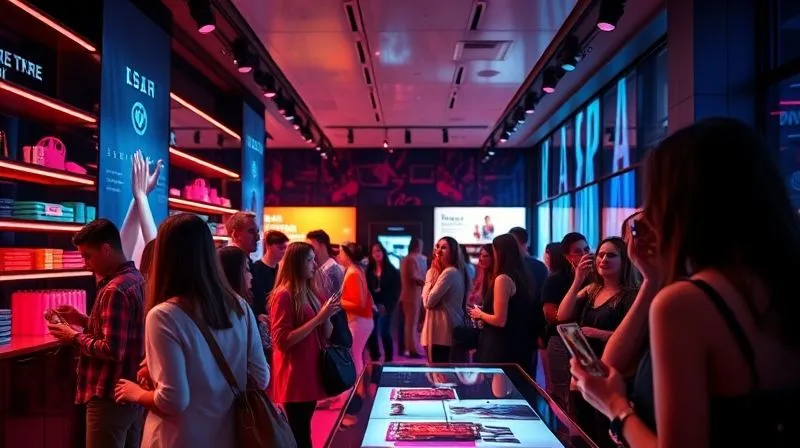
Traditional retail can feel static. Pop-up boutiques in unexpected locations, immersive brand installations, or exclusive launch events offer novel ways to engage. The most compelling experiences today are often 'phygital' – blending physical and digital elements seamlessly. Imagine an in-store event where guests can virtually try on a new collection, or an art installation that uses augmented reality to tell the brand's heritage story. These create memorable, shareable moments that generate organic buzz and social media content.
Creating Buzz and Shareable Moments
The success of experiential marketing for younger buyers often hinges on its 'shareability.' Is the experience visually stunning? Does it offer a unique photo opportunity? Does it provide a sense of exclusivity or discovery? Brands should design experiences with social media in mind, creating visually rich environments and interactive elements that encourage attendees to capture and share their moments, effectively turning them into brand ambassadors.
Actionable Steps: Crafting Memorable Experiences
- Define the Experience Goal: What do you want attendees to feel, learn, or do? Is it about brand immersion, product launch, or community building?
- Design Multi-Sensory Elements: Engage sight, sound, touch, and even scent. How can you create an atmosphere that embodies your brand's luxury?
- Integrate Digital Touchpoints: Incorporate AR filters, QR codes for exclusive content, or interactive screens that enhance the physical experience.
- Leverage Social Sharing Opportunities: Create dedicated photo zones, unique backdrops, or branded hashtags. Encourage user-generated content by offering incentives or featuring the best posts.
Navigating Price Perception and Value Proposition
Luxury is inherently expensive, but younger buyers approach price with a different lens. It's not just about the cost, but the perceived value, longevity, and often, the story behind that price. Heritage brands must articulate this value proposition clearly.
Maintaining Exclusivity While Justifying Price
The challenge is to maintain the aura of exclusivity and premium pricing while justifying it to a generation that scrutinizes every purchase. This means emphasizing the true value drivers of luxury: unparalleled craftsmanship, rare materials, innovative design, and the enduring quality that allows pieces to be passed down through generations. The narrative should shift from 'expensive' to 'investment' – an investment in quality, sustainability, and personal expression. This aligns with their desire for conscious consumption and long-lasting items.
Emphasis on Craftsmanship, Longevity, and Investment
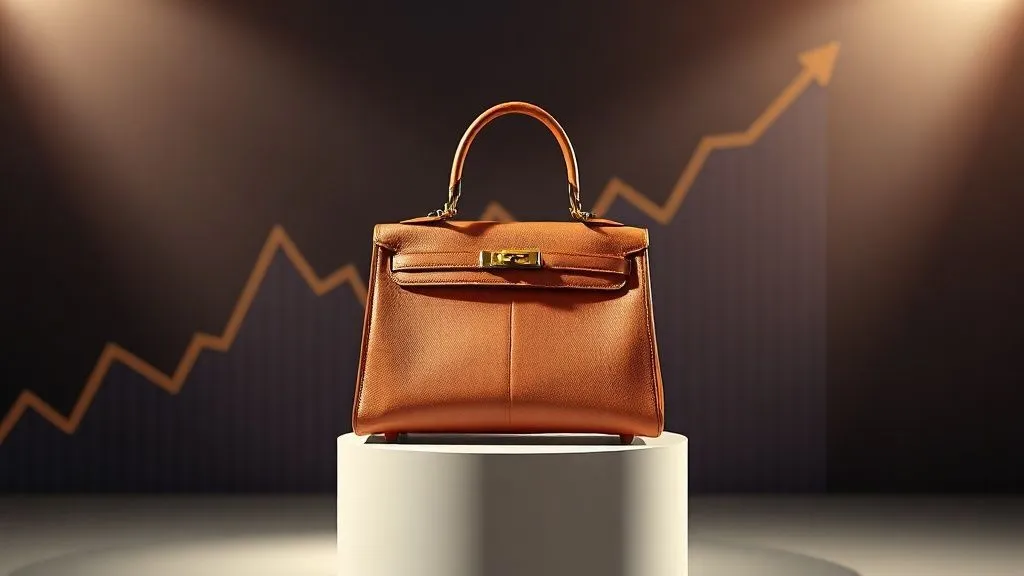
Highlighting the human element – the skilled artisans, the meticulous processes, the decades of expertise – can create a deeper appreciation for the price point. Showcase the journey of a product, from initial design to final polish. Emphasize the durability and timelessness of designs, positioning them as pieces that defy fast-fashion cycles. For example, a luxury handbag isn't just an accessory; it's a testament to generations of leatherworking skill, designed to last a lifetime, and potentially even appreciate in value. This narrative resonates with younger buyers who are increasingly wary of disposable culture.
| Metric | Traditional Focus | Modern Focus |
|---|---|---|
| Brand Awareness (Younger Demographics) | Reach through established media | Engagement via digital & influencer marketing |
| Brand Perception (Relevance) | Exclusivity & Legacy | Authenticity, Values & Innovation |
| Customer Acquisition Cost (CAC) | High-cost advertising | Targeted digital, organic social & collaborations |
| Customer Lifetime Value (CLTV) | Repeat purchases from loyalists | Early engagement, community building & loyalty programs |
| Digital Engagement Rate | Website traffic | Social interactions, content consumption & UGC |
Frequently Asked Questions (FAQ)
How do heritage brands avoid alienating existing loyal customers while modernizing? This is a critical balancing act. The key is 'evolution, not revolution.' Modernization should be an expansion, not a rejection, of core brand identity. Communicate changes transparently, emphasize how new initiatives enhance core values, and offer exclusive experiences or product lines that cater specifically to long-term patrons. Often, younger buyers are drawn to the same core values that attracted older generations, but presented in a contemporary context. For instance, a new digital campaign can highlight the same craftsmanship that a loyal customer appreciates, but through a short-form video instead of a print ad.
What's the role of NFTs and the Metaverse for luxury brands today? NFTs and the Metaverse are not mandatory for every heritage brand, but they represent significant opportunities for those willing to innovate. Their role is primarily in creating new forms of digital ownership, enhancing brand exclusivity through unique digital assets, and offering immersive, experiential marketing in virtual spaces. They can also serve as tools for community building, granting access to exclusive content or events. The adoption should be strategic, aligning with brand values and offering genuine value, rather than simply chasing trends.
Is it possible for a heritage brand to be truly sustainable without compromising luxury? Absolutely. In fact, sustainability is increasingly seen as a facet of modern luxury. True luxury implies exceptional quality, longevity, and responsible sourcing – elements that align perfectly with sustainable practices. Brands can invest in ethical supply chains, use innovative sustainable materials, adopt circular economy models (repair, resale), and communicate these efforts transparently. This elevates the brand's prestige and resonates deeply with younger, conscious consumers who view sustainability as a non-negotiable aspect of high-value products.
How important is influencer marketing for luxury brands targeting Gen Z? Influencer marketing is incredibly important, but it must be approached with nuance for luxury. Gen Z values authenticity, so partnering with influencers who genuinely align with the brand's ethos and have a credible voice within their niche is crucial. Focus on micro- and nano-influencers who foster deep engagement, rather than just large follower counts. The goal is not just reach, but believable advocacy that integrates the brand seamlessly into the influencer's lifestyle and content, making it feel organic and aspirational.
What are the biggest mistakes heritage brands make when trying to appeal to younger buyers? The biggest mistakes often stem from either a complete disregard for tradition or a desperate attempt to be 'hip.' These include: 1) Abandoning core heritage in pursuit of fleeting trends, alienating existing customers. 2) Using 'youth-speak' or digital platforms in an inauthentic way that feels forced or condescending. 3) Failing to address ethical and sustainability concerns, which are non-negotiable for younger generations. 4) Neglecting the digital customer experience, making online interactions clunky and un-luxurious. 5) Focusing solely on product without building a compelling, value-driven narrative.
Key Takeaways and Final Thoughts
Updating a heritage luxury brand image for younger buyers is not about erasing the past, but about building a bridge to the future. It requires a profound understanding of new consumer values and a strategic, authentic approach to modernization.
- Understand the New Consumer: Prioritize Gen Z and Millennial values like sustainability, inclusivity, and authenticity, and cater to their digital-native expectations.
- Reimagine Storytelling: Translate your rich heritage into dynamic, digital-first narratives that resonate with contemporary audiences.
- Embrace Ethics and Sustainability: Implement transparent, ethical, and eco-conscious practices across your supply chain and product lifecycle.
- Leverage Collaboration: Form strategic partnerships that inject fresh energy and expand your cultural relevance without compromising core identity.
- Champion Digital Transformation: Go beyond e-commerce, integrating Web3, AI, and seamless online experiences that mirror your brand's luxury.
- Cultivate Inclusivity: Ensure genuine diversity and representation in all facets of your brand, from campaigns to internal culture.
- Craft Experiential Marketing: Create unique, shareable 'phygital' moments that engage and create lasting memories.
- Articulate Value: Justify your price points by emphasizing craftsmanship, longevity, and the investment value of your products.
The journey to captivating younger luxury buyers is complex, but immensely rewarding. By thoughtfully evolving your brand, you not only secure its future but also enrich its legacy, proving that true luxury is timeless, adaptable, and perpetually relevant. It's about honoring where you've come from, while boldly stepping into where you need to be. The future of luxury is not just about what you sell, but what you stand for.
Recommended Reading
- Effortless Elegance: How to Choose Casual Menswear for Men Over 40
- Shine On: How to Clean Diamond Jewelry at Home Safely (Easy Guide)
- 5 Proven Strategies to Halt Activewear Churn & Dominate Your Market
- 7 Expert Strategies: Revamp Your Outdated Professional Capsule Wardrobe
- 7 Proven Strategies: How to Market Inclusive Fashion Without Backlash

Your email address will not be published. Required fields are marked *