

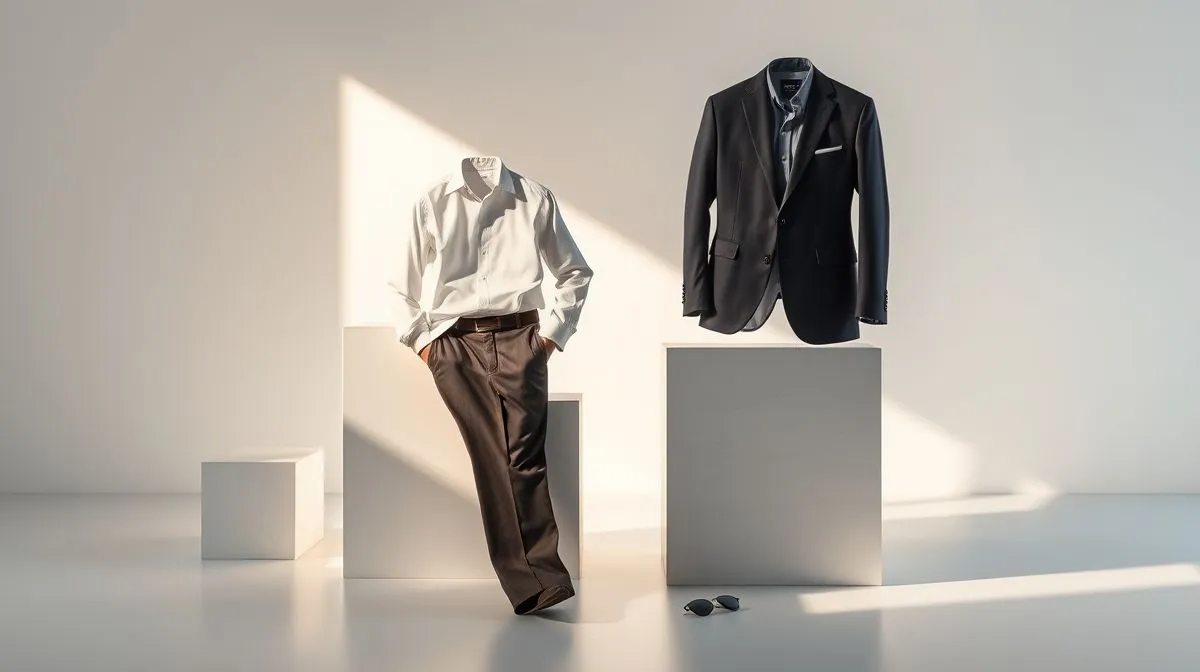
How to Craft Impactful Smart Casual Outfits for Male Professionals?
Crafting truly impactful smart casual outfits for male professionals goes far beyond simply throwing on a button-down shirt and chinos. In my experience, it's about curating a look that speaks to your competence, confidence, and personal brand, all while maintaining an approachable elegance. It’s an art form, really, blending formal elements with relaxed pieces to create a harmonious and powerful statement.
The goal isn't just to look presentable; it's to project an image of thoughtful professionalism that resonates in diverse settings, from client lunches to creative brainstorming sessions. Here’s how you can systematically build that impactful wardrobe.
The Non-Negotiable Foundation: Fit is King
If there's one principle I've hammered home over my 15 years in menswear, it's this: fit is paramount. An expensive suit that fits poorly looks cheap, while an affordable garment tailored to perfection can look incredibly luxurious. This isn't just about aesthetics; it’s about projecting competence.
“A well-fitting garment doesn't just make you look good; it makes you feel good, and that confidence is the most impactful accessory you can wear.”
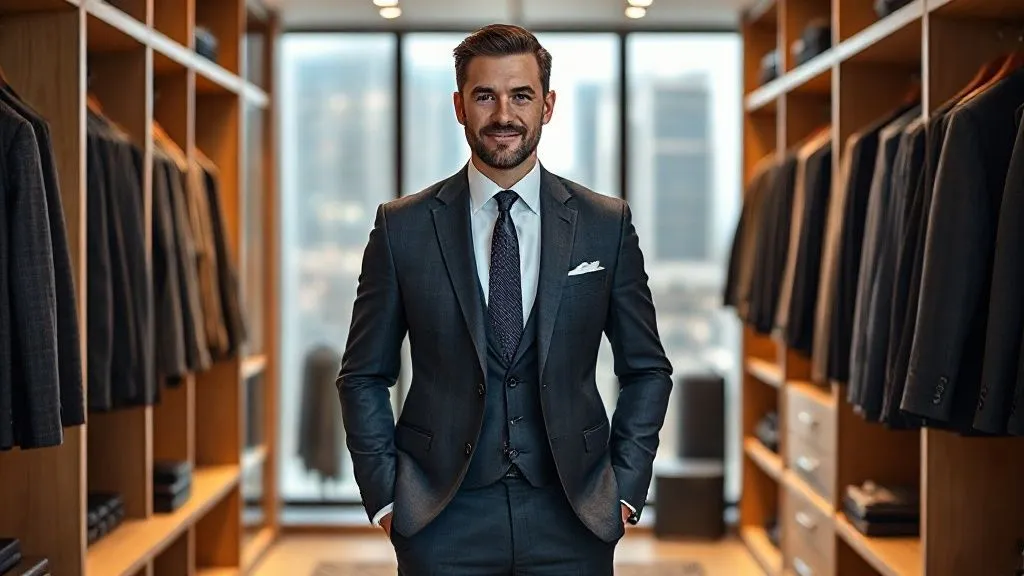
For smart casual, this means your trousers should break just above your shoes, shirts should skim your torso without pulling, and blazers should sit comfortably on your shoulders. A common mistake I see is men wearing clothes that are either too baggy, signaling sloppiness, or too tight, which can appear unprofessional. Invest in a good tailor; it’s the single best investment you’ll make in your wardrobe.
The Power of Fabric and Texture
Beyond fit, the choice of fabric profoundly influences the perceived quality and formality of an outfit. For smart casual, you want materials that offer structure, comfort, and a subtle visual interest without being overly dressy or too informal.
- Elevated Staples: Opt for cotton twill chinos, merino wool sweaters, linen-blend shirts, or even a fine-gauge cashmere knit. These fabrics instantly elevate a look beyond basic cotton.
- Textural Play: Consider a blazer in hopsack wool or a subtle tweed, which adds depth and character compared to a smooth worsted wool. Pairing a crisp cotton shirt with a textured knit cardigan, for instance, creates a dynamic visual interest.
This interplay of textures demonstrates a keen eye for detail, signaling a professional who pays attention to nuance.
Mastering the Color Palette and Contrast
An impactful smart casual outfit leverages color strategically, often relying on a sophisticated, muted palette with considered pops of color. Think about creating harmony and purposeful contrast.
In my experience, a core of neutrals — navy, charcoal, grey, olive, and khaki — provides the perfect canvas. From there, you can introduce accent colors through shirts, accessories, or a statement piece. For instance:
- Foundation: Navy chinos or grey wool trousers.
- Mid-layer: A crisp white or light blue button-down shirt.
- Outer-layer: A charcoal knit blazer or an olive field jacket.
- Accent: A pocket square with a subtle pattern, or a watch strap in a rich leather tone.
Avoid overly bright or clashing colors unless you possess an advanced understanding of color theory and are in a particularly creative field. The goal is understated sophistication, not a visual cacophony.
Strategic Layering: Adding Depth and Versatility
Layering is a cornerstone of smart casual, offering both practical warmth and significant stylistic depth. It allows you to adapt to varying temperatures and formality levels throughout the day, while also creating a more nuanced and interesting silhouette.
Consider the following impactful layering strategies:
- Shirt + Fine-Gauge Knit: A well-fitted dress shirt under a merino wool V-neck or crew-neck sweater is a timeless, polished combination.
- Shirt + Knit + Blazer: This trifecta exemplifies smart casual mastery. The blazer provides structure and formality, while the knit adds texture and warmth.
- T-Shirt + Overshirt/Light Jacket: For a slightly more relaxed but still refined approach, a quality crew-neck t-shirt under a well-structured overshirt (e.g., a chore jacket in moleskin) or a lightweight bomber jacket works wonders.
Each layer should work independently but also complement the others in terms of fit, fabric, and color. This thoughtful construction signals a professional who understands versatility and adaptability.
Elevating with Details and Accessories
The difference between a good outfit and an impactful one often lies in the details. Accessories are not mere afterthoughts; they are crucial elements that tie the entire look together and reflect your personal style and attention to detail.
- Footwear: This is where many professionals falter. Sneakers are acceptable, but they must be clean, minimalist, and high-quality (e.g., leather or suede trainers). Elevate further with suede loafers, chukka boots, or well-polished leather derbies. Never underestimate the power of good shoes.
- Belts: A quality leather belt that complements your shoes is essential. It should be slim and understated, not overly wide or embellished.
- Watches: A classic watch, whether a simple dress watch or a sophisticated field watch, adds a touch of refinement. It speaks volumes about your regard for time and precision.
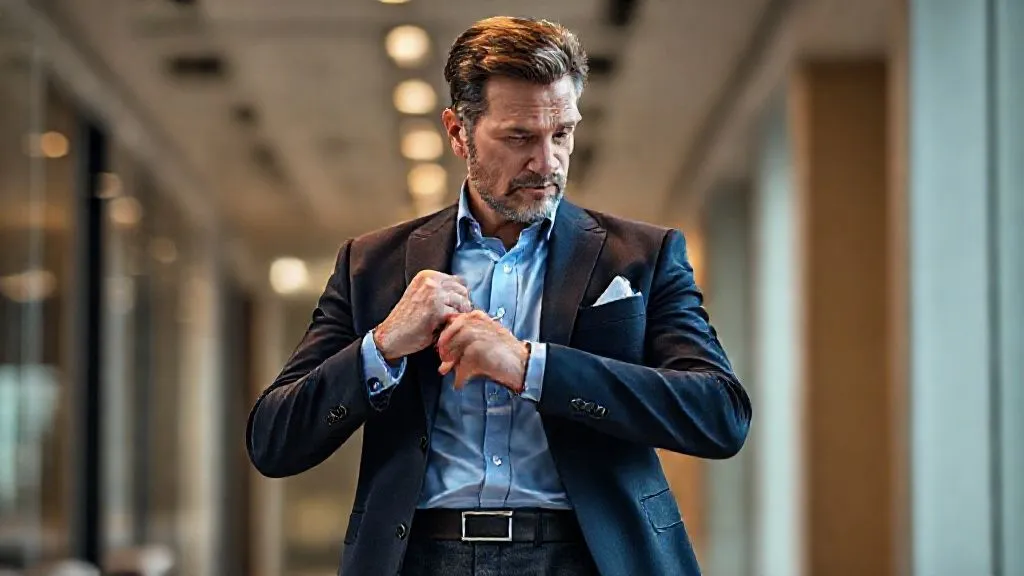
- Pocket Squares: A subtle way to inject personality and color into a blazer. Choose patterns and fabrics that complement, rather than match, your shirt or tie (if wearing one).
These small, deliberate choices demonstrate a holistic approach to personal presentation, reinforcing the image of a detail-oriented professional.
The Contextual Imperative
Finally, an impactful smart casual outfit is always contextually appropriate. What works for a tech startup in Silicon Valley might be out of place in a more traditional finance firm in London. Before you even begin to dress, consider your industry, your specific role, and the culture of the event or meeting you're attending.
As a rule of thumb, it's always better to be slightly overdressed than underdressed. This shows respect for the occasion and the individuals you'll be interacting with. An impactful professional understands that their attire is a form of non-verbal communication, and they tailor that message accordingly to maximize its effect.
Reading Recommendations:
- The Hidden Dangers: What Are the Privacy Risks of Fashion Wearables?
- The Unseen Culprit: Why Does Your Activewear Still Smell After Washing?
- Unlock Your Best Silhouette: How to Style Pear Shape Body for Flattering Looks
- 7 Essential Checks: Identify Truly Durable Classic Menswear for Retail
- Shine On: How to Clean Diamond Jewelry at Home Safely (Easy Guide)
Key Points and Final Thoughts
Having guided countless professionals over the past decade and a half, I've seen firsthand that **smart casual isn't merely a dress code; it's a strategic approach to personal branding.** It's about projecting competence and approachability simultaneously, a delicate balance that, when mastered, significantly impacts professional perception. A common mistake I consistently observe is the misinterpretation of 'casual' as an invitation for sloppiness. Many professionals inadvertently undermine their presence by wearing ill-fitting garments, neglecting grooming, or choosing pieces that are simply too relaxed for any professional setting, even a casual one. In my experience, **the single most impactful element of any outfit, smart casual or otherwise, is the fit.** A perfectly tailored, inexpensive chino will always outperform a high-end, ill-fitting designer pair. It communicates attention to detail and respect for oneself and the occasion."Fit is not a luxury; it's a fundamental pillar of sartorial competence. It transforms fabric into a second skin that enhances, rather than obscures, your professional silhouette."To truly master the smart casual aesthetic and ensure your choices resonate professionally, consider these key areas:
- The Uncompromising Power of Fit:
- Shoulders: Ensure shirt and jacket seams align precisely with your natural shoulder line. There should be no overhang or tightness.
- Sleeve Length: For shirts, cuffs should meet the base of your thumb. For jackets, they should expose about half an inch of your shirt cuff.
- Trousers: Opt for a modern taper that skims the leg without clinging. Hem length should allow a slight break or no break, depending on your preference and shoe choice.
- The Strategic Role of Fabric and Texture: Beyond fit, the **choice of fabric and texture significantly elevates a smart casual look**, often subtly. It adds depth and visual interest, conveying a sense of quality and discernment that synthetics often fail to achieve.
- Natural Fibers: Prioritize cotton, linen blends, merino wool, and cashmere. These breathe better, drape more elegantly, and age gracefully.
- Texture Play: Combine different textures – a crisp poplin shirt with a fine-gauge merino sweater, or a chambray shirt with a hopsack blazer – to create visual richness without relying on loud patterns.
- The Art of Intentional Layering: Mastering **intentional layering is a cornerstone of versatile smart casual dressing**. It allows you to adapt to varying temperatures and professional contexts throughout the day, while adding an immediate dimension of sophistication.
- The Base Layer: Start with a well-fitted t-shirt (crew or V-neck) or a collared shirt.
- The Mid-Layer: Add a fine-gauge knit sweater, a cardigan, or a lightweight vest. This provides warmth and visual interest.
- The Outer Layer: Complete with a sport coat, blazer, or a refined field jacket. This is where you can truly define the 'smart' component.
- Accessories: Your Silent Professional Allies: Never underestimate the transformative power of **well-chosen accessories**. They are the punctuation marks of your outfit, capable of elevating even the most basic ensemble from ordinary to polished.
- Footwear: Invest in quality leather shoes – loafers, Derbies, or clean, minimalist sneakers – and keep them impeccably maintained. They are often the first thing noticed.
- Belts: Match your belt leather to your shoes, or at least ensure it complements them. A minimalist buckle is always a safe bet.
- Watches: A classic timepiece, whether a dress watch or a refined diver, signals attention to detail and a sense of timeless style.
- Pocket Squares: A subtle pop of color or pattern in a blazer's breast pocket can instantly elevate your look, demonstrating an understanding of sartorial finesse.



Your email address will not be published. Required fields are marked *