

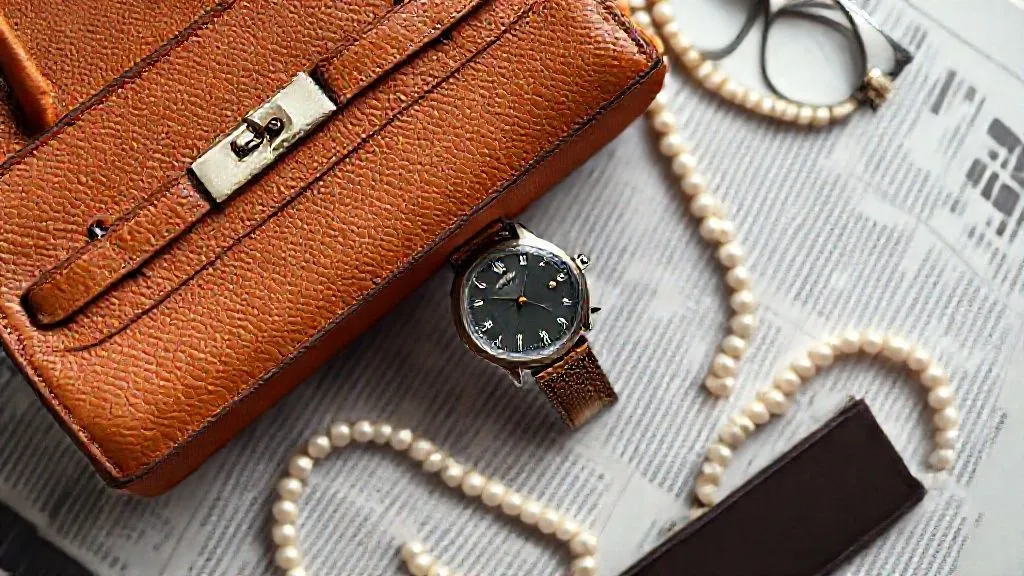
Which Luxury Fashion Investment Pieces Truly Appreciate Value?
For over two decades in the luxury fashion market, I've witnessed a fascinating, often misunderstood dynamic: the allure of a 'fashion investment.' Countless clients have approached me, starry-eyed, believing that every high-end purchase is a guaranteed asset. The reality, I've learned, is far more nuanced, and frankly, most luxury items are not investments in the financial sense.
The problem, as I see it, is a pervasive misconception fueled by marketing hype and aspirational media. Many believe that simply buying an expensive designer item means it will hold or even increase its value. This often leads to significant disappointment when attempting to resell a piece only to find its market value has plummeted, sometimes to a mere fraction of its original price. It's a common pitfall, and one that can make discerning true investment pieces feel like navigating a minefield.
In this definitive guide, I will pull back the curtain on the luxury market. Drawing from my extensive experience and market insights, I will reveal precisely which luxury fashion investment pieces truly appreciate value, why they do, and how you can identify them. We'll explore the specific characteristics, brands, and categories that stand the test of time and market fluctuations, providing you with an actionable framework to make genuinely smart, value-driven decisions.
The Shifting Sands of Luxury Value: More Than Just a Brand Name
Understanding appreciation in luxury fashion isn't about chasing trends; it's about discerning intrinsic value, scarcity, and enduring desirability. In my experience, the market for luxury goods behaves somewhat like an art market, where provenance, condition, and cultural significance play pivotal roles. It’s a complex ecosystem influenced by brand heritage, limited production, and even global economic shifts.
Many luxury items are designed for consumption, not investment. Their value is tied to their 'newness' and seasonal relevance. Once a piece is no longer current, its retail value often evaporates. However, a select few pieces transcend this cycle, entering a realm where their value can not only be preserved but actively grow. This growth isn't accidental; it's a testament to specific, often hard-to-replicate factors that we'll delve into.
The Pillars of Appreciation: What Makes a Piece Valuable?
- Scarcity & Exclusivity: Limited production runs, long waitlists, and restricted distribution channels are powerful drivers of secondary market value. If an item is hard to get new, it will be sought after pre-owned.
- Brand Heritage & Iconography: Brands with a rich history and instantly recognizable, timeless designs often fare best. These are pieces that represent the zenith of craftsmanship and design.
- Timeless Design & Versatility: Fashion is cyclical, but true investment pieces possess a design aesthetic that transcends ephemeral trends. They are classics that can be worn across seasons and decades.
- Craftsmanship & Durability: High-quality materials and superior construction ensure the item withstands the test of time, maintaining its aesthetic and structural integrity, which is crucial for resale.
- Market Demand & Liquidity: Even with scarcity, there must be sustained demand. Certain pieces have a consistent global buyer base, ensuring a healthy secondary market.
Iconic Handbags: The Untouchable Triumvirate of Appreciation
When clients ask me about the most consistent performers in luxury fashion investment, my mind immediately goes to a select few handbags. These aren't just accessories; they are tangible assets, often outperforming traditional investments like gold or even the stock market over certain periods. I've seen firsthand how these bags command staggering prices on the resale market, often exceeding their original retail cost.
The key here is not just 'designer bag' but 'iconic designer bag' from specific houses with rigorous control over production and distribution. It's a very small club, and their appreciation is a direct result of meticulously managed scarcity and unwavering global desirability.
Hermès Birkin and Kelly: The Ultimate Status and Store of Value
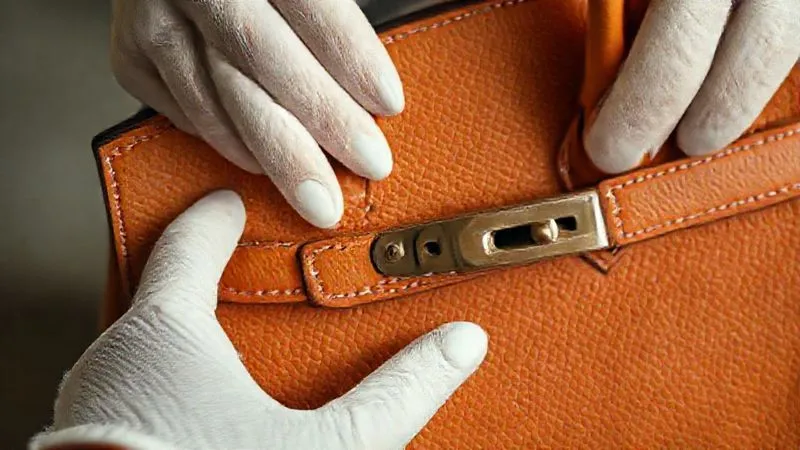
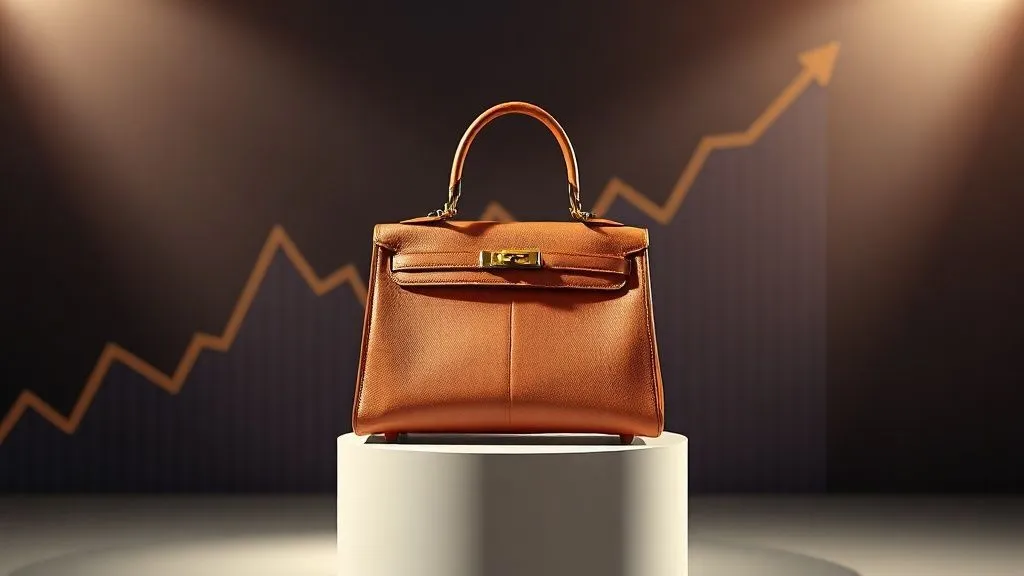
Without a doubt, the Hermès Birkin and Kelly bags are the undisputed champions of luxury fashion investment. Their legendary status is built on extreme exclusivity: long waitlists, limited production, and the requirement to have a significant purchase history with Hermès to even be offered one. This manufactured scarcity drives secondary market prices sky-high. According to a study by Baghunter, the Birkin bag has increased in value by 500% over the last 35 years, averaging 14% annual returns, outperforming both gold and the S&P 500. This is not just fashion; it's a financial phenomenon.
Chanel Classic Flap: A Consistent Performer
The Chanel Classic Flap bag, particularly in its medium and jumbo sizes, is another powerhouse. Chanel has consistently raised its prices year after year, sometimes multiple times within a single year, making pre-owned versions an attractive alternative for buyers, thus driving up their resale value. Its timeless design, rich heritage, and association with fashion royalty ensure its enduring appeal. While its appreciation might not always match the Birkin's astronomical trajectory, it offers reliable value retention and often healthy returns, especially for pieces purchased years ago.
Case Study: How Sarah's Chanel Investment Paid Off
Sarah, a client of mine, purchased a classic black Chanel Medium Flap bag in caviar leather for approximately $4,900 back in 2017. She used it sparingly and maintained it meticulously. Fast forward to 2023, and the retail price for the same bag had soared to over $10,000. When Sarah decided to sell her bag through a reputable consignment platform, it fetched $8,500. After commissions, she walked away with a significant profit, demonstrating the power of smart, long-term luxury investment in an iconic piece. This wasn't just a purchase; it was a strategic asset acquisition.
It's crucial to note that not all Hermès or Chanel bags appreciate. Seasonal colors, less popular styles, or heavily worn items will not command the same premium. The focus must be on classic, neutral colors (black, tan, gold, etoupe), popular sizes, and impeccable condition.
Timeless Timepieces: Watches as Wearable Assets
Beyond handbags, certain luxury watches have proven to be formidable investment pieces. These aren't just instruments for telling time; they are miniature marvels of engineering, artistry, and heritage. The market for vintage and pre-owned luxury watches has exploded, driven by passionate collectors and astute investors alike. I’ve observed watches that once retailed for modest sums now fetching six-figure prices at auction, a testament to their enduring appeal and scarcity.
The appreciation in watches is often tied to brand prestige, movement complexity, historical significance, and limited editions. Much like art, the story behind the watch, its rarity, and its condition are paramount.
Rolex: The King of Resale
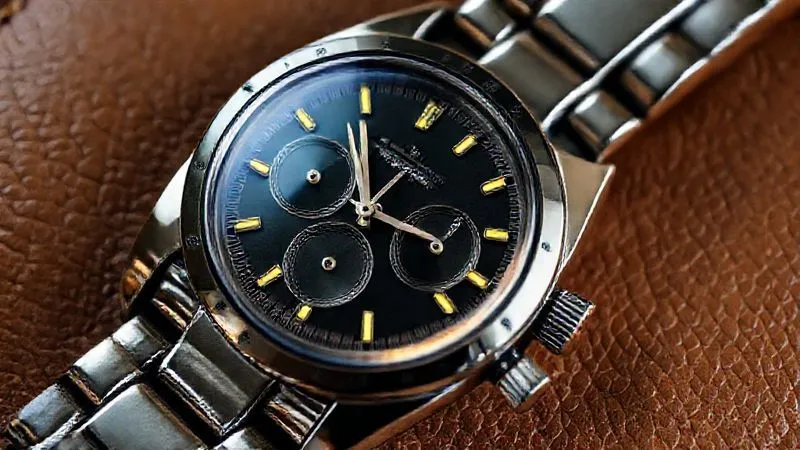
Rolex holds an almost mythical status in the watch world, and for good reason. Models like the Daytona, Submariner, and GMT-Master II consistently perform exceptionally well on the secondary market. Their robust construction, timeless designs, and the brand's unwavering demand ensure strong resale values. Certain discontinued models or those with rare dial configurations can see exponential growth. For instance, a vintage Paul Newman Daytona can command millions, illustrating the pinnacle of watch appreciation.
Patek Philippe: The Pinnacle of Craftsmanship and Scarcity
Patek Philippe is revered for its intricate movements, exquisite finishing, and extremely limited production. Their watches are often passed down through generations, embodying true heirloom quality. Models from the Nautilus and Aquanaut collections, especially the rarer references, have seen dramatic price increases, often trading for multiples of their retail price on the secondary market. As Forbes has noted, the demand for these highly exclusive pieces far outstrips supply, guaranteeing their investment potential.
Audemars Piguet: The Royal Oak's Enduring Allure
The Audemars Piguet Royal Oak, with its distinctive octagonal bezel and integrated bracelet, is another highly sought-after investment watch. Its pioneering design from the 1970s made it an icon, and its limited production ensures its desirability. Specific references, especially those in steel or vintage models, have shown impressive appreciation, making them a solid choice for the discerning collector-investor.
Fine Jewelry: Enduring Beauty, Tangible Value
Unlike fashion pieces that can go out of style, fine jewelry, particularly pieces from established houses with significant gemstones, offers a more stable and often appreciating investment. The intrinsic value of precious metals and high-quality stones forms a foundational floor for their worth, which can then be enhanced by design, brand, and provenance. I always advise clients that jewelry is often a generational investment, not a quick flip.
Beyond the Bling: The Importance of Quality and Provenance
When investing in jewelry, the focus should be on: Certified Gemstones: Diamonds, rubies, sapphires, and emeralds with reputable certifications (GIA, AGL) are crucial. Size, cut, color, and clarity (the 4 Cs) directly impact value. Precious Metals: Platinum and high-karat gold (18K, 24K) hold their value. Iconic Designs & Brands: Pieces from houses like Cartier, Van Cleef & Arpels, Tiffany & Co., and Bulgari, especially their signature collections (e.g., Cartier Love bracelet, Van Cleef & Arpels Alhambra), tend to appreciate due to brand equity and timeless appeal. Their designs are often instantly recognizable and carry a significant premium.
"A true luxury investment piece is not just about what it's made of, but the story it tells and the heritage it carries. It's an intersection of art, history, and impeccable craftsmanship."
Vintage Couture and Rare Collectibles: Niche, But Potent
This category is for the truly specialized investor, but it can yield extraordinary returns. Vintage haute couture, especially pieces from legendary designers like Cristóbal Balenciaga, Christian Dior (from his early years), Elsa Schiaparelli, or specific, historically significant pieces from more contemporary masters like Alexander McQueen or Rei Kawakubo, can command astronomical prices. These are often viewed as wearable art, collected by museums and private connoisseurs.
The appreciation here is driven by historical significance, rarity, artistic merit, and provenance (e.g., worn by a celebrity or featured in a famous exhibition). It requires deep knowledge and a keen eye, as the market is much smaller and more specialized than for bags or watches. However, I've seen a single vintage Chanel jacket from the 1960s sell for more than a new Birkin, highlighting the immense potential for the right piece.
The Art of Authentication and Provenance: Protecting Your Investment
In the world of high-value luxury fashion, counterfeits are a pervasive threat. Investing in a piece that turns out to be fake is not just a financial loss; it's a betrayal of trust. This is why authentication and provenance are absolutely non-negotiable for any aspiring luxury investor. I cannot stress this enough: always buy from reputable sources and, if possible, obtain documented proof of authenticity and ownership history.
Essential Steps for Authentication:
- Purchase from Authorized Dealers or Reputable Resellers: This is your first line of defense. Established auction houses, certified pre-owned platforms, and trusted vintage boutiques often have in-house experts.
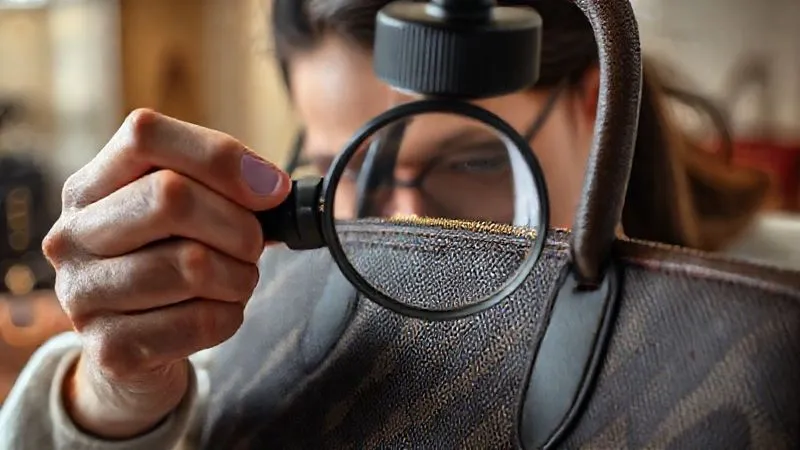
- Examine Craftsmanship: Luxury items are known for impeccable quality. Look for perfect stitching, high-grade materials, correct hardware, and flawless finishes. Fakes often have subtle flaws.
- Verify Serial Numbers & Date Codes: Many brands use unique identifiers. Learn how to locate and verify these for the specific brand you are interested in.
- Request Original Documentation: Dust bags, authenticity cards, receipts, and original packaging add significant value and aid in authentication. Keep them safe.
- Seek Third-Party Authentication: For high-value purchases, consider independent authentication services that specialize in specific luxury brands.
Market Dynamics and Future Trends: What to Watch For
The luxury market is not static; it's a dynamic environment influenced by global economics, cultural shifts, and evolving consumer values. As an expert, I'm constantly observing these trends to better advise on future investment potential. One significant shift is the growing emphasis on sustainability and ethical sourcing, which is influencing brand perception and, consequently, long-term value.
The rise of the digital luxury market and the increasing comfort with pre-owned luxury goods among younger demographics (Gen Z, Millennials) are also powerful forces. This normalization of secondary markets fuels liquidity and can sustain price appreciation for desirable items. However, it also means more transparency and competition.
| Factor | Impact on Appreciation | Example |
|---|---|---|
| Scarcity & Exclusivity | High | Hermès Birkin waitlists |
| Brand Heritage | High | Chanel Classic Flap history |
| Timeless Design | Medium to High | Rolex Submariner aesthetic |
| Craftsmanship Quality | Medium to High | Patek Philippe movement |
| Provenance & Condition | Critical | Vintage couture with history |
| Market Demand | High | Rolex Daytona secondary market |
Beyond the Hype: Practical Strategies for the Discerning Investor
Now that we've identified which luxury fashion investment pieces truly appreciate value, let's discuss how to approach these acquisitions strategically. Investing in luxury fashion is not a passive activity; it requires research, patience, and a keen understanding of the market. Here are my actionable strategies:
- Do Your Homework: Research specific models, their historical price appreciation, and current secondary market values. Consult reputable sources like The RealReal's luxury resale reports or Christie's auction results.
- Buy Smart: Consider the pre-owned market. Often, you can acquire a classic piece at a better price than retail, and its value trajectory is often more predictable. Sites like Vestiaire Collective, Fashionphile, and reputable auction houses are excellent starting points.
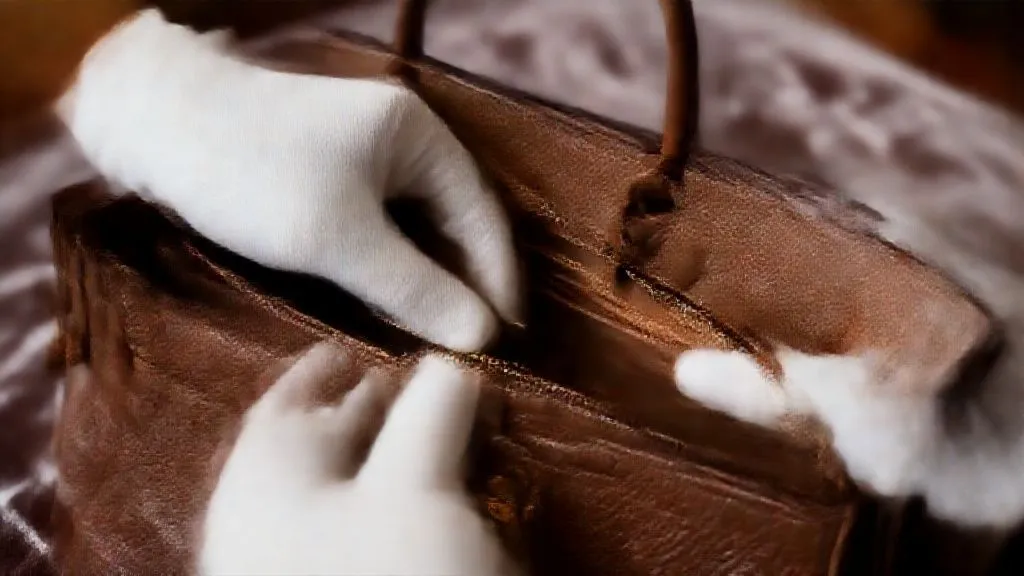
- Prioritize Condition: A piece in excellent or pristine condition will always command a higher resale value. Factor in the cost of professional cleaning or minor repairs if necessary, but avoid heavily damaged items.
- Maintain Meticulously: Proper care, storage, and occasional professional maintenance (especially for watches) are crucial to preserving value. Treat your investment piece with the respect it deserves.
- Consider the 'Wearability' Factor: While it's an investment, many pieces are meant to be enjoyed. Choose items you genuinely love and will use, striking a balance between financial gain and personal satisfaction.
- Network & Learn: Engage with collector communities, attend luxury auctions, and follow industry experts. The more you learn, the sharper your investment instincts will become.
Frequently Asked Questions (FAQ)
How do I verify the authenticity of a luxury fashion investment piece? Always purchase from authorized retailers or highly reputable, certified pre-owned platforms with strong authentication processes. For significant investments, consider independent third-party authentication services. Learn the specific details (stitching, hardware, serial codes) of the brand and model you're interested in, as fakes often miss subtle nuances. Keep original receipts and packaging.
Is buying pre-owned always a better investment strategy than new? Often, yes. Many luxury items experience a significant depreciation immediately after retail purchase, similar to a new car. Buying pre-owned allows you to bypass this initial depreciation and acquire pieces closer to their stable secondary market value, or even below it if you find a good deal. For highly coveted items like certain Birkins or Rolexes, the pre-owned market is often the only way to acquire them without a multi-year wait, and they may even trade above retail.
What role does condition play in the resale value of luxury items? Condition is paramount. A piece in 'excellent' or 'pristine' condition will always fetch a significantly higher price than one that is 'good' or 'fair'. Minor wear and tear are expected, but significant damage, heavy scuffs, stains, or missing components can drastically reduce value. Think of it like real estate: location, location, location; for luxury fashion, it's condition, condition, condition.
Are limited editions always a good investment? Not necessarily. While scarcity can drive value, not all limited editions are created equal. Their investment potential depends heavily on the brand, the specific design's desirability, the size of the limited run, and the overall market demand for that particular piece. Some limited editions become highly sought-after collector's items, while others, if they don't resonate with the wider market, can quickly lose value. Focus on limited editions of iconic models, not just any limited edition.
How do I track the value of my luxury fashion investments? Regularly monitor secondary market platforms, auction results (e.g., Sotheby's, Christie's), and reputable luxury resale sites. Compare prices for items in similar condition to yours. Follow industry news and market reports from luxury consultancies like Bain & Company or Deloitte. Over time, you'll develop an intuition for market trends and the current value of your pieces.
Key Takeaways and Final Thoughts
- True luxury fashion investment pieces are rare; most high-end purchases are for consumption, not appreciation.
- Focus on extreme scarcity, iconic brand heritage, timeless design, impeccable craftsmanship, and sustained market demand.
- Hermès Birkin/Kelly, Chanel Classic Flap, specific Rolex and Patek Philippe watches, and iconic fine jewelry are the most consistent performers.
- Authentication, provenance, and meticulous maintenance are critical to preserving and enhancing value.
- The pre-owned market, careful research, and a long-term perspective are essential for success.
Investing in luxury fashion is an art and a science. It's about combining passion with shrewd market analysis. By understanding the underlying drivers of value and applying the strategies I've outlined, you can move beyond mere consumption and build a truly appreciating collection. Remember, the goal isn't just to own beautiful things, but to own pieces that are also intelligent, enduring assets. Happy investing!
Recommended Reading
- 7 Pro Strategies: Banish Stubborn Dullness for Radiant Skin Clients
- Beat Digital Fatigue: 5 Best Prescription Lenses for Executive Eye Strain Relief
- Mastering Bespoke Creations: 7 Pillars of Haute Couture Excellence
- The Secret: How Phase Change Materials Regulate Clothing Temp?
- 7 Proven Strategies: Solving Textile Art Degradation in Theatrical Costumes

Your email address will not be published. Required fields are marked *