

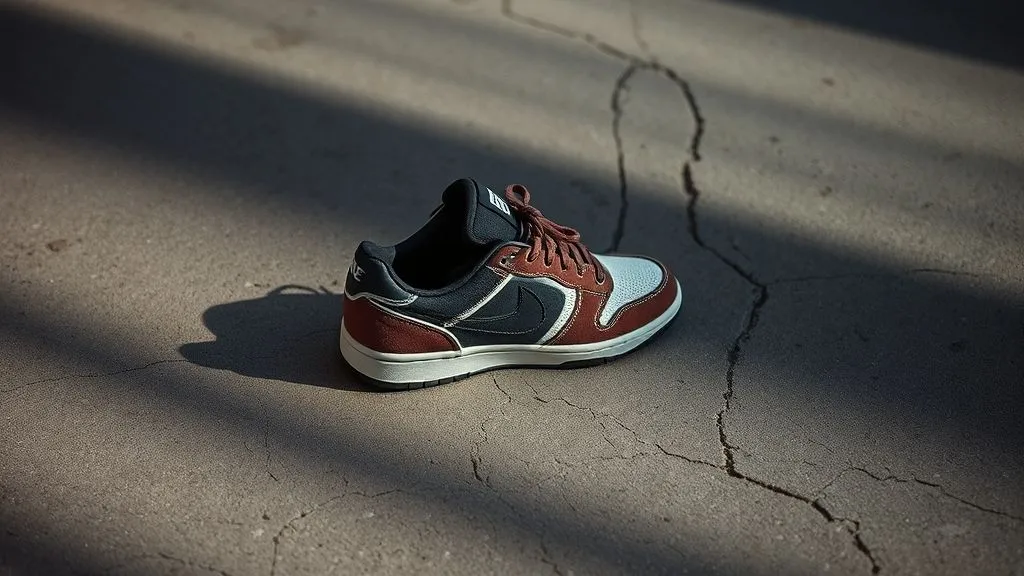
Why are my streetwear accessory sales stagnating despite trends?
For over 15 years immersed in the vibrant, often unpredictable world of streetwear, I've witnessed firsthand the cyclical nature of trends and the common pitfalls that can trap even the most promising brands. It’s a space where innovation and authenticity are king, yet many brands find themselves scratching their heads, wondering why their accessory sales are flatlining.
The frustration is palpable: you're seeing the hottest trends emerge, your designs feel fresh, and yet, the cash register isn't ringing with the same enthusiasm. This isn't just a minor blip; it's a critical symptom that something fundamental is misaligned within your strategy, threatening the very pulse of your brand.
In this definitive guide, I'll pull back the curtain on the often-overlooked reasons behind stagnating streetwear accessory sales. We'll move beyond surface-level observations to diagnose the root causes, offering you a robust framework, actionable steps, and expert insights to reignite your growth and reclaim your market position.
The Illusion of Trend Following: Beyond Surface-Level Design
Many brands mistakenly believe that simply replicating or slightly modifying a trending aesthetic is enough to guarantee sales. However, in the discerning streetwear market, this approach often leads to rapid obsolescence and a diluted brand image.
Are You Truly Innovating, or Just Imitating?
I've seen countless brands fall into the trap of 'trend chasing' – adopting popular motifs or silhouettes without infusing them with their unique brand DNA. This results in products that feel generic, easily overlooked in a crowded market. Streetwear consumers, especially the younger demographics, are keenly aware of authenticity.
True innovation in streetwear isn't about being first to market with a new colorway; it's about pushing boundaries, telling a story, and creating a sense of exclusivity or cultural relevance. Think about how iconic brands built their legacy – it wasn't by copying, but by defining.
"True streetwear isn't just about what's 'in'; it's about what's next and what resonates deeply with a specific cultural narrative. It's about leading, not following."
- Genuine Innovation: Experimenting with sustainable materials, unique collaborative narratives, or unconventional functional designs that solve a specific problem for the wearer.
- Mere Imitation: Releasing another basic beanie with a slightly altered logo, or a utility vest that looks identical to a dozen others already on the market, lacking any unique selling proposition.
The Erosion of Brand Identity in a Saturated Market
When you imitate, you invariably erode your brand's unique identity. Your messaging becomes muddled, and your target audience struggles to differentiate you from the myriad of other brands doing the exact same thing. This directly contributes to why your streetwear accessory sales are stagnating despite trends.
A strong Brand DNA is crucial. It’s the consistent thread that runs through every product, every campaign, and every interaction. Without it, you're just another product on the digital shelf, lacking the emotional connection that drives repeat purchases and builds a loyal community.
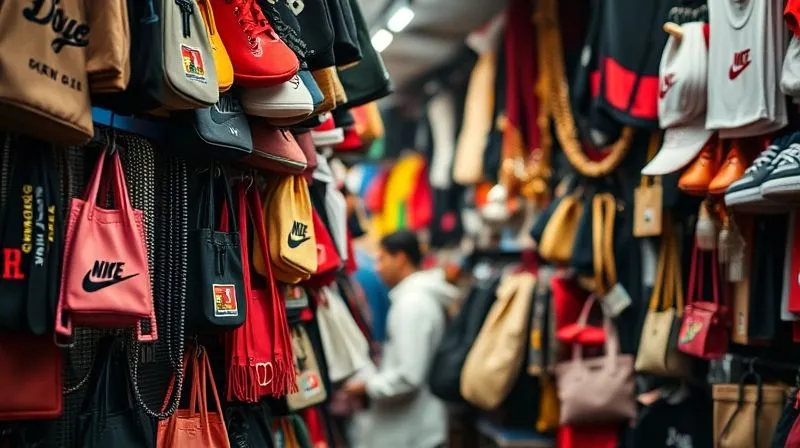
Misunderstanding Your Evolving Customer: The Shifting Sands of Streetwear Demographics
The streetwear landscape is dynamic, and so are its consumers. What appealed to a millennial five years ago might not resonate with a Gen Z consumer today. A failure to understand these evolving preferences can be a major factor in why your streetwear accessory sales are stagnating.
The Generational Divide: Gen Z vs. Millennials
Gen Z, now a dominant purchasing force, values authenticity, sustainability, and social impact far more than previous generations. They are digital natives, influenced by TikTok and Instagram, and prefer brands that align with their personal values and offer unique experiences.
Millennials, while still crucial, might prioritize brand heritage, quality, and a sense of nostalgia. Their purchasing decisions are often informed by different influencers and platforms. Ignoring these nuanced differences means your marketing efforts could be entirely off-target. According to a Deloitte study on Gen Z and Millennial consumer behavior, purpose-driven brands resonate significantly more with younger demographics.
The Power of Community and Subculture
Streetwear thrives on niche communities and subcultures. It's not a monolithic market. Are you actively engaging with the specific communities that appreciate your aesthetic? Or are you broadcasting to a general audience, hoping something sticks?
Building a loyal following means understanding these groups, participating in their conversations, and creating products that speak directly to their identity. This could involve targeted collaborations, sponsoring local events, or simply fostering genuine interaction on platforms where these communities gather.
| Generation | Values | Preferred Platforms | Purchase Drivers |
|---|---|---|---|
| Gen Z | Authenticity, Sustainability, Social Impact | TikTok, Instagram, Discord | Peer influence, unique experiences |
| Millennials | Quality, Brand Story, Nostalgia | Instagram, Facebook, Blogs | Brand loyalty, perceived value |
The Gaps in Your Digital Footprint: From Discovery to Conversion
In today's digital-first world, your online presence is often the first, and sometimes only, point of contact with potential customers. If your digital footprint is weak or inefficient, it will directly explain why your streetwear accessory sales are stagnating despite trends.
SEO and Content Strategy: Are You Visible?
It's not enough to just have a website. Your potential customers need to find you. Are you optimizing for relevant search terms? Are you creating valuable content that answers their questions, showcases your products, and positions you as an authority in the streetwear space?
I've seen many brands pour money into ads while neglecting the foundational work of SEO and content marketing. Long-tail keywords, blog posts about styling tips, brand stories, or even the cultural history behind certain accessory trends can significantly boost your organic visibility.
"If they can't find you, they can't buy from you. It's that simple. Visibility is the first step to viability."
E-commerce Experience: Frictionless or Frustrating?
Once a customer lands on your site, their journey must be seamless. A slow-loading site, poor mobile optimization, confusing navigation, or low-quality product images are all conversion killers. Every click should feel intuitive, every product detail clear, and the checkout process effortless.
Invest in professional photography that highlights the texture, quality, and scale of your accessories. Provide multiple angles and lifestyle shots. Ensure your mobile experience is flawless, as a significant portion of streetwear shopping happens on smartphones. For more insights on optimizing your online store, check out this Harvard Business Review article on the future of e-commerce.
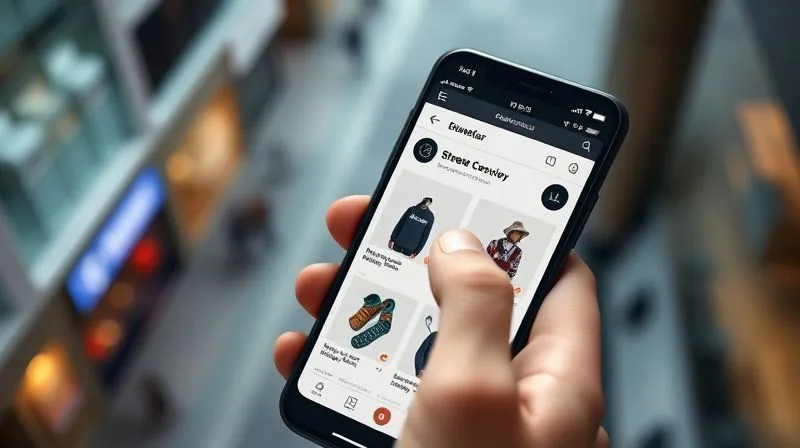
Social Media: Engagement vs. Broadcast
Many brands use social media as a one-way broadcast channel, simply posting product shots. This misses the entire point of social platforms. Are you engaging in conversations? Responding to comments? Encouraging user-generated content (UGC)?
Authentic engagement builds community and trust. Collaborate with micro-influencers whose audience genuinely aligns with your brand. Run contests, polls, and Q&A sessions. Show the personality behind your brand, not just the products.
Pricing, Perceived Value, and Inventory Mismanagement
These three elements are often intertwined and, when mismanaged, can severely impact profitability and contribute to why your streetwear accessory sales are stagnating despite trends.
Is Your Pricing Strategy Aligned with Perceived Value?
Streetwear accessories often command premium pricing due to brand equity, exclusivity, and design. However, if your product quality, brand story, or marketing doesn't justify that price, consumers will quickly look elsewhere. Conversely, underpricing can signal a lack of quality or confidence.
Your pricing needs to reflect the perceived value your brand offers. This isn't just about cost-plus; it's about what the market is willing to pay for your unique blend of design, quality, and brand cachet. Regularly conduct competitor analysis and market research to ensure your pricing remains competitive and attractive.
The Silent Killer: Inventory Overstock and Understock
Inventory is capital. Too much inventory (overstock) ties up cash, incurs storage costs, and often leads to heavy discounting, which devalues your brand. Too little inventory (understock) means missed sales opportunities and frustrated customers who will turn to competitors.
Effective inventory management is critical. It involves accurate forecasting, understanding lead times, and implementing strategies like just-in-time inventory where feasible. This is particularly challenging in trend-driven markets but essential for financial health.
"Inventory is not just product; it's capital. Manage it like gold, understanding that every piece sitting on a shelf is a dollar not working for you."
Case Study: How 'UrbanThread' Revived Their Accessory Line
UrbanThread, a mid-sized streetwear brand, faced significant stagnation in their accessory sales. They had accumulated excessive dead stock from misjudged trends and struggled with inconsistent pricing. After a deep dive into their operations, I advised them on a two-pronged approach.
First, they implemented a lean inventory system, focusing on smaller, more frequent drops based on real-time sales data and pre-orders, significantly reducing their overstock. Second, they refined their pricing strategy, conducting market research to align product prices with their perceived brand tier and quality, introducing a tiered loyalty program for premium items. This resulted in a 25% increase in profit margins for their accessory line within six months and a 15% reduction in carrying costs, proving that strategic inventory and pricing are crucial to overcoming the challenge of why your streetwear accessory sales are stagnating despite trends.
Marketing Myopia: Are You Speaking to the Right Audience, the Right Way?
Even with great products, if your marketing isn't hitting the mark, your sales will suffer. Marketing myopia, or a narrow focus, can prevent brands from seeing the bigger picture of their customer's needs and how to genuinely connect with them.
Beyond the Hype: Targeted Advertising and Influencer Strategy
Blasting generic ads to a broad audience is a waste of resources. Modern streetwear marketing demands precision. Utilize demographic and psychographic data to target your ads to specific subcultures and interest groups. Focus on platforms where your ideal customer spends their time.
When it comes to influencers, quality trumps quantity. Partner with micro-influencers or content creators who genuinely embody your brand's aesthetic and have an authentic, engaged following. Their recommendations carry far more weight than a celebrity endorsement that feels forced. For insights into effective influencer marketing, explore this Forbes article on influencer marketing trends.
Content Marketing That Converts: Storytelling Your Brand
Streetwear is inherently about storytelling. What's the narrative behind your brand? Your accessories? Your content marketing should reflect this. Go beyond just showing the product; show the lifestyle, the inspiration, the craftsmanship.
- 'Day in the Life' Series: Show how your accessories fit into the daily lives of your community members.
- 'How It's Made' Videos: Highlight the quality and ethical production of your items.
- Styling Guides: Offer practical advice on how to incorporate your accessories into various streetwear outfits, inspiring purchase.
This kind of content builds an emotional connection and provides value, making customers more likely to choose your brand when they're ready to buy.
The Post-Purchase Experience: Loyalty and Lifetime Value
Many brands focus solely on the initial sale, neglecting the crucial post-purchase phase. However, cultivating loyalty is far more cost-effective than constantly acquiring new customers. This is a subtle yet powerful reason why your streetwear accessory sales are stagnating despite trends – you're not retaining buyers.
From Transaction to Relationship: Customer Service Excellence
A smooth, positive post-purchase experience can turn a one-time buyer into a lifelong fan. This includes clear shipping communication, easy returns/exchanges, and responsive customer service. Personalized thank-you notes, small gifts, or exclusive content can elevate this experience.
Treat every customer interaction as an opportunity to reinforce your brand values and build a relationship. Resolving issues quickly and courteously can even turn a negative experience into a positive one, fostering trust and loyalty.
Building a Loyal Community: Exclusivity and Engagement
Streetwear thrives on exclusivity and community. How are you rewarding your loyal customers? Loyalty programs, early access to new drops, or exclusive community events can make your existing customers feel valued and special.
Focus on increasing Customer Lifetime Value (CLTV). A customer who buys from you repeatedly, and advocates for your brand, is far more valuable than a single transaction. Create a sense of belonging, and they will become your most powerful marketers.
Data-Driven Decisions: Your Compass in the Streetwear Jungle
Gut feelings and anecdotal evidence can only take you so far. To truly understand why your streetwear accessory sales are stagnating despite trends, you must embrace data. Data analytics provides objective insights into what's working, what isn't, and where opportunities lie.
Harnessing Analytics: Beyond Basic Sales Numbers
Go beyond simply looking at total sales. Dive into your analytics: traffic sources, conversion rates by channel, bounce rates on product pages, average order value, customer demographics, and product performance by category. Are certain accessories performing poorly? Is traffic high but conversions low?
These metrics paint a detailed picture of your customer's journey and pain points. Understanding them allows you to make informed decisions, rather than guessing. Invest time in learning Google Analytics or similar e-commerce dashboards.
"Data isn't just numbers; it's the voice of your customer and the pulse of your business. Listen closely, and it will tell you exactly what to do."
A/B Testing: Iterating Towards Success
Don't be afraid to experiment. A/B testing allows you to compare two versions of a webpage, email, or ad to see which performs better. Test different product descriptions, image layouts, call-to-action buttons, or even pricing tiers.
Small, incremental improvements identified through A/B testing can lead to significant gains over time. It's a continuous process of learning and optimization that ensures your strategies are always improving.
| Key Metric | Actionable Insight | Impact |
|---|---|---|
| Conversion Rate | Optimize product pages, streamline checkout, enhance imagery | Direct sales increase, improved ROI |
| Average Order Value | Bundle products, offer upsells/cross-sells, free shipping thresholds | Increased revenue per customer, higher profitability |
| Customer Acquisition Cost | Refine ad targeting, improve organic reach, leverage UGC | Improved profitability, sustainable growth |
| Bounce Rate | Improve site speed, enhance content relevance, clear navigation | Increased engagement, better user experience |
Frequently Asked Questions (FAQ)
How often should I release new streetwear accessories to stay relevant? The ideal frequency isn't fixed; it depends on your brand's capacity and strategy. Instead of constant releases, focus on thoughtful, impactful drops that align with cultural moments or seasonal shifts. Quality and narrative often outweigh sheer quantity. Some brands thrive on monthly drops, while others do well with quarterly, highly curated collections. The key is to build anticipation and maintain product integrity, avoiding burnout for both your team and your audience.
What's the biggest mistake streetwear brands make with their marketing budget? In my experience, the biggest mistake is failing to define their target audience precisely and then broadcasting generic messages. This leads to wasted ad spend and diluted brand messaging. Instead, brands should invest in deep audience research, segment their customers, and craft highly personalized campaigns that resonate with specific subcultures or demographics. Authenticity and relevance trump mass reach in streetwear.
Is it better to focus on a niche or try to appeal to a broader streetwear audience? Initially, focusing on a niche is almost always more effective. Streetwear is inherently built on subcultures. By deeply understanding and serving a specific niche, you can build a highly loyal community, establish strong brand identity, and gain credibility. Once you've solidified your foundation, you can strategically expand your appeal, but never at the expense of alienating your core audience. Trying to be everything to everyone from the start often results in being nothing to no one.
How can small streetwear brands compete with larger, established players? Small brands can compete by leveraging their agility, authenticity, and ability to connect personally with their audience. Focus on unique storytelling, limited edition drops, superior customer service, and direct community engagement. Larger brands often struggle to replicate this level of intimacy. Collaborate with local artists or micro-influencers, and champion sustainable or ethical practices if that aligns with your brand. These factors build a loyal following that money can't buy.
What role does sustainability play in current streetwear accessory sales? Sustainability plays an increasingly critical role, especially for Gen Z consumers. They are highly conscious of a brand's environmental and social impact. Brands that can genuinely demonstrate sustainable practices, ethical sourcing, or a commitment to circular fashion will gain a significant competitive advantage. Transparency about your supply chain and materials is key; performative sustainability will be quickly called out. This isn't just a trend; it's a fundamental shift in consumer values.
Key Takeaways and Final Thoughts
The question of 'Why are my streetwear accessory sales stagnating despite trends?' is rarely simple, but the answers are always actionable. It demands a holistic look at your brand, from the authenticity of your designs to the efficiency of your e-commerce platform and the depth of your customer relationships. It's about more than just trends; it's about understanding the underlying currents that shape the market.
- Innovate, Don't Just Imitate: Infuse your brand's unique DNA into every product.
- Know Your Customer Intimately: Understand generational shifts and subcultural nuances.
- Optimize Your Digital Journey: Ensure seamless discovery, conversion, and post-purchase experience.
- Master Pricing & Inventory: Align value perception and manage capital effectively.
- Targeted, Authentic Marketing: Connect with the right audience through genuine storytelling.
- Cultivate Loyalty: Prioritize customer lifetime value over single transactions.
- Embrace Data: Let analytics guide your strategic decisions and iterations.
By systematically addressing these areas, you won't just alleviate stagnation; you'll build a more resilient, authentic, and ultimately more profitable streetwear brand. The industry is ever-evolving, but with a strategic, data-driven approach and an unwavering commitment to your brand's core identity, you can navigate its complexities and truly thrive. It's time to stop wondering and start strategizing.
Recommended Reading
- Best Activewear for CrossFit Beginners: Crush Your First WOD!
- 5 Strategic Pillars: What to do when luxury handbag fakes erode brand exclusivity?
- Unlock the Secret: How to Reduce Microplastic Shedding from Your Clothes for a Cleaner Planet
- Mastering Couture: 7 Strategies for Flawless Fit Despite Posture Issues
- Safeguarding Haute Couture: 7 Strategies to Prevent Heritage Technique Erosion




Your email address will not be published. Required fields are marked *