

Solving the shortage of haute couture heritage craft artisans? A Path Forward.
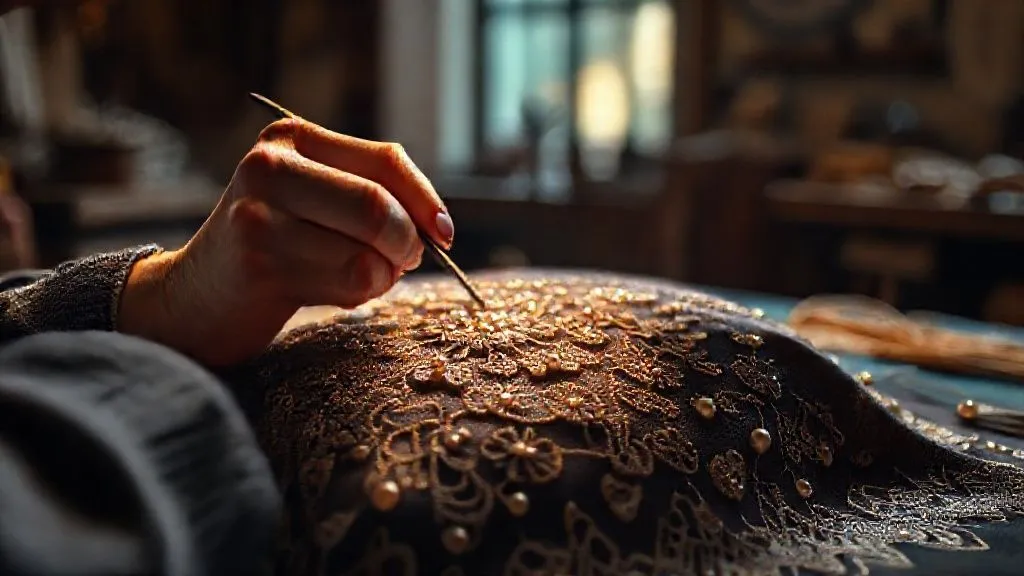
For over two decades, immersed in the rarefied world of haute couture, I’ve witnessed firsthand the breathtaking beauty of creations born from centuries-old techniques. I've seen the meticulous precision of a plumassier, the delicate touch of an embroiderer, and the structural genius of a tailor transform fabric into dreams. This isn't just fashion; it's living art, a testament to human skill and dedication passed down through generations.
However, beneath the shimmering surface of the runway, a profound crisis has been brewing: the alarming shortage of haute couture heritage craft artisans. This isn't merely a scarcity of hands; it's an erosion of irreplaceable savoir-faire, a silent threat to the very soul of an industry built on unparalleled craftsmanship. The fear is palpable – what happens when the masters retire, and there are no apprentices to inherit their invaluable knowledge?
In this definitive guide, I will draw upon my extensive experience to dissect the core challenges contributing to this shortage. More importantly, I will present actionable frameworks, real-world insights, and strategic solutions designed not just to address the problem, but to revitalize the artisan ecosystem, ensuring the future of haute couture heritage crafts for generations to come. We will explore innovative apprenticeship models, financial sustainability, technological integration, and the critical role of education and policy.
Understanding the Erosion of Savoir-Faire: A Deep Dive into the Crisis
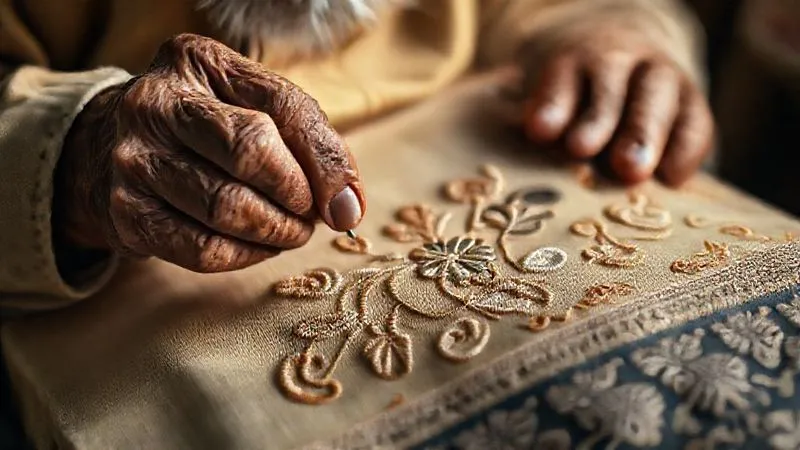
The term 'savoir-faire' in haute couture encapsulates more than just skill; it embodies a deep, intuitive understanding of materials, techniques, and aesthetics that can only be cultivated through years of dedicated practice and direct transmission from master to apprentice. It's the unspoken knowledge, the 'feel' for fabric, the precise tension of a stitch – elements that defy easy documentation or quick learning. This invaluable heritage is now under severe threat.
The root causes of this erosion are multifaceted. Economic pressures often push young talent towards more 'stable' or financially lucrative careers, perceiving couture crafts as niche, poorly compensated, or precarious. Globalization and the rise of fast fashion have also shifted societal values, often prioritizing speed and volume over painstaking quality and timelessness. This devaluation of manual skills has created a chasm between the demand for luxury and the supply of those who can create it.
Furthermore, we face a looming 'brain drain' within ateliers. Many master artisans, who represent the last bastions of certain techniques, are nearing retirement age. Without a robust, formalized system for knowledge transfer, their unique skills and accumulated wisdom risk being lost forever. This isn't just a hypothetical concern; I've personally witnessed ateliers struggling to find successors for specific, highly specialized roles, putting entire collections at risk.
The true luxury of haute couture lies not just in its materials, but in the human touch, the time, and the inherited knowledge that transforms fabric into art. To lose our artisans is to lose our soul.
Reimagining Apprenticeship Models for the 21st Century
The traditional apprenticeship model, often informal and reliant on serendipitous connections, is no longer sufficient to address the scale of the current artisan shortage. While invaluable in its essence, it needs a modern, structured overhaul to attract and retain new talent effectively. We must formalize learning pathways and provide clear career progression.
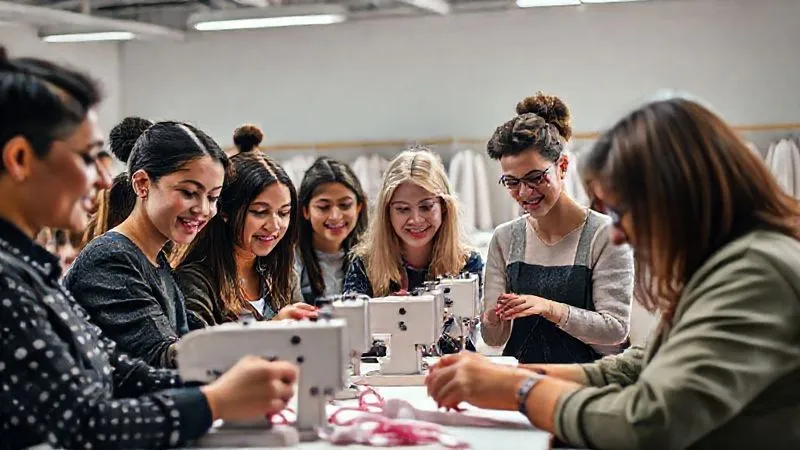
In my experience, the most successful new models blend the intimacy of traditional mentorship with the rigor of academic structure. This means developing comprehensive curricula, certifying mentors, and providing apprentices with a holistic understanding of the industry, not just a single craft. Here are actionable steps for creating such programs:
- Structured Curriculum Development: Design modules that systematically cover foundational skills, advanced techniques, material science, and even the history and philosophy of haute couture. This ensures a well-rounded artisan, not just a technician.
- Certified Master Mentors: Identify existing master artisans who not only possess exceptional skills but also the pedagogical ability to teach. Provide them with training in mentorship and curriculum delivery, ensuring effective knowledge transfer.
- Cross-Disciplinary Exposure: Encourage apprentices to gain exposure to various couture crafts – embroidery, tailoring, draping, millinery, plumasserie – even if they specialize in one. This fosters a deeper appreciation for the entire creative process and builds versatile artisans.
- Digital Integration for Learning and Management: While the craft remains manual, digital tools can enhance learning (e.g., video tutorials of complex stitches, digital pattern archives) and atelier management (inventory, project tracking). This should augment, not replace, hands-on learning.
- Clear Pathways to Employment and Growth: Articulate clear career progression from apprentice to junior artisan, senior artisan, and potentially master artisan or atelier head. This provides motivation and a sense of long-term viability.
Partnering with established educational institutions and government bodies is crucial for accreditation and funding. These partnerships can elevate the perception of couture crafts as legitimate, prestigious career paths. According to a recent report by McKinsey & Company on the State of Fashion, investment in talent development and training is a key differentiator for luxury brands in a competitive market.
| Aspect | Traditional Model | Modern Model |
|---|---|---|
| Structure | Often informal, ad-hoc, master-led | Formalized curriculum, structured progression, certification |
| Mentorship | Organic, deep, often singular | Certified mentors, peer learning, multiple masters |
| Curriculum | Learned by doing, observation | Systematic modules, theoretical & practical |
| Duration | Highly variable, often decades | Defined stages, typically 3-5 years for core skills |
| Outcome | Highly specialized, often isolated | Versatile, industry-aware, collaborative artisans |
Bridging the Generational Gap: Mentorship and Knowledge Transfer
The generational gap is perhaps the most immediate and critical challenge in solving the shortage of haute couture heritage craft artisans. It's not enough to train new artisans; we must ensure the invaluable knowledge held by retiring masters is effectively transmitted before it's lost forever. This requires deliberate, empathetic, and often innovative approaches to mentorship.
I often refer to the 'secret language' of craft – the nuanced understanding that can't be found in textbooks but is embedded in the hands and minds of experienced artisans. This language is spoken through demonstration, correction, and shared experience. Effective knowledge transfer programs focus on creating an environment where this language can flourish, fostering deep, trust-based relationships between generations.
Case Study: Atelier Lumière's Legacy Program
Atelier Lumière, a renowned Parisian couture house specializing in intricate beadwork and embroidery, faced a looming crisis. Three of their five master embroiderers, with a combined 120 years of experience, were set to retire within five years, and the existing junior staff lacked the specific expertise to take over. Recognizing the urgency, the atelier launched its 'Legacy Program'.
The program involved a structured reverse-mentorship initiative. Each retiring master was paired with two promising junior artisans. Beyond daily work, dedicated weekly sessions were scheduled for explicit knowledge transfer, including: documenting unique stitches, analyzing historical pieces, and even recording video tutorials of complex techniques. The juniors were empowered to ask 'why' and 'how' at every step, prompting the masters to articulate their often-instinctive decisions. This resulted in a 70% retention rate of new artisans who successfully absorbed the necessary skills, and crucially, a comprehensive digital archive of previously undocumented techniques. Atelier Lumière not only preserved its heritage but also created a new generation of confident, highly skilled embroiderers, demonstrating a powerful solution to solving the shortage of haute couture heritage craft artisans.
Knowledge not shared is knowledge lost. In haute couture, this isn't just a saying; it's a looming threat to our very existence. We must actively cultivate avenues for this priceless exchange.
Practical tips for fostering effective mentor-mentee relationships include: establishing regular, dedicated check-ins for feedback and guidance; initiating joint projects where both mentor and mentee contribute, allowing for practical application of learned skills; and encouraging the documentation of techniques through sketches, notes, and even modern video recording, creating a tangible legacy of knowledge.
Attracting New Talent: Marketing Couture Crafts as Viable Careers
One of the most significant hurdles in solving the shortage of haute couture heritage craft artisans is the perception problem. Many young people view careers in traditional crafts as outdated, poorly paid, or lacking growth opportunities. To attract a new generation, we must actively rebrand and market these professions as dynamic, rewarding, and intellectually stimulating career paths that offer immense personal satisfaction and global recognition.
Strategies for rebranding couture craftsmanship are essential. This means actively showcasing the human stories behind the garments, highlighting the creativity, precision, and artistry involved. We need to move beyond the stereotype of the 'hidden' artisan and bring their work into the spotlight:
- Showcasing Success Stories: Feature interviews and documentaries on renowned artisans, their journey, their passion, and the incredible pieces they create. Let their personal narratives inspire.
- Digital Storytelling and Social Media: Leverage platforms like Instagram, TikTok, and YouTube to share behind-the-scenes glimpses of atelier life, the intricate details of handwork, and the sheer beauty of the creative process. High-quality visuals can transform perceptions.
- Open Atelier Days and Workshops: Invite the public, especially students and career changers, into ateliers to witness the magic firsthand. Hands-on workshops can spark interest and demonstrate the tangible rewards of craft.
- Collaborations with Influencers and Artists: Partner with creators who appreciate and can authentically communicate the value of artisanal work to a wider, younger audience.
Early exposure is also critical. Collaborating with high schools and vocational colleges to introduce couture crafts as viable career options can plant seeds of interest. Career counselors need to be equipped with accurate information about the earning potential, stability, and global opportunities within the luxury sector for skilled artisans. As noted by Forbes Communications Council, authentic storytelling is paramount for luxury brands to connect with new generations.
Financial Sustainability and Fair Compensation for Artisans
It's an uncomfortable truth that for many years, the intricate, time-consuming work of haute couture artisans has been undervalued financially. This economic reality is a primary driver of the artisan shortage, pushing talented individuals towards other industries where their skills might be less appreciated but better compensated. Solving the shortage of haute couture heritage craft artisans fundamentally requires addressing this financial disparity.
We must advocate for fair wages, comprehensive benefits, and stable employment conditions that reflect the immense skill, time, and heritage embodied in an artisan's work. This isn't just an ethical imperative; it's a strategic investment in the future of the industry. When artisans are fairly compensated, they are more likely to stay in the profession, attract new talent, and pass on their knowledge with pride.
Here are key strategies for ensuring financial sustainability:
- Transparent Pricing Models: Educate consumers on the true cost of haute couture – the hours of human labor, the rarity of materials, and the years of training required. Brands must justify their pricing by highlighting artisan contributions.
- Direct-to-Consumer Opportunities: Empower artisans to create and sell their own bespoke pieces or offer specialized services directly. This allows them to capture a larger share of the value they create and build their own brands.
- Collective Bargaining and Guilds: Support the formation or strengthening of artisan guilds and associations that can advocate for fair labor practices, set industry standards, and provide a collective voice for artisans.
- Grants and Subsidies: Advocate for government and private grants specifically aimed at supporting heritage craft artisans, covering training costs, studio space, or material acquisition.
True luxury is never cheap, and its creation should never come at the expense of those who painstakingly bring it to life. Fair compensation is not a cost; it's an investment in legacy, creativity, and the preservation of irreplaceable skills.
Ultimately, the luxury market must recognize that the long-term value of haute couture is inextricably linked to the well-being and prosperity of its artisans. Investing in human capital is not an expense; it is the most critical investment a brand can make to safeguard its heritage and secure its future.
Technological Integration: Augmenting, Not Replacing, Handcraft
The notion that technology is a threat to traditional crafts is a common misconception. In fact, when approached thoughtfully, technology can be a powerful ally in solving the shortage of haute couture heritage craft artisans, augmenting human skill rather than replacing it. The key lies in strategic integration that enhances efficiency, preserves knowledge, and opens new creative avenues, allowing artisans to focus on the elements that truly require their human touch.
I've seen firsthand how cutting-edge tools, when applied judiciously, can streamline preparatory processes, reduce repetitive strain, and even facilitate more complex designs. Here's how technology can support haute couture crafts:
- Digital Archiving and Documentation: High-resolution scanning of historical patterns, sketches, and finished garments creates invaluable digital libraries. Video tutorials of complex techniques (as seen in the Atelier Lumière case study) ensure knowledge is preserved for future generations, even after a master artisan retires.
- Computer-Aided Design (CAD) and 3D Printing: While the final garment is hand-stitched, CAD can be used for initial design exploration, precise pattern making, and even creating intricate 3D-printed prototypes for embellishments or structural elements. This frees the artisan to perfect the hand-finishing.
- Advanced Tools and Ergonomics: Modern lighting, specialized magnification tools, and ergonomically designed workspaces can reduce eye strain and physical fatigue, extending the careers of experienced artisans and making the work more appealing to new recruits.
- Material Innovation and Analysis: Technology allows for the development of sustainable new materials or the precise analysis of historical textiles, informing restoration efforts and new creations.
- Global Collaboration and Remote Learning: Digital platforms can connect artisans across continents for skill exchange, masterclasses, and collaborative projects, democratizing access to specialized knowledge.
The critical distinction is that technology should always serve as a tool for the artisan, empowering them to create more efficiently and innovate, rather than becoming a substitute for their irreplaceable hand skills. It's about finding the perfect synergy between ancestral wisdom and modern innovation.

The Role of Educational Institutions and Government Policies
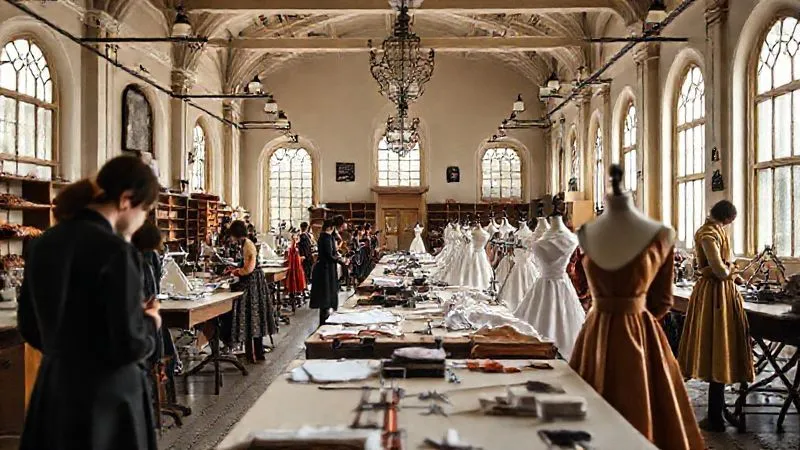
No single atelier or brand can solve the artisan shortage alone. A systemic, collaborative effort involving educational institutions and supportive government policies is paramount. These entities play a crucial role in shaping the environment in which heritage crafts are valued, taught, and sustained.
Educational institutions, from vocational schools to universities, must step up to the plate. In my opinion, this involves:
- Specialized Curricula: Developing dedicated, in-depth programs for specific haute couture crafts (e.g., specific types of embroidery, millinery, tailoring techniques) rather than generic fashion design courses. These programs should be rigorous and long-term.
- Strong Industry Partnerships: Establishing formal ties with haute couture houses and ateliers to facilitate internships, apprenticeships, and guest lectures by master artisans. This ensures curricula remain relevant and provides students with real-world experience.
- Research and Development Centers: Creating hubs for material innovation, historical textile analysis, and the documentation of techniques, fostering academic rigor around craft.
- Promoting Craft as Art: Elevating the status of craft education, positioning it alongside fine arts and design, attracting students who seek creative expression and intellectual challenge.
Governments also have a vital responsibility. Cultural heritage is not just about buildings and artifacts; it's about living traditions and the people who embody them. Policies should reflect this:
- Funding and Grants: Providing financial support for vocational schools, artisan training programs, and individual artisans. This could include scholarships for apprentices or grants for ateliers investing in training.
- Cultural Heritage Designation: Officially recognizing and protecting specific haute couture crafts as intangible cultural heritage, similar to UNESCO designations for other traditional skills. This can unlock further funding and raise public awareness.
- Tax Incentives: Offering tax breaks or subsidies to fashion houses and ateliers that invest heavily in artisan training, apprenticeship programs, and the preservation of heritage techniques.
- International Collaboration: Facilitating cross-border exchange programs for artisans and educators, sharing best practices and fostering a global community of craft.
By fostering an ecosystem where education and policy align, we can create a sustainable future for haute couture's most precious asset: its human skill. As highlighted by UNESCO's Intangible Cultural Heritage initiative, safeguarding traditional craftsmanship is crucial for cultural diversity and human creativity.
Frequently Asked Questions (FAQ)
Is the shortage of haute couture artisans unique to this niche, or is it a broader problem in luxury crafts? While particularly acute in haute couture due to its extreme specialization and small scale, the shortage of skilled artisans is a broader challenge across many luxury craft sectors, from watchmaking and jewelry to bespoke shoemaking and leather goods. The underlying causes—aging workforce, lack of new talent, economic pressures, and changing societal perceptions—are largely similar across these industries. Haute couture, however, often represents the pinnacle of these skills, making its preservation even more critical.
How can small, independent ateliers compete with large fashion houses for new talent? Small ateliers can compete by leveraging their unique strengths: offering a more intimate, hands-on learning environment; providing direct mentorship from a single master; fostering a strong sense of community and family; and often specializing in a very niche, highly sought-after skill. They can also collaborate on shared training programs or marketing efforts to collectively attract talent, emphasizing the unparalleled quality of life and creative freedom often found in smaller, independent settings.
What role does technology truly play in preserving these traditional crafts without diluting their authenticity? Technology's role is to augment, not replace. It can preserve knowledge through digital archiving of techniques and patterns, enhance efficiency in preparatory stages (e.g., CAD for pattern making), and improve working conditions (ergonomic tools, better lighting). It also facilitates global communication and learning. The authenticity remains in the human hand, the artisan's eye, and the centuries-old techniques applied to the final creation. Technology should free the artisan to focus more intently on the irreplaceable, artisanal touch.
How long does it typically take to train a haute couture artisan to a master level? Becoming a true haute couture master artisan is a lifelong journey, but the foundational training typically requires 3-5 years of intensive apprenticeship and formal education to acquire a high level of proficiency in a specialized craft. Reaching a 'master' level, however, implies decades of experience, continuous learning, and the development of a profound, intuitive understanding of the craft, often taking 15-20 years or more. It's an ongoing evolution of skill and artistic sensibility.
Are consumers willing to pay more for ethically crafted, heritage pieces, and how can brands communicate this value? Yes, a growing segment of luxury consumers, particularly younger generations, are increasingly valuing transparency, ethical production, and sustainability. They are often willing to pay a premium for pieces that tell a story of human skill, heritage, and fair labor. Brands can communicate this value through compelling storytelling—showcasing the artisans, detailing the hours of work, explaining the rarity of techniques, and being transparent about their ethical sourcing and compensation practices. Certifications and digital provenance tools can further build trust.
Key Takeaways and Final Thoughts
The challenge of solving the shortage of haute couture heritage craft artisans is formidable, but it is far from insurmountable. As an industry veteran, I firmly believe that by embracing innovative strategies and fostering a spirit of collaborative action, we can not only overcome this crisis but also usher in a new golden age for artisanal craftsmanship.
- Reimagine Apprenticeships: Move beyond informal models to structured, certified programs that provide clear career pathways and blend traditional mentorship with modern educational rigor.
- Prioritize Knowledge Transfer: Implement dedicated legacy programs and mentorship initiatives to ensure the invaluable savoir-faire of retiring masters is effectively passed to the next generation.
- Rebrand Artisan Careers: Actively market couture crafts as desirable, fulfilling, and financially viable professions through digital storytelling, open ateliers, and educational partnerships.
- Ensure Financial Sustainability: Advocate for fair compensation, transparent pricing, and supportive economic models that truly value the immense skill and time invested by artisans.
- Strategically Integrate Technology: Utilize digital tools for archiving, design assistance, and efficiency, allowing artisans to focus on the irreplaceable human touch without compromising authenticity.
- Engage Institutions & Policy: Forge strong partnerships with educational bodies for specialized curricula and advocate for government policies that provide funding, cultural protection, and incentives for craft preservation.
The future of haute couture, with its unparalleled beauty and artistry, rests on our collective ability to nurture and support the hands that create it. This isn't just about preserving a craft; it's about safeguarding human ingenuity, celebrating artistic dedication, and ensuring that the legacy of exquisite handmade luxury continues to inspire and enchant for centuries to come. Let us work together to empower the next generation of artisans and weave a vibrant future for this extraordinary art form.
Recommended Reading
- 7 Essential Steps: Safeguarding Your Fragile Vintage Dresses from Irreversible Damage
- Secure That Veil: 7 Expert Steps for Fine, Slippery Bridal Hair All Day
- 5 Steps: Crafting Durable Natural Makeup for Oily Skin That Lasts
- Mastering Upcycled Quality: 6 Steps to Profitable Fashion Collections
- Cracking the Code: How to Ensure Toddler Outfits Meet Strict Safety Standards




Your email address will not be published. Required fields are marked *