

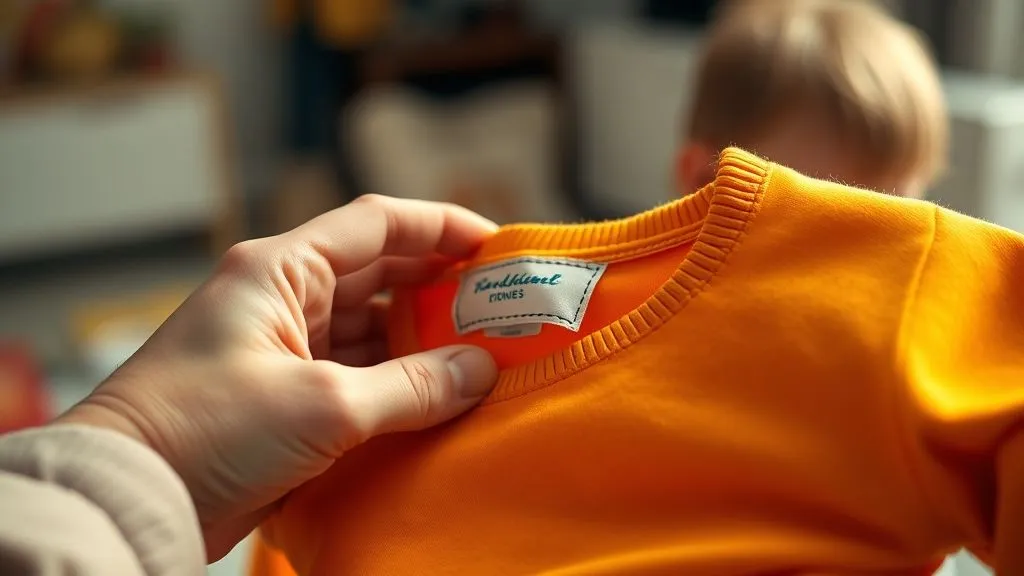
How to Ensure Toddler Outfits Meet Strict Safety Standards?
For over two decades in the vibrant, ever-evolving world of kids' fashion, I've witnessed firsthand the incredible innovation but also the critical pitfalls. My journey began not just as a designer, but as a parent, keenly aware that a dazzling design means nothing if it compromises a child's well-being. This dual perspective has shaped my approach, making safety not just a compliance checkbox, but the very foundation of every garment I've ever championed.
Parents today face an overwhelming array of choices, and beneath the cute prints and soft textures often lie hidden complexities – potential choking hazards, questionable fabric chemicals, or design flaws that could lead to serious injury. The sheer volume of information, much of it conflicting or incomplete, leaves many feeling anxious and unsure: how can one truly discern safe from merely 'acceptable'?
This article isn't just a guide; it's a deep dive into the practical, actionable frameworks I’ve developed and relied upon throughout my career. I’ll share expert insights, illuminate the often-misunderstood regulatory landscape, and equip you with the knowledge to confidently ensure every toddler outfit you choose meets the most stringent safety standards, protecting your little one with unwavering peace of mind.
1. Understanding Global Safety Regulations: Your First Line of Defense
Before any fabric is cut or a design sketched, the first step in ensuring toddler outfit safety is a thorough understanding of the regulatory landscape. This isn't just about avoiding penalties; it's about building a foundational commitment to child safety. Regulations like the Consumer Product Safety Improvement Act (CPSIA) in the U.S. and the EN71 standards in the EU are not mere guidelines; they are legally binding frameworks designed to protect children from a myriad of hazards.
The Pillars of Compliance: CPSIA, EN71, and Beyond
In my experience, many brands, especially newer ones, underestimate the complexity and importance of these regulations. CPSIA, for instance, mandates specific limits on lead content in children's products, sets requirements for phthalates, and includes strict rules for small parts and flammability. Similarly, EN71 covers mechanical and physical properties, flammability, and chemical properties, ensuring comprehensive protection. Navigating these requires diligence and often, expert consultation.
The regulatory landscape for children's apparel is a non-negotiable bedrock. Any product that fails to meet these standards, regardless of its aesthetic appeal, is fundamentally unsafe and should be avoided. It's the absolute minimum standard for trust.
These regulations are constantly evolving, driven by new research and emerging safety concerns. Staying abreast of the latest amendments and interpretations is crucial. For U.S. consumers, the Consumer Product Safety Commission (CPSC) website is an invaluable resource, providing detailed guidance and updates on product safety. Understanding these frameworks empowers you to ask the right questions and demand transparency from manufacturers.
- Lead Content: Strict limits for lead in paint and surface coatings, and in total lead content for children's products.
- Phthalates: Prohibitions on specific phthalates in children's toys and childcare articles.
- Small Parts: Requirements to prevent choking hazards for children under three years old.
- Flammability: Standards for the flammability of children's sleepwear and other textiles.
- Tracking Labels: Mandates for permanent tracking information on children's products.
2. Fabric Selection: Beyond Softness to Non-Toxic Assurance
The fabric chosen for a toddler's outfit is perhaps the most intimate contact point with their delicate skin. It's not enough for it to be soft and comfortable; it must be demonstrably safe, free from harmful chemicals, and suitable for prolonged contact. This is where the textile industry's innovations meet stringent safety requirements.
Prioritizing Materials: Organic, Hypoallergenic, and Chemical-Free
When I consult with brands, a significant portion of our discussion revolves around material sourcing. We aim for fabrics that are not only durable but also certified for their safety profile. Options like organic cotton, bamboo, and certain blends are excellent choices, provided they come with verifiable certifications. Labels such as GOTS (Global Organic Textile Standard) or Oeko-Tex Standard 100 are critical indicators that the fabric has been tested for harmful substances, including heavy metals, pesticides, and formaldehyde. These certifications provide a layer of assurance that goes beyond mere claims.
The dangers of certain chemicals, such as lead in dyes, certain phthalates used for softness, or AZO dyes, are well-documented. These substances can be absorbed through the skin or ingested if a child mouths their clothing. Therefore, demanding proof of testing and adherence to international chemical safety standards is paramount. Don't just trust a 'natural' label; look for the certifications that back it up.
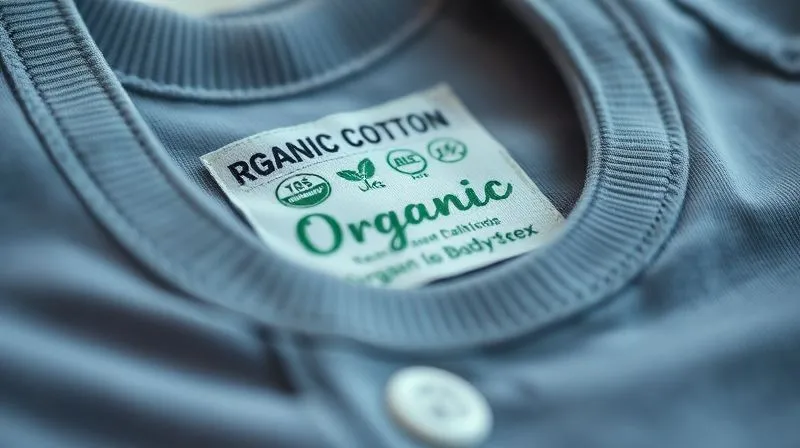
Furthermore, consider hypoallergenic properties, especially for toddlers with sensitive skin or allergies. While natural fibers are often preferred, some synthetics, when properly certified, can also be safe and offer unique benefits like moisture-wicking. The key is to avoid fabrics treated with harsh chemicals, flame retardants (unless specifically required and certified safe for children's sleepwear), or excessive dyes that could leach out.
3. Design for Safety: Eliminating Choking & Entanglement Hazards
A beautifully designed outfit can quickly become a hazard if safety isn't woven into its very structure. As an industry specialist, I’ve seen firsthand how seemingly minor design choices can have significant consequences. This stage of development is where proactive risk assessment is most critical.
Scrutinizing Design Elements: From Snaps to Seams
The primary concerns here are choking hazards from small parts and entanglement risks from drawstrings or loose elements. For instance, drawstrings in the hood or neck area of children's upper outerwear are prohibited for children up to age 12 due to strangulation risks. Similarly, drawstrings at the waist or bottom hem must meet specific length requirements. Buttons, snaps, appliqués, and other embellishments must be securely attached and robust enough to withstand pulling, chewing, and repeated washing without detaching.
Case Study: How 'Little Wonders' Brand Redesigned for Zero Incidents
Little Wonders, a popular boutique brand, faced a minor recall scare when a decorative pom-pom on a toddler's sweater detached during play. While no injury occurred, the incident prompted a complete overhaul of their design safety protocols. By implementing a mandatory 'pull-test' for all embellishments, using only reinforced-back snaps, and replacing all decorative drawstrings with elasticated waistbands, they not only avoided future incidents but also built immense trust with their customer base. Their proactive approach transformed a potential crisis into a testament to their commitment to safety, significantly boosting their brand loyalty.
Zippers should be covered at the top with a fabric guard to prevent skin pinching. Neck openings need to be wide enough to avoid strangulation but not so wide that they slip off easily. Even the stitching itself plays a role: weak seams can unravel, leading to loose threads that could wrap around fingers or toes.
<Actionable Steps for Checking Design Safety:
- Inspect Drawstrings: Ensure there are no drawstrings in the hood or neck area. Waist/hem drawstrings should be short and securely fixed.
- Test Embellishments: Firmly pull on all buttons, snaps, beads, bows, and appliqués. They should not detach with reasonable force.
- Check Fastenings: Ensure zippers have a fabric guard at the top. Snaps should be sturdy and difficult for a toddler to open accidentally.
- Assess Neck/Waist Openings: Verify they are appropriately sized – not too tight, not too loose.
- Examine Seams and Hems: Look for strong, even stitching. Loose threads should be minimal and securely tacked.
4. Flammability Standards: A Non-Negotiable Criterion
Fire safety in children's clothing is a critical, often misunderstood, aspect of product safety. While no garment can be truly 'fireproof,' strict flammability standards aim to ensure that fabrics either resist ignition or burn slowly enough to allow for escape or intervention.
Navigating the Flammability Landscape: Sleepwear vs. Daywear
In the U.S., the Flammable Fabrics Act, particularly the Children's Sleepwear Act, sets rigorous standards. This act distinguishes between tight-fitting and loose-fitting sleepwear for children aged 9 months to 14 years. Loose-fitting sleepwear must be flame-resistant or made from fabrics that pass strict flammability tests, whereas tight-fitting sleepwear is exempt due to its reduced risk of catching fire. This is a nuanced area; I've observed many parents mistakenly apply sleepwear standards to all clothing, or conversely, overlook them entirely for sleepwear. Daywear, while not subject to the same stringent rules as sleepwear, still has general flammability requirements.
Fabrics like polyester and nylon inherently have better flame resistance than cotton, which burns readily. However, flame-retardant chemicals, while effective, must be carefully chosen to ensure they are non-toxic and safe for children. The debate around these chemicals is ongoing, with a strong push towards inherent flame-resistant fibers or design solutions that minimize risk without chemical treatments. Always look for clear labeling regarding flammability compliance, especially for sleepwear. For more detailed information on fire safety in textiles, organizations like the National Fire Protection Association (NFPA) offer valuable insights.
Flammability standards are not a suggestion; they are a life-saving mandate. Always prioritize properly labeled, compliant sleepwear and be aware of the inherent flammability of different fabric types in all children's clothing.
When in doubt, opt for tight-fitting sleepwear made from natural fibers or carefully vetted flame-resistant materials. Avoid loose-fitting cotton sleepwear that is not specifically labeled as flame-resistant, as it poses a higher risk.
5. Durability and Construction: Withstanding the Toddler Test
Toddlers are masters of destruction, and their clothing needs to be built to withstand constant movement, rough-and-tumble play, and frequent washing. Beyond aesthetics, durability is a crucial safety feature, as a failing garment can quickly turn into a hazard.
Assessing Garment Integrity: Stitches, Seams, and Stress Points
From my vantage point, the integrity of a garment’s construction is a direct reflection of a brand's commitment to quality and safety. Poorly constructed clothing can lead to detached buttons, unraveling seams, and exposed elastic – all potential hazards. I always advise looking for reinforced stitching at stress points like armholes, crotches, and necklines. Double-stitched seams are a good indicator of quality and longevity.
Think about the materials used for fastenings. Are the snaps robust metal or flimsy plastic? Are the buttons sewn on with strong thread and extra reinforcement? The quality of these small components directly impacts the overall safety of the garment. A button that pops off becomes a choking hazard; a snap that breaks leaves a sharp edge. It's about anticipating every way a child might interact with their clothing and designing against potential failures.
| Feature | Low Quality | High Quality |
|---|---|---|
| Seam Construction | Single-stitched, loose threads, easily unravels | Double-stitched, flat-felled or French seams, reinforced at stress points |
| Button/Snap Attachment | Flimsy plastic, single thread, prone to detaching | Durable metal or reinforced plastic, cross-stitched, securely attached with backings |
| Fabric Durability | Thin, sheer, pills easily, loses shape after washing | Dense weave, retains shape, resists pilling, withstands repeated washing |
| Zipper Quality | Rough teeth, sticks, no guard, metal pulls | Smooth glide, fabric guard, plastic or covered pulls, YKK or similar quality |
This level of scrutiny might seem excessive, but when it comes to toddler safety, every detail matters. A garment that holds up to the rigors of toddler life is not just a better investment; it’s a safer one.
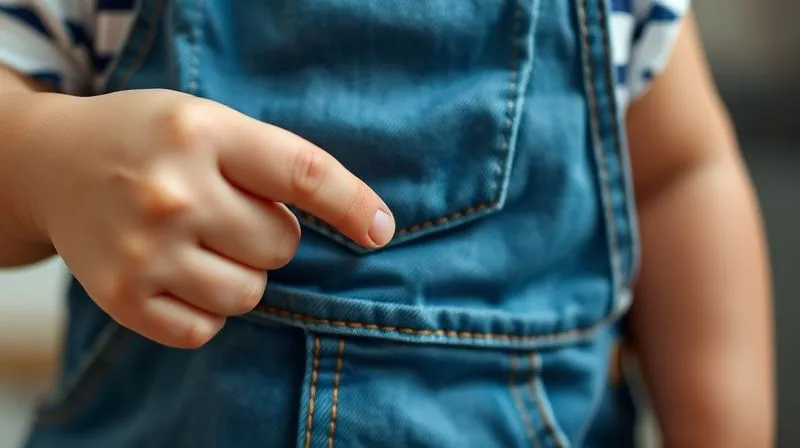
6. Labeling and Care Instructions: What Every Tag Tells You
The small tags sewn into garments are often overlooked, but they contain vital information for both safety and longevity. As an expert, I've learned to 'read between the lines' of these labels, understanding that they are not just for washing instructions but are a critical part of the product's safety profile.
Deciphering Labels: More Than Just Washing Instructions
A comprehensive label should clearly state the fiber content, country of origin, care instructions, and any relevant safety warnings. Fiber content is crucial for understanding flammability risks and potential allergens. For example, a label indicating '100% Polyester' for sleepwear might suggest inherent flame resistance, while '100% Cotton' for sleepwear would prompt me to check for explicit flame-resistant treatment or tight-fitting design.
Care instructions are vital for maintaining the garment's integrity and safety features. Improper washing can degrade flame-retardant treatments, weaken seams, or cause embellishments to loosen. For instance, using harsh detergents or high heat might damage delicate fabrics or compromise the adhesion of small parts. Always follow the manufacturer's recommendations to ensure the garment remains safe throughout its lifespan.
The care label is your instruction manual for maintaining safety. Disregarding it can inadvertently compromise the very features designed to protect your child. Read it, understand it, and follow it diligently.
Furthermore, look for any warning labels, especially those pertaining to choking hazards, entanglement, or flammability. While these are often mandated by law, their presence reinforces the manufacturer's attention to safety. A brand that provides clear, legible, and comprehensive labeling demonstrates transparency and a commitment to informing the consumer, which in my book, builds significant trust.
7. Sourcing and Brand Trust: Choosing Reputable Manufacturers
In a global marketplace flooded with options, selecting a trustworthy brand is perhaps one of the most powerful steps you can take to ensure toddler outfit safety. Not all manufacturers uphold the same rigorous standards, and a brand's reputation often reflects its commitment to safety and ethical practices.
The Power of Proven Brands: Researching Beyond the Hype
I've always advocated for a 'due diligence' approach when it comes to brand selection. This means looking beyond marketing claims and delving into a brand's history, its transparency, and its third-party certifications. Reputable brands often invest heavily in testing, quality control, and ethical sourcing. They are usually transparent about their manufacturing processes, their materials, and their adherence to international safety standards.
How do you identify such brands? Start by researching their recall history (CPSC's website is excellent for this). Look for brands that actively communicate their safety policies and certifications on their websites. Engage with parent communities online for recommendations and experiences. Brands that consistently receive positive feedback regarding durability, material quality, and safety compliance are usually a safe bet. Conversely, be wary of unusually low prices or brands with sparse information about their manufacturing or safety protocols.
Furthermore, consider brands that are committed to sustainable and ethical practices. Often, these companies have more stringent internal controls, which extend to product safety. Their commitment to environmental and social responsibility typically translates into a higher standard of product integrity. It's a holistic approach to quality that benefits everyone, especially our little ones.
8. The Parent's Role: Ongoing Vigilance and Home Checks
Even with the safest, most compliant outfits, the parent's role in ongoing vigilance is indispensable. Clothing safety isn't a one-time check at purchase; it's a continuous process that evolves as your toddler grows and garments age.
Your Daily Checklist: Maintaining Safety at Home
In my experience, even the best-made clothes can develop issues over time. A button might loosen after many washes, a seam could fray from enthusiastic play, or a zipper might snag. Regularly inspecting your toddler's wardrobe is a simple yet effective safety measure. Before dressing your child, take a moment to quickly check for any loose threads, detached embellishments, or signs of wear and tear that could become a hazard.
Proper care, as outlined on the garment's label, also contributes significantly to safety. Over-drying or harsh detergents can degrade fabric integrity and compromise safety features. If an item shows significant wear, such as large holes, stretched elastic that could entangle, or permanently detached small parts, it's safer to discard it than to attempt a repair that might not hold up.
Your active role as a parent is the final, crucial layer of defense in ensuring toddler outfit safety. Regular checks and informed decisions at home complete the safety cycle.
Finally, trust your instincts. If something about an outfit feels off – the fabric seems too flimsy, a button feels loose, or a design element looks questionable – err on the side of caution. Your intuition as a parent is a powerful tool. By combining informed choices with ongoing vigilance, you create the safest possible environment for your toddler to explore, play, and grow.
- Daily Inspection: Before dressing, quickly check for loose buttons, snaps, threads, or tears.
- Follow Care Labels: Adhere to washing and drying instructions to preserve garment integrity and safety features.
- Discard Damaged Items: Immediately remove any clothing with significant damage, such as large holes, broken fasteners, or unraveling seams.
- Monitor Growth: Ensure clothing fits properly; items that are too tight can restrict movement, while overly loose items can pose entanglement risks.
- Educate Yourself: Stay informed about product recalls and emerging safety concerns through official consumer safety websites.
Frequently Asked Questions (FAQ)
Q1: What's the biggest hidden danger in toddler clothing I might overlook? The biggest hidden danger often lies in small, seemingly innocuous embellishments or poorly secured fastenings that can detach and become choking hazards. This includes buttons, snaps, sequins, and even decorative bows. Another often-overlooked danger is drawstrings, especially in the hood or neck area, which pose a significant strangulation risk. Always perform a 'pull test' on any attached parts and avoid neck/hood drawstrings entirely for toddlers.
Q2: How do I know if a fabric is truly "non-toxic" or just marketed that way? The most reliable way to verify 'non-toxic' claims is to look for independent third-party certifications like Oeko-Tex Standard 100 or GOTS (Global Organic Textile Standard). These certifications mean the fabric has been rigorously tested for harmful substances, including heavy metals, pesticides, and certain dyes. Marketing terms alone, without verifiable certification, should be approached with caution.
Q3: Are organic certifications like GOTS truly reliable for safety? Yes, GOTS (Global Organic Textile Standard) is highly reliable. It's an internationally recognized standard that ensures textiles are not only made from organic fibers but also processed without harmful chemicals, from harvesting through environmentally and socially responsible manufacturing. This covers everything from dyes to finishing agents, making it a strong indicator of both environmental and human safety.
Q4: What should I do if I suspect a clothing item is unsafe after purchase? If you suspect an item is unsafe, immediately remove it from your child's use. Then, contact the manufacturer with your concerns. You should also report the potential hazard to your country's consumer product safety commission (e.g., the CPSC in the U.S. or relevant authorities in the EU). Providing details can help prevent injuries to other children and potentially lead to a product recall.
Q5: Is there a difference in safety standards between imported and domestic toddler clothing? Generally, all clothing sold in a specific country must adhere to that country's safety standards, regardless of where it was manufactured. So, an imported item sold in the U.S. must meet CPSIA standards. However, enforcement and oversight can vary, and some overseas manufacturers may cut corners. This is why vetting reputable brands and looking for explicit compliance certifications is even more crucial when purchasing imported goods, especially from less-known online retailers.
Key Takeaways and Final Thoughts
- Prioritize Regulatory Compliance: Always ensure toddler outfits meet established safety standards like CPSIA or EN71. These are your baseline for safety.
- Scrutinize Materials and Design: Opt for certified non-toxic fabrics and meticulously check for choking hazards, entanglement risks, and secure fastenings.
- Understand Flammability: Be aware of specific flammability standards, especially for sleepwear, and choose compliant, safer options.
- Embrace Brand Trust and Vigilance: Select reputable brands with transparent practices and maintain ongoing checks of your child's clothing for wear and tear.
Navigating the world of toddler fashion with safety in mind can seem daunting, but it doesn't have to be. By adopting these expert-backed strategies and maintaining a proactive, informed approach, you empower yourself to make choices that truly protect your little ones. Remember, every decision, from fabric choice to design detail, contributes to their well-being. Trust your judgment, lean on reliable information, and dress your toddlers with confidence, knowing their safety is paramount.
Recommended Reading
- 7 Ways to Elevate Your Street Style Portfolio for Luxury Brands
- 7 Steps: How to Avoid Greenwashing Allegations in Eco Clothing Marketing
- Unlock the Secret: How to Wear Streetwear Without Looking Sloppy
- Haute Couture: 7 Strategies to Preserve Exclusivity for Growth
- 7 Signs: How to Spot Real Hand-Stitched Quality in Luxury Bespoke Garments?




Your email address will not be published. Required fields are marked *