

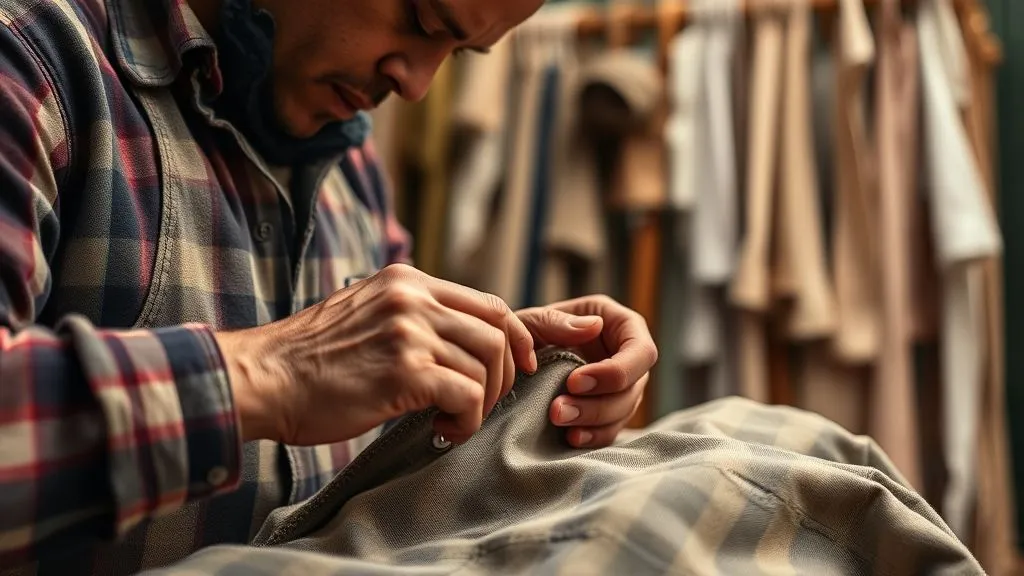
Standardizing Quality for Profitable Upcycled Fashion Collections?
For over 15 years in the sustainable fashion industry, I've witnessed firsthand the incredible potential of upcycling. It's a powerful antidote to waste, a canvas for creativity, and a beacon of hope for a more circular economy. Yet, I've also seen brilliant upcycled concepts falter, not due to a lack of vision or passion, but because they couldn't consistently deliver on quality, ultimately hindering their profitability and scalability.
The paradox of upcycled fashion lies in its very nature: it celebrates uniqueness and the transformation of the 'imperfect.' However, this inherent variability often leads to a perception of inconsistency, making it challenging for brands to build trust, command premium prices, and scale their operations. Consumers, while valuing sustainability, still demand reliability and a certain level of finish, regardless of the material's origin.
This article isn't about stifling creativity or forcing uniformity. Instead, it's about equipping you with a robust framework and actionable strategies to infuse rigor and excellence into every stage of your upcycled production. We'll explore how to build a reputation for consistent quality, ensuring your innovative upcycled collections are not just sustainable, but also profoundly profitable and scalable.
The Upcycling Paradox: Innovation vs. Perceived Inconsistency
Upcycling, at its heart, is an art form. It's about seeing potential where others see waste, transforming discarded materials into something new and valuable. This process often yields one-of-a-kind pieces or limited runs, each with its own story and unique characteristics derived from the original material. This individuality is a huge selling point, appealing to consumers who seek authenticity and exclusivity.
The Appeal of Imperfection and Its Limits
There's a romantic notion that every 'flaw' tells a story, and for some niche markets, this holds true. Patches of faded denim, subtle variations in textile texture, or unique dye patterns can be celebrated as badges of authenticity. However, there's a fine line between charming imperfection and perceived defect. A loose thread, an uneven seam, or a dye bleed that wasn't intended can quickly erode consumer confidence, especially when they are paying a premium for a sustainable product.
In my experience, many emerging upcycled brands struggle here. They focus intensely on the creative transformation but overlook the foundational principles of product quality that mainstream fashion has perfected. This oversight can lead to higher return rates, negative reviews, and ultimately, a ceiling on their growth potential.
Why Standardization Isn't About Uniformity, But Reliability
When I talk about standardizing quality for profitable upcycled fashion collections, I'm not advocating for mass-produced uniformity that strips away the soul of upcycling. Far from it. Instead, I mean establishing clear, repeatable processes and benchmarks that ensure a consistent level of excellence, regardless of the unique raw material. It's about reliability in craftsmanship, durability, and aesthetic finish. It's about guaranteeing that every item, while unique in its material origin, meets a predictable standard of construction and presentation. This reliability is what builds trust, brand loyalty, and allows for profitable pricing.
Step 1: Material Sourcing & Pre-Processing: The Foundation of Quality
The journey to a high-quality upcycled collection begins long before the first stitch. It starts with the very materials you choose and how you prepare them. This initial stage is often underestimated but is absolutely critical for managing variability and ensuring a consistent output.
Auditing Your Raw Material Stream
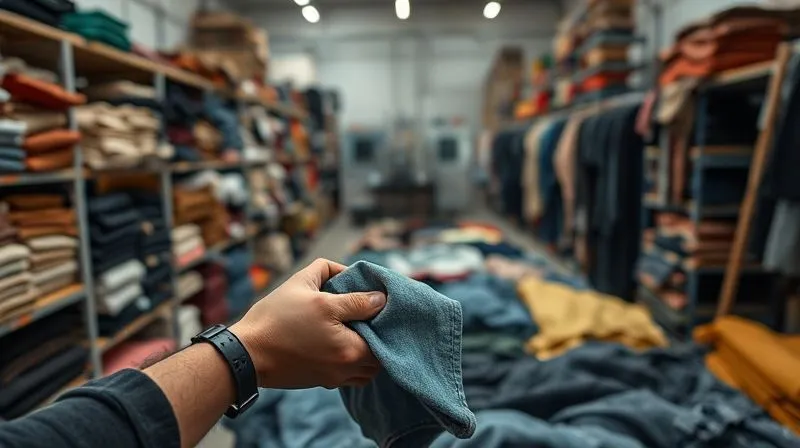
Unlike virgin materials, which come with standardized specifications, salvaged textiles are inherently diverse. You need a rigorous system for evaluating incoming materials. I advise creating a detailed material assessment checklist:
- Fiber Composition: Identify the fabric type (cotton, denim, silk, synthetic blends) to understand its properties and suitability for your designs.
- Condition Assessment: Grade materials based on wear, tears, stains, fading, and overall integrity. Establish clear thresholds for what's acceptable and what's not.
- Color Fastness: Test for potential dye bleeds, especially if combining different colors or materials.
- Dimensional Stability: Understand how the fabric might react to washing, cutting, and sewing.
Building strong relationships with your material suppliers – whether they are textile recyclers, vintage wholesalers, or industrial waste streams – is also vital. Educate them on your specific needs and quality expectations. A consistent supply of higher-grade input materials will significantly reduce downstream processing issues.
Consistent Cleaning & Preparation Protocols
Once materials are sourced, their preparation is paramount. This isn't just about hygiene; it's about creating a uniform base for your production. Develop clear Standard Operating Procedures (SOPs) for:
- Sorting: Categorize materials by type, color, weight, and condition. This allows for more efficient design and production planning.
- Cleaning: Implement industrial-grade cleaning processes. This might involve commercial laundering, steaming, or specialized stain removal. Document the detergents, temperatures, and methods used for each material type.
- Deconstruction/Disassembly: If you're using existing garments, establish precise methods for deconstructing them. How are seams removed? Are buttons, zippers, and labels salvaged or discarded? Consistency here saves time and reduces waste later.
- Pre-Shrinking/Finishing: Some materials may benefit from pre-shrinking or other treatments to ensure dimensional stability in the final product.
These initial steps, while seemingly tedious, lay the groundwork for a predictable and high-quality product. Neglecting them is akin to building a house on a shaky foundation.
Step 2: Design Principles for Upcycled Consistency
The design phase for upcycled fashion requires a unique mindset. It's about designing *with* the material, rather than simply imposing a design *on* it. To achieve consistency and profitability, your design strategy must account for the inherent variability of upcycled inputs.
Modular Design & Deconstruction Strategies
One of the most effective ways I've seen brands standardize quality is through modular design. Instead of trying to create an entire garment from a single, variable source, design pieces that can be constructed from smaller, more manageable units. For example:
- Patchwork & Paneling: Utilize smaller, high-quality sections of salvaged fabric to create larger, consistent panels. This allows you to discard less-than-perfect areas and highlight the best parts.
- Component-Based Design: Design core components (e.g., sleeves, collars, pockets) that can be consistently produced from specific types of salvaged materials, then assembled into diverse final products.
- Standardized Block Patterns: Develop a core set of block patterns that can be adapted to different material weights and drapes. This ensures consistent sizing and fit, a common pain point for upcycled garments.
This approach transforms the challenge of material variability into a design opportunity, allowing for creative expression while maintaining a high level of structural and aesthetic consistency.
Embracing "Design for Disassembly" in Upcycling
While often discussed in the context of new product design for future recycling, the principles of 'design for disassembly' are incredibly relevant to upcycling. When you're working with existing garments, understanding their construction allows for more efficient and less damaging deconstruction, yielding higher quality raw materials. Conversely, when designing your upcycled pieces, consider how they might be easily repaired or even re-upcycled in the future. This forward-thinking approach enhances durability and extends the product's lifecycle.
As marketing guru Seth Godin often says, "People do not buy goods and services. They buy relations, stories, and magic." For upcycled fashion, the magic is in the transformation, but the relation and story are built on trust in quality.
Here's a comparison of traditional vs. upcycled design considerations for consistency:
| Aspect | Traditional Design | Upcycled Design |
|---|---|---|
| Material Sourcing | New, standardized fabrics, predictable properties | Salvaged, variable materials, requires rigorous assessment |
| Pattern Making | Fixed patterns for specific fabric types | Adaptable patterns, modular components to account for variability |
| Production Flow | Linear, predictable assembly | Non-linear, often involves material-specific adaptations |
| Quality Control Focus | Defect prevention in mass production | Consistency amidst variability, craftsmanship excellence |
Step 3: Craftsmanship & Production Excellence
Even with the best materials and design, the human element in upcycling is critical. The skill of your artisans and the robustness of your production processes directly translate into the final product's quality. This is where the artistry meets industrial precision, ensuring that the unique story of each piece is complemented by impeccable execution.
Skill Development & Training for Artisans
Upcycling demands a unique skill set. Artisans aren't just sewing; they're problem-solving, adapting to varying material conditions, and often working with non-standard patterns or techniques. Investing in comprehensive training is non-negotiable:
- Specialized Techniques: Train on specific upcycling techniques, such as invisible mending, patchwork integration, reverse appliqué, and working with irregular material shapes.
- Material Handling: Educate on how different salvaged fabrics behave during cutting, sewing, and finishing, including tension adjustments for various fabric weights.
- Quality Benchmarks: Clearly define what constitutes acceptable seam quality, stitch density, finishing standards, and overall aesthetic for your brand. Provide visual examples of 'good' and 'bad' outcomes.
- Continuous Learning: Foster an environment of continuous improvement, where artisans can share best practices and collectively solve production challenges.
Empowering your team with knowledge and skill not only improves quality but also boosts morale and reduces costly errors.
Standard Operating Procedures (SOPs) for Upcycling
SOPs are not just for large factories; they are essential for any production environment aiming for consistency. For upcycled fashion, SOPs need to be flexible enough to accommodate material variations but rigid enough to guarantee quality:
- Cutting Instructions: Detail how to maximize yield from irregular material pieces while maintaining grain lines and pattern integrity.
- Sewing Guidelines: Specify stitch types, seam allowances, and finishing techniques for different garment sections and material combinations.
- Assembly Sequence: Outline the precise order of garment assembly to ensure structural integrity and a clean finish.
- Finishing Standards: Define expectations for pressing, trimming loose threads, and final aesthetic checks.
These SOPs should be living documents, reviewed and updated regularly based on feedback from the production floor. They serve as a vital tool for training new staff and ensuring that every artisan, regardless of experience, can contribute to the brand's quality promise.
Step 4: Robust Quality Control (QC) Checkpoints
Even with the most skilled artisans and detailed SOPs, errors can occur. A multi-stage quality control system is your last line of defense against inconsistent products reaching your customers. This is paramount for standardizing quality for profitable upcycled fashion collections and protecting your brand's reputation.
In-Process Inspection: Catching Issues Early
Don't wait until the final garment is assembled to check for quality. Integrate QC checkpoints at critical stages of production:
- Material In-Check: Re-verify material quality after pre-processing and before cutting.
- Cutting Inspection: Ensure pattern pieces are accurately cut, grain lines are correct, and defects have been avoided.
- Sub-Assembly Checks: Inspect individual components (e.g., sleeves, collars, pockets) after they are sewn but before final assembly. This allows for easier correction.
- Mid-Assembly Review: A quick check after major sections are joined but before final finishing.
These intermittent checks save time and resources by identifying and rectifying issues early, preventing the snowball effect of compounding errors.
Final Product Assessment: Beyond Aesthetics
The final QC check is comprehensive. It's not just about how the garment looks, but also how it performs. Here’s a basic checklist:
- Visual Inspection: Check for loose threads, uneven seams, skipped stitches, fabric flaws, and overall cleanliness.
- Construction Integrity: Test seam strength, button/zipper functionality, and overall durability.
- Measurement Check: Verify that the finished garment adheres to the specified size chart, accounting for any material-specific variations.
- Labeling & Packaging: Ensure care labels, brand tags, and any upcycling narrative tags are correctly attached and legible.
- Functional Check: For garments with specific functions (e.g., outerwear), test those functions where possible.
According to a Deloitte study on consumer trends, product quality remains a top purchasing driver, even for sustainable goods. This underscores the importance of a robust QC process.
Case Study: ReThread Collective's QC Transformation
ReThread Collective, a mid-sized upcycled denim brand, faced a 15% return rate due to inconsistent sizing and perceived craftsmanship issues. Their creative designs were celebrated, but customers were frustrated by unpredictable fit and durability. By implementing the three-step QC cycle I described above – in-process checks, a detailed final assessment, and empowering a dedicated QC team – they achieved remarkable results. Within six months, their return rate dropped to under 5%, and customer satisfaction scores soared by 20%. This resulted in a significant boost in profitability and allowed them to confidently expand their product lines, demonstrating that rigorous quality control is a direct driver of business success in upcycling.
Step 5: Transparency & Traceability: Building Consumer Trust
In the world of sustainable fashion, trust is currency. For upcycled brands, demonstrating the journey of your materials and your commitment to quality is crucial. Transparency and traceability aren't just buzzwords; they are powerful tools for building brand loyalty and justifying premium pricing.
Documenting the Upcycling Journey
Every upcycled garment has a story, and consumers want to hear it. Implement systems to document:
- Material Origin: Where did the original textile come from? (e.g., vintage market, industrial surplus, specific donation drive).
- Transformation Process: Detail the steps involved – cleaning, deconstruction, design adaptations, specific artisanal techniques used.
- Artisan Story: If applicable, highlight the individuals or teams involved in crafting the piece.
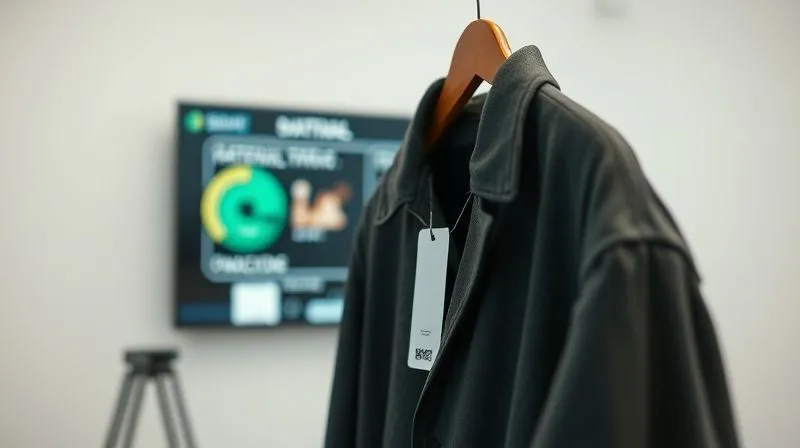
This documentation can be shared through product tags, website descriptions, or even QR codes on the garment itself. It adds immense value beyond the physical product, fostering an emotional connection with the consumer and reinforcing the narrative of conscious consumption.
Certifications & Storytelling
While formal certifications for 'upcycled' materials are still evolving, aligning with broader sustainable textile standards (e.g., GRS for recycled content, OEKO-TEX for textile safety) can lend credibility. More importantly, your brand's storytelling should be authentic and consistent. Use high-quality photography and videography to showcase your processes and the people behind your products. As Harvard Business Review emphasizes, brands that genuinely connect with their customers on values often see stronger engagement and loyalty.
Step 6: Pricing for Value & Profitability
One of the biggest hurdles for upcycled brands is pricing. The misconception that 'recycled' or 'upcycled' should mean 'cheap' can be damaging. To be truly profitable, your pricing strategy must reflect the genuine value, effort, and quality embedded in your collections.
Costing for Upcycled Labor & Materials
Your pricing must accurately account for all costs, which can be higher for upcycled goods due to:
- Material Sourcing & Pre-processing: The time and labor involved in auditing, cleaning, and preparing variable materials.
- Skilled Labor: The specialized skills required for deconstruction, adaptive design, and intricate craftsmanship.
- Lower Production Volumes: Upcycled items often have smaller batch sizes, meaning less economy of scale.
- Quality Control: The rigorous QC checkpoints needed to ensure consistency.
I always advise my clients to conduct a thorough cost-plus analysis, ensuring every step of the upcycling process is factored in. Don't undersell your unique value proposition. Your product is not just a garment; it's a statement of sustainability, creativity, and conscious craftsmanship.
Communicating Value, Not Just Price
The challenge isn't just *what* you charge, but *how* you communicate that value to your customer. Your marketing and branding efforts should clearly articulate:
- Environmental Impact: Quantify the waste diverted, water saved, or carbon emissions reduced.
- Artisanal Craftsmanship: Emphasize the unique skills and hours of labor invested in each piece.
- Exclusivity: Highlight the limited edition nature and unique story of upcycled items.
- Durability & Longevity: Position your products as long-lasting investments, not fast fashion disposables.
By effectively communicating this multi-faceted value, you shift the customer's perception from a 'recycled' item to a premium, ethically produced, and uniquely designed piece. This is how you achieve profitability while continuing to deliver high-quality upcycled fashion.
Consider the following comparison for pricing models in upcycled fashion:
| Model | Description | Pros | Cons |
|---|---|---|---|
| Cost-Plus Pricing | Calculates total production cost (material, labor, overhead) and adds a desired profit margin. | Ensures profitability, covers all expenses. | May be perceived as high if value isn't communicated. |
| Value-Based Pricing | Sets price based on the perceived value to the customer (sustainability, uniqueness, craftsmanship). | Maximizes profit, aligns with brand ethos. | Requires strong brand storytelling and market understanding. |
| Competitive Pricing | Sets price based on competitors' pricing for similar products. | Easy to implement, market-aligned. | May undervalue unique upcycled aspects, limit profitability. |
Leveraging Technology for Upcycled Quality
While upcycling often celebrates traditional craftsmanship, technology can play a significant role in enhancing quality, efficiency, and traceability, further aiding in standardizing quality for profitable upcycled fashion collections.
Digital Tools for Inventory & Production Management
Implementing digital solutions can streamline your entire operation:
- Material Inventory Systems: Track incoming materials, their condition, and available quantities. This helps in design planning and ensures you're always working with the best available resources.
- Production Planning Software: Manage workflow, allocate tasks to artisans, and monitor progress against quality checkpoints.
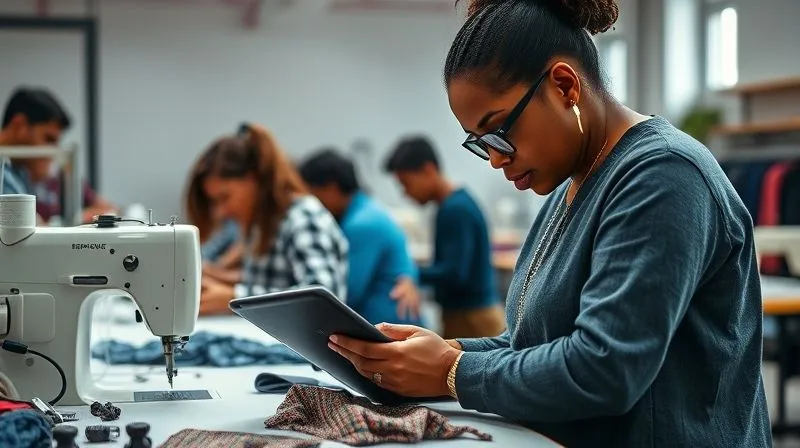
- Digital SOPs: Make your Standard Operating Procedures easily accessible and updateable on tablets or screens at each workstation.
These tools reduce manual errors, improve communication, and provide valuable data for continuous improvement, allowing you to identify bottlenecks and areas for quality enhancement.
AI & Machine Vision for Material Assessment (Future Trends)
Looking ahead, emerging technologies like Artificial Intelligence (AI) and machine vision hold immense promise for upcycled fashion. AI-powered systems could potentially:
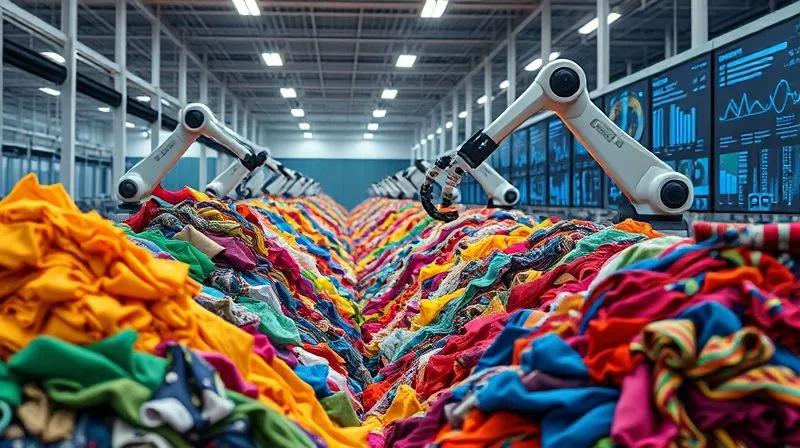
- Automate Material Sorting: Rapidly identify fabric composition, color, and even detect subtle flaws in large volumes of textile waste.
- Predict Material Behavior: Analyze historical data to predict how certain salvaged fabrics will behave during cutting, sewing, and washing.
- Quality Anomaly Detection: Use machine vision during production to flag inconsistencies in stitching or finish that might be missed by the human eye.
While these are still developing for niche applications like upcycling, staying abreast of such advancements will position your brand at the forefront of innovation and quality assurance in sustainable fashion.
Frequently Asked Questions (FAQ)
Q: How can I ensure consistent sizing when working with varied upcycled materials?
A: Consistent sizing is a common challenge. My advice is to develop adaptable block patterns that can accommodate minor variations in fabric stretch or drape. Focus on key measurements that define fit (e.g., bust, waist, hip, inseam) and create a tolerance range. Pre-shrinking materials helps. Also, clearly communicate sizing on your website with detailed measurement charts and model comparisons, and consider offering a 'fit guide' that explains how different upcycled materials might subtly affect the drape or feel of the garment.
Q: Is it possible to scale an upcycled fashion brand without compromising its unique, artisanal appeal?
A: Absolutely, but it requires strategic planning. Scaling doesn't mean sacrificing uniqueness; it means standardizing processes, not products. Focus on modular design (as discussed in Step 2), investing in skilled artisans, and implementing robust SOPs and QC. You can scale production of components or specific design elements while still allowing for creative variation in the final assembly. Building a strong brand narrative around your artisanal approach, even at scale, is also key.
Q: How do I manage customer expectations regarding minor imperfections in upcycled products?
A: Transparency is your best friend here. Clearly communicate your brand's philosophy around upcycling and the inherent characteristics of repurposed materials. Use high-quality product photography that accurately depicts textures and any 'charming imperfections.' In your product descriptions, explain that these aren't flaws but part of the garment's unique story. Some brands even include a small tag explaining the upcycling process and what to expect. Setting realistic expectations upfront prevents disappointment and builds trust.
Q: What's the biggest mistake upcycled brands make regarding quality?
A: In my experience, the biggest mistake is underestimating the importance of consistent pre-processing and neglecting a formal Quality Control system. Many brands pour their heart into design and transformation but fail to create a reliable foundation through thorough material assessment and cleaning, or they only do a cursory final check. This leads to inconsistent output, higher returns, and ultimately, undermines profitability and brand reputation. Investing early in these foundational steps pays dividends.
Q: How can I find reliable sources for high-quality discarded materials?
A: Finding reliable sources requires networking and diligent research. Start by connecting with textile recyclers, industrial surplus dealers, vintage wholesalers, and even local charities or community collection points. Build relationships directly with textile manufacturers for their pre-consumer waste. Attend industry trade shows focused on sustainable materials. The key is to establish consistent relationships and educate your suppliers on your specific quality and material requirements, as discussed in Step 1.
Key Takeaways and Final Thoughts
The journey to standardizing quality for profitable upcycled fashion collections is an intricate dance between creativity and consistency. It demands a holistic approach, where every step, from material sourcing to final pricing, is executed with precision and purpose. It's about building a brand that not only champions sustainability but also delivers unwavering excellence.
- Foundation is Key: Rigorous material auditing and pre-processing are non-negotiable.
- Design Smart: Embrace modular and adaptive design principles to manage variability.
- Empower Artisans: Invest in specialized training and clear SOPs for craftsmanship excellence.
- Implement Robust QC: Multi-stage quality control protects your brand and ensures customer satisfaction.
- Build Trust: Leverage transparency and traceability to communicate value and story.
- Price for Value: Accurately cost your unique production process and communicate the intrinsic value to your customers.
By integrating these six steps into your operations, you're not just creating fashion; you're building a sustainable legacy. You're proving that upcycled fashion can be both incredibly innovative and reliably high-quality, paving the way for a truly circular and profitable future. The industry needs your vision, and with these strategies, your vision can flourish and scale.
Recommended Reading
- Unlocking the Past: How to Tell if Vintage Jewelry is Truly Valuable
- 7 Steps: Forecast Hair Accessory Trends Before Retail Competitors
- Craft Believable Characters: Costume Design Secrets Revealed!
- 5 Pillars: Crafting Streetwear Graphic Tees That Defy Trends
- Unlocking Transparency: The Ultimate Guide to Tracking Ethical Sourcing in Fashion



Your email address will not be published. Required fields are marked *