


How to Craft Durable Natural Makeup Looks for Oily Skin?
For over 15 years in the beauty fashion industry, I've seen countless trends come and go, but one universal challenge persists for a significant portion of my clientele: managing oily skin, especially when aspiring for a natural, long-lasting makeup look. It's a common misconception that 'natural' means sacrificing durability, or that oily skin is a life sentence of constant touch-ups. I've personally guided hundreds through this dilemma, witnessing their frustration as carefully applied makeup seems to vanish by midday or slide off their T-zone.
The problem is palpable: excess sebum production leads to shine, enlarged pores, and makeup that refuses to stay put. This often leaves individuals feeling self-conscious, constantly checking their reflection, and feeling as though their efforts in embracing natural beauty are undermined by their skin type. Many resort to harsh products that strip the skin, ironically exacerbating oil production, or give up on natural formulations altogether, thinking they're just not robust enough.
But what if I told you there's a strategic, expert-backed approach to creating natural makeup looks that not only withstand the challenges of oily skin but also enhance its inherent beauty? In this definitive guide, I'll share the frameworks, product insights, and application techniques I've refined over years. We'll delve into the science, debunk myths, and equip you with actionable steps to craft durable natural makeup looks for oily skin that truly last, empowering you to embrace your natural radiance with unwavering confidence.
Understanding Oily Skin: The Foundation of Lasting Looks
Before we even think about makeup, it's crucial to understand the canvas we're working with. Oily skin isn't a flaw; it's a skin type characterized by an overproduction of sebum, the natural oil produced by our sebaceous glands. This excess oil contributes to a shiny complexion, can lead to clogged pores, and is the primary antagonist in our quest for long-lasting makeup.
The Science Behind the Shine
Sebum production is influenced by a cocktail of factors: genetics, hormonal fluctuations (which is why teenagers often experience more oiliness), stress, and even diet. While sebum is essential for keeping our skin moisturized and protected, an overabundance creates challenges. The key isn't to eliminate sebum entirely – that's impossible and unhealthy – but to manage its presence strategically and prepare the skin to hold onto makeup.
Common Misconceptions & Pitfalls
One of the biggest mistakes I've seen is the knee-jerk reaction to strip oily skin with harsh cleansers or alcohol-laden toners. This aggressive approach often backfires, prompting the skin to produce even more oil in an attempt to rebalance itself. Another pitfall is avoiding moisturizer, believing it will only add to the oiliness. In reality, dehydrated oily skin can also trigger increased sebum production. It's about choosing the right kind of moisture.
"Treating oily skin isn't about stripping it; it's about balance and strategic hydration. Understanding its unique needs is the first step towards achieving a truly durable natural makeup look."
The Pre-Makeup Ritual: Preparing for Perfection
The longevity of your natural makeup on oily skin is determined long before you even pick up a foundation brush. The preparation phase is paramount, creating an optimal surface that grips makeup and resists oil breakthrough.
Gentle Cleansing & Toning
Your morning routine should be gentle yet effective. Harsh cleansers can irritate and stimulate oil glands. Opt for a sulfate-free, pH-balanced cleanser that removes excess oil without stripping the skin.
- Cleanse: Use a pea-sized amount of a gentle, gel-based cleanser. Massage onto damp skin for 60 seconds, then rinse thoroughly with lukewarm water.
- Tone (Optional but Recommended): Follow with an alcohol-free toner containing ingredients like witch hazel or salicylic acid (in low concentrations) to further balance pH and tighten pores without over-drying. Pat gently onto the skin with clean fingers or a cotton pad.
Strategic Hydration: Don't Skip Moisturizer!
This is where many with oily skin stumble. Moisturizer is non-negotiable, even for oily complexions. The trick is selecting the right formula. Look for lightweight, non-comedogenic (won't clog pores), oil-free, and gel-based moisturizers. Ingredients like hyaluronic acid or glycerin provide hydration without heaviness. Applying a light layer creates a smooth, hydrated canvas, signaling to your skin that it doesn't need to produce extra oil to compensate for dryness.
The Power of Primer: Your Natural Barrier
A good primer acts as a crucial barrier between your skin and makeup, creating a smoother surface, blurring imperfections, and significantly extending wear time. For oily skin, a mattifying or oil-controlling primer is essential. Seek out natural, silicone-free options that use ingredients like arrowroot powder, kaolin clay, or silica to absorb oil throughout the day. Apply a thin layer primarily to your T-zone and any other areas prone to shine.
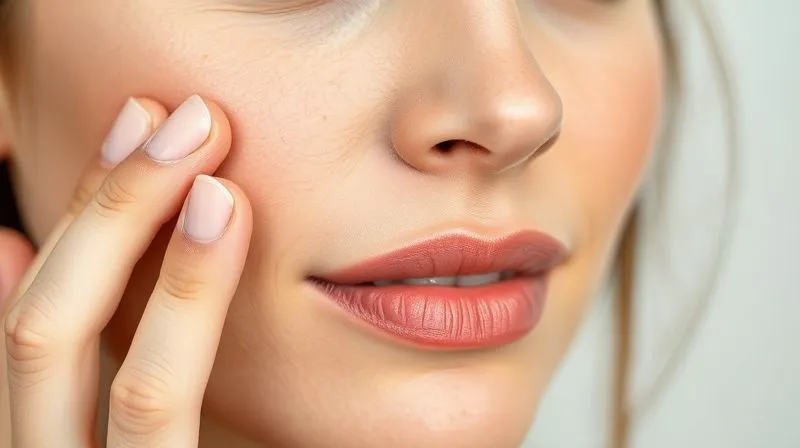
Selecting Your Natural Makeup Arsenal for Oily Skin
Choosing the right products is critical for achieving a durable natural makeup look. The 'natural' aspect means focusing on clean formulations, free from harsh chemicals, synthetic fragrances, and pore-clogging ingredients that can exacerbate oily skin issues.
Foundations & Tinted Moisturizers: The Right Base
For oily skin, mineral powder foundations are often a godsend. Their finely milled particles absorb oil, provide buildable coverage, and allow the skin to breathe. If you prefer liquid, opt for oil-free, water-based, or serum-based formulas. Look for ingredients like zinc oxide and titanium dioxide (which also offer natural sun protection) or silica, known for their mattifying properties. Avoid heavy, emollient formulas. For a lighter touch, a natural, oil-free BB or CC cream can provide sheer coverage with added skincare benefits. Always check ingredient lists for non-comedogenic claims. For more on understanding clean beauty standards, consult resources like the Environmental Working Group's Skin Deep database.
Concealers & Correctors: Targeted Coverage
Choose cream-to-powder or stick concealers that offer good coverage without feeling heavy or greasy. Apply sparingly only where needed – under eyes, blemishes, redness – and blend well. Ensure they are non-creasing and designed for long wear. Again, opt for natural formulations to avoid introducing unnecessary oils or irritants to targeted areas.
Setting Powders: The Unsung Hero
This is arguably the most vital step for oily skin. A good translucent setting powder will lock your liquid or cream products in place and absorb excess oil throughout the day. Look for finely milled powders made from ingredients like pure silica, rice powder, bamboo powder, or corn starch. These provide a matte finish without looking cakey or settling into fine lines. I often recommend keeping a compact version for touch-ups.
Blush, Bronzer & Highlighter: Adding Dimension Naturally
For these accent products, powder formulas are generally preferred for oily skin, as they tend to last longer and contribute to a matte finish. Cream blushes or bronzers can work, but apply them very sparingly and set them with a light dusting of translucent powder to prevent slippage. When it comes to highlighter, focus on areas that naturally catch light (cheekbones, brow bone) and opt for powder formulas. Avoid anything too shimmery or dewy on areas prone to oiliness, as it can mimic unwanted shine.
| Product Type | Oily Skin Recommendation | Key Natural Ingredient |
|---|---|---|
| Foundation | Mineral Powder, Oil-Free Liquid | Zinc Oxide, Silica |
| Primer | Mattifying, Silicone-Free | Arrowroot Powder, Kaolin Clay |
| Setting Powder | Translucent Loose Powder | Rice Powder, Corn Starch |
| Blush/Bronzer | Powder Formulas | Mineral Pigments |
Application Techniques for Enduring Natural Looks
Even with the best products, poor application can undermine all your efforts. Mastering these techniques is key to crafting durable natural makeup looks for oily skin.
Less is More: Building Layers Strategically
This principle is paramount for oily skin. Applying too much product, especially foundation, can lead to a heavy, cakey look that is more prone to breaking down. Instead, work in thin, buildable layers. Start with a minimal amount and add more only where necessary, blending meticulously. Use a damp beauty sponge or a dense, flat-top brush for foundation application; these tools help press the product into the skin for better adhesion and a more natural finish.
"The secret to durable natural makeup on oily skin isn't more product, but smarter application. Think thin, precise layers, not heavy coverage."
The Art of Setting: Lock It In
Once your liquid and cream products are applied, setting them is crucial. For oily skin, I advocate for a technique called 'baking' in moderation, or simply pressing powder into the skin rather than dusting. Load a fluffy brush or a damp sponge with your translucent setting powder. Gently press and roll the powder onto areas prone to oiliness (T-zone, chin, forehead). This technique helps the powder meld with the makeup and absorb excess oil without looking heavy.
Finally, a natural, alcohol-free setting spray formulated for oily skin can be a game-changer. Look for sprays with mattifying ingredients like witch hazel or oil-absorbing botanicals. A fine mist helps fuse all layers together, creating a more cohesive, long-lasting finish. Hold the bottle at arm's length and spray in an 'X' and 'T' motion.
Mini Case Study: Sarah's Shine-Free Transformation
I remember Sarah, a 32-year-old marketing professional, who came to me exasperated. Her natural makeup, though beautiful when first applied, would consistently melt and look patchy by her mid-morning meeting. She had persistent oily skin, especially on her forehead and nose. We completely overhauled her routine. By switching her to a gentle, gel-based cleanser and a lightweight hyaluronic acid serum as her moisturizer, followed by a silicone-free mattifying primer on her T-zone, her skin's balance improved significantly. For makeup, she adopted a finely milled mineral foundation applied with a damp sponge in sheer layers, topped with a generous press of translucent rice powder. The immediate difference was remarkable. Within two weeks, Sarah reported her makeup lasting 8+ hours without needing touch-ups, feeling more confident, and her skin looking healthier and less irritated. This simple, strategic shift transformed her daily beauty experience, proving that How to craft durable natural makeup looks for oily skin? is achievable with the right knowledge.
Mid-Day Maintenance & Troubleshooting
Even the most meticulously applied makeup might need a little help to brave a full day, especially with oily skin. Knowing how to troubleshoot effectively without disrupting your look is a valuable skill.
Blotting Papers vs. Powder: Know Your Tools
When shine starts to peek through, your first line of defense should always be blotting papers. These thin, absorbent sheets lift excess oil without adding more product or disturbing your makeup. Gently press a blotting paper onto the shiny areas, hold for a few seconds, then lift. Avoid rubbing, as this can smudge your makeup.
If blotting isn't enough, a very light dusting of translucent powder can be applied. Use a small, fluffy brush and press the powder only onto the areas that need it most, such as the T-zone. Over-powdering throughout the day can lead to a cakey appearance, so use sparingly.
Quick Touch-Ups: When and How
For more significant touch-ups, such as around the nose or mouth, use a small amount of concealer or foundation applied with a fingertip or a tiny brush, blending outwards. Always blot first to remove oil, then apply product, and finally, set with a touch of powder if needed. The goal is to refresh, not reapply your entire face.
External Factors: Humidity & Stress
Environmental factors like humidity can significantly impact makeup longevity. In humid climates, lean even more heavily on mattifying primers and setting sprays. Stress also plays a role; high cortisol levels can stimulate sebum production. Recognizing these triggers can help you adjust your routine or simply be more prepared for potential shine breakthroughs. For deeper insights into how various factors affect skin, resources like the American Academy of Dermatology offer valuable information.
Beyond Makeup: Lifestyle Habits for Balanced Oily Skin
While strategic makeup application is crucial, true, lasting natural beauty stems from holistic care. Addressing underlying factors can significantly improve your skin's balance and, by extension, your makeup's durability.
Diet & Hydration: What You Eat Matters
Your diet has a direct impact on your skin. Foods high in refined sugars and processed carbohydrates can trigger inflammation and potentially increase sebum production. Focus on a diet rich in whole foods, lean proteins, healthy fats (like omega-3s), and plenty of fruits and vegetables. Adequate hydration is also vital; drinking enough water helps maintain overall skin health and can prevent your skin from overcompensating with oil production due to dehydration. For more on nutrition and skin health, reputable sources like Harvard Health Publishing provide evidence-based insights.
Stress Management: The Hidden Culprit
Stress is a notorious contributor to various skin issues, including increased oiliness and breakouts. When you're stressed, your body releases cortisol, a hormone that can stimulate sebaceous glands. Incorporating stress-reducing practices into your daily life – meditation, yoga, regular exercise, adequate sleep, or hobbies – can have a profound positive impact on your skin's balance and overall well-being.
Skincare Consistency: A Long-Term Investment
A consistent, gentle skincare routine tailored to oily skin is the bedrock of lasting results. This includes regular, gentle exfoliation (1-2 times a week) to remove dead skin cells and prevent clogged pores, and incorporating targeted treatments like clay masks (once a week) to draw out impurities and absorb excess oil. Remember, consistency over intensity is key. Building a robust skincare routine is an investment that pays dividends in how well your natural makeup performs.
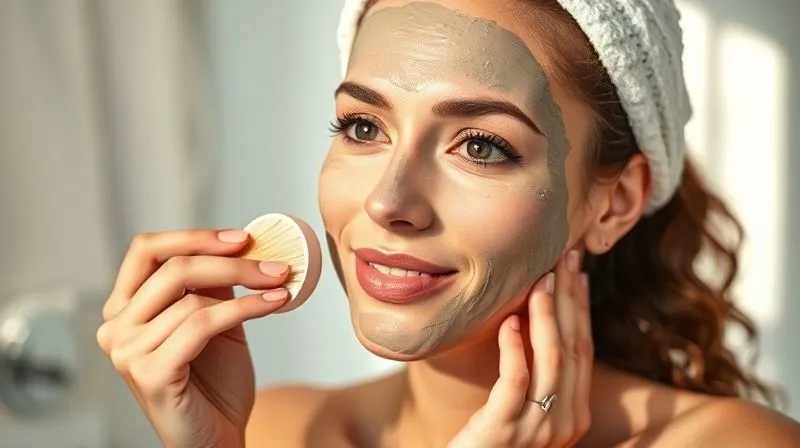
The Clean Beauty Imperative: Why Natural Matters for Oily Skin
In my experience, embracing natural and clean beauty isn't just a trend; it's a strategic choice, especially for those with oily skin. The formulations often found in conventional makeup can contain ingredients that exacerbate oiliness, clog pores, or irritate sensitive skin, creating a vicious cycle.
Avoiding Comedogenic & Irritating Ingredients
Many traditional makeup products contain heavy silicones, mineral oil, synthetic fragrances, and certain types of alcohol. These can create a occlusive barrier that traps oil and bacteria, leading to breakouts and further shine. Synthetic fragrances are common irritants, and denatured alcohol can strip the skin, prompting it to produce more oil. Natural formulations typically prioritize ingredients that are non-comedogenic and gentle.
Benefits of Mineral & Plant-Based Formulations
Natural makeup, particularly mineral-based foundations and powders, often contains ingredients like zinc oxide, titanium dioxide, and various clays (kaolin, bentonite). These ingredients are not only non-comedogenic but also possess oil-absorbing, anti-inflammatory, and even antibacterial properties. Plant-based extracts like green tea, witch hazel, or aloe vera can soothe skin, reduce redness, and provide antioxidants without adding unnecessary oils. This allows your skin to breathe and function optimally, reducing the likelihood of makeup breakdown and improving overall skin health.
Reading Labels: Becoming Your Own Ingredient Detective
To truly achieve durable natural makeup looks for oily skin, you must become adept at reading ingredient labels. Look for certifications like USDA Organic, Ecocert, or specific 'clean beauty' seals. Familiarize yourself with common pore-clogging ingredients (e.g., isopropyl myristate, lanolin, certain silicones) and irritating substances. Prioritize brands that are transparent about their sourcing and formulation. This empowers you to make informed choices that benefit both your makeup's longevity and your skin's health.
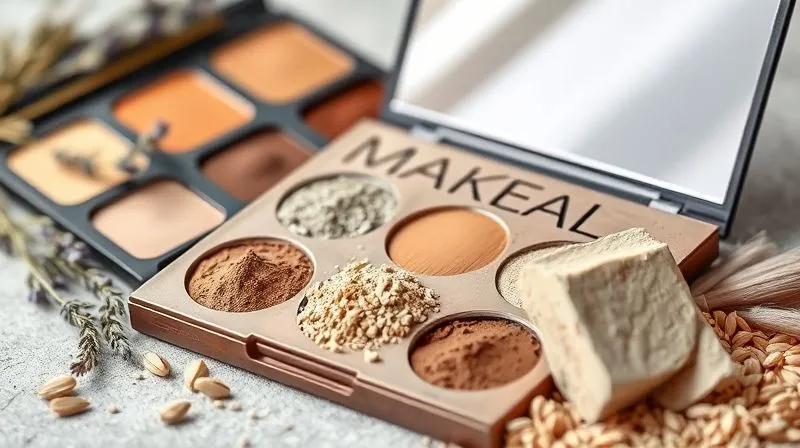
| Ingredient Category | Examples |
|---|---|
| To Avoid (Oily Skin) | Heavy Silicones, Mineral Oil, Synthetic Fragrances, Denatured Alcohol |
| To Embrace (Oily Skin) | Kaolin Clay, Zinc Oxide, Niacinamide, Hyaluronic Acid (light), Green Tea Extract |
Frequently Asked Questions (FAQ)
Q: Can I really achieve a matte finish with natural makeup without feeling heavy? Absolutely. The key lies in strategic product selection and application. Opt for finely milled mineral foundations and translucent setting powders. Apply in thin layers, focusing on pressing the product into the skin rather than caking it on. Many natural formulations, like those with silica or rice powder, are designed to absorb oil and provide a comfortable matte finish without the heavy feel often associated with conventional mattifying products.
Q: Are natural setting sprays effective for oily skin, or should I stick to powder? Natural setting sprays can be incredibly effective, especially when used in conjunction with powder. Look for alcohol-free formulas that contain ingredients like witch hazel, rose water, or botanical extracts known for their mattifying or balancing properties. A good natural setting spray helps to meld your makeup layers, reduce a powdery finish, and provide an extra layer of oil control. It's often the final step that truly locks everything in.
Q: What's the biggest mistake people with oily skin make when trying to go natural? The biggest mistake I've observed is either over-stripping the skin or assuming natural products aren't powerful enough. Over-stripping with harsh cleansers or toners can trigger increased oil production, sabotaging any makeup efforts. Conversely, some expect natural products to perform identically to conventional, silicone-heavy formulas. Natural beauty requires a slightly different approach – focusing on skin health, strategic layering, and understanding that 'natural' doesn't mean 'weak,' but rather 'smart and sustainable.'
Q: How often should I exfoliate if I have oily skin and wear natural makeup? For most with oily skin, gentle exfoliation 1-2 times a week is ideal. This helps remove dead skin cells that can clog pores and make your skin appear dull or uneven, creating a smoother canvas for makeup. Over-exfoliating, however, can irritate the skin and potentially lead to more oil production. Opt for gentle chemical exfoliants like salicylic acid (BHA) or fruit enzymes found in natural formulations, rather than harsh physical scrubs.
Q: Is there a specific type of brush or sponge that works best for applying natural foundation on oily skin? Yes, the tool makes a difference. For mineral powder foundations, a dense, flat-top kabuki brush works wonderfully to buff the product into the skin for a seamless, natural finish. For liquid or cream natural foundations, a damp beauty sponge is often my preferred choice. The dampness helps sheer out the product, prevents it from looking heavy, and presses it firmly into the skin, which significantly improves longevity on oily complexions.
Key Takeaways and Final Thoughts
- Preparation is Paramount: A gentle cleansing, strategic hydration, and a mattifying primer create the optimal canvas.
- Choose Wisely: Opt for oil-free, non-comedogenic natural formulations like mineral powders, and prioritize ingredients that absorb oil.
- Layer Smart, Not Heavy: Apply products in thin, buildable layers, using tools like damp sponges for better adhesion.
- Embrace Setting: Translucent setting powder, pressed into the skin, and a natural setting spray are your best friends.
- Holistic Approach: Lifestyle factors like diet, stress management, and a consistent skincare routine profoundly impact skin balance.
Crafting durable natural makeup looks for oily skin is not just a pipe dream; it's an achievable reality when armed with the right knowledge and techniques. As an industry specialist, I've seen firsthand the transformative power of understanding your skin and selecting products that work with, not against, its natural tendencies. By following the expert insights and actionable steps outlined here, you can confidently embrace the radiant, long-lasting natural beauty you deserve. It's about empowering yourself to look and feel your best, knowing your makeup will stay put, beautifully and naturally, from morning to night. Go forth and glow, beautifully and sustainably!
Recommended Reading
- Bridal Gown Delayed? 7 Steps to Navigate & Secure Your Dream Dress
- 5 Circulatory Conditions: Can Compression Wear Make Them Worse?
- 7 Proven Strategies: How to Boost Traditional Wedding Gown Sales in a Modern Market?
- The Ultimate Guide: How to Properly Fit a Men's Formal Dress Shirt?
- 7 Proven Strategies: Solving Smart Fabric Failure in Commercial Laundry Cycles




Your email address will not be published. Required fields are marked *