

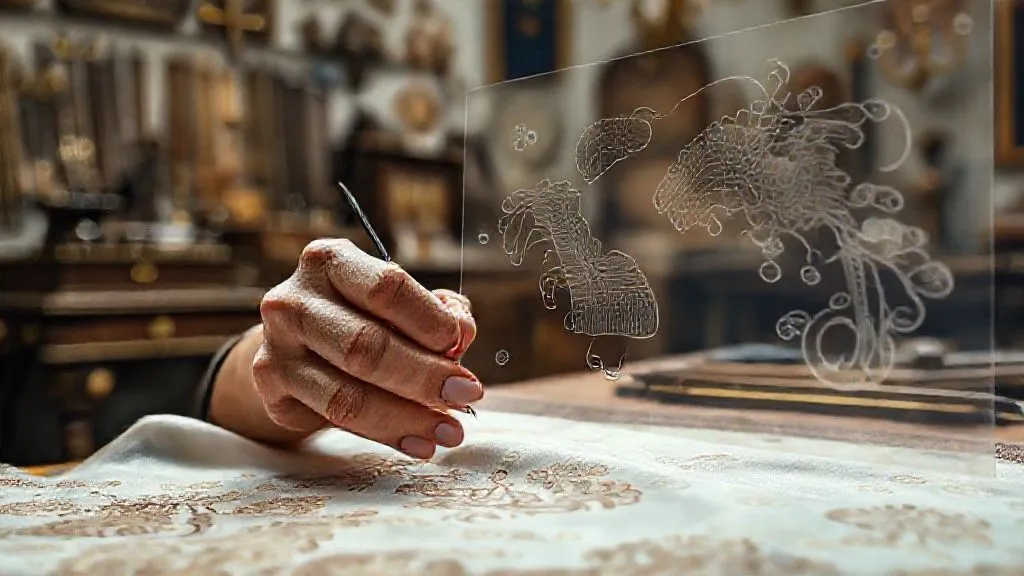
How to Innovate Haute Couture Artistry Without Losing Heritage?
For over two decades immersed in the rarefied air of haute couture, I’ve witnessed firsthand the exquisite tension between venerating the past and forging the future. The very essence of couture lies in its heritage—the unparalleled craftsmanship, the bespoke narrative, the painstaking dedication to artistry. Yet, in a world relentlessly propelled forward by technology and shifting cultural tides, the question becomes not if, but how to innovate haute couture artistry without losing heritage?
This isn't merely an academic debate; it's the existential challenge facing every maison, every couturier, and every patron who cherishes this unique art form. The fear is palpable: push too far, and you risk alienating the purists, diluting the very soul of what makes couture extraordinary. Hold too tight to tradition, and you risk becoming a relic, failing to resonate with new generations and losing relevance in a dynamic global landscape.
In this definitive guide, I will share the frameworks, insights, and actionable strategies that I've seen successful houses employ to navigate this delicate balance. We'll explore how to weave innovation into the very fabric of couture, not as a destructive force, but as an evolutionary imperative that respects and amplifies its profound legacy. Prepare to discover how to embrace the new while deeply honoring the old, ensuring haute couture continues to captivate and inspire for centuries to come.
1. Reinterpreting Archival DNA: The Foundation of Authentic Innovation
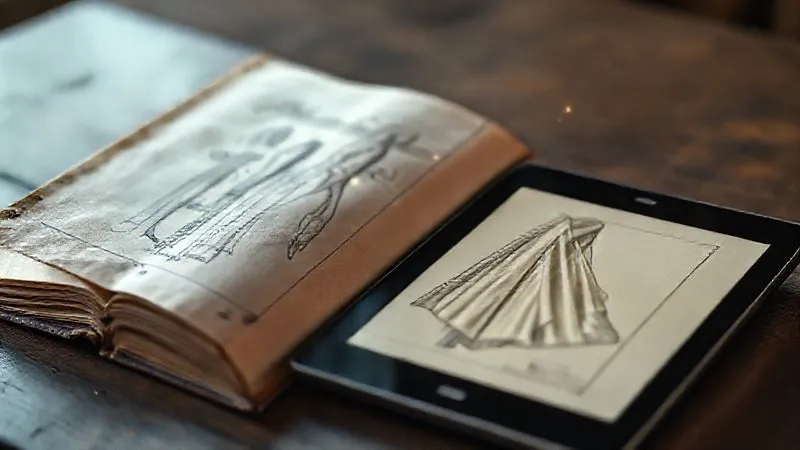
True innovation in haute couture doesn't spring from a vacuum; it often emerges from a deep, respectful dialogue with the past. As an industry veteran, I’ve learned that the most compelling advancements are those that understand their roots. Reinterpreting archival DNA isn't about mere replication; it's about understanding the core philosophies, silhouettes, techniques, and narratives that define a house's legacy, then translating them through a contemporary lens.
The Art of Deconstruction and Reconstruction
This process begins with meticulous research. Delving into a maison's archives—sketches, fabric swatches, finished garments, and client notes—provides an invaluable vocabulary. It's about identifying recurring motifs, signature cuts, and the emotional resonance of past collections. Once identified, these elements are then thoughtfully deconstructed.
- Immersive Archival Research: Spend significant time with historical pieces. Understand their construction, the choice of materials, and the context of their creation. Document everything, from stitch density to internal structure.
- Identify Core Elements: Pinpoint the enduring codes of the house—be it a specific drape, an embroidery technique, a unique embellishment, or a silhouette. These are the non-negotiables that define its identity.
- Modern Material Exploration: Consider how these core elements could be expressed using contemporary, sustainable, or technologically advanced materials without compromising the original spirit.
- Silhouette Evolution: Adapt historical silhouettes for modern wearability and aesthetic preferences, perhaps by altering proportions, adding unexpected cut-outs, or integrating modular components.
- Narrative Reimagination: Instead of simply recreating a past story, use the archival piece as a starting point to tell a new, relevant narrative that connects the past to the present and future.
According to a report by the Business of Fashion, brands that successfully leverage their heritage while pushing boundaries often see stronger brand loyalty and appeal to a broader demographic. It’s about creating a sense of continuity, a timelessness that transcends fleeting trends.
2. Embracing Textile and Material Innovation with Reverence
Haute couture has always been at the forefront of textile innovation, from Madame Grès's masterful jersey drapes to Charles James's architectural silks. The challenge today is to continue this legacy by embracing cutting-edge materials and sustainable practices, not as a compromise, but as an enhancement of artistry. This means looking beyond traditional silks and brocades to explore bio-synthetics, recycled fibers, and smart textiles, all while preserving the integrity of handcraft.
Sustainable Futures, Ancient Techniques
The conversation around sustainability is no longer optional; it's fundamental. Innovating materials in haute couture involves seeking out textiles that minimize environmental impact, support ethical supply chains, and offer new aesthetic possibilities. This could mean working with artisans who revive ancient, low-impact dyeing techniques or collaborating with material scientists developing next-generation fabrics.
“Innovation in materials isn't just about newness; it's about responsibility. The true luxury of the future will be defined by its provenance and its planetary impact, woven into every thread.”
| Material Type | Characteristics | Innovation Potential |
|---|---|---|
| Traditional Silk Organza | Lightweight, sheer, crisp hand, natural protein fiber | Can be woven with recycled silk, naturally dyed, or enhanced with bio-luminescent properties |
| Embroidered Tulle | Delicate, sheer, base for intricate embellishment, often synthetic blend | Can be made from recycled ocean plastics, biodegradable polymers, or integrated with micro-LEDs for dynamic effects |
| Brocade | Rich, heavy, elaborate woven patterns, often silk/metallic threads | Can incorporate smart fibers for temperature regulation, plant-based metallics, or 3D weaving techniques for new textures |
| Wool Crêpe | Drapey, textured, natural protein fiber, versatile | Can be sourced from regenerative agriculture, treated for enhanced elasticity, or blended with innovative biodegradable elastomers |
As Deloitte's annual Luxury Report consistently highlights, consumers, particularly younger demographics, are increasingly prioritizing ethical and sustainable practices. Haute couture, with its inherently low-volume, high-value production, is uniquely positioned to lead this charge, proving that luxury and responsibility are not mutually exclusive.
3. The Digital Atelier: Integrating Technology as an Ally, Not a Replacement
The hand of the artisan is sacrosanct in haute couture, but the tools they use can evolve. Digital technology, when wielded thoughtfully, can enhance precision, accelerate prototyping, and even open new avenues for artistic expression without diminishing the human touch. I’ve seen initial skepticism transform into awe as couturiers discover the symbiotic potential of man and machine.
From 3D Prototyping to Augmented Reality Showcases
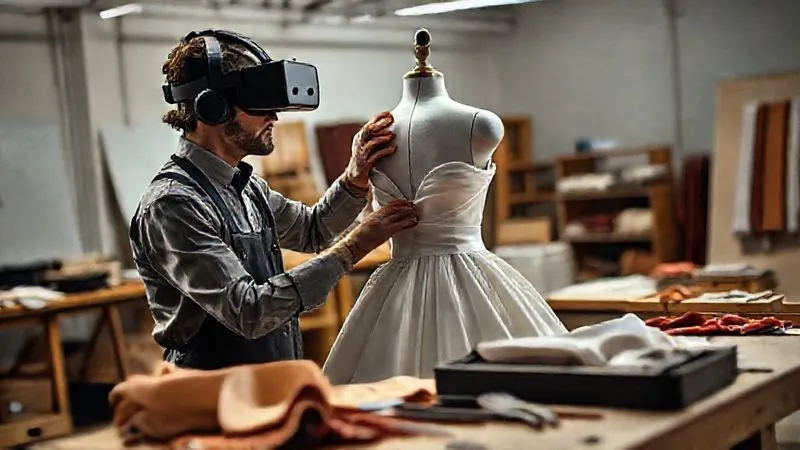
Integrating technology doesn't mean replacing embroidery with a 3D printer for the final piece, but rather using these tools in the design and development phases. Imagine a designer sketching directly into a 3D environment, instantly visualizing how a fabric will drape and move, or using AI to generate complex embroidery patterns that would be impossibly time-consuming to draw by hand.
Case Study: Elysian Atelier's Digital Threads
Elysian Atelier, a fictional haute couture house renowned for its architectural silhouettes, faced challenges in reducing prototyping time and material waste. By implementing a 3D garment design software suite, their designers could create virtual prototypes, test various fabrics and cuts, and refine designs with unparalleled precision. This reduced the need for multiple physical toile iterations by 60%, saving hundreds of hours and significant material costs. The software also allowed for hyper-realistic renderings of their final garments, which were then used to create immersive augmented reality experiences for exclusive clients, offering a glimpse into the collection before physical production even began. This resulted in a more efficient design process and an elevated client experience, all while preserving their signature hand-finished construction.
4. Collaborative Cross-Pollination: New Perspectives, Enduring Craft
One of the most exciting avenues for innovation in haute couture is through strategic collaborations. This isn't just about brand partnerships; it's about bringing together diverse minds and skill sets to push creative boundaries. I've observed that some of the most groundbreaking collections emerge when couturiers step outside their immediate fashion circles to engage with artists, scientists, architects, and even philosophers.
Partnerships Beyond Fashion
Think about a couturier collaborating with a bio-engineer to develop self-cleaning fabrics that still feel exquisitely luxurious, or working with a sound artist to create an immersive runway experience that complements the tactile qualities of the garments. These multidisciplinary dialogues infuse fresh perspectives and methodologies into the traditional couture process.
“The magic of collaboration lies in the friction of different disciplines. It's where unexpected beauty and true innovation are born, challenging preconceived notions of what haute couture can be.”
Such partnerships can lead to:
- Novel Material Development: Combining fashion design with materials science to create textiles with unique properties (e.g., color-changing, temperature-regulating, or self-repairing).
- Innovative Presentation Formats: Collaborating with digital artists or experience designers to create virtual fashion shows, interactive installations, or cinematic presentations that transcend the traditional runway.
- New Artistic Expressions: Working with sculptors, painters, or performing artists to integrate their mediums into the garment itself, blurring the lines between fashion and fine art.
- Technological Integration: Partnering with tech firms to embed wearable technology discreetly within garments, offering functionality without compromising aesthetic integrity.
5. Rethinking Presentation: Engaging a New Generation
The traditional haute couture show, while iconic, faces the challenge of engaging a global, digitally native audience. Innovation in presentation isn't about abandoning the spectacle, but about evolving it to create more immersive, accessible, and emotionally resonant experiences. I've advocated for a shift from passive viewing to active engagement.
Immersive Experiences and Narrative Storytelling
The runway show can transform into a multidimensional narrative. This could involve using advanced projection mapping, holographic displays, or even interactive elements that allow the audience to feel more connected to the artistry. The goal is to convey not just the beauty of the garments, but the story, the craftsmanship, and the vision behind them.
- Beyond the Runway: Explore alternative presentation formats such as curated exhibitions, intimate salon presentations with detailed explanations of craftsmanship, or short cinematic films that showcase the garments in motion and context.
- Digital Amplification: Leverage virtual reality (VR) or augmented reality (AR) to create immersive experiences for those who cannot attend in person, offering a 'front row' seat and interactive details.
- Storytelling Focus: Structure the presentation around a clear narrative or theme that goes beyond seasonal trends, emphasizing the inspiration, the artisanal journey, and the emotional impact of the collection.
- Direct Engagement: Consider post-show experiences, such as masterclasses with artisans, Q&A sessions with the creative director, or interactive installations that allow closer inspection of the garments' intricate details.
These innovative presentations not only broaden reach but also deepen understanding and appreciation for the intricate artistry involved, drawing in a new generation of admirers and potential patrons.
6. Cultivating the Next Generation of Artisans: Preserving Skill, Inspiring Vision
The greatest threat to haute couture heritage isn't a lack of innovation, but a potential loss of the extraordinary skills that define it. The intricate hand-stitching, delicate embroidery, complex pattern-making—these are crafts passed down through generations. Innovating in this space means ensuring these skills are not only preserved but also made relevant and appealing to younger talents. As I always say, the future of couture is in the hands of its future makers.
Mentorship and Modern Apprenticeships
This requires a proactive approach to education and mentorship. Couture houses must invest in robust apprenticeship programs that blend traditional techniques with exposure to modern tools and design philosophies. It’s about creating a pathway for young artisans to not only learn the craft but to also bring their own innovative ideas to the table.
Key elements include:
- Structured Apprenticeships: Formal programs that provide comprehensive training in all facets of couture craftsmanship, often culminating in a master's certificate or equivalent.
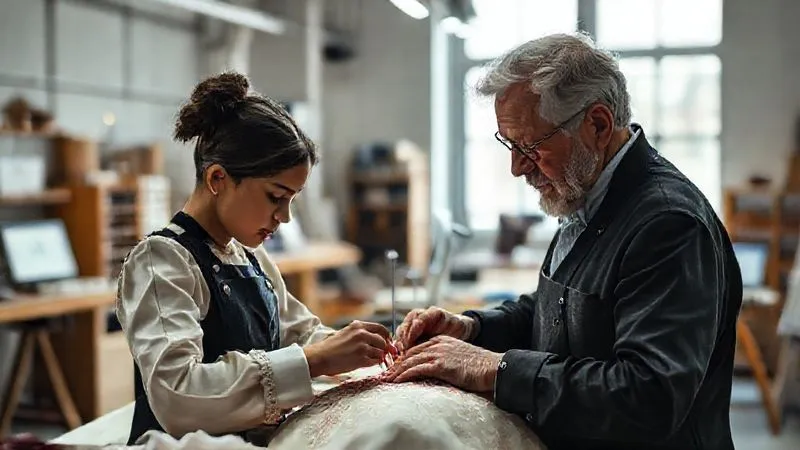
- Cross-Generational Mentorship: Pairing seasoned artisans with emerging talents, fostering a direct transfer of knowledge, wisdom, and nuanced techniques.
- Integration of New Technologies: Training artisans not just in handcraft, but also in how to utilize digital tools (e.g., 3D modeling, laser cutting for patterns) that can enhance efficiency and precision without replacing handwork.
- Creative Autonomy: Encouraging apprentices to experiment and develop their own interpretations of traditional techniques, fostering a sense of ownership and innovation.
- Global Outreach: Collaborating with leading fashion schools and textile institutes worldwide, like the Institut Français de la Mode, to identify and nurture exceptional talent from diverse backgrounds.
By investing in the education and empowerment of the next generation, we ensure that the exquisite skills of haute couture not only survive but thrive, continually evolving with fresh perspectives.
7. Ethical Frameworks: Innovation with Purpose
Innovation in haute couture isn't solely about aesthetics or technology; it's also about ethics and purpose. The very definition of luxury is shifting towards transparency, social responsibility, and environmental consciousness. For couture to truly innovate and maintain its esteemed position, it must embed these values into its core operations, from sourcing to production to community engagement.
Transparency and Social Responsibility
This means going beyond superficial greenwashing to genuinely scrutinize supply chains, ensure fair wages and working conditions for all artisans, and minimize environmental impact. Innovation here lies in developing new, ethical business models that uphold the highest standards of luxury while contributing positively to the world.
- Supply Chain Mapping: Meticulously trace all materials, from raw fiber to finished embellishment, ensuring ethical sourcing, fair labor practices, and environmental compliance.
- Artisan Welfare Programs: Invest in the health, well-being, and continuous training of artisans, recognizing their invaluable contribution to the art form.
- Circular Economy Principles: Explore design for longevity, repairability, and responsible end-of-life solutions for garments, moving away from linear consumption models.
- Community Engagement: Support local communities where materials are sourced or craftsmanship is practiced, fostering sustainable development and preserving cultural heritage.
- Open Communication: Be transparent with clients about the ethical journey of their garments, building trust and shared values.
The pursuit of beauty in haute couture must increasingly be intertwined with a commitment to a better world. This ethical innovation not only safeguards heritage but elevates it, positioning couture as a beacon of responsible luxury for the future.
Frequently Asked Questions (FAQ)
How do you define “heritage” in haute couture? In haute couture, heritage encompasses far more than just old designs. It refers to the accumulated knowledge, specific techniques (like flou, tailleur, embroidery, featherwork), the philosophy of bespoke creation, the historical archives of a maison, the hand skills passed down through generations of artisans, and the enduring artistic vision that defines a brand's unique identity. It's the very soul and foundation upon which all innovation must be built.
Can fast fashion truly learn from haute couture's innovation in balancing heritage and modernity? While the business models are diametrically opposed, fast fashion can indeed learn critical lessons from haute couture. Specifically, the emphasis on quality, longevity, meticulous craftsmanship, and the profound respect for materials and human skill offers a powerful counter-narrative to disposable fashion. Lessons in ethical sourcing, material innovation, and the value of narrative storytelling can inspire more responsible practices even within high-volume production, though the core principles of bespoke artistry remain unique to couture.
What are the biggest risks of innovating too quickly or carelessly in haute couture? Innovating too quickly in haute couture carries several significant risks. Firstly, it can dilute the brand's identity and alienate its loyal clientele who cherish its heritage. Secondly, it risks compromising the unparalleled craftsmanship and quality that define couture, potentially leading to a loss of perceived value. Thirdly, it might inadvertently erase unique artisanal skills if new technologies are adopted as replacements rather than enhancements. The key is thoughtful, incremental innovation that respects the core tenets of the art form.
How can smaller couture houses compete with larger, well-funded brands in innovation? Smaller couture houses can innovate effectively by focusing on niche expertise, unparalleled intimacy with clients, and agile experimentation. They can leverage their smaller scale to foster deeper collaborations with individual artisans or tech startups, explore hyper-specific material innovations, and create highly personalized, immersive client experiences that larger brands might struggle to replicate. Their innovation often lies in intense specialization, authentic storytelling, and a highly personalized approach to both design and client relations.
What's the role of the client in this innovation process? The haute couture client plays an incredibly vital role. They are not just consumers, but often patrons and collaborators. Their evolving tastes, desires for sustainability, and appreciation for unique artistry drive demand for innovative approaches. Engaging clients through bespoke design processes, inviting feedback on new materials, or offering immersive experiences allows them to feel part of the innovation journey, reinforcing their loyalty and providing invaluable insights into the future direction of couture.
Key Takeaways and Final Thoughts
- Heritage is the Blueprint, Not a Straightjacket: True innovation in haute couture begins with a deep reverence for archival DNA, reinterpreting it for contemporary relevance.
- Materials Matter More Than Ever: Embrace cutting-edge, sustainable textiles and material science as a path to new artistic expression and ethical leadership.
- Technology is an Artisan's Ally: Integrate digital tools for precision, efficiency, and expanded creative possibilities, always in service of the human hand.
- Collaboration Fuels Creativity: Seek cross-disciplinary partnerships to infuse fresh perspectives and methodologies into the couture process.
- Evolve the Experience: Innovate presentation formats to engage new generations, transforming shows into immersive, narrative-driven experiences.
- Invest in Tomorrow's Hands: Actively cultivate and mentor the next generation of artisans, ensuring the transfer of invaluable skills and fostering new visions.
- Purpose is the New Luxury: Embed ethical frameworks into every facet of couture, from sourcing to social responsibility, to elevate its enduring value.
The journey of haute couture is a continuous dance between tradition and transformation. As an experienced industry specialist, I firmly believe that by embracing these strategies, we can ensure that haute couture not only survives but thrives—a living, breathing art form that continues to inspire awe, push boundaries, and uphold its profound legacy for generations to come. The future of haute couture artistry is not about choosing between heritage and innovation, but mastering the art of weaving them into an even richer, more compelling tapestry.
Recommended Reading
- Transforming Tradition: 7 Steps to Modernize Your Bridal Gown Fit
- Mastering Silk: 7 Techniques to Eliminate Puckering in Haute Couture Hand-Sewn Details
- Uncover the Hidden Impact: How Wartime Rationing Reshaped 1940s Fashion
- 7 Pro Hacks: Reinforce Delicate Costume Seams for Intense Stage Wear
- How to Translate Abstract Mood Boards into Executable Fashion Shoots: 7 Steps


Your email address will not be published. Required fields are marked *