


How to Translate Abstract Mood Boards into Executable Fashion Shoots?
For over two decades in the dynamic world of fashion photography, I've witnessed firsthand the exhilarating birth of groundbreaking concepts and, unfortunately, the frustrating demise of brilliant ideas that never quite made it past the initial spark. The journey from a captivating, abstract mood board to a tangible, breathtaking fashion editorial is often where even the most seasoned creatives stumble.
The problem isn't a lack of vision; it's the disconnect between the ethereal inspiration—the colors, textures, emotions, and fleeting moments captured on a mood board—and the concrete, logistical demands of a professional photo shoot. Many struggle to bridge this gap, leaving potentially iconic projects trapped in a realm of 'what ifs' due to a lack of a systematic approach.
In this definitive guide, I will share the exact frameworks, actionable steps, and hard-earned insights I've developed over my career to seamlessly translate abstract mood boards into executable fashion shoots. You'll learn how to dissect your inspiration, build a robust creative brief, assemble a cohesive team, and meticulously plan every detail to bring your most ambitious visions to life with precision and passion.
The Foundation: Deconstructing the Abstract Mood Board
The first, and arguably most critical, step in translating an abstract mood board into a concrete shoot plan is learning how to truly read it. A mood board isn't just a collection of pretty pictures; it's a visual language, a repository of unspoken intentions. I often see creatives stopping at the surface, admiring the aesthetic without diving into the underlying narrative.
Beyond Aesthetics: Identifying Core Concepts
When I approach a new mood board, I don't just see images; I look for patterns, recurring themes, and the overarching emotion it evokes. Is it about rebellion, serenity, power, or vulnerability? What story is it trying to tell? What core message are we communicating? This deep dive helps us move beyond superficial inspiration to a profound understanding of the project's soul. It's about asking 'why' for every element present.
Consider the color palette. Is it warm, cool, monochromatic, or vibrant? What feeling do these colors convey? Look at the textures—rough, smooth, delicate, industrial. Each element on that board is a clue, a piece of a larger puzzle that, once assembled, reveals the true essence of your vision.
The Power of Keywords and Storytelling
Once you've identified the core concepts, the next step is to translate these visual cues into a coherent narrative using keywords and a compelling storyline. This verbal articulation is crucial for communicating your vision to your team. I recommend creating a concise list of 5-10 descriptive adjectives and verbs that encapsulate the mood board's essence.
"A mood board is a whisper; your creative brief is the shout. Learn to listen intently to the whisper before you craft your message to the world."
These keywords will become the backbone of your creative brief and guide every decision, from casting to post-production. Develop a short narrative—a fictional scenario or a character profile—that embodies the mood board. This story acts as an emotional anchor, allowing everyone involved to connect with the project on a deeper level.
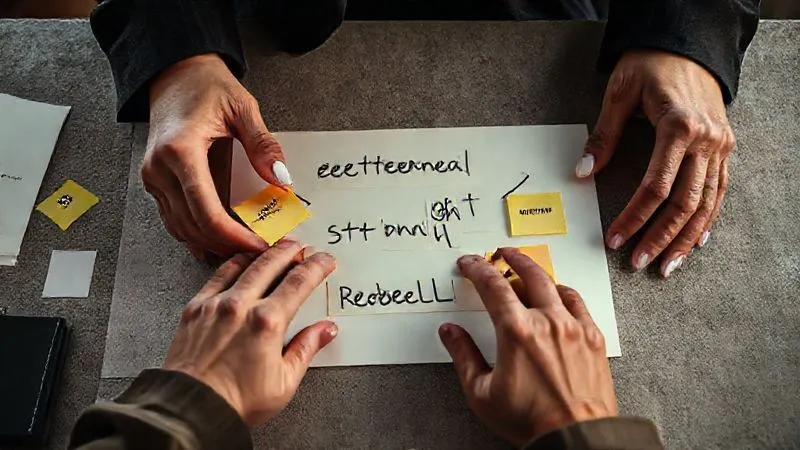
Step-by-Step: Crafting a Concrete Creative Brief
The creative brief is your project's constitution. It's the definitive document that translates your abstract mood board into actionable instructions for every team member. A well-crafted brief eliminates ambiguity, fosters alignment, and ensures everyone is working towards the same singular vision. This is where the 'how to translate abstract mood boards into executable fashion shoots' truly begins to take shape.
- Define the Objective: Clearly state the purpose of the shoot. Is it for an editorial, a campaign, a lookbook, or a specific product launch? What message should it convey?
- Articulate the Vision (Mood Board Translation): Summarize the core concepts, keywords, and narrative derived from your mood board. Include specific references to colors, textures, and overall mood.
- Identify the Target Audience: Who are you trying to reach? Understanding your audience helps in making decisions about styling, location, and even model selection.
- Specify Deliverables: List exactly what you need: number of final images, video content, specific aspect ratios, usage rights, and deadlines.
- Budget Allocation: Provide a clear breakdown of the available budget for each category (models, stylists, location, equipment, post-production, etc.).
- Timeline & Key Milestones: Outline the entire project schedule, from pre-production meetings to final delivery.
- Reference Imagery: Beyond the mood board, include specific photographic references for lighting, posing, composition, and overall aesthetic you're aiming for.
- Team Roles & Responsibilities: Clearly define who is doing what, ensuring no overlap or gaps in responsibility.
Essential Components of a Robust Brief
A robust creative brief is more than just a checklist; it's a living document that evolves slightly as the project progresses. It should be concise enough to be digestible but comprehensive enough to leave no stone unturned. I always ensure to include a section for 'Don'ts' – specific elements, styles, or clichés to avoid, which can be just as important as what to include.
Remember, the brief isn't meant to stifle creativity but to channel it effectively. It provides the guardrails within which your team can innovate and excel. For more insights on crafting effective briefs, I often refer to industry best practices as highlighted by Forbes, which emphasize clarity and inspiration.
| Section | Details |
|---|---|
| Objective & Vision | Core message, mood board keywords, target audience |
| Creative Direction | Styling, hair/makeup, model profile, location aesthetic |
| Technical Requirements | Shot list, lighting style, camera format, aspect ratios |
| Logistics & Budget | Timeline, budget breakdown, team roles, deliverables |
Visualizing the Vision: From Abstract Elements to Tangible Shots
With a solid creative brief in hand, the next challenge is to translate the conceptual vision into concrete visual plans: the shot list and storyboard. This is where the abstract elements of your mood board begin to take on specific forms, poses, and compositions. It's about moving from 'a feeling of freedom' to 'a model leaping across a dune at sunset.'
Shot Lists and Storyboards: Your Blueprint
A shot list is a detailed enumeration of every single photograph you intend to capture. For each shot, I specify:
- Look Number: Corresponds to specific styling.
- Model/Talent: Which model for which shot.
- Location/Background: Specific spot on set or location.
- Action/Pose: What the model is doing.
- Camera Angle/Crop: Full length, close-up, medium shot, low angle, etc.
- Lighting: Specific lighting setup (e.g., soft, dramatic, natural).
- Key Mood/Emotion: A single word to guide the model and photographer.
A storyboard takes this a step further, visually mapping out the sequence of shots, often with rough sketches or reference images. It's particularly useful for narrative-driven editorials, ensuring continuity and flow. It helps visualize how the mood board's essence translates into specific frames, guiding the entire team on set.
Case Study: Elevating 'Ethereal Bloom'
Case Study: Elevating 'Ethereal Bloom'
I once worked on an editorial titled 'Ethereal Bloom' where the initial mood board was incredibly abstract—lots of soft focus, pastel colors, and images of delicate flowers and flowing fabrics. The core concept was 'fragile strength.' Without a robust translation process, this could have easily become a generic 'pretty flower' shoot.
By deconstructing the mood board, we identified keywords like 'resilience,' 'translucence,' 'organic,' and 'subtle power.' The creative brief then specified a narrative of a woman emerging from a dreamy, natural environment, gradually gaining confidence. The shot list detailed specific poses: a delicate hand reaching towards light, a strong gaze through a veil of blossoms, a dynamic movement against a stark natural backdrop. We even storyboarded a sequence of emotional progression. This meticulous planning allowed the team to execute a series of images that perfectly balanced the initial ethereal beauty with a surprising underlying strength, directly translating the abstract 'fragile strength' into a compelling visual narrative that resonated deeply with the client's vision.
Assembling Your Dream Team: Communication is Key
No fashion shoot, however well-planned, can succeed without the right team. And more importantly, without clear, empathetic communication among them. Your ability to translate the mood board and creative brief effectively to each individual is paramount. This is where your role as a creative director truly shines—not just as a visionary, but as a conductor.
Casting: The Embodiment of Your Concept
The model is the living canvas for your vision. When casting, I don't just look for beauty; I search for someone who embodies the mood board's essence. Does their gaze convey vulnerability or power? Do their movements possess the grace or edge your concept demands? I share the mood board and the narrative directly with potential models during casting, observing how they interpret it and if their natural presence aligns with the story.
Sometimes, a model might not fit the conventional 'look' but possesses an intangible quality that perfectly captures the spirit of the shoot. Trust your gut here, but always back it up with a clear articulation of *why* they fit the translated vision.
Styling & Hair/Makeup: Translating the Aesthetic
The stylist, hair artist, and makeup artist are your closest allies in bringing the aesthetic to life. They translate the abstract textures, colors, and overall vibe of the mood board into tangible garments, hairstyles, and makeup looks. Provide them with the full creative brief, the deconstructed keywords, and specific reference images. Encourage their input, as their expertise can often elevate your initial concept.
"Effective communication isn't just about telling; it's about listening, interpreting, and collaboratively building on the shared vision. Empower your team, and they will empower your shoot."
For example, if the mood board suggests 'raw elegance,' the stylist might interpret this with deconstructed tailoring and luxurious fabrics, while the makeup artist might opt for a natural, luminous skin with a strong, graphic liner. These are the nuances that transform a good shoot into an exceptional one. Building a cohesive team and fostering effective communication among them is a cornerstone of success in any creative endeavor, as detailed in various leadership resources like those found on Harvard Business Review.
Location Scouting and Set Design: Building the World
The environment in which your fashion story unfolds is as crucial as the garments themselves. Whether it's a sprawling natural landscape or a meticulously designed studio set, the location and set design must resonate with and amplify the mood board's original intent. This is where the abstract backdrop of your inspiration becomes a physical reality.
Finding the Perfect Backdrop
Location scouting isn't just about finding a pretty place; it's about finding a place that speaks the same visual language as your mood board. If your board evokes 'urban decay,' a pristine beach won't work. I often create a 'location mood board' that specifically matches architectural styles, natural elements, or interior aesthetics to the overall concept. Consider the light quality at different times of day, potential logistical challenges, and any permits required.
Sometimes, a location might require minimal intervention, while others demand a complete transformation. It's about seeing the potential and understanding how it can serve your narrative. Will the stark lines of a modernist building enhance the 'minimalist strength' of your concept, or will a lush, overgrown garden better convey 'wild romance'?
Props and Production Design for Narrative Depth
Props and set dressing are powerful tools for adding layers of narrative and visual interest. They can reinforce the mood, define a character, or even introduce an element of surprise. Every prop should have a purpose, even if subtle. A vintage armchair, a single wilting flower, or a stack of old books can entirely shift the perception of a scene, aligning it more closely with the translated mood board.
Work closely with your set designer or prop stylist. Provide them with the core concepts, keywords, and any specific items from your mood board that you want to integrate. They are experts in creating environments that tell stories, and their input can be invaluable in bringing the abstract world of your mood board into a tangible, immersive setting.
| Location Type | Mood Board Keywords | Set Elements |
|---|---|---|
| Urban Industrial | Gritty, raw, modern, edgy | Exposed brick, metal, graffiti, minimalist props |
| Lush Botanical Garden | Ethereal, romantic, organic, dreamy | Flowing fabrics, vintage furniture, natural light, floral arrangements |
| Minimalist Studio | Clean, sophisticated, stark, conceptual | Seamless background, geometric shapes, single statement prop |
Pre-Production Protocols: Leaving Nothing to Chance
The success of translating abstract mood boards into executable fashion shoots largely hinges on rigorous pre-production. This phase is where all the planning, communication, and creative vision coalesce into a meticulously organized blueprint for the shoot day. Skipping steps here inevitably leads to chaos and compromise on set.
Detailed Call Sheets and Schedules
A comprehensive call sheet is non-negotiable. It's the ultimate communication tool, providing every team member with all the necessary information for the shoot day. This includes:
- Date and Time
- Location (with directions and parking info)
- Contact information for key personnel
- Detailed schedule (arrival times, hair/makeup, styling, shoot times for each look, breaks)
- Emergency contacts
- Specific instructions (e.g., 'bring black shoes', 'no glitter')
The schedule should be realistic, accounting for travel, setup, and contingency time. I've seen countless shoots derail because of overly ambitious timelines. Always build in buffer time—it's your best friend.
Contingency Planning: Expect the Unexpected
In creative production, something *always* goes wrong. The weather changes, a prop breaks, a model is delayed. My philosophy is to anticipate as many potential issues as possible and have backup plans. If shooting outdoors, have an indoor alternative. If a specific prop is crucial, have a similar backup. Think through 'what if' scenarios for every critical element.
This foresight doesn't just save time and money; it preserves the creative integrity of your vision. When you're prepared for challenges, you can pivot quickly without sacrificing the essence of the mood board you've worked so hard to translate. Effective project management, including risk assessment and contingency planning, is a staple in high-stakes creative industries, often discussed in publications focusing on production logistics, such as those found on ProductionHUB for film and video, which applies equally to complex fashion shoots.
The Shoot Day: Directing with Precision and Passion
The shoot day is the culmination of weeks, sometimes months, of planning. This is where the abstract mood board, the meticulous brief, and the assembled team finally come together to create the magic. Your role as creative director is to maintain the vision, guide the team, and inspire the talent, all while being adaptable and decisive.
Guiding the Talent: Articulating the Vision
On set, direct your models not just on poses, but on emotions and intentions. Refer back to the keywords and narrative from your mood board translation. Instead of saying 'look fierce,' you might say, 'channel the resilient spirit of the forest nymph emerging from winter.' This provides deeper context and allows the model to connect with the character and mood more authentically.
Work closely with your photographer, reviewing images on the monitor to ensure they align with the shot list and the overall aesthetic. Don't be afraid to make small adjustments to lighting, angles, or styling if something feels off. Maintain a clear line of communication, ensuring both technical execution and creative expression are on point.
Collaborating on Set: Adapting and Innovating
While precision is key, so is flexibility. Sometimes, an unexpected moment of light, a spontaneous pose from the model, or an idea from a team member can elevate a shot beyond your initial plan. Be open to these serendipitous moments. The best creative directors know when to stick to the plan and when to embrace a happy accident that enhances the translated mood board's vision.
Your energy and passion are contagious. Keep the atmosphere positive and focused. Celebrate small victories and address challenges calmly. Remember, everyone on set is there to help bring your vision to life. Foster an environment where collaboration thrives, and you'll often find that the collective genius of your team can push boundaries you hadn't even considered.
"The shoot day is not the time for new ideas, but for perfect execution of the old ones. Yet, be open to the universe's gifts; sometimes, the best shot is the one you never planned."
Post-Production: Refining the Narrative
The work doesn't end when the cameras stop clicking. Post-production is a critical phase where the raw footage is refined and polished to truly embody the translated mood board's original intent. This is where the final touches are applied to ensure every image tells the intended story with maximum impact.
Curating and Editing: The Final Polish
The first step in post-production is curating the best images from the shoot. This involves a meticulous review of all shots, selecting those that best represent the creative brief and the mood board's vision. I often do a preliminary cull, then a second, more detailed selection, sometimes involving the photographer or client for their input. Look for images that capture the desired emotion, composition, and technical quality.
Once selected, the editing process begins. This includes cropping, minor adjustments to exposure and contrast, and ensuring consistency across the entire series. The goal is to enhance the images without distorting the original captured moment, always keeping the core aesthetic derived from your mood board in mind.
Color Grading and Retouching: Enhancing the Mood
Color grading is a powerful tool for reinforcing the mood and atmosphere established by your mood board. If your board featured warm, nostalgic tones, the color grading should reflect that. If it was cool and futuristic, the grading should lean towards those hues. This process can dramatically alter the emotional resonance of an image.
Retouching, when done expertly, is about enhancing the natural beauty of the model and the clothing, not creating an artificial reality. It involves subtle corrections to skin, hair, and fabric imperfections, ensuring the focus remains on the fashion and the narrative. Provide your retoucher with the mood board, the creative brief, and specific instructions, emphasizing that their work should align perfectly with the overall vision. The nuanced art of color grading can transform a good image into a captivating one, a technique extensively covered in professional photography and film resources like those found on Adobe Creative Cloud tutorials.
Frequently Asked Questions (FAQ)
Q: How do I handle a client whose mood board is extremely vague or contradictory? A: This is a common challenge! My approach is to schedule an in-depth 'mood board deconstruction' session with the client. Instead of asking them what they want, I ask 'why.' Why these colors? What emotion does this texture evoke? What story does this image tell you? By guiding them to articulate the underlying feelings and intentions, you can help them uncover the true core concept, which you can then translate into a more concrete brief. Sometimes, creating a 'secondary mood board' of your interpretation can help solidify the vision.
Q: What if my team struggles to understand my translated vision, even with a detailed brief? A: Communication is a two-way street. If your team isn't grasping the vision, it's often a sign that the translation isn't clear enough, or the brief isn't being absorbed. Beyond the written brief, conduct a face-to-face (or video) creative kickoff meeting. Present the mood board, walk through the brief, and crucially, encourage questions and discussion. Use analogies, show reference videos, and ask each team member to articulate their understanding. Sometimes, a visual walkthrough on a virtual whiteboard, where you connect mood board elements to specific shoot actions, can be incredibly effective.
Q: How much detail is too much detail in a creative brief or shot list? A: The sweet spot is providing enough detail to ensure alignment and prevent major misinterpretations, without stifling the creative input of your team. For a creative brief, focus on the 'what' and 'why' – the core concepts, objectives, and desired mood. For a shot list, be specific about the technical requirements and key actions, but leave room for the photographer and model to bring their artistry to the pose and expression within the defined mood. Trust your team's expertise to fill in the nuanced 'how' within your established framework.
Q: My mood board is very experimental. How do I convince clients or collaborators to take a risk? A: Selling an experimental vision requires both passion and pragmatism. First, ensure your own translation of the abstract mood board is rock-solid and well-articulated. Then, present it with a compelling narrative, highlighting the unique value and potential impact. Show them how this risk could lead to groundbreaking, memorable results. If possible, offer a small test shoot or concept development phase to demonstrate the potential. Frame the 'risk' as an 'opportunity for innovation' and back it up with a meticulously planned execution strategy, proving that even experimental ideas can be executed professionally.
Q: How do I ensure continuity across multiple looks or even multiple shoot days for one editorial? A: Continuity is paramount for a cohesive story. This is addressed in pre-production by a detailed shoot schedule, consistent styling notes for each look, and clear communication with your hair and makeup artists. On set, assign a dedicated continuity person (often the stylist or an assistant) to take reference photos of hair, makeup, and styling from all angles before and during each shot. Review these photos frequently. Ensure your shot list accounts for the flow of the narrative, so transitions between looks feel natural rather than abrupt.
Key Takeaways and Final Thoughts
- Deconstruct, Don't Just Observe: Go beyond aesthetics to identify the core concepts and emotions within your mood board.
- Translate into Words: Use keywords and a compelling narrative to articulate your vision, forming the backbone of your creative brief.
- Build a Robust Brief: This is your project's constitution, providing clear, actionable instructions for everyone involved.
- Visualize with Precision: Develop detailed shot lists and storyboards to map abstract ideas to tangible frames.
- Communicate Empathetically: Guide your team with clarity, inspiring them to embody the vision while fostering collaboration.
- Plan for Everything (and the Unexpected): Rigorous pre-production, including contingency plans, ensures a smooth shoot.
- Direct with Intention: On set, focus on emotion and narrative, allowing for flexibility within a structured framework.
The journey from an abstract spark of inspiration on a mood board to a stunning, executable fashion shoot is a testament to the power of creative vision married with meticulous planning and empathetic leadership. It's a challenging but incredibly rewarding process that, when mastered, allows you to consistently bring your most ambitious ideas to life. Embrace these frameworks, trust your instincts, and empower your team, and you'll find that the seemingly impossible task of translating the ethereal into the tangible is not only achievable but profoundly exhilarating.
Recommended Reading
- High-Power Prescriptions: 7 Pro Strategies for Modern Eyewear Style
- 7 Proven Strategies: Convert Celebrity Red Carpet Style into Luxury Sales Effectively?
- Unlock the Secrets: How to Write an Engaging Fashion Blog Post That Captivates
- 7 Proven Strategies: Source School Uniforms That Resist Fading & Tearing
- Unlock Style: Integrating Luxury Runway Trends into Your Classic Wardrobe

Your email address will not be published. Required fields are marked *