

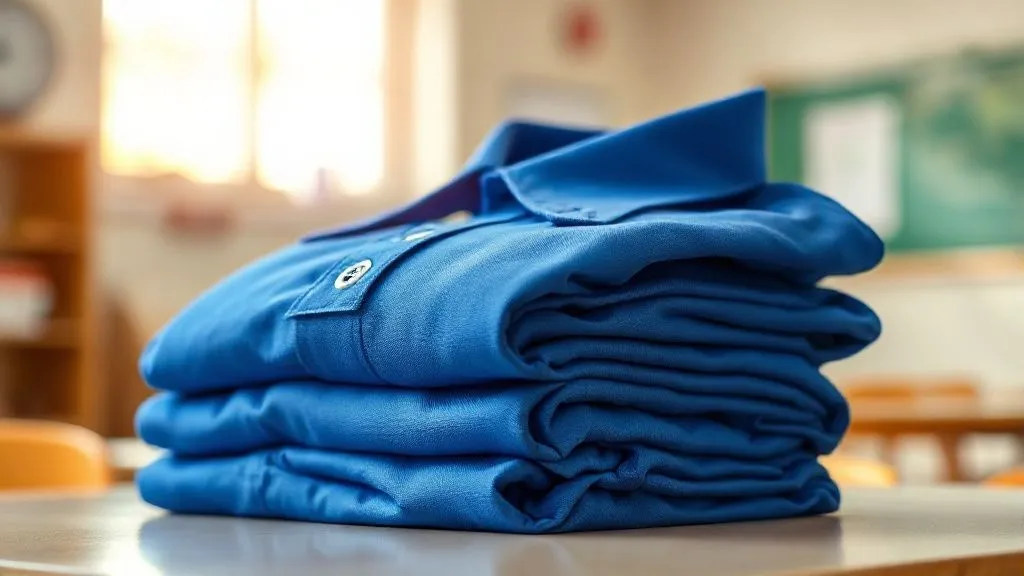
How to Source School Uniforms That Resist Fading and Tearing?
For over two decades immersed in the dynamic world of kids' fashion, particularly school wear, I've witnessed a recurring pain point for schools, parents, and even the industry itself: the relentless battle against fading and tearing school uniforms. It's a challenge I've tackled head-on in countless sourcing missions, seeing firsthand the frustration and financial drain caused by garments that simply don't last.
The problem isn't merely aesthetic; it's a significant financial burden on families who have to replace uniforms frequently, an environmental concern due to increased textile waste, and a logistical headache for schools managing uniform policies. More profoundly, it impacts a child's confidence when their uniform looks worn out prematurely, and it reflects poorly on a school's image.
In this definitive guide, I'll draw upon my extensive experience to provide you with actionable frameworks and expert insights. We'll move beyond superficial fixes, diving deep into fabric technology, ethical sourcing practices, and robust quality control. My goal is to equip you with the knowledge to confidently source school uniforms that not only meet but exceed expectations for durability and color retention, ensuring longevity and value for everyone involved.
Understanding the Enemy: What Causes Fading and Tearing?
Before we can effectively combat uniform degradation, we must first understand its root causes. It's not just rough play; a complex interplay of environmental factors, chemical reactions, and mechanical stresses contributes to the premature demise of school uniforms.
The Science of Color Loss
Fading, in its essence, is the breakdown or removal of dye molecules from the fabric. The primary culprits are well-known, yet often underestimated. Ultraviolet (UV) radiation from sunlight is a major antagonist, breaking down chemical bonds within dye molecules, causing them to lose their vibrant hue. Think of a brightly colored banner left in the sun for months – it inevitably pales.
Washing also plays a significant role. The combination of water temperature, detergent chemicals, and mechanical friction in the washing machine can leach dyes from fibers, especially if the dyes are not properly bonded or are of inferior quality. Harsh chemicals, particularly chlorine bleach, are direct enemies of colorfastness, aggressively stripping dyes from fabric.
The Mechanics of Fabric Failure
Tearing and general wear and tear are largely mechanical issues. Abrasion is perhaps the most common cause, occurring when fabric rubs against rough surfaces – think knees on playgrounds, elbows on desks, or backpack straps constantly chafing shoulders. This repeated friction wears down fibers, leading to thinning spots and eventually holes.
Tension and stress on seams and specific points like pockets, buttonholes, and armholes can cause threads to snap or fabric to pull apart. Poorly constructed garments with weak stitching or low-quality threads are particularly vulnerable. Over time, even strong fabrics can succumb to fatigue from repeated stretching, bending, and washing cycles, losing their structural integrity and becoming more susceptible to damage.
In my experience, many schools focus solely on initial cost, overlooking the lifecycle cost driven by premature fading and tearing. Investing upfront in understanding these core issues is the first step towards genuine savings and satisfaction.
The Fabric Foundation: Choosing Materials for Durability and Color Retention
The choice of fabric is arguably the most critical decision when you want to source school uniforms that resist fading and tearing. Not all textiles are created equal, and understanding their properties is key to making informed selections.
- Polyester Blends (e.g., 65% Polyester / 35% Cotton): This is often my go-to recommendation. Polyester is inherently strong, resistant to abrasion, and holds color exceptionally well. Blending it with cotton introduces breathability and comfort, mitigating polyester's tendency to feel less natural. The polyester component provides the backbone for durability and fade resistance.
- Solution-Dyed Polyester: For unparalleled color retention, solution-dyed polyester is the gold standard. Unlike traditional dyeing where color is applied to the surface of the spun yarn or fabric, here the dye is integrated into the polymer solution before the fiber is extruded. This means the color is embedded throughout the fiber itself, making it incredibly resistant to fading from UV exposure and repeated washing.
- Ripstop Fabrics: Characterized by a distinctive crosshatch pattern, ripstop weaves incorporate thicker, stronger yarns at regular intervals. This construction prevents small tears or rips from spreading, making it ideal for outerwear or areas of uniforms subjected to extreme stress.
- High-Density Woven Twills: Fabrics with a tighter weave, such as durable twills, generally offer greater resistance to abrasion and pilling. The closer interlocking of threads makes the fabric less prone to snagging and wearing thin over time.
- Performance Fabrics: Modern textile technology offers fabrics with enhanced properties like moisture-wicking and quick-drying. These are often synthetic blends that also boast excellent durability and shape retention, making them suitable for active school environments.
When evaluating fabrics, always consider the specific needs of the uniform item. Trousers and skirts need more abrasion resistance, while shirts require good colorfastness and comfort. For deeper insights into textile properties, explore resources from organizations like The Textile Institute.
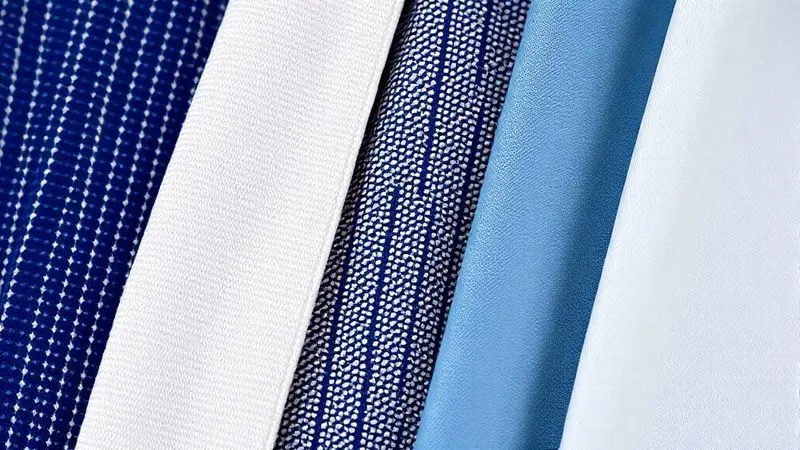
To illustrate the differences, consider this simplified comparison:
| Fabric Type | Durability Rating | Fade Resistance | Breathability | Cost Index |
|---|---|---|---|---|
| 65/35 Poly-Cotton Twill | Excellent | Very Good | Good | $$$ |
| 100% Solution-Dyed Polyester | Superior | Exceptional | Moderate | $$$$ |
| 100% Cotton (Standard) | Good | Moderate | Excellent | $$ |
| Ripstop Nylon/Poly Blend | Exceptional | Very Good | Moderate | $$$$ |
Dyeing Techniques That Make a Difference
Beyond the fiber itself, how a fabric is dyed is paramount to its color longevity. As an industry specialist, I've seen countless uniforms fail the fade test not because of poor fabric, but due to inferior dyeing processes. Understanding these techniques is crucial for anyone looking to source school uniforms that resist fading and tearing.
Reactive Dyes vs. Pigment Dyes
Traditionally, textiles are often colored using one of two main methods: pigment dyeing or reactive dyeing.
- Pigment Dyes: These are essentially colored particles that are glued or bonded to the surface of the fabric, often with a binder. While cost-effective, pigment dyes tend to sit on the surface and are more susceptible to fading, especially from abrasion and repeated washing. They can also feel stiffer and sometimes 'crock' (rub off) onto other surfaces.
- Reactive Dyes: These dyes form a chemical bond with the fabric's fibers at a molecular level. This strong bond makes the color an integral part of the fiber, leading to significantly better colorfastness against washing, light, and perspiration. For natural fibers like cotton, reactive dyeing is the superior choice for durability and vibrancy.
Solution Dyeing: The Gold Standard
As mentioned earlier, solution dyeing (also known as dope dyeing or spun dyeing) represents the pinnacle of color retention, particularly for synthetic fibers like polyester. In this process, the color pigment is added to the molten polymer solution before the fiber is extruded through the spinneret. This means the color is embedded throughout the entire fiber, not just on its surface.
The benefits are profound: unparalleled colorfastness, exceptional resistance to UV fading, and superior wash fastness. While the initial cost might be higher, the extended lifespan of the uniform due to its fade resistance often results in significant long-term savings for schools and parents.
Don't just ask 'Is it dyed?' Ask 'How is it dyed?' The answer to that question will tell you more about its longevity than almost any other factor. Prioritizing advanced dyeing techniques is a non-negotiable step in sourcing truly durable school uniforms.
Construction & Stitching: The Unsung Heroes of Longevity
Even the most advanced fabric and dyeing techniques can be undermined by poor garment construction. The way a uniform is cut, sewn, and finished directly impacts its resistance to tearing and its overall lifespan. These details, often invisible to the untrained eye, are where a true expert focuses.
Reinforced Seams and Stress Points
Children are active, and their uniforms bear the brunt of daily play, learning, and movement. Certain areas are naturally subject to more stress and friction. This is where reinforcement becomes critical:
- Double-Stitching: Using two parallel lines of stitching on seams, especially in high-stress areas like side seams, inseams, and shoulder seams, dramatically increases strength.
- Bar-Tacking: This is a dense, zigzag stitch used to reinforce specific points that experience significant pulling or stress, such as pocket openings, belt loops, and the ends of zippers or button plackets. It prevents seams from unraveling or tearing under pressure.
- Gussets: Small fabric inserts, often diamond-shaped, sewn into areas like the crotch of trousers or underarms of shirts, provide extra room for movement and distribute stress, preventing tearing in these high-flex areas.
- Reinforced Knees/Elbows: For trousers and blazers, an extra layer of fabric (often the same uniform material) sewn into the knee or elbow area significantly extends the life of the garment in these high-abrasion zones.
Thread Quality and Stitch Density
The type of thread used and how many stitches per inch are applied are equally vital. Cheap, low-quality thread can snap under tension, even if the fabric is robust. I always recommend:
- Polyester Core-Spun Thread: This thread has a polyester filament core wrapped in cotton or polyester fibers. It offers superior strength, elasticity, and resistance to abrasion compared to 100% cotton thread, which can degrade faster.
- High Stitch Density: A higher number of stitches per inch (SPI) means a stronger, more secure seam. While there's a point of diminishing returns, a good quality uniform should have at least 10-12 SPI in critical areas. Too few stitches can lead to gaping seams and premature failure.
Vetting Your Suppliers: A Non-Negotiable Step
You can have all the knowledge about fabrics and construction, but if your supplier can't deliver on those specifications consistently, your efforts are in vain. Vetting your suppliers is not just about price; it's about partnership, reliability, and trust. As an experienced industry specialist, I've developed a rigorous process to ensure I work with suppliers who can truly deliver on their promise to source school uniforms that resist fading and tearing.
- Define Your Specifications Clearly: Do not leave room for ambiguity. Specify everything: exact fabric composition (e.g., "65% Polyester / 35% Cotton, 240gsm Twill Weave"), preferred dyeing method (e.g., "Reactive Dyes for Cotton, Solution-Dyed Polyester"), stitch density (e.g., "Min 12 SPI on all main seams"), and any specific reinforcements (e.g., "Bar-tacking at all pocket corners, double-stitching on side seams").
- Request Samples & Conduct Rigorous Performance Testing: Never rely solely on a supplier's word or a small swatch. Request full garment samples. Then, put them through hell. Seriously.
- Wash Tests: Wash uniforms repeatedly (10-20 times) according to care instructions. Observe color retention, shrinkage, pilling, and seam integrity.
- Lightfastness Tests: Expose a portion of the uniform to direct sunlight for an extended period, comparing it to an unexposed section.
- Abrasion Tests: While lab tests are best, you can simulate by rubbing fabric vigorously against a rough surface.
- Wear Trials: The most authentic test. Provide samples to a small group of active students for a month or two. Gather feedback on comfort, durability, and appearance after real-world use and washing.
- Check Certifications and Standards: Reputable manufacturers often hold certifications that attest to their quality and ethical practices.
- OEKO-TEX Standard 100: Ensures textiles are free from harmful substances, crucial for children's wear.
- ISO 9001: Denotes a robust quality management system within the factory.
- Specific Fabric Certifications: For organic cotton, look for GOTS (Global Organic Textile Standard); for recycled content, look for GRS (Global Recycled Standard).
- Demand Transparency and Audit Capabilities: A trustworthy supplier will be open about their supply chain, fabric origins, and manufacturing processes. They should welcome factory audits (either by you or a third-party inspection firm) to verify working conditions and quality control procedures. Organizations like the Ethical Trading Initiative provide excellent frameworks for responsible sourcing.
- Request References: Ask for contact details of other schools or organizations they supply. Hearing directly from existing clients provides invaluable insight into their reliability and product performance.
The Power of Samples & Performance Testing
I cannot stress enough the importance of physical testing. A well-worded specification is only as good as the product it describes. Hands-on evaluation of samples under realistic conditions will uncover flaws that no brochure ever will. It's your ultimate safeguard against sourcing uniforms that quickly disappoint.
Case Study: Elevating Uniform Quality for "Bright Futures Academy"
Bright Futures Academy, a bustling K-8 school with an active student body, faced a significant challenge. Their existing uniform supplier provided uniforms that looked great initially but faded dramatically within a semester and often developed holes in knees and elbows within a year. Parents were vocal about the high replacement costs, and the school's administration was fielding constant complaints about uniform quality and the associated financial burden on families.
I advised Bright Futures to overhaul their sourcing strategy. We started by meticulously defining their needs, prioritizing longevity over the lowest upfront cost. For trousers and skirts, we specified a durable 65% polyester / 35% cotton twill blend with a minimum weight of 240gsm, insisting on reactive dyes for the cotton component and reinforced stitching at all stress points, including bar-tacks on pockets and double-stitching on main seams. For shirts, we opted for a solution-dyed polyester blend to maximize fade resistance.
We then approached three new, pre-vetted suppliers, requiring them to provide sample uniforms for a rigorous three-month 'wear trial' by a small group of students across different age groups. These uniforms were subjected to daily wear, multiple washes, and the rigors of playground activity. Concurrently, we performed internal wash and lightfastness tests on additional samples.
The results were transformative. The selected supplier's uniforms, while slightly higher in initial cost, showed minimal fading after repeated washes and significantly fewer signs of wear and tear, with no reported tears or seam failures during the trial. Parent satisfaction soared, and the school estimated a 30% reduction in uniform replacement frequency over two years, leading to substantial savings for families and less administrative burden. This case study proved that a diligent, quality-first approach to how to source school uniforms that resist fading and tearing pays significant dividends in the long run, enhancing both reputation and budget efficiency.
Implementing Quality Control Throughout the Supply Chain
Sourcing doesn't end once you've selected a supplier and placed an order. To ensure consistent quality and to guarantee that the uniforms you receive truly resist fading and tearing, a robust quality control (QC) process must be embedded at every stage of production. This proactive approach minimizes risks and prevents costly issues down the line.
Pre-Production Checks (PPC)
This critical phase occurs before mass production even begins. It's about verifying all components and processes are correct from the outset:
- Fabric Inspection: Confirm the incoming fabric meets all specifications (composition, weight, weave, colorfastness, shrinkage). Lab dips are approved to ensure color consistency against your standards.
- Pattern & Marker Checks: Verify patterns are correctly sized and graded, and that cutting markers (layouts for cutting fabric) are efficient and accurate to avoid distortions.
- Accessory Approval: Buttons, zippers, labels, and thread are checked for quality, color, and compliance with specifications.
In-Line Inspections (ILIs)
During the actual production, inspectors monitor the assembly process. This allows for immediate correction of issues, preventing defects from accumulating:
- Stitching Quality: Regular checks on stitch density, seam strength, and proper use of reinforcements (bar-tacks, double-stitching).
- Measurements: Garments are randomly pulled from the line and measured against approved specifications to ensure sizing consistency.
- Workmanship: Overall appearance, absence of loose threads, stains, or other visible defects are monitored.
Post-Production Audits (PPAs)
Before shipment, a final, comprehensive inspection is conducted on a statistically significant sample of the finished goods. This is typically done according to an Acceptable Quality Limit (AQL) standard.
- Final Visual Check: Each sampled garment is thoroughly inspected for any visual defects, incorrect labeling, or deviations from the approved sample.
- Measurement Audit: A final check of key measurements.
- Packing & Presentation: Verification that uniforms are correctly folded, bagged, and boxed according to your requirements.
Here's a simplified example of a QC checklist you might use:
| Check Point | Standard | Result |
|---|---|---|
| Fabric Composition & Weight | 65/35 Poly-Cotton, 240gsm | Pass/Fail |
| Color Match (Pantone) | Pantone 19-4050 TCX | Pass/Fail |
| Stitch Density (SPI) | Min 12 SPI | Pass/Fail |
| Seam Strength (Tension Test) | Min 50N | Pass/Fail |
| Shrinkage (After 3 washes) | Max +/- 3% | Pass/Fail |
| Button/Zipper Functionality | Smooth, secure operation | Pass/Fail |
| Overall Cleanliness & Finish | No loose threads, stains | Pass/Fail |
Beyond Sourcing: Care Instructions and Longevity Tips for Schools and Parents
Even the most meticulously sourced, highest-quality school uniform requires proper care to maximize its lifespan and maintain its appearance. As an expert, I've seen countless durable garments prematurely degrade due to incorrect laundry practices. Educating parents and students on proper care is the final, crucial step in ensuring uniforms resist fading and tearing for as long as possible.
- Follow Care Labels Religiously: This is non-negotiable. The symbols on the care label are not suggestions; they are precise instructions from the manufacturer, tailored to the specific fabric and construction of that garment. Ignoring them can lead to irreversible damage, fading, or shrinkage.
- Wash in Cold Water: Hot water is a primary culprit for color fading and can also cause certain fibers to shrink or weaken over time. Cold water washing is energy-efficient, gentler on fabrics, and significantly helps preserve color vibrancy.
- Use Color-Safe Detergents: Opt for detergents specifically formulated for color protection. Avoid harsh bleaches or strong stain removers unless absolutely necessary and specifically recommended for the fabric type. Chlorine bleach, in particular, is extremely damaging to dyes and fibers.
- Turn Garments Inside Out: Before washing, turn uniform shirts, trousers, and skirts inside out. This protects the outer surface from abrasion during the wash cycle and reduces direct exposure to detergents, helping to prevent fading and pilling on the visible side.
- Air Dry When Possible: The high heat of tumble dryers can be detrimental to fabric integrity, leading to fiber weakening, shrinkage, and accelerated fading. If air drying isn't feasible, use the lowest heat setting on your dryer and remove garments promptly.
- Address Stains Promptly: The longer a stain sits, the harder it is to remove without resorting to harsh treatments. Pre-treat stains immediately with an appropriate stain remover, following product instructions carefully. For more comprehensive laundry advice, resources like the American Cleaning Institute offer valuable tips.
By implementing these simple yet effective care practices, schools can empower families to extend the life of their uniforms, reinforce sustainability messages, and ensure students always look their best.
Frequently Asked Questions (FAQ)
What's the single most important factor for fade resistance in school uniforms? In my professional opinion, it's the combination of solution dyeing for synthetic fibers (like polyester) and reactive dyeing for natural fibers (like cotton), coupled with a high-quality fabric construction. Solution dyeing integrates the color into the fiber itself, offering unmatched colorfastness, while reactive dyes form a strong chemical bond with cotton, making them highly resistant to washing and light. Without these dyeing methods, even the best fabric will eventually succumb to fading.
Are more expensive uniforms always more durable and fade-resistant? Not necessarily, but there's a strong correlation. A higher price often reflects investment in better quality raw materials (premium fibers, superior dyes), advanced manufacturing processes (reinforced stitching, tighter weaves), and stringent quality control. However, a high price alone isn't a guarantee. Always verify with samples, detailed specifications, and the supplier's reputation, as outlined in this guide, to ensure you're paying for actual quality and not just a brand name.
How can I assess a supplier's claims about durability without extensive lab testing equipment? While lab testing is ideal, for practical purposes, conduct thorough 'wear trials' with a small batch of uniforms. Subject them to repeated washes (at least 10-20 cycles), direct sunlight exposure for several days, and active use by children in real-world conditions. Pay close attention to seam integrity, pilling, color retention, and overall feel after a few weeks. Additionally, ask for references from other schools they supply and review their quality certifications for external validation.
Is there an eco-friendly option for school uniforms that's also highly durable? Absolutely. Many suppliers now offer uniforms made from recycled polyester (rPET) or organic cotton. When sourcing these, ensure the rPET is solution-dyed for optimal colorfastness and durability. For organic cotton, look for GOTS (Global Organic Textile Standard) certification and ensure it's blended with a durable fiber like rPET or has a tight, robust weave to enhance tear resistance. Sustainable options don't have to compromise on longevity if sourced correctly and with the right technical specifications.
What's the typical lifespan I should expect from a high-quality, fade and tear-resistant school uniform? A well-sourced, high-quality school uniform, with proper care and worn by a child of average activity, should comfortably last for at least two academic years, if not longer. Items like trousers and skirts, which endure more physical stress, might show wear sooner than shirts, but should still hold up significantly better than standard retail clothing. The goal is for the uniform to outlast the child's growth spurt, providing excellent value before needing replacement due to size rather than quality failure.
Key Takeaways and Final Thoughts
Sourcing school uniforms that genuinely resist fading and tearing isn't a matter of luck; it's a strategic process rooted in understanding textile science, diligent supplier vetting, and comprehensive quality control. As someone who has navigated these waters for decades, I can assure you that the initial investment in this approach pays dividends in parent satisfaction, reduced costs, and a more sustainable future for your school.
- Prioritize Fabric Technology: Invest in polyester blends (65/35), solution-dyed synthetics, and tight, reinforced weaves for superior durability and fade resistance.
- Demand Advanced Dyeing: Insist on reactive dyes for natural fibers and, ideally, solution dyeing for synthetics to lock in color at the fiber level.
- Scrutinize Construction: Look for reinforced seams, high stitch counts, and quality threads at all stress points to prevent premature tearing.
- Vet Suppliers Rigorously: Don't skip due diligence; request samples, put them through rigorous performance tests, and check for relevant certifications (OEKO-TEX, ISO).
- Implement Ongoing QC: Ensure quality checks are performed at every stage—pre-production, in-line, and post-production—to maintain consistent quality.
- Educate on Care: Provide clear, actionable care instructions to parents and students to maximize the lifespan of even the most durable uniforms.
Empowering our children with uniforms that stand the test of time is a commitment to quality that truly matters. By adopting these expert strategies, you're not just buying uniforms; you're investing in peace of mind, financial efficiency, and a positive image for your school community. Take these insights, apply them diligently, and transform your school uniform program from a challenge into a hallmark of excellence.
Recommended Reading
- Unlock Digital Fashion: 5 Ways Blockchain NFTs Secure Your Ownership
- Mastering Bespoke Creations: 7 Pillars of Haute Couture Excellence
- Mastering Sneaker Trend Prediction: 7 Strategies to Halt Inventory Losses
- 7 Strategies: How to Maintain Brand Exclusivity for Elegant Womenswear Online?
- Apple Picking Perfection: Best Fall Accessories for Your Outfit




Your email address will not be published. Required fields are marked *