

How to Predict Sneaker Trends to Prevent Inventory Losses?
For over 15 years in the dynamic world of footwear, especially within the sneaker industry, I've witnessed firsthand the exhilarating highs of hitting a trend perfectly and the devastating lows of misjudging the market. The difference between a booming quarter and a warehouse full of dead stock often boils down to one critical factor: the ability to accurately predict sneaker trends.
The problem is pervasive. Retailers and brands alike grapple with the immense challenge of forecasting consumer demand in a sector driven by hype, fleeting collaborations, and rapid shifts in taste. This unpredictability frequently leads to costly overstocking, deep discounts that erode margins, and ultimately, significant inventory losses that can cripple a business.
But what if there was a more systematic, data-driven approach to navigate this volatile landscape? In this definitive guide, I'll share seven actionable strategies and frameworks, distilled from years of industry experience and countless lessons learned, designed to empower you to predict sneaker trends to prevent inventory losses. We'll explore everything from harnessing cutting-edge data analytics to understanding the nuances of sneaker culture, ensuring your inventory aligns perfectly with future demand.
The Shifting Sands: Understanding Sneaker Culture's Volatility
Before we dive into actionable strategies, it's crucial to acknowledge the unique beast that is sneaker culture. Unlike traditional fashion cycles, sneaker trends can emerge, peak, and recede with breathtaking speed, often fueled by social media virality, celebrity endorsements, or limited-edition drops. This isn't just about footwear; it's about identity, community, and a deeply ingrained cultural phenomenon.
I've seen companies make the mistake of treating sneakers like any other apparel item, applying generic trend forecasting models that simply don't capture the pulse of the sneakerhead community. The result? Missed opportunities and mountains of unsold product. Understanding the underlying mechanisms of hype, scarcity, and cultural resonance is the first step toward effective prediction.
The Power of Hype Cycles and Collaborations
Hype isn't accidental; it's often a meticulously crafted phenomenon. Brands collaborate with designers, artists, or other cultural icons to create limited-edition releases that generate immense buzz. These collaborations often dictate the aesthetic direction for months, if not years, to come. Predicting the success of these ventures and their ripple effect requires more than just looking at past sales data; it demands an understanding of the collaborators' influence and the current cultural zeitgeist.
"In the sneaker world, anticipating the next wave means not just watching what's selling, but understanding *why* it's selling, and who is driving that narrative. It's less about a crystal ball and more about connecting the dots across culture, technology, and community." - Industry Veteran Insight
Strategy 1: Harnessing Data Analytics and AI for Predictive Power
Gone are the days when trend prediction was solely an art form. Today, it's a science, heavily reliant on sophisticated data analytics and artificial intelligence. To truly predict sneaker trends to prevent inventory losses, you must embrace technology as your most powerful ally.
I advise my clients to build a robust data infrastructure that integrates various sources, allowing for a holistic view of the market. This isn't just about looking at your own sales figures; it's about contextualizing them within a broader landscape of digital signals.
- Aggregate Diverse Data Sources: Collect data from social media listening tools (mentions, sentiment, engagement), search engine trends (Google Trends, keyword volumes), e-commerce analytics (conversion rates, product views), fashion forecasting platforms, and even macroeconomic indicators.
- Implement Predictive Modeling: Utilize machine learning algorithms to identify patterns and correlations that human analysts might miss. These models can forecast demand based on historical data, seasonality, promotional activities, and external factors like influencer mentions or cultural events.
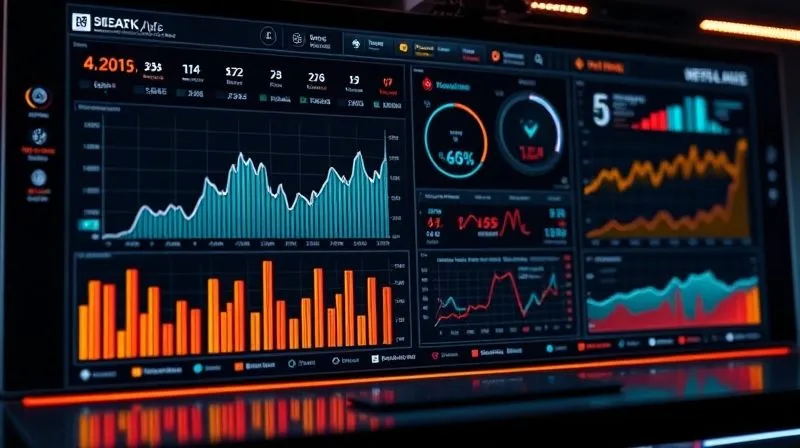
- Visualize Insights for Action: Data is only useful if it's understandable. Create intuitive dashboards that present complex information in an easily digestible format, highlighting emerging trends, declining interest, and potential inventory risks.
- Continuously Refine Models: The market is dynamic. Regularly update your data inputs and retrain your models to ensure they remain accurate and responsive to new information.
By systematically analyzing these data points, you can move beyond reactive ordering to proactive forecasting, significantly reducing the risk of being caught with outdated stock.
| Data Source | Metrics Tracked | Frequency |
|---|---|---|
| Social Media Mentions | Engagement, Sentiment | Daily |
| Sales Data (Internal) | Velocity, SKU Performance | Weekly |
| Web Search Trends | Keyword Volume, Related Queries | Weekly |
| Fashion Forecasting Reports | Emerging Styles, Color Palettes | Quarterly |
Strategy 2: Deep Dive into Consumer Behavior and Community Insights
While data analytics provides the 'what,' understanding the 'why' comes from immersing yourself in consumer behavior and the vibrant sneaker community. This qualitative research is just as critical as quantitative data for accurate trend prediction.
I've always stressed that you can't predict what people want if you don't understand their aspirations, their identities, and their pain points. The sneaker community, in particular, is highly vocal and influential, making it an invaluable source of insight.
Listening to the Streets: Social Listening and Forums
Beyond raw data, engage in active social listening. Monitor conversations on platforms like Twitter, Instagram, Reddit (especially subreddits like r/Sneakers), and specialized sneaker forums. Pay attention to not just what's being said, but the underlying sentiment, emerging slang, and influential voices. Who are the tastemakers? What are they excited about? What are their gripes with current releases?
Conduct focus groups or surveys with your target demographic. Ask open-ended questions about their purchasing habits, preferred styles, brand loyalties, and what they envision for the future of footwear. This direct feedback can uncover nascent trends long before they register on broader analytical tools.
Case Study: How 'SoleSense Retail' Mastered Community Feedback
SoleSense Retail, a burgeoning online sneaker boutique, faced constant struggles with dead stock from misjudged releases. Their breakthrough came when they invested in a dedicated 'Community Insights' team. This team wasn't just monitoring social media; they were actively participating in online forums, attending local sneaker meetups, and hosting regular virtual 'trend talks' with their most engaged customers.
By synthesizing these qualitative insights with their sales data, SoleSense identified a growing demand for sustainable, retro-inspired running shoes months before major brands released similar models. They pivoted their purchasing strategy, secured early allocations from a niche eco-friendly brand, and launched a highly successful campaign. This proactive move not only prevented potential inventory losses on less popular styles but also boosted their reputation as a trend-savvy retailer, leading to a 25% increase in quarterly profits.
As Harvard Business Review often emphasizes, customer-centricity isn't just a buzzword; it's a strategic imperative, especially in fast-moving consumer goods like sneakers.
Strategy 3: Monitoring Macro Trends and Adjacent Industries
Sneaker trends don't exist in a vacuum. They are deeply intertwined with broader macro trends in fashion, technology, pop culture, and even global events. A truly adept forecaster looks beyond the immediate sneaker market to spot the subtle shifts that will eventually influence footwear design and demand.
In my career, I've seen how a resurgence of 90s nostalgia in music and film directly led to a boom in retro sneaker silhouettes. Similarly, the growing emphasis on health and wellness has spurred innovation in performance footwear that eventually crosses over into lifestyle segments.
Fashion Week, Pop Culture, and Athletic Performance
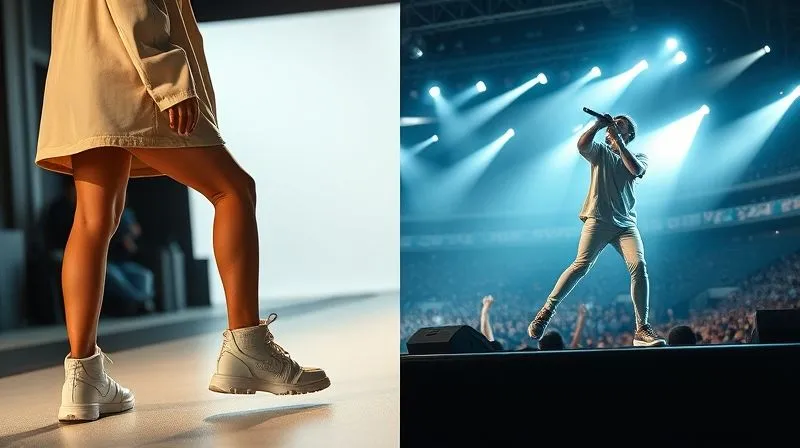
- High Fashion & Runways: Pay close attention to major fashion weeks in New York, Paris, Milan, and London. Designers often showcase experimental footwear that, while not immediately mass-market, can signal future directions in materials, colors, and overall aesthetics.
- Pop Culture & Celebrity Influence: Musicians, athletes, and actors are massive trend drivers. What are they wearing in their music videos, movies, and daily lives? Endorsements and collaborations can create overnight sensations.
- Sports & Performance Innovation: The athletic performance sector is a hotbed of material science and ergonomic design. Innovations like new cushioning technologies or sustainable manufacturing processes often trickle down into lifestyle sneakers, becoming key selling points.
- Technology & Sustainability: Advances in 3D printing, smart textiles, and sustainable materials (e.g., recycled plastics, plant-based leathers) are not just niche interests; they represent significant shifts in consumer values and production capabilities that will define future trends.
By keeping an eye on these adjacent fields, you can anticipate shifts in consumer preferences and design aesthetics, giving you a crucial head start to predict sneaker trends to prevent inventory losses.
Strategy 4: Building Agility into Your Supply Chain
Even the most accurate predictions can fall flat if your supply chain isn't agile enough to respond. The sneaker market's rapid pace demands a flexible and responsive operational framework. This means moving away from rigid, long-lead-time production models.
I often advise clients to re-evaluate their entire supply chain, from sourcing raw materials to final distribution, with an eye toward speed and adaptability. This is paramount to prevent inventory losses caused by sudden shifts in demand.
The Importance of Flexible Manufacturing and Smaller Batches
- Nearshoring/Reshoring: Consider manufacturing closer to your key markets to reduce shipping times and increase responsiveness to demand fluctuations.
- Modular Design: Design sneakers with components that can be easily swapped or updated, allowing for quick style variations without a complete retooling of production.
- Smaller, More Frequent Orders: Instead of placing one large order for a season, break it down into smaller, more frequent batches. This allows you to test the market, scale up successful styles, and cut losses on underperforming ones quickly.
- Strategic Partnerships with Manufacturers: Develop strong relationships with manufacturers who can offer flexible production runs and prioritize your orders when a hot trend emerges.
"An agile supply chain isn't just about speed; it's about minimizing risk. The ability to pivot quickly, scale up successful lines, and cut ties with underperforming SKUs is your greatest defense against inventory write-offs." - Supply Chain Expert View
Implementing these strategies can significantly reduce lead times and allow you to react decisively, turning potential inventory losses into timely sales. According to Forbes, supply chain agility is a critical differentiator in today's unpredictable market.
Strategy 5: Leveraging Retail Data and Point-of-Sale (POS) Insights
Your own retail data is a goldmine for predicting future trends and preventing inventory losses. While external data gives you the macro picture, your internal POS data offers granular insights into what your specific customer base is actually buying, returning, and interacting with.
Many retailers overlook the depth of information available within their own systems, focusing only on top-line sales numbers. I push my clients to dig deeper, analyzing patterns that can reveal emerging micro-trends specific to their stores or online channels.
Understanding Regional Nuances and Store-Specific Demands
- SKU Velocity Analysis: Track how quickly individual sneaker SKUs are selling at each location or online. High velocity indicates strong demand, while slow movement signals potential overstocking.
- Return Rate Analysis: A high return rate for a particular style can indicate issues beyond fit, such as a mismatch between perceived trend and actual consumer acceptance.
- Geographic Performance: Sneaker trends often have regional variations. A style that's hot in New York might be lukewarm in Texas. Analyze sales by region to tailor inventory distribution.
- Cross-Selling Data: What other products are customers buying with specific sneakers? This can reveal lifestyle trends and inform future product assortments.
- Website Analytics (for e-commerce): Monitor product page views, time spent on page, cart abandonment rates, and search queries within your site. These are strong indicators of interest, even if not immediately translating to sales.
By meticulously dissecting your POS data, you gain unparalleled insight into the immediate present, which is the strongest foundation for predicting the near future and avoiding unnecessary inventory. This internal intelligence is a powerful complement to broader market trend data.
| Metric | Definition | Actionable Insight |
|---|---|---|
| SKU Velocity | Units sold per week | Identifies fast/slow movers, informs reorder points |
| Return Rate | Percentage of units returned | Indicates fit/quality issues or trend misalignment, prompts product review |
| Sell-Through Rate | Units sold vs. units received | Measures initial demand and inventory efficiency, guides future buying |
| Average Discount Rate | Average markdown applied to sell units | Highlights products requiring heavy discounting, flags poor buys |
Strategy 6: The Art of Collaboration and Limited Editions
While often seen as marketing tools, collaborations and limited editions are also powerful mechanisms for trend prediction and inventory control. When executed strategically, they can generate massive demand, test new concepts, and minimize risk of overproduction.
I've observed that the most successful brands don't just chase trends; they create them. Limited releases, when done right, build anticipation and allow for controlled market testing, which is invaluable for mitigating inventory losses.
Strategic Partnerships to Generate Hype and Control Supply
- Hype Generation: Collaborating with influential artists, designers, or brands creates exclusivity and desirability, driving immediate sell-through and reducing the risk of unsold stock.
- Trend Validation: Limited editions can serve as market tests for new colorways, materials, or silhouettes. If a limited release sells out quickly, it's a strong indicator that the underlying trend has mass appeal and warrants broader production.
- Controlled Scarcity: By intentionally limiting supply, you prevent overproduction. This strategy ensures high demand and often allows for premium pricing, protecting margins.
- Brand Building: Successful collaborations enhance brand equity and perception, attracting new customers who might then explore your wider product range.
It's a delicate balance. Too many limited editions can dilute their impact, but a well-timed, strategic collaboration can be a powerful tool to predict and capitalize on emerging trends while rigorously controlling inventory. Learn more about successful brand collaborations from publications like Business of Fashion.
Strategy 7: Scenario Planning and Risk Mitigation
Even with the best data and insights, the sneaker market remains inherently unpredictable. Economic downturns, unforeseen cultural shifts, or even a single viral moment can rapidly alter demand. This is why scenario planning and robust risk mitigation strategies are essential to predict sneaker trends to prevent inventory losses effectively.
I always emphasize to my clients that hope is not a strategy. You must prepare for multiple futures, not just the one you desire.
Developing Contingency Plans for Unforeseen Shifts
- "What If" Analysis: Develop several scenarios for future trends – optimistic, pessimistic, and most likely. For each scenario, outline potential impacts on demand, pricing, and inventory.
- Diversify Your Portfolio: Don't put all your eggs in one basket. Maintain a diverse inventory mix that includes evergreen styles, mid-tier trendy items, and a smaller percentage of high-risk, high-reward fashionable pieces.
- Flexible Pricing Strategies: Have a dynamic pricing model ready. This allows you to quickly adjust prices to stimulate demand for slow-moving items or capture higher margins on unexpected hits.
- Liquidation Channels: Establish clear, pre-defined channels for liquidating excess inventory (e.g., outlet stores, wholesale partners, online discount retailers). Knowing your exit strategy upfront minimizes financial damage.
- Regular Inventory Audits: Conduct frequent, thorough inventory audits to identify slow-moving stock early. The sooner you identify an issue, the more options you have to resolve it before it becomes a significant loss.
By systematically thinking through potential challenges and having proactive solutions in place, you build resilience into your business model, safeguarding against the inevitable twists and turns of the sneaker market. This foresight is key to not just predicting, but also surviving, the rapid shifts in sneaker trends.
Frequently Asked Questions (FAQ)
How often should I update my trend predictions? In the sneaker industry, trends can shift rapidly. For critical, high-volume SKUs, I recommend daily or weekly monitoring of key indicators like social media sentiment and search trends. Broader strategic predictions should be reviewed monthly, with a comprehensive overhaul at least quarterly. The more agile your supply chain, the more frequently you should update your forecasts to capitalize on emerging opportunities and mitigate risks.
Is it possible to predict "the next big thing" with certainty? No, certainty is an illusion in any fast-paced market. However, by combining robust data analytics, deep consumer insights, macro trend analysis, and an agile supply chain, you can significantly increase your probability of identifying and capitalizing on emerging trends early. The goal isn't absolute certainty, but rather a competitive edge and minimized risk of inventory losses.
What's the biggest mistake retailers make in sneaker inventory? The biggest mistake I've observed is relying solely on historical sales data or gut feeling for future purchases. The sneaker market is too dynamic for such static approaches. Failing to integrate real-time data, community insights, and macro trends into forecasting leads to either missed opportunities or, more commonly, crippling inventory surpluses.
How can smaller brands compete with major players in trend spotting? Smaller brands often have an advantage in agility and direct community engagement. While they might lack the data infrastructure of giants, they can excel at qualitative research, social listening, and building strong, authentic relationships with their niche communities. This allows them to spot micro-trends and react faster than larger, more bureaucratic organizations. Focus on building a loyal, vocal community and listening intently to their desires.
Beyond sales, what other metrics are crucial for trend prediction? Beyond sales, crucial metrics include: social media engagement rates (likes, shares, comments), search query volume and related searches, sentiment analysis (positive/negative mentions), website conversion rates for specific products, return rates, and even competitor pricing strategies. These provide a holistic view of interest, intent, and market positioning.
Key Takeaways and Final Thoughts
Navigating the volatile currents of sneaker trends to prevent inventory losses is undoubtedly one of the most significant challenges in modern retail. It demands a blend of scientific rigor, cultural immersion, and operational agility. As an industry veteran, I've seen businesses thrive by mastering these principles and falter by ignoring them.
- Embrace Data & AI: Leverage analytics for predictive insights, moving beyond guesswork.
- Listen to the Community: Understand the 'why' behind consumer behavior through active social listening and direct engagement.
- Scan the Horizon: Monitor macro trends in fashion, culture, and technology to anticipate broader shifts.
- Build an Agile Supply Chain: Ensure your operations can respond quickly to changing demand.
- Utilize Internal Data: Your POS and website analytics are invaluable for understanding your specific customer base.
- Strategic Collaborations: Use limited editions to test trends, generate hype, and control supply.
- Plan for Contingencies: Develop scenarios and mitigation strategies for unexpected market shifts.
By integrating these seven strategies into your business model, you're not just reacting to the market; you're actively shaping your response to it. The future of your sneaker inventory, and indeed your profitability, hinges on your ability to predict and adapt. Take these insights, apply them diligently, and watch your inventory losses transform into strategic wins. The power to foresee is within your grasp.

Recommended Reading
- Ultimate Guide: Best Men's Skincare Routine for Sensitive Skin
- Bridal Gown Delayed? 7 Steps to Navigate & Secure Your Dream Dress
- Stop Costume Tears: 5 Resilient Fabrics for Intense Dance Sequences
- 7 Steps: Avoid Greenwashing as Your Organic Beauty Brand Grows
- Master 5 Steps: Authenticate & Value Rare Vintage Designer Finds Fast



Your email address will not be published. Required fields are marked *