

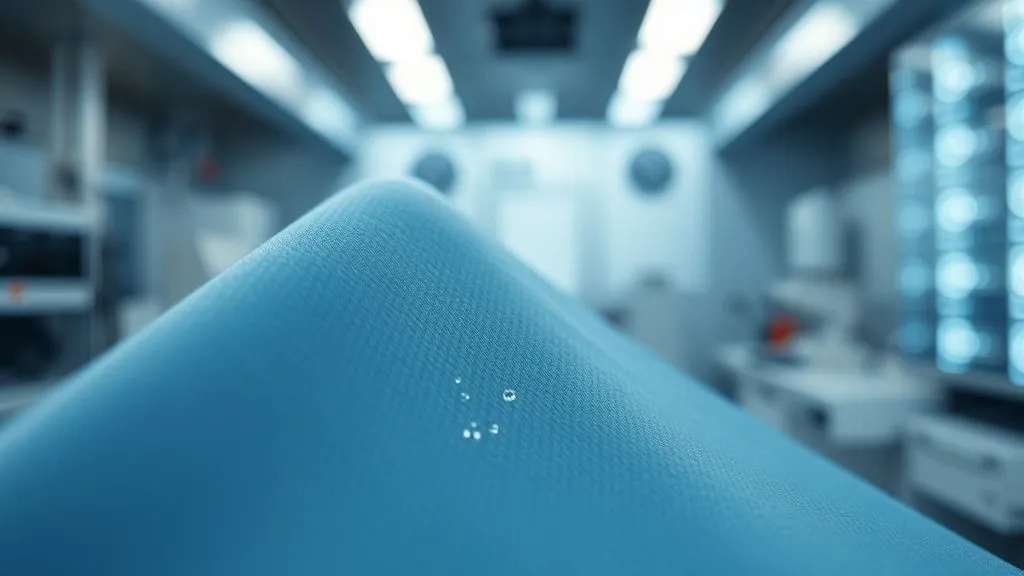
Why do my activewear prototypes fail breathability performance tests?
For over two decades in the activewear industry, I’ve witnessed countless promising designs stumble at a seemingly fundamental hurdle: breathability. Designers pour their hearts into innovative aesthetics and functional features, only to be met with disappointing lab results or, worse, negative wearer feedback. It’s a frustrating cycle that can derail product launches and erode brand trust.
The problem isn't always obvious. You might be using 'breathable' fabrics, yet your prototypes still feel clammy or heavy during activity. This disconnect between expectation and performance is a common pain point, often stemming from a misunderstanding of what true breathability entails and how it interacts with garment design, manufacturing, and user physiology.
In this deep dive, I’ll share my hard-earned insights into why your activewear prototypes are failing breathability performance tests. We’ll move beyond surface-level assumptions to uncover the critical, often overlooked, factors at play – from material science nuances to testing methodologies and design integration. My goal is to equip you with actionable frameworks and expert knowledge to engineer activewear that genuinely performs.
Understanding the Science of Breathability: Beyond Just 'Wicking'
Before we pinpoint failure points, it's crucial to establish a solid understanding of what "breathability" truly means in the context of activewear. It’s a term often used loosely, leading to significant missteps in product development. Many equate breathability solely with moisture-wicking, but that's just one piece of a complex puzzle.
The Difference Between Wicking and Breathability
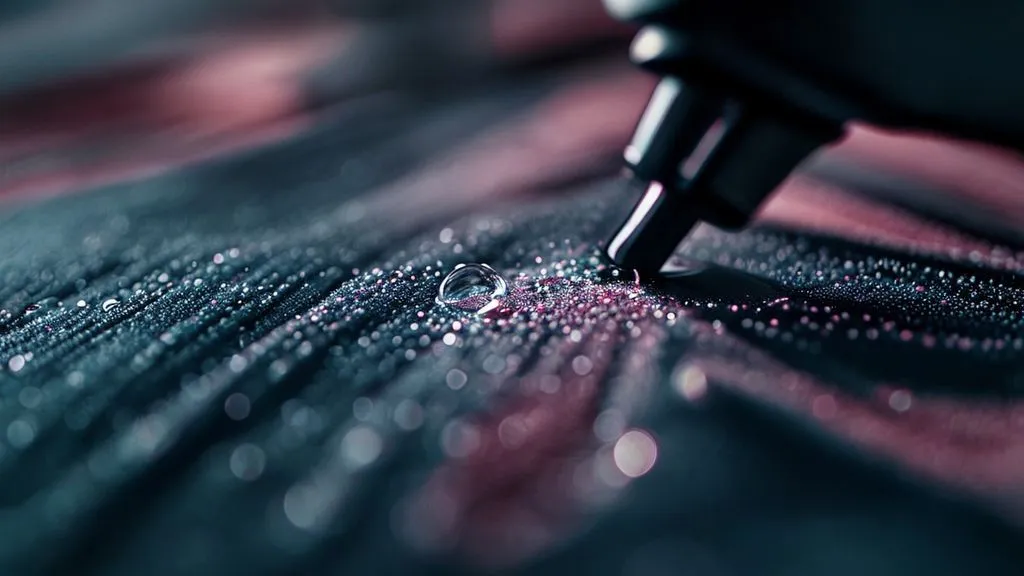
Wicking refers to a fabric's ability to draw moisture (sweat) away from the skin and spread it across the fabric’s surface, where it can evaporate more readily. It’s about liquid transport. Think of a candle wick drawing up wax. Fabrics like polyester and polypropylene are excellent at wicking due to their hydrophobic nature and capillary action.
Breathability, on the other hand, encompasses a broader range of properties related to air and moisture vapor transmission. It’s about how effectively a fabric allows heat and sweat vapor to escape from the microclimate between the body and the garment, preventing overheating and clamminess. A highly wicking fabric isn't necessarily highly breathable, and vice-versa. For optimal activewear, you need both working in tandem.
Key Metrics: MVTR, Air Permeability, and Thermal Resistance
To objectively assess breathability, we rely on specific performance metrics. Understanding these is fundamental to diagnosing why your activewear prototypes fail breathability performance tests.
- Moisture Vapor Transmission Rate (MVTR): Measures how much water vapor can pass through a given area of fabric over a specific time (e.g., g/m²/24h). Higher MVTR generally means better breathability.
- Air Permeability: Quantifies how much air can pass through a fabric (e.g., cm³/cm²/s). This directly impacts ventilation and cooling.
- Thermal Resistance (Clo Value/Rct): Indicates a material's resistance to heat flow. A lower thermal resistance means the fabric allows heat to escape more easily, contributing to comfort during exertion.
It’s the interplay of these factors, alongside the fabric's ability to manage liquid sweat, that defines true performance. A fabric might have excellent MVTR but poor air permeability, leading to a "steamy" feeling without adequate ventilation. Conversely, a highly air-permeable fabric might lack sufficient wicking, leaving the skin feeling wet.
| Metric | Description | Impact on Breathability | Typical Test Method |
|---|---|---|---|
| Moisture Vapor Transmission Rate (MVTR) | Rate of water vapor passing through fabric (g/m²/24h) | Direct: Higher values mean better sweat evaporation. | ASTM E96 / ISO 15496 |
| Air Permeability | Rate of air flow through fabric (cm³/cm²/s) | Direct: Higher values mean better ventilation and cooling. | ASTM D737 / ISO 9237 |
| Thermal Resistance (Rct) | Resistance to heat flow (m²K/W) | Inverse: Lower values mean better heat dissipation. | ISO 11092 (Sweating Hot Plate) |
| Wicking Rate | Speed and distance liquid moisture spreads (mm/sec) | Indirect: Manages liquid sweat before it becomes vapor. | AATCC 197 / JIS L 1096 |
Root Cause 1: Flawed Fabric Selection & Construction
One of the most frequent culprits I encounter when activewear prototypes fail breathability performance tests is an oversight in the very foundation of the garment: the fabric itself. It’s not enough to simply choose a fabric labeled 'performance' or 'moisture-wicking'; the specifics matter immensely.
Material Composition Mismatches
The blend of fibers plays a critical role. While synthetic fibers like polyester and nylon are excellent for wicking due to their hydrophobic nature, a high percentage of certain natural fibers (like cotton) can absorb and hold moisture, feeling heavy and clammy. Even with synthetics, different polymers have varying surface tensions and capillary structures that impact performance. I’ve seen brands try to incorporate recycled cotton simply for sustainability points, only to compromise the core breathability.
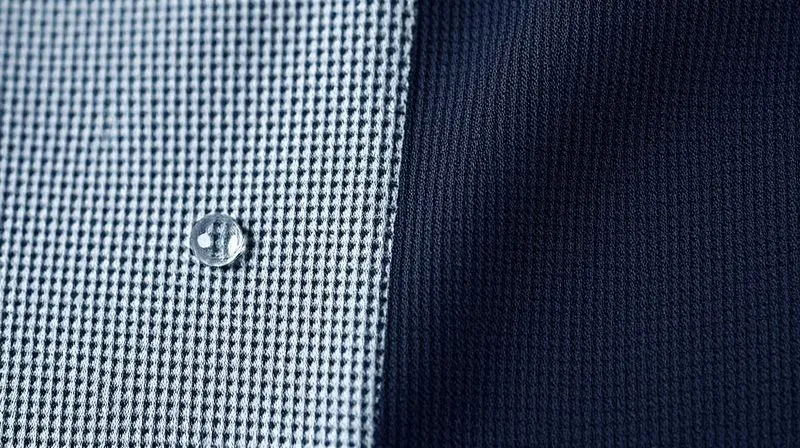
Furthermore, treatments applied to fibers can alter their inherent properties. A durable water repellent (DWR) finish, while great for rain protection, can significantly reduce air permeability if applied incorrectly or too heavily on a non-outer shell fabric, effectively creating a barrier to vapor escape.
Yarn Structure and Weave Density
The way yarns are spun and how they are knitted or woven into a fabric directly impacts its breathability. A tightly woven or knitted fabric, even from wicking yarns, can create a dense barrier that restricts air and vapor flow. Conversely, an open knit might offer great air permeability but compromise durability or wicking efficiency.
Consider the yarn count and twist. Finer yarns with a specific twist can create micro-channels that aid both wicking and vapor transport. Bulkier, highly textured yarns might trap air and moisture, reducing performance. It's a delicate balance that requires deep textile engineering knowledge.
Finishing Treatments Gone Wrong
Beyond DWR, many other finishing processes can inadvertently hinder breathability. Softeners, anti-bacterial treatments, and even certain dyeing processes can clog the pores of a fabric, reducing its air permeability and MVTR. It's crucial to work with textile mills that understand the impact of each treatment on the final performance characteristics.
"True activewear innovation doesn't just select a fabric; it engineers the fabric-garment system. Every fiber, every weave, every finish must be optimized for the intended performance outcome."
Root Cause 2: Overlooking Garment Design & Strategic Venting
Even with the most advanced breathable fabrics, poor garment design can completely undermine performance. The fabric is only one component; how it’s cut, sewn, and integrated into a wearable item dictates how effectively it manages heat and moisture on the body. This is a common reason why activewear prototypes fail breathability performance tests, despite excellent material choices.
Seam Placement and Sealing Issues
Traditional sewn seams, especially flatlock seams, can add bulk and create areas where moisture can be trapped, or where breathability is inadvertently reduced. Heat-taped or bonded seams, while offering a sleek finish and often better water resistance, can also create impermeable zones if not strategically placed or if the bonding material itself is non-breathable. A poorly sealed seam can also lead to chafing, further exacerbating discomfort.
I've observed designers using heavy, non-breathable threads or seam tapes around critical areas like the armpits or back panels, areas where maximum ventilation is needed. This creates localized hot spots and contributes to overall discomfort.
Lack of Zoned Breathability
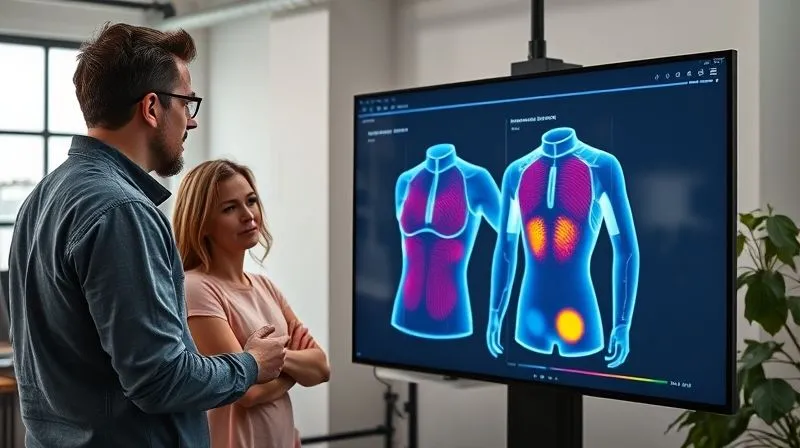
The human body doesn't sweat uniformly. We have "hot zones" – the back, armpits, chest, and groin – that require enhanced ventilation. A uniform fabric choice across an entire garment, even a highly breathable one, often isn’t sufficient. Effective activewear utilizes zoned breathability, incorporating different fabrics or structural elements (e.g., mesh panels, laser-cut perforations) in specific areas.
Failing to map these zones to the garment design is a critical error. For instance, a running top might need a more open mesh panel across the upper back and underarms, while the front might prioritize wind resistance or compression. This nuanced approach significantly improves overall thermal regulation.
Incorrect Layering Philosophy
While activewear is often worn as a single layer, its breathability performance can be severely impacted by what's worn underneath or over it. If your prototype is designed to be a mid-layer, its breathability needs to complement (not impede) the base layer’s wicking capabilities. Similarly, an outer shell's breathability is paramount for preventing a build-up of moisture from the inner layers.
Educating consumers on proper layering is part of the solution, but as designers, we must anticipate common layering scenarios and design for them. A common mistake is creating a highly breathable outer layer that is then paired with an inner layer that traps moisture, leading to the perception that the outer layer is failing.
Root Cause 3: Inadequate Testing Protocols & Environment Simulation
Even with perfect fabric and design, your activewear prototypes might fail breathability performance tests if your testing methodologies are flawed or don’t accurately replicate real-world conditions. Lab tests are essential, but they are only one piece of the puzzle.
Lab vs. Real-World Discrepancy
Standard lab tests for MVTR, air permeability, and thermal resistance provide crucial baseline data. However, they often measure a flat fabric sample under controlled, static conditions. The human body is dynamic, generating heat and sweat at varying rates, moving, and interacting with diverse environmental factors (wind, humidity, temperature fluctuations).
A fabric that performs well on a sweating hot plate might underperform on a moving human body due to factors like garment fit, compression, and the dynamic interplay between skin, fabric, and air. This discrepancy is a primary reason why activewear prototypes fail breathability performance tests despite promising lab results.
Human Factor in Performance Testing
The ultimate test of activewear breathability is how it performs on a human wearer during activity. This involves subjective feedback (comfort, clamminess, overheating) and objective data (skin temperature, heart rate, sweat rate). Neglecting this human element, or conducting insufficient wearer trials, is a significant oversight.
I advocate for a multi-stage testing approach:
- Initial Lab Screening: Use standardized tests (MVTR, Air Permeability) on fabric swatches to filter out underperforming materials.
- Garment-Level Lab Testing: Employ advanced thermal mannequins (like Newton or Charlie) that can simulate sweating and movement to test the finished garment.
- Controlled Wearer Trials: Conduct trials with athletes in a controlled environmental chamber, monitoring physiological responses and collecting subjective feedback.
- Real-World Field Testing: The final frontier. Have athletes test prototypes in diverse outdoor conditions relevant to the garment's intended use (e.g., trail running, cycling, gym workouts).
"Never underestimate the power of the human body as the ultimate testing instrument. Lab data provides the 'what,' but wearer trials reveal the 'how' and 'why' of true performance."

Root Cause 4: The Impact of Manufacturing Processes
The journey from fabric roll to finished garment involves numerous manufacturing steps, each with the potential to compromise breathability. Even if your fabric selection and design are impeccable, poor execution on the production floor can lead to prototypes that inexplicably fail breathability performance tests.
Adhesive and Lamination Choices
Many modern activewear garments use bonding or lamination for seamless construction, improved aesthetics, or enhanced durability. The adhesives used in these processes can be a major barrier to breathability. If the adhesive is applied too broadly, too thickly, or is inherently non-breathable, it will create an impermeable layer that traps moisture vapor.
It's crucial to select adhesives specifically designed for breathable textiles, often with microporous structures, and to ensure precise, minimal application. I've seen entire production runs ruined because a cost-saving adhesive was chosen without considering its impact on MVTR.
Dyeing and Printing Effects
The dyeing and printing processes can also affect fabric breathability. Certain dyes, especially those with heavy pigments or applied in large, dense patterns, can fill the microscopic pores of a fabric, reducing its air and vapor permeability. Similarly, screen printing, particularly with thick plastisol inks, creates a non-breathable layer on the fabric surface.
Sublimation printing, where the dye is infused into the fibers, generally has less impact on breathability, but even then, the base fabric's properties must be maintained. Working closely with dye houses and printers who specialize in performance textiles is non-negotiable.
Case Study: EcoTech Activewear's Breathability Breakthrough
EcoTech Activewear, a new sustainable brand, initially faced significant breathability issues with their recycled polyester prototypes. Despite using a fabric with excellent lab-tested MVTR, their finished garments felt clammy. Their design incorporated extensive bonded seams for a sleek look. Upon investigation, I discovered their manufacturing partner was using a standard, non-breathable PU adhesive, applied too generously.
By switching to a specialized, microporous adhesive and implementing a laser-guided application process that minimized adhesive use, EcoTech saw a 25% improvement in garment-level MVTR and a dramatic reduction in wearer complaints. This resulted in a successful launch and a strong market reputation for performance and sustainability. It proved that even the most well-intentioned designs can fail if manufacturing isn't aligned with performance goals.
Root Cause 5: Misinterpreting User Feedback & Performance Data
Finally, a critical reason why activewear prototypes fail breathability performance tests often lies in how brands collect, analyze, and act upon feedback and data. It's not just about getting data; it's about interpreting it correctly and integrating it into your iterative design process.
Subjective vs. Objective Data
Wearer feedback is invaluable but can be subjective. One athlete's "too hot" might be another's "just right." It's essential to triangulate subjective feedback with objective physiological data (e.g., skin temperature, sweat rate, heart rate) gathered during controlled wearer trials. If multiple wearers report clamminess in the same area, and objective sensors confirm elevated moisture levels, you have a clear problem area.
Conversely, relying solely on lab numbers without considering how a human body perceives comfort can lead to technically "breathable" garments that simply don't feel good to wear. The perception of breathability is as important as its measurable reality.
Iterative Design Cycles
Product development is rarely a linear process, especially with performance wear. If your prototypes are failing, it’s a signal to iterate, not to abandon. Each failure point is an opportunity to learn and refine.
Here’s an effective iterative cycle:
- Identify Failure: Pinpoint exactly why activewear prototypes fail breathability performance tests (e.g., low MVTR, poor air permeability, wearer discomfort).
- Hypothesize Solution: Based on your understanding, propose a specific design or material change.
- Implement Change: Create a new prototype incorporating the hypothesized solution.
- Test & Analyze: Re-test the new prototype using relevant lab and wearer trials.
- Evaluate & Refine: Compare results to previous versions. Did the change improve performance? Why or why not? What’s the next step?

Proactive Strategies for Breathability Success
To consistently develop activewear that excels in breathability, a proactive and integrated approach is essential. It's about embedding breathability as a core design principle from concept to production, rather than an afterthought or a problem to be fixed.
Integrated Fabric & Garment Design
Foster collaboration between your textile engineers and garment designers from day one. Instead of designing a garment and then sourcing a fabric, consider them a single, integrated system. This allows for:
- Co-creation: Fabric properties can inform design decisions, and design needs can drive fabric innovation.
- Zoned Performance Mapping: Strategically place different materials and ventilation features based on body heat maps and activity zones.
- Seamless Integration of Technologies: Ensure that bonding, laser cutting, and other advanced manufacturing techniques enhance, rather than hinder, breathability.
As industry experts, we know that the best activewear is a symphony of material science and ergonomic design. WGSN, a leading trend forecaster, consistently highlights the importance of functional integration in performance apparel.
Advanced Material Science Integration
Stay abreast of the latest innovations in textile science. This includes:
- Phase Change Materials (PCMs): Fabrics that absorb, store, and release heat to regulate body temperature.
- Biomimicry: Designing fabrics inspired by natural structures, like pinecones opening and closing, to adapt to environmental changes.
- Smart Textiles: Fabrics with embedded sensors that can monitor and respond to physiological data, potentially adjusting ventilation.
- Sustainable Innovations: Exploring recycled and bio-based materials that don't compromise performance. Textile World frequently covers advancements in sustainable performance materials.
Investing in R&D and partnerships with innovative material suppliers is crucial. Don't just settle for what's readily available; push the boundaries of what's possible in fabric engineering.
Continuous Iteration and User Trials
Embrace a culture of continuous improvement. Your prototypes are not failures; they are learning opportunities. Establish robust, ongoing testing protocols:
- Early-Stage Feedback: Involve athletes and target users much earlier in the design process, even with conceptual mock-ups.
- Diverse User Panels: Test with a wide range of body types, activity levels, and environmental conditions to ensure broad applicability.
- Long-Term Durability & Performance: Test not just initial breathability, but how it holds up after multiple washes and extended use.
- Data-Driven Decisions: Use both qualitative feedback and quantitative data to inform every design iteration. Harvard Business Review emphasizes collecting the right data for strategic decisions.
Frequently Asked Questions (FAQ)
Q: Can a fabric be too breathable for activewear? A: Yes, absolutely. While breathability is key, excessive air permeability can lead to rapid heat loss in cooler conditions, making the wearer feel cold. The ideal balance depends on the intended activity and climate. For example, a winter running jacket needs less air permeability than a summer cycling jersey. It's about optimal thermal regulation, not just maximum airflow.
Q: How do sustainable fabrics compare in breathability to traditional synthetics? A: This is an evolving area. Early sustainable options sometimes struggled, but advancements in recycled polyesters, bio-based nylons, and innovative cellulosic fibers (like Tencel Lyocell) are now achieving comparable, and sometimes superior, breathability. The challenge lies in ensuring the entire supply chain, including dyeing and finishing, maintains these performance attributes without compromising sustainability.
Q: What role does fit play in breathability? A: A crucial role! A garment that is too tight can restrict airflow and compress the fabric, hindering its wicking and vapor transport capabilities. A garment that is too loose might create excess air pockets or bunch up, also impeding effective moisture management. The ideal fit creates a microclimate that allows moisture to move away from the skin and evaporate efficiently.
Q: Are there any new technologies emerging to improve activewear breathability? A: Definitely. Beyond PCMs and smart textiles, we're seeing innovations in electrospun nanofibers for ultra-thin, highly breathable membranes, and advanced laser-perforation techniques that create precise ventilation zones without compromising fabric integrity. There's also significant research into biomimetic structures that can dynamically adapt their breathability based on wearer needs or environmental conditions.
Q: How often should I re-test my fabrics and prototypes during development? A: Continuous testing is ideal. Fabric samples should be tested at the sourcing stage. Prototypes should undergo lab and wearer trials after each significant design or material change. Even after final production, spot checks on finished goods are advisable to ensure consistency. Any change in supplier, material batch, or manufacturing process warrants re-testing.
Key Takeaways and Final Thoughts
Navigating the complexities of activewear breathability can be challenging, but it's a non-negotiable aspect of high-performance apparel. When your activewear prototypes fail breathability performance tests, it's not a dead end, but a call to apply a deeper, more informed approach to your development process.
- Understand True Breathability: It's a holistic concept encompassing wicking, MVTR, air permeability, and thermal resistance, not just one metric.
- Scrutinize Fabric Choices: Every fiber, yarn, weave, and finish impacts performance. Don't compromise for aesthetics or cost alone.
- Design with Intent: Utilize zoned breathability, consider seam placement, and design for the body's natural hot zones.
- Test Rigorously & Realistically: Combine lab precision with dynamic wearer trials in real-world conditions.
- Optimize Manufacturing: Ensure adhesives, dyes, and printing methods enhance, rather than hinder, breathability.
- Iterate & Learn: Treat every failure as valuable data, driving continuous improvement in your design cycle.
By adopting these expert-level strategies, you can move beyond frustrating failures and consistently engineer activewear that not only looks great but genuinely performs, keeping athletes comfortable, dry, and focused. The future of activewear is breathable, and with the right approach, your brand can lead the way.
Recommended Reading
- Unearth Hidden Gems: 7 Steps to Spot High-Profit Vintage Thrift Finds
- 7 Proven Strategies: How to Resolve Severe Contact Lens Dryness for Daily Wear?
- The Ultimate Fix: Why Do Your Heels Slip Out of Women's Shoes?
- 7 Steps: Accurately Pricing Rare 70s Vintage Fashion for Max Profit?
- Costume Design: How to Master a Character's Psychological Arc?

Your email address will not be published. Required fields are marked *