

How to Resolve Severe Contact Lens Dryness for Daily Wear Patients?
For over two decades in the eyewear fashion and optometry fields, I've witnessed a silent struggle that often forces individuals to abandon the convenience and aesthetic appeal of contact lenses: severe dryness. It's a frustrating, often debilitating issue that transforms a simple daily routine into a constant battle against discomfort, blurring, and irritation. I've seen countless patients walk into my practice, faces etched with resignation, convinced that their only options are to endure the discomfort or revert to glasses.
The problem isn't just an occasional itch or a fleeting sensation of grittiness; for daily wear patients, severe contact lens dryness can manifest as persistent burning, a feeling like sandpaper under the eyelids, redness, light sensitivity, and even fluctuating vision. This isn't merely an inconvenience; it impacts productivity, social interactions, and overall quality of life. It’s a pervasive discomfort that demands attention, not just a temporary fix.
But I'm here to tell you, with the authority of years of experience and countless successful patient outcomes, that relief is not only possible but often within reach. This definitive guide will move beyond superficial remedies, offering you a holistic, multi-faceted framework to understand, address, and ultimately resolve severe contact lens dryness. We'll explore actionable strategies, expert insights, and real-world solutions that will empower you to enjoy comfortable, clear vision with your daily wear contact lenses once again.
Understanding the Root Cause: Why Your Lenses Feel Like Sandpaper
Before we can effectively tackle severe contact lens dryness, we must first understand its origins. It’s rarely a single factor; rather, it’s often a complex interplay of lens properties, environmental conditions, and individual physiological factors. In my experience, patients often attribute dryness solely to the lens itself, overlooking crucial elements that contribute significantly to their discomfort.
Lens Material & Fit: The Foundation of Comfort
The very material of your contact lens plays a monumental role. Early hydrogel lenses, while comfortable initially, often dehydrated quickly. Modern silicone hydrogel lenses offer significantly higher oxygen permeability (Dk/t values), which is crucial for corneal health, but even these can vary widely in their water content and surface wettability. A lens that doesn't hold moisture effectively or that has a surface prone to protein and lipid deposits will inevitably lead to dryness. Furthermore, an improperly fitted lens – too tight or too loose – can impede tear exchange and cause mechanical irritation, exacerbating dryness.
Environmental Factors: The Invisible Aggressors
Our daily surroundings are often silent contributors to dry eyes. Prolonged screen time, a common culprit in our digital age, significantly reduces blink rates, leading to increased tear evaporation. Air conditioning, heating systems, and even ceiling fans create low-humidity environments that rapidly dry out the tear film on the lens surface. Exposure to wind, smoke, and pollution can also irritate the eyes and accelerate tear evaporation, making lenses feel gritty and uncomfortable.
Lifestyle & Health: Internal Influences on Eye Moisture
What's happening inside your body profoundly affects your eyes. Systemic dehydration is a straightforward yet frequently overlooked cause of dry eyes. Certain medications, including antihistamines, decongestants, antidepressants, and some blood pressure drugs, can reduce tear production as a side effect. Moreover, underlying health conditions like Sjögren's syndrome, rheumatoid arthritis, thyroid disorders, and even hormonal changes (especially in women) can lead to chronic dry eye syndrome, which is then amplified by contact lens wear. Meibomian Gland Dysfunction (MGD), a common condition where the oil-producing glands in the eyelids are blocked, is another major contributor to evaporative dry eye.
“Resolving severe contact lens dryness isn't about finding a magic bullet; it's about a meticulous investigation into every contributing factor – from the microscopic structure of your lens to the air in your office and the medications you take.”
Common causes of contact lens dryness:
- Incompatible Lens Material: Lenses that dry out quickly or attract deposits.
- Poor Lens Fit: Lenses that don't allow proper tear exchange.
- Reduced Blink Rate: Often due to prolonged screen use.
- Low Humidity Environments: Air conditioning, heating, wind.
- Dehydration: Insufficient water intake.
- Medication Side Effects: Antihistamines, antidepressants, etc.
- Underlying Health Conditions: Dry eye syndrome, MGD, autoimmune diseases.
- Improper Lens Care: Using expired solution, not cleaning properly.
The Right Lens Choice: It's Not One-Size-Fits-All
One of the most impactful changes I recommend for patients struggling with severe dryness is a re-evaluation of their contact lens type. The market has evolved dramatically, offering specialized lenses designed specifically for enhanced comfort and moisture retention. What worked for you years ago, or what a friend uses, might not be the optimal solution for your unique eye physiology today.
For many daily wear patients experiencing significant dryness, switching to daily disposable lenses is often the first and most effective step. Why? Because a fresh, sterile lens every day eliminates the build-up of proteins, lipids, and allergens that accumulate on reusable lenses, which can contribute significantly to discomfort and dryness. There's no need for cleaning solutions, which themselves can sometimes cause sensitivity or dryness in susceptible individuals. Brands like Dailies Total1 feature a water gradient technology, meaning the water content approaches nearly 100% at the surface, mimicking the natural tear film. Another excellent option is Acuvue Oasys 1-Day with HydraLuxe Technology, designed to integrate with your natural tear film to reduce symptoms of tired eyes.
It's a common misconception that higher water content automatically means better for dry eyes. While a certain water content is necessary for oxygen transmission, a lens that's too high in water content can actually draw moisture from your eyes to maintain its own hydration, especially in dry environments. Instead, focus on lenses with advanced wetting agents, surface technologies, and high oxygen permeability (Dk/t) that ensure comfort throughout the day. Your eye care professional can guide you through the specific options best suited for your tear film stability and corneal health.
Case Study: How Sarah Found Comfort with Dailies Total1
Sarah, a 32-year-old marketing professional, came to me complaining of unbearable dryness by midday. She had been wearing monthly silicone hydrogel lenses for years and relied heavily on rewetting drops, but the relief was always temporary. Her eyes felt gritty, looked red, and she often had to remove her lenses hours before bedtime. After a comprehensive dry eye assessment, we discussed her options. I recommended a switch to Dailies Total1. Within a week, Sarah reported a dramatic improvement. She no longer needed rewetting drops and could comfortably wear her lenses from morning till late evening. This simple change, guided by an understanding of her specific dry eye profile, completely transformed her contact lens experience, allowing her to continue her active lifestyle without discomfort.
Understanding the nuances of lens materials is key. Here's a simplified comparison of common lens characteristics relevant to dryness:
| Lens Feature | Effect on Dryness | Best For |
|---|---|---|
| Hydrogel Lenses | Can dehydrate quickly, lower oxygen. Older technology. | Mild dryness, short wear times. |
| Silicone Hydrogel Lenses | High oxygen, better for eye health. Varying water content and surface properties. | Many users, but specific brands for dryness are key. |
| Water Gradient Lenses (e.g., Dailies Total1) | Surface is nearly 100% water, designed to resist drying. | Severe dryness, long wear times. |
| Lenses with Wetting Agents (e.g., Acuvue Oasys 1-Day) | Integrates with tear film, maintains moisture. | Moderate to severe dryness, tired eyes. |
| Daily Disposables (General) | Fresh lens daily minimizes deposits and reduces irritation. | Most dry eye sufferers, reduces infection risk. |
For more detailed information on contact lens materials and their impact on eye health, you can consult resources like the American Academy of Ophthalmology.
Optimizing Your Eye Care Routine: Beyond Just Rinsing
Beyond lens choice, your daily eye care routine is paramount in managing and resolving severe contact lens dryness. It’s not just about what lenses you wear, but how you treat them and your eyes. Many patients, even experienced ones, fall into habits that inadvertently worsen their dry eye symptoms.
Proper Cleaning & Storage: The Unsung Heroes
If you're not using daily disposables, the importance of proper cleaning and storage cannot be overstated. Always use fresh, unexpired contact lens solution specifically designed for your lens type. Never 'top off' old solution in the case; always empty, rinse, and refill. The 'rub-and-rinse' method, even with 'no-rub' solutions, is scientifically proven to remove more deposits and microorganisms, significantly reducing irritation. Replace your lens case every one to three months, as cases can harbor bacteria and biofilms. I've seen countless cases of chronic irritation resolved simply by adhering strictly to these fundamental hygiene practices.
Rewetting Drops: Not All Drops Are Created Equal
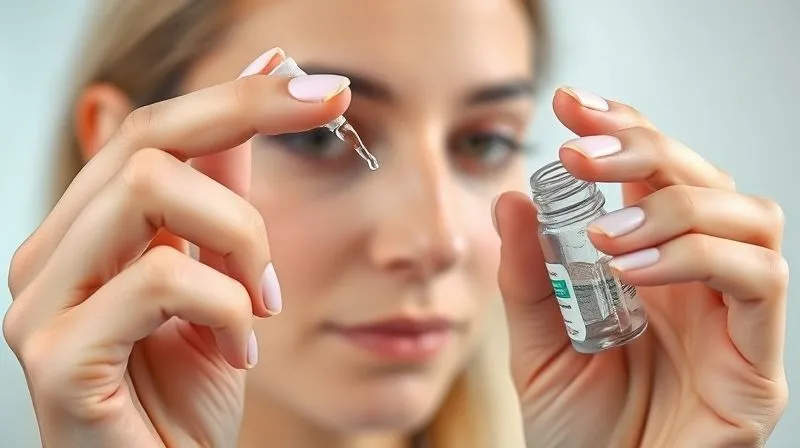
While rewetting drops offer immediate relief, their effectiveness and safety for contact lens wearers vary widely. For severe dryness, I always recommend preservative-free rewetting drops. Preservatives, while necessary in multi-dose bottles, can accumulate on contact lenses and cause irritation and toxicity, especially with frequent use. Look for drops containing ingredients like hyaluronic acid (HA), carboxymethylcellulose (CMC), or polyethylene glycol (PEG), which are excellent at retaining moisture and lubricating the eye surface. Apply drops *before* severe discomfort sets in, not as a last resort. Keep them handy and use them proactively.
Lid Hygiene: A Critical but Overlooked Step
The health of your eyelids directly impacts your tear film. Meibomian Gland Dysfunction (MGD), where the oil glands in your lids become blocked, is a leading cause of evaporative dry eye. Incorporating a simple but consistent lid hygiene routine can make a world of difference. This includes:
- Warm Compresses: Apply a warm, moist compress to closed eyelids for 5-10 minutes daily. This helps to melt and express stagnant oils from the meibomian glands.
- Lid Scrubs/Wipes: Gently clean the base of your eyelashes with a specialized lid scrub solution or pre-moistened wipes. This removes bacteria, debris, and excess oils that can clog glands and irritate the eye.
- Gentle Lid Massage: After a warm compress, gently massage your eyelids to help express the melted oils.
“Consistency in your daily eye care routine is not just about preventing infection; it's a powerful tool in maintaining the integrity of your tear film and ensuring comfortable contact lens wear.”
Steps for an optimized routine:
- Wash hands thoroughly before handling lenses.
- If not daily disposables, perform a thorough 'rub-and-rinse' with fresh, appropriate solution.
- Replace lens case every 1-3 months.
- Use preservative-free rewetting drops proactively throughout the day.
- Perform daily warm compresses and lid scrubs, especially if MGD is suspected.
- Never sleep in lenses unless specifically approved by your eye doctor for extended wear.
Environmental Modifications for Enhanced Comfort
While we can't always control our environment entirely, making conscious adjustments to your immediate surroundings can significantly reduce the impact of external factors on contact lens dryness. These are simple, yet often overlooked, strategies that I consistently recommend to my patients.
Humidity Control: Your Eye's Best Friend
Dry air is arguably one of the biggest enemies of comfortable contact lens wear. Both air conditioning and heating systems drastically reduce indoor humidity. Investing in a humidifier for your home, especially in your bedroom or office space, can make a profound difference. Aim to maintain indoor humidity levels between 40-60%. For those who spend long hours in an office, a small personal humidifier on your desk can provide a localized oasis for your eyes.
Screen Time Management: The 20-20-20 Rule and Beyond
Our digital lives are a major contributor to reduced blink rates and increased tear evaporation. When we stare at screens, our blink rate can drop by 50% or more. This leads to a compromised tear film and rapid drying of the contact lens. I strongly advocate for the 20-20-20 rule: every 20 minutes, look away from your screen at an object 20 feet away for at least 20 seconds. This simple act allows your eyes to relax and encourages a full, natural blink. Additionally, ensure your computer monitor is positioned slightly below eye level; this allows your eyelids to cover more of your eye surface, reducing tear evaporation. Consider using blue light filtering glasses or screen filters, which, while not directly addressing dryness, can reduce eye strain that exacerbates discomfort.
Protecting Your Eyes: A Shield Against the Elements
Just as you protect your skin from the sun, your eyes need protection from harsh environmental elements. When outdoors, especially on windy days or in dusty environments, wear wraparound sunglasses. These provide a physical barrier that reduces air currents reaching your eyes, thereby minimizing tear evaporation. Avoid direct airflow from car vents, hair dryers, or fans directly onto your face. Even subtle changes, like redirecting an overhead fan, can make a noticeable difference in your daily comfort.
Actionable steps for environmental adjustments:
- Use a humidifier in dry indoor environments to maintain 40-60% humidity.
- Implement the 20-20-20 rule during screen time and consciously blink more often.
- Position computer monitors slightly below eye level.
- Wear wraparound sunglasses outdoors, especially in windy or dusty conditions.
- Avoid direct airflow from vents, fans, and hair dryers onto your eyes.
Diet, Hydration, and Supplements: Nurturing Your Eyes from Within
What you put into your body has a direct impact on the quality and quantity of your tears. This internal approach is often overlooked by daily wear patients struggling with dryness, yet it's a cornerstone of holistic eye health. I've consistently seen improvements in patients who commit to optimizing their internal environment.
The Power of Water: Systemic Hydration
It sounds deceptively simple, but adequate systemic hydration is fundamental for tear production. If your body is dehydrated, your eyes will be too. Aim to drink at least eight glasses of water daily, and more if you're active or in a hot climate. Many patients are chronically mildly dehydrated without realizing it, and addressing this basic physiological need can significantly improve tear film stability and contact lens comfort. Water helps maintain the volume of your tears, preventing them from becoming too concentrated and evaporating quickly.
Omega-3 Fatty Acids: Essential for Tear Film Quality
One of the most well-researched nutritional interventions for dry eyes is the intake of Omega-3 fatty acids, specifically EPA and DHA. These essential fatty acids are crucial for the health of the meibomian glands in your eyelids. Healthy meibomian glands produce a stable lipid (oil) layer for your tear film, which prevents rapid evaporation of the watery component of your tears. A deficiency in Omega-3s can lead to MGD and evaporative dry eye. Incorporate foods rich in Omega-3s, such as salmon, flaxseeds, chia seeds, and walnuts, into your diet. If dietary intake is insufficient, a high-quality Omega-3 supplement (look for triglyceride form with at least 1000mg EPA + DHA) can be highly beneficial. I often recommend taking these for at least 3 months to see noticeable results.
Vitamins & Antioxidants: Supporting Overall Eye Health
While less directly impactful on tear volume than Omega-3s, certain vitamins and antioxidants play a supportive role in overall eye health and can indirectly aid in managing dryness. Vitamin A is vital for corneal health and vision. Vitamin C and Vitamin E are powerful antioxidants that protect eye tissues from oxidative stress, which can contribute to ocular surface inflammation. Zinc is also important for the absorption of Vitamin A and overall immune function. While a balanced diet should provide these, discuss any potential deficiencies or the need for supplements with your eye care professional or a nutritionist.
According to a comprehensive review published in the Journal of Ophthalmology, Omega-3 fatty acid supplementation has shown significant efficacy in improving dry eye symptoms and tear film stability in numerous studies, highlighting its importance in a holistic treatment plan.
Medical Interventions and Advanced Solutions
When lifestyle adjustments, lens changes, and over-the-counter remedies aren't enough to resolve severe contact lens dryness, it's time to explore medical interventions. As an experienced specialist, I know that for some patients, prescription-strength treatments are necessary to achieve lasting comfort. These options are typically managed in conjunction with your eye care professional.
Prescription Eye Drops: Targeting Inflammation
Many cases of chronic dry eye, especially severe ones, involve an inflammatory component. Prescription eye drops are designed to address this underlying inflammation, which can disrupt tear production and quality.
- Cyclosporine ophthalmic emulsion (Restasis, Cequa): This medication works by increasing your eyes' natural ability to produce tears by reducing inflammation in the tear glands. It typically takes several weeks to months to see its full effect.
- Lifitegrast ophthalmic solution (Xiidra): Xiidra targets a specific protein interaction on the surface of the eye, reducing inflammation and improving tear production. Similar to cyclosporine, it requires consistent use over time for optimal results.
- Corticosteroid eye drops: These are powerful anti-inflammatory agents often used for short durations to quickly reduce acute inflammation before transitioning to longer-term maintenance therapies like cyclosporine or lifitegrast.
Punctal Plugs: Conserving Your Natural Tears
For patients whose eyes don't produce enough tears, or whose tears evaporate too quickly, punctal plugs can be an excellent option. These tiny, biocompatible devices are inserted into the puncta – the small openings in the inner corner of your eyelids that drain tears away from the eye. By blocking these drainage channels, punctal plugs help to keep your natural tears on the eye surface for longer, significantly improving moisture and comfort. The procedure is quick, painless, and reversible, with plugs available in temporary (collagen) and permanent (silicone) forms.
Scleral Lenses: A Game Changer for Severe Cases
For daily wear patients with truly severe dry eye syndrome, especially those unable to find comfort with conventional soft lenses or other treatments, scleral contact lenses can be a revolutionary solution. Unlike soft lenses that rest directly on the cornea, scleral lenses are larger and vault entirely over the cornea, resting instead on the white part of the eye (sclera). The space between the lens and the cornea is filled with a sterile saline solution, creating a continuous, protective, and hydrating fluid reservoir over the ocular surface. This moist environment provides unparalleled comfort, protection, and often dramatically improved vision for even the most challenging dry eye cases. Fitting scleral lenses requires a specialized contact lens practitioner.
LipiFlow/TearScience: Addressing Meibomian Gland Dysfunction
If your severe dryness is primarily due to MGD (Meibomian Gland Dysfunction), advanced in-office treatments like LipiFlow or similar thermal pulsation systems can be highly effective. These procedures apply controlled heat and gentle pressure to the eyelids, safely and effectively unblocking the meibomian glands and restoring their natural function of producing the essential oil layer of your tear film. By improving the quality and flow of these oils, evaporative dry eye is significantly reduced, leading to more stable tear film and greater contact lens comfort.
When to See Your Eye Care Professional: Don't Self-Diagnose
While this guide provides a wealth of information and actionable strategies, it's crucial to understand that severe contact lens dryness is a complex medical condition that warrants professional evaluation. Self-diagnosing or self-treating persistent or worsening symptoms can lead to prolonged discomfort, and in some cases, serious eye health issues. As an industry specialist, I cannot stress enough the importance of partnering with your optometrist or ophthalmologist.
Regular eye check-ups are essential for all contact lens wearers, but especially for those experiencing dryness. Your eye doctor can perform a comprehensive dry eye assessment, which goes far beyond a simple vision test. This assessment may include:
- Tear Break-Up Time (TBUT): Measures how quickly your tears evaporate.
- Schirmer's Test: Measures your tear production.
- Ocular Surface Staining: Uses dyes to reveal damage to the cornea or conjunctiva.
- Meibography: Imaging of your meibomian glands to assess their health.
- Inflammation Markers: Tests for specific inflammatory enzymes in your tears.
These tests provide a detailed picture of your specific dry eye profile, allowing for a personalized and targeted treatment plan. Without this professional diagnosis, you might be treating symptoms without addressing the underlying cause, leading to continued frustration.
You should absolutely schedule an appointment with your eye care professional if you experience any of the following:
- Persistent or worsening discomfort: If your dryness isn't improving with at-home remedies or over-the-counter drops.
- Redness, irritation, or pain: Especially if it's constant or severe.
- Fluctuating or blurry vision: Dryness can cause your vision to blur intermittently.
- Excessive tearing: Ironically, reflex tearing can be a symptom of severe dry eyes trying to compensate.
- Light sensitivity: Photophobia can indicate significant ocular surface irritation.
- Any signs of infection: Discharge, severe pain, sudden vision loss.
Your eye care professional is equipped to identify underlying conditions, recommend prescription treatments, adjust your contact lens prescription or type, and guide you through advanced solutions like scleral lenses or MGD treatments. They are your most valuable resource in resolving severe contact lens dryness. For more information on identifying dry eye symptoms, refer to reputable sources like the Mayo Clinic.
Debunking Common Myths and Misconceptions
In my years of practice, I've encountered numerous myths surrounding contact lenses and dry eyes. These misconceptions can often lead patients down ineffective paths, prolonging their discomfort. Let's set the record straight on a few common ones:
Myth 1: "More water content in a contact lens means it's better for dry eyes."
Reality: This is one of the most persistent myths. While some water content is necessary, a very high water content lens can actually draw moisture *from your eyes* to maintain its own hydration, especially in dry environments. This can lead to increased dryness, not less. Lenses with advanced surface technologies and specific wetting agents that integrate with your natural tear film are often much more effective for dry eyes, regardless of their bulk water content.
Myth 2: "Any eye drop is fine for contacts."
Reality: Absolutely not. Many over-the-counter eye drops contain vasoconstrictors (redness removers) that can cause rebound redness and are not safe for use with contact lenses. Other drops contain preservatives that can accumulate on the lens and cause irritation or even damage over time. Always use preservative-free rewetting drops specifically formulated for contact lens wearers. If in doubt, consult your eye care professional.
Myth 3: "You just have to live with dry contacts if you want to wear them."
Reality: This is perhaps the most damaging myth. While some degree of dryness can be common, severe, persistent discomfort is NOT normal and is NOT something you have to endure. As we've explored, there are numerous effective strategies, lens options, and medical interventions available today. Giving up on contact lenses due to dryness should be a last resort, not an inevitability. Your quality of life and eye health are too important to suffer in silence.
“Don't let outdated beliefs or misinformation dictate your contact lens comfort. Arm yourself with accurate knowledge and partner with an expert to find the right solutions for you.”
Frequently Asked Questions (FAQ)
Question? Can I wear contact lenses if I have severe dry eye syndrome?
Answer: Yes, in many cases, you can! While it's more challenging, severe dry eye syndrome doesn't automatically disqualify you from contact lens wear. It requires a highly personalized approach, often involving specialized lenses like scleral lenses, prescription eye drops, and diligent dry eye management. Your eye care professional will conduct a thorough evaluation to determine the best and safest options for you.
Question? How often should I use rewetting drops for severe dryness?
Answer: For severe dryness, you might need to use preservative-free rewetting drops quite frequently, sometimes every 1-2 hours. The key is to use them proactively, before your eyes become severely uncomfortable. However, if you're relying on drops more than 4-6 times a day and still experiencing severe discomfort, it indicates that the underlying cause of your dryness isn't being adequately addressed, and you should consult your eye doctor for a re-evaluation of your treatment plan.
Question? Are daily disposables always better for dry eyes than monthly lenses?
Answer: For most patients experiencing dryness, daily disposables are indeed a superior choice. The fresh, sterile lens each day eliminates deposit buildup and reduces the need for cleaning solutions, both of which can exacerbate dryness. However, individual responses vary, and some monthly or bi-weekly lenses with advanced moisture-retaining technologies can also be very comfortable for certain individuals. Your eye doctor will help determine the best type for your specific needs.
Question? What's the difference between over-the-counter eye drops and prescription drops?
Answer: Over-the-counter (OTC) eye drops primarily provide temporary lubrication or address minor irritation. Prescription eye drops, on the other hand, are medicated and designed to treat the underlying causes of chronic dry eye, such as inflammation. They work to increase your natural tear production or improve tear film stability over time. OTC drops offer symptomatic relief, while prescription drops aim for long-term therapeutic improvement.
Question? How long does it take to see improvement after implementing these strategies?
Answer: The timeline for improvement varies greatly depending on the severity of your dryness and the strategies implemented. Lifestyle changes and switching to more comfortable lenses might yield noticeable results within days to a couple of weeks. Nutritional supplements like Omega-3s often require 2-3 months of consistent use. Prescription eye drops can take 4-12 weeks to show their full effect. It's a journey, and patience and consistent adherence to your personalized plan are key.
Key Takeaways and Final Thoughts
Navigating severe contact lens dryness for daily wear patients can be a challenging journey, but it is not one you have to undertake alone, nor is it a battle you are destined to lose. As an industry specialist with extensive experience, I've seen firsthand the transformative power of a comprehensive, informed approach.
- Holistic Assessment is Key: Understand that dryness is multifaceted. It's rarely just one issue, but a combination of lens type, environment, and personal health.
- Empower Your Lens Choice: Don't settle for 'good enough.' Explore advanced lens materials and daily disposables specifically engineered for moisture retention.
- Optimize Your Routine: Meticulous lens care, proactive use of preservative-free rewetting drops, and diligent lid hygiene form the bedrock of lasting comfort.
- Look Inward and Outward: Hydrate adequately, incorporate Omega-3s, and make conscious environmental adjustments to support your eyes from all angles.
- Embrace Medical Solutions: For persistent dryness, modern medicine offers powerful prescription drops, punctal plugs, scleral lenses, and MGD treatments.
- Partner with Your Expert: Your eye care professional is your most valuable ally. Seek their guidance for a precise diagnosis and a tailored treatment plan.
Remember, the goal isn't just to wear contact lenses; it's to wear them comfortably, safely, and without compromise to your vision or quality of life. By adopting the strategies outlined in this guide and working closely with your eye care professional, you can confidently resolve severe contact lens dryness and rediscover the freedom and clarity that contact lenses offer. Your eyes deserve comfort, and with the right approach, it is absolutely achievable.
Recommended Reading
- Unlock the Secret to Sustainable Vintage Clothing Care: A Definitive Guide
- 5 Expert Strategies: How to Prevent Retro Aesthetics from Looking Costume-Like?
- Unlock Your Star Style: How to Choose Celebrity Eyewear for Your Face Shape
- Dazzle on Your Day: Choosing the Best Jewelry for Strapless Dresses
- 7 Steps to Optimize Seasonal Womens Accessory Inventory & Boost Profits

Your email address will not be published. Required fields are marked *