

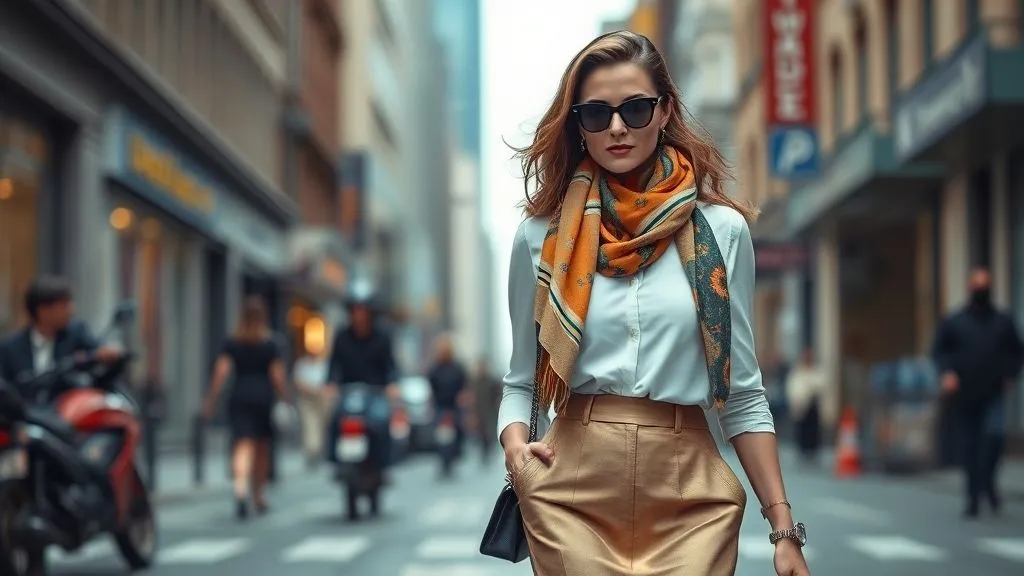
How to prevent retro aesthetics from looking costume-like?
For over two decades in the vintage fashion world, I've witnessed the incredible allure of retro aesthetics. There's a magic in embracing the styles of yesteryear—a connection to history, an expression of individuality, a break from fast fashion's monotony. However, I've also seen a common pitfall: the unintentional slide from 'chic vintage' to 'straight-out-of-a-play costume.' It's a fine line, and many enthusiastic newcomers inadvertently cross it.
The problem is often rooted in an earnest desire to fully embody an era, leading to an 'all-or-nothing' approach. You love the glamour of the 1940s, so you wear a victory roll, a full swing skirt, seamed stockings, and red lipstick, head to toe. While this might be perfect for a themed party, for everyday life, it can feel, and look, inauthentic and, yes, costume-like. It strips away the nuance and personal interpretation that makes true style shine.
But fear not! In this definitive guide, I'll share my seasoned expertise and actionable frameworks to help you master the art of integrating retro aesthetics into your contemporary wardrobe without losing your personal style or looking like you're heading to a fancy dress party. We'll explore strategic blending, thoughtful curation, and the subtle art of making vintage truly yours, ensuring your retro looks are always stylish, authentic, and effortlessly cool.
Understanding the 'Costume' Conundrum: Why Retro Goes Wrong
Before we dive into solutions, let's unpack why some retro looks veer into costume territory. It's rarely intentional; more often, it's a result of overenthusiasm or a misunderstanding of how vintage pieces were originally worn and how they translate to modern life.
The Allure vs. The Artifice: What's the Difference?
The allure of retro lies in its distinct silhouettes, vibrant patterns, and the craftsmanship of a bygone era. It evokes nostalgia, glamour, and a sense of timelessness. The artifice, however, emerges when the entire ensemble feels like a direct replication rather than an inspired interpretation. It's the difference between wearing a 1960s shift dress with modern boots and sunglasses, and wearing the shift dress with a beehive, go-go boots, and white eyeliner, all at once, for a trip to the grocery store.
Common Pitfalls: Over-the-Top & Lack of Context
One of the biggest mistakes I observe is the 'theme park' approach – trying to wear every single characteristic of an era simultaneously. This often includes matching accessories, hair, and makeup that, while historically accurate for the period, create an exaggerated effect in a contemporary setting. Another pitfall is ignoring modern context. A full 1950s New Look silhouette was revolutionary then, but without careful styling, it can feel out of place today. The key is to acknowledge the present while appreciating the past.
The Foundation: Knowing Your Era (and Its Nuances)
To truly master retro aesthetics, you must first understand the eras that inspire you. This isn't about memorizing dates, but about grasping the cultural, social, and fashion nuances that shaped the styles.
Beyond the Stereotypes: Deeper Dives into Decades
Every decade has its iconic images: flappers for the '20s, pin-ups for the '50s, hippies for the '70s. But these are often caricatures. A deep dive reveals so much more. The 1920s weren't just about beaded dresses; they also featured tailored daywear. The 1950s had rebellious rockabilly alongside polished housewives. Understanding these layers allows for more sophisticated and less stereotypical interpretations.
For example:
- 1920s: Beyond flapper dresses, consider tailored dropped-waist day dresses, cloche hats, and simple yet elegant jewelry.
- 1950s: While the 'New Look' is iconic, don't forget the casual denim and gingham looks, or the emerging beatnik styles.
- 1970s: Not just disco! Think bohemian maxi dresses, tailored power suits, and practical denim flares.
Research as Your Secret Weapon
I always tell my clients that research is the bedrock of authentic vintage styling. Look at old photographs, fashion magazines (original ones!), movies, and even documentaries. Pay attention to how people actually dressed for everyday life, not just special occasions. This gives you a richer palette to draw from.
"Authenticity in retro style isn't about replication; it's about understanding the spirit of an era and translating it with reverence and personal flair. The more you know, the more subtle and sophisticated your expression becomes."
According to the Metropolitan Museum of Art's Costume Institute archives, fashion history is a complex interplay of innovation and adaptation, showing how styles evolve and are reinterpreted across generations. This rich tapestry provides endless inspiration for contemporary blending.
Strategic Integration: The Art of the Single Statement Piece
This is perhaps the most crucial strategy for how to prevent retro aesthetics from looking costume-like: focus on integrating one, maybe two, standout vintage items into an otherwise modern outfit. This creates a focal point without overwhelming the look.
One Item, Modern Canvas
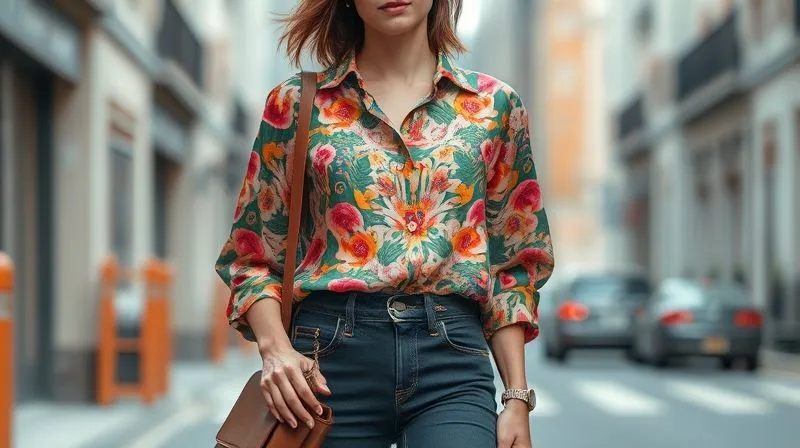
Think of your contemporary wardrobe as a blank canvas. Now, choose one truly exceptional vintage piece – perhaps a perfectly tailored 1960s A-line skirt, a vibrant 1970s silk blouse, or a structured 1940s blazer. Pair this hero item with modern basics: clean-lined trousers, a simple tee, contemporary jeans, or sleek minimalist accessories. This contrast is what makes the vintage piece pop without looking out of place.
Examples of effective single statement pieces:
- A stunning 1950s full circle skirt paired with a modern fitted knit top and contemporary ankle boots.
- A bold 1970s geometric print blouse tucked into high-waisted, wide-leg modern trousers.
- A classic 1940s wool blazer worn over a simple white t-shirt and dark-wash jeans.
- A unique 1960s mod shift dress accessorized with minimalist jewelry and contemporary sneakers or flats.
The key is to let the vintage item speak for itself. It becomes an accent, a carefully chosen detail that elevates your entire ensemble, rather than defining it entirely.
The Power of Proportions and Fit: Tailoring Retro for Today
Vintage sizing can be notoriously tricky, and the silhouettes of past eras don't always align with modern aesthetic preferences. A perfectly fitting garment is transformative; a ill-fitting one, especially vintage, can instantly look sloppy or, worse, like a costume.
Modern Silhouettes vs. Vintage Cuts
Vintage clothing often features different shoulder lines, waist placements, and overall volumes than what we're accustomed to today. For instance, a 1980s power blazer might have exaggerated shoulder pads that feel overwhelming now. A 1950s dress might have a very nipped waist and full skirt that, if not proportioned correctly for your body, can look like a period costume rather than a chic statement.
The Importance of a Good Tailor
This is where your tailor becomes your best friend. I cannot emphasize enough the value of a skilled alterations specialist when working with vintage. They can transform a 'nearly' piece into a 'perfect' piece. Don't be afraid to invest in tailoring; it makes all the difference.
- Assess the Fit: When trying on a vintage piece, prioritize fit in the shoulders, bust, and waist. These are the hardest to alter significantly.
- Consider Hemlines: A vintage dress or skirt might have a midi or maxi length that feels dated. A modern hemline can instantly update the piece.
- Manage Volume: If a vintage item is too voluminous (e.g., wide sleeves, large shoulder pads), a tailor can often streamline it without losing its character.
- Update Fastenings: Sometimes, old zippers or buttons can be replaced with modern, more durable, or aesthetically pleasing alternatives.
- Check Linings: An old, worn lining can make a garment feel cheap. Replacing it can breathe new life into a quality vintage piece.
Fabric, Texture, and Color: Subtle Cues that Elevate
The tactile and visual qualities of fabric play a huge role in whether a retro look feels authentic and integrated or overtly theatrical. Modern fabrics often have different drapes, weights, and finishes than their vintage counterparts. Blending these consciously is a sophisticated styling move.
Blending Vintage Textures with Contemporary Fabrics
Imagine a luxurious vintage velvet blazer. Pairing it with a crisp modern cotton shirt or sleek leather trousers creates an interesting textural contrast that grounds the vintage piece in the present. Conversely, a delicate vintage silk scarf can add softness to a structured contemporary outfit. Avoid wearing too many 'period-specific' textures at once (e.g., head-to-toe tweed from the 60s, or all synthetic disco fabrics from the 70s), as this can quickly look like a uniform.
The Psychology of Color Palettes
Each era has its dominant color palettes. The muted tones of the 1940s, the pastels of the 1950s, the vibrant psychedelics of the 1960s/70s, the neons of the 1980s. While embracing these can be fun, a full monochrome vintage palette can be overwhelming. Instead, pick one or two vintage-inspired colors and pair them with modern neutrals or complementary contemporary shades. This softens the retro impact and makes it more wearable.
| Era Focus | Vintage Fabric Example | Modern Blend Suggestion |
|---|---|---|
| 1950s Day Dress | Stiff Cotton, Barkcloth | Soft Modal knit, Sleek Ponte, Modern Denim |
| 1970s Blouse | Polyester, Rayon | Linen, Tencel, Silk-blend knit |
| 1980s Blazer | Wool Blend, Heavy Gabardine | Lightweight Crepe, Technical Fabric, Cashmere Blend |
| 1960s Skirt | Tweed, Wool | Vegan Leather, Fine Gauge Merino, Organic Cotton |
Accessories and Details: The Devil (and Delight) is in the Nuance
Accessories can make or break a retro-inspired outfit. They are powerful tools for elevating your look, but also the easiest way to tip it into costume territory. The key is thoughtful selection and restraint.
Less is More: Curated Accessory Choices
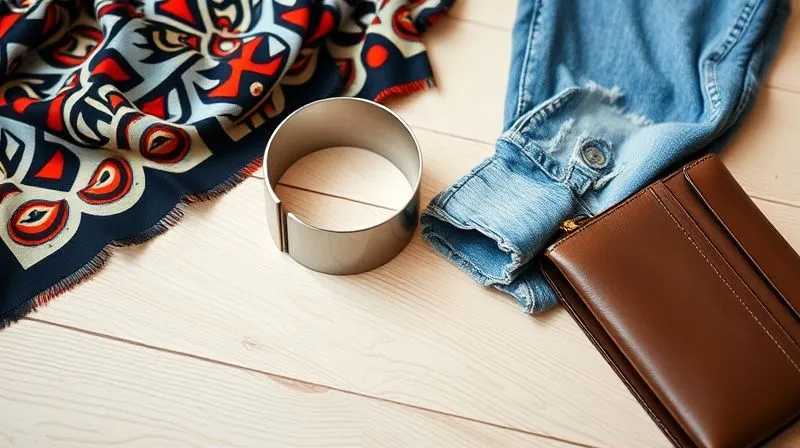
Instead of piling on every era-appropriate accessory, choose one or two key pieces that resonate with your personal style and the overall aesthetic you're aiming for. A single vintage brooch on a modern blazer, a classic 1960s structured handbag with a minimalist dress, or a pair of retro cat-eye sunglasses with an otherwise contemporary ensemble can be incredibly effective.
Avoid matching everything perfectly. A 1950s dress doesn't need matching gloves, hat, and shoes for a casual outing. That's where the costume feel kicks in. Instead, let your accessories be subtle nods, not grand declarations.
Hair, Makeup, and Footwear: The Finishing Touches (or Over-Touches)
Hair and makeup are often the culprits for the 'costume' look. While a vintage-inspired hairstyle can be beautiful, a full victory roll or beehive might be too much for daily wear. Consider a softer, modernized version, or keep your hair contemporary and let your clothing do the talking. The same goes for makeup: a classic red lip is timeless, but pairing it with heavy winged eyeliner, exaggerated blush, and perfectly sculpted brows (all era-specific) can be overkill.
Footwear is another critical element. Pairing a vintage dress with contemporary shoes (sneakers, modern boots, simple heels) is an excellent way to ground the look in the present. Conversely, a modern outfit can be given a retro twist with a pair of perfectly preserved vintage loafers or mary janes.
"The most stylish retro looks are built on intelligent restraint. It's about hinting at an era, not shouting it. Every accessory, every detail, should serve to enhance your personal style, not overshadow it with historical accuracy."
The Modern Mix: Blending Eras and Styles Seamlessly
True mastery of retro aesthetics lies in the ability to blend. This isn't just about mixing vintage with modern, but sometimes mixing different vintage eras, or even blending high-end contemporary with thrifted finds. This approach injects personality and prevents stagnation.
The High-Low Approach: Designer & Vintage
I've always advocated for the high-low mix. Pair a designer handbag with a thrifted 1970s dress, or a high-street blazer with a meticulously sourced vintage silk scarf. This juxtaposition creates visual interest and proves your style is about curation, not just brand names or historical purity. It shows confidence and a discerning eye, making your retro pieces feel luxurious and intentional.
Personal Style as the Unifying Thread
Ultimately, your personal style should be the unifying thread that ties everything together. If you love minimalist aesthetics, choose vintage pieces with clean lines. If you're drawn to bohemian flair, look for flowy fabrics and natural textures from past eras. Don't let the vintage piece dictate your style; let your style embrace and transform the vintage piece. This is how to prevent retro aesthetics from looking costume-like – by making them truly your own.
Confidence and Context: The Ultimate Style Multipliers
Even the most perfectly styled retro outfit can fall flat without two crucial ingredients: confidence and context. These are the intangible elements that elevate any look from merely 'clothes' to 'style.'
Own Your Look: Attitude is Everything
I've seen individuals wear seemingly outlandish outfits with such conviction that they look utterly fabulous. Conversely, a perfectly chic ensemble can look awkward if the wearer is self-conscious. When you wear vintage, wear it with pride. Own the history, the uniqueness, the story behind your pieces. Your confidence communicates that your style is intentional and authentic, not an attempt to dress up.
As marketing guru Seth Godin often says, "People don't buy what you do; they buy why you do it." This applies to style too. Your 'why' – your confidence and personal expression – is what truly sells your look.
Dressing for the Occasion, Not Just the Aesthetic
This goes back to the 'costume' conundrum. While a full 1920s flapper ensemble is fantastic for a themed party, it's likely inappropriate for a business meeting or a casual brunch. Always consider the occasion and environment. A subtle nod to retro, like a vintage watch or a classic silhouette, is often more powerful and appropriate for everyday settings than a full-blown period recreation.
Case Study: How Clara Mastered Her 60s Mod Look
Clara, a graphic designer in her late 20s, adored the bold, graphic aesthetic of 1960s mod fashion. Her initial attempts often looked like she was heading to a Beatles tribute band concert – full shift dress, white go-go boots, heavy black eyeliner, and a voluminous beehive. She loved the look but felt self-conscious outside of themed events.
Working together, we implemented a few key strategies:
- One Hero Piece: Instead of a full mod ensemble, Clara chose one truly authentic 1960s shift dress with a striking geometric print.
- Modern Accessories: She paired the dress with sleek, modern black ankle boots and a minimalist leather cross-body bag. Her sunglasses were contemporary cat-eye frames, a subtle nod to the era without being literal.
- Contemporary Hair & Makeup: Clara opted for her usual sleek, straight hair and a simple, fresh makeup look with just a touch of mascara and a nude lip.
- Tailoring: We had the shift dress hemmed to a slightly shorter, more contemporary length that suited her height and modern sensibilities.
The result? Clara's mod dress looked effortlessly chic, sophisticated, and entirely 'her.' It was a clear demonstration of how to prevent retro aesthetics from looking costume-like by blending vintage authenticity with modern sensibility and personal confidence. She received compliments on her unique style, not on her 'costume.'
Where to Source Authentically (and Responsibly)
Part of the journey into retro aesthetics is finding the right pieces. Sourcing responsibly and knowledgeably contributes to both the authenticity and the ethical footprint of your wardrobe.
Thrift Stores vs. Curated Vintage Boutiques
Both have their merits. Thrift stores offer the thrill of the hunt and budget-friendly finds, but require a keen eye for quality, authenticity, and potential alterations. Curated vintage boutiques, whether brick-and-mortar or online, offer pre-vetted, often higher-quality pieces, but at a higher price point. They're excellent for investment pieces or when you're looking for something specific.
Online Marketplaces and Ethical Considerations
Online platforms like Etsy, eBay, and specialized vintage sites have exploded, offering access to pieces from around the world. Always check seller reviews, ask for detailed measurements, and scrutinize photos. Consider the environmental benefits of buying vintage – it's inherently sustainable fashion. However, be mindful of shipping distances and packaging. Supporting local vintage sellers or those committed to eco-friendly practices further enhances the positive impact of your choices.
- Know Your Measurements: Vintage sizing differs wildly. Always ask for exact garment measurements.
- Inspect Carefully: Look for stains, tears, moth holes, and signs of wear. Factor in potential repair costs.
- Prioritize Quality Fabrics: Natural fibers like wool, silk, linen, and cotton generally age better and feel more luxurious.
- Consider the Seller: Reputable sellers often provide detailed descriptions, condition reports, and clear return policies.
- Think Long-Term: Choose pieces that genuinely excite you and that you can envision integrating into your existing wardrobe for years to come.
For more insights into ethical sourcing and sustainable fashion practices, I highly recommend exploring resources like Harper's Bazaar's guides on sustainable fashion, which emphasize conscious consumption and the value of pre-loved items.
Frequently Asked Questions (FAQ)
Question? I love a specific vintage era, but I don't want to look like I'm in a costume. How do I choose which pieces to incorporate?
Detailed answer: Focus on a signature silhouette, a unique pattern, or a specific type of garment from your favorite era. For example, if you love the 1960s, choose a well-fitting A-line skirt or a mod-inspired geometric print dress. If it's the 1940s, a tailored blazer or a bias-cut slip dress could be your key piece. The trick is to select one strong, recognizable element and then surround it with modern, minimalist pieces that let the vintage item shine without being overwhelmed. Think 'inspiration' rather than 'replication.'
Question? Is it okay to mix different vintage eras in one outfit, or should I stick to one decade?
Detailed answer: Absolutely! Mixing eras can be incredibly sophisticated and is a hallmark of truly developed personal style. The key is to find commonalities or intentional contrasts. For instance, pairing a delicate 1920s lace camisole with a structured 1980s blazer creates an intriguing textural and silhouette play. Or, you might find a color palette that unites pieces from different decades. The goal isn't historical accuracy, but harmonious aesthetics. When blending, ensure each piece is well-fitted and the overall look feels cohesive and intentional, not haphazard.
Question? What are the biggest mistakes people make when trying to incorporate retro aesthetics?
Detailed answer: The most common mistakes are 'over-the-top' styling (wearing too many era-specific items at once, including hair and makeup), neglecting proper fit (vintage sizing can be tricky, and ill-fitting clothes look sloppy), and ignoring modern context (wearing a full period costume for an everyday activity). Another mistake is not considering the quality and condition of the vintage piece; a damaged or poor-quality item can detract from the entire look. Always prioritize quality, fit, and thoughtful integration.
Question? How can I make sure my vintage finds feel relevant and not dated?
Detailed answer: To keep vintage relevant, always pair it with contemporary elements. Modern accessories (shoes, bags, jewelry), current hairstyles, and up-to-date makeup are crucial. Consider updating hemlines or tailoring silhouettes to suit modern tastes while preserving the essence of the piece. Think about the fabric and texture; sometimes, pairing a vintage wool skirt with a sleek modern silk top can instantly update the look. The contrast between old and new is what creates a fresh, relevant aesthetic.
Question? I'm on a budget. Can I still achieve a great retro look without spending a lot on curated vintage?
Detailed answer: Absolutely! Many of my most cherished pieces are thrift store finds. The key is patience, a good eye, and a willingness to invest a little in tailoring. Look for quality fabrics and classic silhouettes that transcend specific trends. You might also focus on smaller, less expensive items like scarves, brooches, or belts to add retro flair to modern outfits. Learning basic mending skills can also extend the life and wearability of budget finds. It's about smart shopping and creative styling, not necessarily a big budget.
Key Takeaways and Final Thoughts
Navigating the rich landscape of retro aesthetics without falling into the 'costume' trap is an art, but it's an art that anyone can master with the right approach. As an experienced industry specialist, I've seen the transformative power of thoughtfully integrated vintage fashion, and I truly believe it's one of the most sustainable and expressive ways to build a unique wardrobe.
- Understand Your Eras: Go beyond stereotypes to grasp the nuances of the decades you love.
- Embrace Strategic Integration: Focus on one or two statement vintage pieces, grounded by modern elements.
- Prioritize Fit and Proportions: Don't underestimate the power of tailoring to modernize and personalize.
- Play with Texture and Color: Blend vintage fabrics and palettes with contemporary choices for sophisticated contrast.
- Curate Accessories: Choose wisely and sparingly, letting subtle details make an impact.
- Confidence is Key: Own your unique style; your attitude elevates any outfit.
- Mind the Context: Dress for the occasion, ensuring your retro look is appropriate and chic.
Remember, your style is a journey, not a destination. Experiment, have fun, and let your personality shine through every carefully chosen piece. By following these expert strategies, you'll not only prevent retro aesthetics from looking costume-like but also cultivate a truly distinctive and timeless personal style that tells your unique story. Go forth and style with confidence!
Recommended Reading
- HD Film Contour: Mastering Deep Skin Tones with 7 Pro Techniques
- Prevent Severe Chafing: Essential Gear for Multi-Day Mountain Runs
- Green Fashion Growth: Scale Ethically, Preserve Your Values
- Unlock Fair Pay: 7 Steps to Calculate & Implement Apparel Living Wages
- 7 Proven Strategies to Differentiate Your Bridal Brand in a Saturated Market

Your email address will not be published. Required fields are marked *