

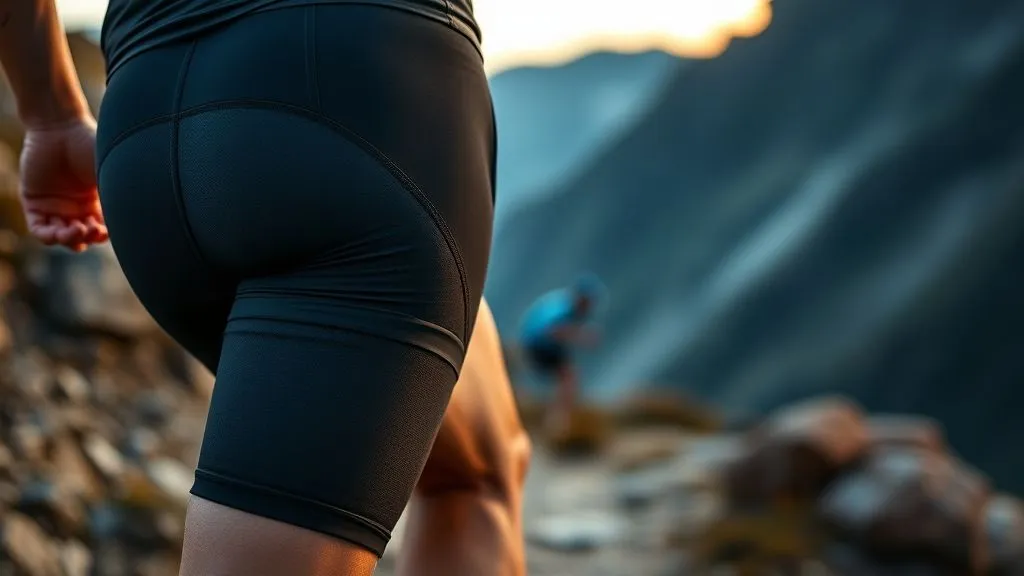
What Running Gear Prevents Severe Chafing on Multi-Day Mountain Runs?
I've seen countless experienced ultra-runners, myself included, brought to their knees not by physical exhaustion, but by the relentless, debilitating agony of severe chafing. It's a silent saboteur on multi-day mountain runs, turning breathtaking vistas into a blur of pain. For over two decades, navigating some of the world's most challenging trails, I've learned that the right gear isn't just about performance; it's about survival and enjoyment.
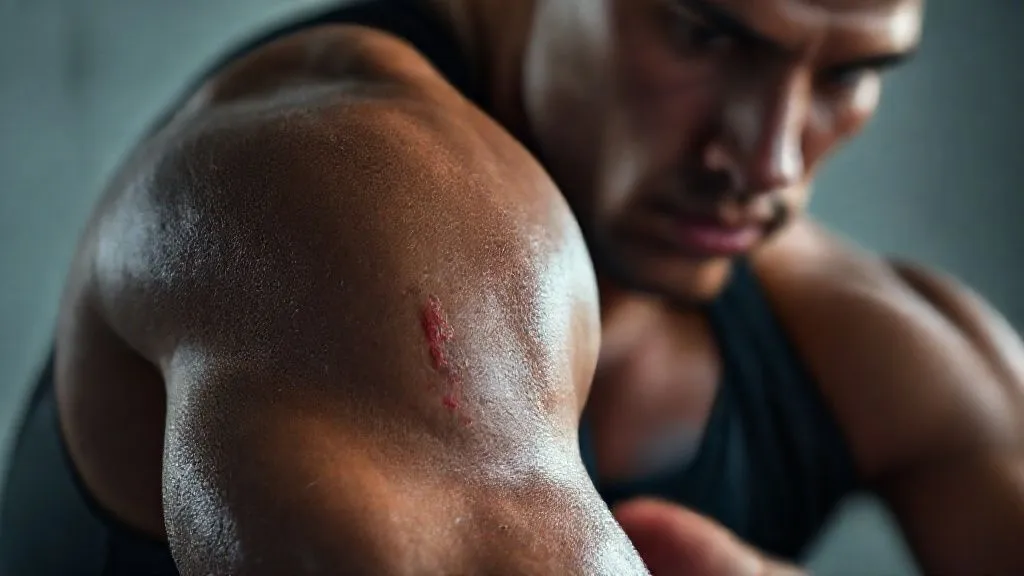
The unique combination of sustained friction, sweat, grit, and repetitive motion over multiple days in rugged mountain environments creates a perfect storm for skin irritation, raw patches, and even open sores. This isn't just discomfort; it can lead to infections, alter your gait, and ultimately force you to abandon a hard-earned adventure. Many runners overlook this until it's too late, relying on quick fixes rather than proactive prevention.
In this definitive guide, I'll share my hard-won insights and expert strategies, revealing the specific running gear choices that will shield you from severe chafing. We'll dive into actionable frameworks for selecting apparel, essential accessories, and crucial preparation techniques, ensuring your multi-day mountain runs are defined by exhilaration, not irritation.
Understanding the Chafing Conundrum on Long Mountain Runs
Chafing on a short run is annoying; chafing on a multi-day mountain run is a potential trip-ender. The stakes are significantly higher. When you're out for hours, often days, the cumulative effect of friction, moisture, and environmental factors amplifies the problem exponentially.
The Triple Threat: Sweat, Friction, and Grit
The primary culprits are always the same, but their intensity increases dramatically in the mountains. Sweat, while essential for cooling, saturates fabrics and softens skin, making it more susceptible to damage. Friction, from repetitive movement against skin or fabric, is the direct cause of irritation. And then there's the unique mountain element: grit and fine dust, which act like sandpaper between your skin and clothing, exacerbating the problem.
I've personally witnessed runners develop severe rashes in areas they never thought of – armpits, under hydration vests, between toes, and of course, the ever-vulnerable inner thighs. The solution isn't just one item; it's a holistic approach to your entire gear system, meticulously chosen to prevent severe chafing on multi-day mountain runs.
The Foundation: Next-to-Skin Layers That Fight Back
Your base layers are your first line of defense. Investing in high-quality, purpose-built apparel here is non-negotiable. This is where most chafing begins or is prevented.
Choosing the Right Fabric: Beyond 'Moisture-Wicking'
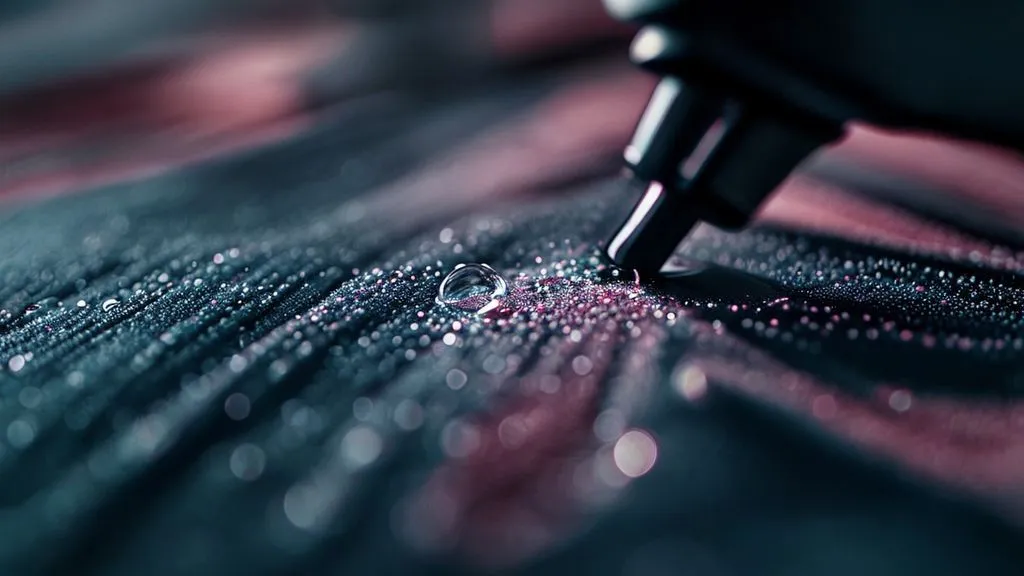
While "moisture-wicking" is a buzzword, not all wicking fabrics are created equal. For multi-day mountain runs, you need materials that excel at rapid moisture transfer and quick drying, even when saturated. Synthetics like polyester, nylon, and polypropylene are generally superior to cotton, which absorbs sweat and stays wet, turning into a chafing nightmare.
- Polyester blends: Often provide a good balance of durability, wicking, and comfort. Look for treated versions that resist odor.
- Nylon: Known for its strength and smooth, low-friction surface, making it excellent for high-wear areas.
- Merino Wool blends: While not as fast-drying as pure synthetics, modern merino blends offer exceptional temperature regulation, natural odor resistance, and can feel soft even when damp. Some runners swear by it for its comfort over long durations.
According to textile science, the structure of the fabric, not just the fiber type, plays a crucial role in preventing skin abrasion. Tightly woven, smooth fabrics reduce microscopic snags and friction points. For deeper insights into fabric technology, you might explore resources from industry leaders like Gore-Tex's fabric science, which explains how various materials are engineered for performance.
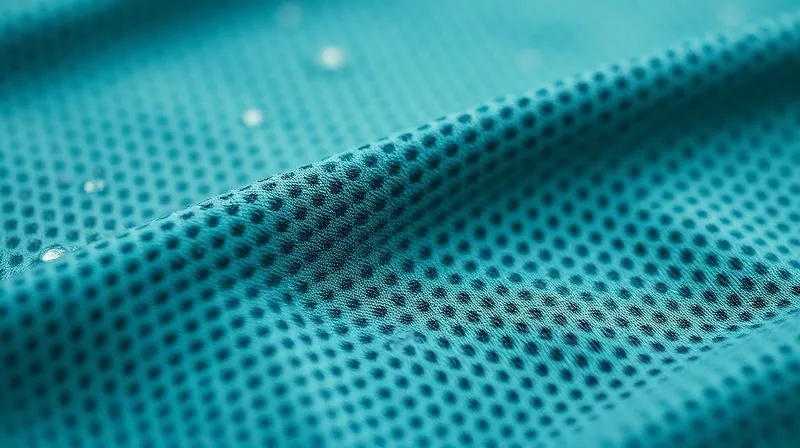
Seamless Construction: Your Skin's Best Friend
Seams are notorious friction points. On multi-day runs, even a small, flat seam can become a painful ridge. Look for garments with minimal seams, or ideally, seamless construction. Flatlock seams are a significant improvement over traditional seams, but truly seamless designs, especially in critical areas like the inner thighs of shorts or underarm areas of shirts, are the gold standard for preventing chafing.
"In my experience, a single poorly placed seam can ruin an otherwise perfect piece of gear. When you're running for 10+ hours a day, every millimeter matters."
Compression vs. Loose Fit: A Strategic Choice
This is a debate I've heard countless times on the trails.
- Compression: Often excellent for preventing chafing because it holds fabric firmly against the skin, reducing movement and rubbing. Compression shorts, in particular, are highly effective for inner thigh chafing. The key is ensuring they are the correct size – too tight can restrict movement, too loose can still rub.
- Loose Fit: Can work well for upper body if the fabric is very light and airy, allowing maximum ventilation. However, if the fabric bunches or rubs against a pack, it can create new chafing points. For the lower body, loose-fitting shorts over compression briefs are a popular and effective combination.
My recommendation for preventing severe chafing on multi-day mountain runs is often a blend: a snug, seamless compression base layer for the lower body, possibly with loose shorts over it, and a well-fitting, but not overly tight, technical shirt for the upper body.
Upper Body Armor: Protecting Shoulders, Chest, and Underarms
While inner thigh chafing gets most of the attention, the upper body is equally vulnerable, especially when carrying a hydration vest or pack for days.
The Right Running Shirt for Multi-Day Adventures
Your shirt needs to be more than just moisture-wicking. It must have a smooth, almost silky feel to minimize friction against both your skin and your pack straps. Avoid shirts with prominent seams on the shoulders or underarms. Look for specific features:
- Raglan sleeves: These eliminate the shoulder seam, which is a common chafing point under pack straps.
- Laser-cut or bonded seams: These are flat and virtually undetectable against the skin.
- Extended length: Prevents the shirt from riding up and exposing skin to pack waist belts.
- Odor control: Essential for multi-day use without washing. Many synthetics now come with anti-microbial treatments.
I always opt for a shirt that feels like a second skin, one I barely notice when worn with a pack. Brands specializing in ultra-running gear often excel in these designs.
Hydration Vest & Backpack Integration: A Critical Interface
This is a major source of upper body chafing. The vest itself, its straps, and how it moves against your body are critical. To prevent severe chafing on multi-day mountain runs, consider these points:
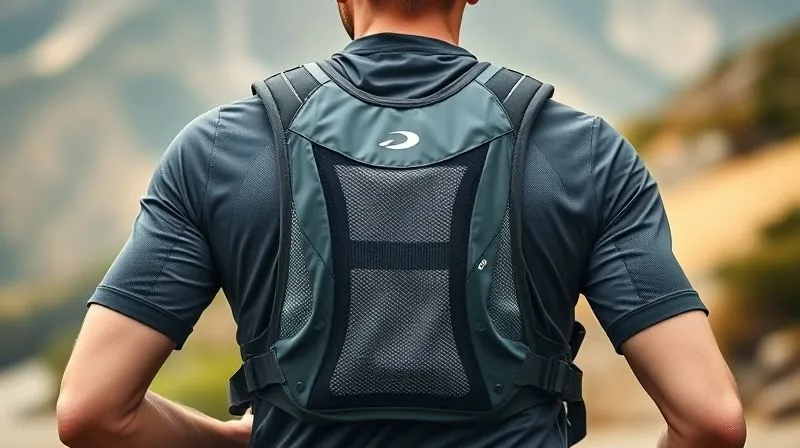
- Fit: Your vest must fit snugly but not restrictively. It should move with your body, not bounce independently. Spend time adjusting all straps – chest, side, and shoulder – to find the sweet spot.
- Material: Look for vests with soft, breathable mesh fabrics on areas that contact your skin. Avoid rough edges or stiff materials.
- Load Distribution: Pack your vest carefully. Heavy items should be close to your back and centered. Uneven loads can cause hot spots and excessive rubbing.
- Soft Flask Placement: If using soft flasks in front pockets, ensure they don't rub against your chest or ribs as they empty and change shape.
I often recommend wearing a slightly looser, longer-sleeved base layer under the vest if you anticipate significant rubbing or very harsh conditions. This adds a layer of protection. For more expert advice on pack fitting, resources like REI's guide to backpack fitting offer valuable insights that translate well to hydration vests.
Lower Body Defense: Shorts, Tights, and Socks
This is arguably the most critical area for preventing severe chafing on multi-day mountain runs. The repetitive motion of the legs makes it highly susceptible.
The Unsung Hero: Anti-Chafe Running Shorts & Briefs
This is where I emphasize the importance of dedicated anti-chafe lower body gear. For multi-day efforts, I almost exclusively recommend a form of compression short or brief as your primary next-to-skin layer for the inner thighs and groin.
- Longer Inseam: Crucial. A 6-inch or 8-inch inseam on compression shorts provides more coverage and reduces the chance of riding up, which is where chafing begins.
- Seamless Inner Thigh: Absolutely essential. Many brands now offer shorts with no seam running down the inner thigh, or with a very flat, bonded seam.
- Smooth Fabric: As discussed, nylon-dominant blends with a smooth, almost slippery feel are ideal for minimizing friction.
- Integrated Briefs: Some running shorts come with integrated briefs. Ensure these are snug, seamless, and made from the right material. Often, a separate compression brief under a looser short is more effective.
I've seen runners try to save money here and regret it deeply. This is not the place to compromise. Invest in multiple pairs of high-quality anti-chafe shorts or briefs.

Socks: Preventing Foot Blisters and Toe Rub
While not strictly "chafing" in the traditional sense, blisters are friction-related injuries that can be just as debilitating. Feet swell on long runs, and moisture is constant.
- Double-Layer Socks: Some brands offer socks with two layers that move independently, absorbing friction between the layers rather than against your skin.
- Toe Socks: These are a game-changer for preventing toe-on-toe rubbing, especially when feet swell.
- Synthetic or Merino Blends: Again, avoid cotton. Look for specific moisture-wicking and quick-drying properties.
- Proper Fit: Socks should be snug, with no bunching or excess material. Too tight, and they can restrict circulation; too loose, and they will wrinkle and rub.
Always carry extra pairs on multi-day runs. Changing into dry socks can feel like a miracle and significantly reduces the risk of blisters. A study published in the Journal of Strength and Conditioning Research, while focusing on shoes, often highlights how proper foot-gear interaction is crucial for preventing friction injuries.
Strategic Application: Anti-Chafe Balms, Creams, and Tapes
Even with the best gear, a multi-day mountain run often warrants an extra layer of protection. These products create a friction barrier on your skin.
Selecting Your Anti-Friction Arsenal
There's a vast array of products, each with slightly different properties. I've tried most of them, and here's what I've learned:
- Balms (e.g., Body Glide, Squirrel's Nut Butter): These are wax-based and create a slick, durable barrier. They are excellent for larger areas like inner thighs, underarms, and neck. They tend to be long-lasting and resistant to sweat.
- Creams (e.g., Vaseline, specific anti-chafe creams): Often petroleum or silicone-based. Provide good lubrication but may need reapplication more frequently than balms, especially in very sweaty conditions. Some runners find them messier.
- Tapes (e.g., Kinesiology tape, specific blister tapes): For specific hot spots or pre-existing sensitive areas. Apply smoothly to clean, dry skin before the run. Good for protecting nipples, heels, or small areas prone to rubbing.
My go-to strategy is usually a combination: balm for large areas, and tape for specific, known trouble spots. Always test new products on training runs, not on race day.
- Clean and Dry Skin: Always apply to clean, thoroughly dry skin before dressing. Moisture beneath the barrier can trap sweat and worsen the problem.
- Generous Application: Don't skimp. Apply a thick, even layer to all areas prone to chafing: inner thighs, groin, underarms, nipples (for men), bra lines (for women), neck (if your pack rubs), and even feet if prone to blisters.
- Reapplication Strategy: For multi-day runs, plan to reapply at aid stations or during longer breaks. Carry a travel-sized stick with you. The effectiveness of the barrier diminishes over time and with heavy sweating.
- Layering: If using tape, apply it first, then apply balm over the exposed skin around the tape for comprehensive protection.
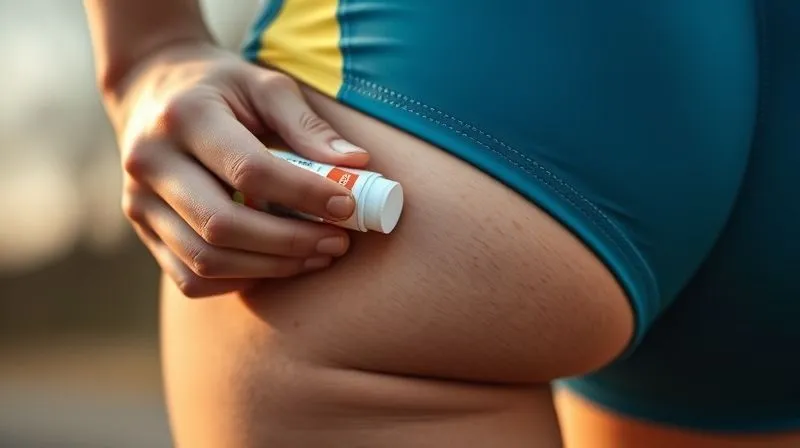
"Never underestimate the power of a well-applied anti-chafe balm. It's often the unsung hero that allows you to finish strong when everything else is screaming."
Beyond Apparel: Essential Accessories and Pre-Run Prep
Chafing isn't just about what you wear; it's about how you manage your body and your environment.
Hydration and Electrolytes: An Indirect Chafing Ally
This might seem counter-intuitive, but proper hydration is crucial. Dehydration can lead to salt crystals forming on your skin from evaporated sweat, which acts as an abrasive. Maintaining proper electrolyte balance also helps regulate sweat composition. Drink consistently and use electrolyte mixes appropriate for your effort level and conditions. Proper hydration helps your skin maintain its integrity.
The Art of Layering: Adapting to Mountain Conditions
Mountain weather is notoriously fickle. You might start in cool conditions, climb into freezing winds, and descend into warm, humid valleys, all in one day. Your layering strategy directly impacts chafing:
- Ventilation: Use zippers and vents to regulate temperature. Overheating leads to excessive sweating, which increases chafing risk.
- Shedding Layers: Don't hesitate to remove layers when you're warm. Carry them in your pack efficiently.
- Choosing Outer Layers: Your waterproof/windproof shell should also have a smooth inner lining and be breathable. A crinkly, stiff shell can rub significantly against your base layers.
Planning your layers carefully for anticipated conditions, and having the flexibility to adjust, is key to managing moisture and friction. Here's a quick comparison of popular anti-chafe solutions:
| Product Type | Key Benefit | Best Use | Reapplication Frequency |
|---|---|---|---|
| Balm Stick | Long-lasting, non-greasy barrier | Large areas (thighs, underarms), pre-run | Low to Medium |
| Cream/Gel | Lubrication, soothing properties | Sensitive areas, reapplication on trail | Medium to High |
| Anti-Chafe Powder | Moisture absorption, reduces stickiness | Groin, feet, high-humidity | High |
| Blister/Chafe Tape | Physical barrier, stays put | Specific hot spots, pre-existing irritation | Low (can last days) |
Case Study: Sarah's Trans-Alpine Triumph
Case Study: How Sarah Conquered the Alps Chafing-Free
Sarah, an experienced ultra-runner, was planning her first multi-day stage race across the Alps. Her biggest fear wasn't the altitude or the climbs, but the debilitating chafing that had plagued her on previous long runs. She approached me for gear advice. We meticulously planned her kit, focusing on a seamless, 8-inch inseam compression short as her base layer, a raglan-sleeved technical shirt, and a well-fitted hydration vest with soft mesh panels. Crucially, she incorporated a high-performance anti-chafe balm, applied generously each morning and at lunch stops. She also packed multiple pairs of merino toe socks.
The result? Sarah completed the 5-day, 200km race with only minor, manageable hot spots – a stark contrast to her previous experiences. Her feedback was that the combination of the right base layers and consistent balm application made all the difference. She reported feeling comfortable and focused, allowing her to fully enjoy the stunning mountain scenery, rather than constantly thinking about pain. This demonstrates the power of a proactive, systematic approach to preventing severe chafing on multi-day mountain runs.
Post-Run Care: Preventing Lingering Issues
Your efforts shouldn't stop when you cross the finish line or pitch your tent. Proper post-run care is vital for skin recovery and preventing minor irritations from escalating.
Immediate Relief and Long-Term Skin Health
After a long day on the trails, the first thing I do is shower or at least clean affected areas thoroughly with gentle soap and water. Then, I apply a soothing balm or cream. Products containing lanolin, aloe vera, or calendula can aid in skin recovery. Allow your skin to air out as much as possible, and wear loose, breathable clothing around camp. Don't pick at scabs or blisters. If you notice any signs of infection (redness, pus, increased pain), seek medical attention promptly. Consistent care ensures your skin is ready for the next day's challenge.
Frequently Asked Questions (FAQ)
Q: Can I just use Vaseline instead of specialized anti-chafe products? A: While Vaseline can provide a barrier, specialized anti-chafe balms are often formulated to be more sweat-resistant, longer-lasting, and less greasy. They typically contain ingredients designed to stand up better to the extreme conditions of multi-day mountain runs. I recommend investing in purpose-built products for optimal performance.
Q: How often should I reapply anti-chafe balm on a multi-day run? A: This depends on conditions and individual sweating rates. As a general rule, I recommend applying generously at the start of each day and then reapplying at major aid stations or during extended breaks (e.g., lunch, water refills). If you feel any hint of irritation, reapply immediately. It's better to over-apply than to wait until it's too late.
Q: Are men's and women's anti-chafe gear needs different? A: Fundamentally, the principles are the same: minimize friction, manage moisture. However, anatomical differences mean specific areas are more prone to chafing. Women often need to pay particular attention to bra lines and underarms, while men frequently focus on the inner thighs and nipples. Many brands offer gender-specific designs that cater to these differences, especially in base layers and shorts.
Q: What if I already have chafing? Can gear help heal it? A: Once chafing has occurred, gear can only help prevent it from worsening. The focus shifts to protecting the irritated area. This might mean applying medical tape or hydrocolloid patches over the raw skin, then still using anti-chafe balm around it. In severe cases, you might need to wear looser clothing over the area to allow it to breathe and heal. Gear prevents, it doesn't cure.
Q: Should I shave or trim body hair to prevent chafing? A: This is a personal preference. Some runners find that body hair can trap moisture and increase friction. Others find that freshly shaved skin is more sensitive and prone to irritation from regrowth. If you do shave, do it well in advance of your run to allow any irritation to subside. Trimming can be a good compromise, reducing bulk without causing razor burn.
Key Takeaways and Final Thoughts
Preventing severe chafing on multi-day mountain runs is an art and a science, honed through experience and meticulous preparation. It's not about one magic bullet, but a symphony of carefully chosen gear and diligent self-care. Here are the critical points to remember:
- Prioritize Seamless, Technical Base Layers: Invest in high-quality compression shorts (with longer inseam) and smooth, raglan-sleeved shirts made from advanced wicking fabrics.
- Optimize Your Pack Interface: Ensure your hydration vest fits perfectly, with soft materials and balanced load distribution.
- Utilize Anti-Chafe Products Strategically: Apply balms generously to all friction points, and consider tape for specific hot spots. Reapply often.
- Manage Moisture Holistically: From fabric choice to hydration and layering, keep your skin and gear as dry as possible.
- Test Everything in Training: Never try new gear or products for the first time on a multi-day mountain run.
Remember, the mountains demand respect and readiness. By meticulously planning your anti-chafing strategy, you're not just preventing pain; you're safeguarding your experience, your performance, and your ability to truly connect with the wild beauty around you. Go forth, prepared and unburdened by friction, and conquer those trails!
Recommended Reading
- 7 Essential Strategies: How to Preserve Vanishing Haute Couture Skills?
- 7 Reasons Comfort Shoe Designs Fail User Acceptance Tests (And How to Fix Them)
- 7 Engineering Flaws: Why High-Impact Sports Bras Fail Your Workouts
- Boost Your Tee Drops: 7 Proven Ways to Ignite Streetwear Hype Now
- 5 Strategic Pillars: What to do when luxury handbag fakes erode brand exclusivity?



Your email address will not be published. Required fields are marked *