

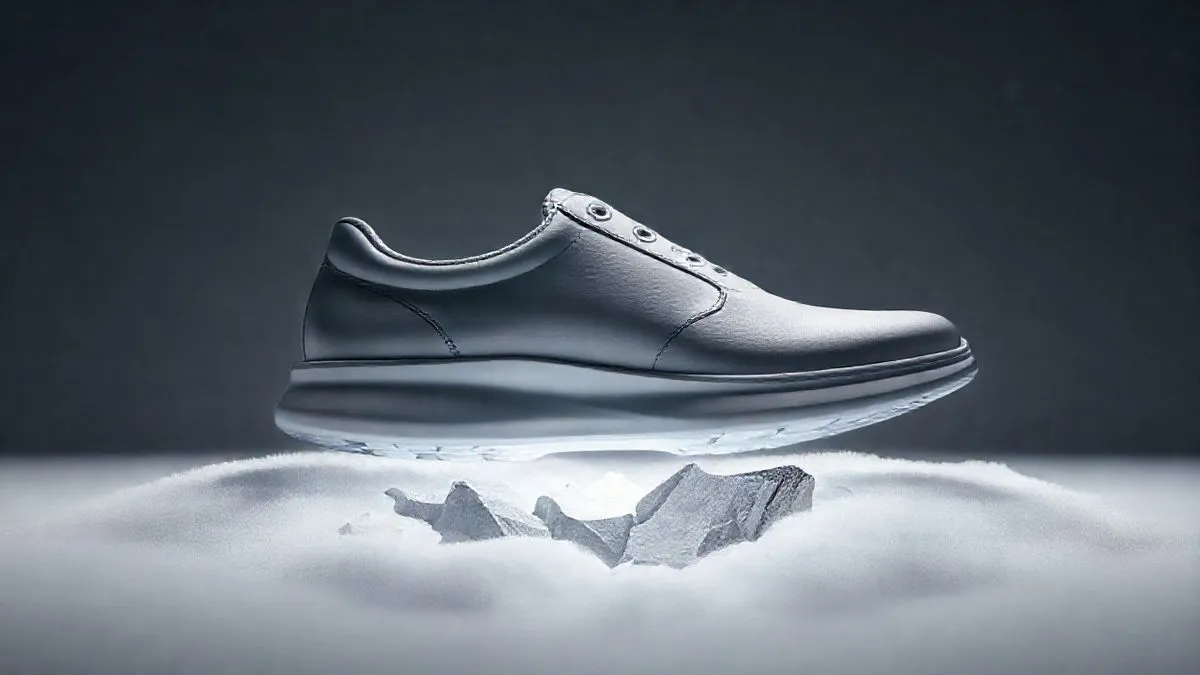
Understanding the Root of the Problem: Why Do Comfort Shoe Designs Fail User Acceptance?
In my fifteen years navigating the intricate world of footwear design and development, a recurring challenge has been the elusive nature of 'comfort' itself. Many brands, despite their best intentions and significant investments, consistently misstep when bringing comfort-focused designs to market, leading to frustrating user acceptance failures. The root of these problems often lies deeper than a simple material choice or structural flaw. A common mistake I see is the industry's often narrow definition of comfort, reducing it to mere cushioning. True comfort is a far more complex and **holistic user experience**, encompassing a multitude of interacting factors that contribute to overall foot well-being and satisfaction throughout the day. It's not just about the initial soft feel, but a symphony of elements working in harmony:- Fit and Support: Ensuring the shoe cradles the foot correctly, offering stability without constriction.
- Flexibility and Gait Cycle: Allowing natural foot movement through the walking or running cycle, adapting to the user's biomechanics.
- Breathability and Thermoregulation: Managing moisture and temperature to prevent discomfort, blisters, and odor.
- Weight and Durability: A lightweight feel that doesn't compromise on the shoe's structural integrity or its ability to perform over time.
- Pressure Distribution: Evenly spreading pressure across the foot to eliminate hot spots and fatigue.
"The graveyard of well-intentioned comfort shoes is littered with prototypes that nailed the feel but missed the aesthetic mark entirely, or vice-versa, failing to grasp that modern users demand both."Furthermore, inadequate **user-centric design** processes are a critical failure point. Brands frequently rely on internal assumptions, limited focus groups, or biomechanical data without truly immersing themselves in the lived experiences of their target users. This disconnect leads to products that are technically sound but practically irrelevant. In my experience, common pitfalls in the design and testing phases include:
- Designing for the "Average" Foot: An abstract concept that rarely translates to individual user satisfaction, ignoring the vast spectrum of foot shapes and needs.
- Insufficient Real-World Testing: Products are often tested in controlled lab environments but fail when subjected to the varied, unpredictable demands of daily life, such as prolonged standing or diverse terrains.
- Ignoring Qualitative Feedback: Over-reliance on quantitative data while overlooking the nuanced, subjective comfort perceptions that truly drive user acceptance.
Frequently Asked Questions (FAQ)
In my experience, the single most overlooked factor leading to comfort shoe design failure in User Acceptance Tests is the overemphasis on static comfort at the expense of dynamic comfort.
Many prototypes feel fantastic when a user first tries them on in a showroom or sits down, but this static assessment completely misses the real-world demands placed on a shoe during actual movement. The foot is a complex, dynamic structure that changes shape, volume, and pressure distribution significantly throughout the gait cycle.
“A truly comfortable shoe isn't just a plush landing; it's a supportive partner through every stride, every shift, and every hour of wear.”
A common mistake I see is designers failing to account for factors like foot swelling over prolonged periods, the shearing forces generated during walking or running, or the subtle changes in arch support required as the foot pronates or supinates. This oversight often results in hotspots, fatigue, or instability complaints during extended wear trials.
To fix this, comprehensive wear testing must be implemented early and often, focusing on:
- Varied Activities: Not just walking, but also standing, climbing stairs, and specific activities relevant to the shoe's intended use.
- Extended Durations: Testing over a full day, or even several days, to observe the effects of prolonged wear and foot changes.
- Diverse User Groups: Including individuals with different foot types, gait patterns, and body weights to capture a broader range of biomechanical responses.
- Objective Data Collection: Utilizing tools like in-shoe pressure mapping or motion capture to quantify forces and movements, complementing subjective feedback.
This approach shifts the focus from an initial "feel-good" impression to sustained, functional comfort, which is the true measure of user acceptance.
Balancing aesthetic appeal with genuine comfort features is a perennial challenge, yet in my 15+ years, I've learned it's not about compromise, but about integrated design. Comfort should never be an afterthought, tucked away or hidden; it needs to be fundamental to the initial concept.
The solution lies in a design-led approach where comfort isn't just a technical specification, but an aesthetic language itself. Think about how Apple integrates ergonomics into its product lines – the comfort is inherent in the sleek, minimalist form. In footwear, this means considering how materials, construction methods, and biomechanical principles can *simultaneously* enhance both the look and feel.
For instance, advances in knitting technology allow for incredibly flexible, breathable, and supportive uppers that conform to the foot's natural shape, eliminating bulky seams while offering a sleek profile. Similarly, lightweight, responsive cushioning materials can be sculpted into elegant midsole geometries that provide both visual appeal and superior energy return.
My advice is to foster a collaborative environment where designers, material scientists, and biomechanists work hand-in-hand from day one. This allows for:
- Material Storytelling: Selecting materials that are inherently comfortable (e.g., soft leathers, technical knits) and visually appealing, then showcasing their properties.
- Form Follows Function (Beautifully): Designing structural elements like arch supports or heel counters in a way that is ergonomically sound *and* visually harmonious, rather than an add-on.
- "Invisible Comfort" Integration: Embedding comfort technologies so seamlessly they don't detract from the shoe's aesthetic. This requires clever engineering and a deep understanding of human anatomy.
It’s about making comfort a visible, desirable attribute, not a hidden sacrifice. When done right, comfort enhances aesthetics by providing a sense of thoughtful design and quality.
For smaller brands, navigating User Acceptance Tests without a massive R&D budget can seem daunting, but it's absolutely achievable with strategic, targeted approaches. In my career, I've seen nimble startups outmaneuver larger corporations by focusing on quality over quantity in their testing.
The key is to leverage your community and be incredibly precise with your feedback collection. Forget broad, unfocused surveys; instead, cultivate a small, dedicated group of wear testers who represent your core demographic and are genuinely invested in providing detailed, constructive criticism.
Here are some practical, low-cost methods I recommend:
- The "Friends & Family Plus" Program: Start with trusted individuals (friends, family, early customers) who fit your target user profile. Crucially, don't just give them shoes; provide them with a structured feedback form. Ask open-ended questions about specific comfort zones (e.g., "Describe how the arch feels after 4 hours of standing," "Are there any pressure points around the ankle during a brisk walk?").
- Local Community Partnerships: Approach local running clubs, walking groups, or even specific workplaces (e.g., nurses, teachers) whose members would benefit from your comfort focus. Offer them early access or discounts in exchange for detailed, long-term wear testing. This provides real-world usage data in relevant environments.
- Digital Diary & Video Logs: Equip testers with simple templates for daily comfort diaries. Encourage them to take photos or short video clips of their feet in the shoes, highlighting any areas of concern or praise. This visual and qualitative data is incredibly rich and often catches nuances that written feedback alone misses.
- Iterative, A/B Testing with Small Batches: Instead of producing hundreds of prototypes, create small batches (e.g., 10-20 pairs) with minor variations. Distribute these to your trusted testers and compare feedback directly. This rapid iteration allows you to refine designs quickly without significant investment.
Remember, the goal isn't just to collect data, but to create a robust feedback loop that directly informs your design modifications. A dedicated, engaged group of 20 testers providing deep insights is far more valuable than 200 casual reviewers.
What are the most common reasons for comfort shoe rejection?
In my experience, the journey from a well-intentioned comfort shoe design to widespread user acceptance is fraught with challenges. Many brands invest heavily in ergonomic research and cushioning technologies, only to see their products rejected for reasons that often seem counterintuitive to the core goal of comfort.The most pervasive issue I've observed is the **aesthetic penalty**. For decades, "comfort shoe" became synonymous with "unfashionable" or "clunky." Users, especially younger demographics, are simply unwilling to compromise their personal style, even for superior foot health.
"If a shoe feels like a cloud but looks like a brick, it will gather dust in the closet. Style and substance are no longer mutually exclusive; they are expected partners in the modern footwear landscape."
This rejection often stems from designers prioritizing functional requirements without sufficiently integrating contemporary fashion trends. Think about the classic wide, rounded toe box or the overly thick, unarticulated sole unit that, while providing stability, visually overwhelms the foot.
Another significant hurdle is the **misconception of true comfort**. Many users equate initial plushness or "squish" with genuine comfort. While a soft immediate step-in feel is appealing, it often doesn't translate to sustained support and biomechanical alignment over an entire day.
- Initial Delight vs. Long-Term Support: A shoe that feels incredibly soft for five minutes might cause fatigue or instability after five hours. My analogy here is often a cheap, overly soft mattress versus an ergonomically designed one; one feels good instantly, the other provides restorative sleep.
- Lack of Articulation: True comfort requires the shoe to work with the foot's natural movement, not against it. Designs that are too rigid or too flexible in the wrong places can hinder the foot's natural gait cycle, leading to discomfort despite ample cushioning.
Beyond aesthetics and the definition of comfort, **inadequate or generic fit** consistently leads to rejection. Every foot is unique, and while comfort shoes often aim for a broader appeal, a one-size-fits-all approach to fit is a death knell.
A common mistake I see is focusing solely on length and width, neglecting crucial aspects of foot morphology that impact long-term wearability:
- Instep Volume: A shoe might be the correct length and width, but if the instep is too tight or too loose, it creates pressure points or instability.
- Heel Lock: Poor heel lockdown can lead to slippage, blisters, and an unstable feeling, negating any cushioning benefits.
- Arch Support Placement: Generic arch support might not align with an individual's specific arch type (high, medium, low), causing more discomfort than relief.
Finally, the **material science mismatch** can severely impact user acceptance. While materials are chosen for their comfort properties, their performance in real-world scenarios – particularly concerning breathability and durability – is often overlooked.
For example, a super-plush, closed-cell foam might feel amazing initially, but if it traps heat and moisture, the foot's micro-environment quickly becomes uncomfortable, leading to sweating, odor, and even skin irritation. Likewise, cushioning components that degrade rapidly undermine the shoe's comfort promise over time, leading to early rejection by the user.
How can early user feedback improve comfort shoe design?
In my experience, one of the most critical yet often undervalued components of successful comfort shoe design is the strategic integration of **early user feedback**. Waiting until late-stage prototypes or, worse, production samples, to gather user insights is a recipe for costly redesigns and, ultimately, market failure. The true power of early feedback lies in its ability to course-correct foundational design elements before they become entrenched. This isn't merely about aesthetics; it's about validating the very biomechanical principles and fit strategies that underpin a shoe's comfort claim. A common mistake I see is equating "early feedback" solely with a few internal wear tests. While valuable, these are often biased. To truly improve design, we need structured, diverse, and objective input from the earliest possible stages. Consider the **last development phase**, for instance. This is arguably the most crucial stage for comfort. Instead of just relying on anthropometric data, we should be creating early last prototypes, perhaps even 3D-printed, and fitting them to a diverse panel of users.- Initial Last Fit Assessments: Users can provide feedback on volume, arch support placement, and toe box shape even before a single upper is stitched. Are there immediate pressure points? Does the arch feel supported or intrusive? Is there enough room for toe splay?
- Virtual Prototyping Feedback: Utilizing 3D CAD models, designers can create virtual prototypes. While not tactile, these can be presented to users for initial reactions to perceived volume, styling, and even material textures.
- Soft Mock-ups and Material Swatches: Before investing in complex tooling, simple fabric or foam mock-ups can test upper flexibility, collar padding, and tongue comfort. Paired with material swatches, users can gauge perceived softness, breathability, and durability.
"Early user feedback isn't just a quality check; it's a design compass that guides the evolution of comfort from concept to reality, preventing costly detours."When we move to early functional prototypes, the feedback loop intensifies and becomes more granular. This is where we blend **subjective user experience** with **objective biomechanical data**. Here's how to make it actionable:
- Controlled Lab Testing:
- Pressure Mapping: Using in-shoe pressure sensors, we can identify exact hot spots and areas of excessive pressure during various activities (walking, standing, running). This objective data often corroborates subjective "rubbing" or "soreness" complaints.
- Gait Analysis: High-speed cameras and force plates can reveal how the shoe impacts natural gait mechanics, stability, and energy return. Is the shoe promoting a healthy foot strike? Is it causing pronation or supination issues?
- Comfort Scales: Implement standardized comfort scales (e.g., a 1-10 rating for overall comfort, specific areas, and activities) to quantify subjective feelings. Track these scores across design iterations.
- Real-World Wear Testing Panels:
- Diverse User Groups: Recruit participants representing a wide range of foot types (e.g., high arch, flat foot, wide, narrow), body weights, activity levels, and ages within your target demographic. This diversity is paramount.
- Structured Diaries/Surveys: Provide clear guidelines for feedback. Ask about specific activities, duration of wear, and areas of discomfort, pain, or exceptional comfort. Open-ended questions are crucial for qualitative insights.
- Regular Check-ins: Conduct weekly or bi-weekly interviews or focus groups with wear testers. This allows for deeper probing into initial reactions and evolving perceptions over time.
What role do materials play in comfort shoe user acceptance?
In my fifteen years navigating the intricate world of footwear design and development, it's become unequivocally clear that materials are not merely components; they are the very foundation upon which user acceptance of a comfort shoe rests. They dictate the immediate sensory experience, influencing everything from the initial touch to long-term wearability. A common misconception I encounter is viewing materials solely through a lens of durability or cost. While these are vital, the true genius lies in understanding their nuanced impact on the foot's physiological and psychological comfort."Materials are the silent language of comfort. They speak to the foot through breathability, flexibility, and cushioning, determining whether a shoe becomes a trusted companion or a forgotten regret."Consider the upper. Its role is paramount in thermal regulation and haptic feedback. A shoe with a beautiful aesthetic but a stiff, non-breathable synthetic upper will quickly fail user acceptance, especially in warmer climates, regardless of its cushioning. The foot feels trapped, overheated, and prone to sweat. Conversely, premium full-grain leathers, engineered meshes, or advanced knit fabrics, when chosen correctly, offer critical advantages.
- Breathability: Allows air circulation, preventing moisture build-up and reducing the risk of blisters and odor.
- Flexibility: Conforms to the foot's natural movement, minimizing pressure points and rubbing.
- Softness & Hand-Feel: Provides a luxurious, non-abrasive sensation against the skin, crucial for perceived quality and initial comfort.
- Weight: Lighter upper materials reduce overall shoe mass, lessening fatigue over extended wear.
- EVA (Ethylene-vinyl acetate): Lightweight and offers good initial cushioning, but can suffer from compression set over time, losing its bounce.
- PU (Polyurethane): Denser and more durable than EVA, providing lasting support and cushioning, though typically heavier.
- Proprietary Foams: Many brands invest heavily in unique foam compounds that aim to combine the best of both worlds: light weight, high energy return, and impressive durability.
Reading Recommendations:
- Unlock Summer Style: How to Choose Breathable Streetwear for Ultimate Comfort
- Unlock Your Sparkle: How to Choose Jewelry Trends for Your Personal Style
- Mastering Remote Haute Couture: 7 Steps for Perfect Client Fit & Satisfaction
- Authenticate Vintage Eyewear: 5 Steps to Profitable Online Resale
- Unveiling the Secrets: How Unique Haute Couture Silhouettes Are Constructed
Key Points and Final Thoughts
The journey to truly comfortable footwear is fraught with challenges, often stemming from a fundamental misunderstanding of what 'comfort' truly entails. In my fifteen years in this industry, I've observed that failures in User Acceptance Tests (UATs) are rarely isolated incidents; they are symptoms of a deeper, systemic disconnect between design intent and actual user experience. A common mistake I see is the tendency to prioritize superficial cushioning or aesthetic trends over the intricate biomechanical interplay required for sustained comfort and support. This often leads to shoes that feel great for the first five minutes but fail miserably after an hour of real-world use. To overcome these hurdles, designers and manufacturers must adopt a holistic, **user-centric methodology** that goes beyond rudimentary fit checks. It demands a rigorous, iterative process deeply rooted in scientific understanding and empathetic design."True comfort in footwear isn't a feature you add; it's a fundamental design principle you weave into every fiber, every stitch, every curve, from initial concept to final production."In my experience, investing in advanced gait analysis, pressure mapping, and long-duration wear tests with diverse user groups is non-negotiable. Relying solely on subjective feedback from a limited pool, or worse, internal biases, is a surefire path to UAT failure. Here are the critical strategies that consistently lead to success: * **Embrace Biomechanical Engineering:** Integrate podiatric and orthotic expertise from the earliest design stages. Understanding pronation, supination, arch support, and load distribution is paramount. * **Material Science Mastery:** Don't just pick materials for their initial feel. Evaluate their long-term resilience, breathability, moisture-wicking properties, and how they interact with the foot under varying conditions. * **Iterative Prototyping & Feedback Loops:** Develop multiple prototypes based on initial user feedback, then re-test rigorously. This isn't a linear process; it's a continuous loop of design, test, analyze, and refine. * **Beyond the First Impression:** Design for comfort that lasts not just for an hour, but for an entire workday, a long walk, or a specific activity. This means considering fatigue, pressure points, and temperature regulation over time. The most successful comfort footwear brands understand that their product isn't just an item of clothing; it's a critical tool for mobility and well-being. They invest heavily in understanding the human foot in motion, not just at rest. Think of it like designing a high-performance athletic shoe. You wouldn't just add a thick sole and call it comfortable. You'd meticulously engineer every component – from the upper's flexibility to the midsole's energy return – to support specific movements and reduce injury risk. The same rigor applies to everyday comfort footwear, perhaps even more so, given its continuous wear. Ultimately, achieving user acceptance for comfort footwear isn't about avoiding failure; it's about embracing the complexity of human anatomy and behavior. It demands **patience, persistence, and a genuine commitment** to the user's ultimate well-being. By shifting from a reactive problem-solving mindset to a proactive, integrated design philosophy, brands can transform their UATs from hurdles into powerful validation milestones.


Your email address will not be published. Required fields are marked *