

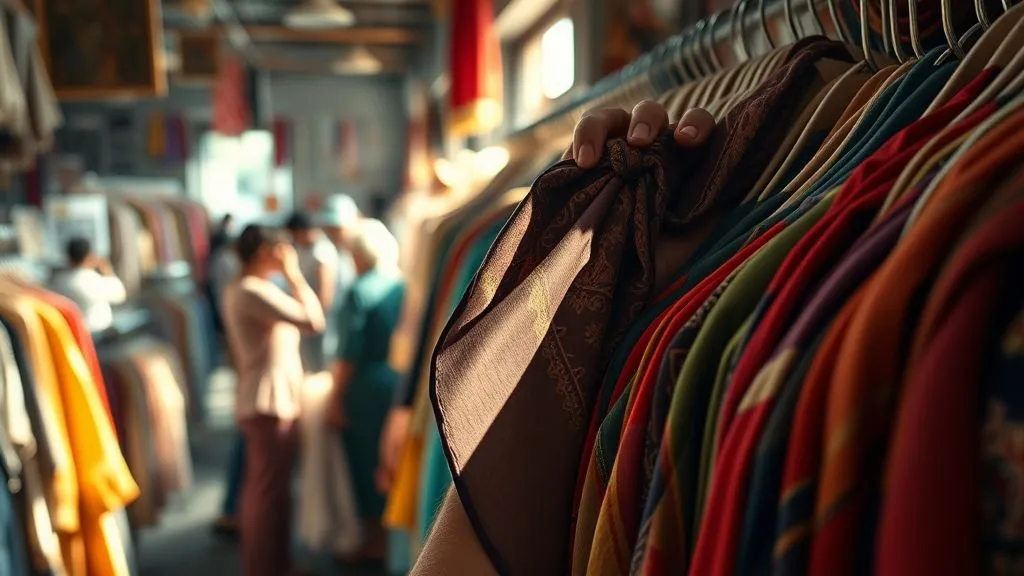
How to Identify High-Profit Vintage Clothing Items at Thrift Stores?
For over 15 years, navigating the chaotic racks and dusty bins of thrift stores has been more than just a hobby for me; it's been a profound education in fashion history, textile science, and market dynamics. I've seen countless incredible pieces—from rare designer gems to impeccably crafted everyday wear—pass through my hands, and I've learned that the line between a ‘good find’ and a ‘high-profit vintage item’ is often subtle but always discernible.
The challenge for many aspiring vintage resellers or enthusiasts is the sheer overwhelm. How do you sift through mountains of fast fashion and mass-produced garments to unearth that one valuable piece? The fear of overlooking a treasure, or worse, investing time and money into something with no resale potential, is a common pain point that can deter even the most eager thrifter.
In this definitive guide, I’m going to share my seasoned framework, refined over years of hands-on experience. You’ll gain not just theoretical knowledge, but actionable strategies, real-world examples, and expert insights that will empower you to confidently identify high-profit vintage clothing items at thrift stores, transforming your thrifting expeditions into genuinely lucrative ventures.
The Vintage Hunter's Mindset: More Than Just a Hobby
Before we dive into the tangible aspects of identification, let's talk about the mental game. Thrifting for profit isn't just about luck; it's about cultivating a specific mindset. I've seen this mistake countless times: people rush in, grab what looks ‘nice,’ and leave disappointed. Success in this niche demands patience, a keen eye, and a relentless curiosity.
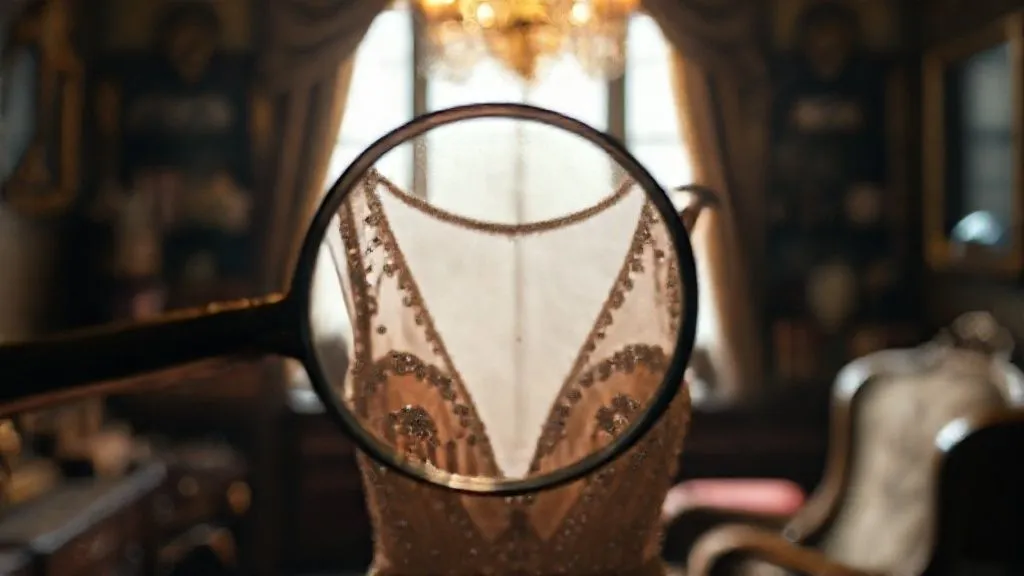
Think of yourself as a detective. Every garment is a clue, every label a piece of evidence. You’re not just shopping; you’re researching, analyzing, and predicting. This means being prepared for long hauls, sometimes leaving empty-handed, and always learning from your experiences.
“The greatest vintage finds are often discovered by those who see beyond the immediate aesthetic and understand the story, quality, and market behind the garment.”
Key mindset traits you need to cultivate:
- Patience: High-profit items are rare. You might visit ten stores before finding one gem.
- Persistence: Don't get discouraged by empty trips. Every visit refines your eye.
- Curiosity: Always ask “why?” Why is this fabric different? Why is this label unusual?
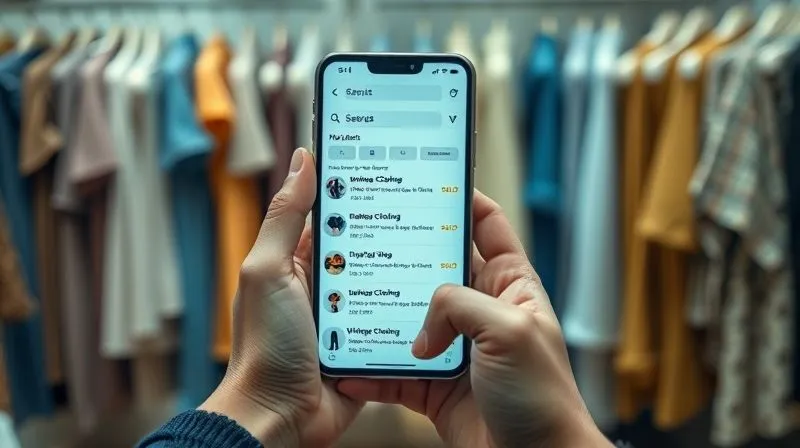
- Research-Oriented: Your smartphone is your best friend for on-the-spot market checks.
- Adaptability: Trends change. Be ready to pivot your focus based on what's currently desirable.
Decoding the Labels: Brands, Eras, and Rarity
The label is often your first, and most crucial, clue. It's a tiny window into a garment's history, origin, and potential value. Learning to read these seemingly innocuous tags is a superpower for identifying high-profit vintage clothing items at thrift stores.
Identifying Key Eras & Styles
Understanding fashion history is paramount. Different decades had distinct silhouettes, fabrics, and construction techniques. For instance, a true 1950s dress will have a different zipper, seam finish, and fabric composition than a 1980s ‘vintage-style’ piece. Look for:
- 1920s-30s: Dropped waists, intricate beading, silk, rayon, bias cuts.
- 1940s: Utility silhouettes, padded shoulders, rayon crepe, wartime austerity.
- 1950s: Full skirts (New Look), nipped waists, novelty prints, sturdy cottons, taffeta.
- 1960s: Mod styles, A-line, bright colors, polyester blends emerging, mini skirts.
- 1970s: Bell bottoms, bohemian vibes, natural fibers (cotton, denim), disco glam, polyester leisure suits.
- 1980s: Power shoulders, bold prints, lamé, sequins, oversized silhouettes.
Decoding Designer & Brand Labels
Many high-value vintage items come from specific, often defunct, brands or early lines of famous designers. Research old logos, tag styles, and specific manufacturing locations. For example, a “Big E” Levi’s tab indicates pre-1971 manufacturing, making it highly collectible. Similarly, early sportswear brands like Champion (especially Reverse Weave), Patagonia, or specific Pendleton woolens can fetch significant prices.
I always advise keeping a running mental (or digital) list of brands that consistently perform well in the vintage market. These aren't always luxury brands; sometimes, it's a specific workwear label or a regional manufacturer known for exceptional quality.
“An obscure, well-made label from a specific bygone era can often be more valuable than a modern-day fast fashion ‘designer’ piece.”
Example high-value brands/labels to look for:
- Vintage Levi's (Big E, Redline, specific cuts)
- Pendleton (especially virgin wool, specific patterns)
- Woolrich (pre-1990s)
- Early Champion (Reverse Weave, specific collegiate graphics)
- LL Bean (vintage duck boots, specific outerwear)
- Specific European workwear (e.g., French chore coats)
- Pre-1990s luxury brands (e.g., specific Hermes scarves, early Chanel, Gucci)
- Unique, handmade artisan pieces without a brand, but with exceptional craftsmanship.
Case Study: Sarah's Vintage Denim Discovery
Sarah, a budding vintage reseller, was meticulously sifting through a crowded denim rack. She remembered my advice about “Big E” Levi's. Most jeans had the small ‘e’ on the red tab, indicating post-1971 production. Then, her fingers brushed against a pair of well-worn 501s. Flipping them over, she saw the iconic red tab with a capital ‘E’ in “LEVI’S”. Further inspection revealed single-stitch construction, hidden rivets, and a care tag that predated modern washing instructions. A quick online search confirmed her suspicion: she had found a pair of highly collectible 1960s Levi's 501XX. Purchased for $12, they later sold for over $400, demonstrating the power of knowing what to look for on a label.
The Fabric of Fortune: Quality and Composition Are King
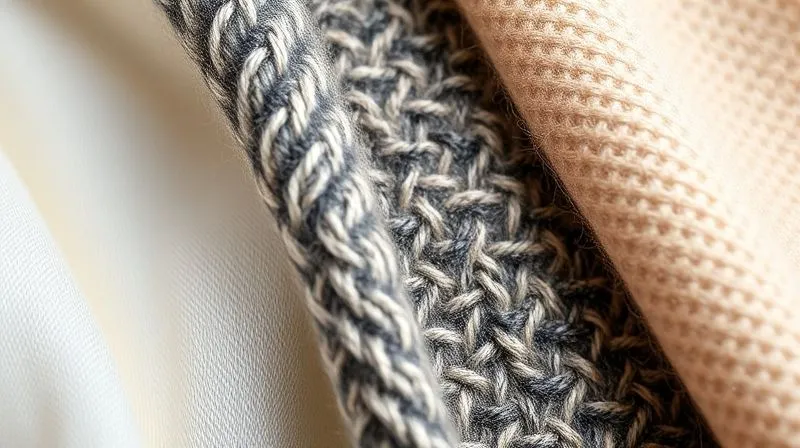
After the label, your next sensory input should be the fabric. The material composition and its quality are enormous indicators of potential value. High-profit vintage items are almost always made from superior materials that drape well, feel luxurious, and stand the test of time.
Natural Fibers vs. Synthetics
Generally, natural fibers command higher prices and are more desirable in vintage clothing. These include:
- Silk: Smooth, lustrous, drapes beautifully, often found in blouses, scarves, and dresses.
- Wool: Warm, durable, comes in various textures (cashmere, merino, angora, lambswool). Look for pure wool or high-blend percentages.
- Linen: Breathable, strong, characteristic slub texture, perfect for warm weather.
- Cotton: Versatile, but look for high-quality weaves like Pima, Egyptian, or heavy-duty denim/canvas.
- Cashmere: Exceptionally soft, lightweight, and warm wool, a definite high-value find.
While some vintage synthetics (like certain forms of rayon or early polyester with unique prints) can be valuable, they are generally less sought after than their natural counterparts. Always check the fabric content label, if present. If not, rely on your touch and visual assessment.
Weave and Hand-Feel
Beyond the fiber type, the way the fabric is constructed matters. High-quality fabrics often have:
- Tight, Even Weave: Indicates durability and a refined finish.
- Excellent Drape: How the fabric hangs and falls. A good drape suggests quality.
- Softness and Substantial Weight: Luxurious fabrics often feel substantial yet soft, not flimsy or scratchy.
- Natural Sheen: Silk has a distinct shimmer, good wool has a subtle luster.
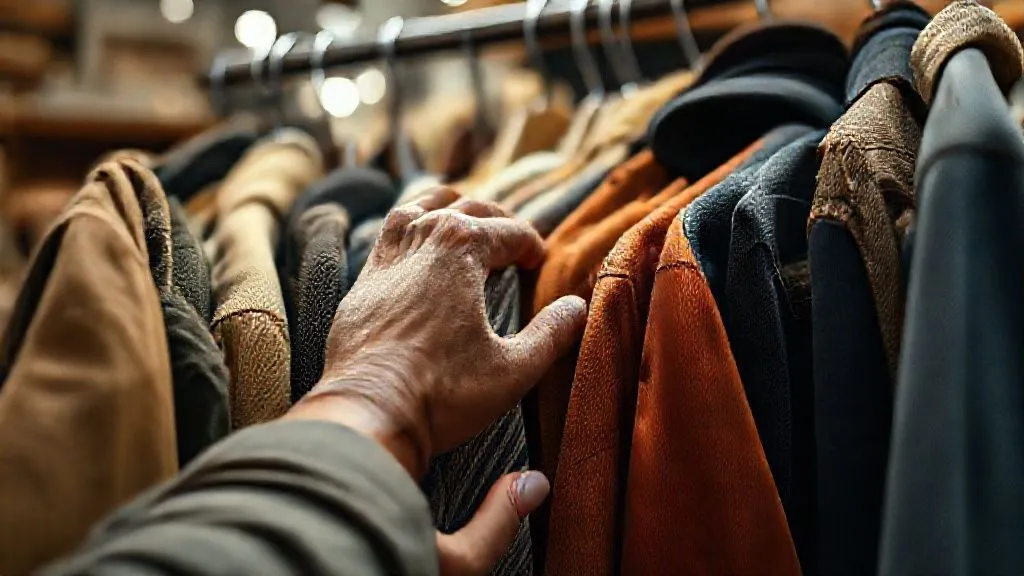
“The ‘touch test’ is invaluable. Close your eyes and feel the garment. Does it feel cheap and synthetic, or rich and natural? Your fingers can tell you a lot.”
Look for fabrics that feel substantial, have a good weight, and a pleasant hand. Avoid anything that feels overly scratchy (unless it's a specific rough-hewn natural fiber like raw linen), thin, or excessively plastic-like. These are often indicators of lower quality, even if the garment appears visually appealing.
Construction and Craftsmanship: Signs of Superiority
The way a garment is put together speaks volumes about its quality and era. Mass-produced modern clothing often prioritizes speed and cost-efficiency, leading to shortcuts in construction. Vintage high-profit items, conversely, frequently showcase a level of craftsmanship that is rare today.
Stitching and Seams
Examine the stitching closely. High-quality vintage garments often feature:
- Even, Tight Stitches: No loose threads, skipped stitches, or uneven tension.
- French Seams or Flat-Felled Seams: These are enclosed seams, meaning raw edges are hidden within the garment, preventing fraying and providing a clean finish. They are a hallmark of quality, especially in unlined garments.
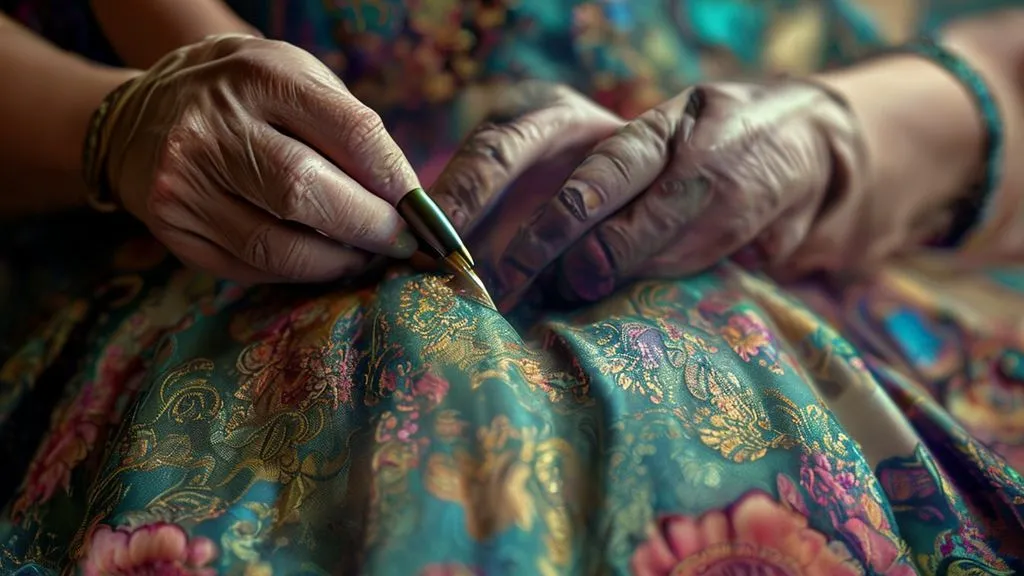
- Hand Finishing: Some luxury vintage pieces may have hand-sewn hems, buttonholes, or lining attachments, indicating bespoke or high-end production.
Hardware and Fastenings
Don't overlook the details. Zippers, buttons, and buckles can be crucial indicators of age and quality:
- Zippers: Look for metal zippers (especially older brands like Talon, Scovill, or early YKK) rather than plastic. The type of zipper pull and teeth can also indicate an era.
- Buttons: High-quality buttons are often made from natural materials like shell (mother-of-pearl), horn, bone, or metal. They will feel substantial and be securely sewn. Plastic buttons are common, but higher-end plastic will be thick and well-formed.
- Buckles & Snaps: Should be sturdy, made of metal, and function smoothly.
Lining and Interfacing
The interior of a garment often reveals more about its quality than the exterior. A fully lined jacket or dress, especially with a quality lining fabric (like silk, cupro, or rayon), suggests better craftsmanship. Interfacing (a hidden layer of fabric that gives structure) should be used judiciously and seamlessly integrated, not stiff or bubbly.
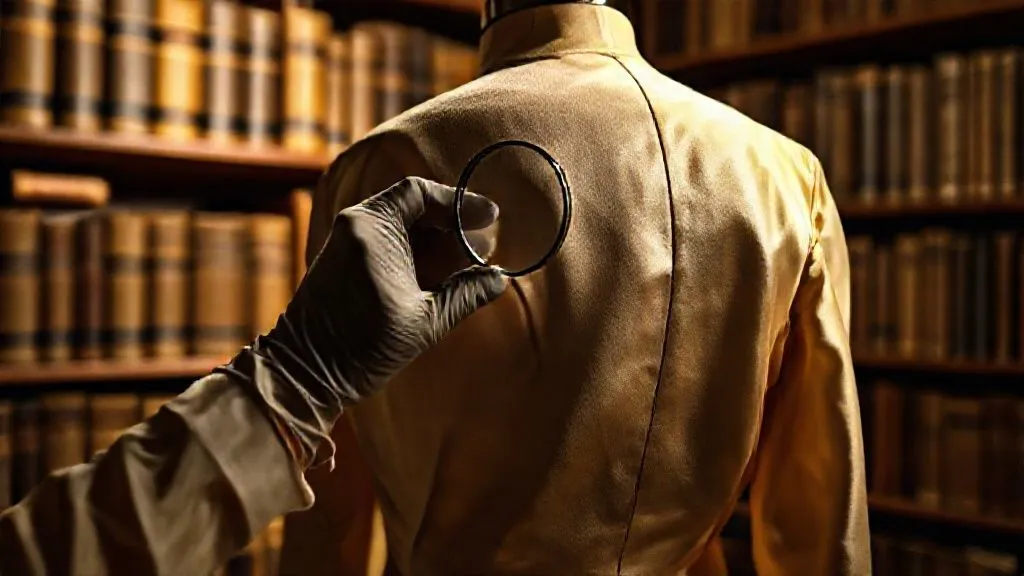
“Always turn the garment inside out. The hidden details—the seams, the lining, the interfacing—are where true quality often resides.”
For a deeper dive into vintage garment construction, I highly recommend exploring resources like the Metropolitan Museum of Art's Costume Institute archives or specialized textile museums. Their insights into historical techniques are invaluable.
Condition, Care, and Collectibility: Assessing Wear and Value
Even the most exquisite vintage piece will lose significant value if its condition is poor. However, “poor” is subjective, and understanding the nuances of wear and collectibility is key to making profitable decisions.
The “Flaw vs. Feature” Dilemma
Not all imperfections are deal-breakers. A slight fading on a pair of vintage denim, a small mend on a workwear jacket, or a natural patina on leather can add character and even value, especially if it tells a story (e.g., “distressed vintage”). These are often considered “features.” However, irreparable damage like large holes, severe stains, broken zippers, or fabric dry rot are usually “flaws” that dramatically reduce value.
Assessing Wear and Tear
Be systematic in your inspection:
- Stains: Are they visible? Can they be removed? (Always assume they can't be fully removed for pricing purposes).
- Holes/Tears: Small, mendable holes are different from large rips. Check armpits, collars, and cuffs first.
- Pilling/Abrasion: Common in wools and knits. Assess severity.
- Fading: Uniform fading can be acceptable; patchy, uneven fading is usually not.
- Odor: A musty smell can sometimes be removed; smoke or strong chemical odors are harder.
- Functionality: Zippers, buttons, snaps, elastic should all be in working order.
Collectibility Factors
Beyond condition, certain factors elevate a vintage item to “collectible” status:
- Rarity: Limited production, unique designs, or items from short-lived trends.
- Historical Significance: Associated with a particular event, movement, or cultural moment.
- Designer/Maker: Pieces from highly influential or sought-after designers.
- Pop Culture Ties: Similar to items worn by icons, or featured in popular media.
- Uniqueness: One-of-a-kind prints, hand-embellishments, or custom pieces.
Understanding these factors will help you gauge how much a particular flaw might impact the overall value. A rare 1940s couture gown with a minor stain will still be more valuable than a common 1980s dress in perfect condition.
| Condition Grade | Description | Resale Impact | |
|---|---|---|---|
| Mint | As new, no visible flaws, tags often present. | Highest value, premium price. | |
| Excellent | Minor, almost imperceptible flaws. Worn once or twice. | Very high value, strong demand. | |
| Very Good | Minor visible flaws, easily repairable or part of patina. | Good value, appeals to broader market. | |
| Good | More noticeable flaws, wearable with care or minor repair. | Moderate value, often good for personal use or projects. | |
| Fair | Significant flaws, needs considerable repair or restoration. | Low value, often for parts or extreme rarity. | Generally avoid for profit, unless extremely rare. |
The Art of Authentication: Spotting Fakes and True Gems
As the vintage market grows, so does the unfortunate presence of fakes and reproductions. Learning to authenticate is crucial to protect your investments and maintain your reputation. This is where your expertise truly shines in identifying high-profit vintage clothing items at thrift stores.
Researching Makers Marks and Tags
Every reputable vintage brand has a unique history of tags, labels, and maker's marks. These change over time, often reflecting shifts in ownership, manufacturing location, or branding. For example, a “Made in USA” label might indicate a specific era for a brand that later moved production overseas. Websites like the Vintage Fashion Guild's Label Resource are invaluable for cross-referencing specific labels against known production periods.
Fabric and Construction Clues
Fakes often fall short on fabric quality and construction. A “vintage” Chanel jacket made with cheap polyester and machine-stitched seams is a dead giveaway. Authentic pieces will consistently exhibit the high-quality fabrics and meticulous construction discussed earlier. Pay attention to:
- Material Consistency: Does the fabric match what was used by the brand in that era?
- Hardware Authenticity: Are zippers, buttons, and other embellishments consistent with genuine pieces?
- Stitching Precision: Look for the tell-tale signs of hand-finishing or specific machine stitches used by the original maker.
Expert Resources and Communities
Don't be afraid to leverage online communities and expert opinions. Forums dedicated to vintage fashion, specific brand collector groups on social media, or even professional appraisers can offer invaluable insights. Posting clear photos of labels, construction details, and the overall garment can often get you quick, knowledgeable feedback.
“Authentication is a continuous learning process. Cross-reference every detail—from the font on the label to the type of stitch—with known authentic examples. When in doubt, hold back.”
For more specific authentication guides, I often refer to dedicated vintage forums or resources like the Vintage Fashion Guild's comprehensive Label Resource, which is an indispensable tool for verifying authenticity and dating garments.
Pricing for Profit: Researching Market Value and Trends
Finding a vintage gem is only half the battle; knowing how to price it for maximum profit is the other. This requires diligent research and an understanding of current market trends. This is the culmination of your efforts to identify high-profit vintage clothing items at thrift stores.
Online Marketplaces as Research Tools
Your best friends for pricing research are the “sold listings” filters on platforms like eBay, Etsy, Poshmark, and Grailed. These show you what actual buyers have paid for similar items:
- Search Broadly: Start with the brand, item type (e.g., “vintage Levi's 501”).
- Filter by “Sold Listings”: This is crucial. Asking prices don't reflect actual sales.
- Refine Your Search: Add details like size, color, condition, and era (e.g., “vintage Levi's 501 32x32 1980s faded”).
- Compare Condition: Be realistic about your item's condition relative to sold items.
- Note Shipping Costs: Factor in typical shipping costs for similar items.
Factors Influencing Price
The final selling price is a complex interplay of several factors:
- Brand/Designer: Highly coveted labels command higher prices.
- Condition: As discussed, better condition = higher price.
- Rarity/Uniqueness: One-of-a-kind pieces or very limited editions.
- Size: “Unicorn sizes” (smaller or larger than average) for vintage items can sometimes fetch more due to scarcity.
- Current Trends: Is the style currently in vogue? This can temporarily inflate prices.
- Seasonality: Wool coats sell better in winter, linen dresses in summer.
The Art of Negotiation (if buying from other dealers)
While less common in typical thrift stores, if you're sourcing from antique malls or vintage markets, don't be afraid to politely negotiate. Knowing your item’s true value gives you leverage. Always be respectful and have your research ready.
Strategic Sourcing: Beyond the Obvious Thrift Store
While the primary focus is on how to identify high-profit vintage clothing items at thrift stores, expanding your sourcing horizons can significantly increase your success rate. The more places you look, the higher your chances of finding those elusive treasures.
Beyond Traditional Thrift Stores
Don't limit yourself to just Goodwill or Salvation Army. Explore other avenues:
- Estate Sales: Often a goldmine for high-end, well-preserved vintage items directly from original owners.
- Consignment Shops: These are more curated, but prices can still be excellent for the quality.
- Charity Shops/Boutique Thrifting: Smaller, local charities often have less competition and unique donations.
- Antique Malls & Flea Markets: Can be pricier, but often have dealers specializing in vintage clothing.
- Online Local Marketplaces: Facebook Marketplace, Craigslist – people often don't know the value of what they're selling.
Timing is Everything
When you visit a store can be as important as which store you visit. Many thrift stores put out new inventory on specific days or after truck deliveries. Ask staff if they have a restocking schedule. Early mornings, shortly after opening, or mid-week when stores are less crowded, often yield the best results.
Building Relationships
I've always found that befriending store managers and staff can lead to incredible opportunities. They often get first pick, or can give you a heads-up when interesting donations come in. A friendly face and genuine interest can go a long way.
“Your network is your net worth, even in thrifting. Building relationships with store staff or other resellers can unlock doors to finds you'd never discover alone.”
Expanding your sourcing strategy requires a bit more effort, but the rewards can be substantial. For more diverse sourcing ideas, consider articles from business publications that discuss alternative retail channels, such as Forbes' insights on the circular economy and resale markets, which can inspire new hunting grounds.
| Sourcing Channel | Pros | Cons | Typical Price Point |
|---|---|---|---|
| Traditional Thrift Stores | Abundant, low prices, high volume. | High competition, requires deep digging. | Very Low |
| Estate Sales | High quality, unique items, often entire collections. | Early mornings, intense competition, specific dates. | Medium |
| Consignment Shops | Curated, often higher quality, less searching. | Higher prices, less ‘diamond in the rough’ potential. | Medium-High |
| Flea Markets/Antique Malls | Specialized dealers, unique finds, often authenticated. | Higher prices, potential for markups, variable quality. | High |
| Online Local Marketplaces | Direct from sellers, often unaware of value. | Requires quick response, travel for pickup, scams. | Very Low to Medium |
Frequently Asked Questions (FAQ)
What are the absolute must-check items first when I enter a thrift store? When I walk into a thrift store, my eyes immediately scan for certain categories: the denim section (especially jeans and jackets), the outerwear (coats and jackets, particularly wool and leather), and the silk blouses/dresses. These categories tend to hold the highest concentration of high-profit vintage items due to material quality, brand longevity, and timeless appeal. Always check the men's section too; it's often overlooked for vintage finds.
How do I know if a “vintage” item is genuinely old and not just vintage-style? This is a critical distinction. Genuine vintage items have specific construction details (metal zippers, older care tags, unique stitching), fabric compositions (often pure natural fibers or older synthetics like rayon crepe), and label styles (older logos, specific fonts). “Vintage-style” pieces are modern reproductions that might mimic old aesthetics but will have modern tags, synthetic blends, and contemporary construction techniques. Always trust the hidden details over the superficial appearance.
Is it worth buying damaged vintage items for repair, or should I avoid them? It depends entirely on the severity of the damage, the rarity of the item, and your own repair skills or access to affordable tailoring. Minor flaws like loose seams, missing buttons (if replaceable), or small holes in non-critical areas can be worth repairing, especially for a rare designer piece. However, extensive damage like large tears, irreparable stains, or dry rot is almost never worth the investment unless the item is exceptionally rare and you plan to display it, not wear or resell it. Calculate repair costs against potential resale value carefully.
What's the biggest mistake beginners make when trying to find profitable vintage? The biggest mistake is lack of research and patience. Many beginners buy based purely on aesthetic appeal or a vague idea of “vintage” without verifying brand, fabric, construction, or market value. This leads to accumulating low-value items. My advice: slow down, research on your phone while in the store, and don't be afraid to walk away if you're unsure. Every trip is a learning experience, not just a shopping spree.
How important is sizing in vintage clothing, and how do I handle it? Sizing in vintage clothing is notoriously inconsistent and differs greatly from modern sizing. A vintage “size 10” can be equivalent to a modern “size 4” or “6.” Therefore, relying on tag size is a mistake. Always measure the garment flat (bust, waist, hips, length, sleeve) and compare these measurements to modern sizing charts or the buyer's own measurements. For resale, providing accurate measurements is far more important than the arbitrary tag size.
Key Takeaways and Final Thoughts
Mastering the art of identifying high-profit vintage clothing items at thrift stores is a journey that combines keen observation, historical knowledge, and a strategic mindset. It's about seeing beyond the racks and understanding the intrinsic value woven into each garment.
- Cultivate a Detective's Mindset: Be patient, curious, and research-driven.
- Decipher Labels: Recognize key brands, eras, and unique identifiers.
- Feel the Fabric: Prioritize natural, high-quality materials and exquisite hand-feel.
- Inspect Construction: Look for superior stitching, quality hardware, and thoughtful finishing.
- Assess Condition Realistically: Distinguish between character-adding patina and value-destroying damage.
- Authenticate Diligently: Verify labels and construction against known authentic examples.
- Research Market Value: Use “sold listings” to price your finds accurately.
- Expand Your Sourcing: Look beyond traditional thrift stores for hidden opportunities.
With these expert strategies, you're now equipped to transform your thrifting adventures into a treasure hunt, confidently identifying those high-profit vintage gems. Remember, every find is a victory, and every trip is an opportunity to sharpen your skills. Happy hunting, and may your racks be ever full of sartorial gold!
Recommended Reading
- 5 Steps to Spot Profitable Emerging Streetwear Aesthetics for Your Brand
- AR Virtual Fitting Rooms: How Do They Work? The Ultimate Guide
- Unlock Radiant Skin: Your Ultimate Morning Skincare Routine for Oily Skin
- Why Fashion Editorial Photography Fails: 7 Fixes for Brand Engagement
- Dazzle on Your Day: Choosing the Best Jewelry for Strapless Dresses

Your email address will not be published. Required fields are marked *