

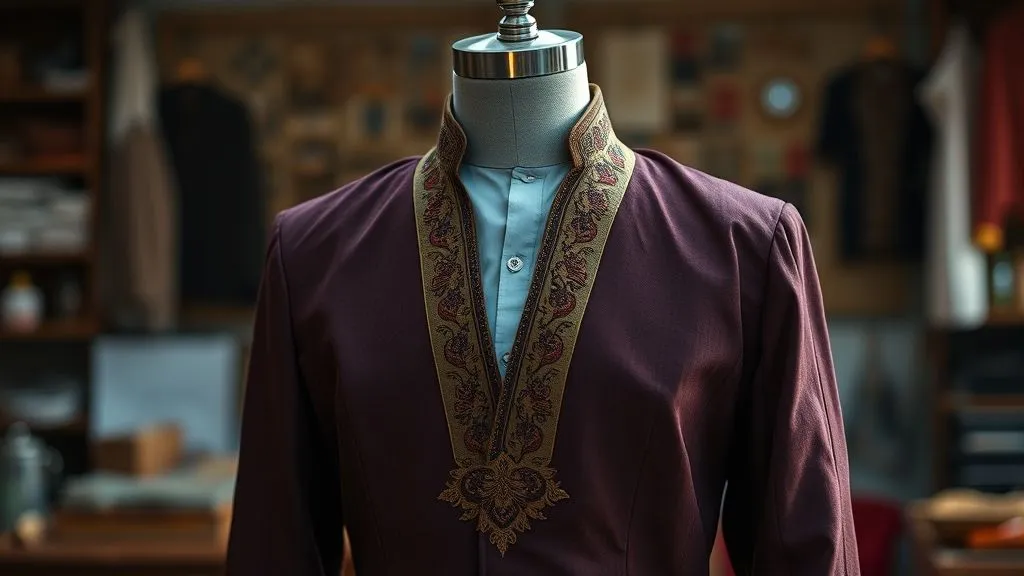
Mastering Character Psychological Arc via Costume Design?
For over two decades in the vibrant world of costume design, I've witnessed firsthand the profound impact—or disheartening lack thereof—that wardrobe choices can have on a character's journey. I've seen countless productions where costumes were merely an aesthetic afterthought, a superficial layer that failed to connect with the audience on a deeper, emotional level. This oversight often leaves characters feeling flat, their internal struggles and triumphs lost in translation.
The real challenge, as I've observed, isn't just dressing a character; it's about imbuing their attire with the very essence of their soul, reflecting their inner turmoil, growth, and eventual transformation. Too often, designers focus solely on historical accuracy or aesthetic appeal, missing the golden opportunity to use clothing as a powerful, non-verbal narrator of psychological depth. This disconnect prevents the audience from truly understanding and empathizing with the character's evolving psyche.
This article isn't just another guide; it's an invitation to explore a transformative approach to costume design. I'll share my battle-tested frameworks, insights gleaned from years in the trenches, and actionable strategies that will empower you to weave a character's psychological arc directly into the fabric of their wardrobe. We'll delve into how every stitch, every color, and every silhouette can become a profound statement, ensuring your characters resonate with an authenticity that captivates and endures.
The Unseen Language of Fabric: Why Costumes are More Than Just Clothes
In my experience, the most impactful costume designs transcend mere visual appeal. They become a silent, yet powerful, form of communication, speaking volumes about a character's internal state, social standing, and emotional journey without uttering a single word. This is the unseen language of fabric, a semiotic dance between character and audience.
Beyond Aesthetics: Decoding Visual Semiotics
Every element of a costume—from its color and texture to its cut and condition—carries inherent meaning. These visual cues are processed by the audience, often subconsciously, shaping their perception of the character. A tightly buttoned, severe suit can suggest rigidity and control, while flowing, earthy garments might convey freedom and connection to nature. It's about understanding the psychology of perception.
"Costumes are not just clothes; they are psychological blueprints, non-verbal dialogues between the character's inner world and the audience's understanding. Neglecting this is like telling half a story." – An Experienced Industry Specialist
Consider the subtle shift in a character's collar, or the gradual fraying of a cuff. These aren't accidents; they are deliberate choices designed to communicate a deeper narrative. According to a study published in the Journal of Film and Video, visual elements in film, including costume, contribute significantly to audience interpretation of character motivation and emotional state. This isn't just my observation; it's backed by academic insight.
Deconstructing the Arc: Mapping Psychological Journeys
Before even sketching a design, I always advocate for a deep dive into the character's psychological arc. This isn't just about knowing their backstory; it's about understanding their core desires, fears, conflicts, and how these evolve throughout the narrative. A costume designer's role is akin to a visual psychologist, charting the inner landscape.
Phase 1: The Inciting Incident & Initial State
At the beginning of a character's journey, their costumes should reflect their initial psychological state – their comfort zone, their defenses, their aspirations, or their stagnation. What are they trying to project? What are they hiding? This phase sets the baseline for all subsequent transformations.
Phase 2: Rising Action & Internal Conflict
As the plot thickens and the character faces challenges, their internal world becomes turbulent. Their costumes should mirror this struggle, perhaps through subtle disarray, increasingly practical (or impractical) choices, or even a deliberate attempt to maintain a facade that is slowly cracking. This is where the tension builds visually.
Phase 3: Climax, Transformation & Resolution
The pivotal moments of the arc demand significant visual shifts. A character's ultimate transformation, their acceptance of self, or their defeat, must be powerfully underscored by their final wardrobe. This doesn't always mean a completely new outfit; sometimes, it's the removal of a symbolic item, or a subtle refinement of what was already there.
To truly understand and begin Mastering character psychological arc via costume design, ask yourself these questions for each phase:
- What is the character's primary emotional state?
- What are their core beliefs about themselves and the world?
- What external pressures are they facing?
- What internal conflicts are driving them?
- How do they want to be perceived by others?
- How do they *actually* feel, beneath the surface?
Mapping these traits against potential costume elements provides a powerful design blueprint.
| Character Trait | Initial Costume Element | Transitional Costume Element | Resolved Costume Element |
|---|---|---|---|
| Insecure, seeks approval | Overly formal, ill-fitting, muted colors | Slightly bolder accessory, more comfortable fabric | Well-fitted, confident colors, subtle personal flair |
| Rebellious, defiant | Aggressive styles, dark, worn, patched | Softening of lines, hint of vulnerability | Integrated personal style, purposeful choices |
| Reserved, hidden | Loose, shapeless, neutral, covering | More defined silhouette, brighter accent | Revealing (not necessarily skin), expressive form |
My Proven Framework: The 'ARC' Method for Costume Psychology
To effectively translate psychological depth into tangible costume design, I've developed a framework I call the 'ARC' method: Analyze, Refine, Communicate. This systematic approach ensures that every costume choice is intentional and deeply rooted in the character's psychological journey.
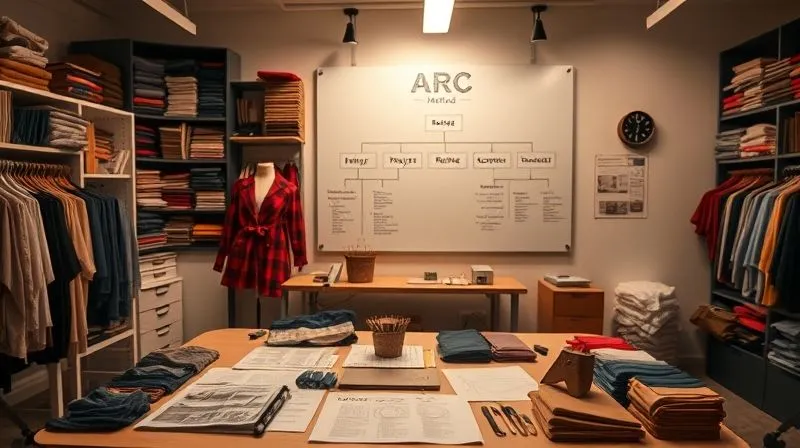
Step-by-Step Implementation of the ARC Method:
- Analyze the Character's Full Arc:
- Read the script multiple times: First for plot, then for character, then specifically for costume opportunities.
- Create a character biography: Go beyond what's on the page. Imagine their past, their dreams, their secret fears.
- Map emotional beats: Identify key turning points where the character experiences significant emotional or psychological shifts.
- Collaborate with director and actor: Discuss their vision for the character's internal journey. Their insights are invaluable.
- Refine Design Choices for Psychological Resonance:
- Brainstorm visual metaphors: If the character feels trapped, how can their costume visually represent that? Caging, heavy layers, restrictive elements?
- Select key costume elements: Focus on color palettes, fabric textures, silhouettes, and specific accessories that align with each phase of the arc.
- Consider practicalities vs. symbolism: Sometimes a character's practical needs (e.g., a uniform) can still be infused with symbolic meaning through how it's worn or modified.
- Sketch and prototype: Don't just imagine; bring ideas to life. Test how different elements feel and look.
- Communicate the Arc Through Subtle and Overt Changes:
- Plan the evolution: Document how each costume piece will change or be replaced over the course of the narrative. This isn't always a complete overhaul; sometimes it's a subtle addition or removal.
- Focus on continuity with change: Ensure that even as a character transforms, there's a thread of visual continuity that links their past self to their present.
- Utilize wear and tear: The condition of clothing can tell a story. A pristine garment can become worn, torn, or stained, reflecting hardship or a breaking down of defenses.
- Observe audience reaction: Pay attention during screenings or performances. Are the costume changes effectively conveying the character's journey as intended?
Color, Texture, Silhouette: The Palette of the Psyche
The foundational elements of costume design—color, texture, and silhouette—are not merely aesthetic choices. They are the primary tools in our psychological toolkit, each capable of conveying nuanced emotional states and driving character development.
Color Theory & Emotional Resonance
Color is perhaps the most immediate and potent psychological communicator. Red signifies passion or anger; blue, calm or sadness; yellow, joy or cowardice. But it's more complex than simple associations. A vibrant red in a character's early, confident phase might become a muted, faded red as their spirit wanes, then return as a bold accent when they reclaim their power. Understanding color psychology is paramount.
Fabric Texture: Softness, Rigidity, Vulnerability
The tactile quality of fabric speaks volumes. Rough, heavy wool can suggest resilience or a burden; soft, flowing silk, vulnerability or fluidity; crisp, starched cotton, precision or rigidity. A character who starts in heavy, protective layers might shed them for lighter, more exposed fabrics as they open up emotionally, or vice versa if they become more guarded.
Silhouette & Form: Power, Constraint, Freedom
The overall shape a costume creates—its silhouette—defines how a character occupies space and perceives themselves. A broad-shouldered, structured silhouette can project power and authority, while a constricted, narrow form might indicate repression or confinement. The gradual loosening of a silhouette, or a shift from angular to flowing lines, can beautifully illustrate a character breaking free from internal or external constraints.
The Power of Transformation: Subtle Shifts vs. Dramatic Overhauls
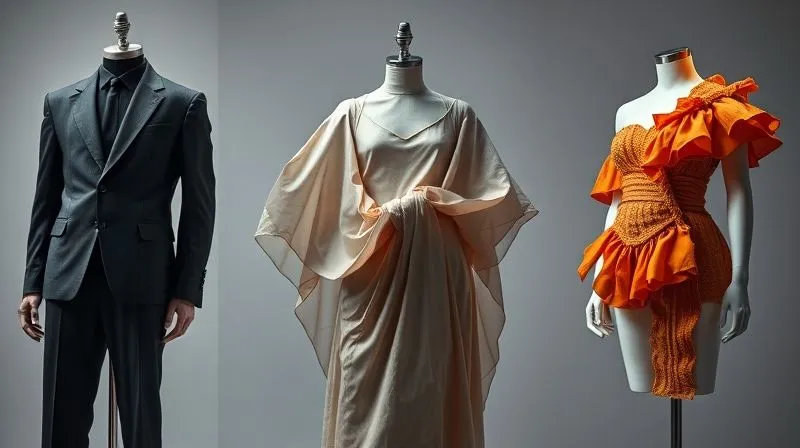
When it comes to depicting a character's evolution, the question often arises: should the costume changes be subtle or dramatic? My answer, typically, is both, strategically deployed. Mastering character psychological arc via costume design requires a nuanced understanding of when to whisper and when to shout.
Gradual Evolution: The Layering Technique
For arcs that unfold slowly, subtle changes are key. This could be a new accessory, a slightly different color palette, or the gradual addition or removal of layers. Think of a character who starts out emotionally guarded, literally encased in layers of clothing. As they begin to trust, they might shed a scarf, then a jacket, revealing more of themselves both physically and metaphorically.
Symbolic Metamorphosis: Key Wardrobe Moments
Dramatic costume changes are reserved for pivotal moments—the climax of an arc, a rebirth, or a profound shift in identity. These are often memorable, iconic looks that visually punctuate the narrative. They are not merely new outfits; they are visual declarations of a character's transformed self. This requires careful planning and collaboration with the director to ensure maximum impact.
Case Study: Evelyn's Journey from Gray to Gold
Evelyn, a fictional protagonist in a period drama, began her story as a timid librarian, overshadowed by her family's expectations. Her initial costumes consisted of muted grays, browns, and drab blues, always high-necked and shapeless, almost as if she wanted to disappear. Her hair was tightly pinned, and she wore spectacles that hid her expressive eyes. This reflected her repressed psychological state and her feeling of being invisible.
As Evelyn uncovers a family secret and begins to assert her independence, her wardrobe subtly shifts. First, a small, vibrant brooch appears on her drab dress—a tiny spark of rebellion. Later, a slightly more fitted skirt, a softer fabric, and a hint of a brighter color (a deep forest green) enter her rotation. Her spectacles are replaced with a more stylish pair, and her hair, while still neat, shows a hint of looseness. These were gradual, almost imperceptible changes, mirroring her nascent confidence.
The climax sees Evelyn confronting her family, having embraced her true self. For this scene, her costume was a stunning, but not ostentatious, golden-yellow gown. The fabric was flowing, the silhouette elegant and confident, and her hair was styled in soft waves, framing her face. She still wore a brooch, but it was now a bolder, more intricate piece. This dramatic shift was earned, a visual crescendo that perfectly encapsulated her journey from a muted, confined existence to a vibrant, self-assured woman. The audience felt her transformation deeply, not just through dialogue, but through every thread of her evolving attire.
Beyond the Individual: Costumes in Relational Dynamics
Costumes don't just speak about an individual; they also articulate complex relational dynamics. How characters dress in relation to one another can reveal power imbalances, alliances, conflicts, and evolving connections. This adds another rich layer to Mastering character psychological arc via costume design.
Group Identity & Outlier Status
Uniformity in costume can establish group identity, whether it's a team, a family, or a social class. A character who deviates from this uniformity, either subtly or overtly, immediately signals their 'outsider' status or their burgeoning independence. Think of a character in a rebellion, initially dressed like their peers, but gradually incorporating elements that mark them as a leader or an individual thinker.
Power Play & Social Hierarchy
Costumes are historically potent symbols of power and status. The richness of fabric, the complexity of design, the sheer volume of material—all these can signify dominance. A character's psychological arc might involve them moving up or down a social ladder, and their costumes should reflect this shift. A character who gains power might adopt more imposing attire, while one who loses it might see their clothes become simpler or more worn.

Common Pitfalls and How to Avoid Them
Even the most experienced designers can fall into certain traps when attempting to convey psychological arcs through costume. I've certainly made my share of mistakes, and learning from them is crucial.
- Over-Symbolism: Don't make every single element a heavy-handed symbol. Subtlety often resonates more powerfully than obvious metaphors. Audiences are intelligent; trust them to infer.
- Lack of Continuity: While transformation is key, ensure there's a visual thread connecting a character's past and present selves. Abrupt, unearned changes can feel jarring and break immersion.
- Ignoring Practicality: A costume must serve the actor and the scene. If it restricts movement or is historically inaccurate to a distracting degree without a clear narrative reason, it detracts from the performance and story.
- Underestimating the 'Wear' Factor: The condition of a garment—its wrinkles, stains, tears, or pristine nature—is a powerful storytelling device often overlooked. A character's journey leaves its marks, and so should their clothes.
- Designing in Isolation: Always, always collaborate. Talk to the director about their vision, the actor about their interpretation, and other department heads (e.g., hair and makeup) to ensure a cohesive visual language.
As the legendary costume designer Edith Head famously said, "What a costume designer does is a cross between magic and camouflage. We create the illusion of character." This illusion is built on careful planning, not just aesthetic whims.
Integrating Research: Psychology, Sociology, and Historical Context
To truly excel at Mastering character psychological arc via costume design, one must embrace a multidisciplinary approach. Drawing insights from psychology, sociology, and historical context enriches the design process immensely, adding layers of authenticity and depth.
Psychological Archetypes
Understanding psychological archetypes, such as those described by Carl Jung (e.g., The Innocent, The Orphan, The Hero, The Sage), can provide a powerful shorthand for character development. While characters are rarely pure archetypes, knowing these foundational patterns helps in crafting a visual language that resonates universally. Exploring resources on Jungian archetypes can be very beneficial.
Socio-Cultural Influences
A character's clothing is always influenced by their socio-economic status, cultural background, and the prevailing societal norms of their time. These external factors shape their internal world and, consequently, their outward appearance. A costume designer must research these influences to ensure the character's attire feels grounded and believable, even when pushing creative boundaries for psychological effect.
Historical Accuracy vs. Symbolic Interpretation
Often, designers face a tension between historical accuracy and the need for symbolic expression. My advice is to always understand the historical context first, then make informed decisions about where to deviate for narrative or psychological impact. Sometimes, a subtle anachronism or an exaggerated feature can powerfully underscore a character's internal state, but it must be a conscious choice, not an accidental oversight.
| Design Goal | Primary Focus | Impact on Arc | Consideration |
|---|---|---|---|
| Historical Accuracy | Authenticity of period, social class, function | Provides believable starting/ending points, limits overtly symbolic changes | Research primary sources, consult historians |
| Symbolic Interpretation | Emotional resonance, character psychology, narrative metaphor | Allows for heightened visual storytelling, dramatic shifts | Can deviate from accuracy, must serve character's internal journey |
For further reading on the intersection of fashion and psychology, I highly recommend exploring academic texts on dress history and the sociology of fashion, such as those found in university presses or journals specializing in cultural studies. Understanding the broader context of clothing choices throughout history and across cultures will only deepen your ability to craft truly meaningful costumes.
Frequently Asked Questions (FAQ)
How do I balance historical accuracy with psychological intent in costume design? The key is informed deviation. First, immerse yourself in historical research to understand the period's norms. Then, identify specific points where a character's psychological arc demands a visual statement that might transcend strict accuracy. This could be a subtle color choice that wasn't common, an exaggerated silhouette, or a personal modification to an otherwise accurate garment. The deviation should always be deliberate and serve the character's internal journey, making it a powerful artistic choice rather than an error.
What if a character's arc is non-linear or ambiguous? How do costumes reflect that? Non-linear arcs are fascinating challenges! For these, costumes can become visual anchors or disorienting elements. You might use recurring motifs or colors that appear, disappear, and reappear, reflecting internal struggles or fragmented memories. Ambiguity can be shown through contradictory elements within a single costume (e.g., a formal gown with deliberately distressed elements) or through rapid, unexplained changes that mirror the character's confusion. The lack of a clear, linear progression in costume can itself be a powerful psychological statement.
How do I handle subtle versus overt costume changes effectively? Subtle changes are best for gradual internal growth, where a character is slowly evolving or coming to a realization. Think of small details: an accessory added or removed, a fabric texture shift, or a garment becoming more worn. Overt changes are reserved for major psychological breakthroughs, turning points, or definitive transformations. These are your 'reveal' moments, designed to be impactful and memorable. The art lies in knowing when to use each, ensuring the visual impact matches the narrative weight of the character's moment.
Can costume design impact an actor's performance and their understanding of their character's arc? Absolutely, and profoundly so! I've seen actors transform the moment they put on a meticulously designed costume that embodies their character's psychological state. The weight of a certain fabric, the tightness of a corset, the freedom of a flowing skirt—these physical sensations can directly inform an actor's posture, movement, and even their emotional access to the character. A costume is not just for the audience; it's a vital tool for the actor, helping them inhabit the role more deeply and understand their character's psychological arc from the inside out.
What resources do you recommend for further study on the psychology of costume design? Beyond academic journals in film, theatre, and fashion studies, I highly recommend exploring books on color psychology, semiotics in visual media, and the history of fashion as a social indicator. Key authors like Stella Bruzzi (e.g., 'Undressing Cinema') and Deborah Nadoolman Landis (e.g., 'Dressed: A Century of Hollywood Costume Design') offer invaluable insights. Also, don't underestimate the power of observing human behavior in daily life – how people dress to project, conceal, or adapt.
Key Takeaways and Final Thoughts
Mastering character psychological arc via costume design is an art form that transcends mere aesthetics. It's about becoming a visual storyteller, a silent narrator who imbues every garment with meaning, emotion, and the very essence of a character's evolving soul. It's a challenging yet incredibly rewarding endeavor that elevates your craft and captivates your audience.
- Embrace the Psychological Toolkit: Utilize color, texture, and silhouette as primary tools for non-verbal communication.
- Map the Arc Meticulously: Understand the character's journey from their initial state to their final transformation.
- Apply the 'ARC' Method: Analyze, Refine, and Communicate through systematic design choices.
- Balance Subtlety and Impact: Know when to make gradual changes and when to execute dramatic transformations.
- Collaborate and Research: Work closely with directors and actors, and draw insights from psychology, sociology, and history.
Remember, the most memorable costumes are those that don't just dress a character, but reveal them. They are the visible manifestation of an invisible journey, creating a profound connection between the audience and the story. Approach each design with intention, empathy, and a deep understanding of the human psyche, and your costumes will not only be seen, but truly felt.
Recommended Reading
- 6 Strategic Moves When Your Streetwear Drop Flops: A Veteran's Guide
- Unlock Peak Potential: 5 Crucial Factors for Choosing Your Performance Wear
- 7 Steps to Safely Clean & Preserve Fragile Vintage Silk Heirlooms
- Scaling Biodegradable Textiles: 7 Strategies to Cut Costs & Innovate
- 7 Secrets: How Streetwear Brands Keep Bold Prints Timeless?

Your email address will not be published. Required fields are marked *