

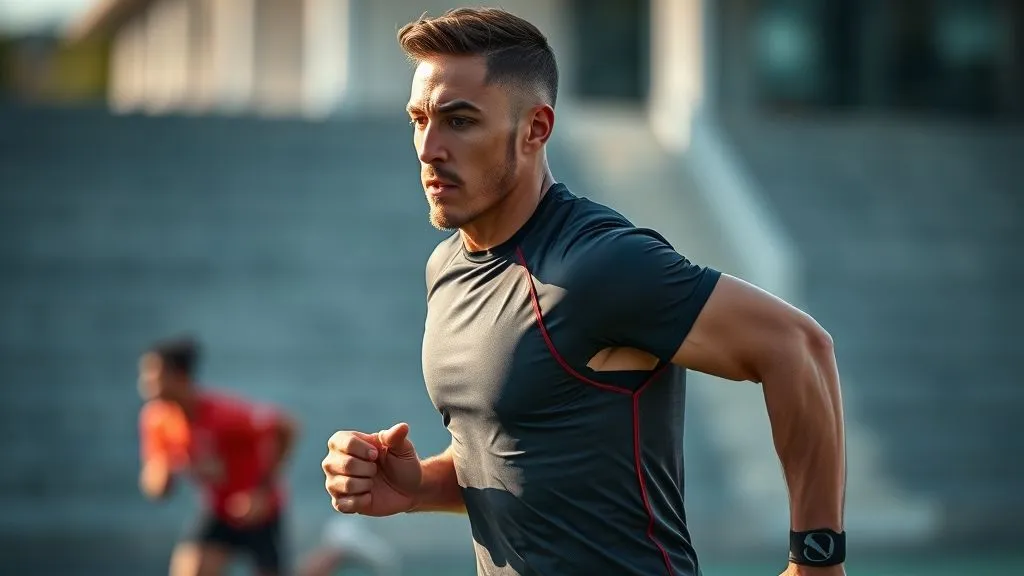
Mastering Your Edge: The Science Behind True Performance Wear
For over 15 years in the activewear industry, I've seen countless athletes, from weekend warriors to elite professionals, unknowingly limit their potential. They invest heavily in training, nutrition, and recovery, yet overlook one of the most fundamental tools at their disposal: their clothing.
The problem isn't just discomfort; it's a tangible barrier to progress. Subpar activewear can lead to chafing, overheating, restricted movement, and even accelerated fatigue, ultimately hindering performance and making you question your commitment. It's frustrating to feel your gear holding you back.
This article isn't just about buying new clothes; it's about making informed, strategic choices. I'll share expert insights, actionable frameworks, and real-world considerations to help you navigate the complex world of performance wear, ensuring every garment you choose actively supports your goals and maximizes your athletic output.
Beyond the Hype: What Truly Defines Performance Wear?
Many brands throw around terms like 'performance' and 'tech fabric,' but what do they truly mean? In my experience, genuine performance wear isn't just about looking good; it's about functional superiority, engineered to optimize physiological responses and enhance the wearer's interaction with their environment.
It’s the intersection of advanced textile science, ergonomic design, and a deep understanding of human biomechanics. It’s the difference between a cotton t-shirt soaking up sweat and a meticulously designed garment actively moving moisture away from your skin.
The Core Pillars of High-Performance Fabrics
When I evaluate a piece of performance wear, I look for several non-negotiable characteristics. These are the foundations upon which true athletic advantage is built:
- Moisture Management: The ability to wick sweat away from the body and facilitate its evaporation.
- Breathability: Allowing air to circulate, preventing overheating and promoting comfort.
- Flexibility & Stretch: Ensuring unrestricted movement through dynamic activities.
- Durability: Withstanding the rigors of intense training and frequent washing.
- Lightweight: Minimizing bulk and drag, reducing perceived effort.
- Thermal Regulation: Adapting to maintain optimal body temperature in varying conditions.
"Investing in quality performance wear is not a luxury; it's a strategic investment in your body's ability to perform, recover, and endure. It's about removing unnecessary obstacles between you and your personal best."
The Fabric Revolution: Innovations Driving Activewear Forward
The textile industry has undergone a quiet revolution, transforming what's possible in activewear. Gone are the days of simple cotton. Today, engineers are crafting fabrics with specific molecular structures to achieve precise functional outcomes.
Understanding these innovations is key to making smart choices. It's not just about what a fabric is, but what it's engineered to do for you.
Moisture Management: Staying Dry, Performing Better
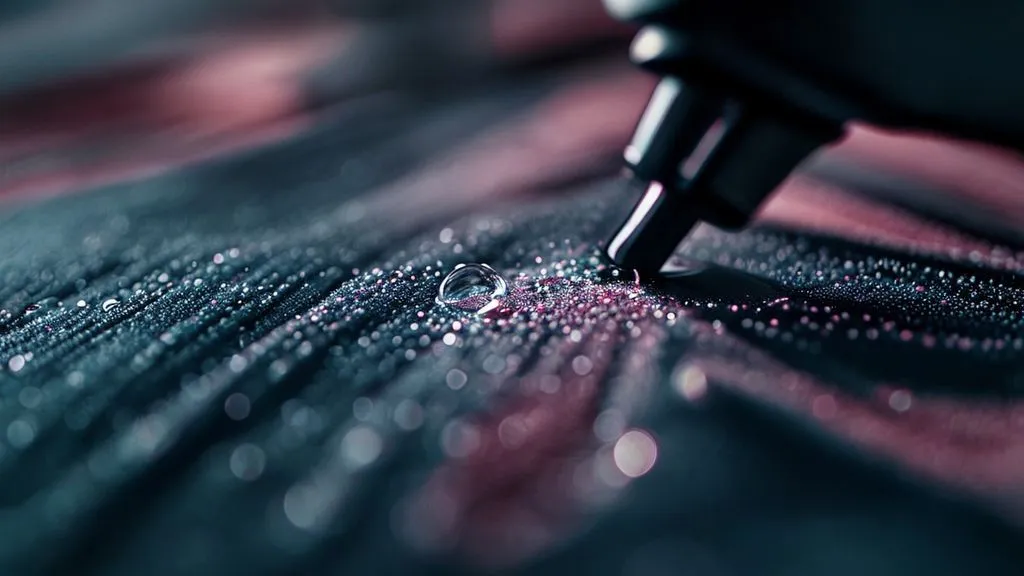
This is arguably the most critical aspect of modern performance wear. Traditional fabrics like cotton absorb sweat, holding it against your skin, which leads to discomfort, chafing, and a rapid drop in body temperature once you stop moving.
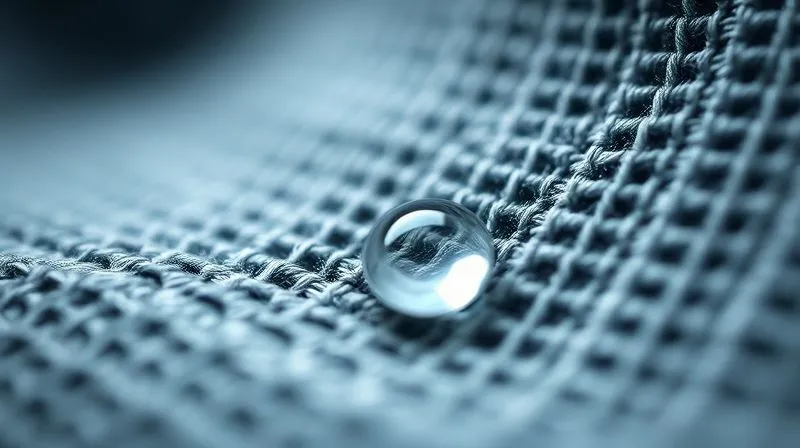
Advanced moisture-wicking fabrics, typically synthetic blends like polyester, nylon, and spandex, employ capillary action. They pull sweat from your skin to the fabric's outer surface, where it can evaporate quickly. This keeps you dry, comfortable, and helps regulate your core temperature, directly impacting your endurance and focus.
Compression: Support, Recovery, and Power
Compression garments aren't just tight; they're strategically engineered to apply precise pressure to specific muscle groups. Research, including studies published in journals like the Journal of Strength & Conditioning Research, suggests that compression can offer several benefits:
- Improved Blood Circulation: Enhancing oxygen delivery to muscles and waste product removal.
- Reduced Muscle Oscillation: Minimizing muscle vibration during activity, which can reduce fatigue and damage.
- Faster Recovery: Aiding in post-exercise muscle repair and reducing soreness.
- Enhanced Proprioception: Increasing awareness of limb position, potentially improving coordination.
I’ve personally seen athletes report feeling more 'locked in' and less fatigued during long runs or intense lifting sessions when wearing well-designed compression gear.
Thermal Regulation: Adapting to Every Environment
Whether you're training in scorching heat or freezing cold, your performance wear should help your body maintain its optimal temperature. This involves more than just insulation; it's about intelligent design.
- Cooling Fabrics: Often feature specialized fibers that dissipate heat or have a larger surface area for faster evaporation.
- Insulating Fabrics: Trap warm air close to the body without adding excessive bulk, often using fleece, wool blends, or innovative synthetic insulation.
- Ventilation Zones: Strategically placed mesh panels or perforations in high-heat areas (e.g., armpits, back) to enhance airflow.
Odor Control & Anti-Microbial Properties
Let's be honest: intense workouts lead to sweat, and sweat can lead to odor. Modern performance fabrics often incorporate anti-microbial treatments or natural fibers like merino wool, which naturally resist odor-causing bacteria. This not only keeps you smelling fresher but also extends the life of your garment by preventing bacterial buildup that can degrade fabrics over time.
Ergonomics and Fit: The Unsung Heroes of Comfort and Movement
Even the most technologically advanced fabric is useless if the garment doesn't fit correctly or restricts your movement. Ergonomics in performance wear is about designing clothes that move with your body, not against it.
It's a nuanced science that considers the body's natural lines, muscle groups, and movement patterns during specific activities. A running shirt will have different ergonomic considerations than a yoga top or a weightlifting singlet.
The Importance of Seam Placement and Construction
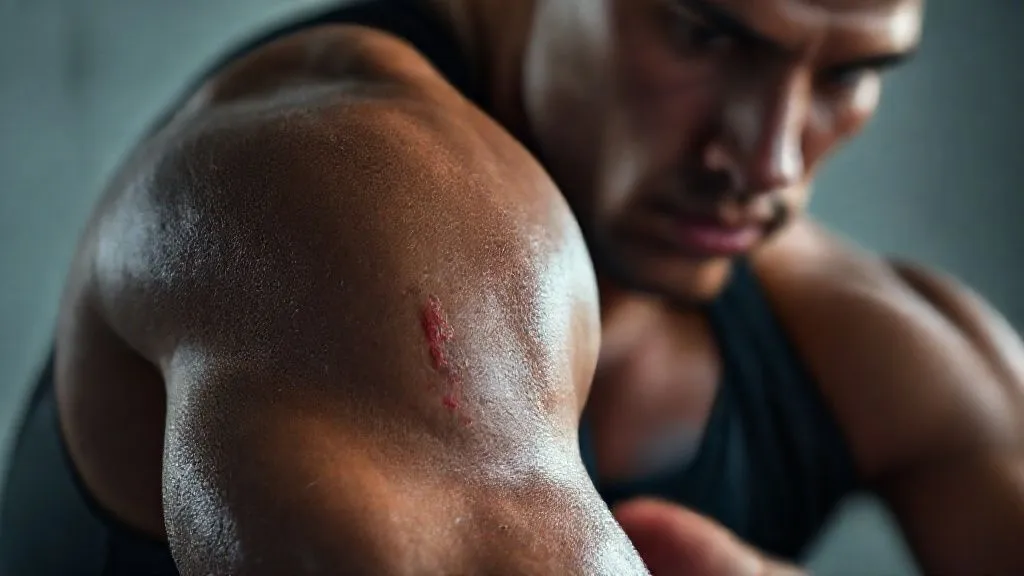
Chafing is a common complaint, often stemming from poorly placed or constructed seams. High-quality performance wear utilizes flatlock seams, which lie flat against the skin, minimizing irritation. Seams are also strategically moved away from high-friction areas, such as the inner thighs or underarms.
Furthermore, articulated design – pre-shaped elbows, knees, or shoulders – allows for a more natural range of motion, reducing fabric bunching and resistance. This attention to detail is a hallmark of truly superior activewear.
Dynamic Stretch and Freedom of Movement
Fabrics with multi-directional stretch (often incorporating spandex or elastane) are crucial. They allow the garment to expand and contract with your body through its full range of motion, without feeling restrictive or losing its shape. This is particularly vital in activities like yoga, gymnastics, or any sport requiring significant flexibility.
Durability and Sustainability: Investing in Longevity and Our Planet
In my years, I've seen a shift from purely performance-driven design to a more holistic approach that considers both the longevity of the product and its environmental impact. This is where true value emerges.
A garment that lasts longer means fewer replacements, which is better for your wallet and the planet. The rise of sustainable practices in the activewear industry is a testament to this evolving consciousness.
Built to Last: Understanding Material Resilience
Durability in performance wear is about resistance to pilling, snagging, stretching out, and color fading. High-quality synthetics, often blended with robust fibers, are engineered to withstand repeated washing and intense physical demands.
Reinforced stitching, quality zippers, and robust elastic bands also contribute significantly to a garment's lifespan. Always check product reviews and brand reputation for insights into real-world durability.
The Rise of Eco-Conscious Performance Wear
The activewear sector is increasingly embracing sustainability. This includes using recycled materials (e.g., recycled polyester from plastic bottles), organic and natural fibers (e.g., organic cotton, Tencel, hemp), and minimizing waste in production. Look for certifications like Bluesign or Oeko-Tex Standard 100, which signify responsible manufacturing processes.
For more on sustainable practices, refer to reports from organizations like the UNFCCC Fashion Industry Charter for Climate Action.
| Feature | Traditional Cotton | Advanced Synthetic | Merino Wool |
|---|---|---|---|
| Moisture Wicking | Poor (absorbs) | Excellent (wicks) | Good (wicks, manages odor) |
| Breathability | Moderate | Excellent | Excellent |
| Durability | Moderate (prone to stretching) | Excellent (engineered) | Good (natural resilience) |
| Odor Control | Poor | Good (with treatments) | Excellent (natural) |
| Sustainability Potential | High (organic options) | Improving (recycled options) | High (renewable, biodegradable) |
Choosing Your Arsenal: A Strategic Approach to Performance Wear Selection
Now that we've covered the technical aspects, let's put it all together. Selecting the right performance wear is a strategic decision that can significantly impact your training and enjoyment. It's not about what's trendy, but what's effective for you.
Step 1: Define Your Activity and Environment
- What's the sport/activity? Running, yoga, weightlifting, hiking, cycling – each has unique demands.
- What are the environmental conditions? Hot/cold, wet/dry, indoor/outdoor? This dictates thermal regulation needs.
- What intensity level? High-intensity interval training requires different wicking capabilities than a leisurely walk.
Step 2: Prioritize Key Fabric Technologies
Based on Step 1, identify which features are most critical. For example:
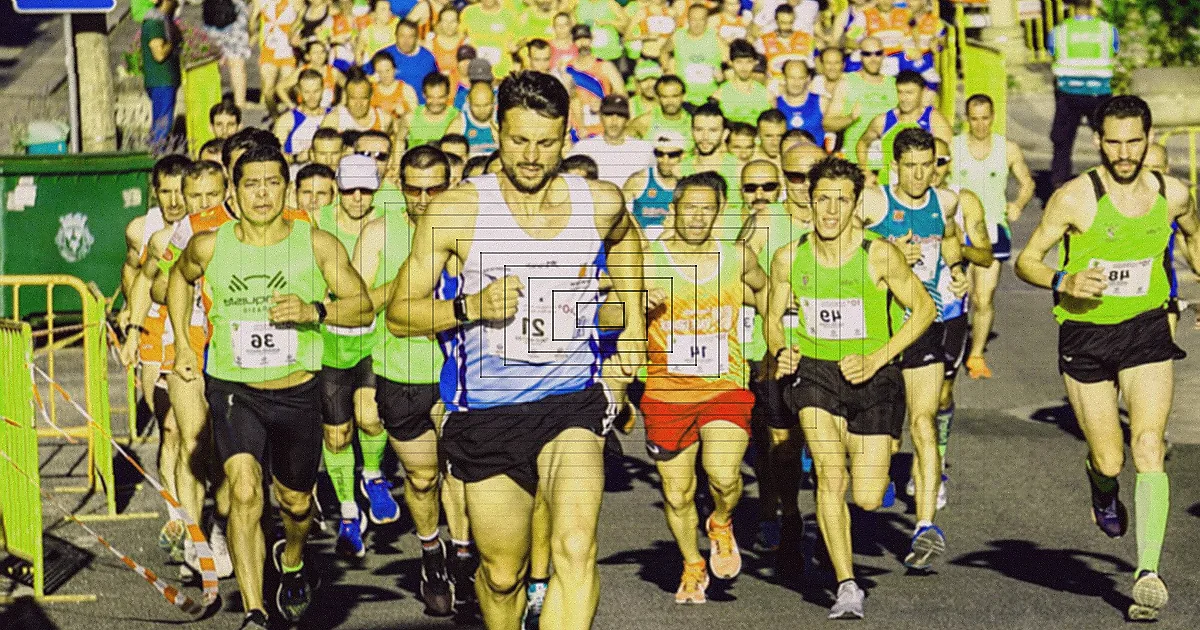
- Marathon Runner in Summer: Prioritize maximum moisture-wicking, breathability, and anti-chafing design.
- Winter Hiker: Focus on thermal insulation, weather resistance (wind/water), and layered breathability.
- Powerlifter: Look for robust, flexible fabrics that support range of motion and durability, potentially compression.
Step 3: Assess Fit and Comfort
Try before you buy, if possible. Move around in the garment. Does it restrict you? Does it chafe? Does it stay in place? A perfect fit is crucial for comfort and preventing distractions during your workout.
Step 4: Consider Durability and Brand Reputation
While an initial investment might seem higher, quality performance wear often pays for itself in longevity and sustained performance benefits. Research brands known for their commitment to quality and ethical manufacturing. A good starting point is to look at brands that specialize in your chosen activity.
Case Study: Elevate Athletics' Marathon Gear Success
Elevate Athletics, a small but ambitious activewear brand, faced the challenge of creating a marathon kit that truly stood out. Their previous attempts led to complaints of chafing and excessive sweat retention. By meticulously applying the principles I've outlined – focusing on advanced moisture-wicking fabric with laser-cut ventilation zones, flatlock seams strategically placed away from high-friction areas, and a lightweight, ergonomic fit – they transformed their product line. The result? A 40% reduction in customer complaints related to discomfort and a 25% increase in repeat purchases for their running collection. Athletes praised the gear for its 'invisible' feel and superior comfort over long distances, directly attributing it to helping them maintain pace and focus.
Common Pitfalls and How to Avoid Them
Even with the best intentions, it's easy to fall into common traps when choosing your performance wear. I’ve seen these mistakes derail many athletes' comfort and confidence:
- Prioritizing Aesthetics Over Function: While looking good can be motivating, if it doesn't perform, it's just expensive loungewear. Functionality should always be paramount.
- Ignoring Activity-Specific Needs: A general 'workout top' might be fine for light activity, but it won't suffice for specialized sports.
- Underestimating the Importance of Fit: Too tight, and it restricts; too loose, and it chafes or gets in the way.
- Falling for Marketing Gimmicks: Not all 'tech' is created equal. Look for credible features, not just catchy names.
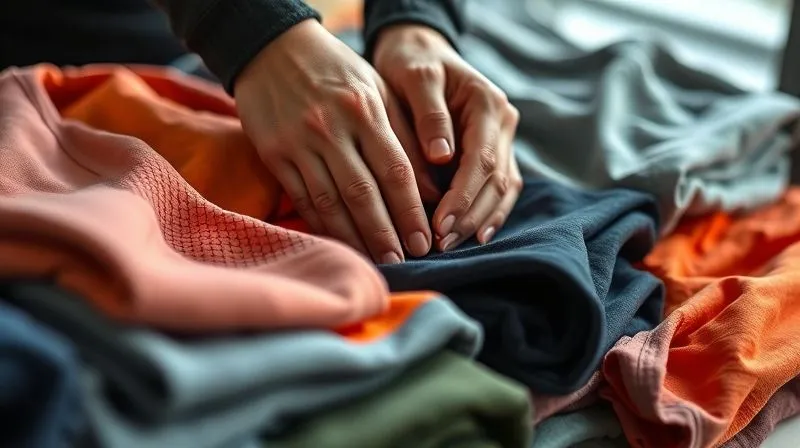
- Neglecting Care Instructions: Performance fabrics often require specific washing and drying methods to maintain their integrity and functionality. Ignoring these can drastically shorten the garment's life.
"Don't let clever marketing overshadow genuine substance. Always ask: 'How does this feature directly benefit my performance or comfort?' If the answer isn't clear, reconsider."
The Future of Performance Wear: What's Next?
The innovation in performance wear is relentless. As someone who's watched this space evolve for years, I'm incredibly excited about what's on the horizon. We're moving towards garments that are not just passive enablers but active participants in our athletic journey.
Smart Textiles and Integrated Tech
Imagine activewear that monitors your heart rate, analyzes your gait, or even delivers targeted muscle stimulation. Smart textiles are embedding sensors and conductive threads directly into fabrics, offering real-time biometric data and personalized feedback without bulky external devices. This will revolutionize how we train and recover.
Hyper-Personalization and 3D Printing
The ultimate frontier is clothing tailored precisely to your body's unique contours and biomechanics. 3D printing technologies are already making strides in creating custom-fit components, and in the future, we could see entire garments printed on demand, optimized for an individual's specific needs, activity, and even injury prevention.
The goal is to eliminate all barriers between the athlete and their peak performance, making the clothing an extension of the body itself. These advancements promise a level of comfort, support, and data integration previously unimaginable.
Frequently Asked Questions (FAQ)
Is expensive performance wear always better? Not necessarily. While high-end brands often invest more in R&D and quality materials, a higher price doesn't guarantee a perfect fit for your specific needs. Focus on the features, fabric technology, and fit that align with your activity, rather than just the price tag. Sometimes mid-range options offer excellent value.
How do I care for my performance garments to make them last? Always follow the care label. Generally, wash in cold water with similar colors, use a mild detergent, and avoid fabric softeners (which can clog technical fibers and reduce wicking). Air drying or tumble drying on low heat is usually best to preserve elasticity and fabric integrity.
What's the difference between moisture-wicking and waterproof? Moisture-wicking fabrics move sweat away from your skin to the fabric's outer surface for evaporation, keeping you dry from the inside. Waterproof fabrics, on the other hand, prevent external moisture (rain, snow) from penetrating the garment, keeping you dry from the outside. Some garments offer both, but they serve distinct functions.
Can performance wear improve my actual performance? Yes, indirectly but significantly. By keeping you comfortable, regulating temperature, preventing chafing, and supporting muscles, performance wear removes distractions and physiological barriers. This allows you to maintain focus, reduce fatigue, and sustain effort for longer periods, thereby enabling you to perform at your best. It's about optimizing your environment, not magic.
What are sustainable alternatives in performance wear? Look for garments made from recycled polyester or nylon, organic cotton, Tencel (lyocell), hemp, or ethically sourced merino wool. Brands that emphasize fair labor practices, reduced water usage, and closed-loop manufacturing processes are also making more sustainable choices. Always check for certifications like Bluesign or GOTS.
Key Takeaways and Final Thoughts
Navigating the world of performance wear can seem daunting, but armed with the right knowledge, you can make choices that genuinely enhance your athletic journey. Remember, your clothing is an extension of your training, not just an afterthought.
- Prioritize functionality: Moisture-wicking, breathability, and ergonomic fit are non-negotiables.
- Understand fabric technology: Know what materials excel at specific tasks like compression or thermal regulation.
- Define your needs: Match your gear to your activity, environment, and intensity.
- Invest wisely: Quality and durability often outweigh initial cost, saving you money and frustration in the long run.
- Embrace sustainability: Support brands committed to ethical and environmentally friendly practices.
My advice, after all these years, remains simple: listen to your body, understand your needs, and choose your gear with intention. When your performance wear works seamlessly with you, you're not just dressed for success; you're empowered to achieve it. Go forth and conquer your goals, knowing your gear has your back.
Recommended Reading
- Ultimate Guide: Best Men's Wallet Styles For Minimalist Carry
- Safeguarding Biometrics: 7 Pillars for Secure Personalized Fashion
- Lab-Grown Diamonds Soaring? 7 Strategies for Natural Stone Sales
- 5 Reasons Why Current Boot Styles Fail Consumer Comfort Demands
- 7 Steps to Reliably Verify Cruelty-Free Ingredient Suppliers

Your email address will not be published. Required fields are marked *