

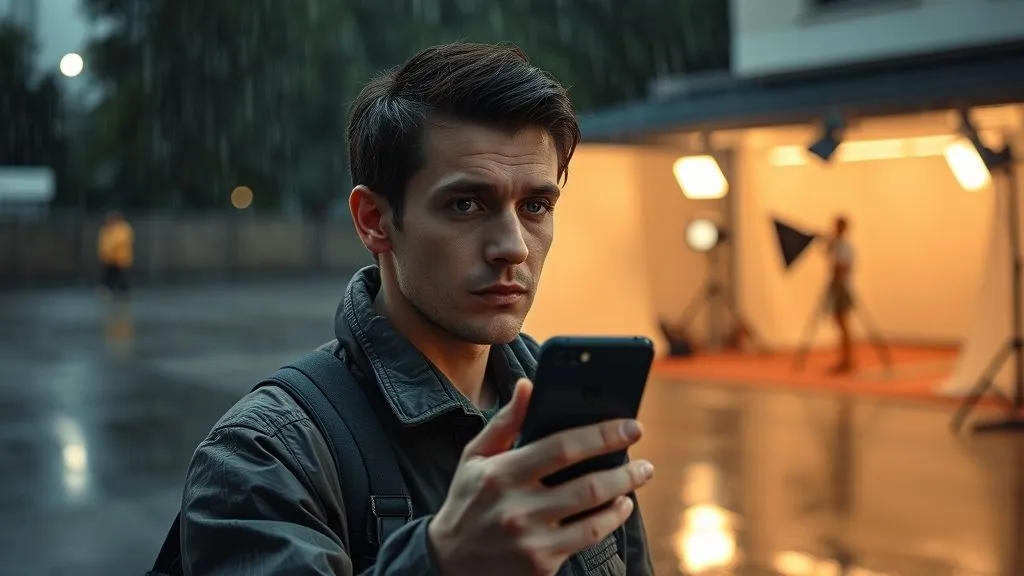
What to do when your booked fashion shoot location cancels last minute?
For over 15 years in the high-stakes world of fashion photography, I’ve navigated countless production challenges. But perhaps none are as heart-stopping as the phone call you dread: your booked fashion shoot location has canceled, sometimes just hours before call time. I've been there, staring at an empty schedule, a full crew, and a client expecting miracles. It feels like the ground has dropped out from under you, threatening to derail weeks of planning, budget, and reputation.
This isn't just an inconvenience; it's a full-blown crisis that can impact budgets, timelines, and client relationships. The immediate panic is real, but succumbing to it is not an option. Your team, your models, your client, and your reputation are all counting on you to find a swift, effective solution. It's a test of your resilience, your network, and your creative problem-solving skills.
In this definitive guide, I’ll share the battle-tested frameworks, contingency plans, and expert insights I’ve honed over years in the industry. You’ll learn not just what to do, but *how* to pivot with grace, maintain professionalism, and even turn a potential disaster into a unique opportunity. From immediate crisis management to long-term prevention, we’ll cover every angle to ensure you’re always prepared, no matter what curveball location scouting throws your way.
The Immediate Aftermath: Assessing the Damage and Activating Crisis Mode
The moment you receive that dreaded cancellation call, your first instinct might be to panic. Resist it. Take a deep breath. As a seasoned professional, I've learned that the first few minutes are critical for setting the tone for how the crisis will be managed. This is not the time for blame, but for swift, strategic action.
Your immediate priority is to gather all pertinent information: Why did they cancel? Is it a double-booking, an unforeseen structural issue, a sudden change in management, or something else entirely? Understanding the 'why' can sometimes inform your next steps, though often it's simply a matter of accepting the reality and moving forward. Confirm the cancellation in writing, if possible, to protect yourself legally and financially.
Next, you need to understand the ripple effect. What does this cancellation mean for your schedule, your budget, your crew, and your client? Are there non-refundable deposits for other services (catering, equipment, specific props) tied to that location? How much time do you realistically have before the shoot is completely compromised? This quick assessment is your foundation for building a new plan. It's about triage – identifying the most critical areas that need immediate attention.
Activating Your Contingency Plan: The Power of Proactive Planning
In my experience, the difference between a minor hiccup and a full-blown disaster often lies in one thing: a robust contingency plan. This isn't just about having a 'Plan B'; it's about having a 'Plan C,' 'D,' and sometimes even 'E' for every critical element of your production, especially locations. Proactive planning is your shield against the unexpected.
Building Your 'Black Book' of Backup Locations
One of the most valuable assets you can cultivate as a fashion photographer is a comprehensive 'black book' of alternative locations. This isn't just a mental list; it's a meticulously organized database. I personally keep a spreadsheet detailing various types of locations – studios, urban landscapes, natural settings, unique architectural spaces – complete with contact information, availability notes, rough pricing, and even permits required. This allows for rapid identification of suitable alternatives.
Consider locations that offer flexibility. A large studio with multiple distinct areas, a versatile industrial space, or even a local park with diverse backdrops can serve as excellent emergency options. The key is to have a diverse range of styles and logistical requirements covered, so you're not scrambling for a specific aesthetic from scratch.
| Location Type | Key Features | Contact Priority | Notes |
|---|---|---|---|
| Versatile Studio Space | Multiple backdrops, good lighting, amenities | High | Always good for indoor backups |
| Urban Rooftop/Alley | Gritty, modern, cityscapes, permits often required | Medium | Great for edgy fashion, weather dependent |
| Historic Building Interior | Grand architecture, unique textures, requires careful handling | High | Ideal for elegant, high-fashion looks |
| Botanical Garden/Park | Natural light, diverse flora, seasonal changes | Medium | Permit often needed, check weather |
| Industrial Warehouse | Raw aesthetic, large open spaces, adaptable | High | Excellent for creative, avant-garde concepts |
Rapid Reconnaissance: Finding a Replacement Fast
Once your contingency plan is activated, the clock starts ticking. This phase is about efficient, targeted action. You need to identify and secure a new location with speed and precision, minimizing downtime and cost.
Leveraging Your Network and Digital Tools
Your network is your lifeline in these moments. Reach out to fellow photographers, location scouts, production managers, and even local creatives. Often, someone in your circle will know of an available space that isn't publicly listed or has last-minute availability. Social media groups for local film and photography professionals can also be surprisingly effective for urgent requests.
Simultaneously, hit the digital pavement. Websites like Peerspace, Giggster, or local film commission databases are invaluable. Filter by immediate availability, specific features, and budget. Don't be afraid to call multiple venues simultaneously; time is of the essence, and the first to confirm availability and suitability wins.
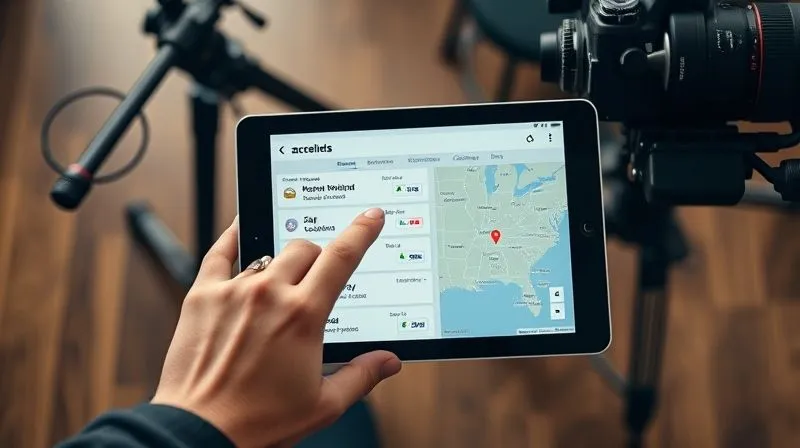
Steps for Quick Location Vetting:
- Define Non-Negotiables: What are the absolute must-haves for your shoot (e.g., natural light, specific backdrop style, power access)? Filter for these first.
- Assess Proximity: How far is the new location from your crew, talent, and equipment? Minimize travel time and logistics.
- Virtual Tour/Photos: Request immediate photos or a video walkthrough. Many modern venues offer virtual tours, which are a godsend in a time crunch.
- Confirm Availability & Pricing: Get a clear quote and confirm the exact hours of availability. Be upfront about your urgent situation; sometimes, this can lead to quicker responses or even a sympathetic rate.
- Permit Requirements: For public spaces, quickly check local regulations. Some city parks or urban areas might require a last-minute permit, which can be a significant hurdle.
- Power and Amenities: Don't forget the practicalities. Does the location have sufficient power outlets, restrooms, changing areas, and space for your team and equipment?
Mastering the Art of Negotiation & Resourcefulness
When a location cancels, you're often operating under duress, which can lead to hurried decisions. This is where your negotiation skills and resourcefulness truly shine. It's not just about finding *any* alternative; it's about finding the *best possible* alternative under challenging circumstances.
Case Study: The Loft Shoot That Almost Wasn't
I recall a high-profile editorial shoot for a luxury brand that was slated for an exclusive, minimalist penthouse. Two days before, the owner pulled out due to an unforeseen personal emergency. Panic, naturally, set in. My team immediately activated our 'black book' and found a raw, industrial loft space available. It was visually very different from the original brief, but it had incredible natural light and immense potential.
Instead of trying to replicate the penthouse, we embraced the industrial aesthetic. I negotiated a flexible rate with the loft owner, explaining our predicament. We then worked with the client, presenting the new location not as a compromise, but as a creative pivot. We developed a mood board that highlighted the juxtaposition of the brand's elegant fashion against the raw concrete and exposed brick. The team's resourcefulness shone through: we brought in specific furniture pieces, used creative lighting to soften the edges, and styled the models to fit the new, edgier narrative. The resulting images were unexpectedly fresh and critically acclaimed, proving that adaptation can sometimes lead to greater innovation.
Expert Insight: "A crisis is not just a moment of danger, but also an opportunity. Your ability to creatively adapt and pivot under pressure can often yield more unique and memorable results than sticking rigidly to the original plan." - Fashion Industry Veteran
Negotiation in a crisis often means being flexible. If a new location is slightly over budget, can you negotiate on hours, specific amenities, or even a future booking discount? Can you creatively use existing props or modify your lighting setup to make a less-than-ideal space work? This is where your experience in problem-solving truly comes into play.
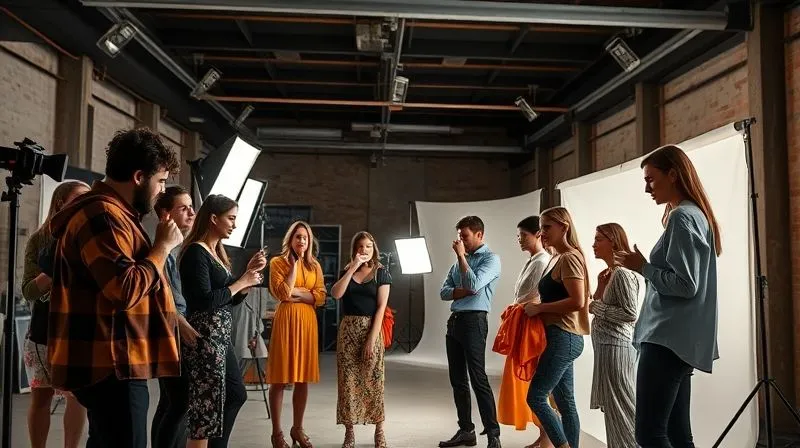
Communication is King: Managing Client & Team Expectations
In any crisis, transparent and proactive communication is paramount. It builds trust, manages expectations, and keeps everyone aligned. This applies to your client, your models, your crew, and any other stakeholders involved in the shoot.
Client Communication: Honesty and Solutions
The moment a cancellation is confirmed, immediately inform your client. Do not wait. Present the problem calmly, but crucially, always come with solutions. "Our booked location XYZ has unfortunately cancelled due to [brief, neutral reason]. However, we've already identified several strong alternative options, and I've narrowed it down to A and B, which offer [benefits] and [benefits]. I’d love to walk you through them and get your input." This approach demonstrates professionalism, control, and a commitment to delivering results despite setbacks.
Be prepared to discuss budget implications, timeline shifts, and how the new location might subtly alter the shoot's aesthetic. Reassure them that their vision remains the priority and that you are doing everything to maintain the quality and integrity of the project. According to a Harvard Business Review article on crisis communication, transparency and empathy are key to maintaining stakeholder confidence.
Team & Talent Communication: Clear Directives and Support
Your team and talent also need clear, concise information. As soon as a new location is secured, disseminate the updated call sheet, directions, and any new logistical details. Be clear about any changes to roles or responsibilities. For models, ensure they understand any new wardrobe or hair/makeup requirements that might arise from a different setting.
It's also important to acknowledge the added pressure on your team. A last-minute change can be stressful. Offer support, maintain a positive attitude, and reiterate your confidence in their ability to adapt. A strong leader fosters resilience and adaptability within their team, turning a challenging situation into a bonding experience.
Legal & Financial Considerations: Protecting Your Interests
While the immediate focus is on salvaging the shoot, you cannot overlook the legal and financial ramifications of a location cancellation. Protecting your business and your client's interests is a critical aspect of crisis management.
Contractual Obligations and Refunds
Review your original location contract immediately. What are the terms regarding cancellation? Is there a refund policy? Force majeure clauses? Document all communication with the original venue, including the cancellation notice. This paper trail is essential if you need to pursue a refund or compensation for breach of contract.
For the new location, ensure you have a clear, signed agreement outlining all terms, including cancellation policies, usage rights, and liability. Don't let the urgency of the situation lead you to overlook proper contractual procedures. As legal experts often advise, "get it in writing."
| Action Item | Details | Priority |
|---|---|---|
| Review original contract | Check cancellation clauses, refund policy, force majeure | Immediate |
| Document all communication | Emails, call logs, cancellation notices from original venue | Ongoing |
| Secure new location contract | Ensure clear terms: usage, liability, cancellation, payment | Before booking new |
| Assess financial impact | Calculate lost deposits, additional costs, potential claims | Early Stage |
| Communicate with insurance provider | Check if production insurance covers location cancellation losses | If significant losses |
Insurance and Liability
Does your production insurance cover location cancellations or associated financial losses? Many comprehensive policies include clauses for unforeseen circumstances. Contact your insurance provider as soon as possible to understand your coverage and initiate any necessary claims. This proactive step can mitigate significant financial burdens.
Also, consider potential liability shifts with a new location. Ensure your team and equipment are covered in the new space. If the new location requires specific safety protocols, make sure everyone is aware and compliant. Always prioritize safety, regardless of the time crunch.
Creative Problem Solving: Turning Obstacles into Opportunities
This is where your artistry and vision truly come to the forefront. A last-minute location cancellation, while disruptive, can be a potent catalyst for creativity. Some of my most memorable shoots have emerged from these very situations, forcing a departure from the expected and leading to genuinely innovative outcomes.
Embracing the Unexpected Aesthetic
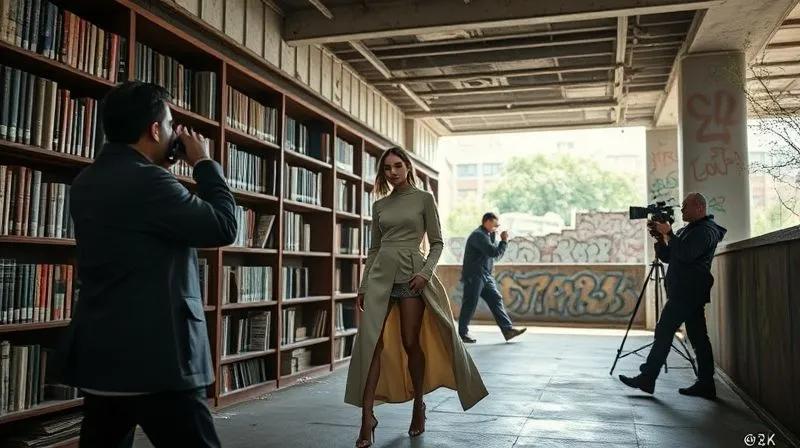
Instead of lamenting the loss of the original vision, consider how the new location can inspire a fresh perspective. Perhaps the gritty industrial space you found on short notice can give your high-fashion editorial an unexpected edge. A quaint cafe could offer an intimate, narrative-driven backdrop that wasn't possible in the grand estate you initially booked. This flexibility in vision is a hallmark of an experienced fashion photographer.
Collaborate with your creative team – stylist, hair and makeup artists, and art director. Brainstorm how the wardrobe, styling, and poses can be adapted to complement the new environment. Can you use existing elements of the new location (e.g., a peeling wall, unique lighting fixtures) as integral parts of your set design? As renowned creative director Alexey Brodovitch famously said, "If you want to be original, don't copy." This applies to location challenges too – don't just try to replicate; innovate.
Resourceful Set Dressing and Lighting
Limited options often spark the most ingenious solutions. If your backup location is simple, think about how you can transform it with minimal resources. Can you use colored gels on your lights to create a specific mood? Can you bring in a few key props or backdrops that instantly elevate the space? Sometimes, a single well-placed piece of furniture or a carefully draped fabric can completely change the character of a room.
Consider the available light. If natural light is abundant, can you use it creatively to shape your images? If not, how can your artificial lighting setup be adapted to mimic natural light or create a dramatic, controlled environment? This is where your technical expertise becomes invaluable, allowing you to manipulate any space to your creative will.
Post-Crisis Review: Learning from the Unexpected
Once the shoot is successfully wrapped, and the initial adrenaline subsides, it's crucial to conduct a thorough post-mortem. This isn't about dwelling on what went wrong, but about extracting valuable lessons to strengthen your future productions. Every challenge is an opportunity for growth.
Analyze and Refine Your Contingency Plan
Review your 'black book' of locations. Were the backup options truly viable? Were the contact details up-to-date? What gaps did you identify in your preparation? Use this experience to refine and expand your list, adding new types of locations or contacts that proved useful during the crisis. Perhaps you discovered a new online platform for finding venues that you'll integrate into your standard workflow.
Evaluate your communication protocols. Was information disseminated efficiently? Were there any misunderstandings? How can you streamline your crisis communication plan for next time? A Forbes article on post-mortems highlights the importance of an honest assessment without blame.
Strengthen Relationships and Legal Safeguards
Reflect on your relationship with the original venue. Was their cancellation handled professionally? If not, what steps can you take to avoid similar situations or protect yourself better in future contracts? This might involve stronger cancellation clauses or requiring proof of liability insurance from venues.
Consider strengthening your own contractual agreements with clients to include clauses about unforeseen location changes, outlining responsibilities and potential cost implications. This transparency upfront can prevent disputes down the line. Build stronger relationships with reliable location providers and scouts; these partnerships are invaluable when time is critical.
Frequently Asked Questions (FAQ)
Q: How quickly should I expect to find a new location after a last-minute cancellation? A: Ideally, you should aim to identify and confirm a viable alternative within 2-4 hours of the cancellation. This rapid response minimizes downtime, keeps your team engaged, and demonstrates professionalism. Having a pre-vetted list of backup locations significantly speeds up this process.
Q: What if the only available alternative is significantly more expensive? A: This requires careful negotiation and client communication. First, try to negotiate with the new venue for a better rate, explaining your urgent situation. If costs are unavoidable, present the situation to your client with transparent cost breakdowns and proposed solutions. Some clients may absorb the extra cost, especially if you've already exhausted other options and the quality of the shoot is maintained. Your original contract with the client might also have clauses addressing unforeseen expenses.
Q: Should I always have a backup location pre-booked or just a list of options? A: For high-stakes, large-budget shoots, having a secondary location on 'soft hold' or with a refundable deposit can be a wise investment. For most productions, a thoroughly researched and regularly updated 'black book' of viable alternatives, complete with contact info and permit requirements, is sufficient. The key is to be prepared to act fast.
Q: How do I handle a client who is very rigid about the original location's aesthetic? A: Empathy and creative problem-solving are crucial here. First, acknowledge their disappointment. Then, present the alternative not as a compromise, but as an evolution or a new creative opportunity. Show them mood boards or examples of how the new location's unique features can enhance their brand story. Frame it as turning an obstacle into a distinctive advantage. Sometimes, a shift in perspective is all that's needed to unlock a new, exciting vision.
Q: What are the legal implications if I can't find a suitable replacement location and have to cancel the shoot entirely? A: The legal implications depend heavily on your contracts with both the original location and your client. If the original location breached their agreement, you might be entitled to refunds or damages. With your client, your contract should ideally outline terms for force majeure or unforeseen cancellations, including how deposits, retainers, and expenses are handled. Always consult legal counsel if a full cancellation becomes necessary, especially if significant financial losses are involved. Prevention through robust contracts is always the best defense.
Key Takeaways and Final Thoughts
A last-minute location cancellation is undoubtedly a stressful event in fashion photography production. However, it is not an insurmountable obstacle. With the right mindset, preparation, and strategic action, you can navigate these challenges with grace and even emerge stronger.
- Prepare Proactively: Cultivate a comprehensive 'black book' of backup locations and understand your contractual obligations.
- Act Swiftly and Strategically: Assess the situation immediately, leverage your network, and utilize digital tools for rapid reconnaissance.
- Communicate Transparently: Keep clients and team informed with clear, solution-oriented messaging.
- Embrace Creativity: View the unexpected as an opportunity to innovate and produce unique, memorable work.
- Learn and Adapt: Conduct a post-mortem to refine your processes and strengthen your future productions.
Remember, your ability to stay calm under pressure, pivot effectively, and lead your team through adversity is a testament to your professionalism and expertise. These moments, while challenging, often forge the most resilient producers and the most innovative photographic outcomes. Approach the next unexpected hurdle not with dread, but with the confidence of a seasoned expert ready to turn any situation into a success story. Keep shooting, keep creating, and keep innovating!
Recommended Reading
- 7 Strategies: Price Ethical Fashion Competitively, Uphold Your Values
- The Secret to Preserving Vintage Silk Heirlooms: A Home Guide
- The Ultimate Guide: Why Do Your Belts Keep Cracking and How to Prevent It?
- Precision Tailoring: How to Fix Subtle Fit Issues in Haute Couture
- 5 Proven Strategies: Guarding Your Sneaker Brand from Counterfeits



Your email address will not be published. Required fields are marked *