

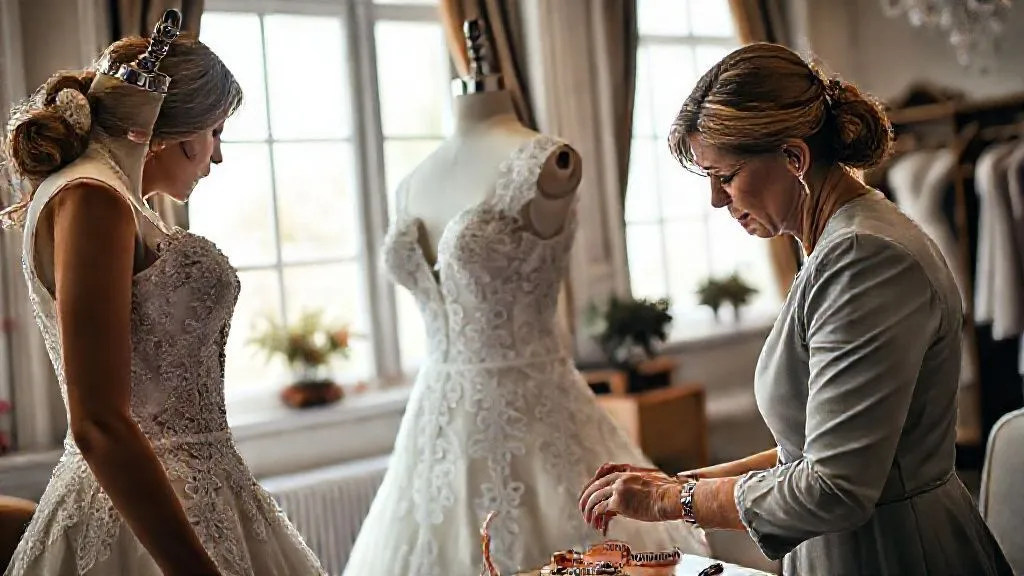
What to do when traditional bridal gown alterations go wrong?
For over 15 years in the intricate world of bridal fashion, I've witnessed countless brides embark on their journey to find the perfect traditional gown, only for their dreams to be momentarily dashed by alteration mishaps. It's a common, often devastating, scenario that can leave a bride feeling helpless and heartbroken just weeks, or even days, before her wedding.
The traditional bridal gown, with its elaborate lacework, delicate beadwork, and often complex structural elements, is a masterpiece of craftsmanship. When alterations, a critical step in making that masterpiece truly 'yours,' go awry—whether it's a hemline that's too short, a bodice that's too tight, or seams that just don't sit right—it can feel like an insurmountable problem. The emotional investment in a traditional wedding dress is immense, and any imperfection feels magnified.
But take a deep breath. In this definitive guide, I'll share my expert insights and actionable frameworks honed over years of experience, providing you with a clear roadmap on what to do when traditional bridal gown alterations go wrong. We'll explore immediate assessment techniques, communication strategies, how to find a 'rescue' seamstress, and creative solutions to ensure you walk down the aisle feeling beautiful and confident, regardless of initial setbacks.
Immediate Assessment: Understanding the Alteration Disaster
The first step in any crisis management, especially when dealing with something as personal as your wedding gown, is to pause, assess, and document. Panic is a natural reaction, but it clouds judgment. My advice is always to put the dress back on, preferably with the exact shoes and undergarments you plan to wear on your wedding day, and meticulously identify every issue.
Identifying the Specific Issues: Is it Too Tight, Too Loose, or Misaligned?
It's crucial to be precise about what feels 'wrong.' Is the bodice pulling across the bust? Are the straps digging in or slipping off? Does the hem drag too much, or is it awkwardly short? Is the intricate embroidery misaligned, or is there a puckering seam? Understanding the exact nature of the problem is half the battle.
- Document Everything: Take clear, well-lit photos and videos of yourself in the gown, highlighting every area of concern. Ask a trusted friend or family member to help you capture angles you can't see.
- Wear Full Wedding Day Attire: Ensure you're wearing the correct bridal bra, shapewear, and shoes. These can significantly impact how the dress sits and feels.
- Perform Movement Tests: Walk, sit, raise your arms, and even practice a few dance steps. A gown might look fine standing still but reveal issues with movement.
- Note Down Specifics: Write down exactly what feels wrong, where, and to what extent. For example, 'bodice feels 2 inches too tight across the ribcage,' or 'hem on the left side is 1 inch shorter than the right.'
This detailed documentation will be your most valuable asset when communicating with your current seamstress or seeking a second opinion.
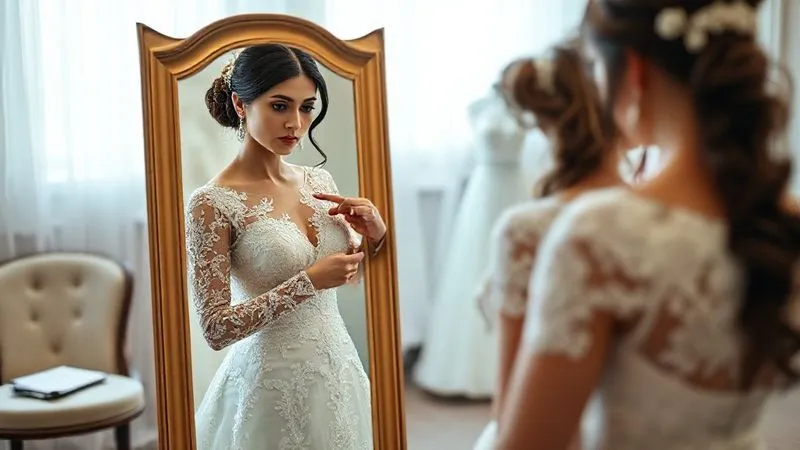
The Crucial Conversation: Communicating with Your Original Seamstress
Once you've thoroughly assessed the damage, the next step is to approach your original seamstress. This conversation can be daunting, but it needs to be handled professionally and calmly. Remember, most seamstresses are artisans who take pride in their work and want their brides to be happy.
Preparing for the Discussion: Evidence and Expectations
Before you even step back into their studio, prepare your approach. Your goal is to find a solution, not to assign blame, at least not initially. Present your findings clearly and objectively.
- Schedule a Dedicated Appointment: Don't try to discuss this during a busy walk-in time. Request a specific appointment to review the alterations.
- Bring Your Documentation: Share your photos, videos, and detailed notes. Visual evidence is powerful and undeniable.
- Clearly State the Issues: Explain what feels or looks wrong, referencing your notes. Use phrases like, 'I'm concerned about this area...' or 'It feels uncomfortable here when I try to sit...'
- Listen to Their Perspective: Give them an opportunity to explain their process or offer an immediate solution. There might be a simple oversight or a misunderstanding.
- Discuss Potential Solutions and Timelines: Ask what steps they propose to fix the issues. Inquire about the timeline for these corrections, especially if your wedding date is approaching.
“In my experience, a calm, evidence-based approach is far more effective than an emotional confrontation. It opens the door for collaboration and resolution, rather than immediate defensiveness.”
If the seamstress acknowledges the mistake and offers a clear, viable plan for correction within your timeline, this is often the best-case scenario. However, if they are dismissive, refuse to acknowledge the problem, or propose solutions that don't instill confidence, it's time to consider a different path.
When to Seek a Second Opinion: Finding a Remedial Expert
There are times when, despite your best efforts, the original seamstress either cannot or will not resolve the issues to your satisfaction. This is when seeking a second, expert opinion becomes not just advisable, but essential. Finding a 'rescue' seamstress, particularly one experienced with traditional bridal wear, is paramount.
Qualities of a 'Rescue' Seamstress
Not all seamstresses are created equal, especially when it comes to complex bridal alterations. A 'rescue' expert needs a specific set of skills and a particular temperament.
- Extensive Bridal Experience: Look for someone who specializes in bridal gowns, particularly traditional styles with intricate details like boning, lace appliqués, and multi-layered skirts.
- Problem-Solving Mindset: A good rescue seamstress views challenges as puzzles to solve, not impossible tasks. They should be creative and resourceful.
- Confidence and Clear Communication: They should be able to clearly explain what can and cannot be done, the potential risks, and the estimated costs and timelines.
- Positive Reviews and Portfolio: Check online reviews, ask for references, and ideally, see examples of their previous work, especially 'before and after' scenarios.
Case Study: Sarah's Silk Disaster Turned Dream
Sarah, a bride-to-be, came to me in tears three weeks before her wedding. Her traditional silk shantung gown, featuring a delicate lace overlay, had been altered by a local seamstress who, unfortunately, had taken in the bodice too much and unevenly, causing significant puckering across the chest and back. The hem was also noticeably crooked. Sarah felt the dress was ruined.
Upon examination, I identified that the original seamstress had cut too much fabric from the side seams, making it impossible to let out. However, the integrity of the lace overlay provided an opportunity. We decided to carefully unpick the lace, release what little seam allowance remained, and then strategically add very fine, invisible gussets of matching silk under the arms, covered by the re-draped lace. For the hem, it was a meticulous process of re-measuring and hand-stitching each layer. It was labor-intensive, but Sarah's despair turned into relief as the gown slowly came back to life, fitting her perfectly and looking flawless. This success story underscores the value of an experienced 'rescue' seamstress who understands the nuances of complex bridal gown construction.
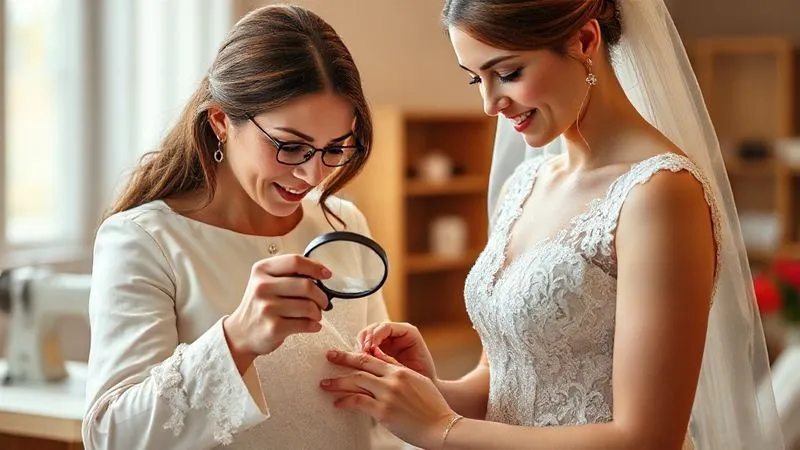
Strategic Solutions for Common Alteration Mistakes
Understanding the common pitfalls and their potential fixes can empower you during this stressful time. While every gown and situation is unique, there are established methods for addressing frequently encountered problems.
Addressing a Gown That's Too Small
This is often the most anxiety-inducing problem. If a gown is too tight, especially in the bodice, it can restrict movement and be incredibly uncomfortable. The primary solution is to 'let out' the seams. However, this is only possible if there is sufficient seam allowance left by the original designer or previous alterations. If not, creative solutions are needed.
- Letting Out Seams: A skilled seamstress can often release existing seams to gain an inch or two. This is the cleanest fix.
- Adding Gussets or Panels: If no seam allowance remains, small, triangular pieces of fabric (gussets) can be inserted under the arms or at side seams. For larger adjustments, full panels can be added, often disguised with matching lace, beading, or strategic fabric drapes.
- Corset Back Conversion: A more dramatic solution for a gown that's significantly too small is to convert a zipper or button closure into a corset back. This can add several inches and provides a beautiful, adjustable fit.
Tackling a Gown That's Too Large
While seemingly easier to fix than a gown that's too small, taking in a dress incorrectly can distort its silhouette. The goal is to maintain the original design lines.
- Taking in Side Seams and Darts: This is the most common and straightforward fix. A good seamstress will ensure the gown is taken in evenly, preserving the original shape.
- Adjusting Shoulder Straps: If the bodice is gaping or slipping, shortening the straps can often resolve the issue.
- Re-structuring the Bodice: For more complex issues, the entire bodice may need to be re-fitted, which involves careful deconstruction and reconstruction.
Correcting Length and Hemline Issues
A poorly executed hem can ruin the elegance of a traditional gown. Whether it's too short, too long, or uneven, it demands precise attention.
- Hem Too Long: This is generally the easiest fix, simply requiring the gown to be re-hemmed to the correct length.
- Hem Too Short: This is challenging. Solutions include adding a decorative lace trim, a new border, or even a subtle underskirt extension. For traditional gowns with multiple layers, sometimes the innermost layer can be extended.
- Uneven Hem: This requires meticulous re-measuring from the floor up, with the bride wearing her exact wedding shoes. Each layer of the hem must be individually corrected.
Fixing Bodice and Strap Misfits
These issues directly impact comfort and the overall look of the upper body.
- Gaping or Pulling Bodice: Often requires re-draping fabric, adjusting darts, or adding boning for structure.
- Slipping Straps: Can be shortened, or sometimes an internal bra strap holder can be added to secure them to your undergarments.
- Digging Straps: May need to be lengthened (if allowance exists), padded, or widened at the shoulder point.
| Issue | Initial Fix | Complexity |
|---|---|---|
| Gown Too Small | Let out seams, add gussets | Medium to High |
| Gown Too Large | Take in side seams/darts | Low to Medium |
| Hem Too Short | Add trim/border, underskirt extension | High |
| Hem Too Long/Uneven | Re-hem all layers precisely | Low to Medium |
| Bodice Gaping/Pulling | Redrape fabric, adjust darts, add boning | Medium to High |
Creative Cover-Ups and Embellishment Enhancements
Sometimes, a direct 'fix' isn't possible or ideal. In such cases, a skilled seamstress can employ creative techniques to camouflage an alteration mistake or even enhance the gown's original design, turning a perceived flaw into a unique feature.
Adding Panels and Gussets
As mentioned, if a dress is too small and lacks seam allowance, strategically placed panels or gussets can add necessary fabric. For a traditional gown, these can be beautifully integrated using:
- Matching Fabric: If a swatch of the original fabric is available, or a very close match can be sourced, discreet panels can be inserted.
- Lace or Mesh: For a more delicate look, a panel of coordinating lace or sheer mesh can be added, particularly under the arms or along the side seams, giving the illusion of a design feature.
- Illusion Fabric: A popular trend in bridal wear, illusion netting can be used to create invisible panels that add space without appearing obvious.
Strategic Lace or Beading Applications
Embellishments are a powerful tool for distraction and enhancement. If a seam is slightly puckered, or a repair is visible, a new lace appliqué or a cluster of beading can be meticulously hand-sewn over the area, drawing the eye away from the imperfection and adding to the gown's beauty. This requires an artist's touch to ensure it looks intentional and cohesive with the gown's existing design.
Utilizing Bridal Accessories to Your Advantage
Never underestimate the power of accessories. A well-chosen bridal cape, a delicate shrug, a bolero, or even a statement necklace can draw attention away from problematic areas. For example, a beautiful lace bolero can elegantly conceal a bodice that couldn't be perfectly adjusted, or a flowing veil can soften the look of a less-than-perfect back closure. This can be a game-changer for last-minute fixes.
The Financial and Emotional Toll: Managing Expectations and Stress
Beyond the fabric and stitches, a botched alteration can have significant financial and emotional repercussions. Addressing these aspects is just as important as fixing the physical garment.
Budgeting for Emergency Alterations
Emergency alterations often come with a higher price tag due to the urgency and complexity involved. Be prepared for this. Ask for clear quotes upfront. If the original seamstress was at fault, you might be able to negotiate a refund or a reduced fee for the original work, which can then be put towards the new seamstress. However, focus on getting the dress fixed first, then address financial recourse.
Prioritizing Mental Well-being
The stress of a wedding is already high, and a gown disaster can push it over the edge. It's crucial to protect your mental health during this time.
- Lean on Your Support System: Talk to your maid of honor, mother, or a trusted friend. Share your feelings.
- Practice Self-Care: Don't neglect your well-being. Take time for relaxing activities, even if it's just a short walk or a quiet cup of tea.
- Focus on the Bigger Picture: Remind yourself that the wedding is about your union and celebration, not just the dress. While the gown is important, it's not the sole determinant of your day's joy.
“I always advise my brides to remember that their wedding day is about love, commitment, and joy. The dress is a beautiful vessel for that, but it is not the destination itself. Perspective is powerful.”
Last-Minute Miracles: What Can Be Done Days Before the Wedding?
While ideally, you want ample time for repairs, sometimes issues arise very close to the wedding date. In these 'code red' situations, the focus shifts to practical, immediate solutions that ensure you're comfortable and feel beautiful, even if it means minor compromises.
Emergency Contact List
Have a list of local bridal seamstresses known for their quick turnaround times. Ask your bridal salon for recommendations, or search online for 'emergency bridal alterations.' Be prepared to pay a premium for rush services.
Focusing on the 'Good Enough'
At this stage, perfection might not be attainable, and that's okay. Prioritize comfort and the most visible issues. Can a slightly uneven hem be camouflaged by your veil? Can a small tear be discreetly hand-tacked? Sometimes, a 'good enough' fix is all that's needed to get you through the day with confidence.
Delegation is Key
Don't try to handle everything yourself. Delegate the task of finding a new seamstress, picking up the dress, or sourcing materials to your bridal party or family. Your focus should be on staying calm and preparing for your big day. For more tips on managing wedding stress, consider resources like Psychology Today's advice on wedding stress.
| Timeframe | Action | Recommendation |
|---|---|---|
| More than 3 Weeks | Full repair, design modifications possible | Seek specialist 'rescue' seamstress |
| 1-3 Weeks | Prioritize major visible/comfort issues | Rush service with experienced bridal seamstress |
| Less than 1 Week | Emergency tacking, creative concealment | Focus on 'good enough,' delegate tasks |
Prevention is Key: Lessons for Future Fittings
While this article focuses on fixing problems, it's also important to learn from these experiences to prevent them in the future—or to advise others. The best way to avoid a traditional bridal gown alteration disaster is through careful planning and communication from the outset.
Choosing the Right Seamstress from the Start
This is arguably the most crucial step. Do not choose a seamstress based solely on price or convenience. Look for:
- Specialization: A seamstress who specifically works with bridal gowns, particularly traditional, intricate designs.
- Experience: Ask about their years of experience and how many bridal gowns they alter annually.
- Reviews and Referrals: Check online reviews and ask your bridal salon for trusted recommendations.
- Clear Communication: A good seamstress will listen attentively, explain their process, and set clear expectations.
The Importance of Multiple Fittings
Traditional gowns often require 3-4 fittings. Each fitting serves a purpose:
- First Fitting: Major structural adjustments (bodice, length).
- Second Fitting: Refinement of previous adjustments, minor tweaks.
- Third Fitting (often with shoes/undergarments): Final checks, fine-tuning, ensuring comfort with all accessories.
- Final Pick-up: A quick check before taking the gown home, usually a week or two before the wedding.
Always bring your exact wedding shoes, undergarments, and any accessories (like a petticoat or crinoline) to *every* fitting. This ensures the dress is altered to sit perfectly with your complete wedding day look. Be vocal during fittings—if something doesn't feel right, speak up immediately.
Frequently Asked Questions (FAQ)
Question? Can every alteration mistake on a traditional bridal gown be fixed?
Answer: While most alteration mistakes can be significantly improved, not every single issue can be perfectly 'fixed' to its original intended state, especially if fabric has been cut irrevocably or delicate embellishments damaged beyond repair. However, a skilled 'rescue' seamstress can almost always find a creative and aesthetically pleasing solution, whether it's through adding fabric, re-draping, or strategically using embellishments to camouflage imperfections. The goal is always to make the gown wearable, comfortable, and beautiful for your wedding day.
Question? Who pays for the re-alterations if it's the original seamstress's fault?
Answer: If the original seamstress is clearly at fault for the botched alterations (e.g., failed to follow instructions, made a measurable error), you should initially request they rectify the issue at no additional charge. If they are unwilling or unable to fix it, you can negotiate a refund for the alteration services. However, pursuing legal action can be time-consuming and stressful. In many cases, brides opt to pay a new seamstress to ensure the dress is fixed correctly and on time, then pursue a refund from the original seamstress afterward. Document all communication and expenses.
Question? Is it ever too late to fix a traditional bridal gown if the wedding is only a few days away?
Answer: While the options become more limited, it's rarely 'too late' for some form of intervention. Days before the wedding, a skilled seamstress can perform 'emergency' fixes like quick hand-tacking of a loose seam, adjusting a strap, or adding temporary closures. The focus shifts from perfect re-alteration to ensuring the gown is wearable, comfortable, and secure for the ceremony. Communicate openly with the emergency seamstress about realistic expectations.
Question? Should I buy a new dress if traditional bridal gown alterations are severely wrong?
Answer: This is a deeply personal decision, often influenced by time, budget, and the severity of the damage. For traditional gowns, which can be very expensive and take months to order, buying a new one at the last minute is usually not feasible. A 'rescue' seamstress can often achieve remarkable transformations. Only consider a new dress if the original is truly beyond repair, you have the financial means, and sufficient time to find and purchase an off-the-rack or sample gown. Always get an expert opinion on the repairability of your current gown first.
Question? How do I find a trustworthy 'rescue' seamstress for a traditional gown?
Answer: Start by asking your bridal salon for recommendations of seamstresses known for handling complex or emergency alterations. Check online reviews specifically mentioning 'bridal alterations' or 'difficult repairs.' Look for someone who specializes in bridal wear, has a strong portfolio, and demonstrates clear, confident communication during your consultation. Don't hesitate to ask about their experience with traditional gown structures and intricate details.
Key Takeaways and Final Thoughts
- Act Calmly and Document: Immediate, objective assessment and detailed documentation are your first and most powerful tools.
- Communicate Strategically: Approach your original seamstress professionally, presenting evidence and seeking solutions collaboratively.
- Don't Hesitate to Seek a Second Opinion: A specialized 'rescue' seamstress can often perform miracles, especially with traditional gowns.
- Understand Your Options: From letting out seams to creative embellishments, many solutions exist for common alteration errors.
- Prioritize Well-being: Manage the financial and emotional stress by setting realistic expectations and leaning on your support system.
A traditional bridal gown is more than just a dress; it's a symbol of love, heritage, and the start of a new chapter. While alterations gone wrong can feel like an insurmountable obstacle, remember that you are not alone, and solutions exist. With the right approach, expert guidance, and a touch of creative problem-solving, your dream gown can be rescued, allowing you to shine brightly and confidently as you embark on your wedding day journey. Trust in the process, trust in expertise, and most importantly, trust in yourself.
Recommended Reading
- Revitalize Luxury: What to Do When Accessory Sales Decline from Sameness?
- 5 Critical Steps: How to Protect Your Wedding Gown During International Flight
- The Ultimate Fix: Why Do Your Heels Slip Out of Women's Shoes?
- 7 Steps to Ensure Structural Integrity for Large-Scale Wearable Art Jewelry
- 5 Keys to Stylish Blue Light Glasses for Your Professional Image



Your email address will not be published. Required fields are marked *