

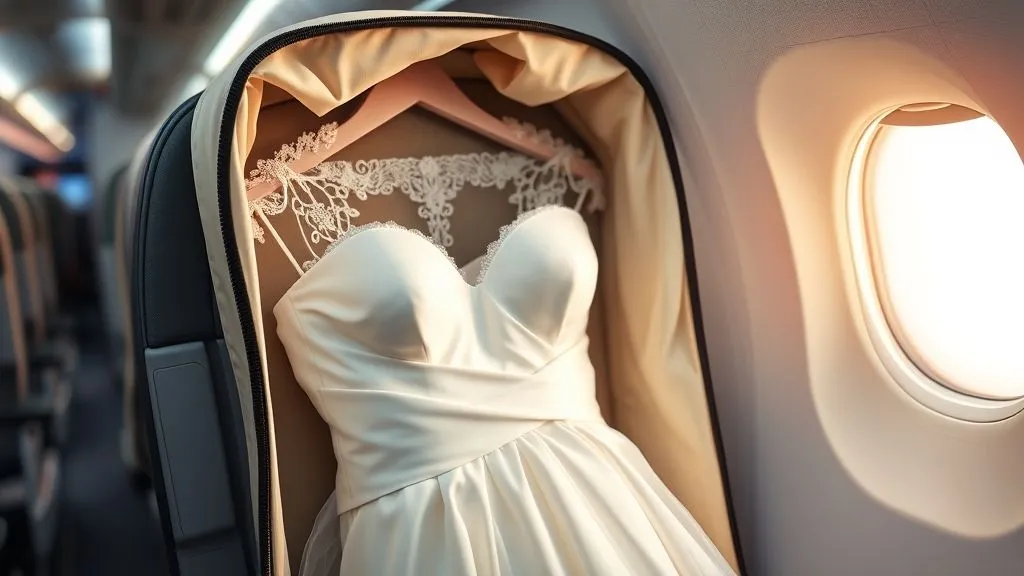
How to protect a delicate wedding gown during international flight?
For over 15 years in the bridal fashion industry, I've had the immense privilege of witnessing countless love stories unfold, often culminating in breathtaking destination weddings. However, I’ve also seen the unique anxieties that arise when a bride considers transporting her cherished, often delicate, wedding gown across international borders.
The journey of a wedding gown from boutique to destination is fraught with potential perils: cramped overhead bins, rough handling by airport staff, unexpected delays, and the dreaded wrinkling that can turn a dream dress into a stressful situation. The thought of your perfect gown arriving less than pristine can cast a shadow over even the most exciting pre-wedding preparations.
This comprehensive guide, born from years of hands-on experience and countless conversations with brides and travel experts, will equip you with the definitive strategies on how to protect a delicate wedding gown during international flight. We'll delve into actionable frameworks, share expert insights, and provide a clear roadmap to ensure your gown arrives as perfectly as you envision it.
Understanding Your Gown's Vulnerabilities: A Pre-Travel Assessment
Before you even think about packing, it's crucial to understand the specific characteristics of your gown that make it vulnerable to travel stressors. Not all dresses are created equal, and a bespoke strategy begins with a thorough assessment of its composition and construction.
Fabric Follies: Silk, Lace, Tulle, and Embellishments
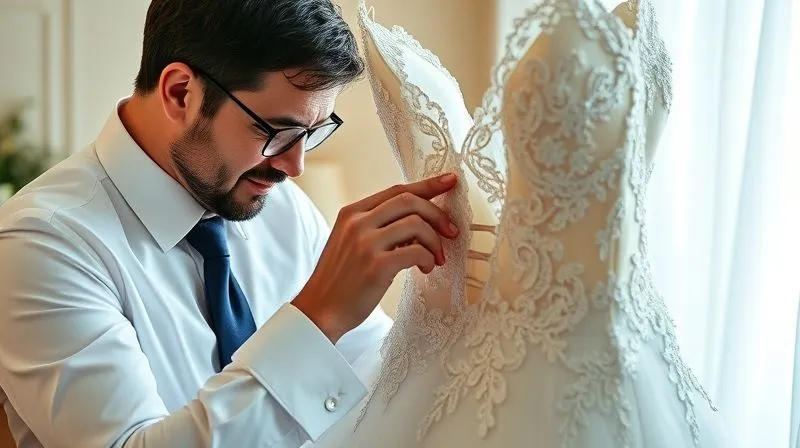
Different fabrics react differently to folding, compression, and humidity. A luxurious silk charmeuse, while stunning, is notoriously prone to wrinkling. Delicate lace appliques can snag or tear, especially if not properly protected. Voluminous tulle skirts, while resilient to creasing, require careful handling to maintain their shape and prevent crushing. Heavy beading or intricate embroidery adds weight and can create pressure points that might damage the fabric underneath or even detach if jostled excessively. I always advise brides to spend time with their bridal consultant to understand their gown's specific needs.
Structural Integrity: Boning, Crinoline, and Trains
The internal architecture of your gown is just as important as its outer shell. Boning, often found in bodices, can bend or warp if subjected to undue pressure. Crinoline or horsehair braids, essential for maintaining skirt volume, can crease permanently if folded incorrectly. Long trains, while beautiful, are the most susceptible to dragging, dirt, and damage during transit. Understanding these structural elements helps you anticipate potential issues and plan your packing strategy accordingly. Think of it like preparing a delicate piece of art for transport – every detail matters.
The Golden Rule: Carry-On, Always – Why It's Non-Negotiable
If there's one piece of advice I could engrave into every bride's mind, it's this: Your wedding gown belongs in the cabin with you. Period. Checked luggage is a gamble you simply cannot afford with something as irreplaceable as your wedding dress. The risks of loss, damage, or significant delays are too high. I've heard too many heartbreaking stories of gowns going missing or arriving in disarray to ever recommend checking it.
Overhead Bins vs. Crew Closets: Knowing Your Options
Once you've committed to carrying it on, you have two primary options: the overhead bin or, ideally, the crew closet. The overhead bin is a standard option, but it requires careful packing to prevent crushing. Your gown should be the last item placed in and the first taken out, ideally on top of softer items. The holy grail, however, is the crew closet or a coat closet typically found at the front of the plane. This space, usually used for flight attendants' uniforms, offers a flat hanging space that is ideal for preserving your gown's integrity.
Expert Insight: Always ask politely and early. As soon as you board, approach a flight attendant, explain you're a bride traveling with your wedding gown, and ask if there's space in the crew closet. Be prepared to be flexible and gracious; this is a courtesy, not a guaranteed service. A genuine smile and a polite request go a long way.
While some airlines explicitly state they cannot guarantee closet space, many flight attendants are incredibly understanding and accommodating when faced with a hopeful bride. I've seen this play out positively more often than not, especially if you're among the first to board. For more detailed insights on airline specific policies, it's always wise to check the official guidelines of your carrier or refer to reliable travel resources like IATA's travel information.
Mastering the Art of Packing: The 'Roll and Fold' Technique
Even if you secure a crew closet, your gown will spend some time folded or rolled. This is where the 'roll and fold' technique, a method I've honed over years, becomes invaluable. It minimizes sharp creases and distributes the weight of the fabric more evenly, reducing pressure points.
Here’s how to properly prepare your gown for travel:
- Lay Flat: Lay your gown flat on a clean, large surface. Smooth out any wrinkles.
- Strategic Folding: Fold the gown lengthwise, bringing the sides towards the center, ensuring any delicate embellishments are tucked inwards and protected.
- Tissue Layering: Place sheets of acid-free tissue paper between each fold, especially over lace, beading, or intricate details. This acts as a buffer against friction and moisture.
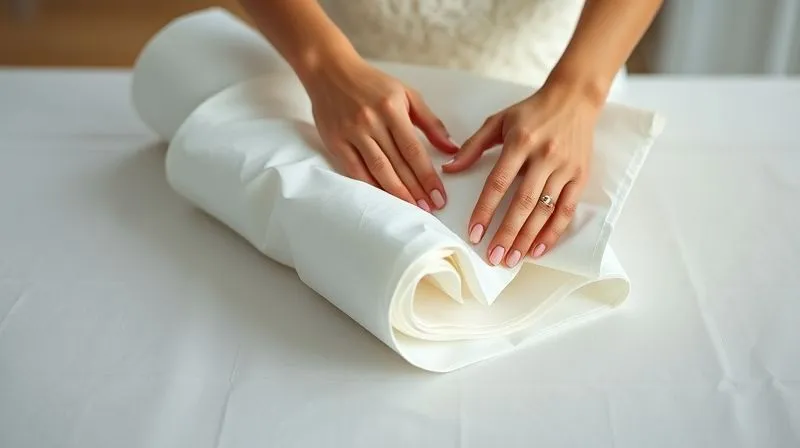
- Gentle Rolling: Starting from the hem, gently roll the gown upwards towards the bodice. The goal is a soft, cylindrical shape, not a tight, compressed bundle. This rolling technique is superior to sharp folding as it prevents harsh creases.
- Secure in Garment Bag: Carefully place the rolled gown into a high-quality, breathable garment bag. Ensure the bag is large enough to accommodate the roll without excessive compression.
Essential Packing Materials: Acid-Free Tissue and Garment Bags
The right materials are your gown's best friends during transit. Acid-free tissue paper is non-negotiable. Regular tissue can yellow your gown over time or react negatively with certain fabrics. Invest in a high-quality, breathable garment bag – preferably one specifically designed for bridal wear. These often have gussets to allow for volume and are made from materials that protect against dust and minor spills without trapping moisture. Avoid plastic dry cleaner bags; they trap humidity and can cause mildew or yellowing.
| Material | Benefit for Gown | When to Use |
|---|---|---|
| Acid-Free Tissue Paper | Prevents yellowing, reduces friction, absorbs minor moisture | Between all folds, over embellishments |
| Breathable Bridal Garment Bag | Protects from dust, spills, and snags; allows air circulation | For main transport, especially in overhead bin/closet |
| Custom Bridal Travel Box | Rigid protection, preserves shape, ideal for storage | Long-term storage, specific airline requirements |
| Silica Gel Packets (optional) | Absorbs excess humidity | Humid destinations, short-term placement inside box |
Beyond the Bag: Specialized Travel Solutions
While the garment bag and carry-on strategy are paramount, there are additional specialized solutions that can provide extra layers of protection, especially for gowns with extreme volume or intricate details.
Custom Bridal Boxes: When to Invest
For gowns with extensive crinoline, delicate trains, or those that simply cannot be folded without compromising their structure, a custom bridal travel box can be a wise investment. These boxes are designed to hold the gown in a more natural, less compressed state, often with internal supports. While usually too large for carry-on, some airlines may allow them as a special item, or they can be shipped via a reputable, insured courier service. This option is particularly useful if you're traveling far in advance or prefer not to personally manage the gown on the flight.
Compression Cubes and Organizers for Accessories
Your veil, shoes, jewelry, and other bridal accessories also need careful consideration. I recommend using soft compression cubes or dedicated organizers within your carry-on luggage. Your veil, often made of delicate tulle or lace, should be rolled with acid-free tissue paper and placed in its own protective bag. Shoes should be bagged to prevent scuffing the dress, and jewelry should be secured in a hard-shell case. These small organizational steps contribute significantly to the overall protection of your entire bridal ensemble.
Navigating Airport Security and Airline Policies
The airport environment can be stressful, but being prepared for security checks and understanding airline policies can make the process smoother and less anxiety-inducing for your gown.
Pre-Flight Communication with Your Airline
I cannot stress enough the importance of contacting your airline well in advance of your flight. Inquire about their specific policies regarding wedding gowns as carry-on items. While most major airlines are generally accommodating, some may have specific size restrictions for garment bags, or their crew closet policies might vary. Knowing this information beforehand allows you to plan accordingly and avoid any unwelcome surprises at the gate. You can often find general guidelines on airline websites, but a direct call to their customer service can provide more specific answers for your route.
Security Checkpoints: What to Expect
Going through airport security with a wedding gown can be a moment of trepidation. Be prepared for your gown to be hand-inspected by TSA agents. While they typically understand the delicacy of the item, they are still required to follow security protocols. Politely explain that it's a wedding gown and request gentle handling. Some brides prefer to have their gown in a clear garment bag for easier inspection, though a breathable opaque bag is generally fine. The key is to be calm, cooperative, and communicative. For official guidelines on what to expect during security checks, always refer to reputable sources like the Transportation Security Administration (TSA) website.

Upon Arrival: Unpacking, Steaming, and Restoration
The moment you arrive at your destination, your gown's journey isn't quite over. Proper unpacking and restoration are crucial steps to ensure it looks flawless for your big day.
Immediate Actions for a Pristine Gown
As soon as you reach your accommodation, the first thing you should do is carefully unpack your gown. Hang it immediately in a spacious area, ideally in a bathroom where you can create a gentle steaming environment. Allow the fabric to breathe and relax. Don't leave it folded in its bag or box for extended periods, as this will only set any creases deeper. The sooner it's out and hanging, the better it will recover.
Professional Steaming vs. DIY Solutions
For truly pristine results, I always recommend seeking professional steaming at your destination if possible. Many destination wedding resorts offer this service, or they can recommend local dry cleaners specializing in bridal wear. If a professional service isn't feasible, a high-quality hand-held steamer is your next best friend. Always test the steamer on an inconspicuous area first, and keep it a safe distance from the fabric. For fabrics like silk, a gentle misting with water and allowing gravity to do its work can also help. Avoid irons directly on the fabric unless you are an expert, as they can scorch or damage delicate materials.
Case Study: Sarah's Santorini Save: A Gown's Journey
How Sarah Ensured Her Gown Arrived Pristine in Greece
Sarah, a bride planning her dream wedding in Santorini, faced the common dilemma of how to protect a delicate wedding gown during international flight. Her gown, a voluminous A-line with intricate lace appliques and a long train, seemed impossible to manage. Following my advice, she meticulously contacted her airline, securing a promise for crew closet space. She then spent an afternoon practicing the 'roll and fold' technique, using ample acid-free tissue paper. Upon arrival in Greece, she immediately hung the gown in her hotel suite's spacious closet. While there were a few minor creases, a quick call to the hotel concierge arranged for a professional steaming service. The gown was flawless for her cliffside ceremony, a testament to proactive planning and careful execution. This resulted in a stress-free wedding morning and stunning photographs.
The Unforeseen: Insurance, Contingencies, and Peace of Mind
While we plan for perfection, it's wise to prepare for the unexpected. Comprehensive planning includes safeguards for unforeseen circumstances.
Travel Insurance: Is Your Gown Covered?
This is a critical, yet often overlooked, aspect of protecting your wedding gown. Standard travel insurance policies may not adequately cover high-value items like a wedding dress. I strongly advise checking your policy's fine print or purchasing specific bridal insurance. Many companies offer specialized wedding insurance that covers everything from gown damage or loss to vendor no-shows. Understanding your coverage provides immense peace of mind. For insights into comprehensive wedding insurance, you might explore resources from financial publications like Forbes Advisor on Wedding Insurance.
Emergency Kits: Small Details, Big Impact
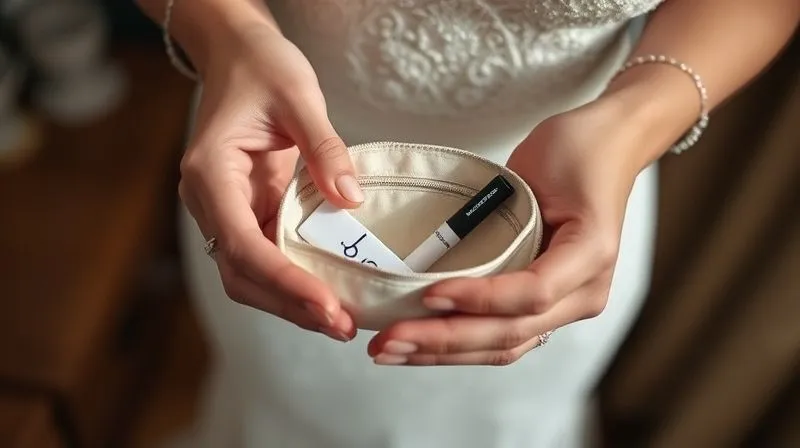
A small, well-stocked emergency kit can be a lifesaver. Include a travel-sized sewing kit with needles, white thread, safety pins, and small scissors. Stain remover pens (test discreetly beforehand!), fashion tape, and a lint roller are also invaluable. These items can address minor mishaps quickly, preventing small issues from becoming major stressors. It’s the kind of foresight that truly distinguishes a prepared bride.
Expert Insights: My Top 3 Non-Obvious Tips
Beyond the standard advice, here are a few nuanced strategies I've gathered over the years that can make a significant difference in how to protect a delicate wedding gown during international flight.
The Power of a Designated Gown Guardian
Consider assigning a trusted friend or family member the specific role of 'gown guardian.' This person would be responsible for carrying the gown, communicating with airline staff, and overseeing its immediate unpacking upon arrival. This takes a significant burden off the bride, allowing her to focus on other wedding details and enjoy the journey. It's an act of delegation that can save you considerable stress.
Practice Run: Packing and Unpacking Before the Big Day
If your gown is particularly complex or voluminous, do a practice run. Pack and unpack it a week or two before your departure. This allows you to refine your folding/rolling technique, identify any potential issues with your garment bag, and ensure you're comfortable with the process. It's like a dress rehearsal for your dress's journey, building confidence and competence.
Document Everything: Photos and Videos
Before you even leave your home, take detailed photos and videos of your gown, paying close attention to its pristine condition and any unique details. Do this again after you've packed it. This documentation serves as crucial evidence in the unlikely event of damage or loss, especially if you need to file an insurance claim. It's a simple step that offers significant protection.
Frequently Asked Questions (FAQ)
Question: Can I really fit a ball gown in a carry-on? Absolutely! While challenging, it's often possible with the right technique. The key is gentle rolling rather than sharp folding, using plenty of acid-free tissue paper, and investing in a high-quality, spacious bridal garment bag. Focus on compressing air out of the fabric rather than crushing the material itself. You might be surprised at how much volume can be managed with careful packing.
Question: What if my airline says no to a crew closet? If the crew closet isn't an option, your next best bet is the overhead bin. Ensure your gown is in a durable garment bag, and try to board as early as possible (often possible with priority boarding or special assistance for brides) to secure space. Place your gown on top of other softer luggage, and politely ask fellow passengers to be mindful. Sometimes, a kind flight attendant might still find an alternative spot, so always keep communication open.
Question: Should I dry clean my dress before or after the flight? Always dry clean your dress *before* the flight if it needs it. A professional cleaning ensures it's pristine for your wedding day. Do not wait until after; destination dry cleaning services may not be familiar with delicate bridal fabrics or have the specialized equipment required. Make sure the gown is thoroughly aired out after cleaning before packing to avoid any lingering chemical smells.
Question: How do I handle wrinkles without a steamer? If a steamer isn't available, the 'bathroom steam' method is your best friend. Hang your gown in the bathroom, turn on the hottest shower, and let the room fill with steam. Close the door and leave the dress for 20-30 minutes. The humidity will help relax the fabric. You can also gently mist certain fabrics with water from a spray bottle and allow them to air dry while hanging. Always test an inconspicuous area first.
Question: What's the best way to transport my veil and accessories? Your veil should be carefully rolled with acid-free tissue paper and placed in its own protective bag, ideally within your main carry-on. Shoes should be in individual dust bags to prevent scuffs. Jewelry should be in a hard-shell case to prevent tangling or damage. All these smaller, but equally important, items should remain with you in your carry-on luggage.
Key Takeaways and Final Thoughts
Navigating international travel with a delicate wedding gown doesn't have to be a source of stress. By adopting a proactive mindset and implementing these expert-backed strategies, you can ensure your cherished attire arrives at your destination as flawlessly as you dreamed.
- Prioritize Carry-On: Your gown belongs in the cabin with you, preferably in a crew closet.
- Master the 'Roll and Fold': Use acid-free tissue paper and a quality garment bag to minimize creases.
- Communicate Proactively: Talk to your airline and airport security about your gown.
- Plan for Arrival: Unpack and hang immediately; arrange for professional steaming if possible.
- Secure Your Investment: Consider specialized bridal insurance and prepare an emergency kit.
- Delegate and Document: Assign a gown guardian and photograph its condition before travel.
Remember, your wedding day is about joy, celebration, and the beginning of a beautiful new chapter. By taking these thoughtful steps on how to protect a delicate wedding gown during international flight, you're not just protecting a dress; you're safeguarding a piece of your dream. Travel smart, travel prepared, and step into your destination wedding with confidence and grace.
Recommended Reading
- 7 Proven Strategies: Maximizing ROI from AI Skin Analysis for Luxury Spas
- 7 Expert Adjustments: How Fashion Shoes Become Truly Orthotic-Friendly
- Unlock 5 AI Strategies: How to Improve Fashion Demand Forecasting?
- 7 Keys: How to Make Sportswear Streetwear Truly Authentic?
- Master Q4 Women's Shoe Trends: How to Avoid Outdated Buys Now





Your email address will not be published. Required fields are marked *