


What to Do When Counterfeit Luxury Accessories Infiltrate Stock?
For over two decades navigating the intricate, often glittering, landscape of luxury fashion, I've witnessed firsthand the devastating impact a single, insidious threat can have: counterfeit products. It's not just a commercial nuisance; it's a direct assault on a brand's legacy, its craftsmanship, and its very soul. I've seen promising ventures brought to their knees and established names grapple with a crisis of trust, all because of an unexpected infiltration.
The problem isn't merely lost sales; it's the erosion of brand integrity, the legal liabilities, and the profound damage to customer loyalty that takes years, if not decades, to rebuild. Imagine the horror of discovering that the exquisite pieces you painstakingly curated for your discerning clientele are, in fact, cheap imitations. This isn't a hypothetical nightmare for many in our industry; it's a stark reality, and knowing what to do when counterfeit luxury accessories infiltrate stock is paramount.
In this comprehensive guide, I will draw upon my extensive experience to provide you with a definitive framework for action. We'll delve into immediate containment strategies, robust authentication protocols, legal recourse, and proactive measures to fortify your supply chain. My goal is to equip you with the knowledge and tools to not only mitigate the damage but to emerge stronger, safeguarding your brand's future against this ever-present threat.
The Silent Threat: Why Counterfeits Are More Than Just "Fakes"
The term "fake" often trivializes the sophisticated and organized criminal enterprise behind counterfeit luxury goods. These aren't just street vendors selling knock-offs; we're talking about global networks capable of producing items that are startlingly close to the original, often infiltrating legitimate supply chains at various points. The ramifications extend far beyond a mere loss of revenue for the brand.
Firstly, there's the undeniable financial toll. Lost sales directly impact your bottom line, but the costs associated with detecting, verifying, removing, and destroying counterfeit stock add another significant burden. Beyond the tangible, the intangible damage is often more severe. Counterfeits dilute brand equity, eroding the perception of exclusivity and quality that luxury brands meticulously cultivate over generations.
Then comes the critical issue of customer trust. If a customer unknowingly purchases a counterfeit from your establishment, their faith in your brand, and indeed the entire luxury market, is shattered. This can lead to a public relations nightmare, negative reviews, and a lasting stain on your reputation. Furthermore, there are significant legal liabilities, including potential lawsuits from the original brand owner for intellectual property infringement, and consumer protection agencies if you're found to have knowingly or negligently sold fake goods. The challenge of what to do when counterfeit luxury accessories infiltrate stock is multifaceted, demanding a holistic and urgent response.
Immediate Response Protocol: Your First 72 Hours After Discovery
Discovering counterfeit luxury accessories in your inventory is a shock, but panic is not an option. Based on my experience, the first 72 hours are critical for containment and damage control. A swift, systematic response can significantly limit exposure and protect your brand.
Step 1: Isolate and Verify
Your absolute first priority is to prevent further spread. As soon as a suspected counterfeit is identified, it must be isolated from legitimate stock immediately. This isn't just about physical separation; it's about quarantining any related batches or shipments.
- Physical Segregation: Move all suspected items to a secure, designated area, clearly marked as "Quarantined - Suspected Counterfeit." Ensure this area is under strict surveillance and accessible only to authorized personnel.
- Cross-Referencing Inventory: Use your inventory management system to identify all items from the same batch, supplier, or shipment. Flag these items electronically to prevent them from being sold or moved.
- Expert Verification: Engage independent authentication experts or the original brand's representatives to formally verify the authenticity of the suspected items. Do not rely solely on internal assessment, especially for sophisticated fakes.
Step 2: Documentation and Evidence Gathering
Every step you take, every item you identify, must be meticulously documented. This evidence will be crucial for legal proceedings, insurance claims, and internal investigations.
- Photographic Evidence: Take high-resolution photos and videos of the suspected items, capturing all angles, identifying marks, serial numbers (or lack thereof), packaging, and any discernible flaws.
- Detailed Records: Log every detail: date of discovery, who discovered it, where it was found, the supplier, purchase order numbers, and any communications related to the items.
- Chain of Custody: Establish a clear chain of custody for all evidence. Every person who handles the items should sign off on a log, indicating when and why they accessed the quarantined stock. This prevents accusations of tampering.
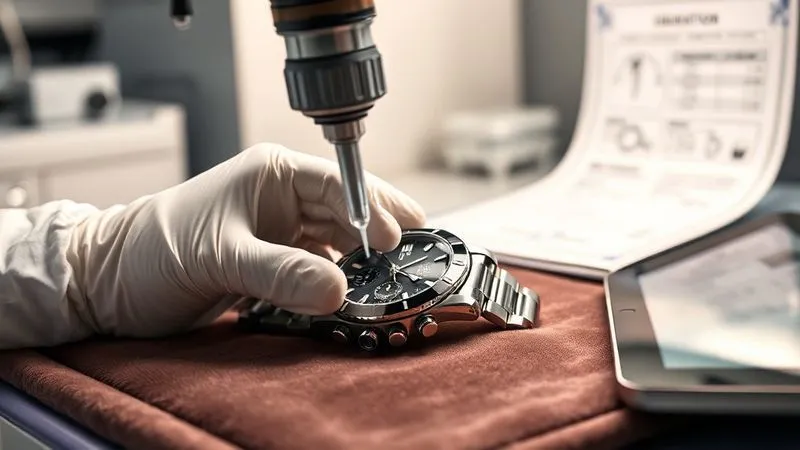
Case Study: LuxeBoutique's Rapid Containment
Case Study: LuxeBoutique's Rapid Containment
LuxeBoutique, a well-regarded multi-brand luxury retailer, faced a crisis when a vigilant sales associate identified a suspicious stitching pattern on a newly arrived batch of designer wallets. Acting swiftly, their management immediately initiated the 72-hour protocol I've outlined. They isolated the entire shipment, cross-referenced inventory, and within 24 hours, had independent authenticators on-site. The items were confirmed counterfeit. Their rigorous documentation allowed them to quickly identify the fraudulent supplier, initiate legal action, and recall any potentially sold items before widespread customer complaints could tarnish their reputation. This rapid response minimized financial loss and, more importantly, preserved their hard-earned customer trust.
Building an Ironclad Authentication Process
Prevention is always better than cure. Beyond the immediate crisis, your long-term strategy must center on establishing a robust, multi-layered authentication process. This is your best defense against future infiltrations and a clear answer to what to do when counterfeit luxury accessories infiltrate stock proactively.
Leveraging Technology: AI, Blockchain, and RFID
The fight against counterfeits is increasingly a technological one. Innovative solutions offer unprecedented levels of traceability and verification.
- Artificial Intelligence (AI): AI-powered visual recognition systems can analyze subtle nuances in product characteristics – stitching, logos, materials – comparing them against vast databases of genuine items. These systems can detect discrepancies often imperceptible to the human eye, even in high-quality fakes.
- Blockchain Technology: By creating an immutable, decentralized ledger of a product's journey from manufacturing to sale, blockchain offers unparalleled transparency. Each item can have a unique digital fingerprint, verifiable at every touchpoint, making it incredibly difficult for fakes to enter the chain undetected.
- RFID and NFC Tags: Embedding tiny RFID (Radio-Frequency Identification) or NFC (Near Field Communication) tags into products provides a unique digital identity. These tags can be scanned at various points in the supply chain and by consumers, instantly verifying authenticity and tracing provenance.
Expert Human Verification: The Unsung Heroes
While technology is powerful, it's a complement, not a replacement, for human expertise. Experienced authenticators possess an intuitive understanding of craftsmanship, materials, and brand-specific details that AI might miss. Regular training for your staff on identifying common tells of counterfeits – weight, feel, scent, hardware quality, and packaging – is invaluable. Their vigilance is often the first line of defense.
| Technology | Benefit | Challenge |
|---|---|---|
| AI Visual Recognition | Detects subtle visual discrepancies | Requires extensive training data, can be fooled by perfect replicas |
| Blockchain Traceability | Immutable record of product journey, enhanced transparency | Requires full supply chain participation, initial setup complexity |
| RFID/NFC Tags | Instant, verifiable authenticity at point of sale | Tags can be replicated or removed, cost per item |
| Human Expertise | Intuitive understanding of craftsmanship, adaptable to new fakes | Subject to human error, requires continuous training and experience |
Navigating the Legal Labyrinth: Protecting Your Brand & Bottom Line
Once counterfeits are confirmed, the legal implications are significant. It's not just about removing the fakes; it's about protecting your brand's intellectual property and seeking recourse against the perpetrators. This is where expert legal counsel becomes indispensable.
Engaging Legal Counsel and Law Enforcement
My advice is always to engage intellectual property (IP) lawyers immediately. They can guide you through the complexities of trademark and copyright infringement, drafting cease-and-desist letters, and potentially pursuing litigation against the counterfeiters or negligent suppliers. They will also advise on your obligations to the legitimate brand owners.
Simultaneously, you should report the incident to relevant law enforcement agencies. Counterfeiting is a crime, and agencies like Homeland Security Investigations (HSI) in the US or local police forces often have dedicated units for intellectual property crime. Providing them with your meticulously gathered evidence can aid in their investigations and lead to arrests and seizures. For more information on intellectual property rights, you can consult resources like the World Intellectual Property Organization (WIPO).
International Cooperation and IP Protection
Given the global nature of supply chains and counterfeiting networks, legal action often requires international cooperation. Your legal team may need to work with foreign authorities or pursue legal avenues in other jurisdictions where the counterfeits originated or were manufactured. Ensuring your brand's trademarks and other IP are properly registered in key markets worldwide is a proactive step that strengthens your legal standing.
Supply Chain Fortification: Closing the Gaps
The most effective way to prevent future occurrences of what to do when counterfeit luxury accessories infiltrate stock is to fortify your supply chain against infiltration. My experience tells me that most vulnerabilities lie in the weakest links of the chain.
Vendor Vetting and Audits
The source of your products is paramount. Don't assume; verify. Implement rigorous vetting processes for all suppliers, manufacturers, and distributors, no matter how long-standing the relationship.
- Due Diligence: Conduct thorough background checks on all potential and existing partners. Verify their certifications, track records, and anti-counterfeiting measures.
- Regular Audits: Perform unannounced audits of your suppliers' facilities. Look for inconsistencies in production, unusual working conditions, or anything that deviates from established protocols.
- Contractual Clauses: Include stringent anti-counterfeiting and intellectual property protection clauses in all contracts with suppliers. Clearly define penalties for non-compliance and specify your right to inspect.
Secure Logistics and Traceability
The journey of a luxury accessory from factory to storefront presents multiple opportunities for counterfeits to be swapped in. Secure your logistics at every turn.
- Tamper-Evident Packaging: Use seals, holograms, or unique identifiers on packaging that clearly show if a package has been opened or tampered with.
- Secure Transportation: Partner with reputable logistics providers who employ secure warehousing, GPS tracking for shipments, and vetted personnel.
- End-to-End Traceability: Implement systems (like blockchain or advanced RFID) that allow you to track each individual item from its origin to the point of sale. This creates a digital "passport" for every product, making it difficult for fakes to blend in.
Restoring Customer Trust and Brand Reputation
The discovery of counterfeits in your stock is a crisis that extends beyond logistics and legalities; it's a threat to your most valuable asset: your reputation and customer trust. How you communicate and act post-discovery is critical.
Transparent Communication Strategy
In a crisis, silence is perceived as guilt. Transparency, carefully managed, is key. Develop a clear communication plan with your PR and legal teams. This doesn't mean airing all your dirty laundry, but it does mean being honest and proactive.
- Internal Communication: First, inform your staff. Equip them with accurate, approved talking points so they can confidently address customer inquiries.
- Customer Notification: If there's a possibility customers have purchased affected items, you must notify them directly. Offer clear instructions for verification and returns, alongside sincere apologies.
- Public Statement: Issue a carefully worded public statement acknowledging the issue, outlining the steps you're taking, and reaffirming your commitment to authenticity and quality. Emphasize your swift action and robust new protocols. For insights on crisis communication, refer to reputable sources like the Harvard Business Review on Crisis Management.
Rebuilding Loyalty Post-Incident
Actions speak louder than words. Beyond communication, demonstrate your renewed commitment to excellence.
- Enhanced Authenticity Guarantees: Introduce new, highly visible authentication seals, certificates, or digital verification methods for all products.
- Exclusive Customer Engagement: Offer special events, loyalty program bonuses, or personalized services to affected customers as a gesture of goodwill and to reinforce their value.
- Showcase Your New Systems: Transparently share (without revealing security vulnerabilities) how you've fortified your supply chain and authentication processes. This rebuilds confidence by demonstrating tangible improvements.
Employee Training: Your First Line of Defense
Your employees, from warehouse staff to sales associates, are on the front lines. Their ability to identify suspicious items quickly is an invaluable asset. Investing in comprehensive, ongoing training is not an expense; it's a critical investment in brand protection.
Comprehensive Training Modules
Training should be multi-faceted and tailored to different roles. It's not just about spotting a fake; it's about understanding the entire ecosystem of counterfeiting.
- Product Specifics: Train staff on the minute details of genuine products – stitching, hardware, serial numbers, packaging, and even the scent of materials. Provide comparison tools and real examples of fakes vs. authentic items.
- Supply Chain Vigilance: Educate warehouse and receiving staff on how to inspect incoming shipments for signs of tampering, suspicious packaging, or irregular documentation.
- Customer Interaction: Train sales staff on how to politely and professionally handle customer inquiries about authenticity, and how to escalate concerns without alienating the customer.
Incentivizing Vigilance
Encourage a culture of vigilance. Reward employees who identify and report suspected counterfeits. This fosters a proactive mindset and ensures that everyone feels empowered to protect the brand. Regular refresher courses and updates on new counterfeiting techniques are also essential to keep knowledge current.
| Role | Key Training Topics |
|---|---|
| Receiving/Warehouse Staff | Tamper detection, packaging anomalies, documentation verification, RFID/NFC scanning protocols |
| Quality Control/Authentication Teams | Deep product knowledge, advanced authentication tools, material science, counterfeit identification techniques |
| Sales Associates | Product authenticity features, handling customer inquiries, escalation procedures, maintaining brand image |
| Management/Leadership | Crisis communication, legal implications, supply chain risk management, strategic brand protection planning |
The Future of Authentication: Staying Ahead of the Fakers
The battle against counterfeiting is an arms race; as authentication technologies evolve, so do the methods of the fakers. To truly address what to do when counterfeit luxury accessories infiltrate stock, we must look to the horizon.
Predictive Analytics and Threat Intelligence
Moving beyond reactive measures, the future lies in predictive capabilities. Leveraging big data and AI, brands can analyze global trends in counterfeiting, identify emerging threats, and predict potential points of infiltration in their supply chains. This involves monitoring online marketplaces, social media, and dark web forums for discussions and sales of fake goods related to your brand. Integrating this intelligence into your security protocols allows for pre-emptive action.
Collaborative Industry Initiatives
No single brand can fight this battle alone. Industry-wide collaboration is becoming increasingly vital. Sharing threat intelligence, best practices, and even developing common authentication standards can create a stronger, more unified front against counterfeiters. Organizations like the International AntiCounterfeiting Coalition (IACC) are crucial platforms for such collaboration.
Furthermore, advocating for stronger government regulations and international treaties against counterfeiting is essential. Policy changes that increase penalties for counterfeiters and enhance enforcement capabilities will provide a more robust legal framework for all luxury brands. This collective effort ensures that the luxury industry remains a beacon of quality and authenticity, rather than a playground for illicit trade.
Frequently Asked Questions (FAQ)
Q: How can I differentiate between a high-quality fake and a genuine luxury accessory, especially when fakes are becoming so sophisticated? A: This is increasingly challenging, even for experts. Beyond obvious flaws, look for inconsistencies in serial numbers, often overlooked details in packaging, the feel and weight of specific materials (e.g., the exact grade of leather, the specific alloy of hardware), and specific brand hallmarks that are difficult to replicate. Often, the "tell" is in the precision of the stitching, the quality of the internal lining, or the specific scent of the materials. Employing a combination of AI visual analysis and independent human authentication is your most reliable approach.
Q: What are the potential legal repercussions for a retailer who unknowingly sells counterfeit luxury accessories? A: Even unknowingly selling counterfeits can lead to significant legal exposure. You could face lawsuits from the legitimate brand owner for trademark infringement, requiring you to cease sales, destroy stock, and pay damages. Consumer protection agencies might also impose fines or sanctions for selling non-authentic goods. Furthermore, your business insurance may not cover losses or legal fees related to counterfeit sales, leaving you financially vulnerable.
Q: Can blockchain technology truly prevent counterfeits from entering my supply chain? A: While no single technology is a silver bullet, blockchain offers a powerful deterrent. By creating an immutable, transparent record of each product's journey from manufacturing to sale, it significantly increases traceability and accountability. If every legitimate product has a unique, verifiable blockchain entry, any item without one, or with a tampered entry, is immediately suspect. Its effectiveness relies on widespread adoption across the entire supply chain and robust physical tagging of products.
Q: How often should I audit my inventory for counterfeit luxury accessories? A: The frequency of audits should be proportional to your risk exposure. For high-volume luxury retailers, I recommend quarterly physical audits combined with continuous digital monitoring. For smaller boutiques, bi-annual comprehensive audits might suffice, but daily vigilance by staff is non-negotiable. Additionally, trigger an immediate audit if you notice any unusual supplier behavior, receive customer complaints about authenticity, or detect suspicious patterns in your sales data.
Q: What should I do if a customer returns an item they claim is a counterfeit, but I believe it's genuine? A: Handle this situation with extreme care and professionalism. First, thank the customer for their vigilance. Do not argue. Inform them that you have a strict authentication process for such claims and will investigate thoroughly. Take the item back, issue a temporary refund or store credit if your policy allows, and send the item for independent expert verification. Communicate the findings transparently to the customer. Maintaining trust is paramount, even if the item turns out to be genuine.
Key Takeaways and Final Thoughts
Navigating the complex world of luxury retail means being ever-vigilant against the threat of counterfeits. It's a challenge that demands a proactive, multi-pronged approach, blending technological innovation with human expertise and robust legal strategies.
- Act Swiftly and Systematically: Immediate containment and meticulous documentation are crucial in the critical hours following discovery.
- Invest in Layered Authentication: Combine cutting-edge technologies like AI and blockchain with invaluable human expertise for an ironclad defense.
- Fortify Your Supply Chain: Rigorous vendor vetting, secure logistics, and end-to-end traceability are your best preventative measures.
- Communicate Transparently: Rebuild customer trust through honest, proactive communication and demonstrably enhanced authenticity guarantees.
- Empower Your Team: Comprehensive employee training creates your most effective first line of defense against infiltration.
The luxury industry thrives on trust, exclusivity, and unparalleled quality. When you understand what to do when counterfeit luxury accessories infiltrate stock, you not only protect your business from immediate harm but also reinforce the very foundations of your brand. By adopting these strategies, you're not just fighting fakes; you're safeguarding the authenticity, legacy, and future of luxury itself. Stay vigilant, stay proactive, and uphold the integrity that defines true luxury.
Recommended Reading
- 7 Proven Strategies: Halting Fraudulent Chargebacks in Rare Sneaker Sales
- 7 Essential Urgent Repair Methods for Priceless Haute Couture Textiles
- The Definitive Guide: How to Verify if a Fabric is Truly Biodegradable?
- 7 Pillars: How Clean Beauty Brands Can Dodge Greenwashing Accusations
- 7 Genuine Strategies: Marketing Empowering Womenswear Authentically?


Your email address will not be published. Required fields are marked *