

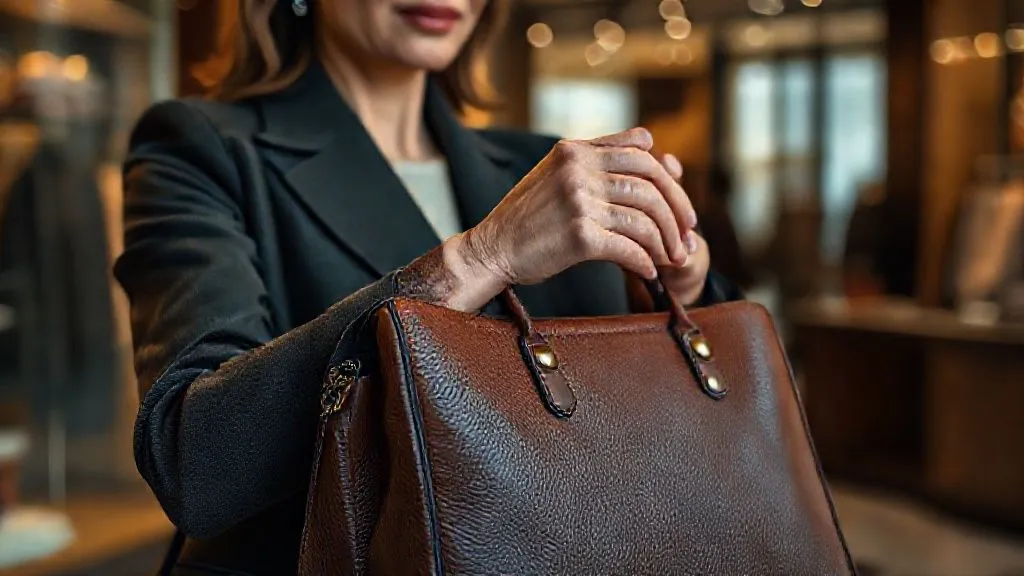
What to do when a client questions designer handbag authenticity?
For over two decades in the luxury fashion resale market, I've encountered nearly every scenario imaginable, from the thrill of discovering a rare vintage piece to the delicate dance of managing client expectations. One particular challenge stands out: the moment a client questions the authenticity of a designer handbag. It's a situation that can send a jolt through even the most seasoned professional, threatening not just a single sale but the very foundation of trust you've painstakingly built.
This isn't just about a bag; it's about reputation, integrity, and the emotional investment clients place in their luxury purchases. A client's doubt, whether stemming from genuine concern or misinformation, can quickly escalate, eroding confidence and potentially damaging your brand's standing. It's a sensitive issue that demands a precise, empathetic, and authoritative response.
This article isn't just a guide; it's a comprehensive framework derived from years of hands-on experience and deep industry knowledge. We will navigate the complexities of client authenticity concerns, providing you with actionable strategies, expert insights, and the confidence to not only resolve disputes but to transform these challenging moments into opportunities for strengthening client relationships and reinforcing your brand's commitment to genuine luxury.
The Immediate Response: Empathy and Professionalism
When a client voices concerns about a designer handbag's authenticity, your initial reaction sets the tone for the entire resolution process. Panic or defensiveness can be detrimental. In my experience, the most effective first step is always to approach the situation with genuine empathy and unwavering professionalism. Remember, the client is likely feeling vulnerable or even deceived, and their emotional state needs to be acknowledged.
First Contact: Acknowledge and Validate
Begin by actively listening without interruption. Let the client fully express their concerns, detailing what specifically led them to question the bag's authenticity. Validate their feelings by saying something like, "I completely understand why you'd want absolute assurance when investing in a luxury piece," or "It's important to us that you feel confident in your purchase, and I appreciate you bringing this to our attention." This immediately disarms the situation and shows you're on their side.
Avoid immediate rebuttal. Instead, ask open-ended questions to gather more information: "Could you tell me more about what makes you feel it might not be authentic?" or "Are there specific details that raised a red flag for you?" This collaborative approach makes the client feel heard and respected, paving the way for a constructive dialogue rather than a confrontation.
"In moments of doubt, a calm, empathetic response is your most powerful tool. It transforms potential conflict into a shared quest for truth."
Once you've listened thoroughly, summarize their concerns to ensure you've understood them correctly. This confirms your attentiveness and prevents misunderstandings. For example, "So, if I understand correctly, your primary concern is about the stitching on the handle and the weight of the hardware, is that right?" This level of engagement demonstrates respect and a commitment to addressing their specific issues head-on.
Gathering Evidence: The Power of Provenance and Documentation
Once you've established an empathetic rapport, the next crucial step is to gather concrete evidence to either confirm or refute the client's claims. This process relies heavily on meticulous record-keeping and an in-depth understanding of authentication markers. This is where your expertise truly shines.
Internal Verification: Your Records Are Gold
Every reputable luxury reseller should have an ironclad system for tracking provenance. Your internal records are the first line of defense. This includes:
- Purchase Records: Trace the bag back to its original acquisition. Was it sourced directly from a brand boutique, a trusted consignment partner, or a reputable individual seller? Document the date, location, and seller details.
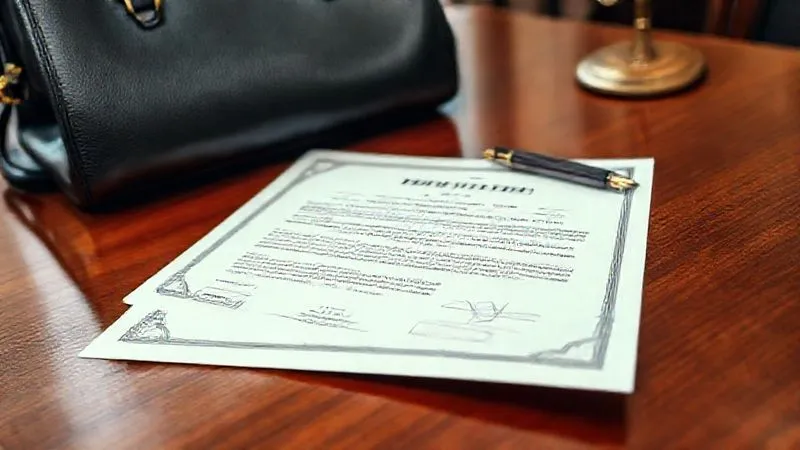
- Authentication Reports: If the bag was authenticated by a third-party service upon acquisition, retrieve that report immediately. These often include detailed photographs and specific reasons for authenticity confirmation.
- Condition Reports & Photographs: Compare the current condition of the bag with detailed photographs taken at the time of purchase. This can help identify if any alterations or damages occurred post-sale that might be mistaken for counterfeit indicators.
- Staff Notes: Review any notes made by your team during the initial intake and authentication process. Sometimes, subtle details are noted that become significant later.
Having these documents readily accessible allows you to swiftly provide a comprehensive overview of the bag's journey, building a strong case for its authenticity based on its verifiable history. This proactive approach demonstrates transparency and competence.
Educating the Client: Key Authenticity Markers
Often, client doubts stem from a lack of detailed knowledge about specific brand identifiers. This is an opportunity to educate and empower them. Walk them through the unmistakable hallmarks of authenticity for the specific brand and model in question. Focus on sensory details and construction nuances that are difficult for counterfeiters to replicate perfectly.
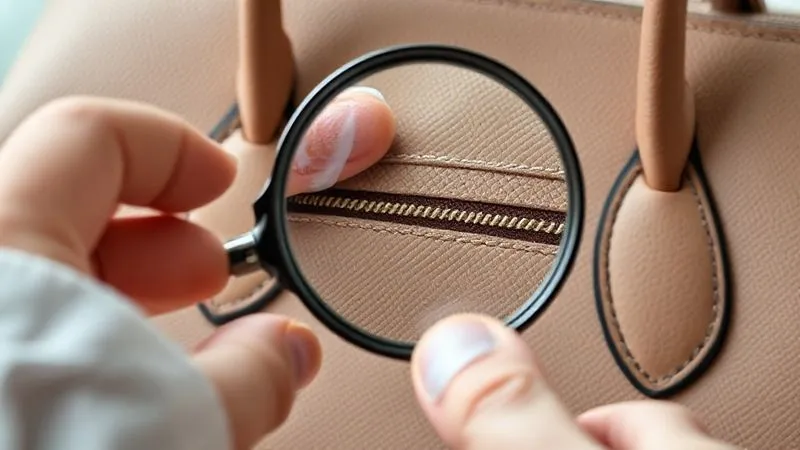
- Stitching: Point out the precision, consistency, and thread count. Authentic designer bags often have specific stitch patterns or counts per inch that counterfeits rarely match.
- Hardware: Discuss the weight, finish, engraving clarity, and proper functioning of zippers, clasps, and buckles. High-end hardware feels substantial and operates smoothly.
- Materials: Explain the tactile quality, scent, and grain of the leather or fabric. Genuine luxury materials have a unique feel that fakes struggle to mimic.
- Heat Stamps & Serial Numbers: Show the font, spacing, depth, and placement of heat stamps. For serial numbers, explain how they correspond to brand-specific dating systems or internal databases.
- Lining & Interior: Don't overlook the inside. Authentic linings are often made of specific materials, with precise stitching and sometimes hidden details.
According to a study by Statista on the global luxury goods market, consumer confidence is paramount. Providing this detailed, brand-specific education not only addresses their immediate concerns but also positions you as a trusted expert, enhancing their overall confidence in your offerings. It's about demystifying the authentication process and sharing your valuable insights.
| Feature | Authentic Trait | Counterfeit Trait |
|---|---|---|
| Stitching | Even, tight, consistent thread count, specific patterns | Irregular, loose, uneven spacing, sloppy finish |
| Hardware | Solid, weighty, engraved precisely, specific finishes, smooth function | Light, flimsy, poor engraving, cheap plating, stiff operation |
| Materials | Premium leather/fabric, distinct scent, consistent grain, supple feel | Synthetic, chemical smell, inconsistent texture, rigid feel |
| Serial Numbers/Date Codes | Specific font, placement, material, matches brand database, proper format | Incorrect font, wrong placement, inconsistent with brand, easily rubbed off |
| Interior Lining | Specific material, precise stitching, often subtle brand details | Generic fabric, poor stitching, often incorrect color or texture |
Leveraging Third-Party Authentication Services
Even with robust internal processes and detailed client education, some situations call for an unbiased, external verification. This is where professional third-party authentication services become invaluable. In my career, I've seen these services not only resolve disputes but also significantly bolster a brand's reputation for integrity.
Why Independent Experts Matter
Third-party authenticators, such as Entrupy, Real Authentication, or Authenticate First, utilize advanced technology (like AI and microscopic analysis) and extensive databases of genuine and counterfeit items. Their assessments are objective and carry significant weight because they are independent of the seller and buyer. Presenting a report from a recognized third-party service instantly adds a layer of undeniable credibility to your claim of authenticity.
When you recommend or utilize such a service, you're not just proving a bag's authenticity; you're demonstrating your commitment to transparency and client satisfaction. It shows you're willing to go the extra mile to ensure your clients' peace of mind. This proactive measure can transform a skeptical client into a loyal advocate, deeply impressed by your dedication to ethical business practices.
As marketing guru Seth Godin often says, "People do not buy goods and services. They buy relations, stories, and magic." In the luxury market, authenticity is part of that magic. Leveraging third-party services reinforces the story of genuine quality and the relation of trust. For more insights on building customer trust, consider reading this article from Forbes on building customer trust.
Transparent Communication and Resolution Strategies
Once all evidence, internal and external, has been compiled, the manner in which you communicate your findings is paramount. Transparency and confidence are key to resolving the situation amicably and reinforcing client trust.
Presenting the Findings: Clarity and Confidence
Schedule a follow-up conversation with the client, either in person or via video call, to present your findings. Start by reiterating your commitment to their satisfaction and the thoroughness of your investigation. Present the evidence clearly and logically, starting with your internal provenance records, then detailing the specific authenticity markers you've identified, and finally, presenting the third-party authentication report if one was obtained.
Use visual aids where possible – high-resolution photos comparing details, the actual authentication report, or even showing them the bag alongside a known authentic example (if available and appropriate). Explain what each piece of evidence signifies and how it collectively confirms the bag's authenticity. Be prepared to answer any further questions, maintaining your calm and expert demeanor throughout.
Case Study: Resolving a Chanel Authenticity Dispute
How a Boutique Maintained Trust with a Skeptical Client
A client purchased a vintage Chanel Classic Flap bag from 'Chic Finds,' a luxury consignment boutique. A week later, she returned, expressing strong doubts about its authenticity, citing concerns about the leather's texture and the weight of the chain. The boutique owner, having anticipated such scenarios, immediately implemented their protocol. They listened empathetically, validating the client's concerns.
First, Chic Finds retrieved their internal records, showing the bag was sourced from a reputable private collector with original purchase receipts. They then walked the client through specific Chanel authenticity markers: the precise diamond quilting, the unique 'squeak' of the lambskin, the specific number of links in the chain per inch, and the clarity of the serial sticker. Finally, they shared the detailed Entrupy authentication report, which had been obtained upon intake, clearly stating 'Authentic' with accompanying microscopic analysis images.
The transparent presentation of multiple layers of evidence, combined with the owner's patient and educational approach, completely reassured the client. She not only kept the bag but later became a vocal advocate for Chic Finds, praising their integrity and thorough authentication process. This resulted in a strengthened relationship and positive word-of-mouth, demonstrating that a well-handled dispute can build lasting loyalty.
Preventative Measures: Building an Authenticity-First Business Model
While resolving authenticity disputes is crucial, the ultimate goal for any luxury purveyor should be to minimize their occurrence. This requires embedding an "authenticity-first" mindset into every aspect of your business operations. It's about proactive measures that build trust before a question even arises.
Rigorous Sourcing and Vetting
The journey to unquestionable authenticity begins at the source. Establish stringent sourcing protocols. This means:
- Partnering with Trusted Suppliers: Work only with established, reputable consignment partners, auction houses, or individual sellers with verifiable track records.
- Due Diligence on Every Item: Never assume. Every single item, regardless of its source, must undergo a thorough internal authentication process upon intake. This involves multiple team members, cross-referencing databases, and checking all known authenticity markers.
- Utilizing Technology: Invest in authentication technologies like Entrupy as a standard part of your intake process for high-value items. This not only provides an objective assessment but also generates a digital certificate of authenticity.
This meticulous approach significantly reduces the risk of inadvertently acquiring or selling a counterfeit, thereby preventing future client concerns. As the luxury market continues to grow, so does the sophistication of counterfeiters, making rigorous vetting more critical than ever.
Staff Training and Expertise
Your team is your frontline. Ensure every staff member, from sales associates to inventory managers, is expertly trained in luxury brand authentication. This training should cover:
- Brand-Specific Knowledge: In-depth understanding of the unique hallmarks, serial number systems, materials, and craftsmanship of major luxury brands.
- Handling Client Queries: Training on empathetic communication, active listening, and how to confidently address client doubts without being defensive.
- Internal Processes: Familiarity with your company's specific authentication protocols, documentation requirements, and the steps to take when a client questions authenticity.
A well-informed and confident team instills trust. When a client sees that your staff possesses deep knowledge and follows clear procedures, their confidence in your products naturally increases. This aligns with principles discussed in the Harvard Business Review on customer engagement, emphasizing the importance of knowledgeable staff in building strong client relationships.
Navigating the Legal and Ethical Landscape
Beyond customer service, understanding the legal and ethical implications of authenticity claims is vital. This protects both your business and your clients.
Understanding Consumer Protection Laws
Consumer protection laws vary by region but generally mandate that products sold must be as described and fit for purpose. Selling a counterfeit item, even unknowingly, can lead to significant legal repercussions, including fines, lawsuits, and severe damage to your reputation. Familiarize yourself with local and international regulations regarding the sale of luxury goods and intellectual property rights. This knowledge empowers you to respond appropriately and legally when a client questions designer handbag authenticity.
Always operate with the highest degree of due diligence. This includes clear disclaimers about your authentication process, especially if you deal with pre-owned items, and transparent return policies that address authenticity concerns. Legal compliance isn't just a safeguard; it's a demonstration of your commitment to ethical business practices.
The Ethics of Returns and Refunds
What if, after a thorough investigation, the bag is indeed found to be a counterfeit? Or what if, despite all evidence, the client remains unconvinced?
- If Counterfeit: An immediate, full refund is ethically and legally imperative. Beyond the refund, offer a sincere apology and explain the steps you're taking to prevent future occurrences. This transparency, while painful, is crucial for maintaining long-term trust.
- If Authentic but Client Unconvinced: This is a delicate balance. If your evidence is overwhelming and from reputable third parties, you are within your rights to stand by your product. However, consider the long-term client relationship. Sometimes, offering a store credit or allowing a return (even if not strictly required by policy) can be a strategic move to preserve goodwill, especially for high-value clients. Your flexibility in these situations can turn a negative experience into a positive one, showcasing your dedication to customer satisfaction.
As the Deloitte Global Powers of Luxury Goods report emphasizes, the luxury market thrives on exclusivity and trust. Upholding ethical standards, even when challenging, reinforces your position as a trusted purveyor.
Rebuilding and Strengthening Client Relationships
A client questioning designer handbag authenticity can feel like a setback, but it's often a profound opportunity. How you manage the resolution can either sever a relationship or forge an even stronger bond built on trust and respect.
Turning a Challenge into an Opportunity
Once a dispute is resolved, whether the bag was proven authentic or a refund was issued, the conversation shouldn't end there. Follow up with the client after a reasonable period. A simple email or call to check in, reiterate your commitment to quality, or offer a personalized recommendation can go a long way. This demonstrates that your concern extends beyond the transaction.
- Personalized Communication: Acknowledge the specific issue and express gratitude for their patience and understanding.
- Educational Reinforcement: Offer to share more insights on authentication, perhaps inviting them to a private viewing of new arrivals where you can highlight authenticity markers.
- Exclusive Offers: Consider a small gesture, like a discount on a future purchase or a complimentary cleaning service, as a token of appreciation for their continued trust.
These actions show that you value their business and are dedicated to ensuring their long-term satisfaction. It transforms a moment of doubt into a testament to your exceptional customer service and the integrity of your brand.
| Strategy | Benefit |
|---|---|
| Proactive Communication | Reduces anxiety, builds rapport, shows you care before issues escalate |
| Educational Content | Empowers clients with knowledge, positions you as a trusted expert, minimizes future doubts |
| Post-Resolution Follow-Up | Shows sustained care, reinforces trust, demonstrates commitment beyond the sale |
| Personalized Gestures | Creates a memorable positive experience, fosters loyalty, turns critics into advocates |
Frequently Asked Questions (FAQ)
Q: How can I quickly identify common counterfeit tells for popular brands? While each brand has unique markers, common tells include irregular stitching, poor-quality hardware (lightweight, discolored, or poorly engraved), incorrect fonts or spacing on heat stamps/serial numbers, chemical smells from cheap adhesives or materials, and a lack of specific brand packaging or dust bags. Familiarize yourself with brand-specific guides and invest in a good UV light for checking certain security features.
Q: What if the client refuses to accept the third-party authentication report? This is a rare but challenging situation. First, ensure the report is from a widely recognized and respected authenticator. Reiterate the objectivity and expertise of the service. If the client still refuses, and your internal evidence is also strong, you may need to stand firm. Offer to re-authenticate with a different service (at their cost, if you prefer) or, as a last resort to preserve goodwill, offer a store credit rather than a full refund, especially if your return policy doesn't cover this scenario. Document all communications thoroughly.
Q: Should I offer a refund even if the bag is proven authentic? Generally, no, if your return policy is clear and states that authentic items are subject to standard return terms. However, consider the client's value to your business. For a high-spending or long-term client, a discretionary refund or store credit, even for an authentic item, can be a strategic investment in loyalty. Frame it as a gesture of goodwill rather than an admission of fault.
Q: How do I prevent future authenticity disputes from arising? Prevention is key! Implement rigorous multi-point authentication for every item upon intake, utilize third-party services proactively, train your staff extensively on brand-specific authenticity markers, and maintain transparent provenance records. Educate your clients upfront about your authentication process and highlight key features of genuine luxury items on your website or in-store.
Q: Are all third-party authenticators equally reliable? Not necessarily. While many are highly reputable (e.g., Entrupy, Real Authentication, Authenticate First), the field can be unregulated. Research their methodologies, read reviews, and understand their insurance policies. Look for services that use a combination of AI, human expertise, and microscopic analysis. Consistency and a strong industry reputation are key indicators of reliability.
Key Takeaways and Final Thoughts
Navigating the delicate landscape of luxury fashion, especially when a client questions designer handbag authenticity, demands a blend of expertise, empathy, and strategic action. This isn't merely about proving a bag's legitimacy; it's about safeguarding your reputation, reinforcing client trust, and demonstrating your unwavering commitment to integrity.
- Always lead with empathy and active listening to validate client concerns.
- Leverage robust internal provenance records and educate clients on specific authenticity markers.
- Don't hesitate to utilize credible third-party authentication services for objective verification.
- Communicate findings transparently and confidently to resolve disputes amicably.
- Implement proactive preventative measures, including rigorous sourcing and comprehensive staff training.
- View authenticity challenges as opportunities to strengthen client relationships and build lasting loyalty.
By embracing these strategies, you not only equip yourself to expertly handle any authenticity challenge but also solidify your position as a trusted authority in the highly competitive world of luxury designer handbags. Remember, every challenge overcome with grace and integrity builds the bedrock of a truly resilient and respected brand. Your dedication to authenticity is your most valuable asset.
Recommended Reading
- Unlock the Secret: How to Prevent Scratches on Your Watch Crystal
- Ethical DNA Beauty: 7 Steps to Integrate Data in Bespoke Formulations
- 5 Steps to Spot Profitable Emerging Streetwear Aesthetics for Your Brand
- Unlock the Secret: How to Clean & Care for Your Luxury Silk Scarves
- Virtual Fashion Shows: Are You Maximizing Their Digital Potential?




Your email address will not be published. Required fields are marked *