

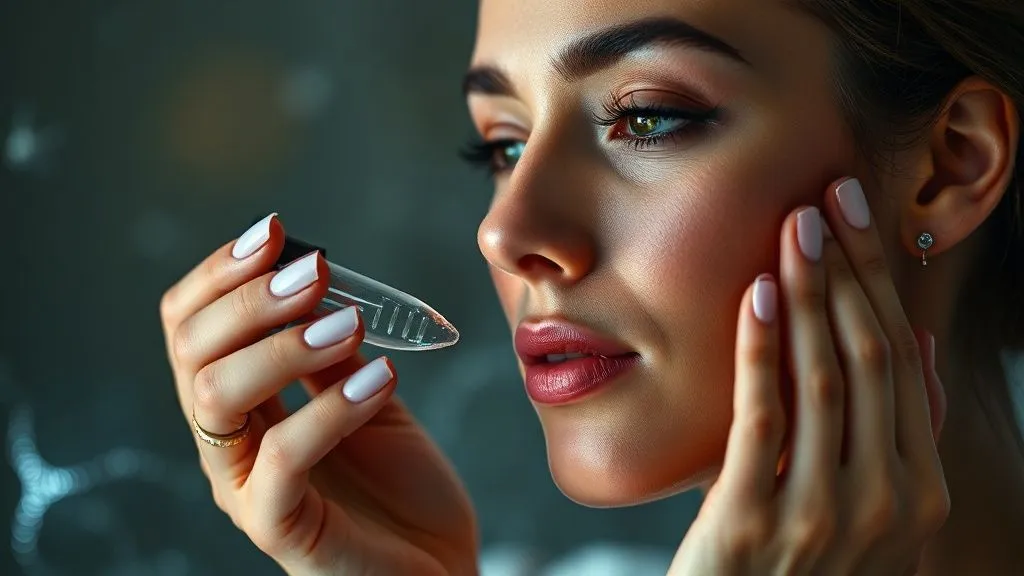
How to Ethically Integrate DNA Data into Bespoke Beauty Formulations?
For over 15 years in the beauty and fashion industry, I've witnessed countless trends rise and fall, but few hold as much transformative potential – and peril – as personalized beauty powered by genetic insights. The promise of formulations tailored precisely to an individual's unique biological blueprint is intoxicating, offering a level of efficacy we've only dreamed of.
However, this frontier also presents a complex ethical landscape. The fundamental problem lies in balancing cutting-edge innovation with the paramount need for consumer privacy, data security, and unwavering trust. Without a robust ethical framework, the very technology designed to empower consumers could inadvertently exploit them, eroding the industry's credibility.
In this definitive guide, I will share my expert perspective on how to ethically integrate DNA data into bespoke beauty formulations. We'll explore the 'why,' the 'how,' and the critical safeguards necessary to build a sustainable, trustworthy, and truly revolutionary personalized beauty offering. You'll gain actionable frameworks, real-world insights, and a clear blueprint for navigating this exciting yet challenging domain.
Understanding the 'Why': The Promise of Genomic Beauty
The allure of genomic beauty isn't just hype; it's rooted in the profound understanding that our DNA holds about our skin and hair predispositions. Imagine knowing your genetic propensity for collagen degradation, antioxidant deficiencies, or sensitivity to certain environmental stressors. This isn't about predicting the future, but rather understanding inherent tendencies.
Beyond Guesswork: Precision Skincare
Traditional beauty often relies on trial-and-error, broad demographic targeting, or subjective self-assessment. DNA data, however, offers a granular view. It can pinpoint specific genetic markers associated with skin aging, hydration levels, inflammatory responses, and even ingredient sensitivities, allowing for truly targeted interventions.
Addressing Unique Concerns
Each individual's genetic makeup contributes to their unique skin profile. For instance, some may have a genetic predisposition to faster collagen breakdown, requiring more potent collagen-boosting ingredients. Others might show markers for increased oxidative stress, necessitating a higher concentration of antioxidants. This level of insight moves beyond 'one-size-fits-all' solutions, offering deeply personalized care that can deliver superior results.
The Ethical Minefield: Key Challenges and Considerations
While the promise is immense, the ethical challenges of using DNA data are equally substantial. The very intimacy of genetic information demands the highest standards of care and responsibility. Missteps here can have severe, long-lasting consequences for both consumers and brands.
Informed Consent: More Than a Checkbox
One of the most critical aspects is truly informed consent. It's not enough to have a complex legal document that consumers scroll past. Consent for DNA data usage must be explicit, easy to understand, and clearly outline what data is collected, how it will be used, who will access it, for how long it will be stored, and the clear benefits and risks involved. Consumers must feel empowered, not coerced, to share their genetic blueprint.
Data Security and Anonymization
Genetic data is uniquely identifiable and immutable. Unlike a credit card number, you can't change your DNA if it's compromised. This makes robust data security paramount. Companies must implement state-of-the-art encryption, access controls, and anonymization techniques to protect this sensitive information. The risk of re-identification, even from anonymized data, must be carefully mitigated.
In my experience, consumer trust is the most valuable currency in personalized beauty. Any breach of privacy or misuse of data can irrevocably damage a brand's reputation and halt innovation in its tracks.
Brands must also consider the legal and regulatory landscape. Regulations like GDPR in Europe and various state-specific privacy laws in the US (like CCPA) provide a baseline, but genetic data often requires even more stringent protections. Adhering to these, and often exceeding them, is non-negotiable for ethical operation. For comprehensive guidance on data protection, I often refer to resources like the Official GDPR Website.
Building a Robust Ethical Framework: A 7-Step Blueprint
Establishing a comprehensive ethical framework is the bedrock of responsible genomic beauty. This isn't just about compliance; it's about building a culture of integrity. Here's a 7-step blueprint I recommend:
- Transparent Consent Protocols: Develop clear, concise, and easily accessible consent forms. Use plain language, visual aids, and multiple touchpoints to ensure consumers fully understand what they are agreeing to. Offer granular control over data usage.
- Secure Data Architecture: Implement end-to-end encryption for data in transit and at rest. Utilize robust access controls, multi-factor authentication, and regular penetration testing. Store genetic data separately from personally identifiable information (PII).
- Strict Anonymization & De-identification: Prioritize anonymization of genetic data as soon as it's processed for formulation purposes. Ensure that even if a breach occurs, the genetic information cannot be linked back to an individual.
- Limited Data Retention: Establish clear, justifiable data retention policies. Only keep data for as long as it's necessary for the stated purpose (e.g., maintaining bespoke formulations). Offer easy mechanisms for consumers to request data deletion.
- Clear Communication & Education: Continuously educate consumers about the benefits and limitations of genomic beauty, the privacy measures in place, and their rights regarding their data. Transparency builds trust.
- Independent Ethical Oversight: Establish an independent ethics board or committee, potentially including bioethicists, privacy experts, and consumer advocates, to review policies, practices, and new initiatives.
- Regular Audits & Updates: Conduct frequent internal and external audits of data security, privacy protocols, and consent practices. The ethical landscape evolves, and your framework must evolve with it.
Implementing these steps creates a foundation of trust and responsibility. Here’s a quick overview of how different ethical components contribute:
| Component | Benefit | Risk Mitigation |
|---|---|---|
| Transparent Consent | Empowers consumer choice | Avoids legal disputes, builds trust |
| Secure Data Architecture | Protects sensitive information | Prevents breaches, ensures privacy |
| Anonymization | Separates data from identity | Reduces re-identification risk |
| Limited Retention | Minimizes data footprint | Reduces long-term risk of exposure |
| Independent Oversight | Ensures unbiased review | Identifies potential ethical blind spots |
Navigating Data Collection: Best Practices for DNA Samples
The collection of DNA samples is the first physical touchpoint in the genomic beauty journey, and it must be handled with the utmost care and professionalism. The method of collection, the clarity of instructions, and the integrity of the sample all play a crucial role in the ethical chain.
Responsible Collection Methods
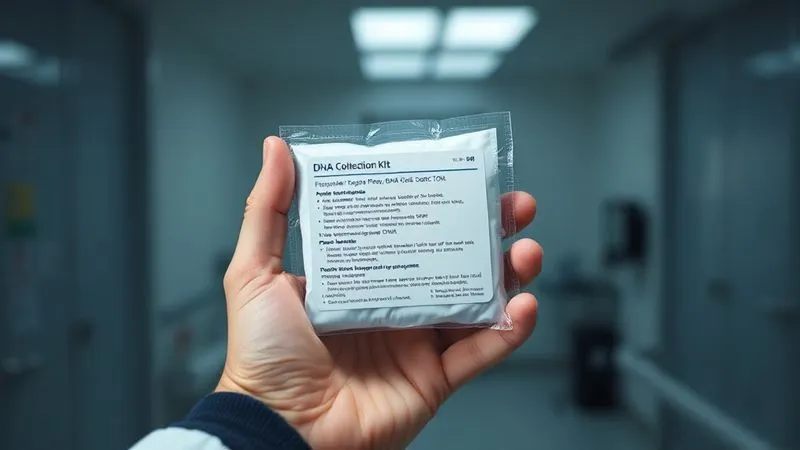
Typically, DNA for beauty purposes is collected via a buccal swab (cheek swab) or saliva sample, both of which are non-invasive and easy for the consumer to perform at home. It's vital to provide sterile, clearly labeled kits with straightforward, multilingual instructions. Ensure the packaging maintains sample integrity during transit back to the lab.
Ensuring Voluntary Participation
Beyond the initial consent, the entire process must reinforce voluntary participation. Avoid high-pressure sales tactics or making DNA analysis seem like a mandatory step. Emphasize that it's an optional enhancement to their beauty journey. Provide clear channels for customers to ask questions before, during, and after sample collection.
It's also important to consider the cultural sensitivities around genetic information. Different cultures may have varying comfort levels with genetic testing. Brands operating globally must be acutely aware of these nuances and adapt their communication strategies accordingly. For an in-depth understanding of bioethical guidelines in research and application, I often refer to publications from organizations like the Presidential Commission for the Study of Bioethical Issues.
Translating DNA Insights into Formulations: The Science & Art
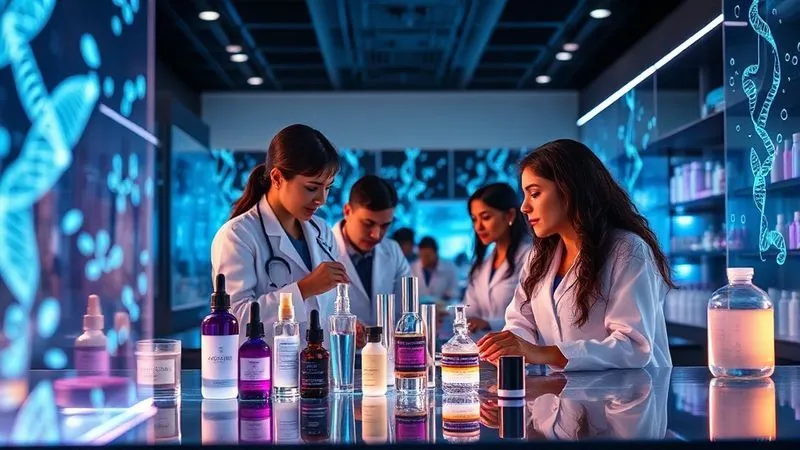
Once DNA data is ethically collected and securely processed, the true magic of bespoke beauty begins: translating complex genetic insights into tangible, effective formulations. This process requires a deep understanding of both molecular biology and cosmetic chemistry.
From Genotype to Phenotype: Interpreting Data
Raw genetic data isn't directly interpretable by a formulator. It needs to be analyzed by bioinformaticians and geneticists to identify relevant single nucleotide polymorphisms (SNPs) or other markers associated with specific skin traits (e.g., collagen degradation, antioxidant capacity, sun sensitivity, hydration). This interpreted data, often presented as a 'skin profile,' then guides ingredient selection.
Formulation Philosophy: Customization vs. Hyper-Personalization
A key decision for brands is the degree of personalization. Some brands offer 'customization' by selecting from a predefined menu of active ingredients based on DNA insights. Others pursue 'hyper-personalization,' where ingredient concentrations and combinations are precisely adjusted for each individual. The latter requires more sophisticated formulation capabilities and a deeper understanding of ingredient interactions at varying concentrations.
Case Study: How DermaGenix Achieved Ethical Personalization
DermaGenix, a fictional but realistic startup in the personalized beauty space, faced initial skepticism regarding DNA data. By implementing a 'Consent-First, Clarity-Always' policy, they built significant consumer trust. Their process involved: 1) A user-friendly app explaining DNA benefits and risks in simple terms, requiring explicit consent for each data point. 2) Partnering with a certified genomics lab that anonymized data before sending it to DermaGenix's formulators. 3) Providing customers with a personalized report detailing their genetic predispositions and explaining *why* specific ingredients were chosen for their bespoke serum. This resulted in a 90% customer retention rate in their first year, demonstrating that ethical practices directly translate to business success and consumer loyalty.
Ensuring Transparency and Consumer Trust
Trust isn't a one-time achievement; it's a continuous commitment. In the realm of genomic beauty, transparency is the bedrock upon which lasting consumer relationships are built. Without it, even the most innovative products will struggle to gain traction.
Educating the Consumer
Brands have a responsibility to educate their consumers, not just market to them. This means explaining the science behind their DNA-based formulations in an accessible way, clarifying the benefits, and managing expectations. Avoid making exaggerated claims. Provide channels for ongoing support and information, ensuring consumers feel informed and empowered throughout their journey.
Traceability and Ingredient Sourcing
Ethical integration extends beyond data to the ingredients themselves. Consumers are increasingly demanding transparency about where ingredients come from, how they are sourced, and their environmental and social impact. For bespoke formulations, this means ensuring that the active ingredients chosen based on DNA insights are also ethically and sustainably sourced. This holistic approach to ethics reinforces a brand's commitment to responsible practices.
True transparency means not just showing what you do right, but also being open about the challenges and how you're addressing them. It builds a deeper, more resilient bond with your customers.
Furthermore, establishing clear communication channels for customer feedback and concerns is vital. A brand that listens and responds proactively demonstrates its commitment to ethical practice. Resources like the Federal Trade Commission (FTC) offer guidelines on advertising and consumer protection that are highly relevant to maintaining trust in novel beauty products.
The Future Landscape: Regulation, Innovation, and Responsibility
The personalized beauty landscape, particularly with DNA integration, is still nascent. As technology advances and consumer adoption grows, we can expect the regulatory environment to evolve significantly. Brands that proactively build ethical frameworks will be best positioned for long-term success.
Anticipating Regulatory Shifts
Governments and regulatory bodies worldwide are increasingly grappling with the implications of genetic data use. Brands must stay abreast of evolving privacy laws, consumer protection acts, and industry-specific guidelines. Participating in industry consortiums and advocating for responsible innovation can help shape a favorable and ethical future for genomic beauty.
Continuous Ethical Evolution
Ethics is not a static concept; it's a dynamic, ongoing conversation. As new technologies emerge (e.g., epigenetics, microbiome analysis), and as our understanding of genetic interactions deepens, brands must continuously review and adapt their ethical frameworks. This commitment to continuous ethical evolution is what distinguishes a truly responsible innovator from a short-sighted trend-follower.
Ultimately, the successful integration of DNA data into bespoke beauty formulations will hinge not just on scientific prowess, but on an unwavering commitment to ethical principles, transparency, and consumer trust. The brands that lead with integrity will not only thrive but will also define the future of beauty itself. For insights into the broader ethical implications of new technologies, I often consult reports from organizations like the World Economic Forum.
Frequently Asked Questions (FAQ)
Is DNA-based beauty truly effective or just a gimmick? While the field is still evolving, DNA-based beauty holds significant promise for personalized efficacy. By understanding genetic predispositions for skin concerns like collagen breakdown, antioxidant capacity, or inflammation, formulations can be precisely tailored to address these unique needs. It moves beyond generic solutions, offering a more targeted and potentially more effective approach. However, it's crucial to choose brands that back their claims with scientific research and transparent processes.
How is my DNA data protected from being sold or misused? Ethical companies employ stringent measures: 1) Informed Consent: You explicitly agree to how your data is used. 2) Anonymization: Your genetic data is de-identified, meaning it's separated from your personal information. 3) Secure Storage: Data is encrypted and protected with advanced cybersecurity protocols. 4) Limited Retention: Data is only kept for necessary periods. Always review a company's privacy policy thoroughly before providing a sample.
What if I change my mind after providing my DNA sample? Reputable ethical brands should offer mechanisms for you to withdraw your consent and request the deletion of your genetic data. This right should be clearly outlined in their privacy policy and terms of service. Be aware that once a formulation is created and shipped, it may not be possible to 'undo' the product itself, but your data should still be deletable from their systems.
Are there specific ingredients that are only effective for certain genotypes? Not necessarily 'only effective,' but certain ingredients can be *more* effective or beneficial for individuals with specific genetic predispositions. For example, if your DNA indicates a lower natural antioxidant capacity, a formulation with a higher concentration of Vitamin C or E might be particularly beneficial. It's about optimizing ingredient choice and concentration based on your unique genetic profile.
How often would I need to re-test my DNA for beauty formulations? Your core DNA sequence doesn't change, so a single DNA test is generally sufficient for a lifetime of beauty formulations based on your genetic predispositions. However, some companies might offer epigenetic testing (which reflects how your genes are expressed due to lifestyle and environment) or microbiome analysis, which could change and might warrant periodic re-testing if those are integrated into their personalized offerings. For standard DNA-based beauty, one test is typically enough.
Key Takeaways and Final Thoughts
- Ethical Integration is Paramount: Consumer trust, privacy, and data security are non-negotiable foundations for DNA-based beauty.
- Transparency Builds Trust: Clear communication, informed consent, and open practices are essential.
- Robust Frameworks are Crucial: Implement a 7-step blueprint covering consent, security, anonymization, and oversight.
- Science Meets Art: Translating genetic insights into effective formulations requires both deep scientific understanding and cosmetic chemistry expertise.
- Continuous Evolution: The ethical landscape is dynamic; brands must adapt and evolve their practices constantly.
The journey to truly personalized beauty through DNA integration is incredibly exciting, promising a future where skincare and beauty products are as unique as the individuals who use them. As an industry, we have a profound responsibility to ensure this future is built on a foundation of unshakeable ethics and trust. By prioritizing privacy, transparency, and consumer empowerment, we can unlock the full, transformative potential of genomic beauty, creating a more effective, responsible, and ultimately, more beautiful world for everyone.
Recommended Reading
- 7 Proven Strategies: Monetize Style Tips Effectively on Your Fashion Blog
- Bio-Based Fashion: 7 Strategies to Mitigate Greenwashing Accusations
- 7 Proven Strategies: Ethically Sourcing High-Quality Vintage for Resale
- 7 Genuine Strategies: Marketing Empowering Womenswear Authentically?
- Unlocking Perfect Fit: How to Integrate 3D Body Scan Data Effectively

Your email address will not be published. Required fields are marked *