

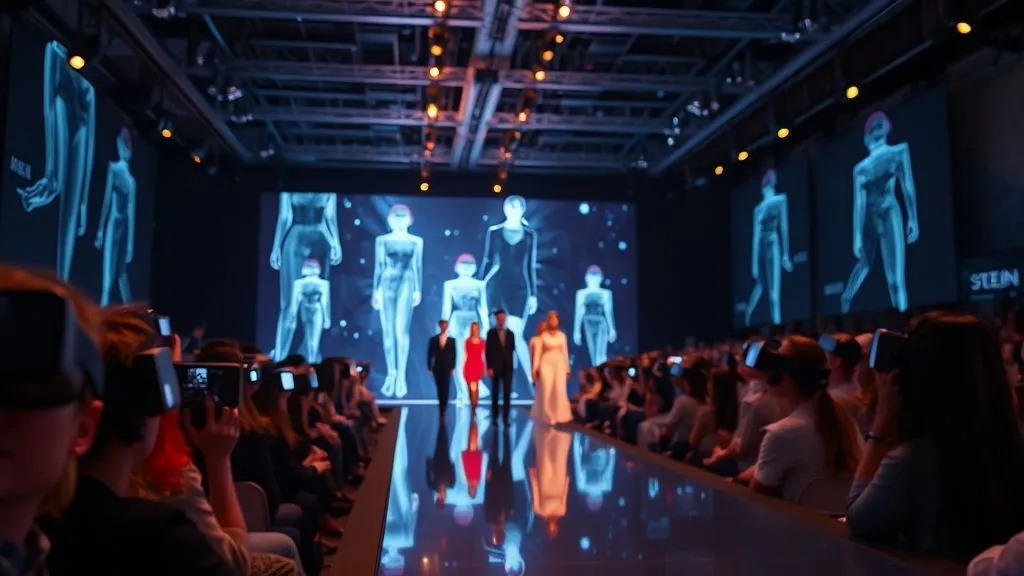
Mastering Virtual Fashion Shows: Beyond the Hype
For over 15 years in the fashion technology space, I've had a front-row seat to seismic shifts, but few have been as transformative as the rise of virtual fashion shows. I remember the early skepticism, the questions about authenticity and impact, but I also vividly recall the moments of pure innovation that hinted at their immense potential.
Yet, despite their growing prevalence, I've observed a common pitfall: many brands treat virtual shows as mere digital replicas of physical events, or worse, as glorified livestreams. This approach often leads to disengaged audiences, missed opportunities for true innovation, and ultimately, a failure to harness the unique power these digital platforms offer.
This article isn't just about understanding what virtual fashion shows are; it’s about providing you with a definitive framework to design, execute, and monetize truly immersive and impactful digital experiences. We'll dive deep into cutting-edge technologies, audience engagement strategies, and crucial metrics to ensure your next virtual showcase isn't just seen, but felt, remembered, and acted upon.
The Evolution of Fashion Presentation: From Runway to Metaverse
The traditional fashion show, with its exclusive guest lists and fleeting moments, has long been a cornerstone of the industry. However, the digital revolution, accelerated by recent global shifts, has irrevocably altered this landscape, pushing brands to innovate beyond the physical.
Why Virtual Became a Necessity, Not Just a Trend
The pivot to virtual wasn't just a temporary workaround during lockdowns; it unveiled a host of inherent advantages. It offered a democratic accessibility, breaking down geographical and financial barriers that traditionally limited who could experience high fashion.
The beauty of virtual fashion shows lies in their ability to democratize access, transforming an exclusive spectacle into a globally inclusive experience. This shift alone opens up unprecedented market reach and audience engagement potential.
Furthermore, the environmental benefits of reducing travel, physical production, and waste quickly positioned virtual events as a key pillar in the industry's sustainability efforts. Brands recognized that digital wasn't just a 'nice-to-have' but a strategic imperative for future growth and relevance.
- Global Reach: Connect with audiences worldwide without logistical constraints.
- Sustainability: Significantly reduce carbon footprint and material waste.
- Innovation & Creativity: Experiment with digital-native formats impossible in physical spaces.
- Data Insights: Collect valuable audience engagement data for future strategies.
- Accessibility: Open up the fashion world to a broader, more diverse audience.
Beyond Livestreaming: Crafting Truly Immersive Virtual Experiences
I often tell clients that a virtual fashion show isn't just a video stream of models walking a runway. That's simply broadcasting. A truly immersive virtual experience leverages the unique capabilities of digital platforms to transport, engage, and interact with the audience in ways a physical show cannot.
Leveraging XR Technologies: AR, VR, and Mixed Reality
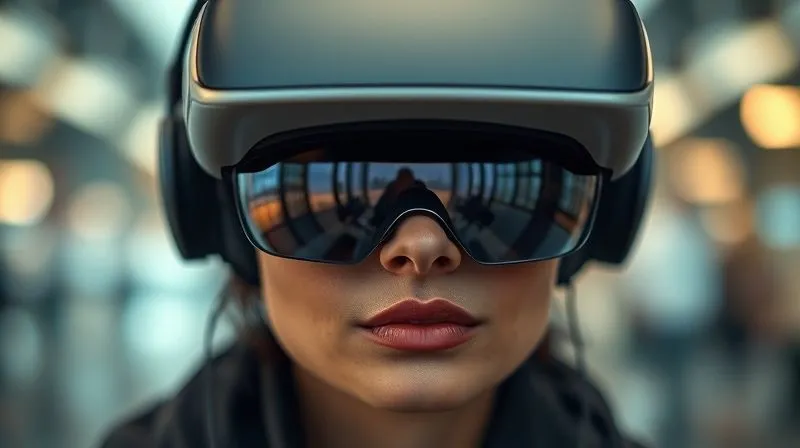
The real magic happens when we move beyond passive viewing into the realm of Extended Reality (XR). This umbrella term encompasses Augmented Reality (AR), Virtual Reality (VR), and Mixed Reality (MR), each offering distinct opportunities to elevate the fashion show experience.
Augmented Reality (AR) overlays digital elements onto the real world, often via a smartphone. Think virtual try-on filters for makeup or clothing, or digital models appearing in your living room. Virtual Reality (VR), on the other hand, creates a fully immersive, simulated environment, requiring a headset to transport the viewer entirely into a digital world. Mixed Reality (MR) blends AR and VR, allowing interaction between real and virtual objects.
To integrate these, I recommend a phased approach:
- Define the Experience: What emotional connection or narrative do you want to convey? Is it about product utility (AR try-on) or pure fantasy (VR runway)?
- Choose the Right Tech: Evaluate if AR, VR, or a combination best serves your narrative and audience access points (e.g., mobile AR is more accessible than VR headsets).
- Partner with Experts: Developing sophisticated XR experiences requires specialized skills. Collaborate with studios experienced in 3D modeling, game engines, and spatial computing.
- Optimize for Performance: Ensure your digital assets are optimized for various devices to prevent lag or poor visual quality, which can break immersion.
- Test Extensively: User testing across different devices and internet speeds is crucial to identify and fix glitches before launch.
The Power of Interactive Storytelling and Gamification
Engagement in virtual spaces thrives on interaction. Don't just show; involve. Interactive elements, Q&A sessions, polls, and even gamified experiences can transform a passive audience into active participants, deepening their connection with your brand.
Case Study: How Aura Couture Boosted Engagement with Gamified Virtual Experiences
Aura Couture, a luxury streetwear brand, faced the challenge of making their virtual launch truly memorable beyond a simple video. Instead of a traditional runway, they created a custom VR experience where attendees navigated a surreal digital landscape to 'discover' new collection pieces. Hidden within the environment were QR codes that, when scanned with an AR app, unlocked exclusive digital collectibles (NFTs) and discounts on physical items.
This gamified approach not only generated immense buzz but also resulted in a 300% increase in average viewing time compared to their previous livestream, a 50% conversion rate on exclusive NFT drops, and significant press coverage. They transformed passive viewing into an active treasure hunt, proving that interaction is key to digital success.
Building Your Digital Runway: Platform Selection and Technical Excellence
The foundation of any successful virtual fashion show is the platform you choose and the technical prowess behind it. This isn't just about where your content lives; it's about the entire ecosystem of interaction, scalability, and data capture.
Key Considerations for Platform Selection
In my experience, blindly opting for the cheapest or most popular platform is a recipe for disaster. You need a platform that aligns with your creative vision, technical requirements, and strategic goals. Consider factors like:
- Customization & Branding: Can the platform be fully branded to reflect your aesthetic?
- Interactivity Features: Does it support live chat, polls, virtual try-ons, multi-angle views?
- Scalability: Can it handle your anticipated audience size without crashing?
- Analytics & Data: What insights can you gain about audience behavior and engagement?
- Integration Capabilities: Can it integrate with e-commerce, CRM, or social media tools?
- Security: How robust are its data security and intellectual property protections?
Here’s a simplified comparison to illustrate the strategic choices:
| Feature | Pros | Cons | Best For |
|---|---|---|---|
| Custom-Built Platform | Full creative control, unique features, proprietary data | High cost, long development time, technical expertise required | Large brands with unique visions & budgets |
| Specialized Virtual Event Platform | Rich features, scalable, dedicated support, faster deployment | Less customization than custom, recurring fees | Brands seeking robust features without full custom build |
| Social Media/Video Streaming (e.g., YouTube, Instagram Live) | Free/low cost, wide audience reach, familiar interface | Limited interactivity, branding, and analytics; basic experience | Small brands, early experiments, supplementary content |
Ensuring Flawless Technical Execution
A brilliant creative concept can be instantly undermined by technical glitches. From my early days debugging complex setups, I learned that meticulous planning and rigorous testing are non-negotiable. This includes:
- Bandwidth & Hosting: Ensure your chosen platform and hosting provider can handle peak traffic.
- Streaming Quality: Aim for high-definition (HD) or even 4K where possible, with stable bitrates.
- Redundancy: Have backup servers, internet connections, and even power sources.
- Device Compatibility: Test across various devices (desktops, mobiles, tablets) and operating systems.
- Cybersecurity: Protect against DDoS attacks and unauthorized access.
Never underestimate the importance of a technical dress rehearsal. Run through the entire show flow multiple times, simulating maximum audience load. It’s the only way to catch potential points of failure before your live event.
Engaging Your Audience: Strategies for Digital Connection
In the digital realm, attention is a precious commodity. It's not enough to simply present; you must captivate. Effective engagement strategies for virtual fashion shows span the entire lifecycle of the event: before, during, and after.
Pre-Show Buzz: Building Anticipation
The show starts long before the models hit the digital runway. Building excitement is crucial:
- Teaser Campaigns: Release short, enigmatic videos or AR filters on social media.
- Behind-the-Scenes Content: Share glimpses of the creative process, interviews with designers, or digital asset creation.
- Exclusive Invites: Offer early access or VIP digital passes to loyal customers or influencers.
- Interactive Countdown: Use polls, quizzes, or Q&A sessions leading up to the event.
During-Show Interactivity: Keeping Them Captivated
This is where the unique advantages of virtual shine:
- Live Chat & Q&A: Enable real-time interaction with designers, stylists, or even models.
- Polls & Surveys: Ask viewers for their favorite looks or design elements.
- Virtual Try-Ons: Integrate AR filters that allow viewers to 'try on' digital garments instantly.
- Multi-Angle Views: Give viewers control over camera angles or even 360-degree views of the digital runway.
- Shop-the-Look: Seamlessly integrate e-commerce links for immediate purchasing of showcased items.
Post-Show Longevity: Extending the Experience
The show doesn't end when the stream does. Maximize its impact:
- On-Demand Content: Make the show available for replay, perhaps with added commentary.
- Exclusive Digital Assets: Offer NFTs of key looks or digital artwork from the show.
- Community Building: Host follow-up discussions, forums, or virtual meet-and-greets.
- Data Analysis: Dive deep into engagement metrics to refine future strategies.
Monetization and ROI: Proving the Value of Virtual Fashion Shows
For any business, the ultimate measure of success is often financial return. While brand awareness is valuable, I've always pushed for clear monetization strategies and robust ROI measurement for virtual fashion shows.
Direct Monetization Avenues
Virtual events offer several direct revenue streams that can offset production costs and generate profit:
- Ticket Sales: For exclusive content or VIP access within the virtual event.
- Sponsorships: Digital brand placements, integrated product experiences, or sponsored segments.
- Direct-to-Avatar Sales: Selling digital garments or accessories for use in metaverse platforms.
- Exclusive NFT Drops: Limited edition digital collectibles tied to the collection.
- E-commerce Integration: Seamless 'shop now' buttons for immediate purchase during the show.
Measuring Success: Key Metrics and Analytics
The beauty of digital is the wealth of data it provides. Move beyond simple view counts to truly understand your impact:
- Engagement Rate: Likes, comments, shares, duration of interaction.
- Conversion Rate: Sales, sign-ups, downloads directly attributed to the show.
- Audience Reach & Demographics: Who watched, from where, and on what devices.
- Sentiment Analysis: Social media mentions, reviews, and overall brand perception.
- Time Spent: Average duration viewers engaged with the content and interactive elements.
The true ROI of a virtual fashion show isn't just in immediate sales, but in the rich tapestry of data it provides. This data is gold for understanding your audience, optimizing future campaigns, and proving the long-term value of digital innovation.
| KPI | Why it Matters | Actionable Insight |
|---|---|---|
| Average View Duration | Indicates audience captivation and content quality. | If low, consider more interactive elements or shorter segments. |
| Engagement Rate (Comments, Shares, Polls) | Measures active participation and brand connection. | Analyze which interactive elements drove the most engagement; replicate success. |
| Click-Through Rate (e-commerce links) | Directly links content to purchasing intent. | Optimize placement and visibility of 'shop now' buttons. |
| Sentiment Score | Gauges overall audience perception and brand reputation. | Address negative feedback; amplify positive testimonials. |
Sustainable Fashion Through Virtual Innovation
As an industry specialist, I've witnessed firsthand the growing imperative for sustainability. Virtual fashion shows offer a powerful, tangible pathway towards a more eco-conscious industry, extending far beyond the immediate event itself.
Reducing Carbon Footprint with Digital Showcases
The environmental impact of traditional fashion weeks is substantial, encompassing international travel for designers, models, press, and buyers, as well as the production of physical sets, samples, and invitations. Virtual events drastically mitigate these impacts.
According to a Deloitte study on sustainable fashion, consumer demand for eco-friendly practices is soaring. By going virtual, brands can significantly reduce their Scope 3 emissions (indirect emissions from their value chain), demonstrating a clear commitment to environmental responsibility. This resonates deeply with a growing segment of environmentally conscious consumers.
Virtual Prototyping and Sample Reduction
Beyond the show itself, the underlying technology of virtual fashion extends to sustainable design processes. 3D design software and digital prototyping allow designers to visualize, iterate, and refine collections without producing numerous physical samples. This dramatically reduces material waste, energy consumption, and the logistical footprint associated with traditional sampling.
As Vogue Business highlights, digital tools are becoming indispensable for sustainability, enabling brands to move towards a more circular economy by optimizing material use from concept to production. This innovation isn't just about saving costs; it's about fundamentally rethinking the entire fashion lifecycle.
The Future is Hybrid: Integrating Virtual and Physical
While the allure of fully virtual experiences is strong, I believe the most potent future for fashion presentation lies in hybrid models. This approach intelligently blends the best of both worlds, creating seamless, expansive experiences that transcend traditional boundaries.
Seamless Experiences Across Realities
Imagine a physical runway show where remote viewers, donning VR headsets, experience the event from a hyper-realistic, impossible-to-get vantage point, interacting with digital overlays of designer commentary or real-time shopping links. Or perhaps a physical event where attendees can step into an AR portal to explore a digital twin of the collection, complete with immersive storytelling.
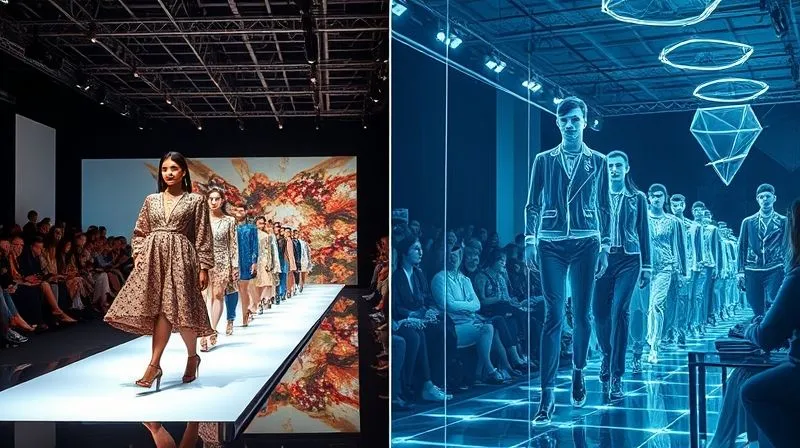
This integration isn't about replacing one with the other, but enriching both. It allows brands to maintain the tactile, sensory experience of physical fashion while leveraging the infinite possibilities and global reach of digital. The goal is to create a cohesive narrative that flows effortlessly between physical and virtual touchpoints.
The Metaverse as the Ultimate Runway
The burgeoning metaverse offers the ultimate canvas for these hybrid experiences. It's not just a platform; it's an interconnected network of virtual worlds where fashion can exist as digital wearables, NFTs, and immersive brand experiences. Here, designers aren't limited by physics, and consumers can express their identity through unique digital fashion.
As Harvard Business Review suggests, the metaverse represents a significant frontier for business, and fashion is at its forefront. Brands like Gucci, Nike, and Balenciaga are already experimenting with digital-only collections and virtual storefronts, paving the way for a future where fashion shows are not just events, but persistent, evolving experiences within these digital realms. The convergence of gaming, social interaction, and commerce in the metaverse will redefine what a fashion show can be.
Common Pitfalls and How to Avoid Them
Having guided numerous brands through their digital transformations, I've seen a handful of recurring mistakes that can derail even the most promising virtual fashion shows. Understanding these pitfalls is the first step to avoiding them.
Underestimating Technical Requirements
One of the most frequent errors is treating virtual shows as simple video productions. The technical infrastructure required for high-quality streaming, interactive elements, and multi-platform compatibility is complex. Failing to invest in robust platforms, sufficient bandwidth, and professional technical support can lead to buffering, crashes, and a frustrated audience.
Neglecting Audience Engagement
A passive audience is a lost audience. Many brands fall into the trap of simply broadcasting a pre-recorded show without incorporating any interactive elements. Without opportunities for live chat, polls, Q&A, or virtual try-ons, the experience can feel distant and impersonal, failing to leverage the unique advantages of the digital medium.
Failing to Define Clear Objectives
What do you want your virtual fashion show to achieve? Is it brand awareness, direct sales, lead generation, or community building? Without clear, measurable objectives, it's impossible to design an effective show or accurately assess its ROI. A show without a purpose is just content, not a strategic marketing tool.
Frequently Asked Questions (FAQ)
What's the biggest challenge for brands looking to host a successful virtual fashion show? In my experience, the biggest challenge is moving beyond a 'physical-first' mindset. Brands often try to replicate a physical show digitally, rather than embracing the unique opportunities and limitations of the virtual space. This leads to a lack of innovation in engagement and missed opportunities for truly immersive experiences. The key is to think 'digital-first' and design an experience native to the virtual environment.
How can small brands compete with larger luxury brands in the virtual fashion show space? Small brands can actually thrive by focusing on niche communities and leveraging creativity over sheer production budget. Instead of trying to mimic a grand virtual production, focus on unique storytelling, highly interactive elements (like personalized AR filters), and authentic engagement. Collaboration with digital artists or micro-influencers can also amplify reach without massive investment. Authenticity and novelty often trump scale in the digital realm.
Is virtual fashion truly sustainable, or is it just 'greenwashing'? Virtual fashion offers significant sustainability advantages, particularly in reducing the carbon footprint associated with travel, physical sample production, and event waste. However, it's not without its own environmental considerations, such as the energy consumption of data centers and digital infrastructure. True sustainability comes from a holistic approach: leveraging virtual for its eco-benefits while also ensuring responsible digital practices and transparent reporting. It's a powerful tool, not a magic bullet.
What's the role of NFTs in virtual fashion shows? NFTs (Non-Fungible Tokens) are poised to play a transformative role. They can represent exclusive digital garments, limited-edition accessories, or even tickets to future virtual events. During a show, NFTs can be dropped as rewards for engagement, sold as unique collectibles, or serve as a form of digital ownership for virtual try-on items. They introduce scarcity, collectibility, and a new layer of monetization and community building to the virtual fashion ecosystem.
How do you measure the emotional impact of a virtual show, beyond standard analytics? Measuring emotional impact is challenging but crucial. Beyond quantitative metrics like sentiment analysis (through social listening), I recommend qualitative approaches. Conduct post-show surveys with open-ended questions about how the show made viewers feel. Analyze comments for recurring emotional language. Consider focus groups with key audience segments. While not as precise as numerical data, these insights are invaluable for understanding brand perception and the deeper connection forged with your audience.
Key Takeaways and Final Thoughts
- Embrace Digital-Native Design: Move beyond replicating physical shows. Design experiences that are inherently virtual, leveraging XR, interactivity, and gamification.
- Prioritize Engagement: The digital space demands active participation. Implement pre-show buzz, live interaction, and post-show community building.
- Strategic Platform Selection: Choose a platform that aligns with your creative vision, technical needs, and strategic objectives, ensuring scalability and data insights.
- Focus on Monetization & ROI: Define clear objectives, explore diverse revenue streams, and utilize comprehensive analytics to prove the tangible value of your virtual efforts.
- Champion Sustainability: Leverage virtual tools for environmental benefits, from reducing event footprint to enabling sustainable design processes.
- Prepare for a Hybrid Future: The most impactful experiences will seamlessly blend physical and virtual elements, creating cohesive narratives across realities.
The landscape of fashion is constantly evolving, and virtual fashion shows are no longer an experimental novelty; they are a vital, strategic imperative. By approaching them with a blend of technological prowess, creative vision, and a deep understanding of your audience, you can transform a mere digital event into an unforgettable, impactful, and profitable brand experience. The future of fashion is here, and it’s more connected, more creative, and more expansive than ever before. Don't just participate; lead the way.
Recommended Reading
- Unlock the Secret: How to Pick the Perfect Activewear Size for Growing Kids
- 7 Steps to Regain Customer Trust After Beauty Product Efficacy Complaints
- The Ultimate Secret: How to Properly Prevent Pilling on Yoga Leggings
- Unlock Profit: 7 Strategies for Niche Outdoor Wear Brands
- Unlock Your Sparkle: How to Choose Jewelry Trends for Your Personal Style



Your email address will not be published. Required fields are marked *