


What casual menswear avoids looking sloppy at networking?
For over two decades in the fashion industry, specializing in menswear, I've witnessed the profound power—and often, the subtle pitfalls—of personal presentation. Especially in today's increasingly relaxed professional landscape, the line between 'casual' and 'sloppy' has blurred, nowhere more critically than at networking events.
Many men struggle with this precise dilemma: how to project competence, confidence, and approachability without looking like they just rolled out of bed or, conversely, trying too hard and appearing out of touch. The fear of being overlooked or, worse, remembered for the wrong reasons, is a genuine concern, hindering confidence and potential connections.
This guide isn't just about clothes; it's about strategic styling, understanding context, and leveraging your wardrobe to your advantage. I'll share my proven framework for what casual menswear avoids looking sloppy at networking, offering actionable insights, real-world examples, and expert tips to ensure you always make a sharp, memorable impression.
The "Sloppy" Trap: Understanding What to Avoid
Before we dive into what to wear, it's crucial to understand the common missteps that lead to a sloppy appearance. In my experience, these aren't always about wearing overtly casual items, but often about how they're worn or their condition.
Many men default to what they perceive as 'casual' without considering the nuances of a professional networking environment. This often translates into outfits that lack structure, proper fit, or attention to detail, inadvertently sending the wrong message.
“Sloppy isn't just about what you wear; it's about the lack of intention behind it. Every piece of your outfit should convey a thoughtful choice, even when casual.”
Here are some common mistakes that can instantly undermine your efforts:
- Ill-fitting garments: Clothes that are too baggy or too tight instantly look unprofessional.
- Wrinkled or stained fabrics: A surefire way to look like you don't care about details.
- Overly worn items: Faded t-shirts, scuffed shoes, or frayed denim have no place here.
- Sportswear as casual wear: Athletic hoodies, track pants, or graphic tees are usually too informal.
- Lack of layering or structure: A simple t-shirt and jeans often lack the visual interest and polish needed.
- Poor grooming: A great outfit can be undone by unkempt hair, nails, or an untrimmed beard.
The Foundation: Fabric, Fit, and Feel
The secret to elevated casual menswear lies in mastering the fundamentals. It's not about expensive brands, but about understanding the impact of quality fabrics, impeccable fit, and ensuring overall comfort.
Fabric Matters: Quality over Quantity
When selecting casual pieces for networking, always prioritize natural fibers or high-quality blends. These fabrics not only look better but often drape more elegantly and are more comfortable, which boosts your confidence.
Think beyond basic cotton. Opt for materials like:
- Merino wool: Fine-gauge knits (sweaters, polos) offer warmth without bulk, resist wrinkles, and have a luxurious feel.
- Linen blends: For warmer climates, a linen-cotton blend offers breathability with less proneness to severe wrinkling.
- High-quality cotton: Look for Pima or Egyptian cotton in Oxfords, polos, or chinos. These have a smoother finish and better durability.
- Twill or flannel: For trousers or shirts, these offer texture and a more substantial feel than basic poplin.
The Power of Fit: Tailoring is Your Friend
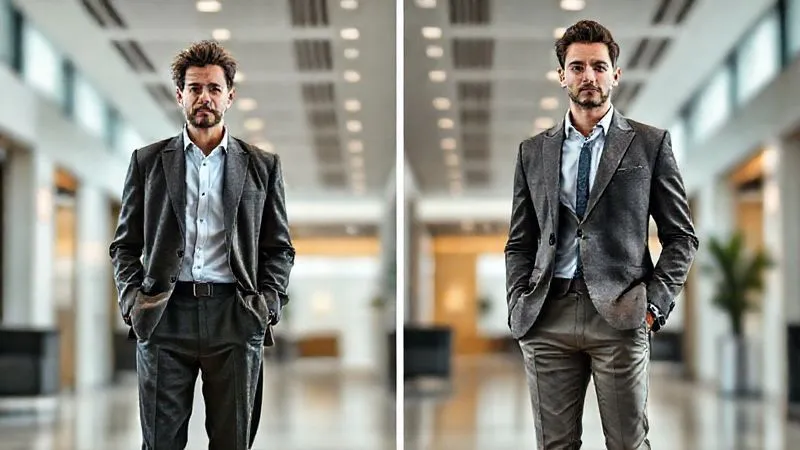
I cannot stress this enough: a perfectly fitting garment elevates even the most casual outfit. Baggy clothes make you look shapeless and unkempt, while overly tight ones appear desperate or uncomfortable. The goal is a clean, tailored silhouette that flatters your body.
“A great fit is the silent language of sophistication. It shows you pay attention to detail and respect your appearance.”
Even for casual pieces like chinos or an untucked shirt, ensure:
- Shoulders: Seams should sit precisely at your shoulder bone.
- Sleeves: Shirt sleeves should end at your wrist bone; jacket sleeves slightly above.
- Torso: Shirts should skim your body, not cling or billow.
- Trousers: No excessive fabric bunching at the waist or thighs. A slight taper is often flattering.
- Length: Shirt length should hit mid-fly for untucked wear; trousers should have a slight break or no break, depending on style.
Comfort Meets Confidence: Don't Compromise
While fit is paramount, genuine comfort is equally vital. If you're constantly adjusting your clothes or feeling restricted, it will show in your body language and detract from your ability to engage. Choose fabrics with a natural stretch or cuts that allow for movement without sacrificing shape. Your attire should feel like a second skin, allowing you to focus entirely on the conversation and connections you're making.
Elevating Your Staples: From Basic to Brilliant
Now that we've covered the foundational elements, let's look at specific wardrobe items that, when chosen and styled correctly, ensure what casual menswear avoids looking sloppy at networking.
The Blazer: Your Networking MVP
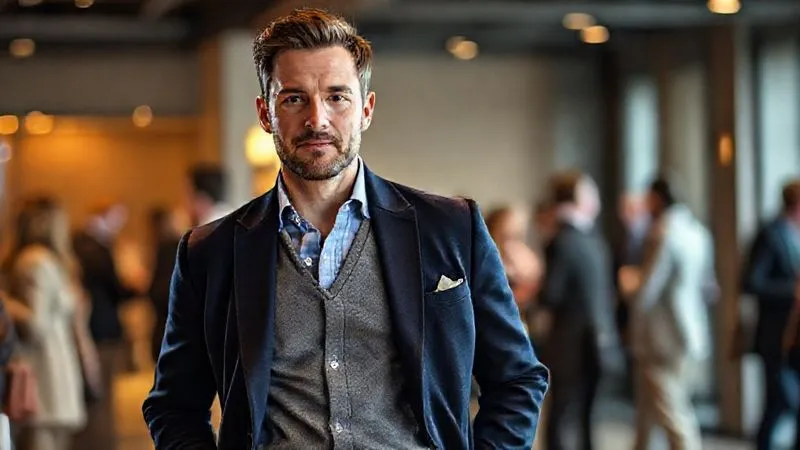
A well-chosen blazer is arguably the most powerful tool in your smart casual arsenal. It instantly adds structure, sophistication, and a professional edge to almost any outfit, transforming a simple shirt and trousers into a polished ensemble.
- Fabric choice: Opt for blazers in versatile fabrics like wool, cotton twill, linen-blend, or a hopsack weave. Avoid overly shiny or heavily patterned suit jackets.
- Colors: Navy, charcoal grey, olive green, or even a subtle checked pattern are excellent choices. Black can sometimes feel too formal or stark in casual settings.
- Fit: Ensure it's tailored. The shoulders should fit perfectly, and the length should cover your seat without being too long.
- Styling: Pair it with a collared shirt (button-down, Oxford), a fine-gauge knit polo, or even a high-quality, plain t-shirt.
Shirts That Speak Volumes: Collars, Fabrics, and Layers
Your choice of shirt significantly impacts the overall impression. Forget the faded band tees; think crisp, clean, and textured.
- Oxford Cloth Button-Down (OCBD): A timeless classic. Its textured weave and button-down collar strike the perfect balance between casual and smart.
- Polo Shirt: Not all polos are created equal. Choose one in a fine-gauge knit (merino wool or high-quality cotton) with a structured collar. Avoid overly casual pique cotton polos unless they are exceptionally well-fitting and pristine.
- Chambray or Denim Shirt: A well-fitting, darker wash chambray or denim shirt can work when layered under a blazer, offering a rugged yet refined look. Ensure it's not distressed.
- Fine-Gauge Knit Sweater/Cardigan: Worn over a collared shirt or even a plain crewneck tee, these add warmth, texture, and a sophisticated layer.
Trousers Beyond Jeans: Chinos, Dress Trousers, and Wool Blends
While jeans *can* be styled smartly, they carry a higher risk of looking sloppy if not perfect. For networking, I generally recommend alternatives that offer a more polished appearance with similar comfort.
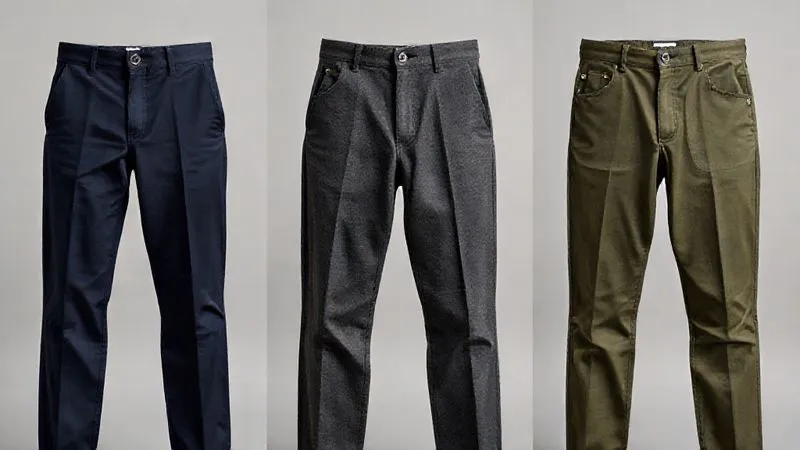
- Chinos: The undisputed king of smart casual trousers. Opt for a slim-tapered fit in versatile colors like navy, olive, stone, or charcoal. Ensure they are wrinkle-free.
- Wool Trousers: Lightweight wool or wool-blend trousers (flannel, fresco, or tropical wool) offer superior drape and comfort. They instantly elevate your look.
- Five-Pocket Trousers: These are cut like jeans but made from different fabrics like cotton twill, corduroy, or moleskin. They offer the familiarity of jeans with a more refined material.
The Details That Define: Accessories & Footwear
Often overlooked, accessories and footwear are critical in determining whether your casual outfit looks polished or pedestrian. They are the finishing touches that tell a story of attention to detail.
Footwear: The Unsung Hero of Smart Casual
Your shoes can make or break an outfit. Scuffed, worn-out, or overly athletic shoes will instantly downgrade your entire look. Invest in quality footwear and keep it impeccably clean.
- Loafers: Penny loafers or tassel loafers in leather or suede are excellent smart casual choices.
- Derbies or Oxfords: In a rich brown or burgundy leather, these can be dressed down with chinos or wool trousers.
- Clean, Minimalist Sneakers: If the event is truly informal, a pair of pristine, white or dark leather minimalist sneakers can work. They must be spotless and free of any athletic branding.
- Chukka Boots: Suede chukkas offer a rugged yet refined option, especially in cooler weather.
Belts, Watches, and Pocket Squares: Subtle Statements
These small additions demonstrate a sophisticated understanding of style and attention to detail. They add personality without being ostentatious.
- Belt: Match your belt to your shoes (leather color and finish). A braided leather belt can add a touch of casual texture.
- Watch: A classic leather-strap watch or a sleek, minimalist metal one is always appropriate. Avoid bulky sports watches.
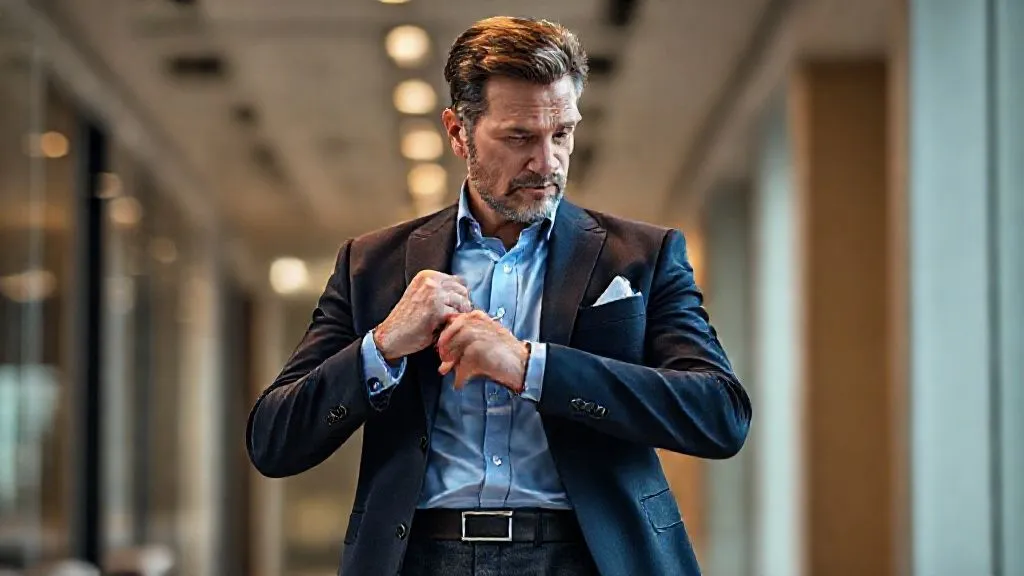
- Pocket Square: A neatly folded pocket square (linen, cotton, or silk) in a complementary color or subtle pattern instantly elevates a blazer. It's a small detail with a big impact.
“True style is found in the details. A quality watch, a well-matched belt, or a thoughtfully chosen pocket square speaks volumes about your personal brand.”
Color Psychology & Cohesion: Crafting a Harmonious Look
Color choice and how you combine different pieces play a significant role in projecting a polished image. Understanding basic color theory and layering techniques can transform your casual wardrobe.
Strategic Color Palettes for Professional Settings
For networking, err on the side of classic, muted tones. These colors convey professionalism and allow you to look approachable without being distracting.
- Neutrals: Navy, charcoal, grey, beige, olive, and white form the backbone of a versatile smart casual wardrobe.
- Earth Tones: Browns, rusts, and forest greens can add warmth and texture, especially in fall/winter.
- Subtle Accents: Introduce color through a shirt (light blue, burgundy), a pocket square, or socks, rather than a loud statement piece.
Aim for outfits with 2-3 primary colors, ensuring they complement each other. For instance, navy blazer, light blue shirt, stone chinos, and brown loafers create a harmonious and sharp look.
The Art of Layering: Adding Depth and Interest
Layering is key to making casual outfits look more intentional and less flat. It adds visual interest, allows for adaptability to varying temperatures, and provides an opportunity to mix textures.
- Base Layer: Start with a high-quality, well-fitting t-shirt (crewneck or V-neck) or a crisp collared shirt.
- Mid-Layer: Add a fine-gauge knit sweater, a cardigan, or an untucked OCBD.
- Outer Layer: Finish with your blazer, a field jacket, or a smart bomber jacket.
Layering also gives you options. If the event space is warmer than anticipated, you can remove your blazer or sweater and still look put-together. According to an article in GQ, mastering layering is about balancing proportions and textures to create a dynamic yet cohesive aesthetic.
The Grooming Imperative: More Than Just Clothes
No matter how impeccable your clothing, poor grooming will negate all your efforts. Think of your grooming as the 'frame' for your carefully chosen outfit. It's a fundamental aspect of presenting a polished image.
- Hair: Neatly styled, clean, and trimmed. If you have longer hair, ensure it's controlled and not unruly.
- Facial Hair: If you have a beard or mustache, it should be meticulously trimmed and groomed. If clean-shaven, ensure a smooth, irritation-free shave.
- Nails: Clean and neatly trimmed. This is a small detail that often gets overlooked but speaks volumes about personal hygiene.
- Scent: A subtle cologne or aftershave is fine, but avoid anything overpowering. The goal is to be pleasant, not intrusive.
- Overall Cleanliness: Fresh breath, clean teeth, and a general air of being well-maintained.
“Grooming is the invisible accessory that elevates every outfit. It signals self-respect and attention to detail, crucial traits in any professional interaction.”
Case Study: Mark's Networking Transformation
How Intentional Casual Styling Boosted Confidence and Connections
Mark, a 32-year-old software developer, frequently attended industry networking events. He was knowledgeable and personable but often struggled with his attire. His default was a casual button-down, dark jeans, and sneakers, which often left him feeling underdressed and overlooked. "I felt like I was blending into the background, or worse, not being taken seriously," Mark confided to me.
We worked on a strategic wardrobe refresh focused on the principles of what casual menswear avoids looking sloppy at networking. His key upgrades included:
The transformation was remarkable. At his next event, Mark wore a fine-gauge merino wool polo, tailored olive chinos, leather loafers, and an unstructured navy blazer. He reported feeling significantly more confident and at ease. "People approached me differently," he shared. "I felt like my appearance matched my ambition. I made three solid connections that night, more than I'd made at the last five events combined." This shift wasn't just about clothes; it was about the confidence and presence that intentional styling unlocked.
Mastering the Art of Intentional Casual: Practical Steps
Ready to implement these strategies? Here’s a step-by-step guide to building a networking-ready casual wardrobe:
- Assess Your Current Wardrobe: Go through your casual items. What fits well? What's made of quality fabric? What looks worn or sloppy? Be ruthless in decluttering.
- Identify Gaps: Based on the recommendations above (blazers, quality shirts, refined trousers, polished shoes), what pieces are you missing?
- Invest Wisely: Prioritize versatile, foundational pieces in neutral colors. You don't need a huge wardrobe, just smart, interchangeable items. As Forbes often emphasizes, dressing for success is an investment in yourself.
- Focus on Fit: Don't underestimate the power of a good tailor. Even off-the-rack items can look custom-made with minor alterations.
- Practice Styling: Experiment with different combinations at home. Take photos. Get a second opinion.
- Maintain Your Clothes: Keep everything clean, pressed, and in good repair. Polished shoes and wrinkle-free clothes are non-negotiable.
Common Mistakes Even Smart Dressers Make
Even those with a good sense of style can sometimes stumble when navigating the nuances of casual networking attire. Here are a few advanced pitfalls I've observed:
- Over-accessorizing: While details matter, too many accessories (multiple bracelets, flashy rings, overly bold pocket squares) can look distracting or try-hard.
- Ignoring the venue: A casual outdoor picnic networking event calls for a different 'smart casual' than an indoor cocktail reception. Always consider the specific context.
- Wearing a full suit without a tie: While some might argue this is smart casual, removing the tie from a traditional suit often looks like an incomplete formal outfit rather than an intentional casual one. Opt for an actual smart casual blazer and trousers.
- Forgetting the socks: The wrong socks (or no socks when they should be worn) can ruin an otherwise perfect outfit. Match socks to your trousers or shoes, or opt for invisible socks with loafers.
- Too much branding: Avoid large logos or overt branding. Subtlety and quality speak louder than labels.
Remember, the goal is to look effortlessly polished, not like you're trying to prove something. Your clothes should support your message, not overshadow it. For more insights on professional etiquette, including attire, resources like the Harvard Business Review offer valuable perspectives on presenting yourself effectively in professional settings.
Frequently Asked Questions (FAQ)
Can I wear jeans to a networking event? While I generally recommend alternatives like chinos or wool trousers for a safer, more polished look, dark, well-fitting, non-distressed jeans can be acceptable for very casual networking events, especially in creative industries. However, they must be paired with elevated pieces like a blazer, a crisp collared shirt, and polished leather shoes to avoid looking sloppy. Always assess the specific event and industry first.
What's the difference between business casual and smart casual? Business casual is typically more structured and leans closer to formal office wear, often involving a collared shirt, dress trousers, and sometimes a blazer, with ties being optional. Smart casual, on the other hand, embraces a wider range of refined casual items, allowing for more relaxed fabrics, knitwear, and even premium sneakers, but always with an emphasis on fit, quality, and intentional styling to maintain a polished appearance. Smart casual often implies a slightly more relaxed environment than business casual.
How do I choose the right shoes for a casual networking event? Focus on clean, polished leather or suede. Excellent choices include leather loafers (penny or tassel), classic leather Derbies or Oxfords, or clean, minimalist leather sneakers in white or dark colors. Avoid athletic trainers, overly casual sandals, or heavily branded footwear. The condition of your shoes is paramount—they should be spotless and well-maintained.
Is it okay to wear a t-shirt under a blazer? Yes, absolutely, but with critical caveats. The t-shirt must be of high quality (e.g., Pima cotton, merino wool blend), perfectly fitting (not too loose, not too tight), and in a solid, neutral color (white, black, navy, grey). The neckline should be a classic crewneck or a subtle V-neck. It's a modern, sophisticated look, but the quality of the t-shirt and the fit of the blazer are non-negotiable for success.
How much should I invest in a networking wardrobe? You don't need to break the bank. Focus on quality over quantity. A few key pieces—a versatile blazer, 2-3 quality shirts, 2 pairs of smart trousers, and 2 pairs of polished shoes—can be mixed and matched effectively. Investing in timeless pieces made from durable fabrics will pay dividends in longevity and consistent style. Think of it as investing in your personal brand and career trajectory. As a rule of thumb, prioritize fit and fabric over brand names.
Key Takeaways and Final Thoughts
Navigating the casual menswear landscape for networking events needn't be a source of anxiety. By understanding the core principles of fit, fabric, and thoughtful styling, you can effortlessly project an image of approachable professionalism. Remember, your attire is a non-verbal cue, signaling respect for yourself, the event, and the connections you hope to make.
- Prioritize Fit: Tailoring is your secret weapon; clothes should skim, not cling or sag.
- Choose Quality Fabrics: Elevate your look with merino wool, high-grade cotton, and sophisticated blends.
- Leverage the Blazer: An unstructured blazer is the ultimate tool for adding instant polish.
- Mind the Details: Clean, polished shoes and meticulous grooming are non-negotiable.
- Layer Strategically: Add depth and versatility with thoughtfully chosen layers.
The goal is to present a cohesive, intentional image that allows your personality and expertise to shine through, free from the distraction of looking sloppy. Embrace these strategies, and you'll not only avoid common pitfalls but also build a versatile wardrobe that serves you well in any smart casual setting. Go forth and network with confidence!
Recommended Reading
- Unveiling the Hidden Truth: What Ethical Sourcing Challenges Face Haute Couture Designers?
- Master Last-Minute Costume Alterations: 7 Pro Tips for Actor Changes
- Insure Your Multi-Million Dollar Luxury Handbag Collection: 5 Expert Steps
- 7 Proven Strategies: How to Avoid Costly Mistakes in Luxury Fashion Investing
- Unveiling the Secrets: Understanding Avant Garde Haute Couture Construction



Your email address will not be published. Required fields are marked *