

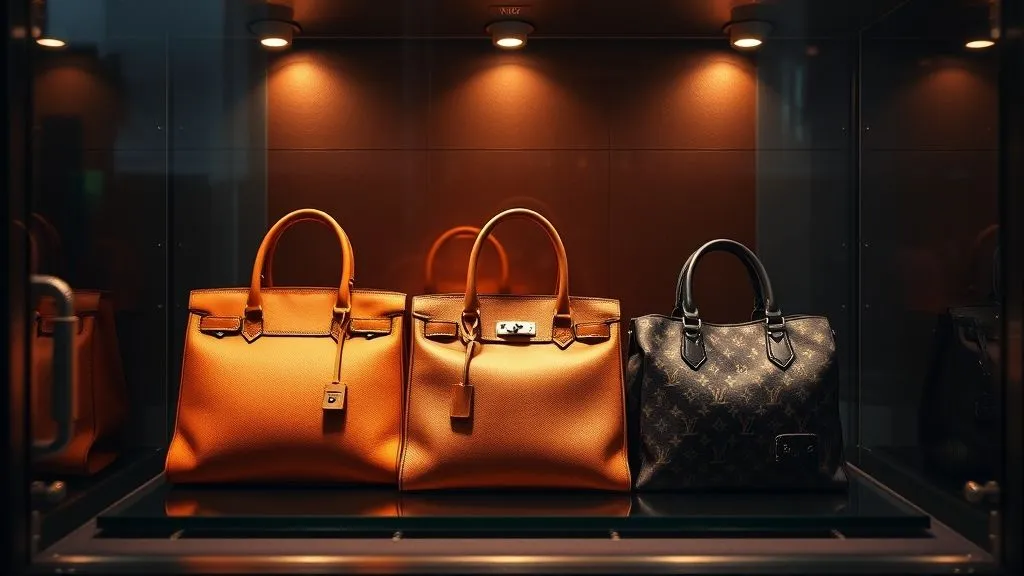
Best Way to Insure a Multi-Million Dollar Luxury Handbag Collection?
For over two decades in the luxury fashion sphere, I've had the privilege of witnessing the incredible passion and dedication collectors pour into building their multi-million dollar luxury handbag collections. These aren't just accessories; they are investments, works of art, and often, deeply personal treasures. Yet, I've also seen the heartbreak when these irreplaceable assets are damaged, lost, or stolen, only for owners to discover their insurance coverage was woefully inadequate.
The common misconception is that a standard homeowner's policy offers sufficient protection. This couldn't be further from the truth. The unique nature of luxury handbags – their appreciating value, susceptibility to specific types of damage, and the sheer financial scale of a multi-million dollar collection – demands a far more sophisticated and specialized approach to insurance.
In this definitive guide, I will share my firsthand insights and provide you with an actionable, expert-backed framework to ensure your cherished collection is protected with the diligence it deserves. We'll delve into specialist policies, the critical role of professional valuation, comprehensive documentation, and ongoing management strategies that offer true peace of mind. Consider this your ultimate blueprint for safeguarding your legacy.
Understanding the Unique Risks of Luxury Handbags
When we talk about a multi-million dollar luxury handbag collection, we're discussing assets that transcend mere material value. Their allure lies in their craftsmanship, rarity, historical significance, and often, their appreciating market value. However, this also means they are exposed to a unique spectrum of vulnerabilities that extend far beyond simple theft.
Beyond Theft: A Spectrum of Vulnerabilities
While the thought of theft is often the first concern, it's crucial to consider the broader landscape of risks. Accidental damage, for instance, is a pervasive threat. A spilled drink, a forgotten open zipper in the rain, or an unexpected snag can cause irreversible damage to delicate leathers and exotic skins. Moreover, the risk of loss, whether through misplacement during travel or an unfortunate oversight, is a silent but significant threat.
Perhaps one of the most overlooked risks for luxury handbags, particularly iconic pieces like Hermès Birkins or Kellys, is their appreciation in value. A bag purchased a decade ago for $10,000 might now fetch $50,000 or more on the secondary market. If your insurance doesn't account for this appreciation, you could find yourself severely underinsured. Finally, in the unfortunate event of a claim, proving authenticity and original condition without robust documentation can be a significant hurdle, especially with the prevalence of sophisticated counterfeits.
The biggest mistake I've observed collectors make is assuming their general insurance policies can adequately cover the nuanced and often appreciating value of their luxury handbags. Standard policies are simply not designed for these unique assets.
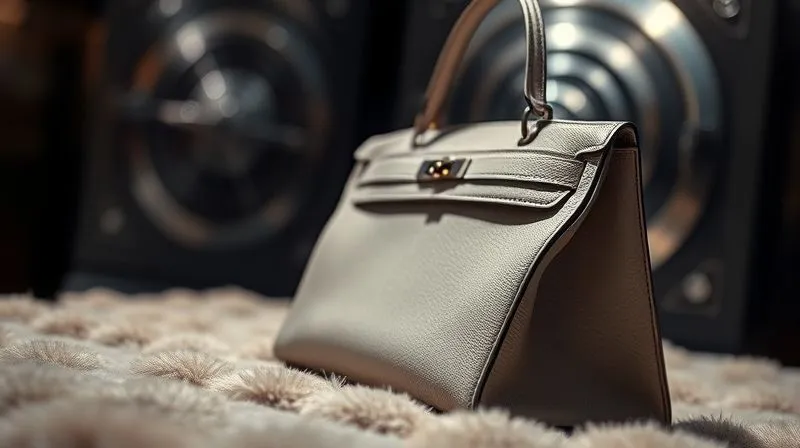
Why Standard Homeowner's Policies Fall Short for High-Value Collections
The allure of convenience often leads collectors to believe their existing homeowner's or renter's insurance policy will suffice. While these policies offer a baseline of protection for personal property, they are fundamentally ill-equipped to handle the specific demands of a multi-million dollar luxury handbag collection. The discrepancies lie in their coverage limits, exclusions, and the very nature of their valuation methods.
Coverage Limits and Exclusions
Most standard homeowner's policies impose strict per-item limits for categories like jewelry, furs, and often, fine art or collectibles. These limits typically range from $1,000 to $2,500 per item. Imagine having a Hermès Birkin valued at $70,000 or a vintage Chanel Flap Bag at $20,000 – a $2,000 payout would barely scratch the surface of its replacement cost. Furthermore, there are often aggregate limits for entire categories, meaning even if you have multiple bags, the total payout might cap out at a fraction of your collection's true value.
Beyond monetary limits, standard policies come with a host of exclusions. 'Mysterious disappearance' – where an item is lost but not proven stolen – is often not covered. Damage from spills, accidental drops, or even certain environmental factors might also be excluded. These policies are designed for general household items, not for the delicate materials and specific care requirements of luxury handbags.
Deductibles and Claims Impact
Another practical consideration is the deductible. Standard policies typically carry high deductibles, meaning you'd have to pay a significant amount out-of-pocket before your insurance kicks in. For a multi-million dollar collection, even a minor claim could trigger a substantial deductible. Moreover, filing claims against your homeowner's policy, particularly for high-value items, can lead to increased premiums for your entire home insurance coverage, potentially impacting your insurability in the future.
The Gold Standard: Dedicated Fine Art & Collectibles Insurance
When you're dealing with a multi-million dollar luxury handbag collection, the only truly secure path is through a dedicated fine art and collectibles insurance policy. These are not merely 'add-ons' to existing policies; they are bespoke solutions crafted by specialist insurers who understand the unique world of luxury assets. This is where true peace of mind resides.
Specialist Insurers: Who Are They?
Leading the charge in this niche are insurers like Chubb, AIG Private Client Group, AXA XL, and PURE Insurance. These companies specialize in high-net-worth individuals and their unique asset portfolios. They employ experts who understand the nuances of luxury goods, from authentication to market valuation, ensuring a level of service and coverage that general insurers simply cannot match.
Key Benefits of Specialist Policies
The advantages of a specialist policy are profound and directly address the shortcomings of standard insurance:
- Agreed Value Coverage: This is perhaps the most critical benefit for luxury handbags, especially those that appreciate. Instead of 'actual cash value' (which depreciates an item), an 'agreed value' policy means you and the insurer agree on a specific value for each item *before* the policy is issued. If a covered loss occurs, you receive that agreed-upon amount, regardless of market fluctuations at the time of loss. This is indispensable for pieces like Hermès Birkins or vintage Chanel bags that often increase in value.
- All-Risk Coverage: These policies typically offer 'all-risk' coverage, meaning your collection is protected against virtually all perils unless specifically excluded. This includes accidental damage (spills, drops), mysterious disappearance, theft, fire, and damage during travel. The burden of proof often shifts, making claims significantly smoother.
- No Deductibles (Often): Many specialist policies offer the option of $0 deductibles, or very low ones, meaning you're fully covered from the first dollar of a valid claim.
- Confidentiality & Discretion: For ultra-high-net-worth individuals, discretion is paramount. Specialist insurers understand this, offering a higher degree of privacy in handling your assets and claims.
- Expert Claims Handling: In the event of a loss, you'll be dealing with adjusters who possess deep expertise in luxury goods. They understand the market, the authentication process, and the emotional value of your collection, streamlining what can otherwise be a complex and frustrating process.
| Feature | Homeowner's Policy | Specialist Policy |
|---|---|---|
| Coverage Type | Actual Cash Value (depreciation) | Agreed Value (pre-determined) |
| Per-Item Limit | $1,000 - $2,500 (typical) | Custom, per-item schedule |
| Risks Covered | Named perils (theft, fire) | All-risk (theft, fire, accidental damage, mysterious disappearance) |
| Deductible | Often high | Often $0 or low |
The Indispensable Role of Expert Valuation and Documentation
Securing the right insurance policy is only half the battle. The true strength of your coverage, especially for a multi-million dollar collection, rests on the foundation of accurate, up-to-date valuations and comprehensive documentation. Without these, even the best policy can fall short when a claim arises.
Why Accurate Valuation is Non-Negotiable
The market for luxury handbags is dynamic. Iconic pieces, limited editions, and vintage rarities can appreciate significantly, sometimes even outpacing traditional investments. The initial purchase price of a bag is merely a starting point. For insurance purposes, you need to establish its current fair market value, which often requires a professional assessment. This is particularly vital for an agreed-value policy, as it directly determines your payout in case of a total loss. Relying on outdated or informal estimates is a critical error.
I always advise my clients to engage independent, certified appraisers who specialize specifically in luxury handbags and accessories. They possess the expertise to authenticate, assess condition, and determine current market value based on sales data, auction results, and their deep industry knowledge. These appraisals are the bedrock of your policy.
Building Your Ironclad Documentation Portfolio
Your documentation is your policy's backbone. Think of it as the undeniable proof of your collection's existence, authenticity, condition, and value. Without it, even the most reputable insurer will struggle to process a claim efficiently, or worse, may dispute its validity or value.
- Original Receipts and Authenticity Cards: These are your primary proof of purchase and authenticity. Keep them in a secure, fireproof location, and always have digital backups.
- Appraisal Certificates: As mentioned, these are crucial. Ensure they are detailed, signed by a certified appraiser, and include high-resolution images of each item. I recommend updating appraisals every 2-3 years, or immediately after a significant market shift or acquisition.
- High-Resolution Photographs: Take clear, well-lit photos of every bag from multiple angles, including unique serial numbers, date codes, hardware, and any distinctive features or existing minor imperfections. A visual record is invaluable.
- Proof of Ownership: This includes transaction records, credit card statements, or any other paperwork that ties you directly to the purchase of the bag.
- Condition Reports: For very high-value or vintage pieces, a detailed condition report from a reputable expert can be extremely helpful, especially if the bag had pre-existing wear that might be mistaken for new damage.
Your documentation is your policy's backbone. It's the irrefutable evidence that supports your claim and ensures a smooth, fair resolution. Invest the time in building it meticulously.
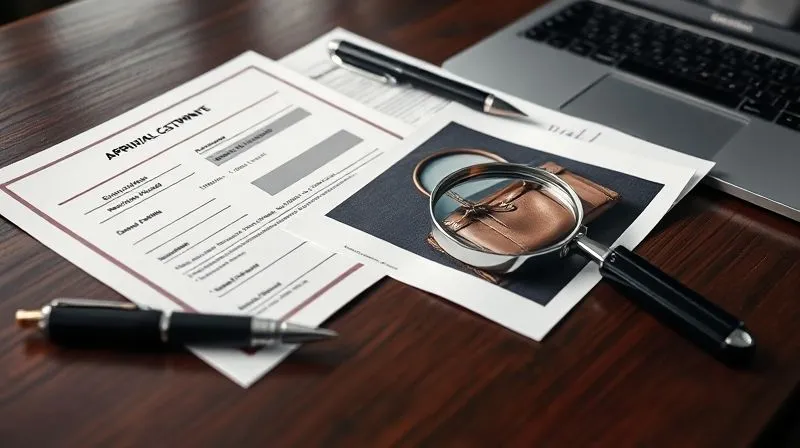
Step-by-Step: Securing Your Multi-Million Dollar Handbag Collection
Navigating the world of specialist insurance can seem daunting, but it doesn't have to be. Over the years, I've guided countless collectors through this process, and I've distilled it into a clear, actionable framework. Follow these five steps, and you'll be well on your way to securing your multi-million dollar luxury handbag collection with confidence.
Actionable Framework: My Proven 5-Step Process
- Step 1: Inventory and Initial Assessment: Begin by creating a comprehensive list of every handbag in your collection. For each bag, note its brand, model, material, color, approximate purchase date, and your best estimate of its current market value. This initial assessment helps you understand the scale of your collection and identify your most valuable pieces. Don't forget any limited editions or bespoke items, which often command higher values.
- Step 2: Professional Valuation: This is non-negotiable. Engage one or more certified appraisers specializing in luxury handbags. These experts will provide formal appraisal certificates for each high-value item, establishing an accurate, current market value. As Forbes Advisor often highlights, appraisals are critical for proper scheduling. Be prepared to provide the bags for physical inspection, or detailed photos if an in-person appraisal isn't feasible.
- Step 3: Document Everything: Gather all original purchase receipts, authenticity cards, and any provenance documents. Take high-resolution photographs of each bag from multiple angles, capturing unique features, serial numbers, and its overall condition. Digitize all these documents and store them securely in multiple locations (e.g., cloud storage, external hard drive, fireproof safe). This comprehensive 'documentation portfolio' is your claim's best friend.
- Step 4: Research Specialist Insurers: Contact at least 2-3 reputable specialist insurers known for fine art and collectibles coverage. Provide them with your detailed inventory and appraisal certificates. Discuss your specific needs, including frequency of travel with bags, security measures in your home, and your desired deductible (or lack thereof). Ask for detailed quotes and policy terms. Companies like AIG Private Client Group are excellent starting points.
- Step 5: Review and Customize Policy: Once you receive proposals, meticulously review each policy. Pay close attention to: the agreed-value clause, covered perils (ensuring 'all-risk' with mysterious disappearance), exclusions (what's *not* covered), deductibles, and reporting requirements for new acquisitions or disposals. Don't hesitate to ask questions and negotiate terms to ensure the policy perfectly aligns with your collection's unique profile and your peace of mind.
Case Study: The Martinez Collection's Seamless Transition
I recall working with Mrs. Martinez, a discerning collector who had amassed an exquisite collection of vintage Hermès and Chanel bags, valued collectively at over $3 million. Initially, her collection was simply 'added' to her homeowner's policy, with a blanket limit that vastly underestimated its true worth. A minor incident – a spilled glass of wine on a rare crocodile Kelly – brought the inadequacy of her coverage into sharp focus.
By following my 5-step process, Mrs. Martinez first engaged a specialist appraiser to accurately value each piece. We then meticulously documented every bag, including detailed photos of existing patina. Armed with this robust portfolio, she approached a specialist insurer. The result was a tailored, agreed-value policy with comprehensive 'all-risk' coverage and a zero deductible. When the wine incident occurred, the specialist insurer, familiar with the restoration costs for such materials, handled the claim efficiently and discreetly, covering the full cost of expert restoration without impacting her homeowner's premium. This demonstrated the invaluable difference a dedicated policy makes.
Ongoing Management: Keeping Your Policy Aligned with Your Collection's Value
Insuring your multi-million dollar luxury handbag collection is not a one-time event. It's an ongoing commitment that mirrors the dynamic nature of your assets. The market fluctuates, your collection grows, and your personal circumstances may change. Proactive management ensures your policy remains a robust shield, not a static snapshot of the past.
Regular Appraisals and Policy Updates
The luxury handbag market is incredibly fluid. A specific model or material can surge in value due to celebrity endorsement, limited re-releases, or simply shifting trends. Conversely, some pieces might plateau. This is why I cannot stress enough the importance of regular appraisals. I recommend reappraising your entire collection, or at least your highest-value pieces, every 2-3 years. If you acquire a significant new piece, or dispose of one, communicate this to your insurer immediately. Your agreed-value policy is only effective if the 'agreed value' accurately reflects the current market. Neglecting this step is a common pitfall that can lead to significant underinsurance.
Secure Storage and Best Practices
While insurance protects against loss, prevention is always the best strategy. Investing in secure storage solutions for your collection is paramount. This includes:
- Environmental Controls: Luxury handbags, especially those made from exotic leathers, are sensitive to humidity, extreme temperatures, and direct sunlight. Store them in a climate-controlled environment to prevent cracking, fading, or mildew.
- Physical Security: For your most valuable pieces, consider a high-quality, fire-rated safe or a dedicated, secure room with robust locking mechanisms. Alarm systems, monitored by a reputable security company, are also crucial, as is a discreet approach to discussing your collection's value.
- Minimizing Travel Risks: If you frequently travel with your bags, ensure your policy explicitly covers international transit. When traveling, always use secure luggage, keep bags within sight, and avoid checking your most valuable pieces unless absolutely necessary and properly packed.

Navigating Claims: What to Do When the Unthinkable Happens
Even with the most robust policy and diligent care, accidents, theft, or loss can occur. When the unthinkable happens to a cherished piece from your multi-million dollar luxury handbag collection, knowing how to navigate the claims process effectively is crucial. Your preparation and the quality of your policy will shine through here.
Immediate Steps Post-Incident
The moments immediately following a loss are critical. First and foremost, ensure your personal safety and that of others. If theft is involved, contact law enforcement immediately to file a police report – this is often a prerequisite for insurance claims. Document everything: take photos of any damage or the scene of the loss, note down dates, times, and any relevant details. The more information you can provide, the smoother the process will be. Then, contact your specialist insurer as soon as possible. They will guide you through their specific claims procedure.
Working with Your Claims Adjuster
Your specialist insurer will assign a claims adjuster, often one with experience in luxury goods. This is where your meticulous documentation portfolio becomes invaluable. Provide them with all appraisal certificates, original receipts, high-resolution photographs, and any police reports. Be clear, factual, and thorough in your communication. Since you have an agreed-value policy, the negotiation over the item's worth should be minimal, as the value was pre-determined. Your focus will be on proving the loss occurred as described and providing all necessary substantiating evidence. Trust me, the upfront effort in documentation pays dividends in these stressful situations.
Frequently Asked Questions (FAQ)
Question: Can I really get "all-risk" coverage, even for mysterious disappearance?
Yes, one of the significant advantages of a dedicated fine art and collectibles policy from a specialist insurer is its 'all-risk' nature. This typically includes coverage for mysterious disappearance, meaning if an item is lost and you can't explain how, it's still covered. This is a critical distinction from standard homeowner's policies, which almost always exclude this type of loss. Always confirm this specific clause when reviewing your policy with your insurer.
Question: How often should I get my collection re-appraised?
As an industry expert, I strongly recommend re-appraising your multi-million dollar luxury handbag collection every 2-3 years. The luxury market is dynamic, and values can fluctuate significantly. For particularly iconic or rare pieces, or after a major market event (like a brand's anniversary or a celebrity endorsement), it might be wise to get an updated appraisal sooner. This ensures your agreed-value policy remains current and you're not underinsured.
Question: Does insuring my handbags impact my general home insurance premium?
Generally, no, if you opt for a separate, dedicated fine art and collectibles policy. This is one of the key benefits of specialist insurance – it isolates the risk. Claims made against a separate policy for your handbags typically will not affect your homeowner's insurance premiums or your claims history with that provider. This separation provides both financial and administrative advantages.
Question: What if I travel frequently with my luxury handbags? Is that covered?
Yes, specialist policies are designed with the lifestyle of high-net-worth individuals in mind. Most will offer worldwide coverage, including transit. However, it's crucial to explicitly discuss your travel habits with your insurer. Some policies might have specific requirements for securing items during travel (e.g., carrying certain items as hand luggage). Always confirm the scope of travel coverage and any specific conditions with your provider.
Question: Is it worth insuring a bag that's only worth, say, $10,000, as part of a multi-million dollar collection?
Absolutely. While $10,000 might not seem 'multi-million dollar' on its own, it's still a significant luxury asset. More importantly, when it's part of a larger, scheduled collection on a specialist policy, it benefits from the same comprehensive, all-risk, agreed-value coverage. Trying to insure such a bag separately on a standard homeowner's policy would likely yield inadequate coverage and higher hassle. Including it in your dedicated collection policy provides consistent, superior protection for all your luxury assets, regardless of their individual value within the collection.
Key Takeaways and Final Thoughts
Protecting a multi-million dollar luxury handbag collection demands a sophisticated and proactive approach. As someone who has navigated this intricate landscape for decades, I can confidently say that the peace of mind derived from proper insurance is truly priceless. It's not just about financial restitution; it's about safeguarding your passion, your investment, and your legacy.
- Don't rely on standard homeowner's insurance: It's simply not built for the unique value and risks of luxury handbags.
- Embrace specialist policies: Dedicated fine art and collectibles insurance offers superior 'agreed value' and 'all-risk' coverage.
- Valuation and documentation are paramount: Invest in professional appraisals and build an ironclad documentation portfolio. This is the backbone of your claim.
- Proactive management is key: Regularly update appraisals, communicate acquisitions, and ensure secure storage.
- Peace of mind is priceless: A well-structured policy ensures that if the unthinkable happens, your passion and investment are truly protected.
Your collection tells a story, a narrative of exquisite taste and dedication. Ensure that story is protected against every possible chapter of misfortune. By following the expert advice outlined in this guide, you are not just buying insurance; you are investing in the longevity and security of your invaluable assets. Take these steps today, and enjoy your magnificent collection with the confidence it deserves.
Recommended Reading
- Slash Sampling Costs: 7 Ways 3D Fashion Design Software Delivers ROI
- Stop the Burn: 5 Pro Strategies for Chafing-Free High-Intensity Training
- 7 Proven Steps to Accurately Predict Next Season's Casual Footwear Trends
- Unlock the Secret: How to Style Oversized Sweaters Without Looking Frumpy?
- 5 Pillars: Crafting Streetwear Graphic Tees That Defy Trends



Your email address will not be published. Required fields are marked *