

Understanding Avant Garde Haute Couture Construction
Imagine a gown that defies gravity, a silhouette that challenges conventional forms, or a fabric that seems to breathe with a life of its own. These are not mere clothes; they are wearable sculptures, radical artistic statements that push the very boundaries of fashion. For centuries, clothing has served functional and aesthetic purposes, but a select few creators have dared to transform it into something truly revolutionary.
But how are these seemingly impossible creations brought to life? What hidden techniques, innovative materials, and sheer mastery of craft lie beneath the surface of garments that seem plucked from a futuristic dream? The journey from a conceptual spark to a tangible, awe-inspiring piece of avant garde haute couture is shrouded in mystery for many, often perceived as an impenetrable art form.
This comprehensive guide will deconstruct the intricate processes involved in understanding avant garde haute couture construction. We will delve into the philosophical underpinnings, the revolutionary design methodologies, the cutting-edge construction techniques, and the visionary minds that orchestrate these sartorial marvels. By the end of this reading, you will gain a profound appreciation for the unparalleled artistry and engineering required to create fashion that transcends time and trend.
What is Avant Garde Haute Couture?
To truly grasp the construction of these extraordinary pieces, we must first define their core components: avant garde and haute couture. While both terms evoke images of high fashion, their combination signifies a unique and powerful synergy.
Defining Avant Garde
The term 'avant garde' originates from French, meaning 'advance guard' or 'vanguard.' In art, it refers to people or works that are experimental, radical, or unorthodox with respect to art, culture, or society. Avant garde fashion, therefore, is not bound by commercial viability or seasonal trends. It prioritizes artistic expression, conceptual exploration, and often challenges societal norms through its form, materials, and presentation.
It's about pushing boundaries, questioning aesthetics, and often serving as a critique or commentary on the world. This approach often leads to designs that are more akin to sculpture or performance art than everyday apparel. Designers embrace asymmetry, deconstruction, exaggerated silhouettes, and unconventional materials to convey their unique vision.
The Essence of Haute Couture
Haute couture, also French for 'high sewing' or 'high dressmaking,' is a protected legal term in France, regulated by the Chambre Syndicale de la Haute Couture. It represents the pinnacle of bespoke, handcrafted fashion. Each garment is meticulously custom-made for an individual client, often requiring hundreds, if not thousands, of hours of work by highly skilled artisans in specialized ateliers.
The hallmarks of haute couture include unparalleled craftsmanship, luxurious and often rare materials, intricate detailing, and perfect fit. It is a world where tradition, precision, and an almost obsessive attention to detail reign supreme. The techniques employed are often centuries old, passed down through generations of master seamstresses and tailors.
The Fusion: Avant Garde Haute Couture
When avant garde principles merge with haute couture practices, something truly extraordinary emerges. It's where radical artistic vision meets unparalleled technical mastery. This fusion allows designers to realize the most ambitious and experimental concepts with the highest level of craftsmanship and quality. It's not just about making something new; it's about making something impossible, flawlessly.
This niche within fashion is where innovation in construction truly thrives. Designers are not limited by mass production constraints or commercial appeal, giving them the freedom to explore complex forms, integrate cutting-edge technology, and develop novel ways of manipulating textiles and other materials. It's where fashion becomes a laboratory for future possibilities.
The Visionary Mind: Conception and Design
Every avant garde haute couture piece begins not with a needle and thread, but with an idea, a philosophy, or a profound source of inspiration. This initial conceptual phase is critical, laying the groundwork for the extreme challenges of construction that lie ahead.
From Concept to Sketch
The journey often starts with extensive research. Designers delve into art, architecture, science, philosophy, nature, or social commentary to find their muse. This period of deep immersion allows a theme or narrative to emerge, which then translates into abstract concepts and eventually, preliminary sketches. These aren't just fashion illustrations; they are often architectural drawings, sculptural studies, or mood boards that capture the essence of the collection.
The initial sketches may be wild and unconstrained, pushing the boundaries of human form and material possibility. They serve as a visual manifesto for the collection, communicating the designer's intent and the emotional landscape they wish to evoke. This foundational stage is where the 'avant garde' spirit truly takes root, demanding a departure from the conventional.
Material Innovation and Sourcing
Avant garde haute couture frequently employs unconventional materials, pushing beyond traditional silks, wools, and cottons. Designers might experiment with plastics, metals, silicones, optical fibers, concrete, or even organic matter. Sourcing these materials requires immense creativity and often collaboration with engineers, scientists, and specialized manufacturers.
The choice of material is not arbitrary; it is integral to the concept. For instance, a designer might use rigid, architectural fabrics to create a sculptural silhouette or delicate, translucent materials to evoke a sense of ethereal fragility. The properties of these materials — their drape, rigidity, texture, and how they react to manipulation — directly influence the construction techniques that will be employed.
The Role of Research and Experimentation
Unlike commercial fashion, avant garde haute couture houses often function as research and development hubs. They invest heavily in experimenting with new technologies, textile treatments, and construction methods. This might involve laser cutting, 3D printing, ultrasonic welding, or developing entirely new fabric composites.
Prototypes are constantly made and refined, often undergoing multiple iterations before a viable solution is found. This relentless pursuit of innovation is what allows these designers to achieve forms and textures previously thought impossible, directly impacting the complexity and uniqueness of their construction processes.
Mastering the Form: Draping and Pattern Making
Once the concept and materials are established, the two-dimensional design must be translated into a three-dimensional form. This is where the true mastery of couture construction begins, often involving a blend of traditional techniques and radical new approaches.
Sculpting on the Mannequin: Draping
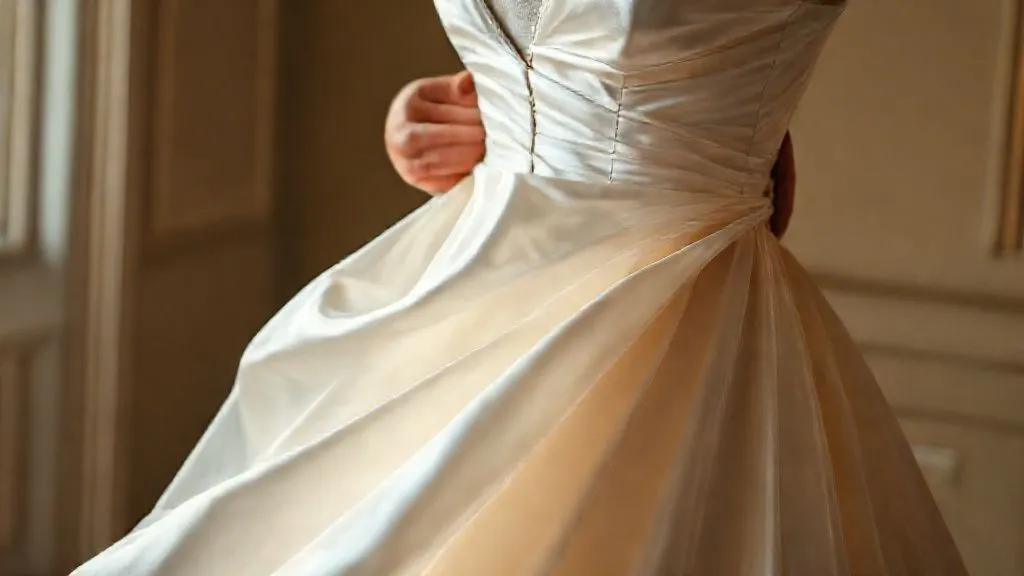
Draping is a fundamental technique in haute couture, allowing designers to sculpt directly on a dress form. For avant garde pieces, this process becomes an art form in itself. Instead of simply creating a well-fitting garment, the designer uses fabric to explore volume, balance, and movement in a sculptural way. This might involve pinning, folding, pleating, and twisting fabric in unconventional directions to achieve desired forms that defy standard pattern-making rules.
The initial draping often looks chaotic, a tangle of fabric, but it is through this hands-on manipulation that the designer discovers the true potential of the material and how it can be coerced into a specific shape. This iterative process of draping, adjusting, and re-draping is crucial for realizing complex, non-linear designs.
Translating Vision to Pattern: Precision and Artistry
Once a successful drape is achieved, it must be translated into a flat pattern. This is a highly skilled process, especially for avant garde designs that feature irregular shapes, complex curves, and unconventional seams. Pattern makers for haute couture are akin to engineers, meticulously drafting each piece with extreme precision.
They might employ advanced CAD software alongside traditional paper patterns, sometimes even creating three-dimensional digital models before flattening them into patterns. The challenge lies in ensuring that each component, when sewn together, will perfectly recreate the sculptural form achieved during draping, accounting for fabric stretch, bias, and internal structural elements.
The Iterative Process: Mock-ups and Toiles
Before cutting into expensive final fabrics, multiple mock-ups, or 'toiles,' are created in inexpensive muslin or calico. These toiles are sewn together to test the pattern, fit, and proportions. For avant garde pieces, this stage is even more critical due to the experimental nature of the designs.
Each toile is meticulously fitted on the model, adjusted, and refined. Seams are marked, volumes are tweaked, and structural elements are tested. This iterative process ensures that by the time the final fabric is cut, every detail has been perfected, minimizing errors and maximizing the artistic intent. This commitment to perfection is a hallmark of haute couture and essential for the radical forms of avant garde.
Unconventional Construction Techniques
This is where understanding avant garde haute couture construction truly comes alive. Traditional sewing methods are often insufficient to realize the bold visions of avant garde designers. New techniques are developed, or existing ones are pushed to their absolute limits.
Beyond Traditional Seams: Bonding and Fusing
While traditional sewing relies on stitches, avant garde construction often explores stitch-less methods. Techniques like heat bonding, ultrasonic welding, and specialized adhesives are used to join unconventional materials or create seamless, sculptural forms. These methods allow for clean lines, rigid structures, and the manipulation of materials that cannot be sewn traditionally, such as plastics or metals.
Laser cutting is also widely used, not just for precise pattern pieces but also for creating intricate cut-outs, perforations, or surface textures that would be impossible with conventional methods. This precision technology allows for new levels of detail and structural integrity in complex designs.
Structural Engineering in Fabric: Internal Frameworks
Many avant garde haute couture pieces incorporate hidden internal structures to create their dramatic silhouettes. This can include intricate corsetry, crinolines, boning, wires, or even lightweight metal or plastic frameworks that are meticulously integrated into the garment. These internal armatures provide support, shape, and stability, allowing fabrics to defy gravity or hold impossible forms.
The engineering involved is sophisticated, ensuring the garment is both structurally sound and comfortable for the wearer. For example, a dress might have a complex internal cage that allows it to stand independently, or a jacket might feature hidden padding and supports to create extreme shoulder lines.
Deconstruction and Reconstruction
Some avant garde designers employ deconstruction as a primary construction method. This involves taking existing garments or textile elements apart and reassembling them in new, often surprising ways. Seams might be exposed, raw edges celebrated, or traditional garment components recontextualized.
This approach challenges notions of perfection and finish, creating garments that feel raw, organic, or intentionally unfinished, yet are constructed with deliberate precision to achieve their desired effect. It's a form of artistic commentary on the very nature of clothing.
Layering and Volume Creation
Achieving extreme volume and complex layering is another hallmark. This often involves using multiple layers of fabric, innovative pleating techniques, gathering, ruching, and the strategic placement of structural interlinings. Designers might use hundreds of yards of fabric for a single garment, manipulating it to create sculptural folds, dramatic ruffles, or voluminous clouds of material.
The challenge lies in managing the weight and movement of these layers, ensuring that the final piece maintains its intended form while still allowing for some degree of wearability and flow. Each layer is often individually constructed and then meticulously integrated.
The Alchemy of Embellishment and Finishing
Beyond the structural construction, the surface treatments and finishing details elevate avant garde haute couture to true works of art. This is where countless hours are spent, transforming textiles into dazzling canvases.
Hand-Embellishment: Embroidery, Beading, Appliqué
The hand-embellishment on avant garde haute couture is unparalleled in its complexity and artistry. This includes intricate embroidery, often using unusual threads, three-dimensional elements, or even electronic components. Beading can involve thousands of individual beads, sequins, or crystals, meticulously applied by hand to create shimmering surfaces or intricate patterns.
Appliqué might involve cutting shapes from different fabrics or materials and sewing them onto the garment to create textural contrasts or visual narratives. These embellishments are not merely decorative; they often contribute to the garment's structure, texture, and overall conceptual message.
Surface Manipulation: Pleating, Smocking, Laser Cutting
Designers also employ various techniques to manipulate the surface of the fabric itself. Extreme pleating, often done by hand or with specialized machinery, can create architectural folds and dynamic movement. Smocking can gather and sculpt fabric, creating intricate textures and three-dimensional patterns.
As mentioned, laser cutting can create precise perforations, lace-like patterns, or even burn away layers of fabric to reveal underlying textures. These techniques transform the two-dimensional surface into a rich, tactile experience, adding depth and complexity to the overall construction.
The Art of Finishing: Linings, Fastenings, and Details
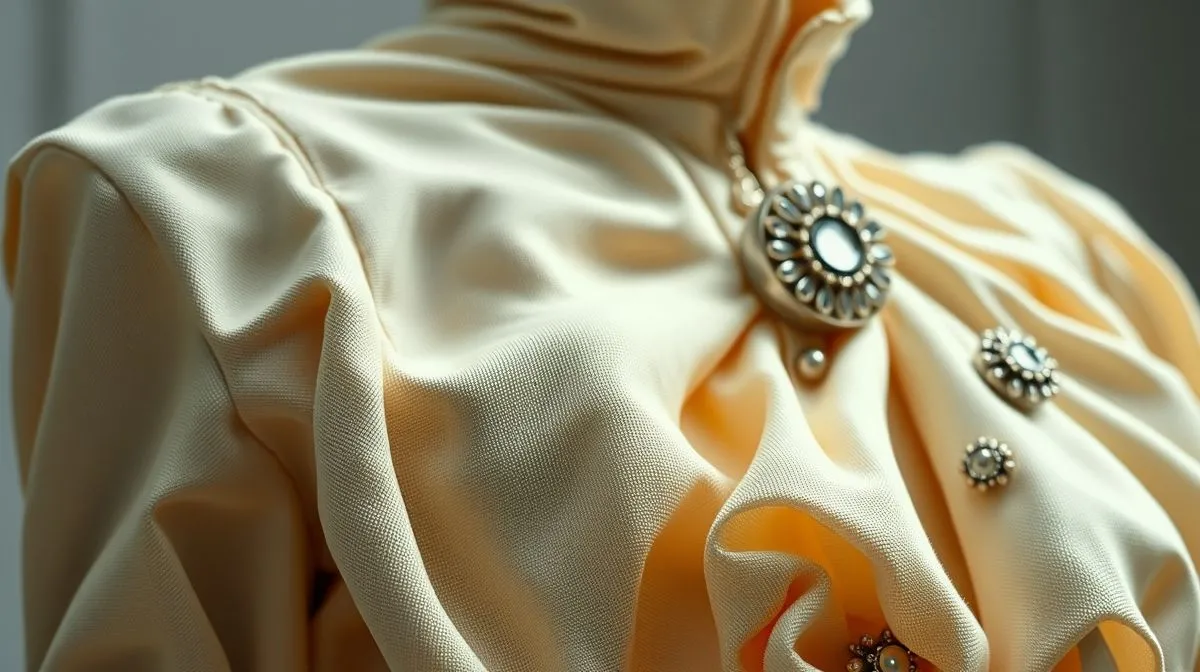
The finishing of a haute couture garment is as important as its main construction. Every seam is perfectly enclosed, every lining meticulously hand-stitched, and every fastening custom-made. Buttons might be sculpted from unique materials, zippers seamlessly integrated, or closures hidden to maintain the garment's clean lines.
Even the smallest details, such as the internal labels or the way the garment hangs when not worn, are considered part of the overall design. This obsessive attention to perfection ensures that the garment is not only a visual spectacle but also a testament to unparalleled craftsmanship, inside and out.
Challenges and Triumphs in Avant Garde Creation
Creating avant garde haute couture is fraught with challenges, yet the triumphs redefine what is possible in fashion. It's a collaborative journey demanding ingenuity and resilience.
Pushing Boundaries: Technical Hurdles
The most significant challenge is often technical. Realizing a radical design concept can require developing entirely new construction methods or adapting existing ones in unforeseen ways. Working with unconventional materials might involve overcoming issues like rigidity, weight, durability, or how they interact with the body.
Designers and their teams constantly face the unknown, pushing the limits of textile science, engineering, and traditional handcraft. This often leads to extensive trial and error, with many prototypes failing before a breakthrough is achieved. According to a research paper on fashion innovation, 'the experimental nature of avant-garde design inherently involves a high degree of technical risk and problem-solving' (JSTOR).
Sustainability and Ethical Considerations
As the fashion industry grapples with environmental and ethical concerns, avant garde haute couture, despite its low volume, faces unique considerations. The use of exotic or experimental materials can raise questions about their sourcing and environmental impact. However, many designers are also at the forefront of sustainable innovation, experimenting with recycled materials, bio-engineered textiles, and zero-waste pattern cutting.
The bespoke, handcrafted nature of haute couture inherently promotes longevity and reduces waste compared to fast fashion. The ethical treatment of the artisans involved in these labor-intensive creations is also paramount, reflecting the industry's commitment to preserving traditional skills and fair labor practices.
The Collaborative Genius of the Atelier
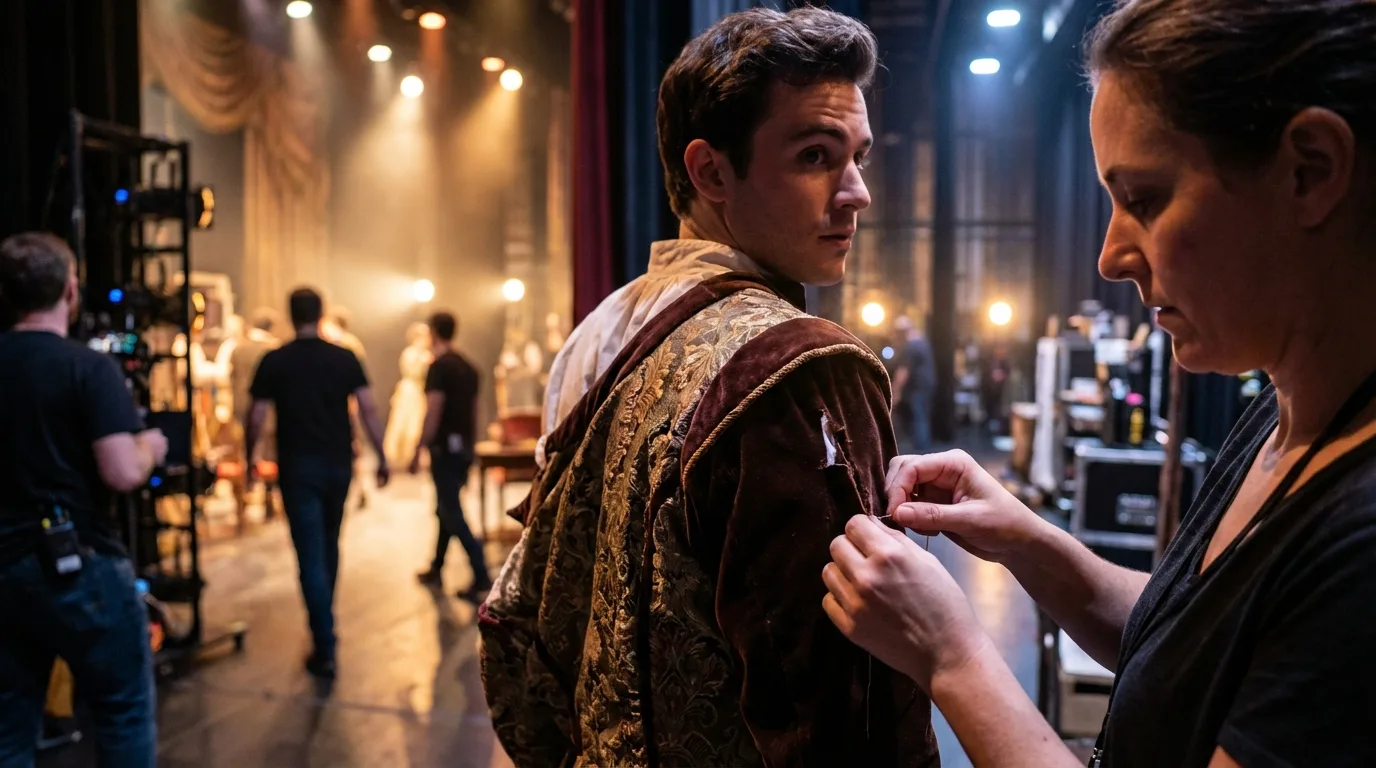
No single designer creates an avant garde haute couture collection alone. It is the result of intense collaboration within the atelier. Master seamstresses, pattern makers, embroiderers, and specialized artisans work together, each contributing their unique expertise. The designer's vision is translated and realized through the collective skill and dedication of this highly specialized team.
The communication within the atelier is fluid and constant, with ongoing fittings, adjustments, and problem-solving sessions. This collaborative spirit is essential for tackling the complex construction challenges that arise with each unique piece.
Legacy and Impact
The triumphs of avant garde haute couture extend far beyond the runway. These creations serve as a vital laboratory for the entire fashion industry. Techniques, materials, and ideas pioneered in haute couture often trickle down into ready-to-wear collections, influencing trends, manufacturing processes, and even our perception of clothing. They challenge our aesthetic sensibilities and inspire new generations of designers.
These garments are also preserved in museums worldwide, becoming historical artifacts that document artistic, social, and technological advancements. Their legacy is not just in their beauty but in their profound influence on culture and design.
Notable Designers and Their Avant Garde Legacy
To truly appreciate the art of avant garde haute couture construction, it's essential to look at some of the visionary designers who have defined this space.
Rei Kawakubo (Comme des Garçons)
Kawakubo is a master of deconstruction and unconventional form. Her work often challenges the female silhouette, incorporating exaggerated padding, asymmetry, and deliberately unfinished edges. Her construction involves complex internal structures and innovative pattern cutting that distorts the body, forcing viewers to reconsider beauty and form. Her collections are a continuous exploration of the void, the abstract, and the anti-fashion.
Issey Miyake
Miyake was a pioneer in textile innovation and a proponent of 'A-POC' (A Piece Of Cloth), where garments are cut from a single continuous piece of fabric. His work is characterized by revolutionary pleating techniques (e.g., 'Pleats Please') that create sculptural, architectural forms that are also highly wearable and adaptable to the body. His construction methods often involve heat-setting and permanent pleating, transforming flat fabric into three-dimensional wonders.
Iris van Herpen
Van Herpen is renowned for her fusion of fashion, art, and technology. Her designs often incorporate 3D printing, laser cutting, and intricate hand-craftsmanship to create sculptural, often organic forms that appear to defy physics. Her construction involves complex layering, internal frameworks, and the use of unconventional materials like silicone, metal, and transparent acrylics, meticulously assembled to create a sense of fluid motion and otherworldly beauty.
Alexander McQueen
McQueen's haute couture work was a theatrical exploration of dark romanticism and provocative beauty. He was a master tailor who pushed boundaries with his dramatic silhouettes, intricate embellishments, and often disturbing narratives. His construction often involved corsetry, extreme draping, and the integration of found objects and unconventional materials, creating garments that were both technically brilliant and emotionally powerful.
Frequently Asked Questions (FAQ)
What makes avant garde haute couture different from regular fashion? Avant garde haute couture prioritizes artistic expression and conceptual innovation over commercial viability or wearability. It's custom-made, uses labor-intensive techniques, and often challenges traditional garment construction, unlike mass-produced or ready-to-wear fashion.
How long does it take to construct an avant garde haute couture piece? The construction time for a single avant garde haute couture piece can range from hundreds to thousands of hours, depending on its complexity, the materials used, and the level of hand-embellishment. Some pieces can take several months to complete.
Are avant garde haute couture garments meant to be worn? While technically wearable, many avant garde haute couture garments are created primarily as artistic statements for the runway, exhibitions, or private collectors. Their primary purpose is to showcase extreme creativity, craftsmanship, and push the boundaries of design, rather than for everyday wear.
What materials are commonly used in avant garde haute couture construction? Beyond traditional luxurious fabrics like silk and lace, avant garde haute couture frequently incorporates unconventional materials such as plastics, metals, silicones, optical fibers, concrete composites, recycled materials, and even bio-engineered textiles. The choice of material is often integral to the conceptual design.
Recommended Reading
- Best Activewear for CrossFit Beginners: Crush Your First WOD!
- The Ultimate Guide: How to Properly Store Leather Handbags Long Term
- The Ultimate Guide: How to Properly Fit a Men's Formal Dress Shirt?
- Best Affordable Streetwear Brands 2024: Your Ultimate Guide to Stylish Savings
- 1950s Dresses: Which Neckline Flatters You Most? Find Out!
Conclusion
The world of avant garde haute couture construction is a mesmerizing realm where imagination knows no bounds and craftsmanship reaches its zenith. It is a testament to human creativity, technical prowess, and an unwavering dedication to pushing the limits of what clothing can be. From the initial spark of an idea to the final, meticulously placed bead, each garment is a journey of innovation, problem-solving, and unparalleled artistry.
Understanding avant garde haute couture construction reveals not just how these garments are made, but why they matter. They are more than clothes; they are cultural statements, artistic expressions, and a vital laboratory for the future of fashion. By appreciating the intricate processes and the visionary minds behind them, we gain a deeper respect for fashion as a profound art form. We encourage you to explore these designers and concepts further, allowing their daring creations to inspire your own appreciation for the boundless possibilities of design.


Your email address will not be published. Required fields are marked *