

How to Avoid Costly Mistakes When Investing in Luxury Fashion?
For over two decades in the luxury fashion industry, I've witnessed firsthand the exhilarating highs of astute acquisitions and the heartbreaking lows of regrettable purchases. Many believe that simply buying an expensive designer item guarantees its value, a misconception that has led countless enthusiasts down a path of financial disappointment. Investing in luxury fashion isn't merely about acquiring beautiful things; it's about making informed, strategic decisions that can preserve – and sometimes even enhance – the value of your wardrobe assets.
The allure of luxury is undeniable: exquisite craftsmanship, timeless design, and the prestige of a coveted brand. However, this allure often blinds buyers to potential pitfalls, from falling prey to sophisticated counterfeits to overpaying for trendy pieces with no resale value, or simply neglecting proper care. The emotional connection to a beautiful item can override rational judgment, turning what should be an investment into a depreciating liability.
In this definitive guide, I will share my accumulated wisdom and practical frameworks to equip you with the knowledge needed to navigate the complex world of luxury fashion investment. You'll learn how to identify true investment pieces, master the art of authentication, understand the secondary market, and implement strategies that will help you avoid costly mistakes when investing in luxury fashion, ensuring your collection is both a source of joy and a smart financial asset.
Understanding the True Value: Beyond the Brand Name
Many assume that a high price tag automatically equates to high value, but this couldn't be further from the truth in luxury fashion. The true investment potential lies deeper than just the brand name; it's embedded in heritage, craftsmanship, and market demand.
The Allure of Scarcity and Heritage
Brands like Hermès, Chanel, and certain vintage Louis Vuitton pieces command enduring value not just because of their logos, but due to their rich history, limited production, and iconic status. These houses have cultivated a legacy of exclusivity and meticulous artistry that resonates with discerning collectors. Scarcity, whether intentional or due to complex production processes, often fuels demand and appreciation.
Decoding Craftsmanship and Materials
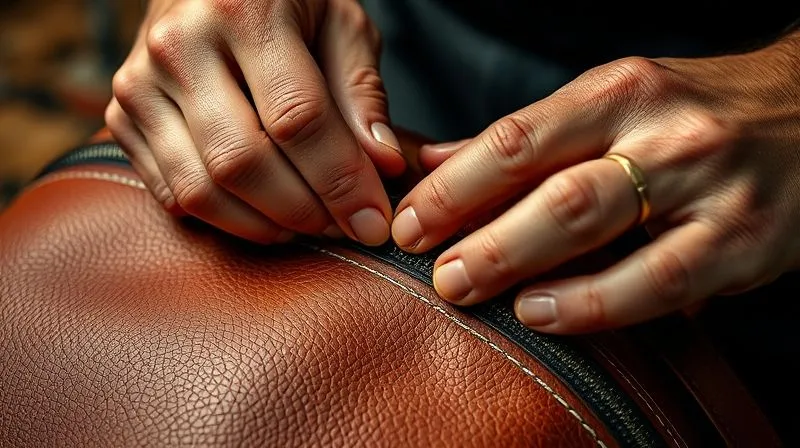
An investment piece is defined by its superior construction and the quality of its materials. Look beyond the surface: examine stitching, hardware, lining, and the feel of the leather or fabric. Full-grain leather, exotic skins, hand-finishing, and durable hardware are hallmarks of items built to last generations. These details directly impact an item's longevity and, consequently, its resale value.
"In luxury fashion, true value is not just about what you pay, but what you get in terms of enduring quality, timeless design, and a piece of cultural heritage. Prioritize impeccable craftsmanship over fleeting trends."
Research is Your Most Powerful Accessory
Before making any significant luxury purchase, thorough research is non-negotiable. This isn't just about browsing pretty pictures; it's about understanding market dynamics, historical performance, and authenticity markers.
Key Research Areas for Smart Investing:
- Brand History & Iconic Pieces: Identify which specific models or collections from a brand consistently hold or increase in value. Not all pieces from a luxury house are investment-grade.
- Market Trends & Forecasts: While avoiding trendy impulse buys, understanding broader market shifts can inform your timing for buying or selling.
- Resale Value Performance: Consult reputable secondary market platforms and auction results to gauge how specific items have performed historically. Sites like The Fashion Law often provide insights into market trends and brand performance.
- Authentication Details: Familiarize yourself with the unique serial numbers, date codes, hardware stamps, and material specifics for the item you intend to purchase.
A Structured Research Process:
- Identify Your Target: Pinpoint the specific item (e.g., Chanel Classic Flap, Hermès Birkin, vintage Rolex Daytona).
- Historical Price Analysis: Track its retail price evolution and, more importantly, its secondary market value over the past 5-10 years.
- Condition Assessment: Understand what constitutes 'excellent,' 'very good,' and 'good' condition for that specific item and how it impacts value.
- Seller Reputation Check: If buying pre-owned, rigorously vet the seller or platform for authenticity guarantees and return policies.
- Expert Consultation: Consider paying for an expert appraisal or authentication service before committing, especially for high-value items.
Authentication: Your First Line of Defense Against Fakes
One of the most devastating and costly mistakes when investing in luxury fashion is unknowingly purchasing a counterfeit. The replica market has become incredibly sophisticated, making it difficult even for experienced eyes to spot fakes without proper tools and knowledge.
The Perils of Counterfeits
Beyond the financial loss, buying a fake erodes trust, supports illegal operations, and can be deeply disappointing. A counterfeit piece has zero investment value and can never be resold as authentic, making it a complete financial write-off.
Utilizing Expert Verification Services
Never rely solely on photos or a seller's word, especially for high-value items. Reputable third-party authentication services (e.g., Entrupy, Real Authentication) use AI and human experts to verify items. While they come with a fee, it's a small price to pay for peace of mind and protection against a potentially significant loss.
"When it comes to luxury, if a deal seems too good to be true, it almost certainly is. Invest in professional authentication; it's the ultimate insurance policy against costly mistakes."
Case Study: Sarah's Costly Counterfeit
Sarah, an aspiring luxury collector, found what she believed was an incredible deal on a popular designer handbag through an online auction site. The seller had decent reviews, and the photos looked convincing. Tempted by the significantly lower price, she bypassed her usual authentication checks. Upon receiving the bag, a nagging feeling led her to a local luxury consignment store for an appraisal. To her dismay, the bag was confirmed as a high-quality replica. Sarah had not only lost several thousand dollars but also the trust in her own judgment. This experience taught her that investing in authentication upfront, even for a fee, is far less costly than losing the entire purchase price to a fake.
The Art of Strategic Acquisition: Buying for Longevity and Resale
Not all luxury items are created equal when it comes to investment potential. A key part of avoiding costly mistakes is understanding what to buy and when.
Identifying Investment-Grade Pieces (Classic vs. Trendy)
The golden rule is to prioritize classics over trends. Classic pieces, often with a long history and consistent demand, tend to hold or increase their value. Think Hermès Birkin/Kelly, Chanel Classic Flap, Rolex Submariner, or certain vintage Cartier jewelry. Trendy items, while exciting, often depreciate rapidly once the fashion cycle moves on.
The Importance of Condition and Provenance
For pre-owned items, condition is paramount. An item in 'excellent' or 'pristine' condition will command a significantly higher resale value than one with visible wear and tear. Furthermore, provenance (the history of ownership) can add value, especially for rare or unique pieces. Keeping original receipts, dust bags, boxes, and authenticity cards is crucial.
According to a study by Bain & Company on the luxury market, the pre-owned market is growing significantly, emphasizing the importance of condition and authenticity for value retention.
| Criteria | Investment Pieces | Trendy Buys |
|---|---|---|
| Resale Potential | High, often appreciates | Low, rapid depreciation |
| Longevity | Decades, timeless appeal | Seasonal, short-lived appeal |
| Design | Classic, iconic, versatile | Novel, specific, niche |
| Materials/Craftsmanship | Exceptional, built to last | Varies, often compromised for speed |
| Acquisition Strategy | Patient, researched, strategic | Impulse, emotional, FOMO-driven |
Care and Maintenance: Preserving Your Assets
Even the most valuable luxury item will lose its worth if not properly cared for. Neglecting maintenance is a common and costly mistake that can significantly devalue your investment.
Proper Storage Techniques
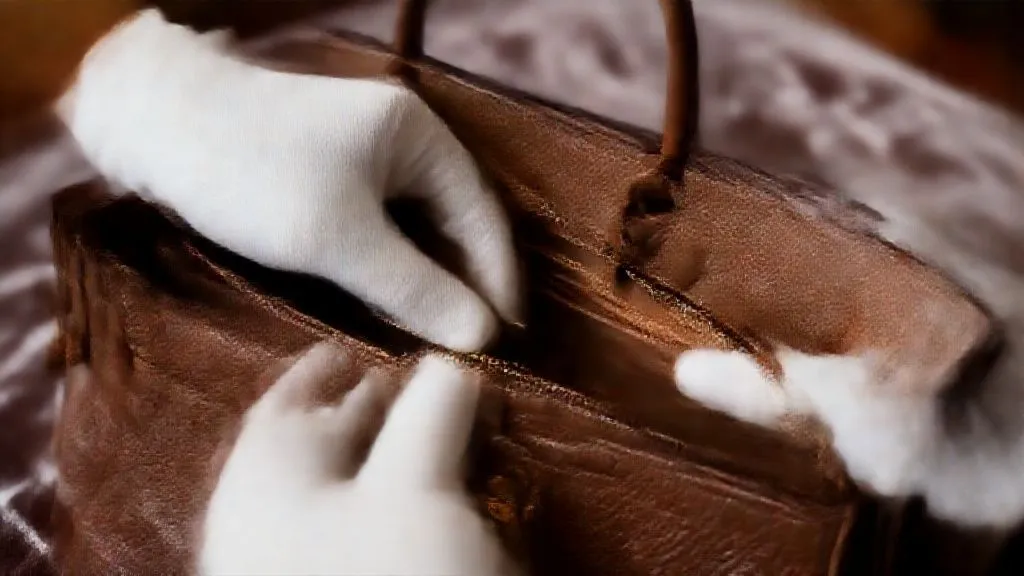
Luxury items require specific storage conditions. Handbags should be stuffed to maintain their shape and stored in their dust bags, away from direct sunlight and humidity. Shoes should be kept with shoe trees. Jewelry should be stored separately to prevent scratching. Garments, especially delicate ones, need proper hangers and breathable garment bags.
Professional Cleaning and Repair
Don't attempt DIY repairs or use harsh chemicals. Luxury items often require specialized cleaning and repair services. Seek out reputable artisans who specialize in high-end leather, fabrics, or jewelry. Regular professional maintenance can prevent minor issues from becoming major, costly damages.
Common Care Mistakes to Avoid:
- Overstuffing Bags: Leads to stretching and loss of shape.
- Storing in Plastic: Prevents leather from breathing, causing damage.
- Ignoring Spills: Immediate, gentle cleaning is crucial to prevent permanent stains.
- Using Standard Cleaners: Can strip natural oils or damage delicate materials.
- Storing in Direct Sunlight: Causes fading and material degradation.
Navigating the Secondary Market: Buying and Selling Smart
The secondary market for luxury goods is booming, offering both incredible opportunities and significant risks. Mastering this landscape is crucial for maximizing your returns and avoiding costly errors.
Reputable Resale Platforms vs. Risky Auctions
When buying or selling pre-owned luxury, stick to established, reputable platforms that offer authentication services and buyer/seller protection. Sites like The RealReal, Vestiaire Collective, and Fashionphile have built trust within the community. While online auction sites might offer lower prices, they carry a much higher risk of counterfeits and misrepresentations. Always read reviews and understand their policies.
Realistic Expectations for Resale Value
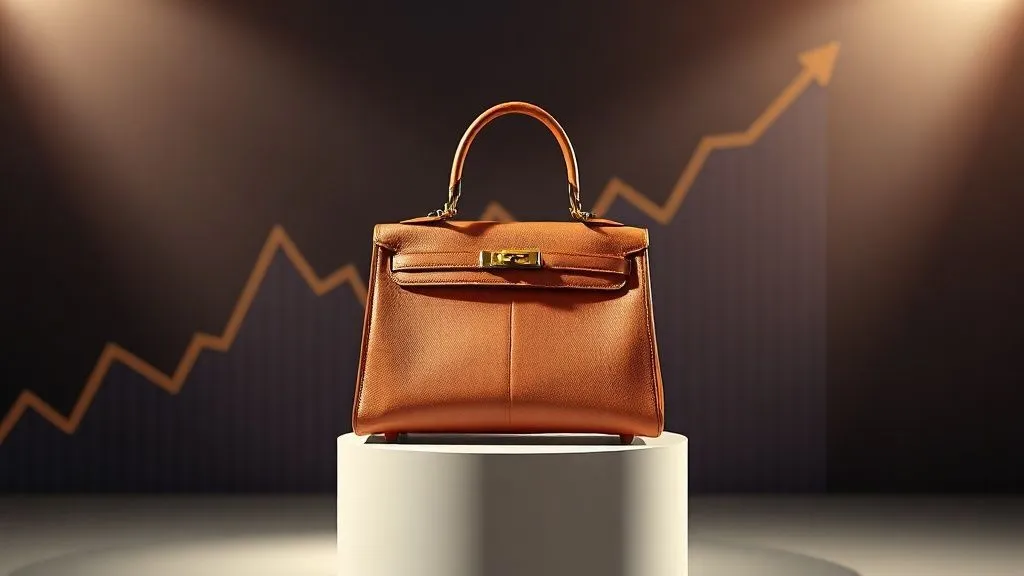
Understand that very few luxury items appreciate beyond their retail price, especially immediately after purchase. The 'investment' often refers to value retention, meaning it depreciates less than other items, or holds its value over time. Items like specific Hermès bags or certain vintage Rolex watches are exceptions. Be realistic about what your item will fetch on the secondary market; factors like condition, current demand, and market saturation play a huge role.
As marketing guru Seth Godin often says, "The market doesn't care what you think it's worth; it cares what it's worth to them." This applies directly to luxury resale value. For comprehensive market insights, sources like Business of Fashion frequently publish reports on the luxury resale sector.
Selling Process on a Reputable Platform:
- Research Platform Options: Compare commission rates, authentication processes, and payout times.
- Prepare Your Item: Clean it, photograph it professionally, and gather all original accessories (dust bag, box, receipt, authenticity card).
- Accurate Description: Be honest and detailed about the item's condition, including any flaws. Transparency builds trust.
- Pricing Strategy: Research recent sales of identical or similar items in comparable condition. Price competitively but realistically.
- Authentication & Shipping: Follow the platform's instructions for sending the item for authentication and final sale.
Building a Curated Collection: A Long-Term Vision
True luxury fashion investment is not about impulse buying; it's about building a thoughtful, curated collection that reflects your style while holding intrinsic value. This requires patience, planning, and a deep understanding of the market.
Understanding Your Personal Style and Market Trends
While classics are key, your collection should also resonate with your personal style. An item you genuinely love and use will likely be better cared for and bring more satisfaction. Simultaneously, stay informed about broader market trends without becoming a slave to them. Understanding which designers are gaining traction or which vintage eras are appreciating can guide subtle additions to your collection.
Diversification and Portfolio Thinking
Approach your luxury collection like a diversified investment portfolio. Don't put all your eggs in one basket (e.g., only Hermès bags). Consider diversifying across categories (handbags, watches, jewelry, ready-to-wear) and brands. This mitigates risk and allows for different appreciation curves. As Forbes often highlights in its luxury coverage, a balanced approach yields better long-term results.
"Patience is a virtue in luxury investing. Don't chase every hot new release. Instead, focus on acquiring timeless pieces with proven value retention, building your collection with intention and informed decisions."
| Item | Purchase Date | Original Price | Current Market Value (Est.) | Notes |
|---|---|---|---|---|
| Chanel Classic Flap Bag (Medium) | 2015 | $4,900 | $8,000 - $9,500 | Iconic, consistent appreciation, excellent condition. |
| Rolex Submariner (Vintage 1980s) | 2018 | $7,500 | $10,000 - $12,000 | Well-maintained, original box/papers, strong collector demand. |
| Hermès Oran Sandals | 2020 | $680 | $450 - $600 | Popular, but limited appreciation, good value retention for seasonal item. |
| Gucci Dionysus Bag (Seasonal Color) | 2017 | $2,500 | $1,000 - $1,500 | Trendy design, depreciated significantly from retail. |
Frequently Asked Questions (FAQ)
Is every designer item an investment? Absolutely not. Only a small fraction of designer items truly retain or appreciate in value. These are typically iconic pieces from heritage brands, known for their timeless design, exceptional craftsmanship, and often, limited availability. Trendy items, even from luxury brands, usually depreciate quickly.
How much should I spend on an investment piece? There's no fixed amount, as 'investment' in luxury fashion is relative. The key is to spend within your means and ensure the item aligns with your long-term collecting goals. For true investment pieces like specific Hermès or Chanel bags, prices can range from several thousands to tens of thousands of dollars. Focus on value, not just price.
What brands consistently hold their value? Brands renowned for their heritage, exclusivity, and impeccable craftsmanship typically perform best. Hermès (especially Birkin and Kelly bags), Chanel (Classic Flap, 2.55), certain vintage Louis Vuitton (classic monogram), Rolex, Patek Philippe, and Audemars Piguet watches are strong examples. Their consistent demand and limited supply drive value.
How do I spot a good deal on the secondary market without risking counterfeits? A 'good deal' should still be within a realistic market range. If an item is priced significantly below comparable authenticated pieces, be highly suspicious. Always prioritize buying from reputable platforms or sellers who offer strong authentication guarantees and return policies. Never compromise on authentication for a lower price.
Should I keep original packaging and receipts? Yes, unequivocally. Original packaging (dust bags, boxes, tags), authenticity cards, and receipts significantly add to an item's provenance and resale value. They provide crucial verification and demonstrate that the item has been well-cared for from its origin, helping you avoid costly mistakes when investing in luxury fashion.
Key Takeaways and Final Thoughts
Investing in luxury fashion can be a deeply rewarding endeavor, blending personal passion with financial prudence. However, the path is fraught with potential missteps that can quickly turn a dream purchase into a costly regret. By approaching luxury acquisition with a strategic, informed mindset, you can build a collection that not only brings immense joy but also holds its financial ground.
- Educate Yourself: Knowledge is your most valuable asset. Understand brand heritage, craftsmanship, and market dynamics.
- Authenticate Rigorously: Never skip professional authentication for pre-owned high-value items.
- Prioritize Classics: Focus on timeless, iconic pieces over fleeting trends for long-term value retention.
- Maintain Meticulously: Proper care and professional maintenance are crucial for preserving an item's condition and value.
- Be Patient & Strategic: Build your collection thoughtfully, like a diversified portfolio, rather than through impulsive buys.
Remember, true luxury is about enduring quality and timeless appeal. By applying these expert strategies, you are not just buying an item; you are curating a legacy. Invest wisely, care diligently, and enjoy the lasting beauty and value of your luxury fashion investments.
Recommended Reading
- 7 Proven Strategies: Maximizing ROI from AI Skin Analysis for Luxury Spas
- 5 Expert Strategies: Stop Functional Textile Coating Degradation Post-Wash
- Activewear Engineering: 7 Pillars to Reduce Muscle Fatigue & Boost Comfort
- 12-Hour Fresh: Your Expert Guide to a Polished Workday Look
- Cracking the Code: 5 Strategies for Predicting Kids' Fashion Trends Accurately

Your email address will not be published. Required fields are marked *