

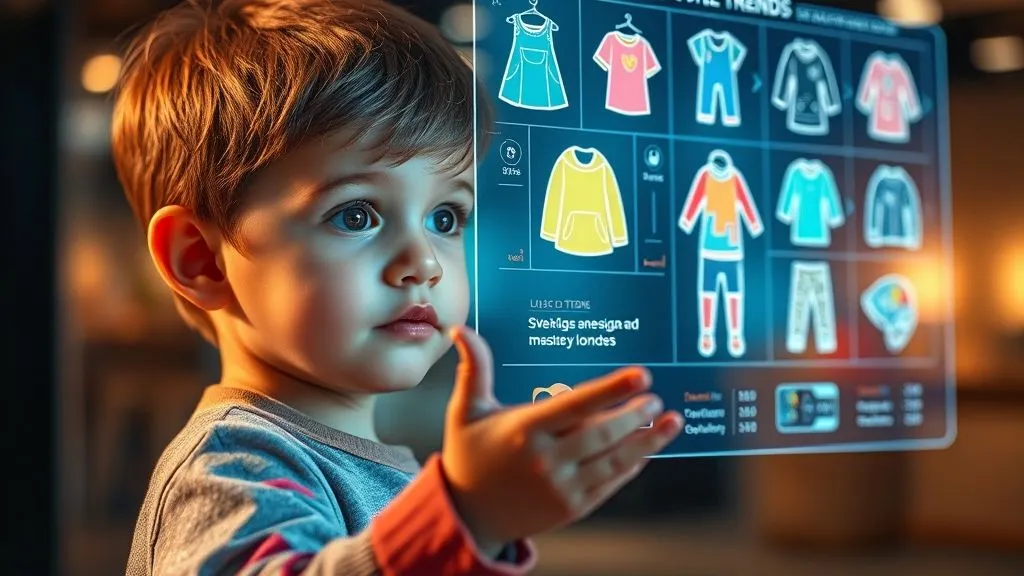
Introduction: Predicting next year's top kids' seasonal fashion trends accurately?
For over two decades in the dynamic world of kids' fashion, I've seen countless brands, both large and small, grapple with one persistent, critical challenge: accurately predicting next year's top kids' seasonal fashion trends. It’s a tightrope walk between gut feeling and data, between timeless appeal and fleeting fads. The industry moves at a blistering pace, and missing the mark on even one season can have significant financial repercussions, from excess inventory to missed market opportunities.
The problem isn't just about guessing colors or silhouettes; it's about understanding the complex interplay of socio-cultural shifts, technological advancements, parental priorities, and, crucially, the evolving agency of children themselves. The 'mini-me' era is largely behind us. Today's kids' fashion is a vibrant ecosystem driven by comfort, sustainability, individuality, and play. The volatility of children's tastes, combined with the rapid dissemination of trends through digital platforms, makes forecasting feel like an art form rather than a science.
But what if I told you there’s a robust, multi-faceted framework that can dramatically improve your accuracy? In this definitive guide, I will share my battle-tested strategies, drawing on years of industry experience, market research, and a deep understanding of the unique psychology behind kids' wear. You’ll learn not just what to look for, but how to interpret the signals, leverage data, and build a resilient forecasting model that ensures your collections are always a step ahead.
The Evolving Landscape of Kids' Fashion: Beyond Mini-Me Trends
From Mimicry to Individuality: A Paradigm Shift
Gone are the days when kids' fashion was simply a scaled-down version of adult clothing. While some influence undeniably trickles down, the children's apparel market has matured into its own distinct entity, driven by unique factors. I've witnessed this evolution firsthand, from the early 2000s where adult runway trends dictated children's lines, to today's landscape where children's wear often pioneers trends in comfort, functionality, and ethical production.
This shift isn't accidental; it's a response to several powerful forces:
- Parental Values: Modern parents prioritize comfort, durability, and increasingly, sustainability and ethical sourcing. They seek clothing that supports active play and reflects their values.
- Children's Agency: Kids today have more say in their wardrobe choices. Social media and peer influence play a role, but so does a desire for self-expression.
- Focus on Play & Functionality: Clothes must facilitate movement, withstand rough-and-tumble play, and be easy to care for. Design is secondary to function for many key pieces.
- Digital Influence: Kids and parents are exposed to global styles and micro-trends through social media, opening up a broader palette of influences.
Understanding this fundamental shift is the bedrock of accurate trend prediction. We're not just looking at fashion; we're looking at lifestyle.
Decoding Consumer Behavior: The Parent-Child Dynamic
Understanding the Dual Purchase Drivers
When it comes to kids' fashion, you're not selling to one consumer; you're often selling to two distinct entities with different priorities: the parent (the buyer) and the child (the wearer). Accurately predicting next year's top kids' seasonal fashion trends requires a nuanced understanding of both. Parents are driven by practicality, value, brand trust, and increasingly, ethical considerations. Children are drawn to color, character, comfort, and peer acceptance.
In my experience, many brands fail because they only focus on one side of this equation. You need to engage both. Here’s how I approach it:
- Parental Focus Groups & Surveys: Dive deep into what parents value. Ask about durability, washability, price point, material preferences, and their perception of brand image. Understand their pain points – what frustrates them about current kids' clothing options?
- Child-Centric Playtesting & Observation: This is crucial. Observe children interacting with clothing samples. Do they find it comfortable? Does it restrict movement? What colors or patterns do they gravitate towards? Engage them in simple, age-appropriate discussions about what they like and why.
- Social Listening for Parental Sentiments: Monitor parenting blogs, forums, and social media groups. What are parents discussing regarding kids' wear? Are there recurring complaints or desires?
- Influencer Engagement & Micro-Communities: Identify kid-centric or family influencers. Their content often reveals genuine parent-child interactions with clothing and can be a pulse on emerging preferences.
By merging these insights, you gain a holistic view that informs design decisions far more effectively than isolated research. It’s about creating garments that parents approve of and children adore.
The Power of Data: Analytics, AI, and Market Intelligence
Leveraging Sales Data and Predictive Analytics
In today's data-rich environment, relying solely on intuition for predicting next year's top kids' seasonal fashion trends is a recipe for disaster. Data is your compass, guiding you through the complexities of the market. I've personally seen how the strategic application of analytics can transform a brand's forecasting accuracy, moving it from guesswork to informed prediction. This isn't just about looking at last season's bestsellers; it's about identifying patterns, correlations, and anomalies that signal future shifts.
"Data isn't just numbers; it's a narrative waiting to be understood. For kids' fashion, it tells us what parents are buying, what children are wearing, and where the market is heading."
Here’s a framework I often recommend for data-driven trend forecasting:
- Historical Sales Data Analysis: Go beyond raw sales. Analyze sell-through rates by color, print, silhouette, fabric type, and price point across different age groups and regions. Look for seasonal spikes and declines, and compare year-over-year performance.
- Web Analytics & E-commerce Data: Track website traffic, popular product pages, search terms, conversion rates, and abandoned carts. What are customers browsing even if they're not buying? This reveals interest.
- Social Media Analytics: Monitor engagement rates for different styles, popular hashtags in kids' fashion, and visual trends shared by parents and influencers. Tools can help identify rising themes.
- Market Research Reports: Invest in reports from reputable firms. They offer macro-economic trends, demographic shifts, and consumer spending patterns that influence kids' apparel. For example, Statista's Apparel Market Outlook provides valuable global insights.
- AI & Predictive Tools: Explore AI-powered trend forecasting platforms. These tools can analyze vast datasets, identify emerging patterns, and even predict demand for specific attributes with surprising accuracy.
| Data Source | Key Metrics | Actionable Insight |
|---|---|---|
| Historical Sales | Sell-through rates, SKU performance, YOY growth | Identify evergreen styles, declining trends, and emerging product categories. |
| Web & E-commerce | Traffic, search terms, conversion, cart abandonment | Understand customer interest, unmet demand, and browsing behavior. |
| Social Media | Engagement, popular hashtags, visual trends | Spot micro-trends, influencer impact, and real-time consumer preferences. |
| Market Reports | Demographics, economic indicators, consumer spending | Assess macro-environmental shifts and long-term market direction. |
Integrating these data streams provides a powerful, evidence-based foundation for your trend predictions, moving you away from subjective opinions to objective insights.
Global Influences & Cultural Cues: Beyond Borders
Tracking International Runways and Street Style
The world of fashion, including kids' fashion, is increasingly globalized. What starts on the streets of Seoul or the runways of Copenhagen can quickly ripple across continents, influencing local markets. To accurately predict next year's top kids' seasonal fashion trends, you must cultivate a global perspective. I've always advocated for looking beyond your immediate market, as inspiration and innovation often emerge from unexpected places.
Consider how specific cultural moments, global events, or even popular international children's media can spark trends. Think of the surge in certain character-themed apparel following a blockbuster movie release, or the adoption of specific color palettes seen in popular children's animated series from different countries. This requires a proactive and continuous monitoring strategy:
- International Kids' Fashion Weeks & Trade Shows: Monitor events like Pitti Bimbo (Florence), Playtime (Paris, New York), and other regional shows. These are showcases for designers and often reveal directional trends months in advance.
- Global Street Style Blogs & Social Media: Pay attention to how children are dressed in major fashion capitals. Instagram, Pinterest, and dedicated street style blogs offer a wealth of visual data. Look for recurring themes, unusual pairings, and emerging aesthetics.
- Children's Media & Entertainment: Track popular children's movies, TV shows, video games, and books globally. Characters, motifs, and even underlying themes (e.g., adventure, fantasy, nature) can inspire clothing lines.
- Cultural Festivals & Events: Observe how traditional clothing or celebratory attire from various cultures might be reinterpreted or inspire prints, colors, and embellishments in mainstream kids' fashion.
- Emerging Designer Spotlights: Keep an eye on independent and emerging kids' wear designers from different countries. They are often at the forefront of innovation, pushing boundaries that eventually become mainstream.
By casting a wide net, you gain a richer, more diverse understanding of the influences shaping tomorrow's kids' fashion, allowing you to anticipate trends rather than react to them.
The Sustainability Imperative: A Growing Force in Kids' Apparel
Eco-Conscious Choices and Ethical Production
Perhaps no trend has gained as much momentum and staying power in recent years as sustainability. For parents, particularly millennials and Gen Z, the environmental and social impact of their purchases is a significant factor. This isn't just a niche concern; it's a mainstream expectation that profoundly influences how to accurately predict next year's top kids' seasonal fashion trends. Brands that ignore this do so at their peril.
From organic cotton and recycled materials to fair labor practices and circular design, sustainability encompasses a broad spectrum. I've observed a clear shift from it being a 'nice-to-have' to a 'must-have' for many discerning consumers in the kids' wear market.
Case Study: How 'Green Sprouts Apparel' Thrived with Sustainable Kids' Wear
Green Sprouts Apparel, a mid-sized brand specializing in infant and toddler clothing, initially struggled to differentiate itself in a crowded market. Their design was good, but their message was generic. After analyzing market data and consumer surveys, they discovered a significant demand for genuinely sustainable and ethically produced children's wear. They pivoted their entire supply chain, focusing on GOTS-certified organic cotton, closed-loop manufacturing processes, and transparent sourcing.
They prominently communicated their commitment to sustainability through their branding and marketing. Within two years, their market share increased by 40%, and they built a fiercely loyal customer base willing to pay a premium for their values-aligned products. This success wasn't just about good design; it was about meeting an evolving consumer demand for responsible fashion. According to a McKinsey report on the State of Fashion, sustainability remains a key driver of consumer purchasing decisions across all apparel segments.
To integrate this into your forecasting:
- Material Innovation: Research new sustainable fabrics (e.g., bamboo, hemp, Tencel), recycled synthetics, and natural dyes.
- Ethical Production: Ensure transparency in your supply chain and communicate fair labor practices.
- Longevity & Circularity: Design for durability, ease of repair, and potential for resale or recycling.
The Psychology of Play & Comfort: Core to Kids' Wear Design
Balancing Aesthetics with Practicality and Durability
At the heart of kids' fashion lies a fundamental truth: children need to play. Their clothing must support their boundless energy, their curiosity, and their constant movement. This isn't merely a functional requirement; it's a psychological one. When children are comfortable, they are free to explore, learn, and express themselves. In my years, I've seen too many beautiful designs fall flat because they restricted movement or were simply not 'kid-friendly.' Predicting next year's top kids' seasonal fashion trends accurately means never forgetting this core principle.
The balance between aesthetics and practicality is delicate but essential. Parents want their children to look good, but they also demand durability, ease of care, and, above all, comfort. Children, while increasingly trend-aware, will always prioritize comfort and freedom. This translates into specific design considerations:
- Fabric Choice: Soft, breathable, and flexible fabrics are paramount. Think cottons, knits, soft denims, and technical fabrics that wick moisture.
- Construction & Fit: Seams should be smooth, waistbands elastic and non-restrictive. Active fits that allow for jumping, running, and climbing are critical.
- Durability: Reinforced knees, strong stitching, and colorfast materials are highly valued by parents who expect clothes to withstand repeated washes and rough wear.
- Ease of Dressing: For younger children, simple closures (snaps, elasticated waists) are key. For older kids, independence in dressing is important.

Micro-Trends & Niche Markets: Spotting the Unseen
From Gender-Neutral to Adaptive Wear: Identifying Emerging Niches
While macro trends provide the overarching direction, the real innovation and often the most profitable opportunities lie in spotting micro-trends and understanding niche markets. These are the subtle shifts and specialized demands that, when accurately identified, can give your brand a significant competitive edge. I've always stressed the importance of having an 'antenna' for these smaller signals, as they are often precursors to broader movements. Predicting next year's top kids' seasonal fashion trends accurately demands this granular focus.
Consider the rise of gender-neutral clothing, adaptive wear for children with disabilities, or even specialized lines for sensory-sensitive kids. These were once niche concepts that are steadily gaining traction and becoming more mainstream. How do you spot them?
- Community Listening: Engage with online communities, parent support groups, and forums dedicated to specific needs (e.g., autism spectrum, physical disabilities).
- Emerging Brands: Keep an eye on very small, independent brands that are often founded to address a specific unmet need. They are usually first movers in niche areas.
- Blogger & Influencer Analysis: Monitor influencers who cater to specific demographics or lifestyles within the parenting sphere.
- Problem-Solving Approach: Ask yourself: What fashion problems do specific groups of children or parents face that aren't currently being adequately addressed?
By identifying and catering to these underserved markets, you not only open up new revenue streams but also build immense brand loyalty and establish yourself as an innovative, empathetic leader in the kids' fashion space.
Collaborative Forecasting: Engaging the Ecosystem
Working with Influencers, Retailers, and Manufacturers
No brand is an island, especially not in the fast-paced world of fashion. To truly excel at predicting next year's top kids' seasonal fashion trends accurately, you need to leverage the collective intelligence of your ecosystem. This means actively engaging with key stakeholders who have their fingers on the pulse of the market: retailers, manufacturers, trend forecasters, and even social media influencers. In my professional journey, I've found that the richest insights often come from these collaborative exchanges.
Each player in the ecosystem offers a unique perspective:
- Retailers: They have direct, real-time feedback from customers. They know what's selling, what's being returned, and what questions parents are asking. Regular meetings and data sharing with your retail partners are invaluable.
- Manufacturers & Suppliers: They are often privy to innovations in fabrics, production techniques, and embellishments from across the industry. They can inform you about emerging material trends or cost-effective solutions.
- Trend Forecasting Agencies: While you should develop your internal capabilities, subscribing to reputable trend forecasting agencies can provide a macro-level view and validation for your internal predictions.
- Social Media Influencers & Content Creators: These individuals often have highly engaged audiences and can serve as early indicators of what's resonating with parents and children. Collaborating with them can offer qualitative insights and amplify your brand's reach.
Building strong, reciprocal relationships with these partners creates a feedback loop that enriches your forecasting process. It's about shared knowledge and mutual growth. For instance, a report by Harvard Business Review emphasizes that fostering collaboration across an organization and its external partners is critical for innovation and competitive advantage.

Frequently Asked Questions (FAQ)
Q: How far in advance should I start forecasting for kids' seasonal fashion? A: For seasonal collections, I recommend starting your deep-dive forecasting 12-18 months in advance. This allows ample time for market research, trend validation, design development, sourcing, and production lead times. However, continuous monitoring of micro-trends and consumer sentiment should be ongoing, providing agile adjustments.
Q: Is it true that kids' fashion trends move slower than adult fashion? A: While broad themes and classic styles in kids' fashion tend to have a longer shelf life, the pace of micro-trends and specific seasonal elements has significantly accelerated, partly due to social media. It's a blend: core comfort and functionality are enduring, but colors, prints, and specific silhouettes can shift rapidly.
Q: How can small brands compete with larger companies in trend prediction? A: Small brands have an advantage in agility and authenticity. Focus on deep niche understanding, direct customer engagement (which is easier for smaller brands), and leveraging social media for real-time feedback. While large brands have resources for big data, small brands can excel with qualitative insights and rapid response to micro-trends.
Q: What role does seasonality play beyond just weather? A: Seasonality in kids' fashion extends beyond temperature. It encompasses cultural events (holidays, back-to-school), specific activities (swimwear for summer, festive wear for winter), and even psychological associations with certain colors and fabrics (e.g., bright pastels for spring, rich textures for autumn). Your predictions must account for these diverse seasonal narratives.
Q: How important is color forecasting for kids' fashion? A: Extremely important. Color is often the first visual cue that attracts both parents and children. While classic colors remain staples, seasonal color palettes can significantly impact a collection's perceived freshness and appeal. Invest in professional color forecasting services and observe emerging color trends in children's media, toys, and even interior design.
Key Takeaways and Final Thoughts
Predicting next year's top kids' seasonal fashion trends accurately is undeniably a complex undertaking, but it is far from an insurmountable challenge. It demands a blend of art and science, intuition and data, a global outlook and a granular focus. After decades in this vibrant industry, I've learned that success hinges on a commitment to continuous learning, deep empathy for your target audience, and a willingness to embrace new methodologies.
- Embrace the Dual Consumer: Always consider both parental priorities (comfort, durability, ethics) and child preferences (color, characters, playability).
- Be Data-Driven: Leverage historical sales, web analytics, social media insights, and market reports to inform your decisions, moving beyond mere guesswork.
- Think Globally, Act Locally: Monitor international trends, cultural cues, and children's media, but always filter them through the lens of your specific market.
- Prioritize Sustainability & Comfort: These are non-negotiables for the modern parent and child. Integrate ethical sourcing and functional design into your core strategy.
- Collaborate Widely: Engage with retailers, manufacturers, and influencers to gather diverse perspectives and build a robust feedback loop.
- Spot the Micro-Trends: Pay attention to niche markets and emerging demands; these often signal the next big shifts.
The kids' fashion landscape is ever-evolving, full of joy, creativity, and incredible potential. By applying these expert strategies, you can navigate its complexities with confidence, ensuring your collections not only meet but exceed the expectations of tomorrow's parents and, most importantly, delight the children who wear them. Stay curious, stay connected, and keep innovating – the future of kids' fashion is yours to shape.
Recommended Reading
- Unlock Your Look: The Ultimate Guide to Choosing Glasses That Enhance Features
- 7 Proven Strategies: Halting Fast Fashion's Replication of Couture Designs
- Unlock the Secret: How to Balance Oversized Streetwear for a Perfect Look
- Mastering Kids' Activewear: 7 Designs for Rapid Growth & Perfect Fit
- 7 Proven Strategies: Predict Next Season's Viral Streetwear Hoodie Trends?




Your email address will not be published. Required fields are marked *