

How to Predict Next Season's Viral Streetwear Hoodie Trends?
For over two decades in the trenches of streetwear, I've seen brands rise and fall with the tides of fleeting trends. It's a relentless, unforgiving beast of an industry, where yesterday's 'must-have' can quickly become tomorrow's deadstock. The pursuit of predicting what's next – especially for an iconic staple like the hoodie – isn't just a creative challenge; it's a strategic imperative for survival and growth.
Many brands, both nascent and established, stumble because they mistake trend prediction for pure intuition or, worse, simply copying what's already hot. This leads to missed opportunities, wasted inventory, and a perpetual struggle to stay relevant. The pain of watching a competitor capture the zeitgeist while your latest collection languishes in obscurity is a feeling I wouldn't wish on anyone.
But what if there was a more systematic, data-driven, and culturally sensitive approach? This isn't about guesswork; it's about a disciplined, multi-faceted approach that combines astute observation, analytical rigor, and a deep understanding of human behavior. In this definitive guide, I'll share the exact frameworks, expert insights, and actionable strategies I've honed over years to help you not just react to trends, but to anticipate and even influence them, ensuring your brand is always one step ahead.
Deconstructing the Streetwear Ecosystem: Beyond the Hype
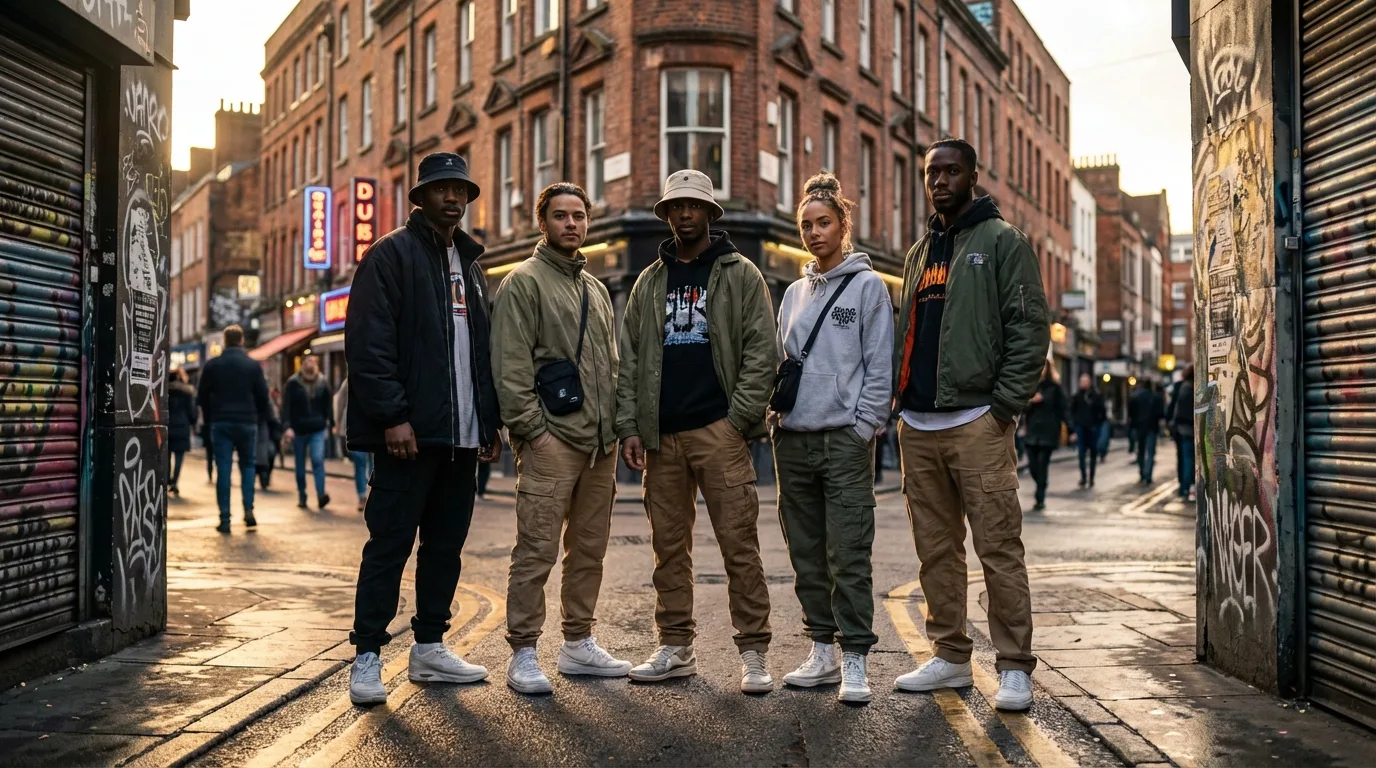
Before we can predict, we must first understand the intricate web that is the streetwear ecosystem. It's far more complex than just designers and consumers; it's a dynamic interplay of subcultures, media, manufacturing, retail, and socio-economic factors. Over the years, I've observed that true understanding comes from recognizing the interconnectedness of these elements, rather than viewing them in isolation.
The lifecycle of a streetwear trend often begins in niche communities – skaters, artists, musicians, or specific online forums – far from mainstream attention. It then percolates upwards, amplified by micro-influencers, adopted by early adopters, and eventually co-opted by larger brands and mass media. Understanding this journey is critical. It's not a linear path but a series of feedback loops, where influence flows in multiple directions.
Key Players and Their Roles:
- Innovators: The underground designers, artists, and cultural provocateurs who originate new styles.
- Early Adopters: The trend-savvy consumers and influencers who pick up on emerging styles before the masses.
- Amplifiers: Fashion media, major influencers, and tastemakers who give broader visibility.
- Commercializers: Larger brands and retailers who scale up production and distribution.
- Consumers: The diverse audience whose collective adoption determines a trend's longevity.
"The biggest mistake in trend forecasting is focusing solely on what's currently popular. True prediction requires looking at the seeds of change, the whispers in the subcultures, and the underlying shifts in consumer values that haven't yet manifested in mass market products."
A crucial aspect is recognizing the cyclical nature of fashion. What was old often becomes new again, but never exactly the same. It's a reinterpretation, a remix influenced by current sensibilities and technological advancements. This understanding helps us avoid simply rehashing the past and instead, innovate upon its foundations. For deeper insights into the fashion cycle, I often refer to resources like The Business of Fashion, which provides excellent industry analysis.
The Data Whisperers: Leveraging Analytics for Early Signals
In today's digital age, intuition alone is a dangerous game. My experience has taught me that combining a seasoned eye with robust data analysis is the most powerful predictive tool. The digital footprint left by consumers, from search queries to social media interactions, offers invaluable clues about emerging desires and shifts in sentiment.
Types of Data to Monitor:
- Social Listening: Tracking mentions, hashtags, and engagement around specific styles, colors, or themes on platforms like Instagram, TikTok, and Reddit.
- Search Trend Analysis: Using tools like Google Trends to identify rising search volumes for specific garment types (e.g., 'heavyweight hoodies,' 'distressed sweatshirts'), materials, or aesthetic keywords.
- E-commerce Sales Data: Analyzing your own sales figures and publicly available market reports to spot micro-trends in purchases, returns, and popular sizes/colors.
- Consumer Demographics: Understanding who is engaging with certain styles can inform targeting and product development.
Actionable Steps for Data Analysis:
- Identify Keywords: Brainstorm broad and specific terms related to hoodies and sweatshirts (e.g., 'oversized hoodie,' 'vintage wash sweatshirt,' 'graphic hoodie').
- Track Engagement: Use social listening tools to monitor conversations around these keywords, looking for spikes in mentions or positive sentiment.
- Map Search Volume: Plot search interest over time using Google Trends. Look for consistent upward trajectories rather than temporary spikes.
- Analyze Competitor Data: Observe what's performing well for competitors through their social channels, product reviews, and public sales reports where available.
- Segment Data: Break down findings by demographic, geographic region, and platform to uncover niche trends.
By systematically gathering and interpreting this digital breadcrumb trail, you can start to see patterns emerge long before they hit peak saturation. It's about being proactive, not reactive.
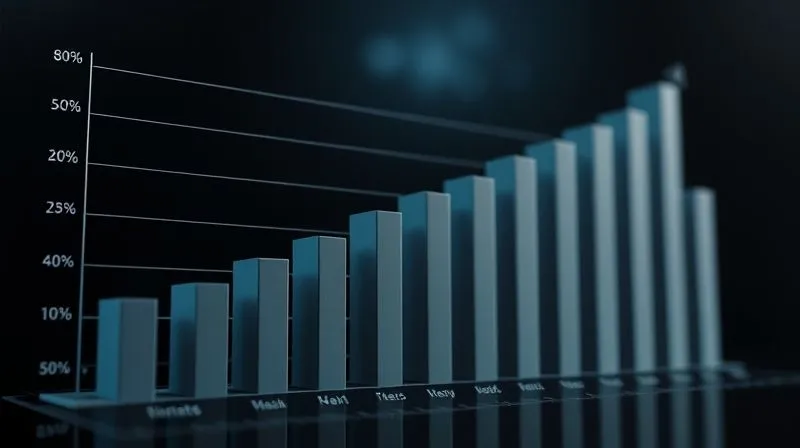
Case Study: Decoding "The Echo" Collection's Success
A few seasons ago, a client, a mid-sized streetwear brand I advised, was struggling to define their next collection. They were tempted to follow a competitor's brightly colored, maximalist aesthetic. However, our data deep dive revealed a quiet but consistent surge in online searches and social conversations around 'muted tones,' 'natural dyes,' and 'sustainable fabrics' within their target demographic, particularly for hoodies.
By cross-referencing this with market reports showing a growing consumer preference for longevity and versatility, we pivoted their strategy. They launched "The Echo" collection: a line of heavyweight, sustainably sourced hoodies in earthy, muted tones with minimal branding. The collection resonated deeply, selling out within weeks and achieving a 40% higher profit margin due to reduced marketing spend and strong consumer demand. This resulted in a significant boost in brand loyalty and a clear demonstration that sometimes, the quiet signals are the loudest.
| Metric | Q1 Avg | Q2 Avg | Q3 Avg | Q4 Avg |
|---|---|---|---|---|
| Social Mentions (Hoodies) | 15K | 18K | 25K | 32K |
| Search Volume (Related Terms) | 50K | 65K | 90K | 110K |
| Engagement Rate (Posts) | 3.2% | 3.8% | 4.5% | 5.1% |
| Competitor Adoption Lag | N/A | N/A | 6-8 Weeks | 10-12 Weeks |
Subculture Sentinels: Observing Grassroots Movements
While data provides the 'what,' understanding the 'why' often comes from immersing yourself in subcultures. Streetwear, by its very definition, is born from the streets, from the creativity and rebellion of niche communities. Ignoring these grassroots movements is like trying to understand the ocean by only looking at the surface.
From my vantage point, the most enduring trends always originate from an authentic cultural need or expression within a specific group. Whether it's the DIY aesthetic of punk, the oversized silhouettes of hip-hop, or the technical functionality of gorpcore, these styles weren't dictated by fashion houses; they evolved organically. Your task is to become a discerning observer, not a cultural appropriator.
Where to Look for Subcultural Signals:
- Music Scenes: Hip-hop, electronic, indie, and alternative music genres often dictate aesthetic shifts. Pay attention to artist styling, concert-goer outfits, and music video visuals.
- Skate & Surf Communities: These enduring subcultures are perennial sources of casual, functional, yet stylish apparel.
- Art & Design Spaces: Galleries, street art, graphic design trends, and underground art movements can inspire new color palettes, graphic styles, and material uses.
- Online Forums & Niche Social Groups: Platforms like Reddit (e.g., r/streetwear, r/malefashionadvice, r/techwear), Discord servers, and private Facebook groups are hotbeds of discussion and early adoption.
- Local Events: Festivals, pop-up markets, art shows, and underground parties are living laboratories of emerging style.
It’s about passive observation rather than active participation if you’re not authentically part of that community. Respect the origins, understand the context, and look for patterns. What are these communities valuing? What problems are they solving with their clothing? What statements are they making? Trend forecasting agencies like WGSN do an excellent job of distilling these subcultural observations into actionable insights, but nothing beats your own direct engagement.
Global Connectors: Influencers, Artists, and Niche Communities
Once a subcultural seed is planted, it needs air and light to grow. This is where global connectors come into play. I've witnessed firsthand how a single image from a respected influencer or a key artist can catapult a previously niche item into the mainstream consciousness overnight. However, not all influence is created equal, and discerning authentic impact from paid promotion is paramount.
Understanding the Influence Spectrum:
- Micro-Influencers (1K-100K followers): Often possess high engagement and niche credibility. Their endorsements feel more authentic and resonate deeply within specific communities. They are excellent for early trend validation.
- Macro-Influencers (100K-1M followers): Broader reach, can accelerate a trend's movement from niche to wider awareness. Their endorsements can signal a trend's growing momentum.
- Celebrity Influencers (1M+ followers): Massive reach, but often less authentic engagement for specific product categories. They are more effective for mass market adoption once a trend is already established.
- Artists & Musicians: Their style is often an extension of their creative output. Observing their personal aesthetics, concert attire, and collaborations can offer powerful predictive insights.
- Designers & Stylists: Often the first to interpret and elevate emerging aesthetics. Following their work, mood boards, and interviews can provide a glimpse into future directions.
"Don't chase followers; chase influence. A micro-influencer with genuine authority in a niche community is far more valuable for predicting emerging streetwear trends than a celebrity with millions of disengaged followers."
Building genuine relationships with these connectors, or at least meticulously observing their authentic interactions, is key. Look for consistency in their choices, patterns in the brands they champion, and the underlying messages they convey. Are they leaning towards comfort, sustainability, rebellion, or luxury? These signals are often a precursor to broader consumer shifts.
The Design Decoder: Material, Silhouette, and Embellishment Evolution
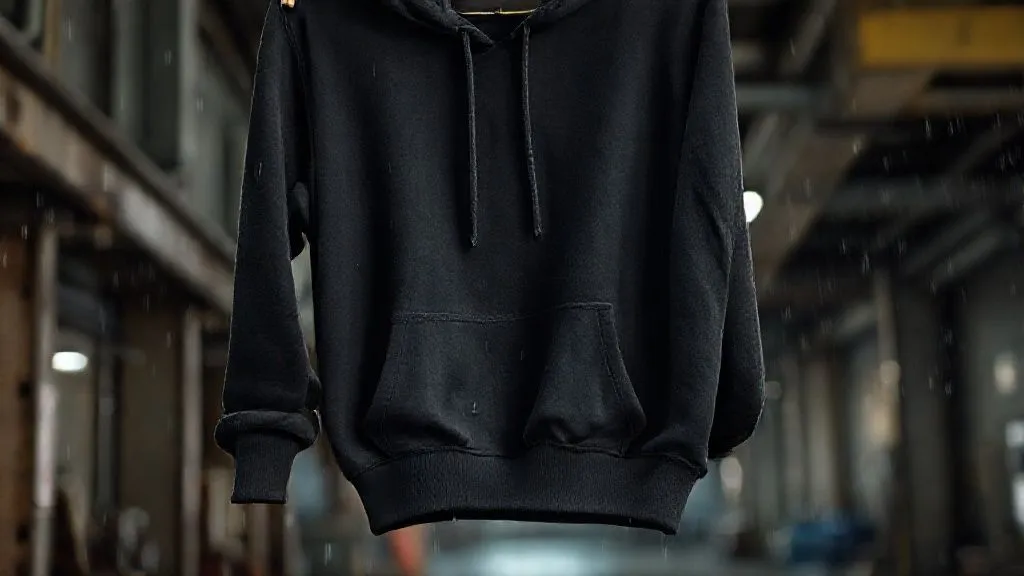
Once you've identified the 'why' and 'who' of emerging trends, it's time to decode the 'what.' For hoodies and sweatshirts, this means a granular examination of their core design elements. Having spent countless hours scrutinizing garment construction and material innovation, I can tell you that subtle shifts in these areas are often the earliest indicators of a new aesthetic direction.
Key Design Elements to Monitor:
- Material Innovation:
- Fabric Weight: Is there a shift towards heavier, more structured fleeces, or lighter, breathable French terry for warmer climates?
- Texture: Are consumers embracing brushed, sueded finishes, or more raw, unrefined textures?
- Sustainability: The demand for organic cotton, recycled polyesters, and innovative biodegradable fabrics is not a trend, but a fundamental shift. How are these materials being integrated into hoodies?
- Technical Fabrics: Performance features like water repellency, moisture-wicking, or thermal regulation are increasingly crossing over into lifestyle wear.
- Silhouette & Fit:
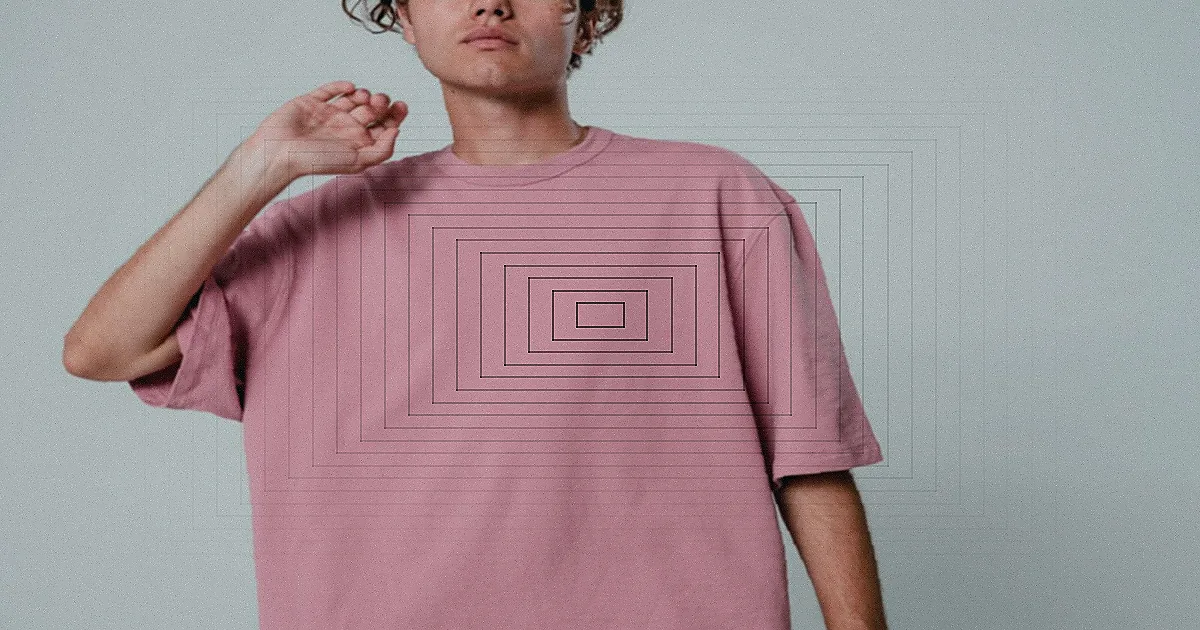
- Oversized vs. Fitted: The ebb and flow between relaxed, baggy fits and more tailored, athletic cuts is a constant pendulum. Are drop shoulders becoming more pronounced? Is the body length changing?
- Cropped vs. Elongated: Observing the hemlines is critical. Are hoodies becoming shorter, sitting above the waist, or are longer, tunic-like styles gaining traction?
- Sleeve Details: Puffed sleeves, extra-long cuffs, or unique armhole constructions can be subtle but significant indicators.
- Graphic & Embellishment Trends:
- Minimalism vs. Maximalism: Is the focus on subtle embroidery and tonal logos, or bold, all-over prints and intricate patches?
- Typography: Specific fonts, lettering styles, and placements can define an era. Are sans-serifs dominant, or are more ornate, vintage-inspired scripts emerging?
- Distressing & Treatments: Acid washes, stone washes, fraying, and deconstruction techniques are often cyclical. What's the current mood?
- Hardware: Zippers, drawstrings, eyelets – even these small details can signal a new aesthetic.
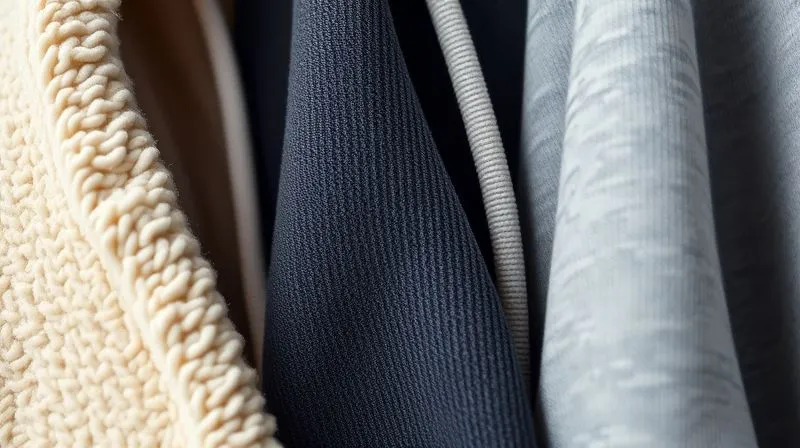
I've always found it beneficial to create a "trend mood board" specifically for these granular design elements. Collect images, fabric swatches, and examples of graphic treatments that align with your observations. This visual synthesis helps to solidify your predictions and communicate them effectively to your design team.
Economic & Sociocultural Barometers: External Forces at Play
No industry operates in a vacuum, and streetwear is particularly susceptible to broader economic and sociocultural shifts. My journey through various recessions, social movements, and technological revolutions has underscored the profound impact these external forces have on consumer behavior and, consequently, on what becomes 'viral.'
Key External Factors to Monitor:
- Economic Climate: During economic downturns, consumers often gravitate towards more durable, versatile, and value-for-money items. Conversely, periods of prosperity might fuel demand for luxury streetwear or more experimental pieces. How does inflation affect spending on discretionary items like hoodies?
- Sustainability & Ethics: This isn't just a buzzword; it's a deeply ingrained consumer value, particularly among younger demographics. Brands ignoring ethical sourcing, transparency, and sustainable production risk irrelevance. Look for trends in upcycling, repair culture, and circular fashion models.
- Social & Political Movements: Clothing has always been a form of self-expression and protest. Major social justice movements or political events can influence graphic messages, color palettes (e.g., solidarity colors), and even the overall mood of a collection (e.g., comfort and escapism during stressful times).
- Technological Advancements: The rise of AI in design, new fabric technologies, and advancements in digital fashion (e.g., NFTs, metaverse wearables) are all shaping future aesthetics and consumption patterns.
- Global Health & Well-being: Post-pandemic, the enduring emphasis on comfort, loungewear, and clothing that supports a hybrid lifestyle continues to influence hoodie design.
As Seth Godin often says, "People don't buy what you do; they buy why you do it." Understanding the underlying 'why' driven by these macro forces allows you to align your brand's narrative and product offerings with prevailing consumer values. For comprehensive analyses of these overarching trends, I regularly consult reports from institutions like Deloitte's Consumer Business Insights.
Synthesizing Insights: Your Predictive Framework
Gathering data and observing trends is one thing; synthesizing them into actionable predictions is another. After years of refinement, I’ve developed a framework that helps bring all these disparate pieces together into a cohesive, predictive model. This isn't about a crystal ball; it's about connecting the dots to reveal the most probable future scenarios.
The 5-Step Streetwear Trend Prediction Framework:
- Scan & Collect: Systematically gather data from all sources – social listening, search trends, subcultural observations, influencer activity, and macro-economic reports. Create a centralized repository for this information.
- Identify & Filter: Sift through the noise. Look for consistent signals across multiple sources. Distinguish between fleeting fads (short-lived, single-source) and emerging trends (consistent, multi-source validation). Focus on patterns, not outliers.
- Connect & Contextualize: Ask 'why.' Why is this trend emerging now? What underlying cultural, social, or economic factors are fueling it? How does it relate to historical cycles? This helps you understand its potential longevity and depth.
- Visualize & Articulate: Translate your findings into clear, concise trend reports. Use mood boards, color palettes, silhouette sketches, and material swatches. Articulate the specific design elements (e.g., "The rise of oversized, drop-shoulder hoodies in muted, earth-toned organic cotton with subtle, embroidered typography").
- Test & Validate: Before committing to full production, test your predictions. This could involve small-batch releases, engaging your most loyal customers for feedback, or even A/B testing digital mock-ups. The market is the ultimate validator.
This iterative process allows for continuous learning and adaptation. Remember, prediction isn't a one-time event; it's an ongoing dialogue with the market.
| Trend Signal | Source | Confidence Level | Actionable Insight |
|---|---|---|---|
| High Search Volume 'Oversized Washed Hoodie' | Google Trends, SEMrush | High | Prioritize relaxed fits & vintage washes. |
| Increased Mentions 'Sustainable Streetwear' | Social Listening (Reddit, Twitter) | Medium | Explore organic cotton/recycled blends. |
| Micro-Influencer Adoption 'Abstract Graphics' | Instagram, TikTok | Medium | Incorporate subtle, abstract graphic elements. |
| Economic Report: Consumer Focus on Durability | Deloitte Insights | High | Invest in heavier fabric weights & quality construction. |
Avoiding the Pitfalls: Common Mistakes in Trend Prediction
Even with the best frameworks, it's easy to stumble. I've witnessed countless brands, even experienced ones, make fundamental errors that undermine their predictive efforts. Avoiding these common pitfalls is as crucial as mastering the techniques themselves.
Common Mistakes:
- The Echo Chamber Effect: Relying solely on your own brand's aesthetic, your immediate network, or a narrow set of influencers. This creates a biased view and leads to missing broader shifts.
- Ignoring History: Believing that "this time it's different." Fashion is cyclical. Understanding past trends and their drivers provides invaluable context for current and future movements.
- Over-Reliance on One Source: Whether it's a single trend report, one influencer, or just your sales data, no single source tells the whole story. A multi-faceted approach is non-negotiable.
- Mistaking Fads for Trends: A fad is a short-lived burst of popularity, often driven by a single viral moment. A trend has underlying cultural resonance and a longer trajectory. Discernment is key.
- Lack of Agility: The streetwear landscape moves fast. Even perfect predictions can be rendered obsolete if your production and marketing cycles are too slow to capitalize.
- Disregarding Global Nuances: What's hot in Tokyo might not translate directly to New York or London. Local cultural contexts are vital.
"The graveyard of fashion is littered with brands that were too slow, too rigid, or too insular. Stay curious, stay humble, and always be willing to challenge your own assumptions."
Cultivating an open mind and a continuous learning mindset is your greatest asset. Attend industry events, read widely, engage with diverse communities, and always question the obvious. This constant engagement will sharpen your predictive edge.
Frequently Asked Questions (FAQ)
Question? How far in advance can I realistically predict a viral streetwear hoodie trend?
Answer: Realistically, for a truly viral, mass-market trend, you're looking at a window of 6-12 months. The earliest signals from subcultures and micro-influencers might appear 18-24 months out, giving you time to develop and refine. However, the exact moment of 'viral' breakout is often unpredictable; your goal is to be positioned perfectly when it happens. Focusing on the underlying trend rather than the specific viral moment offers more strategic stability.
Question? What's the role of sustainability in future hoodie trends?
Answer: Sustainability is no longer a niche concern; it's a fundamental expectation, especially among Gen Z and younger millennials. Future hoodie trends will increasingly integrate ethical sourcing, recycled or organic materials, durable construction for longevity, and transparent supply chains. Brands that genuinely embed sustainability into their ethos, rather than just greenwashing, will build greater trust and loyalty, which is a powerful driver of long-term 'virality.'
Question? How do I differentiate between a fleeting fad and a long-term trend?
Answer: Fads typically emerge quickly, gain intense but narrow popularity (often tied to a single event or celebrity), and disappear just as fast. They lack deep cultural roots. Trends, on the other hand, build more slowly, are often observed across multiple subcultures and data points, and are driven by underlying shifts in consumer values, lifestyles, or technologies. Look for consistency across different data sources and a clear 'why' behind the trend to distinguish it from a fad.
Question? Can small brands compete with big players in trend prediction?
Answer: Absolutely, and often with an advantage! Small brands typically have greater agility, closer ties to niche communities, and can react much faster than large corporations burdened by complex supply chains. Your strength lies in authentic connection, speed, and the ability to take risks. Focus on hyper-niche trends where larger brands hesitate, and leverage your direct consumer feedback loops.
Question? What's the biggest mistake new designers make when trying to predict trends?
Answer: The biggest mistake I see is a lack of systematic research and an over-reliance on personal taste or what's already popular. New designers often fall into the trap of copying instead of interpreting, or failing to understand the 'why' behind a trend. They might also neglect the business side – understanding their target market, production capabilities, and pricing. A balanced approach combining creativity with rigorous market analysis is essential.
Key Takeaways and Final Thoughts
- Embrace a Multi-Faceted Approach: Combine data analytics with deep subcultural observation and macro-economic awareness. No single source holds all the answers.
- Understand the 'Why': Trends are driven by underlying human needs, values, and cultural shifts. Decoding these provides longevity to your predictions.
- Cultivate Agility: The streetwear landscape is dynamic. Be prepared to adapt, test, and iterate based on new information.
- Build Authentic Connections: Engage with micro-influencers, artists, and niche communities. Their insights are often the earliest signals of future directions.
- Focus on Design Fundamentals: Pay granular attention to materials, silhouettes, and embellishments – subtle shifts here often precede major movements.
Predicting next season's viral streetwear hoodie trends isn't a mystical art; it's a skill honed through diligent practice, keen observation, and strategic analysis. By implementing the frameworks and insights I've shared, you're not just guessing; you're building a robust system that empowers your brand to anticipate, innovate, and lead. The future of streetwear is yours to shape – go forth and create the next wave!
Recommended Reading
- The Ultimate Guide: Repairing Small Tears in Cashmere Gloves Yourself
- 7 Proven Strategies for Consistent Waste Streams in Upcycled Fashion
- Unlock the Secrets: How Do Brands Achieve Sustainable Textile Sourcing?
- Unlock Style: Integrating Luxury Runway Trends into Your Classic Wardrobe
- Unlock Your Vision: The Ultimate Steps to Innovative Fashion Photography Styling

Your email address will not be published. Required fields are marked *