

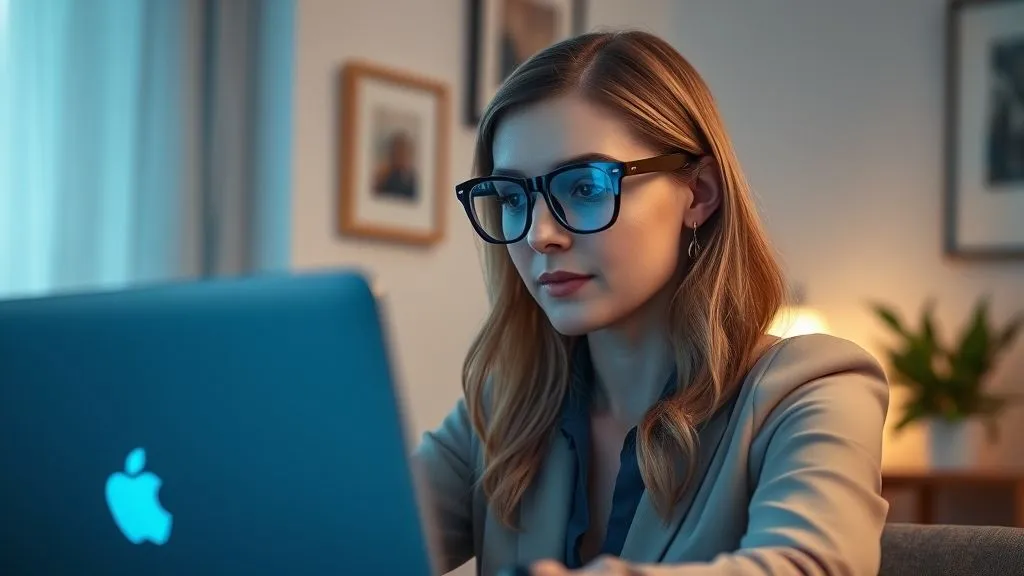
What blue light glasses prevent professional burnout from screens?
For over 15 years, immersed in the dynamic world of eyewear fashion and its intersection with modern lifestyles, I've observed a subtle yet pervasive shift in how professionals interact with their work environment. What began as a minor inconvenience – tired eyes after a long day – has escalated into a significant, often unspoken, challenge: professional burnout exacerbated by relentless screen exposure.
The ubiquitous glow of screens from laptops, tablets, and smartphones has become the constant backdrop of our professional lives. While technology has undeniably boosted productivity and connectivity, it has also introduced a new breed of fatigue. This isn't just about feeling sleepy; it's a deeper, more insidious form of exhaustion that drains motivation, blurs focus, and ultimately undermines career longevity.
Today, I want to cut through the noise and offer clear, actionable insights into how a seemingly simple accessory – blue light glasses – can play a pivotal role in mitigating this digital strain. We’ll explore the science, debunk myths, and provide expert guidance on selecting and integrating these tools into a holistic strategy to truly prevent professional burnout from screens.
Understanding the Digital Burnout Epidemic in the Modern Workplace
The concept of 'burnout' is far from new, but its digital manifestation is a uniquely modern phenomenon. Defined by the World Health Organization as an occupational phenomenon resulting from chronic workplace stress that has not been successfully managed, it manifests in three dimensions: feelings of energy depletion or exhaustion; increased mental distance from one’s job, or feelings of negativism or cynicism related to one's job; and reduced professional efficacy. According to the WHO, burnout is a serious concern.
In my experience, the relentless demands of the digital age amplify these symptoms. Prolonged screen exposure isn't just about eye strain; it's a cascade of effects that disrupt our natural rhythms, impair our cognitive functions, and ultimately contribute to a profound sense of exhaustion. We're talking about more than just tired eyes; we're talking about a fundamental erosion of well-being and productivity.
"Digital burnout is the silent epidemic of our time, subtly eroding our capacity for focus, creativity, and joy. Ignoring it is no longer an option for the modern professional."
The constant stream of notifications, the pressure to be 'always on,' and the sheer volume of information we process through screens create a fertile ground for burnout. This isn't just anecdotal; studies consistently link increased screen time to higher rates of sleep disturbance, headaches, and a general decline in mental clarity. When your eyes are constantly battling glare and digital flicker, your brain is working overtime, contributing to a systemic fatigue that impacts every aspect of your professional life.
The Science Behind Blue Light: Friend or Foe?
To truly understand how blue light glasses prevent professional burnout from screens, we must first grasp the nature of blue light itself. Blue light is a segment of the visible light spectrum, characterized by short wavelengths and high energy. Naturally, it's abundant in sunlight, playing a crucial role in regulating our circadian rhythm – our internal 24-hour clock that dictates sleep-wake cycles. During the day, natural blue light exposure helps boost alertness, mood, and cognitive function.
The problem arises with artificial blue light, emitted by our digital devices. Unlike natural sunlight, which varies in intensity throughout the day, our screens deliver a consistent, often intense, dose of blue light directly into our eyes for hours on end, especially during evening hours when our bodies should be winding down. This prolonged and ill-timed exposure can confuse our bodies, suppressing the production of melatonin – the hormone responsible for signaling sleep – leading to disrupted sleep patterns.
Beyond circadian disruption, blue light is implicated in digital eye strain (DES), also known as Computer Vision Syndrome. Symptoms include dry eyes, blurred vision, headaches, and neck pain. While the long-term effects on retinal damage are still being researched and debated within the scientific community, the immediate discomfort and impact on sleep quality are undeniable. Harvard Health has highlighted the potential downsides of excessive blue light exposure.
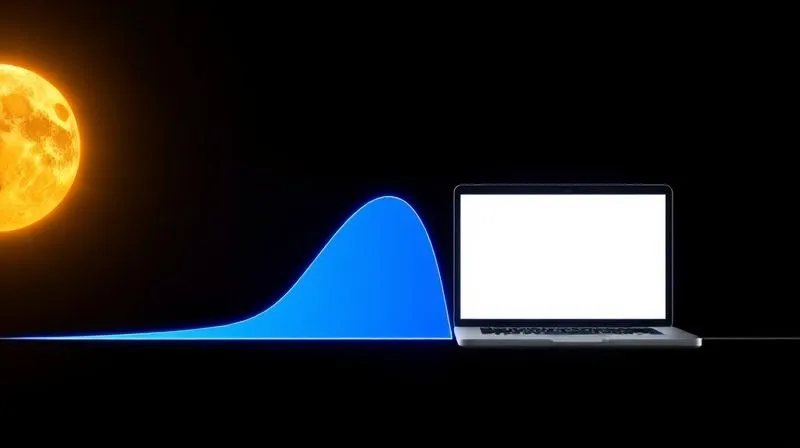
How Blue Light Glasses Work: Filtering for Focus and Well-being
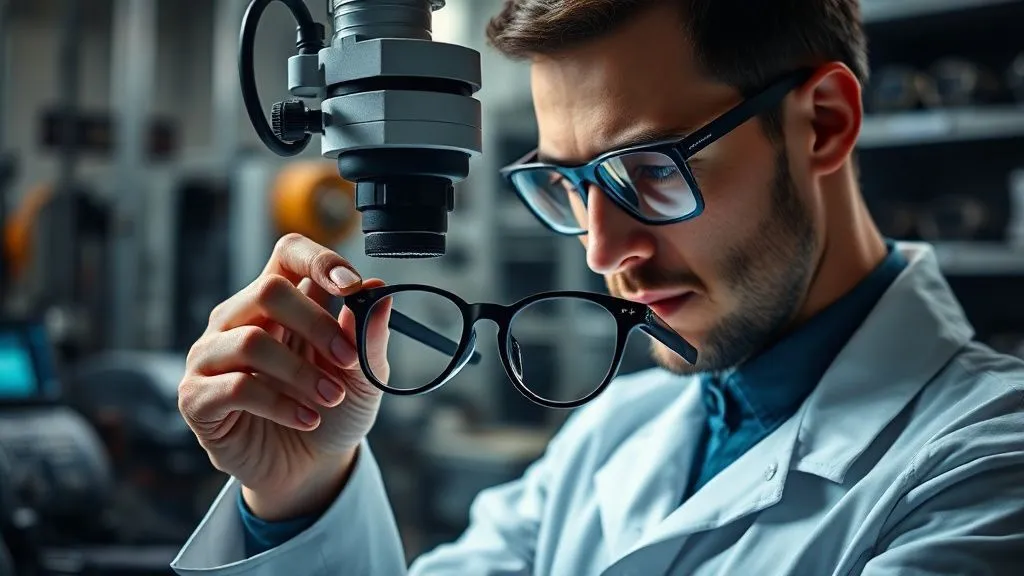
Blue light glasses are specifically engineered to filter out a portion of this harmful artificial blue light, preventing it from reaching your eyes. The mechanism is relatively straightforward: the lenses incorporate a special coating or material that absorbs or reflects blue light wavelengths, particularly those between 400 and 455 nanometers, which are generally considered the most disruptive.
By reducing the amount of blue light entering your eyes, these glasses can significantly alleviate symptoms of digital eye strain. Less blue light means less glare, improved contrast, and reduced visual fatigue. This immediate relief translates into greater comfort during long screen sessions, allowing you to maintain focus without the constant battle against eye discomfort. Crucially, by minimizing blue light exposure, especially in the evening, these glasses help preserve your body's natural melatonin production, leading to better sleep quality.
Improved sleep is a cornerstone of burnout prevention. When you sleep better, you wake up more refreshed, mentally sharper, and better equipped to handle the day's professional demands. It’s a direct link: reduced eye strain leads to better sleep, which in turn significantly contributes to preventing the deep-seated fatigue associated with professional burnout.
Key Lens Technologies to Look For
- Anti-reflective (AR) Coatings: These coatings minimize glare from screens and overhead lighting, further reducing eye strain and improving visual clarity.
- UV Protection: Many quality blue light lenses also offer UV protection, a beneficial secondary feature for overall eye health.
- High-Quality Lens Material: Opt for lenses made from durable, lightweight materials that offer optical clarity without distortion.
- Specific Blue Light Filtration: The percentage of blue light filtered can vary. Higher percentages (e.g., 50-90%) are often found in amber or red-tinted lenses, ideal for evening use, while clearer lenses offer lower filtration (e.g., 20-30%) suitable for all-day wear.
Beyond the Hype: Do Blue Light Glasses Truly Prevent Professional Burnout?
It's important to approach the topic of blue light glasses with a balanced perspective, acknowledging both their proven benefits and areas where further research is ongoing. While the American Academy of Ophthalmology suggests that there's currently no scientific evidence that blue light from computer screens causes damage to the retina or contributes to eye disease, they do acknowledge the relief from digital eye strain that many users report. The AAO's stance emphasizes symptom relief over disease prevention.
From my vantage point in eyewear and observing countless professionals, the critical impact of blue light glasses lies not in curing a disease, but in their ability to significantly mitigate the *symptoms* that directly contribute to professional burnout. Reduced eye strain, fewer headaches, and improved sleep are not minor benefits; they are foundational to sustained focus, energy, and overall well-being in a screen-centric work environment. When these stressors are alleviated, the mental and physical burden on the individual lessens, directly impacting their susceptibility to burnout.
Case Study: How Apex Solutions Reduced Digital Fatigue
Apex Solutions, a fast-paced software development firm, faced escalating employee complaints of headaches, poor sleep, and midday energy crashes. A survey revealed 70% of employees spent 10+ hours daily in front of screens. Recognizing the link to potential burnout, the company invested in providing high-quality blue light filtering glasses to their entire development team and encouraged their use. Within three months, anonymous feedback indicated a 40% reduction in self-reported headaches and a 25% improvement in perceived sleep quality. This shift led to a noticeable increase in team morale and a 15% drop in 'sick days' attributed to fatigue, demonstrating that even indirect relief from digital strain can significantly prevent professional burnout from screens.

Choosing the Right Pair: An Expert's Guide to Effective Blue Light Eyewear
Selecting the right blue light glasses isn't a one-size-fits-all endeavor. Based on my years in the industry, here’s an actionable framework to guide your choice:
- Assess Your Screen Time Intensity: Are you a casual user or do you spend 8-12 hours daily on screens? Higher screen exposure warrants stronger filtration.
- Consider Lens Tint and Filtration Level: This is crucial. Clear lenses typically filter 20-30% of blue light, suitable for all-day use. Amber-tinted lenses filter 50-70%, ideal for evening work or those with severe light sensitivity. Red-tinted lenses offer the highest filtration (90%+) and are best reserved for pre-sleep use, as they can alter color perception significantly.
- Prioritize Frame Fit and Comfort: You'll be wearing these for extended periods. Ensure the frames are lightweight, fit your face shape, and don't cause pressure points.
- Prescription vs. Non-Prescription: If you wear prescription glasses, you can get blue light filtering integrated into your regular lenses or opt for 'clip-on' solutions. Non-prescription users have a wider range of standalone options.
- Research Reputable Brands: Not all blue light glasses are created equal. Look for brands that provide clear specifications on filtration levels and have positive reviews, ideally from optical professionals or verified users.
To help visualize the choices, consider this comparison:
| Lens Tint | Blue Light Filtration | Best Use Case | Impact on Burnout |
|---|---|---|---|
| Clear/Light Yellow | 20-30% | All-day general use, minimal color distortion | Reduces daily eye strain, subtle sleep benefits |
| Amber/Orange | 50-70% | Heavy screen users, evening work, gaming | Significant reduction in eye strain, noticeable sleep improvement |
| Red/Dark Orange | 90%+ | Pre-sleep use (1-2 hours before bed), extreme light sensitivity | Maximized melatonin production, profound sleep benefits, reduces nocturnal digital fatigue |
Holistic Strategies: Integrating Blue Light Glasses into a Burnout Prevention Plan
While blue light glasses are a powerful tool, they are most effective when integrated into a broader, holistic strategy for preventing professional burnout from screens. Think of them as one critical component in your wellness toolkit, not a standalone cure. My experience has shown that true, sustainable relief comes from a multi-faceted approach.
Ergonomic Workspace Optimization
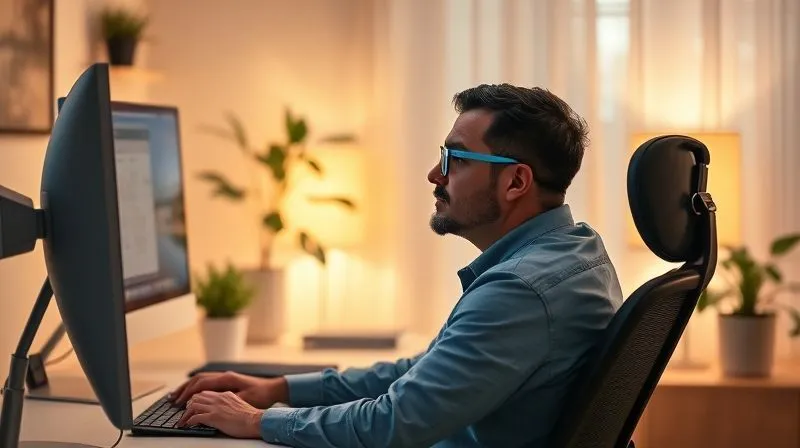
Your physical setup plays a massive role. Ensure your monitor is at arm's length, with the top of the screen at or slightly below eye level. Adjust screen brightness to match your environment, and consider ambient lighting that minimizes glare and harsh contrasts. A well-designed workspace reduces physical strain, which complements the visual relief offered by blue light glasses.
The 20-20-20 Rule and Regular Breaks
This simple rule is incredibly effective: Every 20 minutes, look at something 20 feet away for at least 20 seconds. This allows your eye muscles to relax and reduces fatigue. Beyond this, schedule regular, short breaks away from your screen every hour or two. Stand up, stretch, walk around, or simply close your eyes. These micro-breaks are vital for both your eyes and your mind.
Digital Detox Practices
Consciously reduce non-essential screen time, especially outside of work hours. This might mean leaving your phone in another room during dinner, reading a physical book before bed, or dedicating specific times to be completely screen-free. Reducing overall exposure lessens the burden on your eyes and mind, allowing for true mental decompression.
Mindfulness and Stress Management
Burnout isn't just physical; it's deeply psychological. Incorporate mindfulness practices, meditation, or other stress-reduction techniques into your daily routine. Managing the underlying stress factors of your professional life will enhance the benefits you receive from blue light glasses and other ergonomic adjustments.
The Long-Term Investment: Protecting Your Vision and Career Longevity
Thinking about blue light glasses solely as a temporary fix for tired eyes misses the bigger picture. In my professional opinion, they represent a proactive, long-term investment in your visual health and, by extension, your career longevity. The cumulative effects of unmanaged digital eye strain and sleep disruption can lead to chronic fatigue, reduced cognitive function, and ultimately, a premature decline in professional efficacy.
By consistently using blue light glasses and adopting the holistic strategies we've discussed, you're not just preventing immediate discomfort; you're safeguarding your most valuable assets: your health and your ability to perform at your best. This isn't just about feeling better today; it's about ensuring you can sustain a productive, fulfilling career in an increasingly digital world for years to come. Research into circadian rhythms underscores the importance of managing light exposure for overall well-being.
"Your eyes are the window to your digital world. Protect them diligently, and you protect your capacity to thrive in that world."
The choice to invest in quality blue light glasses and integrate them into a mindful digital routine is a testament to self-awareness and self-care. It's a recognition that in the relentless pace of modern work, taking deliberate steps to mitigate digital stressors is not a luxury, but a necessity for preventing burnout and maintaining a high level of professional engagement and personal well-being.
Frequently Asked Questions (FAQ)
Are all blue light glasses the same? Absolutely not. The quality, filtration percentage, and lens technology vary significantly between brands and price points. Cheaper options might offer minimal filtration or poor optical clarity, leading to distortion. Higher-quality glasses often feature advanced coatings, precise filtration across specific blue light wavelengths, and superior lens materials. Always check for specifications on blue light blocking efficacy.
Can I wear blue light glasses all day, even when not looking at screens? For clear or lightly tinted blue light glasses (20-30% filtration), wearing them all day is generally fine and can even be beneficial in environments with harsh artificial lighting. However, heavily tinted amber or red lenses (50%+ filtration) are typically recommended for specific screen use or evening wear, as they can alter color perception and might not be suitable for tasks requiring accurate color recognition or driving.
Do blue light glasses 'cure' digital eye strain? No, they don't 'cure' digital eye strain (DES), but they are highly effective at mitigating its symptoms. DES is often caused by a combination of factors including prolonged screen use, poor ergonomics, infrequent blinking, and blue light exposure. Blue light glasses address one key factor, providing significant relief. For comprehensive relief, they should be combined with ergonomic adjustments, regular breaks, and conscious blinking.
What about children and blue light glasses? With children's increasing screen time, the concern about blue light exposure is growing. While the long-term effects on developing eyes are still being studied, many pediatric ophthalmologists recommend blue light glasses for children who spend significant time on digital devices, primarily to alleviate digital eye strain symptoms and support healthy sleep patterns. Always consult with a pediatrician or eye care professional for personalized advice for children.
How do I know if I truly need blue light glasses? If you experience symptoms such as dry eyes, blurred vision, headaches, neck pain, difficulty falling asleep, or general eye fatigue after prolonged screen use, you are likely experiencing digital eye strain. These are strong indicators that you could benefit from blue light glasses. A simple test is to try a reputable pair for a week and note any improvements in your symptoms and sleep quality. Your personal experience is often the best guide.
Key Takeaways and Final Thoughts
- Professional burnout from screens is a growing concern, impacting productivity and well-being.
- Blue light from digital devices disrupts sleep and contributes to digital eye strain, fueling burnout.
- Blue light glasses filter harmful wavelengths, reducing eye strain and improving sleep quality.
- They are a powerful tool, but most effective as part of a holistic burnout prevention strategy.
- Choose glasses based on screen time intensity, filtration level, and reputable brands.
- Combine eyewear with ergonomic practices, regular breaks, and digital detox for optimal results.
In our hyper-connected world, the line between professional engagement and digital exhaustion is increasingly blurred. Taking proactive steps to protect your vision and mental well-being is not just about avoiding discomfort; it's about preserving your capacity to engage meaningfully with your work and life. By understanding how blue light glasses prevent professional burnout from screens and integrating them intelligently into your routine, you are investing in a more sustainable, focused, and ultimately healthier professional future. It's time to take control of your digital environment and reclaim your well-being.
Recommended Reading
- The Avant-Garde: How Haute Couture Challenges Traditional Art Boundaries
- Mastering Costume Longevity: 7 Ways to Beat Stage Lighting Damage
- The Ultimate Guide: How to Properly Fit a Men's Formal Dress Shirt?
- Invisible Mends: 7 Expert Steps for Moth-Eaten Collectible Silk Repair
- 5 Executive Frame Secrets: Elevate Your Presence with Prescription Glasses

Your email address will not be published. Required fields are marked *