


How to Prevent Costume Fabric Breakdown Under Intense Stage Lighting?
For over two decades in the demanding world of costume design, I've witnessed firsthand the devastating impact of intense stage lighting on meticulously crafted garments. It's a heartbreaking sight to see a vibrant, perfectly tailored costume begin to fade, fray, or even disintegrate under the relentless glare, often after just a few performances. This isn't just about aesthetics; it's about the financial investment, the countless hours of skilled labor, and the integrity of the artistic vision.
The problem is insidious: the very lights designed to illuminate and enhance a performance can, over time, become the primary antagonist to your costume's longevity. Heat, UV radiation, and even the sheer intensity of visible light wreak havoc on textile fibers and dyes, leading to irreversible damage that compromises both the appearance and structural integrity of the garment. Many designers and wardrobe teams find themselves in a constant battle against this environmental stressor, often resorting to costly repairs or premature replacements.
But it doesn't have to be this way. In this comprehensive guide, I'll share my accumulated wisdom and practical strategies for how to prevent costume fabric breakdown under intense stage lighting. We'll delve into everything from strategic fabric selection and advanced construction techniques to proactive collaboration with lighting designers and cutting-edge protective treatments. My goal is to equip you with actionable frameworks, expert insights, and a deeper understanding to ensure your creations not only shine on stage but endure for countless performances to come.
Understanding the Enemy: The Science of Light and Heat
Before we can effectively combat fabric breakdown, we must understand its root causes. Stage lighting, while essential for visibility and mood, is a potent cocktail of energy that interacts with textiles on a molecular level. The primary culprits are ultraviolet (UV) radiation, infrared (IR) heat, and even the sheer intensity of visible light.
UV radiation, though often invisible to the human eye, is particularly damaging. It carries enough energy to break down the chemical bonds within dye molecules and polymer chains in fibers, leading to a process known as photodegradation. This manifests as fading, color shifting, and a weakening of the fabric structure, making it brittle and prone to tearing. Natural fibers like silk, cotton, and linen are especially susceptible to UV damage, though even synthetics aren't entirely immune.
Then there's thermal degradation caused by intense infrared (IR) heat. Stage lights, especially traditional incandescent or halogen fixtures, emit significant heat. This heat can accelerate chemical reactions within the fabric, causing fibers to weaken, shrink, or even melt in the case of some synthetics. Over time, repeated heating and cooling cycles stress the material, leading to a loss of elasticity and overall structural integrity. Imagine the cumulative effect on a performer's costume during a three-hour show under multiple hot spotlights.
Even the intensity of visible light, separate from its UV and IR components, contributes to degradation. High-intensity illumination can accelerate oxidation processes within the fabric and dyes, leading to further fading and material fatigue. It’s a multi-pronged assault that requires a multi-faceted defense strategy. Understanding these scientific principles is the first critical step toward designing for durability.
Strategic Fabric Selection: Your First Line of Defense
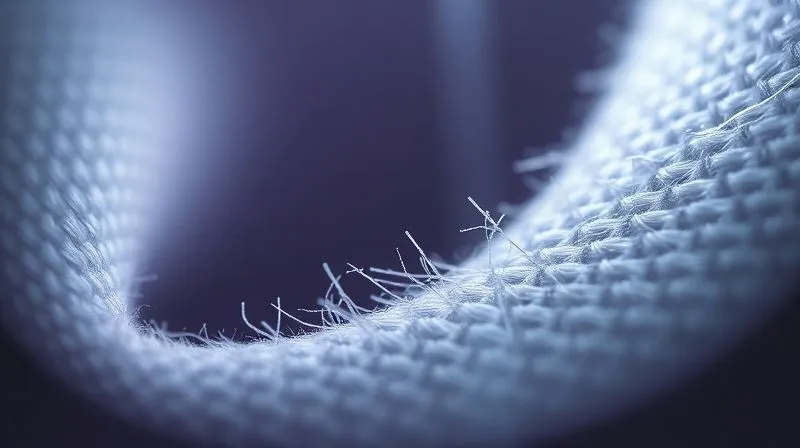
The choice of fabric is perhaps the most critical decision in preventing costume fabric breakdown. It's your first, and often most effective, line of defense against the rigors of stage lighting. Not all fabrics are created equal when it comes to lightfastness and heat resistance, and understanding their inherent properties is paramount.
Synthetic fibers generally offer superior resistance to photodegradation and heat compared to many natural fibers. Polyester, for example, is renowned for its excellent colorfastness and resilience to UV light and heat. Nylon is also quite durable, though some types can be more susceptible to yellowing over time. Acrylic fibers, often used for knitwear or faux fur, also exhibit good light stability. These materials are engineered for durability, making them excellent choices for costumes that will face intense stage conditions. However, some synthetics can be prone to melting or scorching under direct, extreme heat, so care must still be taken.
Natural fibers, while often prized for their drape, breathability, and luxurious feel, typically require more careful consideration. Silk, despite its beauty, is highly susceptible to UV degradation, leading to weakening and yellowing. Cotton and linen can fade significantly and become brittle. Wool offers decent heat resistance but can also fade. Rayon, a regenerated cellulose fiber, tends to have poor wet strength and can also be prone to fading and weakening. However, advancements in textile treatments and dyeing processes can significantly improve the performance of natural fibers.
"The most durable costume isn't always the one made from the strongest fabric, but the one whose fabric properties are best matched to the environmental stressors it will face."
When selecting fabrics, always consider the specific demands of the production. Will the costume be worn for a single run, or will it be toured for years? Will it be heavily lit or used in a more subdued lighting environment? These factors should guide your material choices. Don't be afraid to utilize fabric blends that combine the best properties of different fibers, such as polyester-cotton blends that offer the comfort of cotton with the durability of polyester.
| Fabric Type | UV Resistance | Heat Resistance | Colorfastness | Notes |
|---|---|---|---|---|
| Polyester | Excellent | Good (can melt at very high temps) | Excellent | Versatile, durable, low maintenance |
| Nylon | Good | Moderate (can yellow/melt) | Good | Strong, abrasion-resistant, can yellow over time |
| Acrylic | Excellent | Good | Excellent | Wool-like feel, good outdoor performance |
| Cotton | Poor to Moderate | Excellent (burns, doesn't melt) | Moderate (prone to fading) | Breathable, comfortable, needs UV protection |
| Silk | Poor | Moderate (degrades with heat) | Moderate (prone to fading/yellowing) | Luxurious, delicate, requires careful handling |
| Wool | Moderate | Excellent (self-extinguishing) | Good | Insulating, resilient, can be heavy |
Dyeing and Printing for Resilience: Color Fastness and Stability
Beyond the fiber itself, the way a fabric is dyed or printed plays an enormous role in its resistance to light-induced breakdown. A beautiful color means little if it can't withstand the stage. Colorfastness, the ability of a dye to retain its color when exposed to various agents like light, washing, or rubbing, is paramount for theatrical costumes.
Different dye types have vastly different lightfastness ratings. Vat dyes, for instance, are known for their exceptional colorfastness to light and washing, making them ideal for heavy-duty applications. Reactive dyes also offer good lightfastness, especially when properly applied and cured. Pigment printing, where color is applied to the surface of the fabric with a binder, can also be quite durable, though the hand feel might be stiffer. Conversely, some direct dyes or certain types of acid dyes, while offering a wide color palette, may have poorer lightfastness ratings and should be used with caution for costumes under intense lighting.
The Importance of Quality Dyeing Processes
It’s not just the dye type, but the quality of the dyeing process that matters. A reputable dye house will ensure proper dye penetration, fixation, and washing off of unfixed dye. Poorly dyed fabrics, even with good dye types, will inevitably fade faster. Look for fabrics that have undergone rigorous testing for lightfastness, often indicated by a numerical rating (e.g., AATCC Lightfastness Scale). A higher number indicates better resistance.
Here are actionable steps for ensuring color stability:
- Research Dye Types: Understand the inherent lightfastness of the dyes used on your chosen fabric. Don't hesitate to ask your fabric supplier for this information.
- Prioritize Reputable Suppliers: Purchase fabrics from suppliers known for quality and consistency in their dyeing processes. Cheap fabrics often cut corners on dye quality.
- Perform Your Own Tests: If possible, acquire fabric swatches and expose them to conditions mimicking your stage lighting. Place half of the swatch under a light source and cover the other half. Compare after a week or two.
- Consider Custom Dyeing: For critical costumes, explore custom dyeing with a specialist who can guarantee specific lightfast dyes and processes. This offers maximum control over color stability.
- Avoid Over-Dyeing: Be cautious with processes like tea-dyeing or painting existing fabrics, as these surface applications often have very poor lightfastness and can accelerate degradation.
Construction Techniques That Bolster Durability
Even the most lightfast fabric can fail if the construction isn't robust enough to withstand the stresses of performance and the cumulative weakening caused by light exposure. As an expert, I've seen countless instances where a costume's demise began not with the fabric itself, but with weak points in its construction.
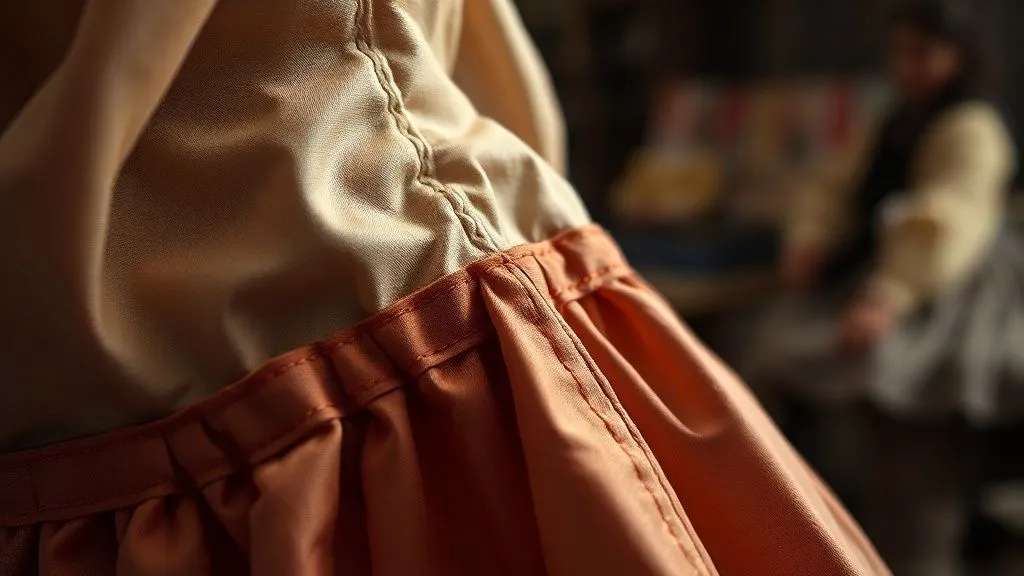
The critical areas are typically those under high tension or repeated stress: seams, armholes, crotches, and points where embellishments are attached. These are the first places to show wear and tear, and once compromised, the entire garment's integrity is at risk. Intense stage lighting can exacerbate this by making fibers more brittle, meaning a weaker seam will give way even faster.
Reinforcement is Key
Employing reinforcement techniques at these stress points is non-negotiable for durable costumes. This includes:
- Double Stitching: For major seams, a second line of stitching adds significant strength.
- Flat-Felled Seams: These are incredibly strong and durable, often seen in jeans, and are excellent for high-stress areas like side seams.
- French Seams: While not as strong as flat-felled, they enclose raw edges, preventing fraying which can lead to seam failure, especially if the fabric becomes brittle.
- Bar Tacks: Essential at the ends of zippers, pocket openings, and other stress points to prevent tearing.
- Reinforcing Patches: Adding a small piece of sturdy fabric (e.g., canvas, denim, buckram) on the inside of a garment at points of extreme stress, such as under heavy embellishments or where straps attach.
Case Study: How ‘The Phantom’s’ Cape Endured
In a touring production I consulted for, the iconic velvet cape for 'The Phantom' was experiencing catastrophic seam failure around the shoulders and neck within weeks. The original construction used standard single-line stitching with minimal seam allowance, and the heavy velvet, though beautiful, was showing signs of heat-induced weakening. By implementing a revised construction plan that included fully French-seamed shoulder and necklines, reinforced with an underlying layer of silk organza and strategically placed bar tacks at all stress points, we dramatically extended the cape's lifespan. The initial investment in stronger construction paid off by eliminating weekly repair needs and preserving the garment's pristine appearance throughout a two-year tour, saving thousands in replacement costs.
The Unsung Heroes: Linings, Underpinnings, and Interfacings
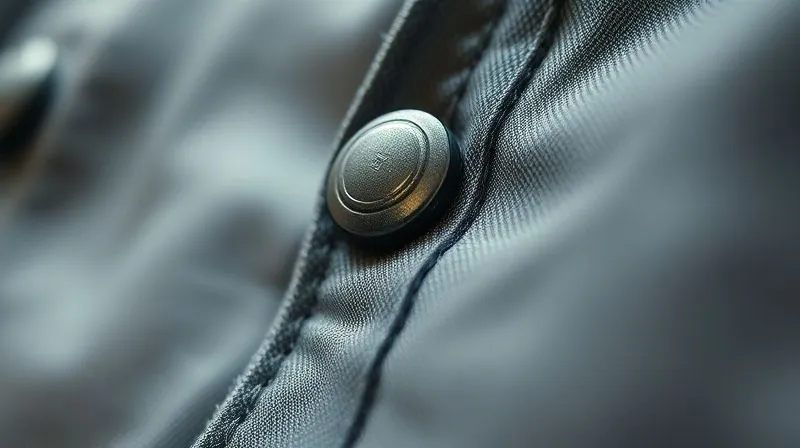
Often overlooked, the internal structure of a costume – its linings, underpinnings, and interfacings – plays a crucial role not only in shaping the garment but also in protecting the outer fabric from environmental stress and performer wear. These 'unsung heroes' can significantly extend the life of a costume, especially under the relentless assault of stage lighting.
Linings serve multiple critical functions. Firstly, they act as a barrier, protecting the outer fabric from the performer's body oils, sweat, and friction, which can accelerate degradation. Secondly, a well-chosen lining can add an additional layer of protection against light and heat. A densely woven lining fabric can absorb some of the UV radiation and diffuse heat before it reaches the more delicate outer shell. Materials like Bemberg rayon (cupro) or good quality polyester lining fabrics are excellent choices due to their smoothness, breathability, and durability. For especially delicate outer fabrics like silk or antique textiles, a UV-resistant lining can be a game-changer.
Underpinnings, such as corsets, crinolines, or petticoats, are not just about shaping the silhouette; they also bear a significant portion of the structural load and protect the outer garment from internal stresses. A sturdy corset, for example, can distribute tension more evenly across the body, preventing strain on the outer dress seams. A crinoline keeps heavy skirts away from the legs, reducing friction and allowing air circulation, which helps dissipate heat. These internal structures essentially create a 'buffer zone' between the performer and the delicate exterior, absorbing much of the abuse.
Interfacings provide shape, support, and stability to specific areas of a costume, such as collars, cuffs, plackets, and facings. By adding a layer of interfacing, you not only improve the garment's drape and professional finish but also reinforce areas that might otherwise weaken and distort under repeated handling, cleaning, and exposure to light. Choose interfacings that are compatible with your outer fabric in terms of weight and care requirements. Fusible interfacings are convenient, but for maximum longevity and flexibility, sew-in interfacings are often preferred as they avoid potential issues with adhesive breakdown over time, especially under heat.
Protective Treatments and Finishes: A Modern Arsenal
In the ongoing battle against fabric breakdown, modern textile science offers a range of protective treatments and finishes that can significantly enhance a costume's resilience. While not a magic bullet, these applications can add crucial layers of defense against the specific challenges posed by intense stage lighting.
One of the most valuable treatments for theatrical costumes is the application of UV-protective sprays or finishes. These products contain UV absorbers or blockers that either reflect or absorb harmful UV radiation before it can reach the fabric fibers and dyes. They function much like sunscreen for textiles. When applied correctly, these treatments can dramatically reduce fading and photodegradation, extending the vibrant life of a costume. Always test on an inconspicuous area first to ensure there's no discoloration or change in fabric hand. Brands specializing in outdoor gear or archival textile protection often offer effective solutions.
"While protective treatments offer a powerful defense, they are an enhancement to, not a replacement for, careful fabric selection and robust construction. Think of them as the final polish on an already solid foundation."
For certain productions, particularly those involving pyrotechnics or open flames, flame retardant treatments may be a mandatory safety requirement. While their primary function is fire safety, some flame retardants can also offer a degree of thermal insulation, subtly mitigating heat transfer to the fabric. However, their impact on lightfastness can vary, and it's essential to ensure that the flame retardant application doesn't compromise the fabric's aesthetic or durability in other ways. Always use professional-grade, non-toxic flame retardants and ensure they are compatible with your fabric type.
While less directly related to light degradation, water and stain repellent finishes can indirectly contribute to costume longevity. By preventing moisture and spills from penetrating the fabric, they reduce the need for harsh cleaning, which itself can accelerate wear and tear. Furthermore, some finishes can create a smoother surface that is less prone to dust accumulation, which can also contribute to a dull appearance under bright lights.
It's crucial to understand that these treatments are not permanent. Their efficacy can diminish over time, especially with cleaning and wear. Therefore, a reapplication schedule, perhaps annually or after a certain number of performances/cleanings, should be factored into your costume maintenance plan. Always follow the manufacturer's instructions meticulously for application and reapplication to ensure maximum effectiveness and safety.
Lighting Design Collaboration: A Proactive Approach
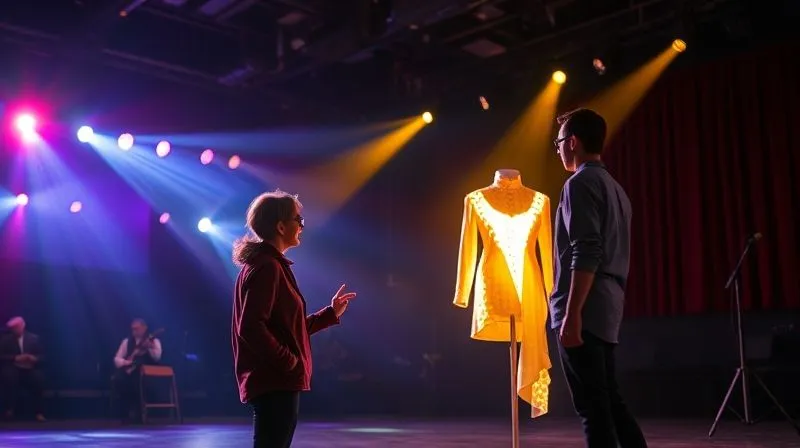
As a costume designer, you hold a unique perspective on the vulnerability of your creations. One of the most powerful, yet often underutilized, strategies for preventing fabric breakdown is proactive collaboration with the lighting design team. This isn't about dictating their artistic choices, but about fostering a dialogue that benefits the entire production.
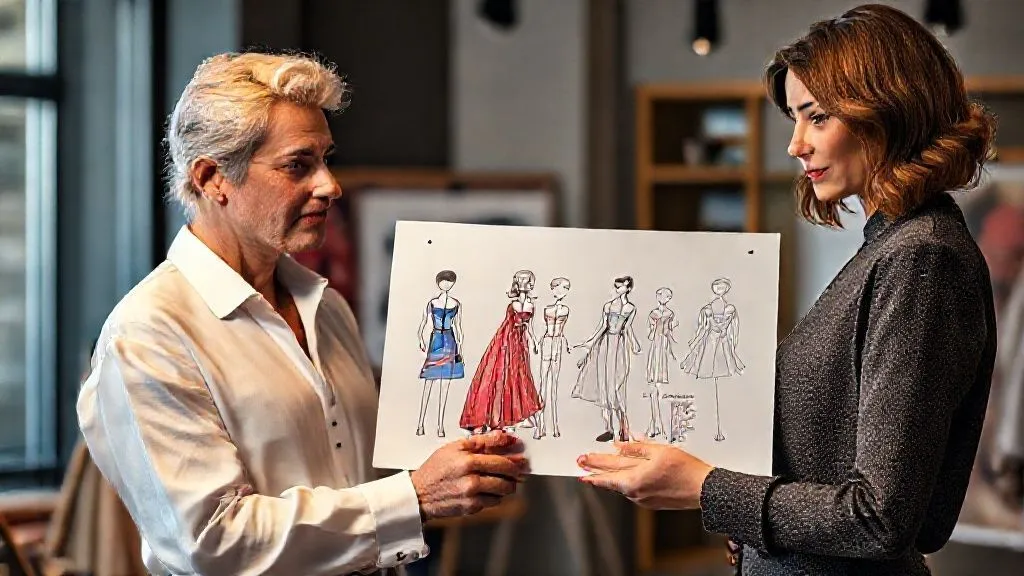
Initiate conversations early in the design process. Share fabric swatches, color palettes, and sketches with the lighting designer. Explain the inherent sensitivities of certain materials or dyes to light and heat. For example, knowing that a critical silk gown is particularly prone to UV damage might prompt the lighting designer to avoid using certain types of 'hot' lights or to employ gels that filter out UV rays in specific scenes.
Here are key areas for collaboration:
- Gel Selection: Certain gels can filter out specific wavelengths of light, including UV. Discuss the possibility of using UV-filtering gels on fixtures that will heavily illuminate delicate costumes. Cooler gels might also reduce the thermal load compared to very warm ones.
- Fixture Placement and Type: High-intensity incandescent fixtures generate significant heat. If possible, discuss using LED fixtures, which are much cooler, for close-up illumination of vulnerable costumes. Consider the distance of lights from the stage; closer lights mean more intense light and heat.
- Dimmer Settings: Running lights at 100% intensity for extended periods will maximize degradation. Where possible, and without compromising the artistic vision, discuss if certain lights illuminating costumes can be slightly dimmed or cycled.
- Focus and Area Lighting: Can lights be focused more tightly on the performers' faces or bodies, rather than broadly illuminating entire costumes, especially those with intricate or delicate fabrics?
- Color Temperature: While not directly affecting degradation as much as UV or heat, different color temperatures can interact with costume dyes in unexpected ways. Previewing costumes under proposed lighting conditions is crucial.
Observation during technical rehearsals is also critical. Pay close attention to how the costumes react under the actual stage lights. Are certain areas getting excessively hot? Is a color shifting dramatically? Communicate these observations immediately. A skilled lighting designer can often make minor adjustments – a slight refocus, a different gel, a dimmer adjustment – that can significantly extend a costume's life without compromising the overall stage picture. As the Costume Society of America often emphasizes, interdisciplinary communication is key to successful theatrical productions.
Storage and Maintenance Post-Performance: Extending Life Beyond the Stage
The life of a costume doesn't end when the curtain falls; its longevity is significantly influenced by post-performance care, cleaning, and storage. Neglecting these aspects can rapidly accelerate the breakdown processes initiated by stage lighting, even when the costume is offstage. I've often seen perfectly designed costumes ruined by improper handling in the wardrobe department.
Proper Cleaning Protocols
Firstly, establish clear and consistent cleaning protocols. Not all costumes can be machine washed; many require careful hand washing or professional dry cleaning. Harsh chemicals, aggressive agitation, or improper drying temperatures can damage fibers and dyes, making them more susceptible to light and heat. For delicate garments, consider spot cleaning or airing out rather than full washing after every performance. Always test cleaning methods on an inconspicuous area or a fabric swatch first. Regular, gentle cleaning removes body oils, sweat, and makeup, which can themselves accelerate fabric degradation and attract pests.
Controlled Storage Environments
Secondly, storage conditions are paramount. Costumes should be stored in a cool, dark, and dry environment. Direct sunlight or even ambient room light, over time, will continue the process of photodegradation. Use opaque garment bags, archival tissue paper, and acid-free boxes to protect garments from light, dust, and environmental fluctuations. Avoid storing costumes in plastic bags for extended periods, as they can trap moisture and chemicals, leading to mildew or plasticizer migration onto the fabric. Humidity control is also vital; excessive humidity can encourage mold growth, while overly dry conditions can make fibers brittle. The ideal temperature is around 68°F (20°C) with 50% relative humidity.
Regular Inspection and Rotation
Implement a system for regular inspection and minor repairs. Catching a small tear or loose embellishment early prevents it from becoming a major problem. For costumes with multiple duplicates, rotate them regularly to ensure even wear and exposure to light. This distributes the stress across the entire set of costumes, extending the overall life of the wardrobe. Documenting each costume's wear and repair history is also invaluable for long-term management.
Here are actionable steps for post-show care:
- Immediate Airing: After each performance, immediately air out costumes in a well-ventilated, dark space to dissipate moisture and odors.
- Gentle Cleaning: Follow specific, pre-determined cleaning instructions for each garment. Prioritize spot cleaning and airing over full washes for delicate items.
- Protective Storage: Hang or store costumes in opaque, breathable garment bags or acid-free boxes. Use padded hangers to maintain shape and prevent stress points.
- Dark, Cool Environment: Ensure the storage area is consistently dark, cool, and has controlled humidity. Avoid attics, basements, or areas with fluctuating temperatures.
- Routine Checks: Schedule weekly or bi-weekly inspections for wear, tear, and pest activity. Address any issues promptly.
Frequently Asked Questions (FAQ)
Question? What types of costume fabrics are most vulnerable to intense stage lighting, and which are most resilient?
Answer: Generally, natural fibers like silk, linen, and rayon are highly vulnerable to photodegradation and heat, leading to fading, yellowing, and weakening. Certain natural dyes can also be very unstable. Cotton is moderately vulnerable, especially to fading. On the other hand, synthetic fibers such as polyester, acrylic, and nylon tend to be much more resilient due to their engineered molecular structures and typically more stable disperse dyes. However, some synthetics can melt or scorch under extreme, direct heat, so no fabric is entirely impervious. Always consider blends for a balance of aesthetics and durability.
Question? Can I apply protective treatments to existing costumes, or are they only effective during the initial construction phase?
Answer: Yes, many protective treatments, particularly UV-protective sprays, can be applied to existing costumes. It's crucial, however, to test the product on an inconspicuous area first to ensure it doesn't alter the fabric's color, texture, or hand. These treatments are often topical and may need reapplication after cleaning or prolonged use. While it's ideal to consider these protections during initial design and fabric selection, retrofitting can significantly extend the life of an already constructed costume. Always follow manufacturer guidelines for application.
Question? How much does the intensity of stage lighting truly impact fabric breakdown compared to other factors like wear and tear or cleaning?
Answer: Intense stage lighting is a primary and often underestimated factor in fabric breakdown, especially for long-running productions. It introduces unique stressors (UV radiation, concentrated heat) that accelerate photodegradation and thermal degradation at a molecular level, leading to irreversible damage like fading and brittleness. While wear and tear and improper cleaning also contribute significantly, light damage can weaken the fabric's inherent structure, making it more susceptible to these other forms of degradation. It's a cumulative effect, and mitigating light exposure directly addresses a core source of the problem.
Question? Are there specific considerations for outdoor performances or venues with natural light exposure?
Answer: Absolutely. Outdoor performances introduce the full spectrum of natural sunlight, which contains far more intense UV radiation than typical stage lighting. For outdoor costumes, prioritize fabrics with inherent UV resistance (e.g., acrylics, solution-dyed polyesters) and apply robust UV-protective treatments. Consider lighter colors that absorb less heat. Furthermore, outdoor environments often involve unpredictable weather; water-repellent finishes and quick-drying fabrics become important. Storage must be even more meticulous, ensuring costumes are never left exposed to direct sunlight when not in use.
Question? What role do LEDs play in mitigating fabric breakdown compared to traditional incandescent stage lights?
Answer: LEDs (Light Emitting Diodes) are a game-changer for costume longevity. Unlike traditional incandescent or halogen lights, LEDs emit very little infrared (IR) heat and significantly less UV radiation. This drastically reduces the thermal and photodegradative stress on costume fabrics. While powerful LEDs can still contribute to visible light fading over time, their cooler operating temperatures and reduced UV output make them a far more costume-friendly option. Whenever possible, advocate for the use of LED fixtures, especially for close-up lighting of delicate or historically accurate garments.
Key Takeaways and Final Thoughts
Preventing costume fabric breakdown under intense stage lighting is not a singular action but a comprehensive strategy that spans the entire lifecycle of a garment, from initial design to post-performance care. It demands a blend of scientific understanding, material knowledge, meticulous craftsmanship, and collaborative spirit. As an experienced industry specialist, I can assure you that investing in these preventative measures will not only preserve your artistic vision but also lead to significant long-term savings and a more sustainable wardrobe department.
- Strategic Fabric Choice: Prioritize lightfast and heat-resistant materials, favoring synthetics or treated natural fibers for high-stress costumes.
- Quality Dyeing: Ensure fabrics are dyed with high-quality, lightfast dyes and processes.
- Robust Construction: Reinforce all stress points with appropriate stitching and internal structures.
- Internal Protection: Utilize effective linings, underpinnings, and interfacings to shield outer fabrics.
- Modern Treatments: Employ UV-protective sprays and other finishes as an added layer of defense.
- Lighting Collaboration: Engage with lighting designers early to mitigate light and heat exposure.
- Diligent Maintenance: Implement strict protocols for cleaning, proper storage, and regular inspection.
By integrating these principles into your practice, you'll move beyond merely reacting to damage and instead proactively engineer longevity into every stitch. Your costumes will not only captivate audiences under the brightest lights but will also stand the test of time, a true testament to your skill and foresight. Embrace these strategies, and watch your creations shine, performance after performance, for years to come.
Recommended Reading
- 5 Executive Frame Secrets: Elevate Your Presence with Prescription Glasses
- Boost Your Fashion Blog Income 50%: Traffic-Free Monetization Hacks
- The Ultimate Guide: How to Banish Bridal Hair Frizz on Your Wedding Day
- Scaling Couture: 7 Pillars to Preserve Uncompromising Atelier Quality
- 7 Engineering Flaws: Why High-Impact Sports Bras Fail Your Workouts


Your email address will not be published. Required fields are marked *