

How to Verify Ethical Sourcing for Exotic Leathers in Luxury Fashion?
For over 15 years in the luxury fashion sector, I've observed a profound shift in consumer values. What was once solely about exquisite craftsmanship and rare materials has evolved to include an equally fervent demand for transparency and ethical integrity. I’ve witnessed brands stumble, not due to a lack of quality, but from failing to genuinely connect with this new ethical imperative.
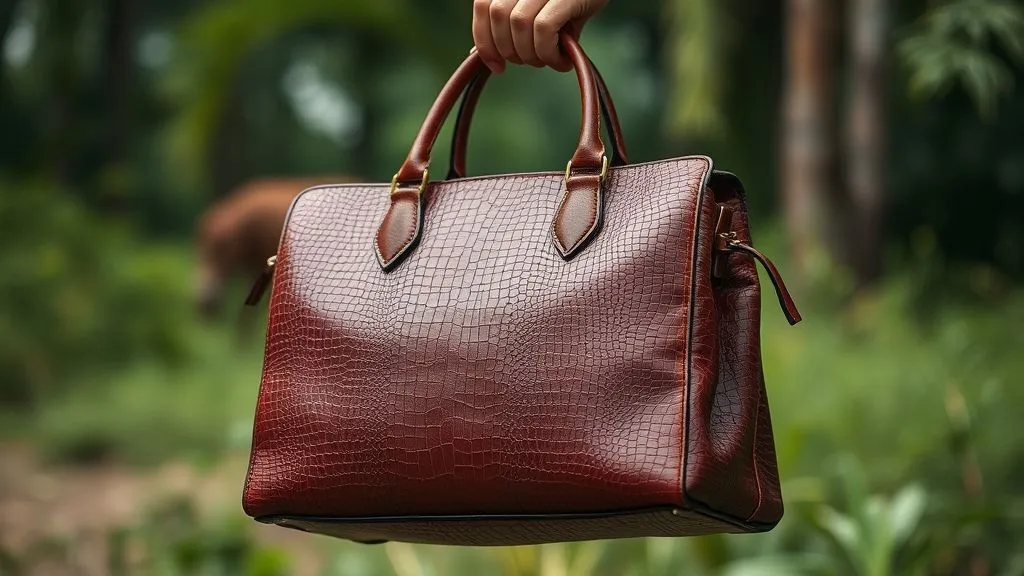
The allure of exotic leathers—crocodile, python, ostrich, and stingray—is undeniable, embodying luxury, exclusivity, and unparalleled texture. Yet, this allure often comes with a significant ethical quandary: how can we be sure these materials are sourced responsibly? The complexity of global supply chains, coupled with varying international regulations and the inherent challenges of wildlife management, creates an opaque landscape that leaves many consumers, and even brands, feeling uncertain and vulnerable to greenwashing.
This article isn't just another discussion on sustainability; it's a definitive, actionable guide. Drawing from my extensive experience, I will equip you with a robust framework, expert insights, and concrete due diligence steps to effectively verify ethical sourcing for exotic leathers in luxury fashion. We'll move beyond platitudes to provide the tools necessary for genuine transparency and responsible luxury.
Understanding the Landscape: Why Ethical Sourcing Matters More Than Ever
The modern luxury consumer is increasingly sophisticated, demanding not just beauty but also a clear conscience behind their purchases. This shift isn't a fleeting trend; it's a fundamental re-evaluation of what 'luxury' truly represents. Brands that fail to adapt risk not only reputational damage but also losing market share to more transparent competitors.
Ethical sourcing in exotic leathers encompasses a broad spectrum, from the conservation status of species and the ecological impact of farming or harvesting, to the welfare standards of the animals and the socio-economic conditions of the communities involved. Each link in the supply chain presents potential risks, but also opportunities for positive impact.
In my experience, true luxury today isn't just about rarity; it's about integrity. Brands that embrace verifiable ethical sourcing build deeper trust and loyalty, transforming their products into symbols of responsible elegance rather than mere status.
Moreover, the environmental stakes are incredibly high. Irresponsible sourcing can contribute to habitat destruction, illegal wildlife trade, and the depletion of endangered species. Consumers are actively seeking brands that demonstrate a genuine commitment to biodiversity conservation and sustainable practices, making transparency an essential component of brand value.

The Foundation: Demystifying CITES and International Regulations
The Convention on International Trade in Endangered Species of Wild Fauna and Flora (CITES) is the cornerstone of regulating trade in exotic leathers. Understanding CITES is not optional; it's absolutely critical for anyone involved in sourcing or purchasing these materials. It's the first, most fundamental layer of verification.
CITES operates through a system of appendices that categorize species based on their threat level. Appendix I lists species threatened with extinction, generally prohibiting commercial trade. Appendix II includes species not necessarily threatened with extinction but for which trade must be controlled to avoid utilization incompatible with their survival. Appendix III contains species protected in at least one country, which has asked other CITES Parties for assistance in controlling trade.
Every shipment of CITES-listed exotic leather requires specific permits—export permits from the country of origin and import permits from the destination country. These documents certify that the animal was legally acquired and traded, adhering to strict conservation guidelines. Without valid CITES documentation, the material is illegal, regardless of its beauty or origin.
- Verify CITES Permits: Always demand original CITES export and import permits. Cross-reference the species, quantities, and origin details on the permits with the actual goods.
- Check Appendix Listing: Understand which CITES Appendix the specific species of exotic leather falls under. This dictates the level of scrutiny and specific permit requirements.
- Validate Authority: Ensure the permits are issued by the official CITES Management Authority of the exporting country. For more information, refer to the official CITES website.
- Examine Permit Details: Look for signs of tampering, mismatched dates, or generic descriptions. A legitimate permit will have specific details about the species, quantity, source (e.g., ranched, wild-caught), and destination.
Deep Dive into Supply Chain Traceability: From Farm to Finished Product
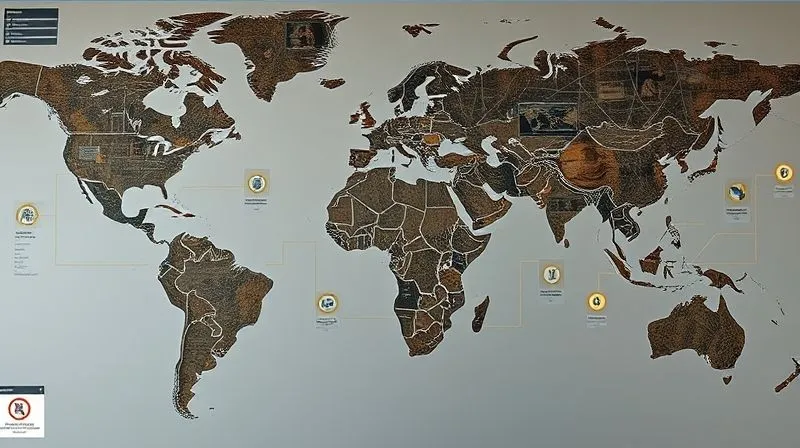
Beyond CITES, true ethical sourcing demands complete, end-to-end traceability. This means being able to track the material from its origin (the individual animal or farm) through every stage of processing, tanning, and manufacturing, right up to the finished luxury item. This level of transparency is where many supply chains falter.
Modern traceability solutions leverage technologies like blockchain, QR codes, and NFC tags. These digital tools create immutable records at each touchpoint, preventing fraud and providing an auditable trail. A brand should be able to tell you not just the country of origin, but the specific farm or even the individual animal ID number for truly verified exotic leathers.
Case Study: Verifying Python Leather at Serpentis Luxe
Serpentis Luxe, a high-end accessory brand, faced increasing scrutiny over its python leather sourcing. Their initial supply chain was fragmented, relying on multiple intermediaries. To address this, I advised them to implement a blockchain-based traceability system. Each python skin, upon legal acquisition from a certified farm in Southeast Asia, was fitted with an NFC chip. At every stage—tanning, cutting, manufacturing—the chip was scanned, and data (location, date, handler, CITES permit number) was uploaded to a secure blockchain ledger.
This initiative allowed Serpentis Luxe to provide customers with a unique QR code on each product. Scanning the code revealed the entire journey of that specific python skin, from its farm of origin and welfare certifications to the tanneries and artisans involved. This unprecedented transparency not only boosted consumer trust but also allowed Serpentis Luxe to identify and eliminate a problematic intermediary, significantly strengthening their ethical standing and market appeal.
Auditing and Certification: Beyond Self-Regulation
While internal traceability is vital, external validation through independent audits and credible certifications adds a crucial layer of trust and expertise. Self-regulation, while a good start, rarely suffices for the discerning ethical consumer or for demonstrating true industry leadership.
Look for third-party certifications that are specifically tailored, or adaptable, to exotic leather supply chains. While the Leather Working Group (LWG) primarily focuses on bovine leather, its principles of environmental stewardship and chemical management offer a benchmark for what robust certification entails. For exotic leathers, we need standards that specifically address wildlife management, animal welfare in farming, and conservation impact.
Independent audits should cover everything from CITES compliance and farm conditions to tanneries' environmental practices and labor conditions. These audits provide an objective assessment of adherence to established ethical and sustainable benchmarks. It's not enough for a brand to say they audit; they must be able to provide evidence of these audits and demonstrate continuous improvement based on findings.
| Certification Body | Focus Areas | Verification Method | Frequency |
|---|---|---|---|
| CITES Compliance Check | Legal trade, species conservation, permit validation | Documentary evidence, cross-referencing | Per shipment/transaction |
| Exotic Leather Welfare Audit (Hypothetical) | Animal husbandry, living conditions, humane handling | On-site inspections, veterinary reports | Annual/Bi-annual |
| Supply Chain Transparency Audit | Traceability systems, digital records, intermediary checks | System review, data verification, interviews | Annual |
| Environmental Impact Assessment | Water usage, waste management, chemical use in tanneries | Facility audits, effluent testing | Annual |
- Identify Relevant Certifications: Research and prioritize certifications that address exotic leather specifically, or those with highly adaptable animal welfare and environmental modules.
- Review Audit Reports: Request full, unredacted audit reports from suppliers. Pay attention to non-conformities and corrective action plans.
- Understand Audit Scope: Ensure the audit covers the entire supply chain, not just a single, easily compliant segment.
- Verify Auditor Credibility: Confirm that the auditing body is independent, reputable, and has expertise in wildlife and exotic material supply chains.
Animal Welfare and Husbandry Standards: A Non-Negotiable Pillar
The ethical treatment of animals is paramount. For exotic leathers, this means ensuring that animals, whether wild-caught (under strict CITES quotas) or farmed, are treated humanely throughout their lives. This includes adequate living conditions, access to proper nutrition and veterinary care, and humane handling practices at every stage.
For farmed species like crocodiles or ostriches, specific welfare standards should dictate enclosure sizes, water quality, and environmental enrichment. These standards aim to mimic natural conditions as closely as possible and minimize stress. In my observations, brands that genuinely prioritize animal welfare often have direct relationships with their farms, fostering long-term partnerships and providing support for best practices.
Humane treatment is not just an ethical obligation; it also impacts leather quality. Stressed animals can produce inferior skins, proving that good ethics often align with good business.
According to a comprehensive report by World Animal Protection on wildlife farming practices, many exotic animal farms fall far short of acceptable welfare standards. This highlights the critical need for independent oversight and rigorous adherence to globally recognized animal welfare principles. Brands must go beyond superficial claims and delve into the specifics of animal care.

Local Community Engagement and Socio-Economic Impact
Ethical sourcing extends beyond environmental and animal welfare concerns to encompass the human element. The communities living near wildlife habitats or involved in exotic leather farming often face socio-economic challenges. Responsible sourcing should actively contribute to the well-being and empowerment of these local populations.
This includes ensuring fair wages, safe working conditions, and respect for indigenous rights. Brands should prioritize suppliers who demonstrate a commitment to community development, such as investing in local infrastructure, education, or healthcare. Transparency about labor practices and fair compensation throughout the supply chain is a critical indicator of genuine ethical commitment.
Exploitative labor practices, even if geographically distant, cast a long shadow on a luxury brand's reputation. Brands must conduct due diligence on labor standards, often requiring third-party social audits. Engaging with local stakeholders and understanding their needs can transform a mere transaction into a mutually beneficial partnership, fostering sustainable livelihoods and discouraging illegal activities.
As the Ethical Trading Initiative often emphasizes, a truly ethical supply chain empowers workers and strengthens communities. This shared value approach ensures that the benefits of the luxury trade are distributed more equitably, creating a positive impact beyond the product itself. For further insights into ethical labor practices, exploring resources like the Ethical Trading Initiative can be highly beneficial.
Technological Solutions for Transparency: Blockchain and Beyond
The complexity of exotic leather supply chains makes manual verification incredibly challenging. This is where cutting-edge technology becomes an indispensable ally in achieving true transparency and trust. Blockchain, in particular, offers a powerful solution for creating immutable and verifiable records.
By using blockchain, each step of the exotic leather journey—from the initial CITES permit issuance and farm origin to the tannery processes and final manufacturing—can be recorded as a tamper-proof block of data. This distributed ledger technology ensures that information cannot be altered retrospectively, providing an unprecedented level of accountability. Consumers can then access this verified history through QR codes or NFC tags embedded in the product.
Beyond blockchain, other technologies like DNA testing can verify species origin, while advanced satellite imagery and IoT sensors can monitor farm conditions or detect illegal poaching activities in protected areas. The convergence of these technologies offers a holistic approach to verification that was unimaginable just a decade ago. Brands that invest in these solutions are positioning themselves as leaders in ethical luxury.
| Technology | Application in Sourcing | Benefits | Challenges |
|---|---|---|---|
| Blockchain Ledger | Immutable record of supply chain events, CITES permits, transfers | Enhanced trust, fraud prevention, consumer verifiable history | Initial implementation cost, industry adoption |
| NFC/QR Tagging | Product-specific traceability, direct consumer access to data | Easy verification, engagement, personalized transparency | Requires consumer interaction, data maintenance |
| DNA Barcoding | Species verification, origin confirmation (e.g., wild vs. farmed) | Scientific proof of authenticity, combating illegal trade | Cost, sampling logistics, database completeness |
| Satellite Monitoring | Monitoring farm conditions, detecting deforestation/poaching | Remote oversight, environmental protection, early warning | Data interpretation, high resolution imagery cost |
Empowering the Consumer: What to Ask and Where to Look
Ultimately, the power to drive ethical change also rests with the consumer. As an informed buyer, you have the ability to demand transparency and hold brands accountable. Don't be swayed by vague claims or beautiful marketing; ask the tough questions and seek verifiable evidence.
When considering a luxury item made with exotic leather, treat it as a significant investment that requires due diligence. Your purchasing power is a vote for the practices you wish to endorse. By choosing brands that demonstrate genuine ethical commitment, you contribute to a more sustainable and responsible luxury industry.
Always remember that a truly ethical brand will be proud to share its sourcing story and provide verifiable evidence. If a brand is evasive or provides only generic assurances, it's a red flag. Seek out brands that are transparent about their supply chain, their challenges, and their continuous efforts towards improvement.
- Ask for CITES Documentation: Can the brand provide proof of valid CITES permits for the specific product?
- Inquire About Traceability: How does the brand trace its exotic leathers from origin to product? Is there a digital system (e.g., QR code, blockchain)?
- Demand Welfare Standards: What are the animal welfare standards of their farms or harvesting operations? Are they independently audited?
- Check for Certifications: Does the brand adhere to any recognized third-party certifications relevant to exotic leathers or animal welfare?
- Review Sustainability Reports: Many leading luxury brands publish annual sustainability reports detailing their sourcing practices.
- Look for Partnerships: Does the brand partner with conservation organizations or local communities?

Frequently Asked Questions (FAQ)
Is "ethically sourced" exotic leather truly possible, or is it an oxymoron? In my professional opinion, truly ethical sourcing for exotic leathers is absolutely possible, but it requires rigorous commitment and continuous effort. It's not an oxymoron when stringent CITES regulations are followed, robust traceability systems are in place, animal welfare standards are met, and local communities benefit. It's about minimizing negative impacts and maximizing positive contributions to conservation and human well-being. The challenge lies in the complexity and global nature of the supply chain, but dedicated brands are demonstrating that it can be done.
What's the biggest challenge in verifying ethical sourcing for exotic leathers? The single biggest challenge is the opacity and fragmentation of global supply chains. Many luxury brands operate through multiple intermediaries, making it incredibly difficult to trace a skin back to its absolute origin or to verify conditions at every stage. This lack of direct oversight and the potential for fraudulent documentation are significant hurdles. Overcoming this requires direct engagement with suppliers, investment in advanced traceability technologies, and independent third-party verification at every critical juncture.
How do small luxury brands verify sourcing compared to large ones? Small brands often face greater resource constraints but can sometimes achieve closer relationships with their suppliers due to smaller volumes. While large brands might invest in sophisticated blockchain systems, smaller brands can build trust through direct, personal relationships with a limited number of certified farms or suppliers. They must still adhere to CITES and conduct due diligence, perhaps relying more heavily on supplier certifications and external audits rather than developing their own extensive internal systems. Collaboration and shared resources within industry collectives can also be a viable path for smaller players.
What role does DNA testing play in verifying exotic leather sourcing? DNA testing is an emerging and powerful tool for verification. It can confirm the species of the leather and, in some advanced cases, even link it to a specific population or geographic region. This is crucial for combating illegal trade where species misrepresentation is common. It can also help distinguish between wild-caught and farmed animals if a genetic database exists for the farmed population. While not yet universally adopted due to cost and logistical challenges, DNA barcoding offers a scientifically robust method to enhance trust and combat fraud in exotic leather supply chains.
Are there any exotic leathers that are inherently unethical to source? While ethical sourcing aims to mitigate harm, certain exotic leathers may carry higher inherent risks or be ethically contentious for some consumers. Species listed on CITES Appendix I, for example, are generally prohibited from commercial trade due to their critically endangered status. Beyond legal status, some species may be perceived as inherently unethical to use due to specific cultural sensitivities or particularly challenging welfare requirements in farming. Ultimately, the 'ethical' threshold is subjective for some, but rigorous adherence to CITES, animal welfare, and conservation principles is universally expected for any exotic leather.
Key Takeaways and Final Thoughts
Navigating the complex world of ethical sourcing for exotic leathers in luxury fashion requires diligence, expertise, and a commitment to transparency. It's a journey, not a destination, demanding continuous improvement and adaptation to evolving standards and technologies. As an experienced industry specialist, I've seen firsthand that brands who embrace this challenge emerge stronger, more trusted, and truly aligned with the values of the modern luxury consumer.
- Prioritize CITES Compliance: This is the absolute legal and ethical baseline for any exotic leather.
- Demand End-to-End Traceability: Insist on verifiable proof of origin and journey, leveraging technology where possible.
- Seek Independent Verification: Rely on third-party audits and credible certifications, not just self-declarations.
- Focus on Animal Welfare: Ensure humane treatment and best husbandry practices are paramount throughout the supply chain.
- Assess Socio-Economic Impact: Verify that sourcing benefits local communities and adheres to fair labor practices.
- Empower Yourself: As a consumer or brand, ask critical questions and demand transparent answers.
The future of luxury fashion is inextricably linked to its ethical footprint. By applying these actionable verification steps, we can collectively push the industry towards greater responsibility, ensuring that the exquisite beauty of exotic leathers is matched by an equally beautiful story of integrity and sustainability. This is not just about compliance; it's about safeguarding our planet, respecting its creatures, and honoring the trust placed in luxury brands.
Recommended Reading
- Invisible Mends: 7 Expert Steps for Moth-Eaten Collectible Silk Repair
- Protecting Your Craft: 7 Steps When Artisan Jewelry Designs Are Copied
- Unveiling the Science: What Technologies Make Athletic Wear Breathable?
- The Avant-Garde: How Haute Couture Challenges Traditional Art Boundaries
- 5 Critical Reasons Your Activewear Prototypes Fail Breathability Tests





Your email address will not be published. Required fields are marked *