

How to train new haute couture artisans in dying embroidery skills?
For over two decades in the rarefied world of haute couture, I've had the immense privilege of witnessing craftsmanship that borders on the miraculous. Yet, I've also observed a quiet, persistent challenge that threatens the very foundation of this artistry: the gradual erosion of highly specialized skills, particularly in intricate embroidery. It's a problem that keeps many atelier directors awake at night, a silent alarm bell signaling the potential loss of a precious legacy.
The unique, often unwritten knowledge embedded in the hands and minds of master couturiers is not easily codified or transferred. Haute couture embroidery, with its demanding precision, nuanced material understanding, and centuries-old techniques, is particularly vulnerable. It's a craft that demands years, often decades, of dedicated practice and an almost spiritual connection to the materials. How, then, do we ensure this invaluable heritage doesn't merely fade into history, but thrives in the hands of a new generation?
This isn't just about preserving techniques; it's about safeguarding an art form, a cultural treasure, and a vital component of luxury fashion's future. In this definitive guide, I will share a comprehensive, 7-phase framework, born from my experience and observations within leading ateliers, designed to effectively train new haute couture artisans in these 'dying' embroidery skills. You'll gain actionable strategies, understand the critical nuances of skill transfer, and discover how to cultivate a vibrant, sustainable environment for future masters.
Understanding the Fragility of Haute Couture Embroidery Skills
Before we delve into solutions, it's crucial to grasp the depth of the challenge. Haute couture embroidery is not merely a technical skill; it's an art infused with intuition, historical context, and an unspoken dialogue between artisan and material. This makes its transmission profoundly complex.
The Intangible Nature of Artisanal Mastery
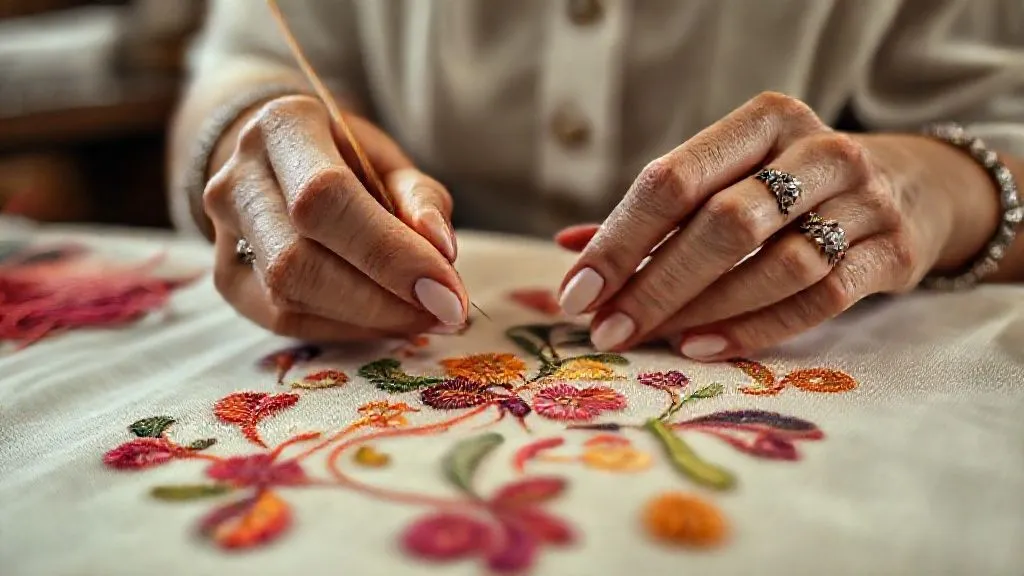
Many of the most coveted haute couture embroidery techniques are not taught in textbooks. They are passed down through observation, repetition, and correction, often without explicit verbal instruction. A master artisan instinctively knows how to tension a fabric, how a particular thread will behave, or the precise angle for a sequin application – knowledge gained through thousands of hours of tactile engagement. This intuitive understanding, this 'muscle memory' of the craft, is incredibly difficult to document or formalize.
Moreover, the tools themselves are often specialized, sometimes handmade, and their proper use is part of the skill. The subtle pressure of a tambour hook, the rhythm of a needle, the feel of silk reacting to a bead – these are sensory experiences that defy easy explanation. They must be felt, practiced, and absorbed over time.
Generational Gaps and Modern Challenges
The haute couture industry, for all its timeless appeal, faces modern realities. Younger generations are often drawn to faster-paced careers, or to digital realms. The rigorous, often solitary, and lengthy apprenticeship required for haute couture embroidery can seem daunting. Furthermore, the economic pressures on ateliers mean less time for extensive, non-billable training, leading to a focus on immediate production rather than long-term skill development.
"The true mastery in haute couture embroidery isn't just about perfectly executed stitches; it's about the artisan's ability to 'listen' to the fabric, to anticipate the material's response, and to imbue each embellishment with a piece of their soul. This is the intangible essence we must strive to transfer."
This confluence of factors creates a dangerous vacuum, where precious skills are at risk of being lost with each retiring master. Our mission, therefore, is not just to teach, but to inspire, to mentor, and to create an environment where this profound heritage can flourish anew.
Phase 1: Identifying and Documenting Legacy Techniques
The first critical step in training new artisans is to systematically understand and capture the knowledge that currently exists within your atelier. This isn't about replacing human skill, but providing a foundational structure for learning.
I've seen ateliers struggle because they assume existing masters will naturally transfer knowledge. This is rarely sufficient. A proactive, structured approach to documentation is essential. It helps in identifying the 'dying' skills most at risk and creates a baseline for curriculum development. This phase is about reverence for the past and preparation for the future.
- Comprehensive Skill Audit: Work with your most experienced artisans to identify every unique embroidery technique, stitch, and embellishment method used in your atelier. Categorize them by complexity, rarity, and frequency of use.
- Visual and Textual Archiving: Document each technique using high-resolution photography, detailed video recordings, and precise written instructions. Focus on hand positions, tool usage, material preparation, and common pitfalls. Consider multiple camera angles for clarity.
- Material Specifications Log: Create a detailed log of specific threads, beads, sequins, feathers, and fabrics used for each technique. Note their unique properties, suppliers, and any special handling requirements. This is vital as materials themselves often dictate technique.
- Oral Histories and Anecdotes: Conduct interviews with master artisans, capturing their insights, tips, and personal stories related to the techniques. These narratives add invaluable context and understanding, bridging the gap between cold instruction and lived experience.
This systematic documentation creates an invaluable internal resource, a 'knowledge bank' that ensures no skill is entirely lost, even if a master artisan retires. It also provides a structured starting point for apprentices, allowing them to review techniques independently and at their own pace.

Phase 2: Crafting a Bespoke Mentorship Framework
Once skills are identified and documented, the real work of human transfer begins. Haute couture embroidery demands a personalized approach, far beyond a classroom setting. It requires a dedicated mentorship framework.
In my experience, a one-size-fits-all approach to training simply does not work for such nuanced crafts. Each aspiring artisan learns differently, and each master has a unique way of teaching. The framework must be flexible yet structured, fostering a deep, trust-based relationship between mentor and mentee.
The Master-Apprentice Model Reimagined
The traditional master-apprentice model, while venerable, needs adaptation for the modern atelier. It's not about silent observation anymore; it's about active, guided participation and continuous feedback. The goal is to cultivate not just a copier, but a thinker and a problem-solver.
- Careful Pairing: Match apprentices with master artisans not just by skill, but by temperament and teaching style. A compatible pairing fosters a more effective and harmonious learning environment.
- Defined Learning Pathways: Establish clear, progressive learning objectives for each apprentice, starting with fundamental techniques and gradually moving to more complex and rare skills. This prevents overwhelm and provides a sense of accomplishment.
- Dedicated Mentorship Time: Allocate specific, protected time each week for one-on-one mentorship, separate from production demands. This signals the atelier's commitment to training and allows for focused instruction and personalized feedback.
- Cross-Training Opportunities: While a primary mentor is crucial, expose apprentices to other master artisans within the atelier. Different masters often have unique approaches to similar techniques, enriching the apprentice's understanding and adaptability.
This structured mentorship ensures that the apprentice receives consistent, high-quality instruction and builds a strong foundation. For more insights into effective apprenticeship structures, consider resources from institutions focusing on vocational training, such as the European Centre for the Development of Vocational Training (Cedefop), which offers extensive research on successful apprenticeship models across various industries.
Phase 3: Hands-On Immersion and Repetitive Mastery
Embroidery is a tactile art. There is no substitute for hours of diligent, hands-on practice. This phase emphasizes the importance of deliberate practice, moving from guided instruction to independent execution, building muscle memory and confidence.
I've observed that many apprentices get stuck at the 'understanding' stage without enough 'doing'. True mastery comes from the hundreds, even thousands, of repetitions that refine technique and build an intuitive understanding of materials. This requires patience, perseverance, and a carefully designed practice regimen.
Structured Exercises and Progressive Complexity
Apprentices should not immediately jump into complex couture pieces. Their training must involve a series of structured exercises designed to build proficiency incrementally. This systematic approach ensures that foundational skills are solid before more advanced techniques are introduced.
Here's a typical progression matrix that many successful ateliers adopt:
| Skill Level | Focus Areas | Assessment | Timeline |
|---|---|---|---|
| Novice | Basic stitches, fabric handling, tool mastery | Accuracy on simple motifs | 3-6 months |
| Apprentice | Complex stitches, design interpretation, material selection | Execution of small design elements, problem-solving | 1-2 years |
| Journeyman | Advanced techniques (e.g., goldwork, featherwork), independent project execution | Completion of a significant couture piece, innovative application | 2-3 years |
| Master | Design, innovation, mentorship, atelier management | Original collection contribution, ability to teach | Ongoing |
Each stage should have clear benchmarks and assessment criteria, allowing both mentor and mentee to track progress effectively. This also aligns with principles of deliberate practice, a concept extensively researched by experts like Anders Ericsson, emphasizing focused, structured repetition with feedback to improve performance. For a deeper dive into the science of expertise, exploring works on deliberate practice and skill acquisition can provide valuable context.
Case Study: Revitalizing the 'Fleur de Lys' Atelier
How Fleur de Lys Preserved Its Signature 'Petal Stitch'
The 'Fleur de Lys' atelier, renowned for its ethereal floral embroideries, faced a critical challenge: their signature 'Petal Stitch,' a complex technique involving delicate silk organza manipulation and minuscule beadwork, was mastered by only two aging artisans. With their retirement imminent, the atelier risked losing a core part of its identity and competitive edge.
Recognizing the urgency, they implemented a structured training program based on the principles outlined in this guide. First, they meticulously documented every nuance of the Petal Stitch, creating high-definition video tutorials and detailed diagrams. Next, they paired their two most promising junior embroiderers with the retiring masters in a dedicated mentorship program, allocating four hours weekly solely for Petal Stitch training, away from production pressures.
The apprentices began with simplified versions of the stitch on practice swatches, gradually increasing complexity. Regular feedback sessions were crucial, with masters demonstrating corrections directly on the practice pieces. After 18 months of intensive training, one apprentice, Marie, not only mastered the stitch but began innovating within its parameters, developing variations that added new dimensions to the atelier's collections. The other, Jean-Luc, became proficient enough to lead a small team for production. This strategic investment not only preserved the Petal Stitch but revitalized the atelier's creative output, demonstrating that with structured training, even the most 'dying' skills can be brought back to life and evolve.
Phase 4: Integrating Modern Pedagogy with Traditional Wisdom
While tradition is paramount, we must not shy away from leveraging modern tools and teaching methodologies to enhance skill transfer. The goal is to make learning more efficient, accessible, and engaging for the new generation.
I've seen ateliers initially resist technology, fearing it would dilute the craft. However, when applied thoughtfully, modern tools can be powerful allies in preserving and propagating traditional skills, making the learning journey more robust and comprehensive.
Digital Archiving and Virtual Learning Aids
The documentation from Phase 1 can be transformed into dynamic learning resources. Create an internal digital library with searchable videos, interactive diagrams, and 3D models of complex stitch structures. This allows apprentices to revisit lessons at any time, reinforcing their understanding and providing a consistent reference point.
Consider developing a small, internal e-learning module that tests apprentices' theoretical knowledge of techniques, materials, and historical context. This blends practical skill with intellectual understanding, creating well-rounded artisans.
The Role of Feedback and Continuous Assessment
Modern pedagogical approaches emphasize continuous, constructive feedback. This moves beyond simply pointing out errors to explaining *why* a particular approach is better, offering solutions, and encouraging self-correction. Regular, informal check-ins should complement formal assessments.
Implement a system where apprentices regularly submit practice pieces for review, receiving detailed written and verbal feedback. Encourage them to document their own challenges and solutions, fostering a reflective practice that accelerates learning. This iterative feedback loop is crucial for honing precision and developing critical self-assessment skills.
Phase 5: Fostering Creativity and Problem-Solving
A true haute couture artisan is not just a technician; they are a creative problem-solver. Once foundational skills are established, the training must shift to encouraging innovation within the strict parameters of couture.
I believe the most successful artisans are those who can not only replicate existing techniques flawlessly but also adapt them, combine them, and even invent new applications to meet unique design challenges. This phase is about moving beyond imitation to true artistic contribution.
Collaborative Projects and Design Challenges
Introduce projects that require apprentices to apply learned techniques to novel design briefs. This could involve creating a small embroidered swatch for a fictional collection or collaborating with a design team on a specific embellishment detail. These challenges force them to think critically about material choices, color palettes, and structural integrity.
Encourage apprentices to experiment with different materials and thread combinations, under guidance. Provide them with a 'discovery budget' for experimental swatches. This safe space for exploration is vital for nurturing creativity without the pressure of a client deadline.
"Innovation in haute couture embroidery isn't about abandoning tradition, but understanding it so deeply that you can respectfully push its boundaries, finding new expressions for timeless beauty."
Problem-solving exercises could include: 'How would you achieve this texture with only three types of beads?' or 'How can you make this heavy embroidery appear weightless on silk chiffon?' Such questions stimulate creative thinking and develop the nuanced judgment characteristic of master artisans.
Phase 6: Building a Sustainable Atelier Culture
Training new artisans is only half the battle; retaining them and creating an environment where they can thrive is equally important. A sustainable atelier culture recognizes the immense value of its artisans and invests in their long-term growth.
From my perspective, many ateliers focus too much on the 'how-to' of skill transfer and not enough on the 'why-stay' for the artisan. High-value skills demand a high-value environment. This phase addresses the human element – motivation, recognition, and career progression.
Valuing Artisans and Creating Career Paths
Artisans must feel valued beyond their manual labor. This means fair compensation, excellent working conditions, and clear opportunities for professional growth. Establish a tiered career path for embroiderers, from junior artisan to senior artisan, and eventually to master artisan or head of embroidery, with corresponding increases in responsibility, salary, and prestige.
Regularly acknowledge and celebrate their contributions, both internally and, where appropriate, publicly. Highlight their work in atelier communications or even client presentations. This fosters pride and a sense of belonging. The importance of valuing craftspeople is a topic often discussed by cultural organizations and business publications, emphasizing that specialized skills are not just assets but the very soul of luxury. Resources like those from Harvard Business Review often highlight the strategic importance of human capital in niche industries.
Invest in continuous learning opportunities for even your most experienced artisans, such as attending specialized workshops, visiting museums for historical research, or collaborating with other craftspeople. A culture of lifelong learning benefits everyone and keeps skills sharp and relevant.
Phase 7: External Collaboration and Knowledge Exchange
No atelier is an island. Engaging with the broader craft and academic communities can significantly enrich your training programs and ensure the longevity of haute couture embroidery skills. This phase is about looking outward to strengthen the internal.
I've seen the most vibrant ateliers are those that actively participate in a wider ecosystem of craftsmanship. Sharing knowledge, even with competitors in a non-proprietary way, ultimately elevates the entire industry and attracts new talent.
Workshops, Exhibitions, and Academic Partnerships
Consider hosting open workshops or masterclasses for aspiring embroiderers or students from fashion schools. This not only serves as a recruitment pipeline but also positions your atelier as a leader in skill preservation. Participate in craft exhibitions or cultural events to showcase your artisans' work and educate the public about the intricacies of haute couture embroidery.
| Collaboration Type | Benefit for Atelier | Benefit for Artisans |
|---|---|---|
| Workshops/Seminars | Skill refinement, exposure to new techniques | Networking, inspiration, peer learning |
| Exhibitions/Showcases | Brand visibility, recognition, client engagement | Portfolio building, creative expression, public validation |
| Academic Partnerships | Research & development, talent scouting, fresh perspectives | Formal accreditation, theoretical depth, teaching opportunities |
| Cross-Disciplinary Projects | Innovation, unique product development | Expanded skill set, creative challenges, inter-craft dialogue |
Forge partnerships with universities or art and design colleges. Offer internships, guest lectures, or collaborate on research projects exploring historical techniques or innovative material applications. Such collaborations bring fresh perspectives, academic rigor, and a pool of eager young talent into the couture world. It also solidifies the academic recognition of haute couture embroidery as a legitimate and profound field of study.
Frequently Asked Questions (FAQ)
Q: How long does it realistically take to train a new haute couture artisan in dying embroidery skills? A: Based on my observations, achieving a proficient level in complex haute couture embroidery techniques typically requires a minimum of 3-5 years of dedicated, structured training and consistent practice. To reach a true master level, capable of innovation and independent design interpretation, it can easily take 7-10 years or even longer. It's a journey, not a sprint, demanding immense patience and commitment from both the artisan and the atelier.
Q: What if our atelier doesn't have enough experienced masters to mentor new apprentices? A: This is a common and critical challenge. If internal resources are limited, consider seeking external solutions. This could involve bringing in retired masters on a consultancy basis, collaborating with specialized craft schools or heritage organizations that have experienced instructors, or even forming partnerships with other ateliers facing similar challenges for shared training initiatives. Investing in a 'master-in-residence' program, even for a limited period, can also be highly effective.
Q: How can we motivate younger generations to pursue such a demanding and lengthy craft? A: Motivation stems from value, recognition, and clear pathways. Highlight the prestige and unique artistry of haute couture. Showcase successful young artisans. Offer competitive compensation and benefits, and ensure a positive, inspiring work environment. Emphasize the creative freedom and the opportunity to contribute to truly unique, enduring works of art. Engaging with social media and digital platforms to showcase the beauty and intricacy of the craft can also attract interest.
Q: Can technology, like advanced machinery or CAD, replace the need for hand embroidery skills in haute couture? A: While technology can assist in certain aspects of design and production (e.g., pattern making, initial layouts), it cannot replace the nuanced, tactile, and intuitive artistry of hand embroidery in haute couture. The human touch, the irregular perfection, the delicate manipulation of materials, and the ability to adapt to unique fabric characteristics are irreplaceable. Haute couture's definition itself rests on bespoke, hand-crafted excellence, making the artisan's skill fundamentally indispensable.
Q: What's the biggest mistake ateliers make when trying to preserve these skills? A: The biggest mistake I've witnessed is a lack of structured, long-term commitment. Many ateliers approach skill transfer reactively or piecemeal, without a comprehensive plan, dedicated resources, or protected time. They often underestimate the time and investment required, expecting quick results. Preserving 'dying' skills requires a proactive, strategic, and patient approach, treating it as a core investment in the atelier's future, not merely an overhead.
Key Takeaways and Final Thoughts
- Proactive Documentation is Paramount: Systematically capture existing knowledge before it's lost, creating a digital and physical archive of techniques.
- Bespoke Mentorship is Essential: Implement a structured yet personalized master-apprentice framework, fostering deep learning relationships.
- Deliberate Practice Drives Mastery: Ensure ample, guided, and progressively complex hands-on training for muscle memory and skill refinement.
- Integrate Modern Pedagogy: Leverage technology for learning aids and feedback mechanisms, enhancing efficiency without diluting tradition.
- Cultivate Creativity and Problem-Solving: Move beyond replication by challenging artisans to innovate and adapt within couture parameters.
- Build a Sustainable Culture: Value artisans through fair compensation, career paths, and a supportive, inspiring work environment.
- Engage Externally: Collaborate with academic institutions and the wider craft community to enrich training and attract new talent.
The challenge of how to train new haute couture artisans in dying embroidery skills is significant, but it is not insurmountable. It requires vision, dedication, and a deep respect for the artistry that defines haute couture. By implementing this comprehensive framework, ateliers can not only preserve these exquisite skills but also ensure they evolve, inspire, and continue to define the pinnacle of fashion for generations to come. The future of haute couture embroidery rests in our hands, and with thoughtful action, we can ensure its legacy endures, vibrant and awe-inspiring.
Recommended Reading
- Scaling Artisan Luxury: 7 Proven Pillars to Maintain Quality & Craft
- Scaling Zero-Waste Fashion: 7 Design Principles for Commercial Success
- 5 Crucial Steps: Prevent Sole Separation in Artisan Footwear Now!
- Unlocking Streetwear Gold: 7 Steps to Pinpoint Profitable Accessory Trends
- 7 Viral Strategies: Turning Crowded Fashion Events into Unique Content Gold



Your email address will not be published. Required fields are marked *