

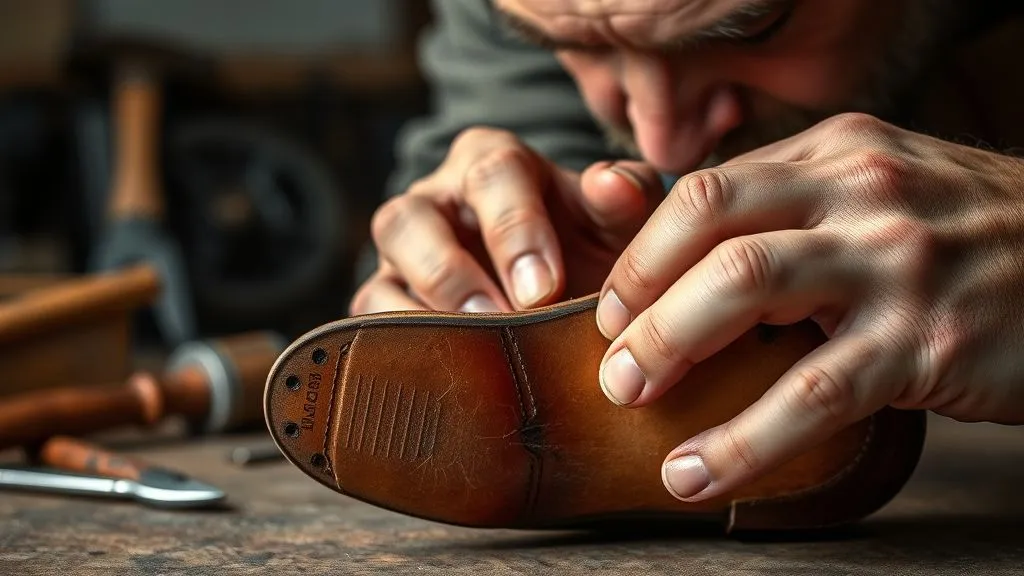
Urgent: How to Prevent Sole Separation in Artisan Handmade Footwear?
For over two decades in the niche world of artisan footwear, I've witnessed the sheer joy a perfectly crafted pair of shoes brings, and conversely, the profound disappointment when a beloved pair begins to fail. One of the most heartbreaking issues, and certainly one of the most urgent, is sole separation. It's a problem that strikes at the very heart of durability and craftsmanship, threatening the longevity of an investment often made with passion and significant expense.
The pain point for both the artisan who poured their soul into the creation and the owner who cherishes the footwear is palpable. A separating sole isn't just a cosmetic flaw; it compromises the structural integrity of the shoe, rendering it uncomfortable, unwearable, and potentially damaging if not addressed promptly. It erodes trust in the quality of handmade goods and can prematurely end the life of what should be a lasting heirloom.
In this definitive guide, I'll draw upon my extensive experience to provide you with not just facts, but actionable frameworks, real-world insights, and preventative strategies. Whether you're a skilled shoemaker or a discerning owner, you'll learn how to identify the root causes of sole separation and, more importantly, implement robust solutions to prevent this urgent issue in artisan handmade footwear, ensuring your cherished shoes stand the test of time.
Understanding the Anatomy of a Handcrafted Sole: Where Things Go Wrong
Before we can prevent sole separation, we must first understand the intricate dance of components that form a handmade shoe's foundation. It's a complex ecosystem where each element plays a critical role in the overall integrity and longevity of the footwear. When I look at a handcrafted shoe, I see layers of intention and skill, but also potential points of failure if not executed perfectly.
The Foundation: Insole and Lasting
The journey begins with the insole, often a sturdy piece of leather or fiberboard, which is meticulously attached to the last – the foot-shaped form around which the shoe is built. This initial attachment, typically with tacks and adhesive, sets the stage for everything that follows. The lasting process, where the upper is pulled over the last and secured to the insole, requires immense skill to achieve uniform tension without stretching the leather excessively or leaving slack that could compromise the bond.
Stitching & Adhesives: The Critical Bonds
The primary methods for attaching the sole to the upper are either stitching (like Goodyear welting or Blake stitching) or direct adhesion, often in combination. Goodyear welting, a hallmark of high-quality handmade shoes, involves a strip of leather (the welt) sewn to the upper and the insole, to which the outsole is then stitched. Blake stitching, simpler but effective, stitches the outsole directly to the insole through the upper. Adhesives, sometimes seen as supplementary, are in fact crucial for initial hold and sealing, particularly in areas like the waist and heel seat.
Outsole Material Choices and Their Impact
The choice of outsole material—be it vegetable-tanned leather, rubber, or a composite—significantly influences the shoe's flexibility, grip, and resistance to wear and moisture. Each material has its unique properties that must be considered during construction. For instance, a very stiff leather sole might be less prone to delamination but could transfer more stress to the stitching, whereas a softer rubber might flex more but require stronger adhesive bonds. Understanding these interactions is key to preventing future sole separation.
The Root Causes of Sole Separation: A Deep Dive for Artisans & Owners
In my years examining countless pairs of shoes, from bespoke masterpieces to factory-made footwear, I've distilled sole separation down to a few critical culprits. It's rarely a single factor, but rather a confluence of issues that conspire against the shoe's integrity. Identifying these causes is the first step towards robust prevention.
Moisture Intrusion and Hydrolysis
This is perhaps the most insidious enemy of sole adhesion. Water, especially when combined with heat, can cause the adhesives (particularly polyurethane-based ones) to break down through a process called hydrolysis. The bonds weaken, turning the once-strong glue into a gummy or powdery substance that loses its grip. I've seen this mistake countless times: inadequate waterproofing or prolonged exposure to damp conditions. For leather soles, repeated wetting and drying cycles can cause the leather itself to shrink and expand, stressing the adhesive and stitching.
Inadequate Adhesive Application or Quality
Even the finest adhesives are useless if not applied correctly. Common issues include insufficient adhesive coverage, improper curing times, or applying adhesive to unclean surfaces. Furthermore, using a low-quality adhesive or one incompatible with the sole and upper materials is a recipe for disaster. As a mentor, I always emphasize that shortcuts in this area will invariably lead to failure down the line. Research on adhesive bonding principles underscores the importance of surface preparation and proper application techniques.
Poor Stitching Techniques or Thread Degradation
For stitched soles, the quality of the stitching is paramount. Loose stitches, uneven tension, or using thread that isn't strong enough or resistant to rot can lead to early failure. Natural threads like cotton can degrade over time, especially with moisture exposure, while synthetic threads like nylon or polyester offer better resistance. A single broken stitch can initiate a cascade effect, allowing more stress on adjacent stitches and eventually leading to a larger separation.
Material Incompatibility and Flex Fatigue
Sometimes, the materials themselves are at odds. An outsole that's too rigid for a flexible upper, or vice-versa, can create undue stress points. Repeated flexing of the shoe during walking, known as flex fatigue, can gradually break down the adhesive bonds or even cause the stitching to abrade the leather. This is particularly relevant in the forefoot area, which experiences the most bending.
Improper Care and Storage Practices
Finally, how a shoe is treated by its owner plays a significant role. Leaving shoes in direct sunlight or extreme heat can degrade adhesives. Storing them in damp environments encourages mold and hydrolysis. Neglecting to clean and condition the leather can lead to it drying out and cracking, further compromising the sole's attachment. Proper care is not just about aesthetics; it's about structural preservation.
Preventative Measures for Artisans: Crafting Durability from Day One
For the artisan, preventing sole separation begins long before the shoe is even worn. It's about meticulous attention to detail, informed material choices, and unwavering commitment to best practices. This is where true craftsmanship shines, transforming raw materials into enduring footwear.
Mastering Adhesive Selection and Application
The adhesive is the silent hero of shoe construction. My advice is always to invest in the highest quality industrial-grade adhesives specifically formulated for footwear. But quality alone isn't enough; application is key. Here are the steps I advocate:
- Surface Preparation: Always ensure both surfaces (sole and upper/welt) are clean, dry, and free of oils or dust. Roughening the surfaces slightly with sandpaper can significantly improve mechanical adhesion.
- Temperature and Humidity Control: Adhesives perform best within specific temperature and humidity ranges. Follow manufacturer guidelines precisely.
- Even Application: Apply a thin, even coat to both surfaces. Avoid globs or missed spots. For contact cements, allow sufficient open time for the solvents to flash off before bonding.
- Optimal Pressure & Curing: Once bonded, apply firm, even pressure across the entire sole. A shoe press is ideal. Allow the shoe to cure for the recommended duration, often 24-48 hours, before handling or finishing.
Reinforcing Stitching Techniques: The Gold Standards
For stitched construction, the integrity of every stitch is vital. I always recommend:
- Using Strong, Rot-Resistant Thread: Waxed polyester or nylon threads are superior to cotton for durability and moisture resistance.
- Consistent Stitch Length and Tension: Uneven stitches create weak points. Practice makes perfect here.
- Proper Channeling for Welt Stitching: For Goodyear welting, the welt stitch should sit securely within a channeled groove in the sole, protecting it from abrasion.
- Back-stitching and Lock-stitching: Always reinforce the beginning and end of a stitch line to prevent unraveling.
Strategic Material Pairing and Quality Sourcing
The longevity of a shoe is often predetermined by the quality and compatibility of its components. Source leather from reputable tanneries known for producing durable, consistent hides. Consider the flexibility of the sole material in relation to the upper; a flexible sole on a rigid upper will always be under strain. For example, pairing a robust, dense leather for the outsole with a slightly more pliable leather for the welt can create a balanced, durable bond.
Precision Lasting and Edge Finishing
The lasting process determines the fundamental shape and tension of the upper. Uneven lasting can create stress points that eventually lead to sole separation. Similarly, meticulous edge finishing – sanding, dyeing, and burnishing – not only enhances aesthetics but also seals the edges, preventing moisture ingress that could compromise the adhesive and stitching. This attention to detail is a hallmark of truly enduring footwear.
A master shoemaker knows that every step, from the initial cut to the final polish, contributes to the shoe's ultimate strength and resilience. It's a holistic approach to craftsmanship.
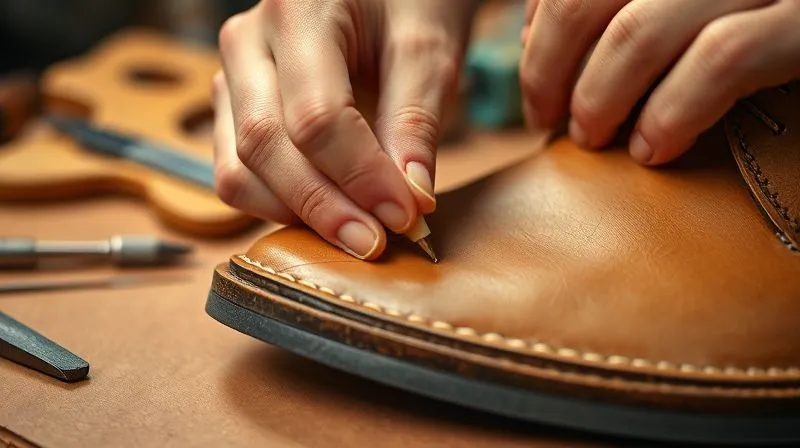
Owner's Playbook: Post-Purchase Care to Extend Sole Life
As an owner of artisan handmade footwear, your role in preventing sole separation is just as critical as the artisan's. Proper post-purchase care isn't just about keeping your shoes looking good; it's about preserving their structural integrity and extending their lifespan significantly. Think of it as an ongoing partnership with the craftsmanship.
The Power of Proper Cleaning and Conditioning
Regular cleaning removes dirt and grime that can abrade leather and compromise stitching. Conditioning, especially for leather soles and uppers, keeps the material supple and prevents it from drying out, cracking, or becoming brittle. I always recommend using high-quality leather conditioners and creams that penetrate rather than just sit on the surface. This maintains the leather's natural oils and elasticity, reducing stress on the sole attachments.
Strategic Rotation and Rest for Your Footwear
One of the simplest yet most effective preventative measures is shoe rotation. Never wear the same pair of shoes two days in a row. Shoes need time to rest, air out, and dry completely from foot perspiration and environmental moisture. This allows the leather to recover its shape and the internal components, including adhesives, to decompress. Using cedar shoe trees during rest periods is crucial, as they absorb moisture and help maintain the shoe's form, preventing creasing that could stress the sole.
Understanding and Mitigating Environmental Factors
Exposure to extreme conditions is a primary accelerant for sole separation. Avoid prolonged exposure to:
- Excessive Moisture: Rain, puddles, and snow are natural enemies. If shoes get wet, stuff them with newspaper to absorb moisture and let them air dry naturally away from direct heat.
- Extreme Heat: Direct sunlight, radiators, or car dashboards can dry out leather and degrade adhesives rapidly. Store shoes in a cool, dry place.
- Harsh Chemicals: Avoid contact with solvents, strong cleaning agents, or road salts, all of which can damage materials and adhesives.
Being mindful of where you wear and store your artisan footwear will significantly enhance its longevity.
| Care Aspect | Frequency | Benefit |
|---|---|---|
| Cleaning | Weekly/Bi-weekly | Removes abrasive dirt, maintains aesthetics |
| Conditioning | Monthly/Quarterly | Keeps leather supple, prevents drying/cracking |
| Rotation | Daily (alternate pairs) | Allows shoes to dry, reduces material fatigue |
| Shoe Trees | After every wear | Absorbs moisture, maintains shape, reduces creasing |
| Environmental Awareness | Constant | Protects from moisture, heat, chemicals |
When to Seek Professional Intervention: Identifying Early Warning Signs
Even with the best preventative care, handmade shoes are subject to wear. The key is to catch problems early. As marketing guru Seth Godin often says, "The cost of inaction is far greater than the cost of a mistake." This certainly applies to shoe repair. Ignoring a minor issue can quickly escalate into a major, more expensive repair, or even render the shoes irreparable.
Recognizing Micro-Separations and Cracks
Don't wait for a gaping hole. Regularly inspect your shoes, particularly along the sole's edge where it meets the upper or welt. Look for hairline cracks in the sole, especially near the toe flex point, or tiny gaps forming where the sole meets the welt. These micro-separations are often the first sign that the adhesive or stitching is beginning to fail. A good habit is to gently press along the sole line; if you feel any give or see a gap widen, it's time for action.
The Importance of Timely Repair vs. Replacement
Addressing these issues promptly by a skilled cobbler can prevent a full sole separation. A professional can re-glue a small section, reinforce stitching, or even perform a partial re-soling if necessary, preserving the shoe's original construction and extending its life. Waiting until the sole has significantly detached makes the repair more complex, potentially requiring a complete re-soling and often at a higher cost. Forbes highlights the value of proactive measures in various fields, and shoe care is no exception.
Case Study: Rescuing the "Heritage Brogue" from Imminent Sole Failure
How a Bespoke Cobbler Saved a Prized Pair
Let me share a real-world scenario, a composite of many I've encountered. Mrs. Albright, a collector of bespoke footwear, brought me a pair of exquisite English brogues, handmade by a celebrated artisan. She noticed a faint clicking sound when she walked, and upon inspection, I found a subtle but undeniable separation along the instep of one shoe, barely 2cm long, where the Blake-stitched sole was beginning to pull away. The leather upper was pristine, but the sole's integrity was compromised by repeated exposure to damp cobblestones without adequate drying time.
Instead of a full re-soling, which would have been expensive and altered the shoe's original character, I performed a targeted intervention. First, I meticulously cleaned and prepared the separated area. Then, I carefully injected a specialized, flexible shoe adhesive into the gap, ensuring full coverage. Using a custom-made clamp, I applied precise, even pressure for 48 hours. Finally, I reinforced the area with a few discreet, hand-stitched points, blending them seamlessly with the existing Blake stitch. The clicking sound vanished, the sole was perfectly re-bonded, and Mrs. Albright's treasured brogues were saved, their original craftsmanship preserved. This resulted in a satisfied customer and a prolonged life for a beautiful piece of art.
Advanced Techniques: Reinforcing Vulnerable Areas
Beyond basic care, there are specific techniques that both artisans and owners (via professional cobblers) can employ to add an extra layer of defense against sole separation, particularly in high-wear zones.
Edge Dressing and Sealants as Protective Barriers
For leather soles, the exposed edges are particularly vulnerable to moisture. Regular application of a high-quality edge dressing or sealant not only improves aesthetics but, more importantly, creates a protective barrier. This prevents water from wicking into the multiple layers of leather and compromising the adhesive or stitching from the side. It's a small step that yields significant protective benefits.
Applying Protective Taps and Toe Plates
The toe and heel areas of a sole experience the most direct impact and abrasion. Installing discreet rubber taps on the toe and heel, or even thin metal toe plates (often called 'toe tips' or 'toe protectors'), can dramatically extend the life of the original sole. These additions absorb the brunt of wear, shielding the vulnerable sole edge and preventing premature wear-through or separation initiation from these stress points. They are a smart investment for any high-quality shoe. The Shoe Guide offers comprehensive advice on such protective measures.
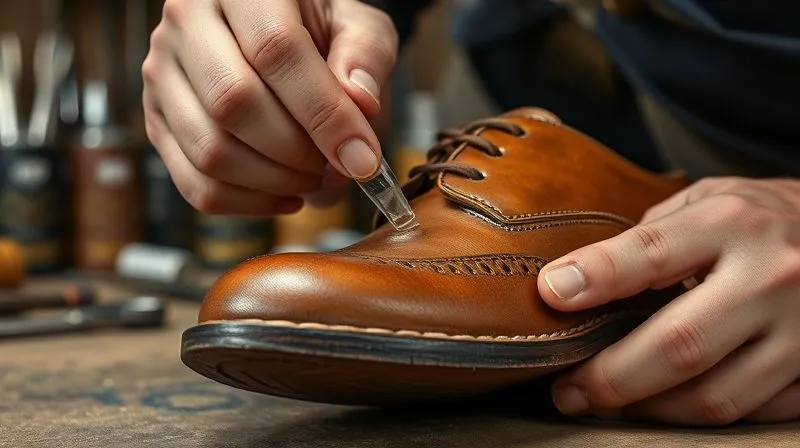
The Myth of "Indestructible" Handmades: Setting Realistic Expectations
I often encounter the misconception that because a shoe is handmade and artisan-crafted, it should be indestructible. While artisan footwear is undeniably built to a higher standard of durability and repairability than mass-produced shoes, it is not impervious to the laws of physics or the realities of wear and tear. Setting realistic expectations is crucial for both artisans and owners.
Understanding Wear and Tear in High-Quality Footwear
Even the finest leather will eventually scuff, and the strongest stitches will endure friction. Every step you take subjects the sole to impact, flex, and abrasion. Environmental factors, as discussed, also play a role. The beauty of artisan shoes lies not in their invincibility, but in their capacity for thoughtful repair and restoration, allowing them to age gracefully and serve you for many years, even decades, with proper care.
The Value of Regular Maintenance Over Reactive Repair
The philosophy I champion is one of proactive maintenance. Just as you wouldn't wait for your car engine to seize before getting an oil change, you shouldn't wait for a sole to peel off before giving your shoes attention. Regular cleaning, conditioning, rotation, and timely minor repairs are investments that pay dividends in longevity and sustained quality. This approach shifts the paradigm from urgent, reactive crisis management to a sustainable, respectful relationship with your valuable footwear.
Frequently Asked Questions (FAQ)
What's the difference between Goodyear welted and Blake stitched soles in terms of separation risk? Goodyear welted shoes generally offer greater resistance to sole separation due to their multi-layered construction. The welt acts as a buffer, and the outsole is stitched to the welt, not directly to the insole. This makes them more water-resistant and easier to re-sole without disturbing the upper. Blake stitching, while robust, has the stitching exposed inside the shoe, making it slightly more vulnerable to internal moisture and wear. However, both can be highly durable with proper craftsmanship and care, though Goodyear welting is often considered superior for ruggedness and repairability.
Can I use super glue to fix a small sole separation myself? While tempting for a quick fix, I strongly advise against using consumer-grade super glue (cyanoacrylate) for sole separation. These glues tend to be rigid and brittle once cured, making them prone to cracking with the natural flex of the shoe. They can also leave unsightly residue and make professional repair more difficult later. For small separations, a specialized, flexible shoe adhesive designed for leather and rubber is a better, albeit temporary, solution, but professional repair is always the safest long-term option.
How often should I condition my leather soles to prevent drying and cracking? The frequency depends on wear and environmental exposure. For regularly worn shoes, I recommend conditioning leather soles every 1-3 months. If you frequently walk on abrasive surfaces or expose your shoes to moisture, conditioning more often (e.g., monthly) would be beneficial. Use a dedicated leather sole conditioner or a very light application of natural oil, ensuring it soaks in rather than leaving a greasy residue. Always allow ample drying time.
Does wearing shoe trees really make a significant difference in preventing sole issues? Absolutely, yes. Shoe trees are one of the most underrated tools for shoe care. They perform two crucial functions: absorbing moisture from the shoe's interior (especially cedar trees) and maintaining the shoe's original shape. By absorbing moisture, they help prevent the internal degradation of adhesives and insoles. By maintaining shape, they reduce creasing in the upper and prevent the sole from curling or warping, which can stress the adhesive bonds and stitching. It's a non-negotiable for longevity.
What's the best way to clean the joint where the sole meets the upper to prevent debris buildup? Regularly use a stiff brush, like a shoe brush or an old toothbrush, to gently clear any dirt, dust, or small pebbles from the welt or sole joint. For stubborn grime, a damp cloth with a mild soap solution can be used, ensuring you wipe away any residue and allow the area to dry completely. This prevents abrasive particles from grinding into the stitching or wedging into small separations, which can exacerbate the problem.
Key Takeaways and Final Thoughts
- Proactive Prevention is Paramount: Both artisans and owners share responsibility in preventing sole separation through meticulous craftsmanship and diligent care.
- Understand the Anatomy & Root Causes: Knowledge of shoe construction and common failure points empowers you to make informed decisions.
- Quality Materials & Techniques Matter: Artisans must prioritize superior adhesives, threads, and construction methods.
- Consistent Care Extends Life: Owners must commit to regular cleaning, conditioning, rotation, and proper storage.
- Act Early on Warning Signs: Small separations are far easier and cheaper to fix than widespread detachment.
The journey of a handmade shoe, from the artisan's bench to your feet and beyond, is a testament to enduring quality and personal style. By embracing the insights and actionable strategies I've shared, you're not just preventing a common footwear problem; you're investing in the longevity of exquisite craftsmanship. Your artisan handmade footwear deserves a lifetime of adventures, and with these preventative measures, you can ensure it steps confidently into every one of them.
Recommended Reading
- Unlock the Secret: How to Reduce Microplastic Shedding from Your Clothes for a Cleaner Planet
- 7 Steps: Authenticating Vintage Luxury Bags Lacking Provenance
- Safely Setting Fragile Antique Gemstones: 7 Expert Methods You Need
- Stop Underpricing Bespoke Accessories: 7 Profit-Boosting Strategies
- Eco-Friendly Athletic Wear: Sustainable Synthetics Unveiled!


Your email address will not be published. Required fields are marked *